
Patron/Executive Editor
Dr. Muhammad Akram Shaikh
Director General, PASTIC
Managing Editors
Ms. Nageen Ainuddin
Mr. M. Aqil Khan
Editor
Dr. Saima Tanveer
Composer
Fasih ul Islam
&
Kashif Farooqui
T
ECHNOLOGY
R
OUNDUP
Technology Information Section (TIS)
Pakistan Scientific & Technological Information Centre
PASTIC
November - December, 2013
Vol. 5, No. 6
A NEWS BULLETIN FROM
Tech News Headlines
Tech & Trade Offers
Phone: 051-9248103-4, 9248111
Fax: 051-9248113
Email:editor@pastic.gov.pk
Web: www.pastic.gov.pk
PASTIC National Centre
Quaid-i-Azam University Campus
P.O. Box 1217, Islamabad
Editorial Board
l
Standardization of micropropgation techniques for Aloe vera:
A pharmaceutically important plant
Handwritten Character Recognition Using Multiclass SVM
Classification with Hybrid Feature Extraction
A Light Wave of Innovation to Advance Solar Energy: Researchers
Adapt Classic Antennas to Harness More Power from the Sun
Innovative Solar Technology May Lead to Interior Lighting
Revolution
Ultrasound, Nanoparticles May Help Diabetics Avoid the Needle
l
l
l
l
l
Genetic Discovery Points to Bigger Yields in Tomato and Other
Flowering Food Plants
Forthcoming Tech Events
l
l
l
l
l
l
l
l
3rd International Conference of Pakistan Phytopathological
Society
12th International Conference on Statistical Sciences
International Workshop on Discrete Structures (IWODS)
Food and Technology Pakistan 2014
2nd Abasyn International Conference on Teachnology and Business
Management
International Sustinable Built Environment Conference (ISBE)
Conference on Applied Neuroscience 2014
4th International Conference on Environment and Industrial
Innovation
Technology Roundup
Indigenous
Technology
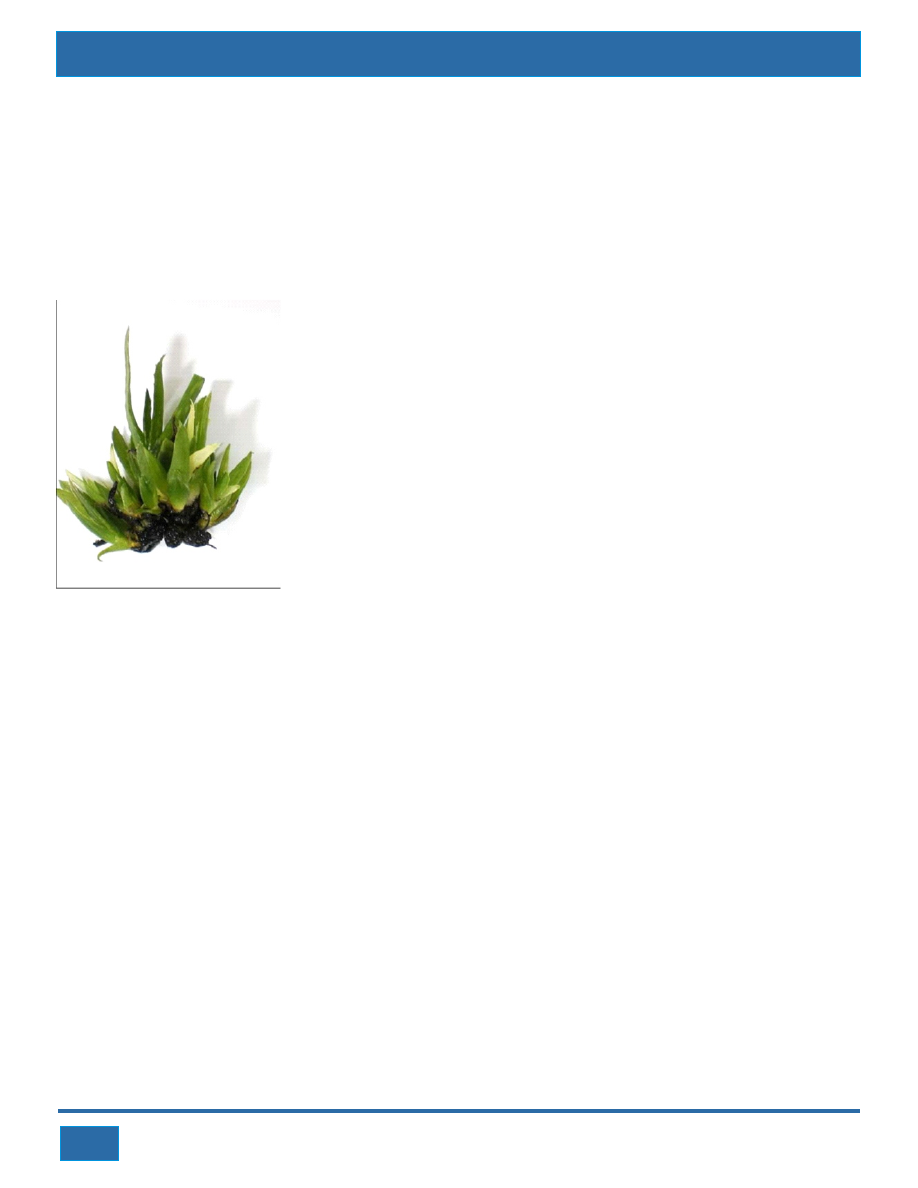
Standardization of micropropgation techniques for Aloe vera:
A pharmaceutically important plant
Reserchers from Pakistan Museum of Natural History, Islamabad, Pakistan, PMAS, Arid
Agriculture University Rawalpindi, Pakistan and Pakistan Science Foundation, Islamabad,
Pakistan have developed Standardization of micropropgation techniques for Aloe vera
Aloe vera (Syn. Aloe barbadensis Mill). a monocotyledonous plant, belonging to
family Asphodelaceae. More than 160 metabolites are found in Aloe vera leaves.
It is a medicinal plant, has a great potential in cosmetic and drug industry due to
presence of more than 200 bioactive compounds and Aloe vera is used internally
as laxative, antihelminthic, hemorrhoid remedy and uterine stimulant as
menstrual regulator and reported to be used as wound healing. It is reported to
be used on sun damaged skin and UV damaged skin as well. The common
propagation of Aloe vera is conventional method by means of suckers which is
inefficient to meet the industrial demand. Current production of leaves is not
enough for the fast growing demand of cosmetic and pharmaceutical industries.
Large-scale cultivation of selected genotype is the need of time. Sexual
reproduction of Aloe vera by means of seeds is limited due to presence of male
sterility. Limited number of lateral shoots from a single donor plant per year is
also a limiting factor for the vegetative reproduction of Aloe vera. Because of
these factors there is less availability of plant propagating material leading to low
productivity of this important pant. The problem of low productivity can be minimized by using micropropagation
as a possible solution to overcome the problems ssociated with conventional propagation techniques.
Presence of plant growth regulators plays a significant role in a successful regeneration of any plant species.
Among the plant growth regulators, cytokinin in culture medium is the most important factors for shoot
proliferation. Some researchers reported presence of both of auxin and cytokinin necessary for shoot proliferation
and combination of these two critical to shoot regeneration. The objective of research was to standardize an
appropriate concentration of various plant growth regulators for a successful micropropagation of Aloe vera for
disease free, true to type Aloe vera plantlets. The research was further aimed for mass propagation of this
important plant.
Healthy Aloe vera plants with good biomass were selected as experimental material. Shoot tip explants were
selected from these healthy and good biomass plants of 2 years of age. The extra leaves were trimmed to avoid any
contamination and shoots were resized to 2-3 cm. Shoot tip was used as an explant for in vitro regeneration of Aloe
vera. Explants were disinfested with the use of 0.1% mercuric chloride and 0.5% sodium hypochlorite, and washed
thoroughly with autoclaved distilled water. Solid MS medium was used with addition of different concentrations
of 6-benzyl aminopurine and a-naphthalene acitic acid. After 7 weeks of inoculation, greatest number of shoots
(11.18) and highest shoot length (12.15cm) were found in MS medium supplemented with 0.5 mg l-1 6-
benzylaminopurine (BAP) along with same concentration of a-naphthalene acitic acid (NAA). Best rooting
(84.67%) was found in medium supplemented with 1.5 mg l-1 of indole butyric acid (IBA). The rooted explants
were then gradually acclimatized and shifted to green house.
2

Technology Roundup
Indigenous
Technology
3
Handwritten Character Recognition Using Multiclass SVM
Classification with Hybrid Feature Extraction
The researchers from Department of Electrical Engineering and Al-Khawrizmi Institute of
Computer Science, University of Engineering and Technology, Lahore, Pakistan have research on
Handwritten Character Recognition Using Multiclass SVM Classification with Hybrid Feature
Extraction
Handwritten character recognition (HCR) is the computer based identification of handwritten numerals and
alphabets. HCR is a step towards the automation of human interaction with machines. HCR has applications for
assisting visually-impaired people; for automatic database recording and filtering of written documents; writer
identification and signature verification etc. Despite its tremendous scope of application, HCR is a difficult object
classification task because each writer has its own way of writing characters and writing fashion varies for a single
writer too.
One of the most important phases in successfully achieving character recognition is the task of feature extraction.
Feature extraction stage identifies and extracts various attributes from characters that help distinctly and uniquely
distinguish different characters. The second most important component in successfully achieving handwritten
character recognition is the pattern classification stage. This stage will assign an unknown character sample to one
of possible classes by utilizing the information of feature extraction stage. Different types of classifiers can be built
based on the nature and type of data samples and the extracted features. Classifiers used for character recognition
problem include k-nearest neighbor classifier, hidden Markov model (HMM), support vector machine (SVM), and
artificial neural network (ANN) etc.
The proposed technique is a hybrid of structural, statistical and correlation features. In the first step, the proposed
technique identifies the type and location of some elementary strokes in the character. The strokes to be looked for
comprise horizontal, vertical, positive slant and negative slant lines as we observe that the structure of any
character can be approximated with the help of a combination of simple straight line strokes. The strokes are
identified by correlating different segments of the character with the chosen elementary shapes. These normalized
correlation values at different segments of the character give correlation features. For making feature extraction
more robust, they add in the second step certain structural/statistical features to the correlation features. The
added structural/statistical features are based on projections, profiles, invariant moments, endpoints and
junction points. This enhanced, powerful combination of features results in a 157-variable feature vector for each
character, which they find adequate enough to uniquely represent and identify each character. Prior, handwritten
character recognition problem has not been addressed the way there proposed hybrid feature extraction technique
deals with it. The extracted feature vector is used during the training phase for building a support vector machine
(SVM) classifier. The trained SVM classifier is subsequently used during the testing phase for classifying unknown
characters. Experiments were performed on handwritten digit characters and uppercase alphabets taken from
different writers, without any constraint on writing style. The obtained results were compared with some related
existing approaches. Owing to the proposed technique, the results obtained show higher efficiency regarding
classifier accuracy, memory size and training time as compared to these other existing approaches.

4
Technology Roundup
A Light Wave of Innovation to Advance Solar Energy: Researchers Adapt
Classic Antennas to Harness More Power from the Sun
Some solar devices, like calculators, only need a small panel of solar cells to
function. But supplying enough power to meet all our daily needs would require
enormous solar panels. And solar-powered energy collected by panels made of
silicon, a semiconductor material, is limited contemporary panel technology
that can only convert approximately seven percent of optical solar waves into
electric current.
Researchers of Tel Aviv University's Department of Physical Electronics, Isreal
and its innovative new Renewable Energy Center are now developing a solar
panel composed of nano-antennas instead of semiconductors. By adapting
classic metallic antennas to absorb light waves at optical frequencies, a much
higher conversion rate from light into useable energy could be achieved. Such
efficiency, combined with a lower material cost, would mean a cost-effective
way to harvest and utilize "green" energy.
Both radio and optical waves are electromagnetic energy. When these waves
are harvested, electrons are generated that can be converted into electric
current. Traditionally, detectors based on semiconducting materials like silicon
are used to interface with light, while radio waves are captured by antenna.
For optimal absorption, the antenna dimensions must correspond to the light's very short wavelength, a challenge in optical
frequencies that plagued engineers in the past, but now we are able to fabricate antennas less than a micron in length. To
test the efficacy of their antennas,the researchers measured their ability to absorb and remit energy. "In order to function, an
antenna must form a circuit, receiving and transmitting of a cell phone, whose small, hidden antenna both receives and
transmits radio waves in order to complete a call or send a message.
By illuminating the antennas, the researchers were able to measure the antennas' ability to re-emit radiation efficiently, and
determine how much power is lost in the circuit, a simple matter of measuring the wattage going in and coming back out.
Initial tests indicate that 95 percent of the wattage going into the antenna comes out, meaning that only five percent is
wasted.
According to the researchers, these "old school" antennas also have greater potential for solar energy because they can
collect wavelengths across a much broader spectrum of light. The solar spectrum is very broad, they explain that with UV or
infrared rays ranging from ten microns to less than two hundred nanometers. No semiconductor can handle this broad
spectrum, and they absorb only a fraction of the available energy. A group of antennas, however, can be manufactured in
different lengths with the same materials and process, exploiting the entire available spectrum of light.
When finished, the team's new solar panels will be large sheets of plastic which, with the use of a nano-imprinting lithography
machine, will be imprinted with varying lengths and shapes of metallic antennas. Improving solar power's bottom line. The
researchers have already constructed a model of a possible solar panel. The researchers say that the next step is to focus on
the conversion process that how electromagnetic energy becomes electric current, and how the process can be improved.
The goal is not only to improve the efficiency of solar panels, but also to make the technology a viable option in terms of cost.
Www.aftau.org
5
Technology Roundup
Innovative Solar Technology May Lead to Interior Lighting Revolution
University of Cincinnati researchers have seen the light, a bright,
powerful light that just might change the future of how building
interiors are brightened.
“The researchers claim that SmartLight technology would be
groundbreaking. "This would change the equation for energy. It
would change the way buildings are designed and renovated. It
would change the way we would use energy and deal with the
reality of the sun.
There's a simple question SmartLight addresses: Is there a
smarter way to use sunlight? Every day the sun's rays hit Earth
with more than enough energy to meet many of society's energy
demands, but existing technologies designed to harness that
energy, such as photovoltaic cells, aren't very efficient. A typical
photovoltaic array loses most of the sun's energy when it gets
converted into electricity. But with SmartLight, Harfmann says
the sunlight channeled through the system stays, and is used, in
its original form. This method is far more efficient than converting
light into electricity then back into light and would be far more
sustainable than generating electric light by burning fossil fuels
or releasing nuclear energy. The technology could be applied to
any building big or small, old or new, residential or commercial
and will have the greatest impact on large commercial buildings.
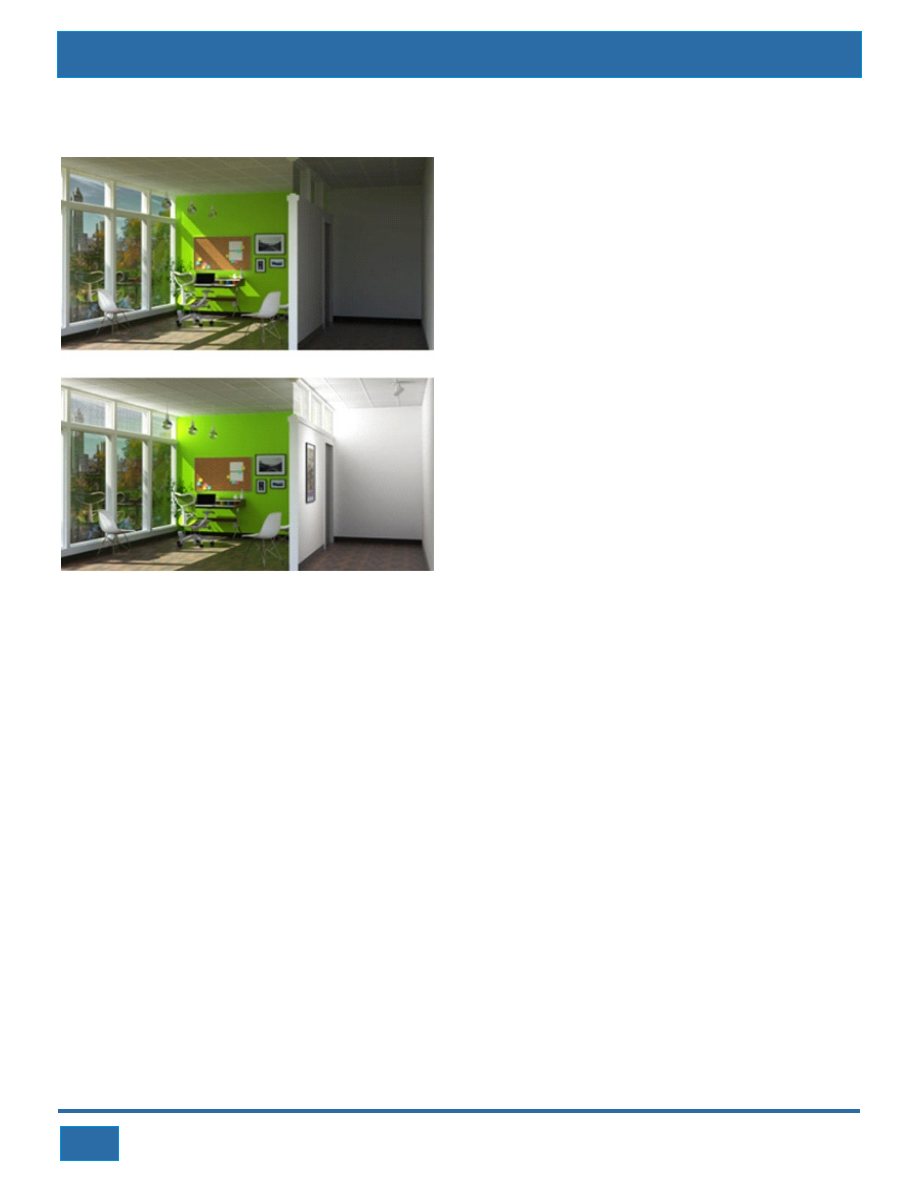
SmartLight could help shift that energy imbalance. It works like a narrow grid of electrofluidic cells which is self-powered by
embedded photovoltaics is applied near the top of a window. Each tiny cell only a few millimeters wide contains fluid with
optical properties as good or better than glass. The surface tension of the fluid can be rapidly manipulated into shapes such
as lenses or prisms through minimal electrical stimulation about 10,000 to 100,000 times less power than what's needed to
light a traditional incandescent bulb. In this way, sunlight passing through the cell can be controlled.
The grid might direct some light to reflect off the ceiling to provide ambient room lighting. Other light might get focused toward
special fixtures for task lighting. Yet another portion of light might be transmitted across the empty, uppermost spaces in a
room to an existing or newly installed transom window fitted with its own electrofluidic grid. From there, the process could be
repeated to enable sunlight to reach the deepest, most "light-locked" areas of any building. And it's all done without needing
to install new wiring, ducts, tubes or cables. "You're using space that's entirely available already. And you don't need
something mechanical and bulky, like a motor whirring in the corner of your office steering the light. It just looks like a piece of
glass that all of a sudden switches.”
As for switching, the workplace where physical light switches join other anachronistic office equipment like mouse pads or
bulky CRT monitors. Plans call for SmartLight to be controlled wirelessly via a mobile software application. So instead of
manually flipping a switch on a wall, a user would indicate their lighting preferences through an app on their mobile device,
and SmartLight would regulate the room's brightness accordingly. SmartLight could even use geolocation data from the app
to respond when a user enters or leaves a room or when they change seats within the room by manipulating Wi-Fi-enabled
light fixtures.
"SmartLight would be controlled wirelessly. There would be no wires to run. You wouldn't have light switches in the room. You
wouldn't have electricity routed in the walls You would walk into a room and lights would switch on because your smartphone
knows where you are and is communicating with the SmartLight system.”
But what happens at night or on cloudy days? That's where SmartLight's energy storage ability comes in. On a typical sunny
day, sunlight strikes a facade at a rate that's often hundreds of times greater than what is needed to light the entire building.
SmartLight can funnel surplus light into a centralized harvesting- and energy-storing hub within the building. The stored
energy could then be used to beam electrical lighting back through the building when natural light levels are low. The
3
6
Technology Roundup
SmartLight's grid is so responsive -- each cell can switch by the second -- it can react dynamically to varying light levels
throughout the day, meaning office lighting levels would remain constant during bright mornings spent catching up on email,
stormy lunch hours spent eating at your desk, and late nights spent reviewing the budget. With such potential for energy
storage, a building's electrical network also could tap into the centralized hub and use the stockpiled energy to power other
needs, such as heating and cooling. And if centralized collection of surplus sunlight isn't possible inside some existing
structures, the light could even be sent straight through a building to a neighboring collection facility.
Www.sciencedaily.com
Ultrasound, Nanoparticles May Help Diabetics Avoid the Needle
A new nanotechnology-based technique for regulating blood sugar in diabetics may give patients the ability to release insulin
painlessly using a small ultrasound device, allowing them to go days between injections, rather than using needles to give
themselves multiple insulin injections each day. The technique was developed by researchers at North Carolina State
University and the University of North Carolina at Chapel Hill.
When a patient has type 1 or advanced type 2 diabetes, his or her body needs additional insulin, a hormone that transports
glucose or blood sugar from the bloodstream into the body's cells. These diabetes patients must inject insulin as needed to
ensure their blood sugar levels are in the "normal" range. However, these
injections can be painful.
This technology is hopefully a big step toward giving diabetics a more
painless method of maintaining healthy blood sugar levels. The technique
involves injecting biocompatible and biodegradable nanoparticles into a
patient's skin. The nanoparticles are made out of poly(lactic-co-glycolic)
acid (PLGA) and are filled with insulin. Each of the PLGA nanoparticles is
given either a positively charged coating made of chitosan (a
biocompatible material normally found in shrimp shells), or a negatively
charged coating made of alginate (a biocompatible material normally
found in seaweed). When the solution of coated nanoparticles is mixed
together, the positively and negatively charged coatings are attracted to
each other by electrostatic force to form a "nano-network." Once injected
into the subcutaneous layer of the skin, that nano-network holds the
nanoparticles together and prevents them from dispersing throughout the
body. The coated PLGA nanoparticles are also porous. Once in the body,
the insulin begins to diffuse from the nanoparticles. But the bulk of the
insulin doesn't stray far and it is suspended in a de facto reservoir in the
subcutaneous layer of the skin by the electrostatic force of the nano-
network. This essentially creates a dose of insulin that is simply waiting to
be delivered into the bloodstream.
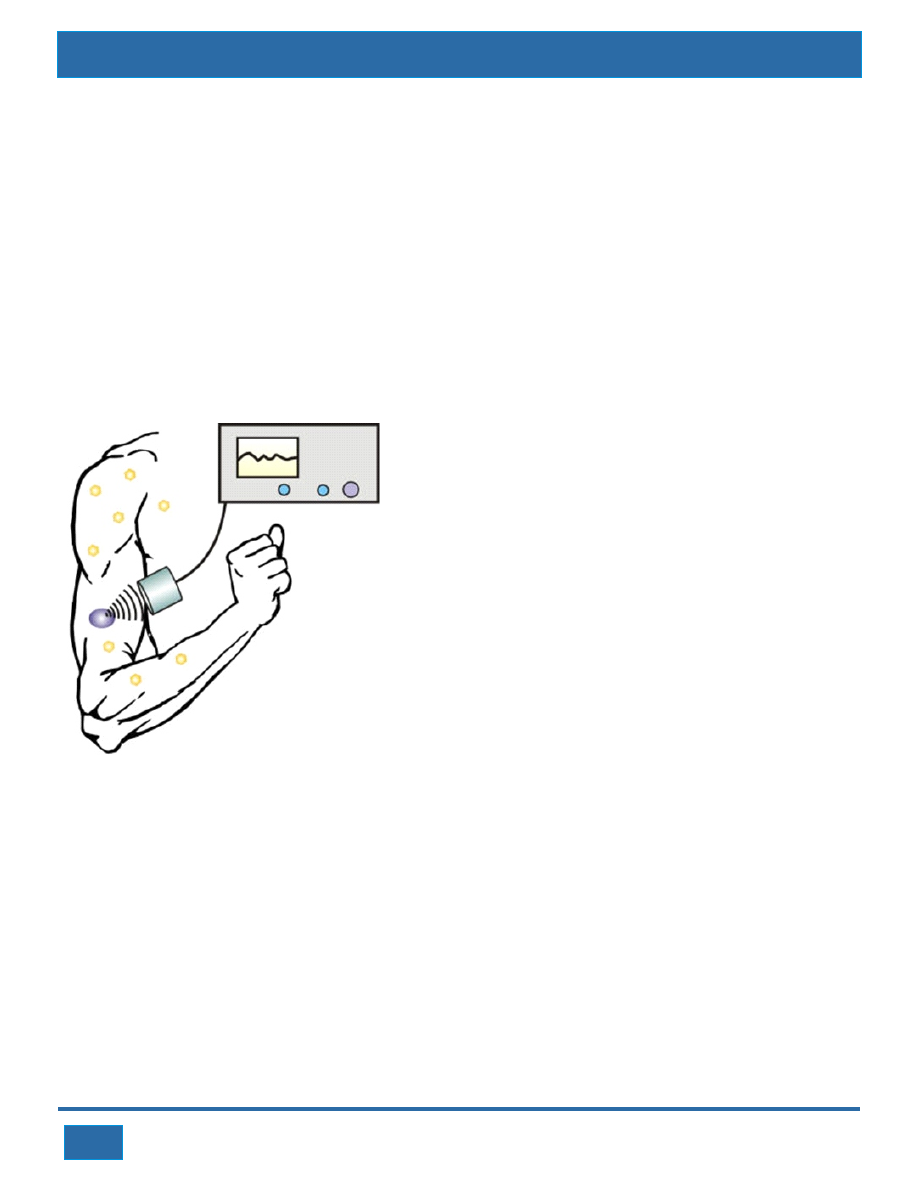
Using the new technology developed by Gu's team, a diabetes patient doesn't have to inject a dose of insulin as it's already
there. Instead, patients can use a small, hand-held device to apply focused ultrasound waves to the site of the nano-network,
painlessly releasing the insulin from its de facto reservoir into the bloodstream.
The researchers believe the technique works because the ultrasound waves excite microscopic gas bubbles in the tissue,
temporarily disrupting nano-network in the subcutaneous layer of the skin. That disruption pushes the nanoparticles apart,
relaxing the electrostatic force being exerted on the insulin in the reservoir. This allows the insulin to begin entering the
bloodstream and process hastened by the effect of the ultrasound waves pushing on the insulin. The researchers are now
trying to determine its precise details because when the ultrasound is removed, the electrostatic force reasserts itself and
pulls the nanoparticles in the nano-network back together. The nanoparticles then diffuse more insulin, refilling the reservoir.
The researchers have done proof-of-concept testing in laboratory mice with type 1 diabetes and found that this technique
achieves a quick release of insulin into the bloodstream, and that the nano-networks contain enough insulin to regulate blood
glucose levels for up to 10 days. When the insulin runs out, you have to inject a new nano-network and the previous nano-
network is dissolved and fully absorbed into the body in a few weeks. This advance will certainly give millions of people with
diabetes worldwide hope that better days are ahead.
Www.news.ncsu.edu
7
Technology Roundup
Genetic Discovery Points to Bigger Yields in Tomato and Other Flowering
Food Plants
Www.cshl.edu
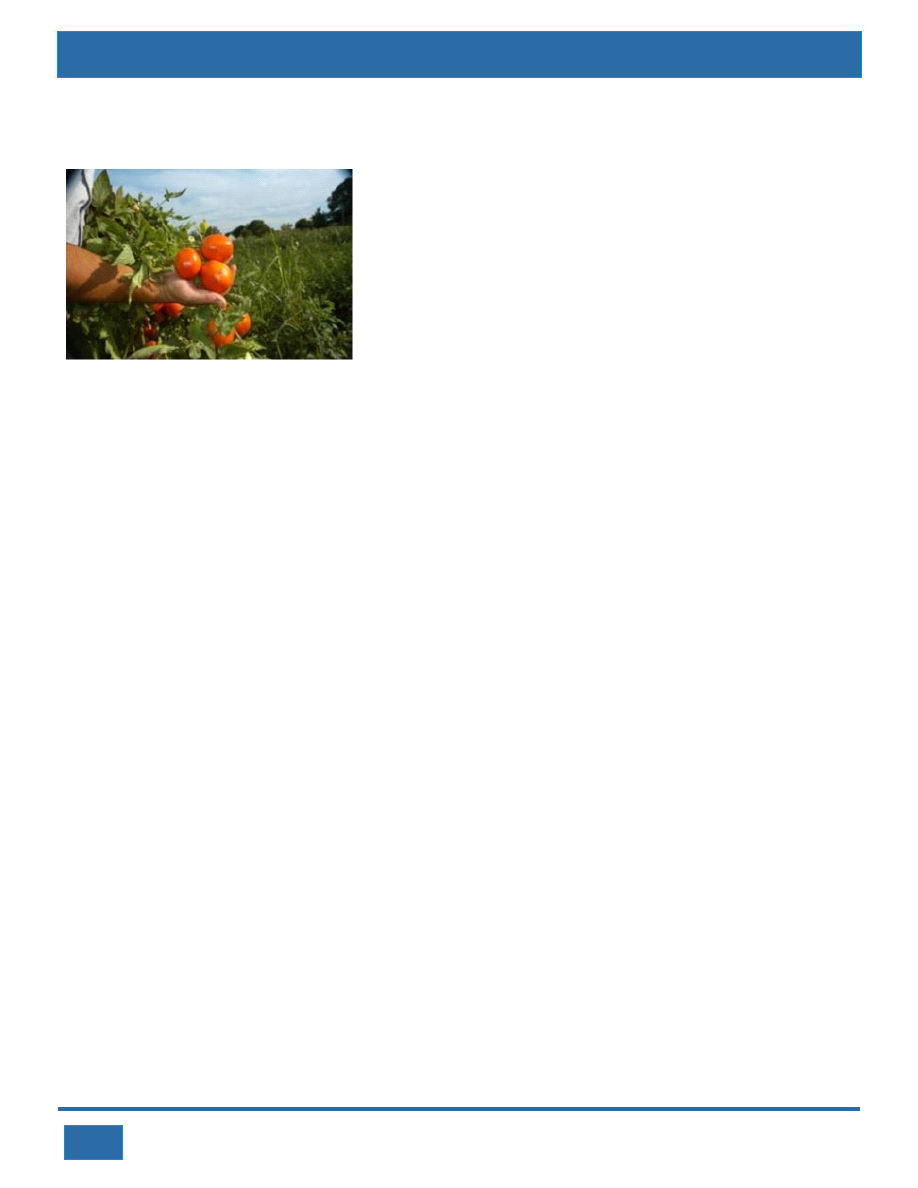
Every gardener knows the look of a ripe tomato. That bright red color, that
warm earthy smell, and the sweet juicy flavor are hard to resist. But
commercial tomato plants have a very different look from the backyard
garden variety, which can grow endlessly under the right conditions to
become tall and lanky. Tomatoes that will be canned for sauces and juice are
harvested from plants that stop growing earlier than classic tomato
varieties, and are therefore more like bushes. While the architecture of
these compact bushy plants allows mechanical harvesters to reap the crop,
the early end of growth means that each plant produces fewer fruits than
their home garden cousins.
Researchers from Cold Spring Harbor Laboratory (CSHL), USA announced
that they have determined a way to accomplish this. Their research has
revealed one genetic mechanism for hybrid vigor, a property of plant breeding that has been exploited to boost yield since
the early 20th century. Teasing out the hidden subtleties of a type of hybrid vigor involving just one gene has provided the
scientists with means to tweak the length of time that bushy tomato varieties can produce flowers. In these plants, longer
flowering time substantially raises fruit yield. Prognosis.
First identified at CSHL hybrid vigor or heterosis, involves interbreeding genetically distinct plants to generate offspring
more robust than either inbred parent. It has been used for decades to improve agricultural productivity, but scientists have
long debated how and why it works. Later on in their previous work, CSHL researchers identified a rare example of hybrid
vigor involving a genetic defect in the gene that makes florigen, a hormone that controls the process of flowering and flower
production. The mutation dramatically increases tomato yields in bush tomatoes, and researcher set out to understand the
mechanism behind this remarkable result.
They found that bushy plants with a mutation in one of the two copies of the florigen gene, producing half as much florigen
as plants without the mutation do, postpone the moment when they stop producing flowers. This, in turn, leads too many
more fruits overall. The bushy tomato varieties are highly sensitive to the amount, or dosage, of the florigen hormone,
which alters plant architecture that is, how many flowers can form before growth ends. These discoveries lead to an
exciting prediction: that it may be possible to tweak florigen levels to increase yields even further.”
The team also studied florigen mutants in another plant, the crucifer weed known as Arabidopsis that is a cousin of crops
like broccoli and cauliflower. Although they did not see the same increase in yield, they did observe similar changes in plant
architecture because of florigen dosage sensitivities. These results suggest that it may be possible to manipulate florigen in
a wide variety of flowering species to increase yields.

Technology Roundup
National Events
3rd International Conference of Pakistan Phytopathological Society
12th International Conference on Statistical Sciences
International Workshop on Discrete Structures (IWODS)
International Events
International Sustinable Built Environment Conference (ISBE)
Conference on Applied Neuroscience 2014
4th International Conference on Environment and Industrial Innovation
23-25 January, 2014
Karachi, Pakistan
10 - 12 Feburary, 2014
DHA Suffa University, Karachi, Pakistan
05-07 March, 2014
Islamabad, Pakistan
18th - 20th March, 2014
Karachi, Sindh, Pakistan
26th to 27th March 2014
Peshawar, Khyber Pakhtunkhwa, Pakistan
28 - 30 January, 2014
Doha, Qatar
12 March, 2014
Penang, Malaysia
www.conference.researchbib.com
Www.conference.researchbib.com
www.conferencealerts.com
Food and Technology Pakistan 2014
Www.foodntechnology.com.pk
2nd Abasyn International Conference on Teachnology and Business
Management
Www.easychair.org/conferences
Www.materialstoday.com
www.nature.com
Www.conferencealerts.com
30 January- 02 Feburary, 2014
Netherlands,
8
Forthcoming Tech Events
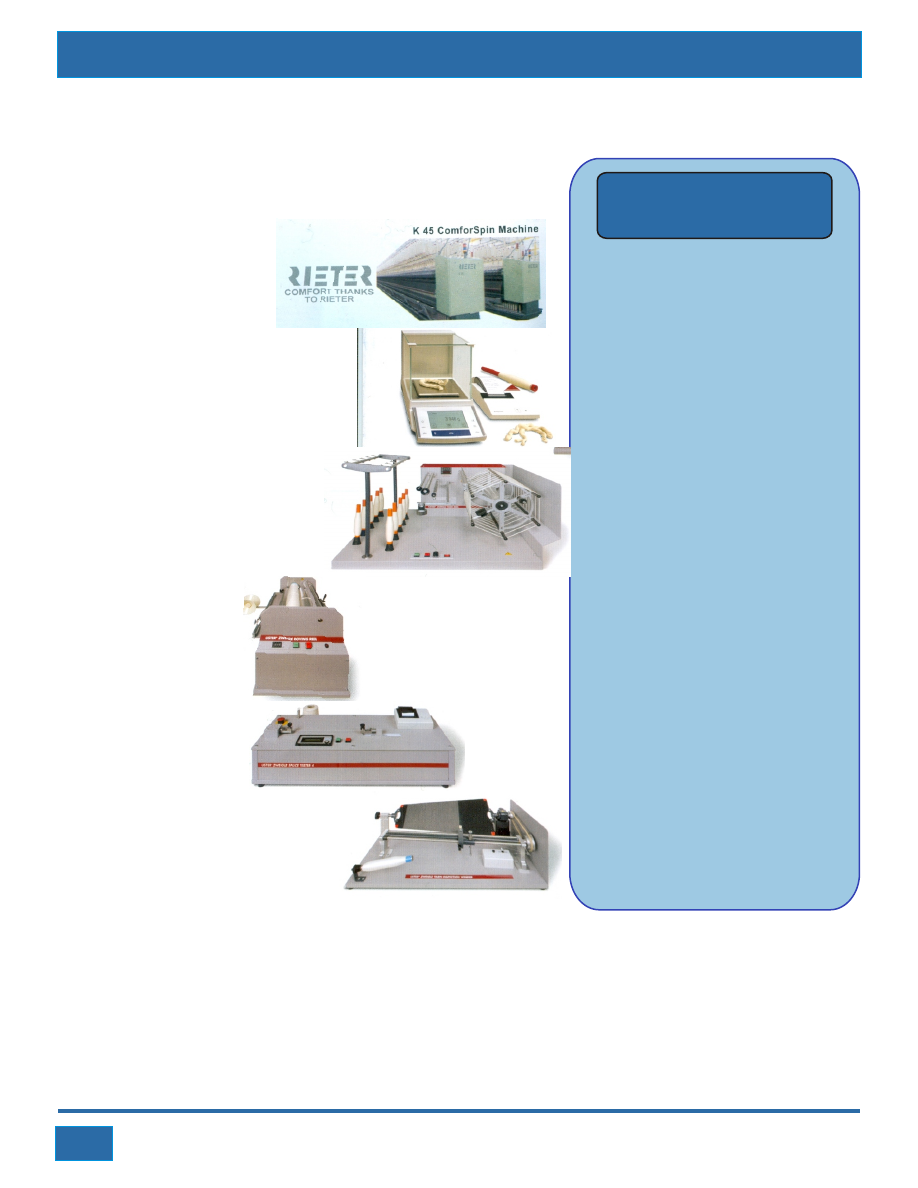
Tech & Trade Offers
About PASTIC
PASTIC serves as a gateway for
Scientific & Technological
Information for R&D by
catering to the information
n e e d s o f r e s e a r c h e r s ,
entrepreneurs, industrialists,
educationists, policy makers
a n d p l a n n e r s t h r o u g h
anticipatory and responsive
information services.
T e c h n o l o g y I n f o r m a t i o n
Service Section of PASTIC
works exclusively for support
and promotion of technological
information on trade and
industry in the country.
“Technology Roundup” is a
news bulletin that provides
l a t e s t a n d i n n o v a t i v e
technology news, forthcoming
events, etc. It also promotes
products, technologies and
services globally in sectors
such as Agro-Industry, Bio-
Technology, Building Material,
B u s i n e s s , C h e m i c a l s ,
Electronics, Energy, Fisheries,
Food Processing, Machinery,
P a c k a g i n g , M i n i n g
Pharmaceuticals and Textiles.
SIMAG
(Private) Limited
Dealer:
I.
RIETER
i)
K 45 comfortable spin
machine
II.
USTER
ii)
USTER quantum 3
iii)
USTER auto sorter 5
Essential information with
international benchmarking
iv)
Count measurement The basis for
all spinning parameters
v)
USTER ZWEIGLE yarn
and roving reel
Vi)
USSTER ZWEIGLE
splice tester 4
vii)
Quick and easy assessment of yarn
grades
Company Contact
Simag
M. Iqbal Khan Leghari (Sales Manager)
Tel:092-21-35670757
E-mail: leghari@simag.com.pk
Address: 505 - 506 Alameera Center, 150 - Shahrah-e-Iraq, Saddar, Karachi
Pakistan.
Technology Roundup
Please give us your feedback and address queries to editor@pastic.gov.pk
9