
Patron/Executive Editor
Dr. Muhammad Akram Shaikh
Director General, PASTIC
Managing Editors
Ms. Nageen Ainuddin
Mr. M. Aqil Khan
Editor
Dr. Saima Tanveer
Composer
Fasih ul Islam
&
Kashif Farooqui
T
ECHNOLOGY
R
OUNDUP
Technology Information Section (TIS)
Pakistan Scientific & Technological Information Centre
PASTIC
May-June, 2013
Vol. 5, No. 3
A NEWS BULLETIN FROM
Tech News Headlines
Tech & Trade Offers
Phone: 051-9248103-4, 9248111
Fax: 051-9248113
Email:editor@pastic.gov.pk
Web: www.pastic.gov.pk
PASTIC National Centre
Quaid-i-Azam University Campus
P.O. Box 1217, Islamabad
Editorial Board
l
Effect of different Packing Materials and Storage Conditions on the
Viability of Wheatseed (TD-1 Variety)
l
l Thin, Flexible Glass for Energy Storage
l Glove Identifies Poisons on Contact
l World-Changing Technology Enables Crops to Take Nitrogen from
the Air
l Oven-Baked Fish Fingers have fewer Furans than Fried
Remote Sensing and GIS Application in Wetland Change Analysis:
Case Study of Kallar Kahar
Textile Technology
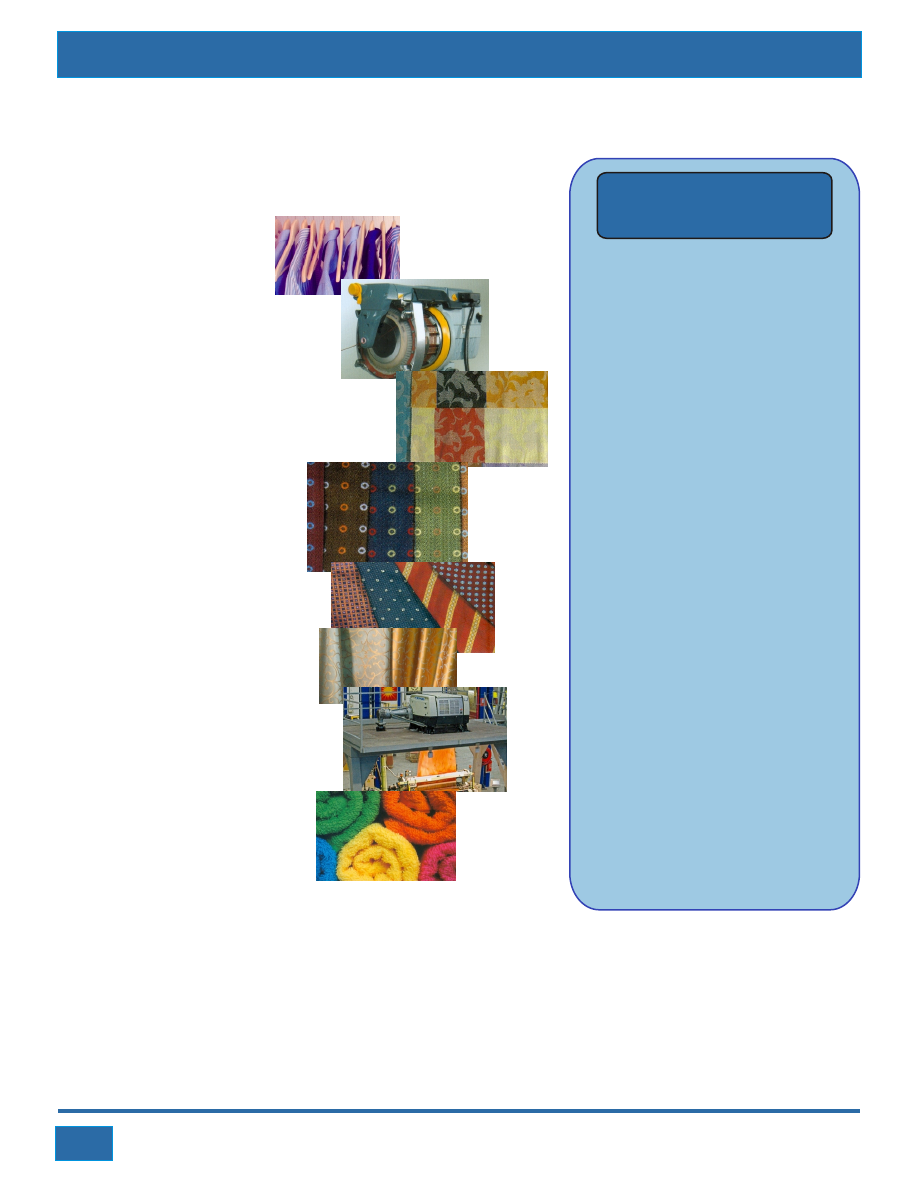
IRO & ROJ Products
Shirting,Denim, Silk and Fancy
fabrics, Curtains, Uphlolstery,
Bed sheeting and Towels etc.
Forthcoming Tech Events
l 8th IEEE International Conference on Digital Information
Management (ICDIM 2013)
l 3rd International Multi-Topic Conference (IMTIC 2013)
l 2ndEC 2013 - Educational Development in a Changing World: The
Mysteries and Myths of 21st Century
l 2nd International Conference on Global Sustainable Development
(ICGSD 2013)
l 1st International Conference on Information & Communication
Technology Trends - (ICICTT-2013)

Technology Roundup
Indigenous
Technology
Effect of Different Packing Materials and Storage Conditions on the
Viability of Wheatseed (TD-1 Variety)
Pakistan is the 6th most populous country in world with a population of 160.9 million in mid 2008 with growth
rate of 1.8% (GOP, 2008). Wheat, the most important crop and being the staple diet, is cultivated on the 8.459
million hectares with a production of 22.5 million tons. It contributes 13.7% to the value added in agriculture and
3.0% to GDP (GOP, 2008). About 9.3 to 42% of attainable wheat production is lost as a result of attack of various
pests, pathogens and weeds in spite of control measures.
Grain quality is an important parameter for marketing and processing, and can affect the commodity value. These
factors can be physical, such as temperature and humidity; chemical, such as oxygen supply; and biological, such
as bacteria, fungal, insects and rodents. Safe storage preserves the qualitative and quantitative aspects of the
grains by providing unfavorable conditions for the development of insects, rodents and microorganisms. The
storage of grains in the natural environment of tropical areas poses great problems due to the temperature
conditions and relative humidity, when compared to the areas having a cold or temperate climate. The parameters
of temperature and relative humidity during storage are decisive in the process of loss of seed viability and
composition.
Grain storage occupies a vital place in the economies of developed and developing countries. In Pakistan,
improper traditional and recent methods of grain storage have caused lots of losses in terms of physical and
chemical qualities. Proper grain storage in developing countries plays an important role in maintenance of their
economy.
The fluctuations in temperature, dampness during storage and its longevity results in significant nutrient losses
Prolonged storage period with high seed moisture percentage also causes reduction in germination, seedling vigor,
accelerates seed aging, increases germination time, electrical conductivity, insect infestation and finally loss in
seed weight.
The present research was carried out to investigate the effect of different packing materials tal bin, earthen bin,
plastic bag, cloth bag and gunny bag) and grain moisture content at packing (10% and 16%) on viability of wheat
seed for ten months of storage in the laboratory of Farm Structures, Sindh Agriculture University, Tandojam,
Pakistan, during the year 2010-11. Temperature, moisture content and germination capacity were recorded
throughout the storage period. When the gunny, cloth and plastic bags were used as the packing material, the
moisture content and germination capacity were decreased and the seed temperature was increased with the
increase of storage period despite the moisture content (10% and 16%) of wheat seed at packing. When seed was
packed in metal and earthen bins the reduction in viability of seed with time of storage varied with the moisture
content of seed at packing. Wheat seed stored in metal and earthen bins with initial moisture content of 10%
showed satisfactory temperature, moisture content and germination capacity throughout the storage period than
those packed with 16% moisture. Wheat seed stored in gunny, cloth and plastic bags were in good terms with
temperature, moisture content and germination capacity in comparison with those in metal and earthen bins.
Courtesy:
Science, Technology and Development, 2012 31(1): 10-18 refs15
Author: Shakeel H. Chattha, Liaquat A. Jamali and H.R. Mangio (Faculty of Agricultural Engineering, Sindh
Agriculture University, Tandojam, Pakistan). Khalil A. Ibupoto (Pakistan Science Foundation, Islamabad
2

Technology Roundup
Indigenous
Technology
Remote Sensing and GIS Application in Wetland Change Analysis:
Case Study of Kallar Kahar
Wetlands are essential ecological features in any landscape. In their natural condition, wetlands supply numerous
economical, ecological and cultural benefits to local communities, including water quality protection, flood and
erosion control, fish and wildlife habitat, aquatic productivity and unique opportunities for education and
recreation. Wetlands cover approximately 9.7% of the total area of Pakistan. The country has a great variety of
Wetlands, both man-made and natural. However, these wetlands are now suffering because of ineffective
management, urbanisation, poverty and lack of awareness.
Recent developments in geographical information system (GIS) and Remote Sensing Technologies (RST) are
providing valuable tools to assist with monitoring, inventory and management of wetlands. Many studies were
undertaken regarding change detection in wetlands by using GIS/Remote Sensing Technologies across the world.
Wetlands are one of the naturally occurring habitat. They provide invaluable bio diversity resources, water quality
improvement, support ground water recharge, help in moderating climate change and supply flood control but
they are deteriorated greatly due to economic development and population growth. In the present analysis, the
object-based approach of 'ENVI' is presented to derive the change detection inventory information for Kallar
Kahar Wetland using Quick bird imagery and Corona imagery. According to the results, agricultural and shrub
area has reduced by 43% and 49% respectively whereas there has been an increase in the water-body,
uncultivated/soiled area, orchard and built-up area by 40%, 53%, 79% and 38%, respectively. In order to analyse
the change detection of wetlands using very high resolution satellite images, the outcome of the analyses is
presented which can help in decision making for the purpose of land development and further assess the
implications of the observed changes in the area for making appropriate recommendations.
Courtesy:
Sheikh Saeed Ahmad and Summra Erum (Department of Environmental Sciences, Fatima Jinnah Women
University, Rawalpindi, Pakistan).
Science, Technology and Development, 2012 31(3): 251-259 refs20
3
4
Technology Roundup
Thin, Flexible Glass for Energy Storage
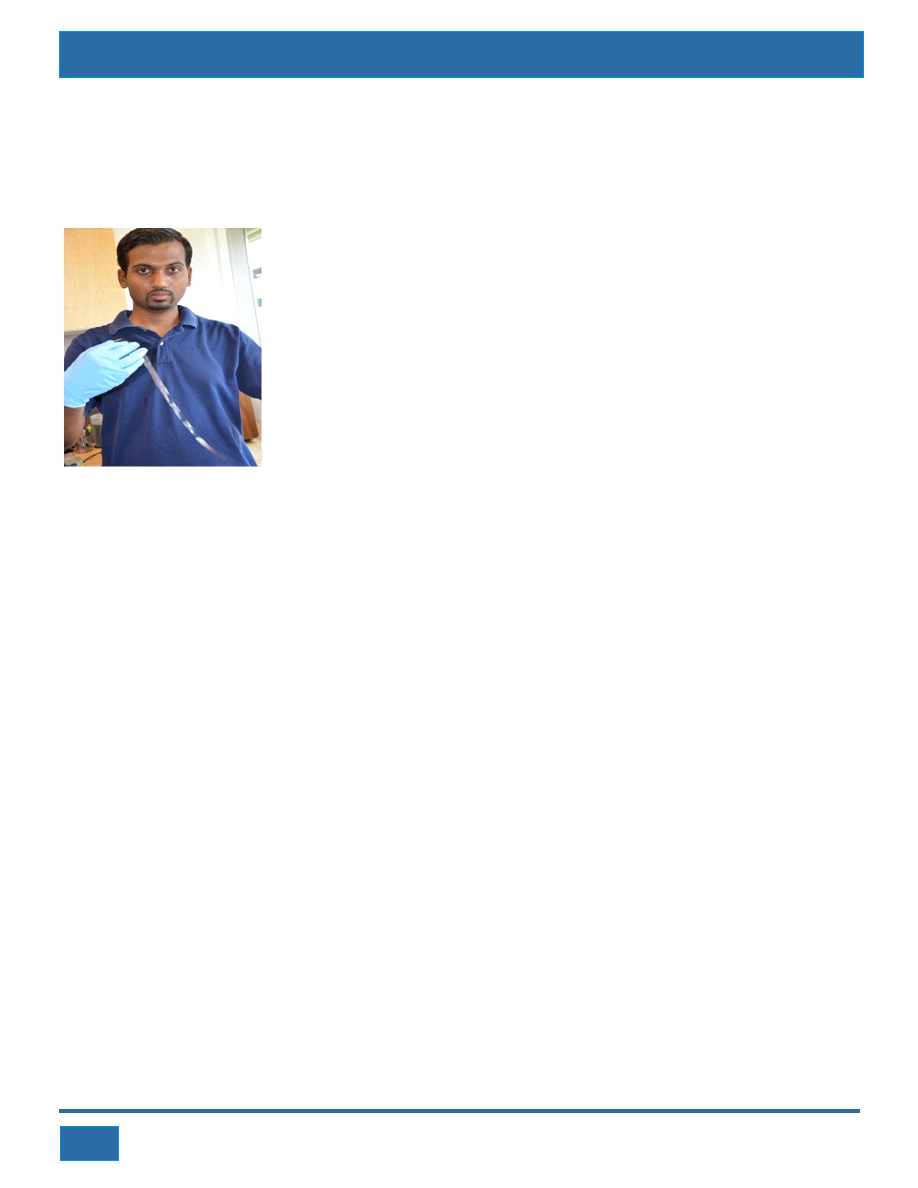
A new use for glass is being developed by researchers in Penn State's Materials Research Institute that could make future
hybrid-electric and plug-in electric vehicles more affordable and reliable.
Thin and flexible glass for displays is already a widely commercialized technology. But
even thinner glass, about one tenth the thickness of display glass, can be customized to store
energy at high temperatures and for high power applications, such as electric vehicle power
electronics, wind turbine generators, grid-tied photovoltaics, aerospace, and geothermal
exploration and drilling.
Researchers report on experiments with various alkali-free glass compositions and
thicknesses, comparing their energy density and power density to commercial polymer
capacitors currently used in electric vehicles to convert energy from the battery to the
electric motor. Because polymer capacitors are designed to operate at lower temperatures,
they require a separate cooling system and a larger safety factor, which adds to their bulk. In
this research, researcher identified 10-micron thick glass from Nippon Electric Glass
(NEG) as having an ideal combination of high energy density and power density, with high charge-discharge efficiency at
temperatures up to 180 °C and, in more recent experiments, even higher.
Partnering with NEG leverages the investment of leading glass manufacturers in developing the processes to create
continuous sheets of glass with less thickness and fewer defects. Working with State College-based Strategic Polymer
Sciences, the researchers are developing the capability to produce inexpensive roll-to-roll glass capacitors with high energy
density (35 J/cc3) and high reliability.
In work funded by the Department of Energy, Manoharan and the Penn State team led by Michael Lanagan, professor of
engineering science and mechanics, are collaborating with Strategic Polymer Sciences to coat the glass with high
temperature polymers that increase energy density by 2.25 times compared to untreated glass, and also significantly increase
self-healing capabilities. Self-healing or graceful failure is an important consideration in applications where reliability is a
critical factor.
"These flexible glass capacitors will reduce weight and cost if replacing polypropylene capacitors," said researcher. "They
could be used in any high energy density capacitor application not only in electric vehicles, but in heart defibrillators or
weapons systems such as the electric railgun the navy is developing.”
www.treehugger.com
5
Technology Roundup
Glove Identifies Poisons on Contact
Security takes top priority in laboratories and in production. In the future, employees exposed to risks will only have to put on
a glove in order to receive a toxic substance warning: This textile identifies poisonous substances, and points them out
immediately.
Employees in chemical production, the semiconductor industry or in
laboratories are frequently exposed to harmful substances. The
problem: Many of these aggressive substances are imperceptible to
human senses, which makes handling them so risky. That's why there is
a broad range of solutions that employers can use to protect their staff
from hazardous substances, from highly sensitive measuring
equipment to heat imaging cameras. Soon, this spectrum will be
enhanced by one more clever solution that is easy to handle, and that
dispenses with a power supply. Researchers at the Fraunhofer
Research Institution for Modular Solid State Technologies EMFT in
Regensburg have engineered a glove that recognizes if toxic
substances are present in the surrounding air.
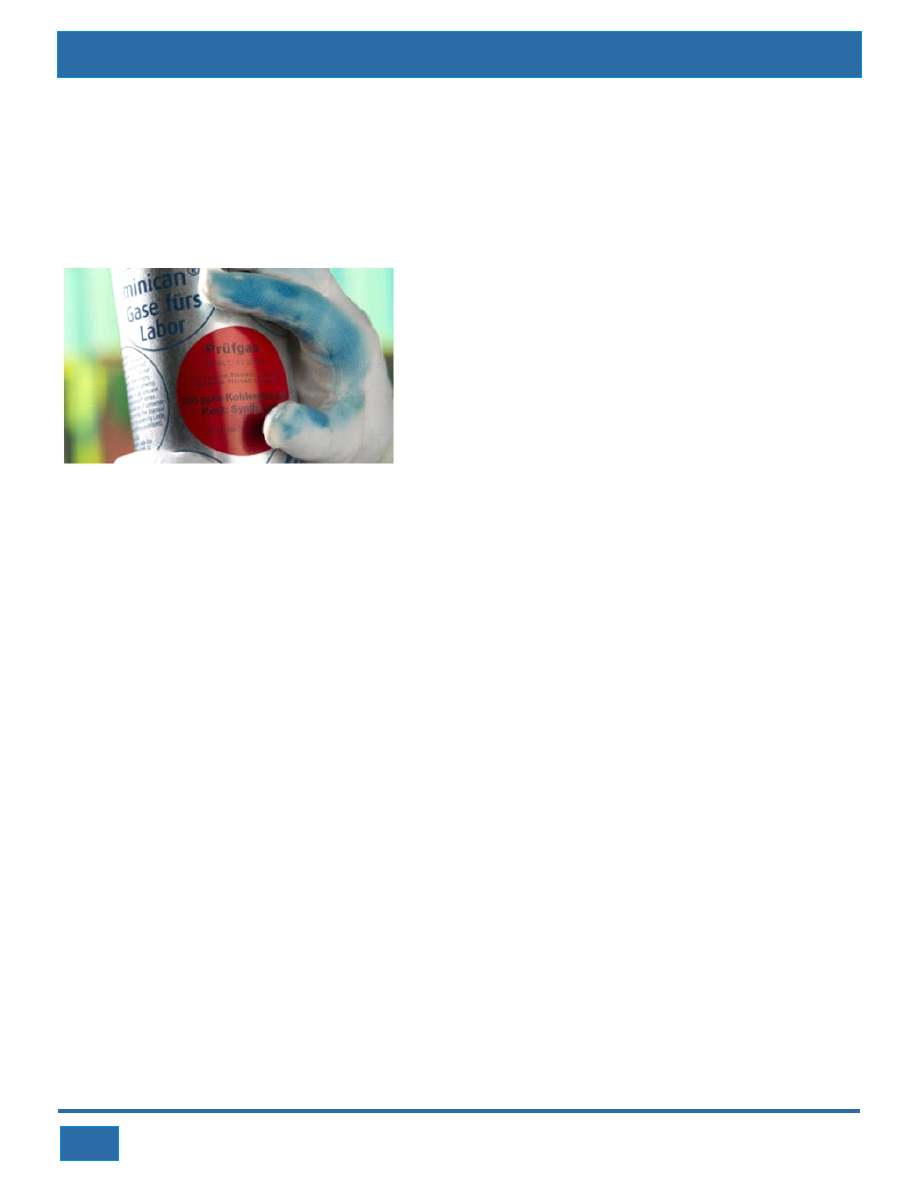
The protective glove is equipped with custom-made sensor materials and indicates the presence of toxic substances by
changing colors. In this regard, the scientists adapted the materials to the corresponding analytes, and thus, the application.
The color change, from colorless (no toxic substance) to blue (toxic substance detected), for example warns the employee
immediately. By synthesizing the adapted color sensor materials, they can detect gases like carbon monoxide, for example,
or hydrogen sulfide. Still, this protective gear represents only one potential area of application. Sensor materials could also
be deployed for the quick detection of leaks in gas lines.
The expert already has new ideas about how the solution could be developed further. For example, a miniaturized sensor
module, integrated into textiles, could record toxic substances, store the measurement data and even transmit them to a main
unit. This way, you could document how frequently an individual within a hazardous environment was exposed to poisonous
concentrations over a longer period of time.
The researchers also envision other potential applications in the foodstuffs industry. In the future, color indicator systems
integrated into foils or bottle closures are intended to make the quality status of the packaged foods visible. Because the sell-
by date does not represent a guarantee of any kind. Foodstuffs may often spoil prematurely -- unnoticed by the consumer --
due to a packaging error, or in the warehousing, or due to disruptions in the refrigeration chain. Oil-based and fat-containing
products are specifically prone to this, as are meats, fish and ready meals.
Www.esciencenews.com
3
6
Technology Roundup
World-Changing Technology Enables Crops to Take Nitrogen from the Air
A major new technology has been developed by The University of Nottingham, which enables all of the world's crops to take
nitrogen from the air rather than expensive and environmentally damaging fertilizers.
Nitrogen fixation, the process by which nitrogen is converted to
ammonia, is vital for plants to survive and grow. However, only a very
small number of plants, most notably legumes (such as peas, beans and
lentils) have the ability to fix nitrogen from the atmosphere with the help
of nitrogen fixing bacteria. The vast majority of plants have to obtain
nitrogen from the soil, and for most crops currently being grown across
the world, this also means a reliance on synthetic nitrogen fertilizer.
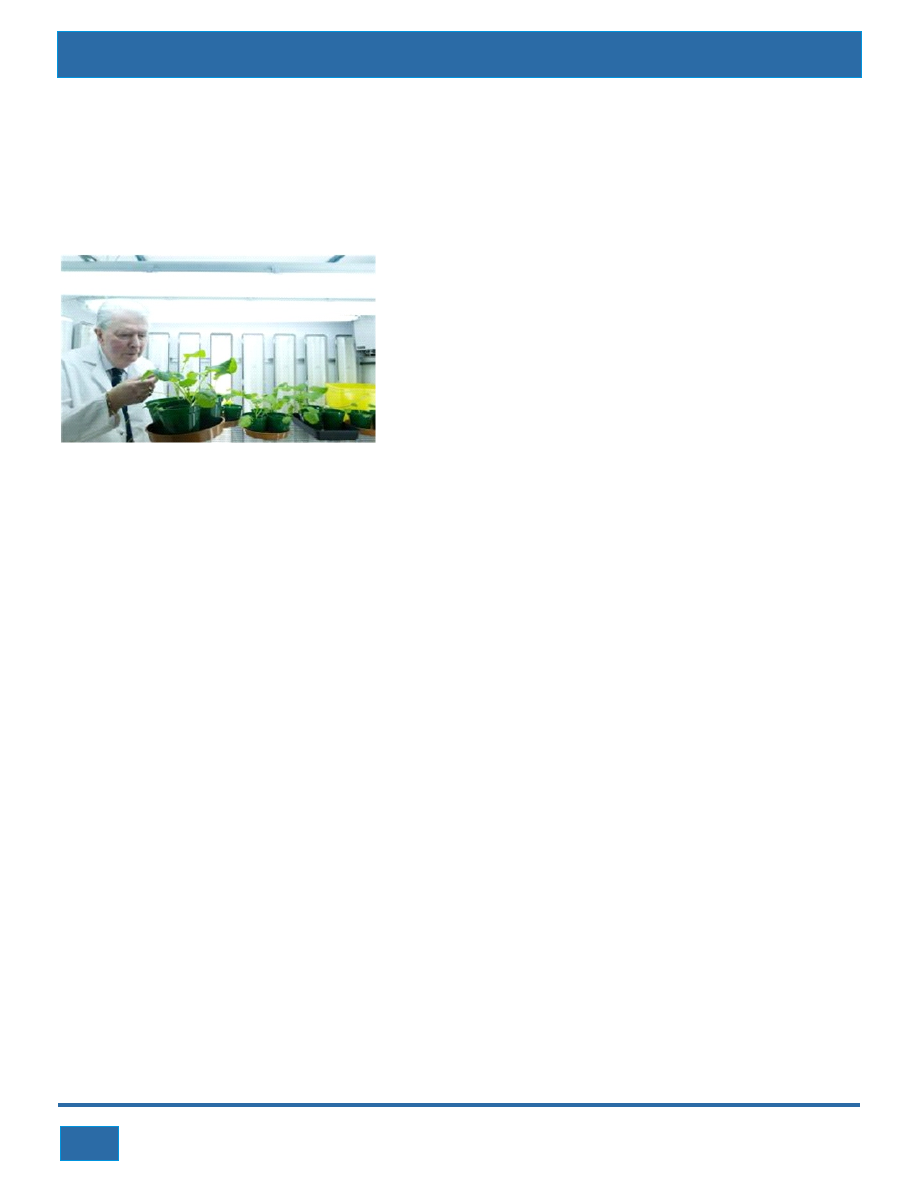
Professor Edward Cocking, Director of the University of Nottingham's
Centre for Crop Nitrogen Fixation, has developed a unique method of
putting nitrogen-fixing bacteria into the cells of plant roots. His major breakthrough came when he found a specific strain of
nitrogen-fixing bacteria in sugar-cane which he discovered could intracellularly colonize all major crop plants. This ground-
breaking development potentially provides every cell in the plant with the ability to fix atmospheric nitrogen. The
implications for agriculture are enormous as this new technology can provide much of the plant's nitrogen needs.
This leading world expert in nitrogen and plant science, Professor Cocking has long recognized that there is a critical need
to reduce nitrogen pollution caused by nitrogen based fertilizers. Nitrate pollution is a major problem as is also the pollution
of the atmosphere by ammonia and oxides of nitrogen. In addition, nitrate pollution is a health hazard and also causes
oxygen-depleted 'dead zones' in our waterways and oceans.
Speaking about the technology, which is known as 'N-Fix', Professor Cocking said: "Helping plants to naturally obtain the
nitrogen they need is a key aspect of World Food Security. The world needs to unhook itself from its ever increasing reliance
on synthetic nitrogen fertilizers produced from fossil fuels with its high economic costs, its pollution of the environment and
its high energy costs." N-Fix is neither genetic modification nor bio-engineering. It is a naturally occurring nitrogen fixing
bacteria which takes up and uses nitrogen from the air. Applied to the cells of plants (intra-cellular) via the seed, it provides
every cell in the plant with the ability to fix nitrogen. Plant seeds are coated with these bacteria in order to create a symbiotic,
mutually beneficial relationship and naturally produce nitrogen. N-Fix is a natural nitrogen seed coating that provides a
sustainable solution to fertilizer overuse and Nitrogen pollution. It is environmentally friendly and can be applied to all
crops.
Www.esciencenews.com
7
Technology Roundup
Oven-Baked Fish Fingers Have Fewer Furans than Fried
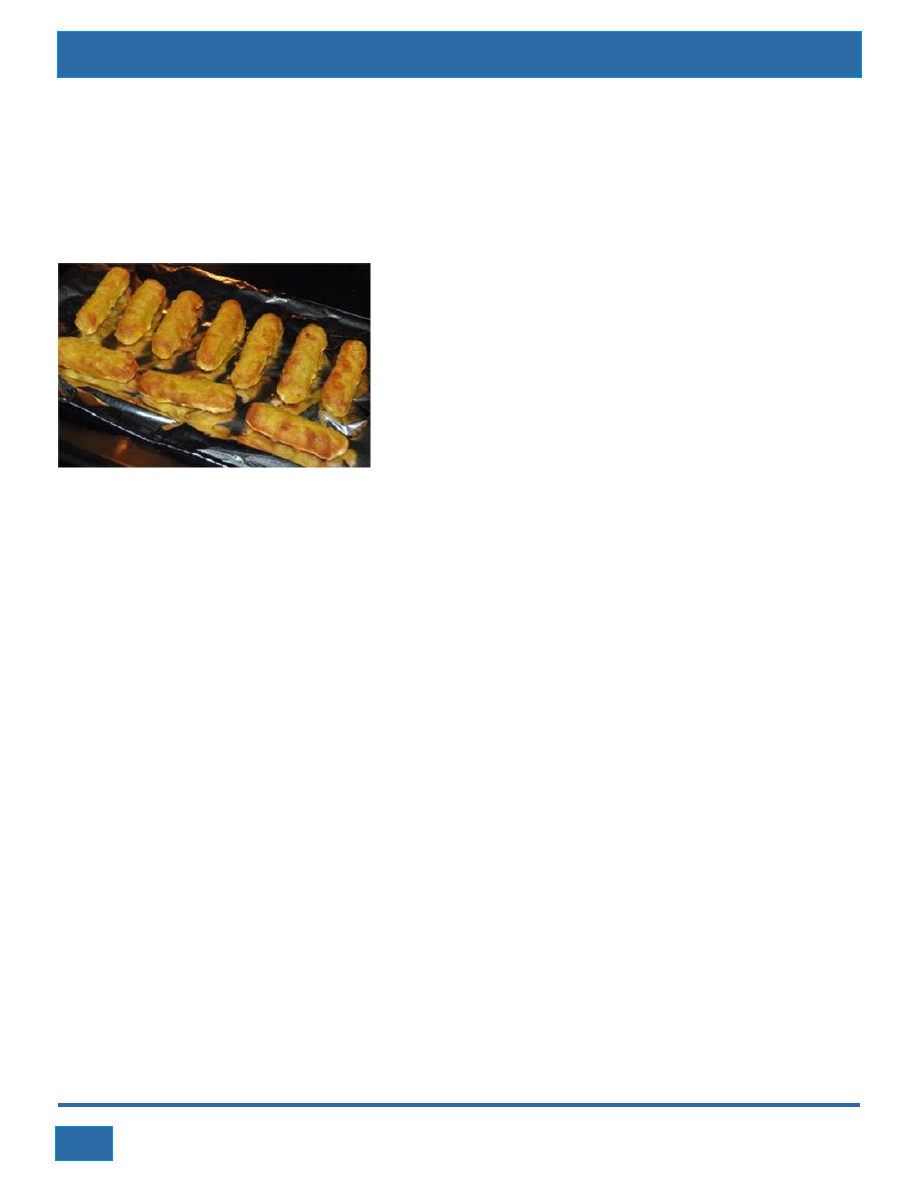
Spanish and Portuguese researchers have discovered that fried fish fingers generate more furanic compounds than those
baked in the oven. To be precise, there are three times as many when fried with olive oil and twice as many with sunflower oil.
These compounds improve the food's organoleptic characteristics, but are believed to be toxic and carcinogenic.
Worries concerning the presence of furans in food have risen in recent
years due to their toxic and carcinogenic effects, as observed in animals. In
fact the International Agency for Research on Cancer, part of the WHO,
has now listed them as possible carcinogens for humans.
A team of researchers from the University of Porto (Portugal) and the
University of Extremadura (Spain) has evaluated the effects that the
cooking conditions of fish fingers can have on the quantity of furans
(furan, 2-furfural, furfuryl alcohol, 2-pentylfuran and 5-
hydroxymethylfurfural). The results, published in the journal 'Food and
Chemical Toxicology', reveal that fish fingers fried in olive oil contain
approximately 30 micrograms of furans per gram (µg/g) and around 20 µg/g when sunflower oil is used.
When they are oven-baked, on the other hand, they generate fewer of these harmful substances: 10 µg/g. Furthermore, if
fried fish fingers are reheated in the microwave, concentrations of 8.15 µg/g are found. "The number of furans is lower when
the temperature is lower and frying time is shorter, and also decreases when a longer time elapses after cooking.
The research out comes show that formation of furanic compounds can be reduced by adjusting the conditions of cooking
and post-cooking, for example by using the oven instead of the deep fryer, lowering the frying time and temperature 4
minutes at 160 ºC is sufficient or leaving a suitable amount of time (10 minutes) between cooking the product and eating it.
The researchers found that by following these recommendations the formation of furans can be reduced, although the
volatile compounds associated with the aroma and flavour of the cooked products decrease along with them.
www.agenciasinc.es

Technology Roundup
1st International Conference On Information & Communication Technology
Trends 2013 (ICICTT-2013)
www.fuuast.edu.pk
8th IEEE International Conference on Digital Information Management
(ICDIM 2013)
www.icdim.org
2nd ICGSD 2013 - 2nd International Conference on Global Sustainable
Development 2013
Www.kasbit.edu.pk
2nd EC 2013 - Educational Development in a Changing World: The Mysteries and
Myths of 21st Century
www.iobmeducationconference.webs.com
IMTIC 2013 - 3rd International Multi-Topic Conference
www.imtic.muet.edu.pk
2nd - 5th September, 2013
FAUUST, Karachi, Pakistan.
10-12, September 2013
Islamabad Marriott Hotel, Islamabad, Pakistan
5th - 6th October, 2013
Kasbit, Pakistan
30th November, 2013
IoBM Karachi , Pakistan
18-20th, December, 2013
Jamshoro, Pakistan
8
Forthcoming Tech Events
Technology Roundup
Tech & Trade Offers
About PASTIC
PASTIC serves as a gateway for
Scientific & Technological
Information for R&D by
catering to the information
n e e d s o f r e s e a r c h e r s ,
entrepreneurs, industrialists,
educationists, policy makers
a n d p l a n n e r s t h r o u g h
anticipatory and responsive
information services.
T e c h n o l o g y I n f o r m a t i o n
Service Section of PASTIC
works exclusively for support
and promotion of technological
information on trade and
industry in the country.
“Technology Roundup” is a
news bulletin that provides
l a t e s t a n d i n n o v a t i v e
technology news, forthcoming
events, etc. It also promotes
products, technologies and
services globally in sectors
such as Agro-Industry, Bio-
Technology, Building Material,
B u s i n e s s , C h e m i c a l s ,
Electronics, Energy, Fisheries,
Food Processing, Machinery,
P a c k a g i n g , M i n i n g
Pharmaceuticals and Textiles.
Please give us your feedback and address queries to editor@pastic.gov.pk
9
ROJ & IRO
Products
I.
Shirting
·
TEM
·
Pulsar HP for airjet feeders
II.
Denim
·
CTR
·
Portable tension meter
III.
Wool
·
TEC
Extremely fast and precise operation
Computer modular design
Integrated pneumatic cleaning
Suitable for most yarn types
·
Anti-Snarl group
IV.
Silk and fancy fabrics
·
CAT
·
Low twist
V.
Curtains
·
Bristle brakes and leaf tensioners
VI.
Upholstery
·
E-Flex brake
·
Wax dispenser
VII.
Bed sheeting and towels
·
The X2 multi yarn sensor system
Company Contact
Shan Associates PVT. Limited
Rana Sohail Ahmed (Chief Executive)
Tel:092-0323-9665799
E-mail: khi@shanassociates.com
Address: B-23, block-N North Nazimabad Karachi
Web: www.shanassociates.com