
Patron/Executive Editor
Dr. Muhammad Akram Shaikh
Director General, PASTIC
Editors
Ms. Nageen Ainuddin
Mr. M. Aqil Khan
Dr. Saima Tanveer
Syed Aftab Hussain Shah
Composer
Ms. Shazia Parveen
T
ECHNOLOGY
R
OUNDUP
Technology Information Section (TIS)
Pakistan Scientific & Technological Information Centre
PASTIC
July-Aug, 2012
Vol. 4, No. 4
A NEWS BULLETIN FROM
Tech News Headlines
Forthcoming Tech Events
Tech & Trade Offers
Phone: 051-9248103-4, 9248111
Fax: 051-9248113
Email:editor@pastic.gov.pk
Web: www.pastic.gov.pk
PASTIC National Centre
Quaid-i-Azam University Campus
P.O. Box 1217, Islamabad
Editorial Board
l Russia Joins the Supercomputer Race
l Non-Invasive Method for Diagnosing Epilepsy
l New Cancer Scanner Halves the Radiation
l Cooking Simulator that Calculates Heat Transfer from
Pan to Food
l Super Rice Bags that Keep Bugs at Bay
l Technology to Develop Low-Cost, High Efficiency Solar
Cells
l Record Efficiency for Next-Generation Solar Cells
l Lable-Free Technologies: Advances & Applications
l Used Machinery Expo
l CMMIT Mid Technology Conference and User Group
l Gem Faire-Eugene
l International Petroleum Technology Conference
l Megatech Pakistan 2013
UL-SAFE (Famotidine)
Water Pumps & Control
Panels

Technology Roundup
2
Tech News
Technology Roundup
Indigenous
Technology
Most Rapid and Economic Method for the Quantitative and Qualitative
Determination of Ciprofloxacin Using High Performance Liquid
Chromatography
C
iprofloxacin is a widely used antibiotic and is marketed worldwide with over three hundred
different brand names. It is also available for limited use in veterinary medicine. Because of its
good market value it is analyzed in almost every pharmaceutical industry for the use in
medicine. In industries, it is analyzed by various HPLC techniques. Some of these methods use
ultraviolet (UV) detection, whereas others use expensive fluorescence and diode array detection
which are not commonly available in every laboratory/industry. Nearly, all of the methods use
buffer in their mobile phase which not only decrease the column life, but are very expensive as
well.
Research from radiation Chemistry Lab, NCE, Physical Chemistry University of Peshawar
developed an economic and rapid method for the quantitative and qualitative analysis of
ciprofloxacin using HPLC. In this study the mobile phase used was water-methaol-actonitrile-1
% acetic acid (15:15:20:50; v/v). The analysis was completed in less than 5min with UV-
detection at 278nm. During this analysis it was observed that by increasing the concentration
of' methanol in mobile phase the retention time of ciprofloxacin was also increased. So, we
optimized the effluent in the mobile phase to get good separation at short retention time.
Courtesy:
Murtaza Sayed, Hasan M.Khan
Radiation Chemistry Laboratory', NCE Physical Chemistry
University of Peshawar
E-mail:murtazasayed@unesh.edu.pk
3
Technology Roundup
Non-Invasive Method for Diagnosing Epilepsy
Http://www.sciencedaily.com/releases/2012/08/120824130335.htm
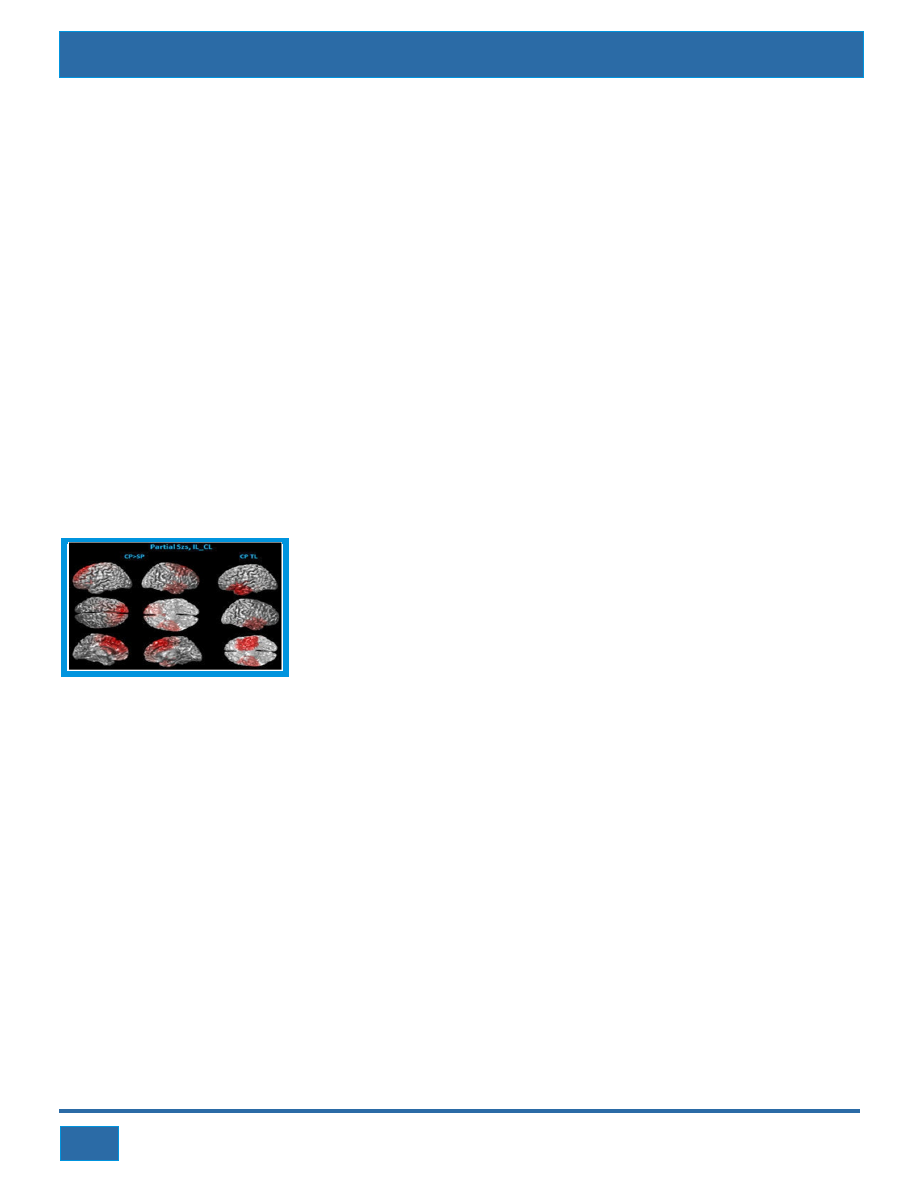
A team of University of Minnesota biomedical engineers and researchers from
Mayo Clinic have carried out a study that outlines how a new type of non-
invasive brain scan taken immediately after a seizure gives additional insight
into possible causes and treatments for epilepsy patients. The new findings
could specifically benefit millions of people who are unable to control their
epilepsy with medication.
The biggest challenge for medical researchers is to locate the part of the brain responsible for the seizures to
determine possible treatments. In the past, most research has focused on studying patients while they were
having a seizure, or what is technically known as the "ictal" phase of a seizure. Some of these studies involved
invasive methods such as surgery to collect data.
This study's findings show that through non-invasive method the important data about brain function can be
gathered during as well as immediately after a seizure. It also shows that the frontal lobe of the brain is most
involved in severe seizures and that the seizures in the temporal lobe are most common among adults. The new
technique used in the study will also help to determine the side of the brain where the seizures originate. This is
the first-ever study where new non-invasive methods are also used to study patients after a seizure instead of
during a seizure. It's really a paradigm shift for research in epilepsy. In the study researchers used a novel
approach by studying the brains of 28 patients immediately after seizures or what is technically known as the
"postictal" phase of a seizure. They used a specialized type of non-invasive EEG with 76 electrodes attached to
the scalp for gathering data in contrast to most previous research that used 32 electrodes. The researchers used
specialized imaging technology to gather data about the patient. The findings may lead to innovative means of
locating the brain regions responsible for seizures in individual patients using non-invasive strategies
.
Russia Joins the Supercomputer Race
Http://technews.acm.org/#603617
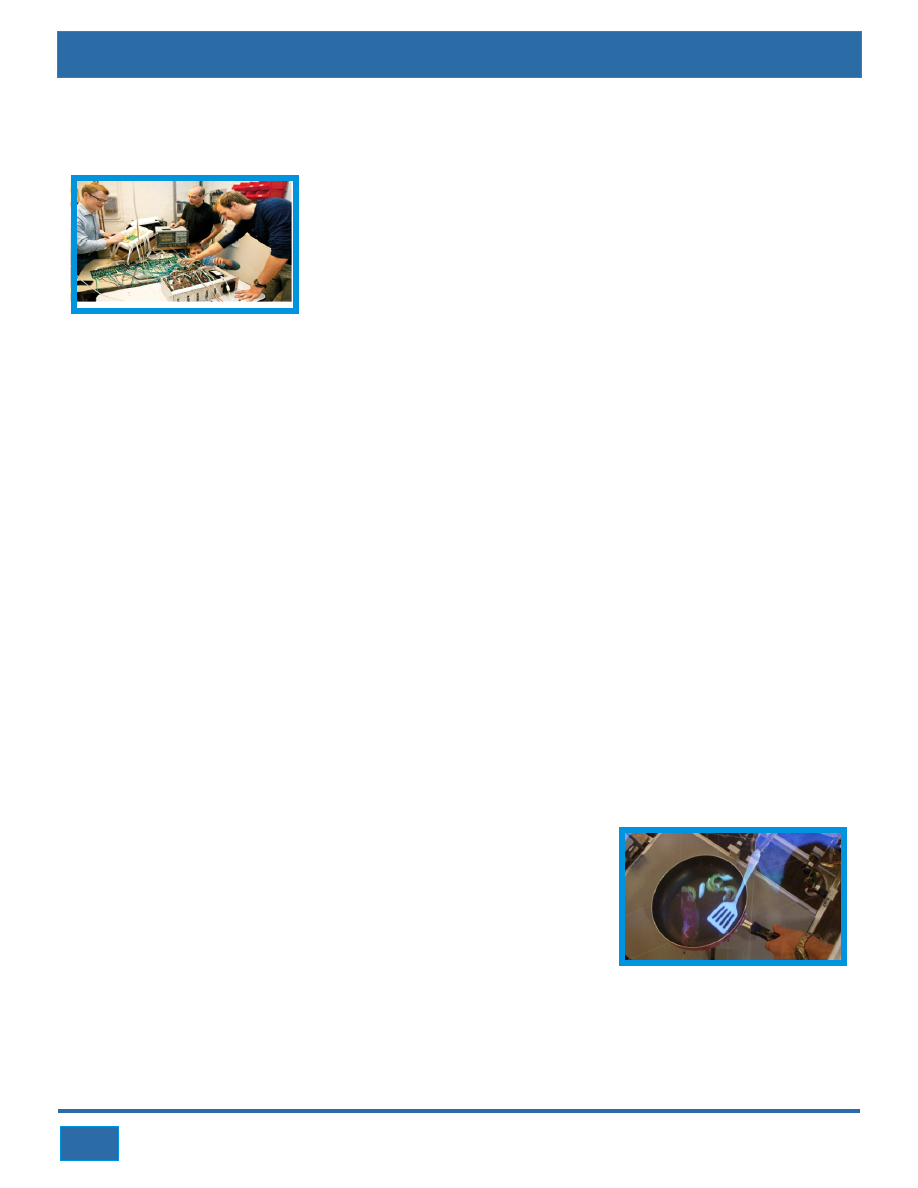
The Russian Academy of Sciences (RAS) is building a supercomputer that will have a capacity of 10
petaflops, which would make it the most powerful in Russia. This supercomputer will surpass the
current most powerful computer in Russia, the Lomonosov, which has a capacity of 1.7 petaflops. It is
the beginning of the era of 10-petaflops computers. Energy efficiency will be a key feature of the new
supercomputer, and when finished it will be one of the most energy-efficient machines in the world,
ranking second in the Green 500 supercomputer rating. The system's energy efficiency is achieved with
the help of the unique cooling system and cutting-edge x86 coprocessors. When fully operational, the
supercomputer is expected to be one of the 10 fastest in the world. The RAS' Joint Supercomputer
Center is absorbing and utilizing the technology and their goal is to complete the first two elements by
the end of the year, and then the technology will make it possible to upgrade its capacity to 10 petaflops
within a reasonable time that is over the next year provided there is adequate investment.
4
Technology Roundup
New Cancer Scanner Halves the Radiation
Http://www.sciencedaily.com/releases/2012/08/120822071430.htm
Researchers in particle physics in the Department of Physics at
University of Oslo (UiO), Norway have developed a completely new
technology that makes it possible to halve radiation from a PET scanner.
The PET scanner is also built at such a small scale that it can be placed
inside an MR scanner. This makes it possible to take the MR and PET
images at the same time.
PET (Positron emission tomography) provides a spatial image of where
the cancer cells are located in the body. The current PET scanner examinations involve high levels of
radiation. PET scans are harder to interpret if medical staff cannot situate the location of cancer cells in
relation to the skeleton and soft tissue. This can be done by comparing PET images with an anatomical
picture such as CT (computerized tomography) or MR (magnetic resonance) scans. CT scans provide a
three-dimensional x-ray image of the body. MR scans photograph the body using radio waves and a
powerful magnetic field. MR provides far better images of soft tissue than CT does. But the drawback of
MR scans is that the examination is more expensive and takes much longer. The advantage is that MR
does not emit ionizing radiation. Currently, most hospitals combine PET and CT, but this combination
has a significant weakness. 'The radiation from such an examination is ten times higher than the
average background radiation over the course of a year. Many cancer patients must be examined
multiple times to test whether the treatment is working. The total radiation during treatment can
therefore be very high.
Particle physicists at UiO are the first in the world to develop a specially adapted PET/MR solution for
scans of animals. 'The high resolution in PET scanner provides better images, and the high sensitivity
that makes it possible to use only half as much radioactivity in the examinations without it affecting the
image quality. This opens new possibilities in research, and may also contribute to reducing radiation
in clinical scanners, especially within mammography and brain scans.
Cooking Simulator that Calculates Heat Transfer from Pan to Food
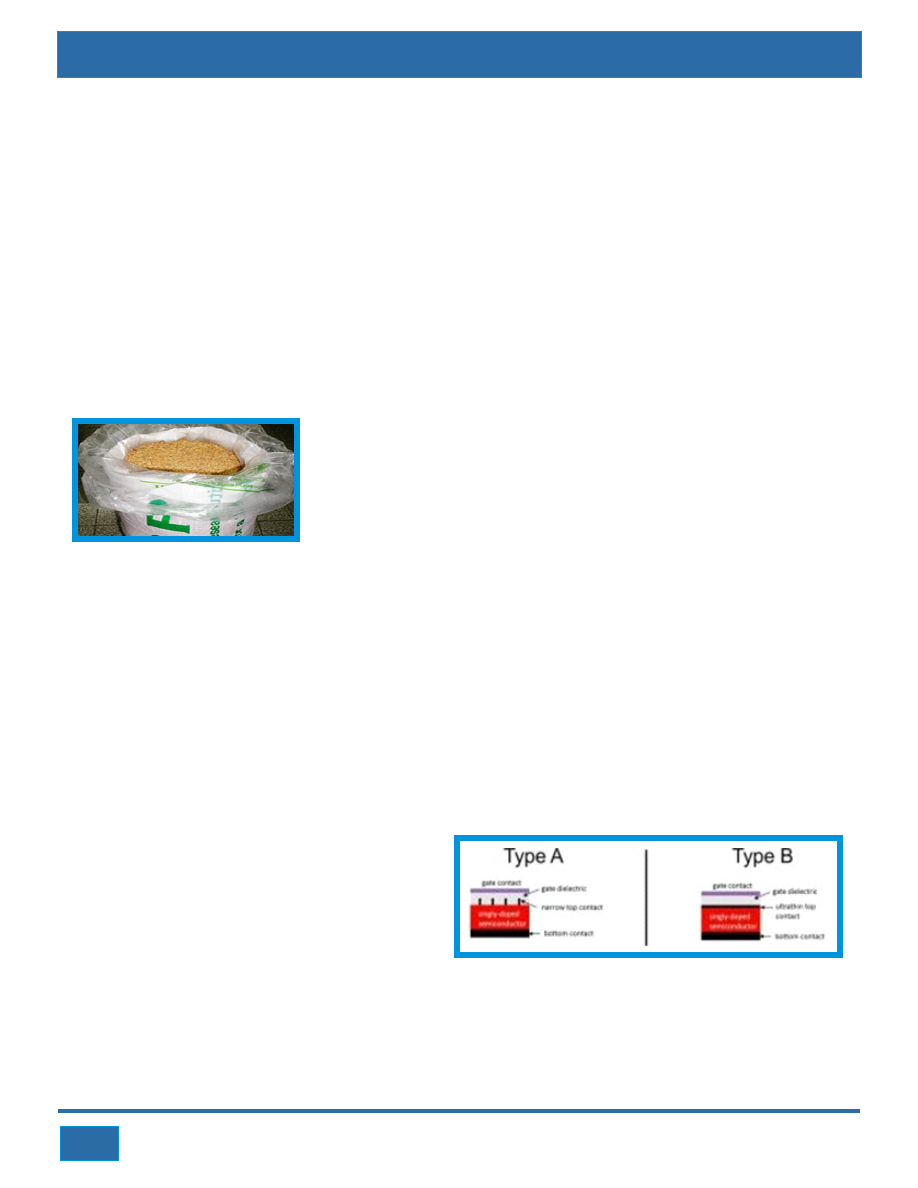
A research group at the Tokyo Institute of Technology has developed a cooking simulator having a
force feedback fry pan and spatula to accurately recreate the sense of
cooking.
This simulator calculates the heat transfer from the pan to the meat or
vegetables that are being cooked, and displays the visible changes
caused by heating. The fry pan interface allows for three dimensional
input, and as well as moving the fry pan to aid the cooking process, the
simulator can feed back the weight of ingredients combined with the
tactile feeling of the ingredients cooking. When one moves the frying
pan, the actual movement is input, and one can feel the ingredients through the pan. Also, the upper
part of the system is a screen. When one looks into the pan, he can see what's in it through a half-
mirror. So this simulator lets to experience looking into the frying pan while holding it.
This technology combines a rigid-body physics engine library and a heat conduction simulator. The
3
5
Technology Roundup
heat conduction state changes in line with the amount of physical contact, and the simulation is
achieved by combining them. It also calculates how moisture evaporates or flows as the temperature
rises. It shows how protein changes color from red to brown, or how vegetables turn dark, by
synthesizing textures. The researchers are looking forward to develop this system further, so it's
helpful in actual cooking at home. It could help to make the cooking meat taste even better. If it could
be linked to a system that can tell that in five minutes, the food will look like this, and in ten minutes, it
will look like this, which you would prefer to select, so this system could really help with cooking.
http://www.nd.edu
Super Rice Bags That Keep Bugs at Bay
www.irri.org
International Rice Research Institute (IRRI) and Grain Pro Inc.
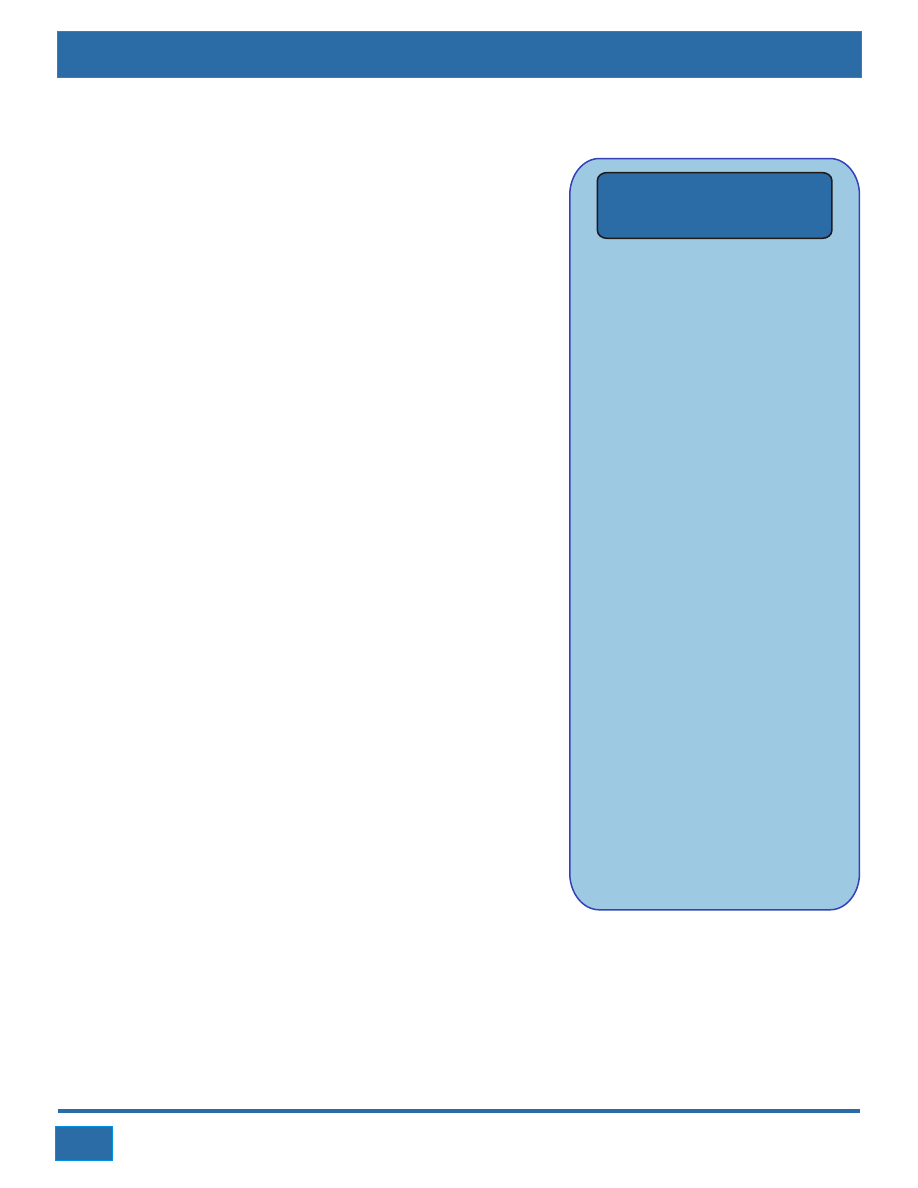
Philippines have developed and manufactured a Super Grain bag. The
Super Grain bag is an airtight, reusable plastic bag that protects stored
rice from moisture, pests, rats, and keeps rice seeds viable. It works by
blocking the flow of both oxygen and water vapor from external
environment to the grain. This bag reduces post-harvest losses up to 15
percent from poor storage conditions, which also lead to a loss in grain
quality. When properly sealed, the bag allows farmers to safely store their seeds for 9 to 12 months
without reducing germination rates.
The bags provide a non-chemical alternative for keeping out insects and rats and improve the
percentage of whole rice grains recovered after milling by around 10 percent. It is now available to
Filipino farmers in almost 200 retail stores nationwide. The IRRI, through its national partnerships,
has verified the benefits of the Super Grain bag with tens of thousands of farmers throughout Asia.
Technology to Develop Low-Cost, High Efficiency Solar Cells
Researchers from the U.S. Department of
Energy (DOE) Lawrence Berkeley National
Laboratory (Materials Sciences Division) and
Berkeley Physics Department, the University of
California (UC) have developed a technology
that would enable low-cost, high efficiency solar
cells to be made from virtually any semiconductor
material. This technology opens the door to the use of plentiful, relatively inexpensive semiconductors,
such as the promising metal oxides, sulfides and phosphides that have been considered unsuitable for
solar cells because it is so difficult to tailor their properties by chemical means. It also allows to sidestep
the difficulty in chemically tailoring many earth abundant, non-toxic semiconductors and instead
tailor these materials simply by applying an electric field.

This technology reduces the cost and complexity of fabricating solar cells thereby providing an
important cost-effective and environmentally friendly alternative that would accelerate the usage of
solar energy.
This new technology also called screening-engineered field-effect photovoltaics or SFPV, because it
utilizes the electric field effect, a well understood phenomenon by which the concentration of charge-
carriers in a semiconductor is altered by the application of an electric field. With the SFPV technology, a
carefully designed partially screening top electrode lets the gate electric field to sufficiently penetrate
the electrode and more uniformly modulate the semiconductor carrier concentration to induce a p-n
junction. The key to this successful technology is the minimal screening of the gate field which is
achieved through geometric structuring of the top electrode. This makes it possible for electrical
contact to and carrier modulation of the semiconductor to be performed simultaneously.
Under the SFPV system, the architecture of the top electrode is structured so that at least one of the
electrode's dimensions is confined. In one configuration, working with copper oxide, the Berkeley
researchers shaped the electrode contact into narrow fingers; in another configuration, working with
silicon, they made the top contact ultra-thin (single layer graphene) across the surface. With
sufficiently narrow fingers, the gate field creates a low electrical resistance inversion layer between the
fingers and a potential barrier beneath them. A uniformly thin top contact allows gate fields to
penetrate and deplete/invert the underlying semiconductor. The results in both configurations are
high quality p-n junctions
Http://www.sciencedaily.com
Technology Roundup
3
6
Record Efficiency for Next-Generation Solar Cells
Researchers from the University of Toronto and King Abdullah
University of Science & Technology (KAUST) have made a
breakthrough in the development of colloidal quantum dot (CQD)
films, leading to the most efficient CQD solar cell ever.
Previously, quantum dot solar cells have been limited by the large
internal surface areas of the nano particles in the film, which made
extracting electricity difficult while in this breakthrough combination
of organic and inorganic chemistry completely cover all of the exposed
surfaces. This cell represents a 37% increase in efficiency over the previous certified records. In order to
improve efficiency, the researchers needed a way to both reduce the number of "traps" for electrons
associated with poor surface quality while simultaneously ensuring that their films were very dense to
absorb as much light as possible. The solution was a so-called "hybrid passivation" scheme.
Introducing small chlorine atoms immediately after synthesizing the dots, the previously unreachable
nooks and crannies that lead to electron traps have been patched by introducing small chlorine atoms
immediately after synthesizing the dots, followed by short organic linkers that bind quantum dots in
the film closer together. This organic ligand exchange was necessary to achieve the densest film.
The state-of-the-art synchrotron methods with sub-nanometer resolution to discern the structure of
the films with hybrid passivation method led to the densest films with the closest-packed
nanoparticles. This research opens up many avenues for further research and improvement of device
efficiencies, which could contribute to a bright future with reliable, low cost solar energy.
According to the researchers since the world urgently needs innovative, cost-effective ways to convert

7
Technology Roundup
Forthcoming Tech Events
Lable-Free Technologies: Advances & Applications
WWW.biztradeshow.com
Used Machinery Expo
WWW.biztradeshow.com
CMMIT Mid Technology Conference and User Group
WWW.biztradeshow.com
Gem Faire-Eugene
WWW.biztradeshow.com
International Petroleum Technology Conference
WWW.biztradeshow.com
MEGATECH Pakistan 2013
www.megatechpakistan.com
01-3 Nov, 2012
NH Ground Hotel, Kransapolshy, Amsterdam, The Netherland
5-8 November, 2012
Hayat Regency Tech Centre, Denver, USA
2-4 November, 2012
Lane Events Centre, Eugene, Oregon, USA
05-7 December, 2012
China World Trade Centre, Beijing, China
28-30 March, 2013
Expo Centre, Lahore, Paksitan
2-4 November, 2012
Hyderabad International Trade Exposition Centre, Hyderabad, India
the sun's abundant energy into usable electricity. This breakthrough shows that the abundant materials
interfaces inside colloidal quantum dots can be mastered in a robust manner, proving that low cost and
steadily-improving efficiencies can be combined.
Http://www.sciencedaily.com
3
8
Technology Roundup
About PASTIC
PASTIC serves as a gateway for
Scientific & Technological
Information for R&D by
catering to the information
n e e d s o f r e s e a r c h e r s ,
entrepreneurs, industrialists,
educationists, policy makers
a n d p l a n n e r s t h r o u g h
anticipatory and responsive
information services.
T e c h n o l o g y I n f o r m a t i o n
Service Section of PASTIC
works exclusively for support
and promotion of technological
information on trade and
industry in the country.
“Technology Roundup” is a
news bulletin that provides
l a t e s t a n d i n n o v a t i v e
technology news, forthcoming
events, etc. It also promotes
products, technologies and
services globally in sectors
such as Agro-Industry, Bio-
Technology, Building Material,
B u s i n e s s , C h e m i c a l s ,
Electronics, Energy, Fisheries,
Food Processing, Machinery,
P a c k a g i n g , M i n i n g
Pharmaceuticals and Textiles.
Please give us your feedback and address queries to saima_pastic@hotmail.com
Water Pumps & Control Panels
www.marstraders.com
Wide range of DWT, Centrifugal, Sewage Pumps, Electric Motors,
Control Panels and Accessories. Technical Support Service on
complete system solutions, repair, maintenance and overhauling of
pumps.
Company Contact
MAK PUMPS (Pvt) Ltd
(ISO-9001-2000)
Irfanullah Khan Kundi
Address: Plot No. 87, Hayatabad Industrial Estate
Peshawar, Pakistan
Phone: 92-091-5812473-3
Fax: 92-091-5836254
UL-SAFE (Famotidine)
UL-SAFE (Famotidine) is indicated in Gastric ulcer, GERD and
hypersecretory conditions.
Dosage:
Acute Duodenal Ulcer:
Ul-Safe 40mg at bedtime for 4 weeks
Benign Gastric Ulcer:
Ul-Safe 40mg at bedtime for 4-8 weeks
G
asto-Oesophageal Reflux Disease
: Ul-Safe 20-40mg twice daily for 6-12
weeks
(depending upon the severity of disease)
Zollinger-Ellison Syndrome:
Ul-Safe 20mg 6 hourly, increase as
necessary
Maintenance Therapy in Ul-Safe 20mg at bedtime
duodenal ulcer and benign Ulcer
Company Contact
Sydon Pharmaceutical Industries (Ltd)
(ISO-9001-2000)
Syed Muhammad Tariq (CEO)
Ahmed Nadeem Siddiqui (Director Marketing)
Phone: 92-091-5816800
Fax: : 92-091-5823700
Address: 77/A, Hayatabad Industrial Estate
Peshawar, Pakistan
Tech & Trade Offers