
Patron/Executive Editor
Dr. Manzoor Hussain Soomro
Director General, PASTIC
Editors
Ms. Nageen Ainuddin
Mr. M. Aqil Khan
Dr. Saima Tanveer
Ms. Saima Majeed
Composer
Ms. Shazia Parveen
T
ECHNOLOGY
R
OUNDUP
Technology Information Section (TIS)
Pakistan Scientific & Technological Information Centre
PASTIC
March-April, 2011
Vol. 3, No. 2
A NEWS BULLETIN FROM
Tech News Headlines
Forthcoming Tech Events
Tech & Trade Offers
Phone: 051-9248103-4, 9248111
Fax: 051-9248113
Email:director@pastic.gov.pk
Web: www.pastic.gov.pk
PASTIC National Centre
Quaid-i-Azam University Campus
P.O. Box 1217, Islamabad
Editorial Board
l
Thermo Pad for Heat Therapy
l Air-Conditioned Greenhouse uses Alternative Energy
l New Solar Cell Self-Repairs like Natural Plant Systems
l World's First Programmable Nanoprocessor
l Recovering Fingerprints on Fabrics could turn Clothes into
Silent Witnesses
l E-ink to Replace Books and Newspapers
l Symposia on Building Effective Coordination between R&D and
Industry
l International Food & Technology Exhibition (Food& Beverages)
l Textile Asia Karachi (Fabrics & Textiles)
l
l International Conference on Shipping, Marine & Offshore Industry
l Africa consortium on climate change
l MECOM 2011(Science & Technology, Telecommunications)
Electronic Materials Conference 2011 (EMC 2011)
Heat Transfer Press
Diesel Generating Sets
Technology Roundup
2
Tech News
Technology Roundup
Local Technology
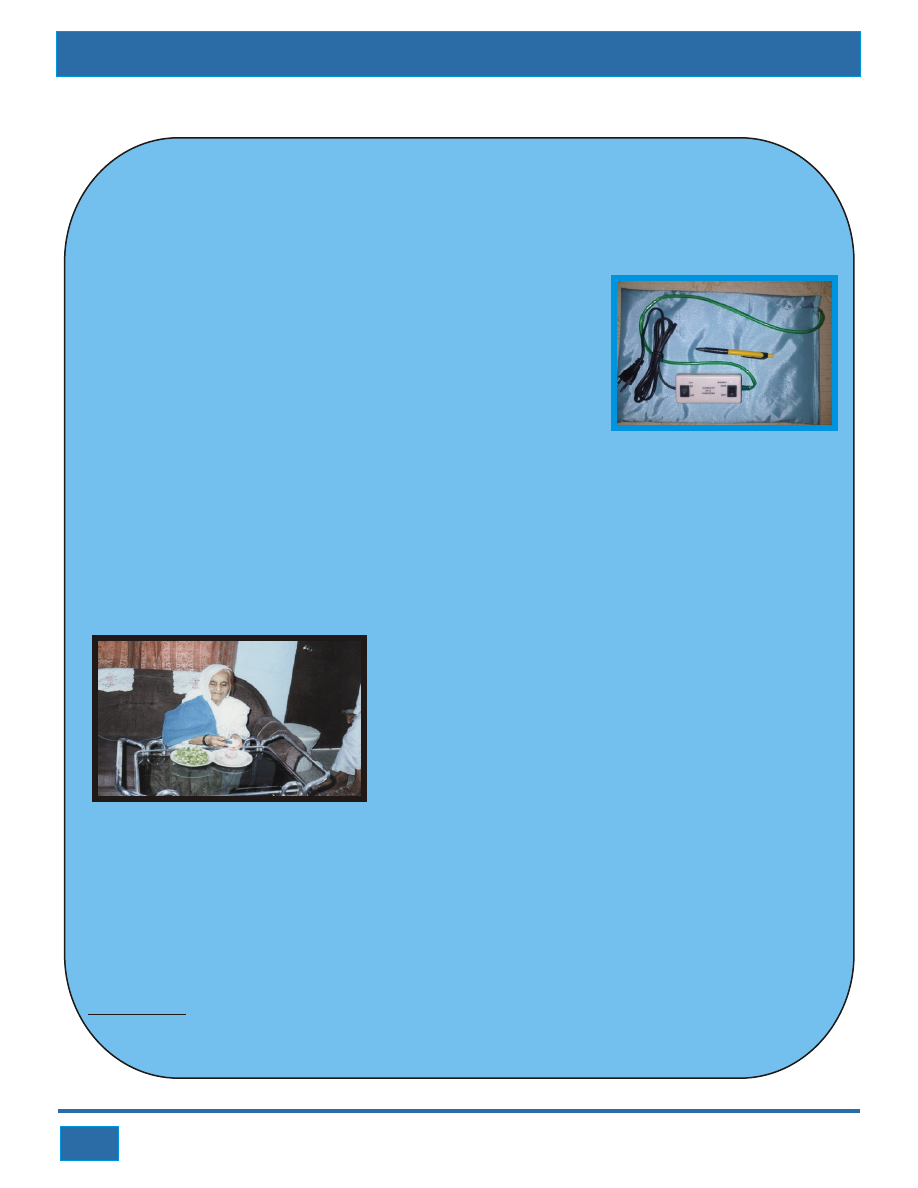
Thermo Pad for Heat Therapy
Heat Therapy is an age old, but effective, and safe therapy in ailments like
aching joints, muscular sprains, aching joints, or simply cold limbs.
Electric heating pad, a modern improvement on the hot water bottle, a
cheap and convenient alternative to short wave diathermy (SWD) and the
IR lamp, is gaining popularity in the Pakistani market because of its
overall superiority and utility compared to all the other devices. Heating
pads from western and Asian countries are, as a result fast invading the
market which could be roughly 300,000 pieces per year. With an
estimated cost of Rs.2000 for a reasonable quality pad this translates to
over Rs. 4.5 billion per annum, with the obvious drain of precious foreign exchange.
The indigenous electric thermo pads has been developed produced and marketed on small scale. Is used
for warming of parts of the body in order to manage pain. Localized application of heat promotes blood
flow.
The heating pad operates off mains. A flexible heater element of nichrome wire is specially wound on a
core of glass fiber with controlled pitch and length to allow a power of approximately 60 watt. The length
of the element is laid out in a serpentine manner to provide a uniform distribution of heat over the area of
the pad. Locally made semiconductors are used as temperature sensors. Three identical sensors biased at
low current are placed in series and dispersed uniformly along the longer dimension of the heated area.
The combined output of the sensors is compared to a presettible reference voltage. The output of the
comparator controls the heater through a semiconductor switch.
The heat localized in the element is diffused through a sheath of
glass fibre sleeve, the retaining cotton shroud, layers of cotton
material, a shroud of rubber coated cloth (For water resistance)
and a removable and washable cotton cover etc so that the user
feels a more or less uniform temperature over the surface. The
same layers of diffusing materials provide as many layers of
electrical insulation against shock. Other than the sensors, the
control electronics is housed in a control box which also houses a
switch for selecting one of two reference voltages, a power on switch and two LEDs to indicate mains
power and state of heater power. The cycling of this latter light also tends to reassure the user that the
heat is being controlled.
The control box connects to the “pad” proper through a 4-conductor flat cable and to the mains through a
two conductor mains cable. DC power for the control circuitry is obtained from the mains by reduction,
rectification, and zener stabilization. The control includes special safety circuitry to sense presence of the
sensor loop. In case the loop is broken power to the heater is disabled.
With one Face Hotter Than Other. Hi/Lo Toggle Switch Makes Four Heats Available. It is more Versatile
than the Bottle,IR Lamp, or Shortwave. Wrap it or Lie on it. Use in Bed or in Office, or Clinic----Keep
Working.
www.ftipak.com
3
Technology Roundup
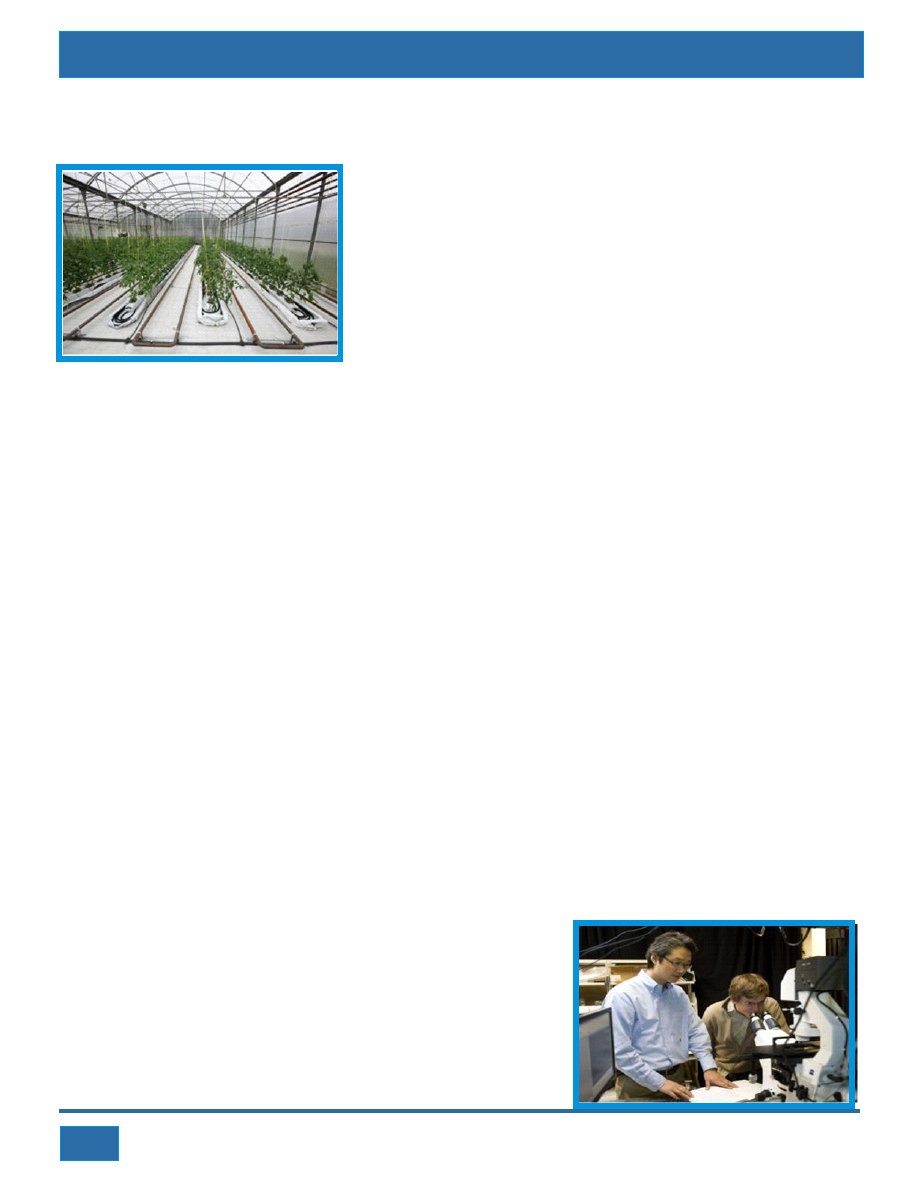
Air-Conditioned Greenhouse uses Alternative Energy
www.basqueresearch.com
Neiker-Tecnalia (The Basque Institute for Agricultural
Research and Development, Spain)) has created an air-
conditioned greenhouse using alternative energies that enable
the reduction of energy costs, improvements in energy
efficiency and an increase in crop yields. The novel system has a
biomass boiler and thermodynamic solar panels, which reach
an optimum temperature for the crop without using fuels
derived from petroleum oil or gas.
A biomass boiler produces 400 kW power and is, now the
largest using air-conditioning in greenhouses. With the boiler
there are 40 thermodynamic panels, employed for the first time
in intensive greenhouse cultivation. The combination of both energies act to heat the water which
circulates in tubes located a few centimeters above the floor and below the substrate of the crop, the
aim being to heat the roots.
The tubes, distributed throughout the whole surface of the greenhouse, transport water at an
average temperature of 80 degrees centigrade. Thus optimum air-conditioning for greenhouses is
achieved, with the result that the plants grow as in the natural production period. Achieving less
expenditure in consumption and having seasonal crops all year.
The biomass boiler used by Neiker-Tecnalia works with organic waste, such as almond nut shells,
olive oil stones, tree pruning cuttings, the waste obtained from clearing forests, granulated pellets of
sawdust, sawdust itself, wood shavings or any other leftover from the timber industry. The
expenditure in fuel for the biomass boiler is 55 cents for kilowatt consumed, well below the 92 cents of
a euro needed for boilers fed by petroleum oil-derived fuels or by natural gas or propane.
Air-conditioning using alternative energies is complemented with a technique known as
'hydroponic soil', involving placing the plants on substrate at a height of some ten centimetres above
the hard floor of the greenhouse. This method also enables the roots to be heated by pipes through
which water circulates at an average temperature of 45 degrees centigrade. Directly heating the
substrate where the roots are found enables reducing the ambient temperature of the greenhouse
overall, thus involving less energy expenditure. This system involves a network of sensors
(distributed throughout the greenhouse) that enables regulating the temperature of the market
garden. The meters gather data in real time on the temperature and humidity of the crop zone. The
data is sent to a computer which has software capable of programming different actions, such as
increasing or reducing the temperature of the greenhouse or fixing the most appropriate hours for
heating the plants.
New Solar Cell Self-Repairs Like Natural Plant Systems
Researchers are creating a new type of solar cell designed to self-
repair like natural photosynthetic systems in plants by using
carbon nanotubes and DNA, an approach aimed at increasing
service life and reducing cost.
Hyun Choi, an Assistant Professor of Mechanical Engineering at
Purdue University told that this artificial photosystems is created
by using optical nanomaterials to harvest solar energy that is
converted to electrical power.

5
4
Technology Roundup
The design exploits the unusual electrical properties of structures called single-wall carbon
nanotubes, using them as molecular wires in light harvesting cells.
Photoelectrochemical cells convert sunlight into electricity and use an electrolyte a liquid that
conducts electricity to transport electrons and create the current. The cells contain light-absorbing
dyes called chromophores, chlorophyll-like molecules that degrade due to exposure to sunlight.
The critical disadvantage of conventional photoelectrochemical cells is this degradation.The new
technology overcomes this problem just as nature does: by continuously replacing the photo-
damaged dyes with new ones. This sort of self-regeneration is done in plants every hour.
The new concept could make possible an innovative type of photoelectrochemical cell that continues
operating at full capacity indefinitely, as long as new chromophores are added.
The carbon nanotubes work as a platform to anchor strands of DNA. The DNA is engineered to have
specific sequences of building blocks called nucleotides, enabling them to recognize and attach to the
chromophores. The DNA recognizes the dye molecules, and then the system spontaneously self-
assembles. When the chromophores are ready to be replaced, they might be removed by using
chemical processes or by adding new DNA strands with different nucleotide sequences, kicking off the
damaged dye molecules. New chromophores would then be added.
Two elements are critical for the technology to mimic nature's self-repair mechanism: molecular
recognition and thermodynamic metastability, or the ability of the system to continuously be
dissolved and reassembled. This technology offers promise for industrialization.
www.purdue.edu
World's First Programmable Nanoprocessor
Engineers and scientists collaborating at Harvard University USA
and the MITRE Corporation have developed and demonstrated
the world's first programmable nanoprocessor.
The groundbreaking prototype computer system is a significant
step forward in the complexity of computer circuits that can be
assembled from synthesized nanometer-scale components. It also
represents an advance because these ultra-tiny nanocircuits can
be programmed electronically to perform a number of basic
arithmetic and logical functions.
This work represents a quantum jump forward in the complexity
and function of circuits built from the bottom up, and thus
demonstrates that this bottom-up paradigm, which is distinct from the way commercial circuits are built
today, can yield nanoprocessors and other integrated systems of the future. The work was enabled by
advances in the design and synthesis of nanowire building blocks. These nanowire components now
demonstrate the reproducibility needed to build functional electronic circuits, and also do so at a size and
material complexity difficult to achieve by traditional top-down approaches.
Moreover, the tiled architecture is fully scalable, allowing the assembly of much larger and ever more
functional nanoprocessors.
For the past 10 to 15 years, researchers working with nanowires, carbon nanotubes, and other
nanostructures have struggled to build all but the most basic circuits, in large part due to variations in
properties of individual nanostructures. An additional feature of the advance is that the circuits in the
nanoprocessor operate using very little power, even allowing for their miniscule size, because their
component nanowires contain transistor switches that are nonvolatile.
This means that unlike transistors in conventional microcomputer circuits, once the nanowire transistors
are programmed, they do not require any additional expenditure of electrical power for maintaining
memory.
"Because of their very small size and very low power requirements, these new nanoprocessor circuits are

3
5
Technology Roundup
Recovering Fingerprints on Fabrics Could Turn Clothes into Silent Witnesses
www.abertay.ac.uk
Forensic experts at the University of Abertay Dundee and the
Scottish Police Services Authority (SPSA) are leading the way in
the research of new ground-breaking forensic techniques within
the field of fingerprints.
The new research seeks to recover fingerprint ridge detail and
impressions from fabrics, a technique that has up until now
proved difficult. A technique known as Vacuum Metal Deposition
(VMD) that uses gold and zinc to recover the fingerprint mark is
being investigated as part of the research project. VMD is a
highly sensitive technique already used to detect fingerprint
marks on smooth surfaces such as carrier bags, plastics and glass.
The current research study by the University of Abertay Dundee and SPSA forensic experts is
exploring its use in the examination of clothing and the potential value it could bring to a police
investigation.
Joanna Fraser, a forensic sciences researcher told that "The research uses fine layers of metals to
display fingerprints people may have left on fabrics, something which is far harder to do with soft
surfaces. The technique has been around since the 1970s and is used on many surfaces but was
never widely used on fabrics.
The fabric is placed in a vacuum chamber, and then heat up gold to evaporate it and spread a fine film
over the fabric after that zinc is heated up, which attaches to the gold where there are no fingerprint
residues. This helps reveal the fingerprint where contact has been made the original fabric is seen,
where there was no contact only grey colour is left, it is like a photographic negative, where colours
show up as their opposites. The fingerprint ridges show through as clear fabric, but where there are no
ridges the distinctive grey colour of the metal is seen. Previously it had proved difficult to reveal a clear
fingerprint on fabric, but this is now possible and the researchers have had great success in revealing
the shape of a handprint on a number of fabric types.
Such an impression could help the police piece together a timeline of events and could be used to
provide evidence in cases where someone was pushed, or grabbed, in a particular area of their
clothing.
E-ink To Replace Books and Newspapers
Scientists at Sony have developed an electronic version of ink, currently used in the E-Reader, that
enables thousands of books to be carried around in one portable, energy-efficient case. Sony Reader is
a new electronic book device that uses a new display technology called electronic ink. Developed by E-
Ink, a company based in Cambridge, Mass., the display provides a natural reading experience with no
backlight, unlike reading standard computer screens. Other prospective uses for electronic ink include
building blocks that can control and enable an entirely new class of much smaller, lighter weight electronic
sensors and consumer electronics. This new nanoprocessor represents a major milestone toward realizing
the vision of a nanocomputer.
www.harvard.edu

3
6
Technology Roundup
displays on credit cards that would not break when they are bent; fresh food shelf labels where the price
can change throughout the day; and watches and cell phone displays.
Sandwiched between layers of plastic film are millions of transparent, nearly microscopic liquid-filled
spheres about the diameter of a human hair. Inside these "microcapsules" float even tinier black and
white particles; the black particles are negatively charged while the white particles are positively
charged. Depending on how the electrical charge is applied to the plastic film, either the black or white
particles rise to the top of the spheres, forming patterns of black and white. For instance, when a
negative electric field is applied, the white particles rise to the top, while the black particles are pulled
to the bottom of the spheres. The surface will appear white at that spot. When a positive electric field is
applied, the black particles rise to the top, and the white particles are pulled to the bottom, so the
surface appears dark in that spot.
The E-Ink technology is reflective, so it uses almost no power; even large displays will use a minimum
amount of electricity. So the Sony Reader need not be turned off; it can be set aside just as one would do
with a printed book. The current page remains on the screen without draining any battery power. In
fact, a single charge is good for 7,500 page turns. The screen is easily readable outdoors. And E-Ink can
be used to coat almost any surface, so it is ideal for flexible display applications. Also, studies have
shown that users reported increased readability and minimal eyestrain compared to other electronic
book technology.
E-Ink scientists are now developing ways to revolutionize the newspaper industry. Consumers would
hold a paper-like display but be able to download an infinite number of stories.
The Sony Reader can store and display documents like Adobe PDF files, blogs, RSS feeds, photos and
e-books. Scientists are also working on ways to use E Ink in supermarket shelf labels and signs along
the highway. Its low level power consumption is also making E-Ink popular in cell phones and watches.
www.aip.org/dbis
Forthcoming Tech Events
Symposia on Building Effective Coordination between R&D and
Industry for Enhancing Innovations, Competitiveness and
Productivity of Indigenous Technologies
www.pastic.gov.pk
International Food & Technology Exhibition
(Food& Beverages)
10 March, 2011
Peshawar, Pakistan
Tel: +0092-51-9248111
5-7 April, 2011
Karachi, Pakistan
Tel: +92-21-111734266

3
7
Technology Roundup
Textile Asia Karachi (Fabrics & Textiles)
International Conference on Shipping, Marine & Offshore Industry
www.shiptek2011.com
Africa Consortium on Climate Change
www.environbusiness.com
Electronic Materials Conference 2011 (EMC 2011)
www.tms.org
16-18-April, 2011
Karachi, Pakistan
Tel: +0092-21-111222444
18-19 April, 2011
Dubai, UAE
Tel: +91 484 406 66 66
2-3 May, 2011
Pretoria, South Africa
June 22-24, 2011
Santa Barbara, CA, USA
MECOM 2011
(Science & Technology, Telecommunications)
www.tradechakra.com
16-18 May,2011
Abu Dhabi, United Arab Emirates
Tech & Trade Offers
HEAT TRANSFER PRESS
Specification:
lMOD. 108
lmm (1150x750)Single press for transfer printing + bonding
lVersions: mm (1150x750)
3
8
Technology Roundup
About PASTIC
PASTIC serves as a gateway for
Scientific & Technological
Information for R&D by
catering to the information
n e e d s o f r e s e a r c h e r s ,
entrepreneurs, industrialists,
educationists, policy makers
a n d p l a n n e r s t h r o u g h
anticipatory and responsive
information services.
T e c h n o l o g y I n f o r m a t i o n
Service Section of PASTIC
works exclusively for support
and promotion of technological
information on trade and
industry in the country.
“Technology Roundup” is a
news bulletin that provides
l a t e s t a n d i n n o v a t i v e
technology news, forthcoming
events, etc. It also promotes
products, technologies and
services globally in sectors
such as Agro-Industry, Bio-
Technology, Building Material,
B u s i n e s s , C h e m i c a l s ,
Electronics, Energy, Fisheries,
Food Processing, Machinery,
P a c k a g i n g , M i n i n g
Pharmaceuticals and Textiles.
Please give us your feedback and address queries to editor@pastic.gov.pk
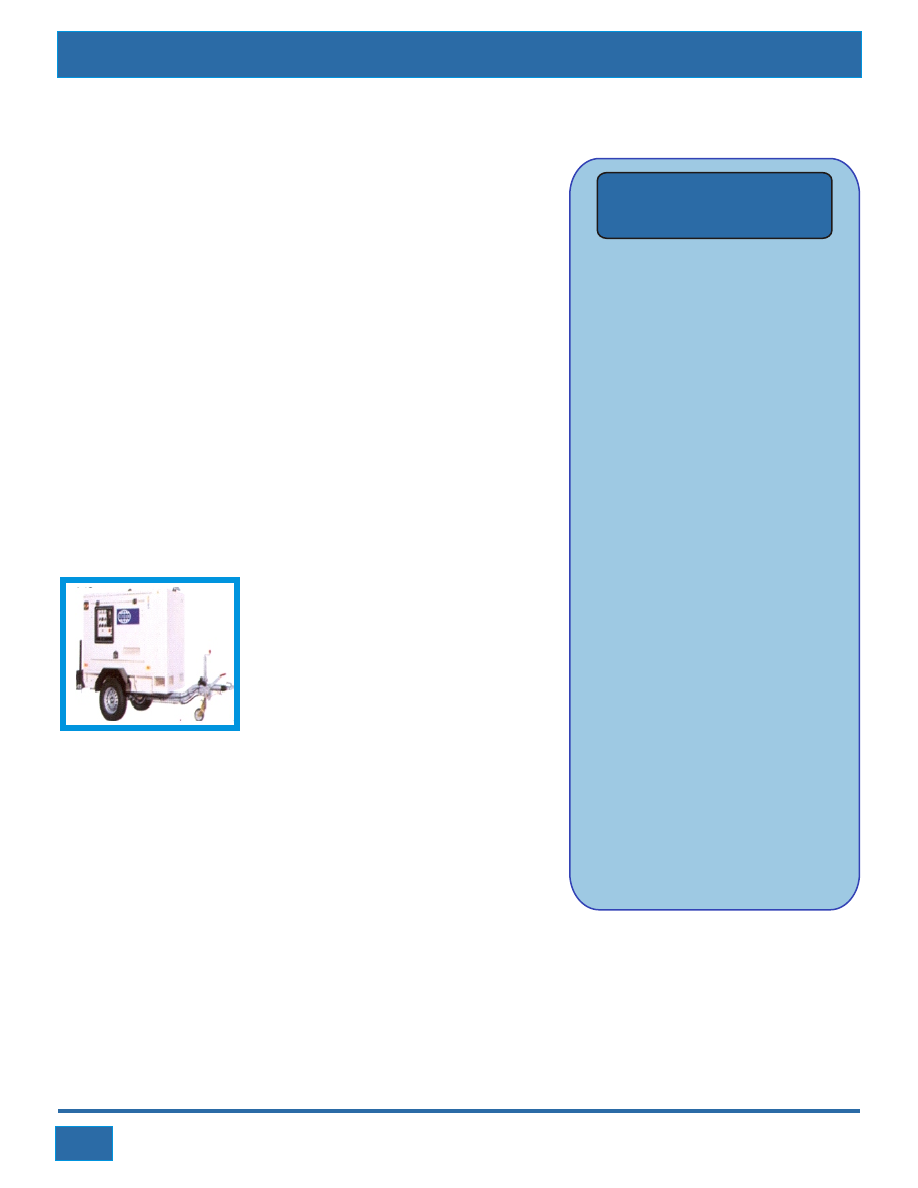
DIESEL GENERATING SETS
www.smjaffer.com
Diesel and gas generating sets can be used in a variety of applications,
including domestic use right through to power modules with the ability
to operate as complete power stations supplying electricity. The
company's generating sets range from 12.5kVA to 2,500kVA
S.M. Jaffer & Co
Address: Jaffer House, 17 Timber Pond Keamari,
Karachi, Pakistan
Phone: 0092-21-111-765-765, 32850780-83
Fax: 0092-21-32851162, 32850086
Specification:
l26-200 JVA
lPower by Perkins 1100 Series engine EU
Stage II Emissions compliant
lSide hinged doors removable at 45o
Consistent component mounting
lExcellent service and maintenance access
Company Contact:
SOURCE INTERNATIONAL
Company Contact
:
Address: Mr. Khurram Kasimali (Managing Director)
10-C, 24th Commercial Street
Phase II, Extn. D.H.A, Karachi - Pakistan
Phone: 0092-21-531 2100
Fax: 0092-21-531 2099
Mobile: 0092-300219 7723
www.source-international.com.pk