Patron/Executive Editor
Dr. Muhammad Akram Shaikh
Director General, PASTIC
Managing Editors
Ms. Nageen Ainuddin
Mr. M. Aqil Khan
Editor
Saima Siddique Tariq
Composer
Kashif Farooqui
T
ECHNOLOGY
R
OUNDUP
Technology Information Section (TIS)
Pakistan Scientific & Technological Information Centre
PASTIC
September-October, 2015
Vol. 7, No. 5
A NEWS BULLETIN FROM
Tech News Headlines
Tech & Trade Offers
Phone: 051-9248103-4, 9248111
Fax: 051-9248113
Email:editor@pastic.gov.pk
Web: www.pastic.gov.pk
PASTIC National Centre
Quaid-i-Azam University Campus
P.O. Box 1217, Islamabad
Editorial Board
l
Reverse Osmosis (RO) Based Wastewater Treatment
l
Desulfurization of Oils; Produced from Pyrolysis of Scrap Tires
l
Nanoparticles to Track Cells and Interactions within them
l
New Drug Significantly Reduces Mortality Rate after Stroke
l
UJI Patents New Graphene-Based Catalysts
l
l
l
New Way to Capture Energy from Sunlight
l
The Device for Diagnosis of Diabetes in Low-income Populations
From Trees to Power: Engineers Build Super Capacitors
Next Generation Pacemakers may be Powered by the Heart itself
Solar Solutions
Forthcoming Tech Events
l International Conference on Information Management &
Libraries
th
l 6 International Conference on Information and Communication
Technologies
l Frontiers of Information Technology
l World Engineering Conference and Convention
th
l 39 International Conference and Expo on Advanced Ceramics
and Composite
l 2016 AHRD International Research Conference
l 10th International Renewable Energy Storage Conference (IRES)
th
l The 5 International Conference on Informatics, Environment,
Energy and Applications

Technology Roundup
2
Indigenous
Technology
Reverse Osmosis (RO) Based Wastewater Treatment
Membrane filtration technology offers an advanced alternative for conventional water treatment technology by
producing water free of biological contamination. Especially, Reverse Osmosis (RO) and Nano filtration (NF)
technologies, mainly because of their small pore sizes, have a great potential to remove biodegradable organic
substances from source water and consequently reduce the potential for bacterial growth in the distribution system.
In the past few years, the commercialization of small scale reverse osmosis(RO) plant for low total dissolved
solids(TDS) brackish and contaminated groundwater water desalination offered an alternative solution to obtain
drinking water with TDS lower than 500mg/L.Due to rapid development in membrane technology the technical and
economical usefulness of RO process has been improved. In the current research work, a prototype Reverse
Osmosis (RO) waste water treatment plant has been developed and its performance was evaluated to produce the
safe and drinkable water at local small community. Salt rejection and permeate water flow rate are the key
performance parameters. These performance parameters are influenced by other variable parameters such as
applied feed pressure, temperature, recovery and feed water salinity. The RO plant performance has been evaluated
through testing different water quality parameters; including physical, chemical and biological analysis of the
treated sample. The plant was operated by varying feed water pressures and feed water salinity which indicated that
the product water hasthe highest quality and maximum permeate flow rate at 25 bar of applied feed water pressure
for feed water salinity upto 4000 mg/L. The water quality results indicate that permeate obtained after treatment has
excellent quality free of physical and microbial contaminants.
Water, a colorless, odorless and tasteless liquid, is an important entity for life, plants and animals to survive. Scarcity
of water sources has been noted in certain parts of the world despite the availability of clean drinking water. Water
availability in Pakistan is decreasing day by day due to drastic increase in population and misuse of water resources.
NUST Jouranl of Engineering Sciences, Volume 6 No. 1
Muhammad Younas, Wajid Ali, Muhammad Zaheer: (Department of Chemical Engineering, University of
Engineering and Technology, Peshawar, Pakistan)
Courtesy:
www.nust.edu.pk

Technology Roundup
3
Indigenous
Technology
Desulfurization of Oils; Produced from Pyrolysis of Scrap Tires
With the Socio-economic growth of any society the usage of vehicles and thus production of scrap tires
increases. The complicated structure of scrap tires doesn't allow its disposal without thermal degradation.
On the other hand high calorific value of scrap tire makes sense for its use as a fuel. Until the recent past, use
of scrap tires as an alternative fuel in industries like cement is common throughout the world. Due to sulfur
presence and hazardous effects of sulfur compounds, the direct use of scrap tires as an alternative fuel is
perilous for the environment. The fuel gases produced as a result of tire burning is a serious threat to the
environment.With the passage of time alternative techniques are developed for disposal of scrap tires.
Pyrolysis is one such approach towards scrap tire disposal and utilization of high percentage of carbon for
energy. In pyrolysis of scrap tires, tires are thermally degraded in the absence of oxygen and converted into
vapours. The vapours are then condensed into liquid while the non-condensable vapours are emitted as gases
into the environment and the solid residue is left behind in the reactor.
In this research work on pyrolysis process along with techniques of desulfurization and purification of
pyrolytic oils is reviewed. Effects of temperature, heating rate, and tire composition on pyrolysis products
have been discussed. The optimum yield of pyrolytic oils was found in temperature range of 450-500°C.
Composition and other fuel properties of pyrolytic oil changes with varying operating conditions. The sulfur
content of pyrolytic oils may be reduced with the use of additives and acids. In additives the desulfurization
efficiency of CaO is better than other additives. In acids, formic acid and H O mixture is effective. The 2 2
desulfurized pyrolytic oil can be separated into its light and heavy oil fractions by distillation. The
desulfurized pyrolytic oil can be used in diesel engine with diesel blend and a mixture of 90% pyrolytic oil
and 10% diesel fuel can be burned in diesel engines
NUST Jouranl of Engineering Sciences Volume 6 No. 1
Shahzad Ahmed, Muhammad Imran Ahmed: (Department of Chemical Engineering, University of
Engineering and Technology, Peshawar, Pakistan)
Courtesy:
www.nust.edu.pk
4
Technology Roundup
Nanoparticles to Track Cells and Interactions within them
www.sciencetechdaily.com
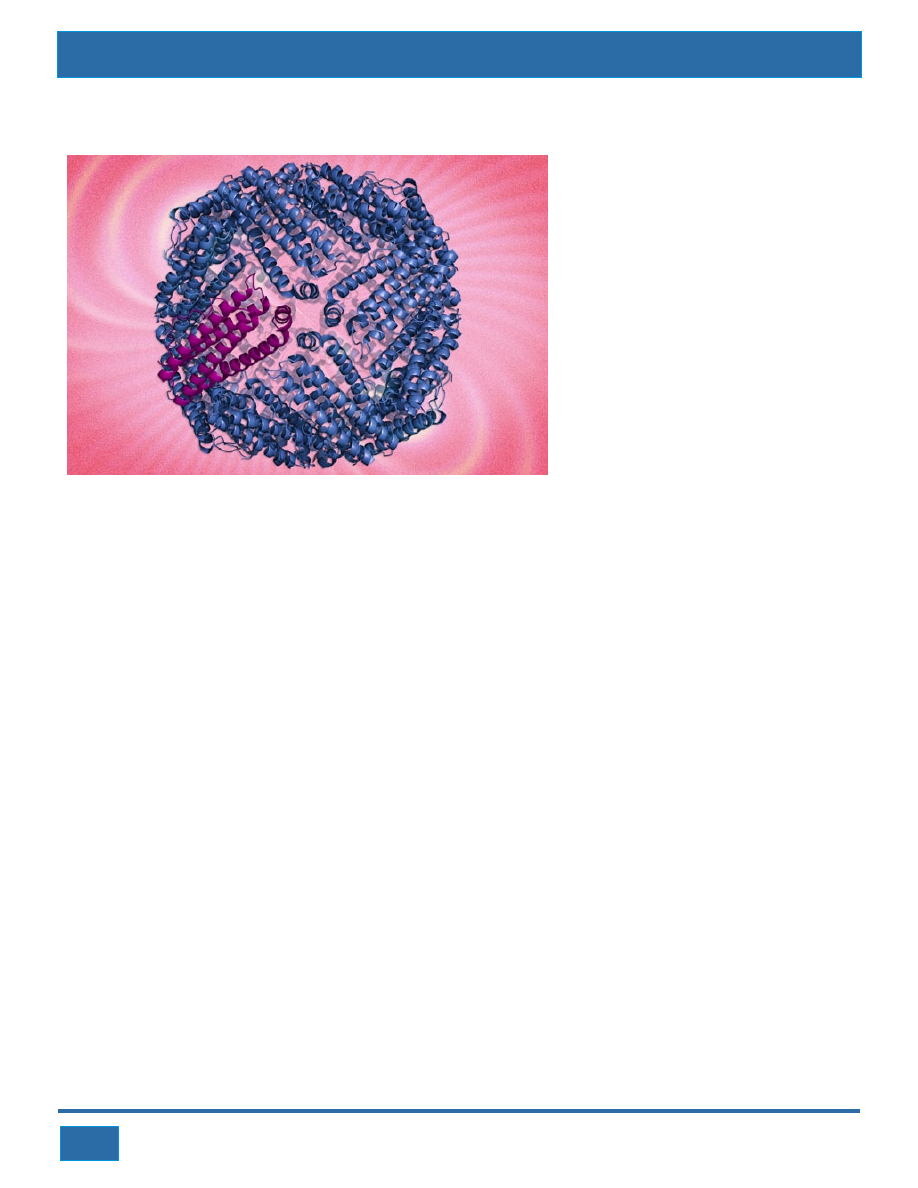
MIT engineers have designed magnetic
protein nanoparticles that can be used to track
cells or to monitor interactions within cells.
The particles are an enhanced version of a
naturally occurring, weakly magnetic protein
called ferritin. Ferritin, which is as close as
biology has given us to a naturally magnetic
protein nanoparticle, is really not that
magnetic. According to Alan Jasanoff, an MIT
professor of biological engineering and the
paper's senior author they used the tools of
protein engineering to try to boost the magnetic
characteristics of this protein.
T h e n e w “ h y p e r m a g n e t i c ” p r o t e i n
nanoparticles can be produced within cells,
allowing the cells to be imaged or sorted using
magnetic techniques. This eliminates the need
to tag cells with synthetic particles and allows the particles to sense other molecules inside cells.
The paper's lead author is former MIT graduate student Yuri Matsumoto. Other authors are graduate student Ritchie Chen
and Polina Anikeeva, an assistant professor of materials science and engineering.
Previous research has yielded synthetic magnetic particles for imaging or tracking cells, but it can be difficult to deliver these
particles into the target cells. In the new study, Jasanoff and colleagues set out to create magnetic particles that are genetically
encoded. With this approach, the researchers deliver a gene for a magnetic protein into the target cells, prompting them to
start producing the protein on their own.
As a starting point, the researchers used ferritin, which carries a supply of iron atoms that every cell needs as components of
metabolic enzymes. In hopes of creating a more magnetic version of ferritin, the researchers created about 10 million
variants and tested them in yeast cells.
After repeated rounds of screening, the researchers used one of the most promising candidates to create a magnetic sensor
consisting of enhanced ferritin modified with a protein tag that binds with another protein called streptavidin. This allowed
them to detect whether streptavidin was present in yeast cells; however, this approach could also be tailored to target other
interactions.
The mutated protein appears to successfully overcome one of the key shortcomings of natural ferritin, which is that it is
difficult to load with iron. To be able to make more magnetic indicators for MRI would be fabulous, and this is an important
step toward making that type of indicator more robust,” says Koretsky, who was not part of the research team.
Because the engineered ferritins are genetically encoded, they can be manufactured within cells that are programmed to
make them respond only under certain circumstances, such as when the cell receives some kind of external signal, when it
divides, or when it differentiates into another type of cell. Researchers could track this activity using magnetic resonance
imaging (MRI), potentially allowing them to observe communication between neurons, activation of immune cells, or stem
cell differentiation, among other phenomena.
Such sensors could also be used to monitor the effectiveness of stem cell therapies. The researchers are now working on
adapting the magnetic sensors to work in mammalian cells. They are also trying to make the engineered ferritin even more
strongly magnetic.
3
5
Technology Roundup
New Drug Significantly Reduces Mortality Rate after Stroke
www.yale.edu
UJI Patents New Graphene-Based Catalysts
An existing drug administered intravenously
reduces the chances of dying from major stroke by
60%. According to Yale. They have never seen a
drug have that kind of impact on stroke mortality.
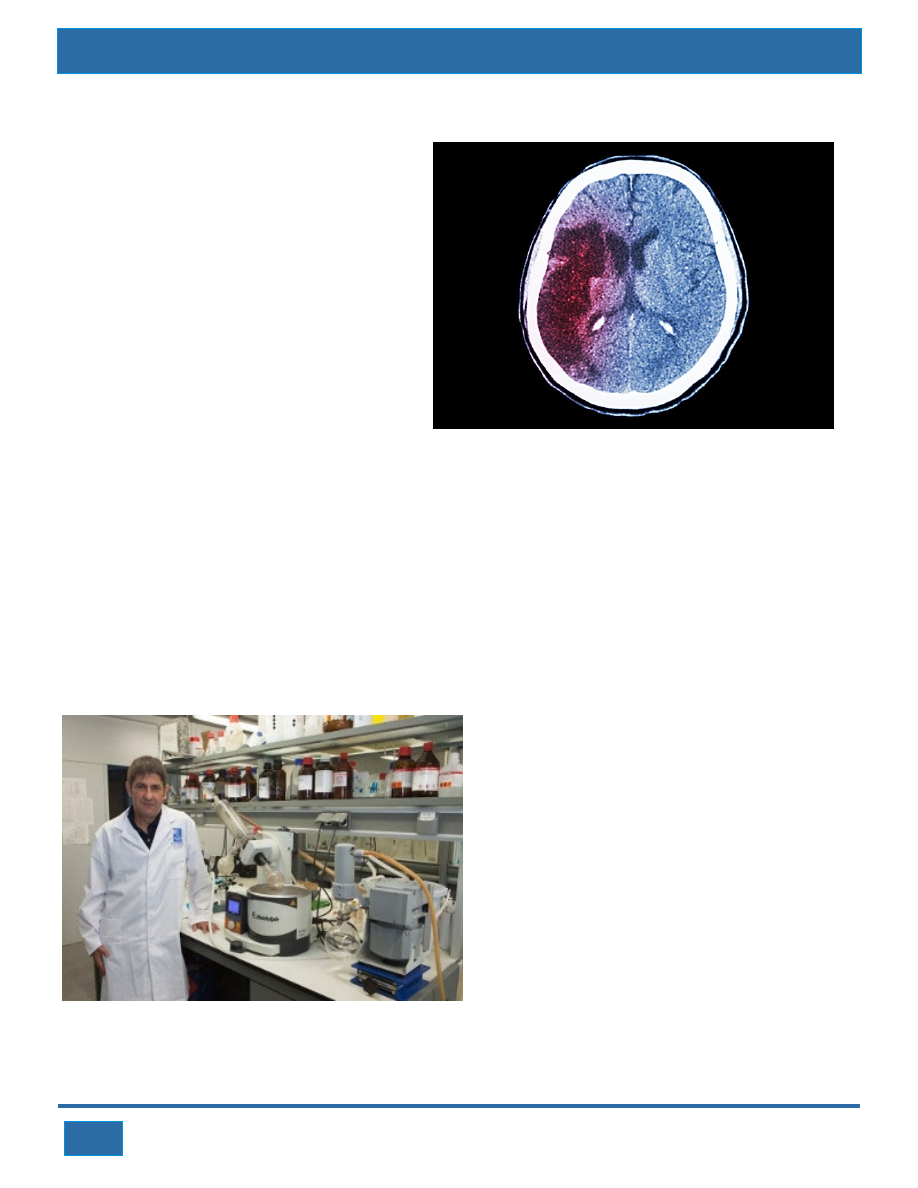
About 10% to 15% of the 800,000 Americans who
suffer strokes annually suffer from large, ischemic
strokes, in which blood clots develop dangerous
levels of swelling in the brain. About half of these
patients end up dying.
The trial assessed impact of a reformulated version
of the drug glyburide, which has been used to treat
diabetes for decades. The intravenous drug
Cirara™ is delivered in a three-stage dosing
regimen designed to target swelling following a
central nervous system injury.
Brain swelling was reduced by 50% in patients who took the study drug, based on the most commonly accepted
measure of swelling following a stroke. The frequency of emergency decompressive craniectomies surgical
procedures in which part of the skull is removed to reduce internal pressure from swelling common to large,
ischemic strokes was not reduced among those given Cirara. However, mortality was reduced in subjects
receiving the drug whether they underwent the procedure or not.
Researchers at the Universitat Jaume I have
developed materials based on graphene that can
catalyze reactions for the conversion and storage of
energy. The technology patented by the UJI combines
graphene and organometallic compounds in a single
material without altering the most interesting
properties of graphene, such as its electrical
conductivity.
The technology, developed by the Group of
Organometallic Chemistry and Homogeneous
Catalysis (QOMCAT) of the UJI, is of great interest to
the energy industry and is part of the so-called
“hydrogen economy”. An alternative energetic model
in which energy is stored as hydrogen. In this regard,
the materials patented by th
e UJI allow catalyzing
reactions for obtaining hydrogen from alcohols and may also serve as storage systems of this gas.
It is a novel technology since it uses graphene for the first time as a support of organometallic compounds. These hybrid
6
Technology Roundup
materials have catalytic properties and are modular and recyclable. Thus, the catalyst developed at the UJI can be recycled
ten times without suffering a loss of activity, a very attractive property from the industrial viewpoint.
The new material is also obtained from a novel system of obtaining hybrid materials in a single step. An easy and affordable
system that allows that all the technology that is currently based on graphene can be easily converted using these new
materials. Thus, the patented materials can be used both in the development of catalysts as well as storage batteries or other
energy types.
www.universitat jaume
From Trees to Power: Engineers Build Super Capacitors
www.sciencedaily.com
The scientists are using cellulose, an organic compound
found in plants, bacteria, algae and trees, to build more
efficient and longer-lasting energy storage devices or super
capacitors. This development paves the way toward the
production of lightweight, flexible, and high-power
electronics, such as wearable devices, portable power
supplies and hybrid and electric vehicles.
According to Cranston the goal of this research is to find
ways to power current and future technology with
efficiency and in a sustainable way. This means anticipating
future technology needs and relying on materials that are
more environmentally friendly and not based on depleting resources.
Cellulose offers the advantages of high strength and flexibility for many advanced applications; of particular
interest are nanocellulose-based materials. The work by Cranston, an assistant chemical engineering professor,
and Zhitomirsky, a materials science and engineering professor, demonstrates an improved three-dimensional
energy storage device constructed by trapping functional nanoparticles within the walls of nanocellulose foam.
The foam is made in a simplified and fast one-step process. The type of nanocellulose used is called cellulose
nanocrystals and looks like uncooked long-grain rice but with nanometer-dimensions. In these new devices, the
'rice grains' have been glued together at random points forming a mesh-like structure with lots of open space,
hence the extremely lightweight nature of the material. This can be used to produce more sustainable capacitor
devices with higher power density and faster charging abilities compared to rechargeable batteries.
Lightweight and high-power density capacitors are of particular interest for the development of hybrid and
electric vehicles. The fast-charging devices allow for significant energy saving, because they can accumulate
energy during braking and release it during acceleration.
7
Technology Roundup
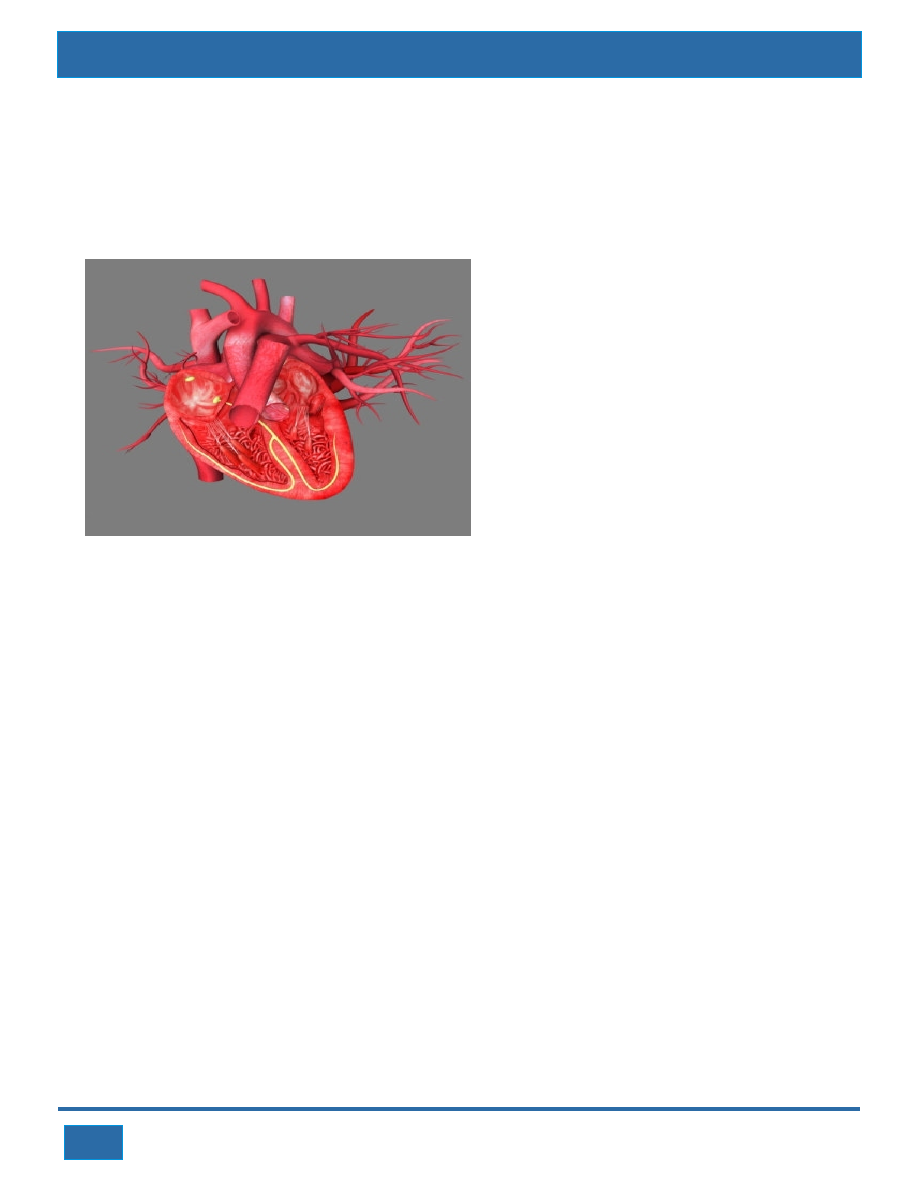
Next Generation Pacemakers may be Powered by the Heart itself
www.buffalo.edu
New way to Capture Energy from Sunlight
Researchers are developing technology to make pacemakers battery-free. The advancement is based upon a
piezoelectric system that converts vibrational energy, created inside the chest by each heartbeat, into electricity
to power the pacemaker. According to M. Amin Karami, PhD, assistant professor of mechanical engineering at
the University at Buffalo School of Engineering and Applied Sciences, who is leading the research they are
creating technology that will allow pacemakers to be
powered by the very heart that they are regulating.
The technology may eliminate the medical risks,
costs and inconvenience of having a battery
replacement every five to 12 years for millions of
people worldwide. The development of pacemakers
dates back nearly a century. At the beginning, most
efforts focused on devices that patients would carry
outside their body. Surgeons first successfully
implanted a pacemaker in a human in 1960 in
Buffalo, New York. The device, invented by UB
alumnus Wilson Greatbatch, enabled the patient to
survive another 18 months. While there have been
advancements since 1960, the devices are smaller,
the batteries last longer, there are even "smart"
pacemakers that are linked to computers but the basic
design from Greatbatch is the same. The pacemakers are implanted under the skin through an incision in the
chest. Wires, also called leads, connect the device to the heart and deliver electrical signals that regulate the
heart's activity.
The new wireless option does not require leads because it rests inside the heart. This removes a potential point
of failure, but the device still relies on a battery that must be replaced as often as the batteries that conventional
pacemakers use. A state of constant motion
The idea of heart-powered pacemakers came to Karami after doing PhD work on piezoelectric applications for
unmanned aerial vehicles and bridges. He wanted to apply that knowledge to the human body. The heart was an
obvious choice because of its relative strength and constant motion. It moves significantly, in turn, that
movement creates energy that researchers just now figuring out how to harvest. Karami initially designed a flat
piezoelectric structure for a conventional pacemaker. A prototype generated enough power to keep the
pacemaker running at a range of 7 to 700 beats per minute. With the development of wireless pacemakers,
however, he has revamped the design to accommodate the smaller, tube-shaped device. Karami, is building the
new prototype and expects to have animal tests done within two years. From there, it should be ready for human
trials and, eventually, approval from the U.S. Food and Drug Administration.
Solar energy is an inexhaustible resource that we currently only utilise to a very limited extent. Researchers around the
world are therefore trying to find new and more efficient ways to use the energy in sunlight.
The technique the
researchers in Lund are working on is solar cells consisting of a thin film of nanostructured titanium dioxide and
a dye that captures solar energy. Today, the best solar cells of this type use dyes containing ruthenium metal -- a
very rare and expensive element.

7
Technology Roundup
78
According to Professor Villy Sundstrom many researchers have tried to replace ruthenium with iron, but
without success. All previous attempts have resulted in molecules that convert light energy into heat instead of
electrons, which is required for solar cells to generate electricity.
Researchers at the Chemistry Department in Lund, in collaboration with Uppsala University, have now
successfully produced an iron-based dye that is capable of converting light into electrons with nearly 100 per
cent efficiency.
According to Kenneth Warnmark, the advantage of using iron is that it is a common element in nature. It can
provide inexpensive and environmentally friendly applications of solar energy in the future.
By combining the experiments with advanced computer simulations, the researchers are able to understand in
detail required design concepts for the iron molecules to work. This knowledge is now being used for further
developing the iron-based dyes. The results of the study suggest that solar cells based on these materials can be
at least as effective as those of today that are based on ruthenium or other rare metals. The discovery could also
advance research on solar fuels in which, like in photosynthesis of plants, water and carbon dioxide are turned
into energy-rich molecules -- solar fuel -- with the help of sunlight.
The researchers envision that the new iron-based molecules could also drive the chemical reactions that create
solar fuel.The researchers have worked on developing iron-based solar cell dyes for three years and are
surprised by how quickly they found a dye that can capture sunlight as efficientl as this.
www.lu.se
The Device for Diagnosis of Diabetes in Low-income Populations
www.invdes.com.mx
A device that detects in saliva a biological indicator of a possible risk of type II diabetes is the development of a
technological and scientific team of the Tec de Monterrey (Mexican University) in collaboration with the
University of Houston. What makes this development unique is that it is adaptable to the cell phone and gives
results in a few seconds, avoiding the annoying use of needles.
In other words, it is a cartridge adaptable to the mobile phone that will record whether a compound is present in
saliva, which becomes visible if the patient has diabetes. Dr. Marco Antonio Rite Palomares, director of the
Biotechnology Center of the Tec de Monterrey FEMSA explained that it is as simple as pregnancy tests, where
the specific marker shows in a few seconds.
The multidisciplinary team united scientific experts to work in enzyme technology to make visible this marker
and use an analytical process; also, they developed a micro device that can be integrated into a cell phone and
where one can place a saliva sample showing the results through a software.
The director of FEMSA Biotechnology Center mentions that he considered using the camera phone to detect
the marker in saliva, as the resolution is getting better each year. Afterwards it was considered to make it visible
through an enzymatic reaction where the biomarker is fluorescent or emits light identifiable from the rest of the
compounds through a strategy that has been used in other areas of technology and is now applied to biology.
While the idea is to make the patient's life easier, researchers also want to bring health care to the low-income
population, helping to make and early detection before it can lead to more problems and take action to prevent
high costs for the population and the government, " he added.

Technology Roundup
Technology Roundup
National
International Events
International Conference on Information Management & Libraries
6th International Conference on Information and Communication
Technologies
Frontiers of Information Technology
th
39 International Conference and Expo on Advanced Ceramics and
Composites
th
10 International Renewable Energy Storage Conference (IRES 2016)
th
The 5 International Conference on Informatics, Environment, Energy
and Applications
10-13 November, 2015
Lahore, Pakistan
www. Pu.edu.pk
www.icict.iba.edu.pk
12-13 December 2015
Karachi, Pakistan
14-16 December 2015
Comsats, Islamabad
www.fit.edu.pk
25-30 January, 2016
Florida USA
www.http://ceramics.org
February 18-20, 2016
Florida 32202 United States
www.http://www.ahrd.org/
2016 AHRD International Research Conference
15-17, March 2016
Brussels Belgium
www.eurobat.org
26-28 March 2016
Hong Kong
www.ieea.org
Forthcoming Tech Events
9
Tech & Trade Offers
About PASTIC
PASTIC serves as a gateway for
Scientific & Technological
Information for R&D by
catering to the information
n e e d s o f r e s e a r c h e r s ,
entrepreneurs, industrialists,
educationists, policy makers
a n d p l a n n e r s t h r o u g h
anticipatory and responsive
information services.
T e c h n o l o g y I n f o r m a t i o n
Service Section of PASTIC
works exclusively for support
and promotion of technological
information on trade and
industry in the country.
“Technology Roundup” is a
news bulletin that provides
l a t e s t a n d i n n o v a t i v e
technology news, forthcoming
events, etc. It also promotes
products, technologies and
services globally in sectors
such as Agro-Industry, Bio-
Technology, Building Material,
B u s i n e s s , C h e m i c a l s ,
Electronics, Energy, Fisheries,
Food Processing, Machinery,
P a c k a g i n g , M i n i n g
Pharmaceuticals and Textiles.
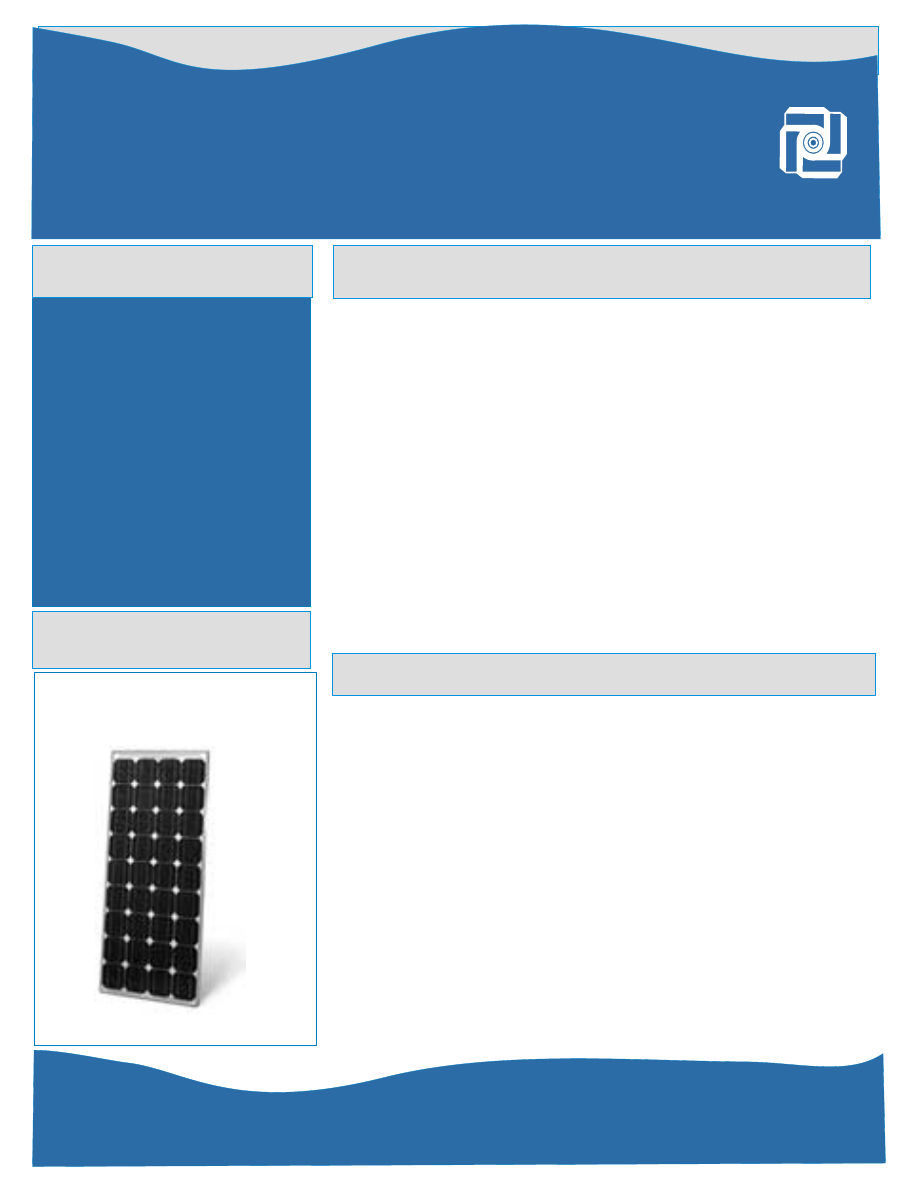
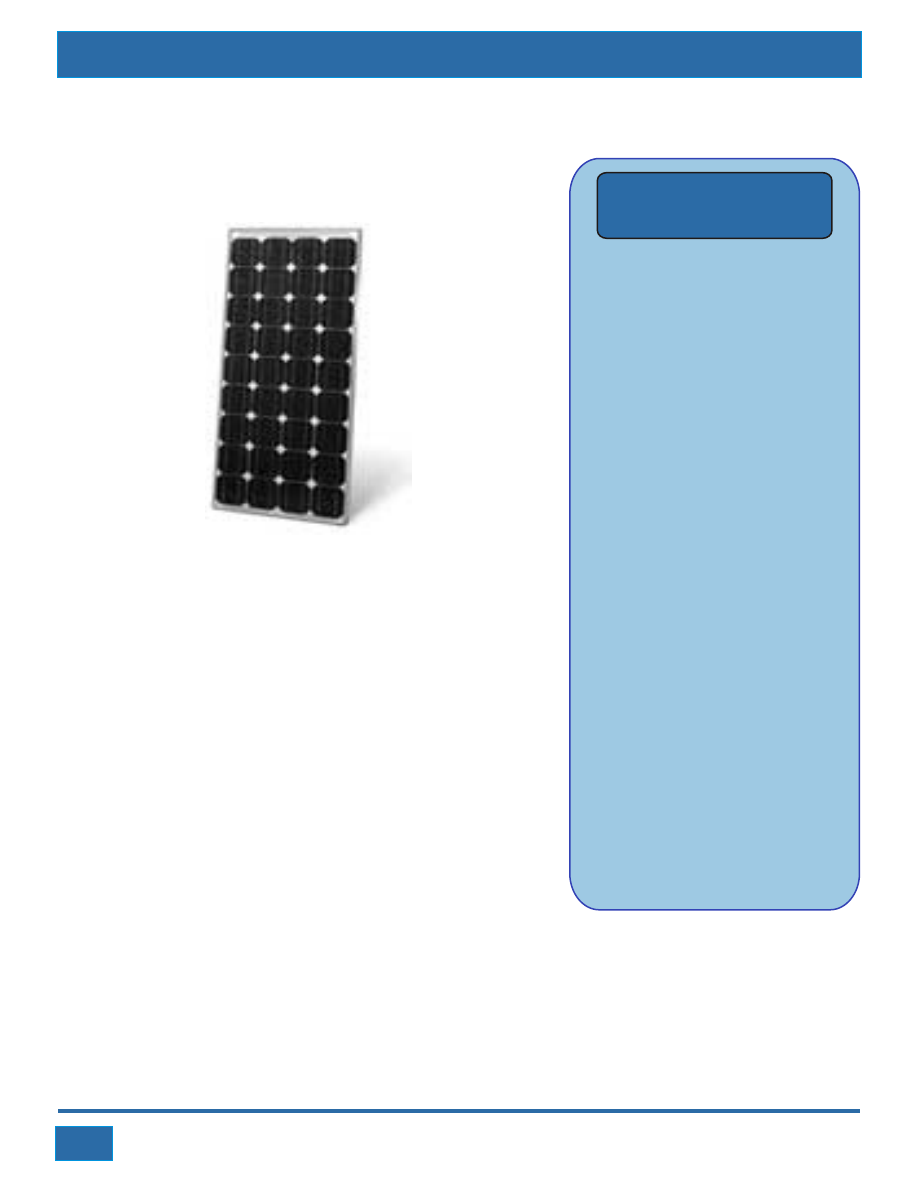
Solar Solutions
!
Solar for villages in remote areas
!
Solar for homes and summer cottages
!
Solar for microwave / Radio repeater stations
!
Solar for Medical facilities in rural areas
!
Solar for emergency communication
!
Solar System for water quality and environmental data monitoring
!
Solar solution for drinking water and livestock water pumping
!
Small-scale irrigation pumping
!
Cathodic protection
!
Solar Aviation obstruction lights
!
Solar Environmental data monitoring
!
Solar Railway signals
!
Solar Street lighting
!
Small-scale desalination
Company Contact:-
Sharif International
House # 151-A Street # 8 Chaklala Scheme 3, Rawalpindi
Tel: 92-51-5766380, Fax: 92-51-5598354
www.sharifinternational.net
Www.olympiainternational.com
Technology Roundup
Please give us your feedback and address queries to editor@pastic.gov.pk
10