
Patron/Executive Editor
Dr. Muhammad Akram Shaikh
Director General, PASTIC
Managing Editors
Ms. Nageen Ainuddin
Mr. M. Aqil Khan
Editor
Dr. Saima Tanveer
Composer
Kashif Farooqui
T
ECHNOLOGY
R
OUNDUP
Technology Information Section (TIS)
Pakistan Scientific & Technological Information Centre
PASTIC
September-October, 2014
Vol. 6, No. 5
A NEWS BULLETIN FROM
Tech News Headlines
Tech & Trade Offers
Phone: 051-9248103-4, 9248111
Fax: 051-9248113
Email:editor@pastic.gov.pk
Web: www.pastic.gov.pk
PASTIC National Centre
Quaid-i-Azam University Campus
P.O. Box 1217, Islamabad
Editorial Board
l
Development of Efficient Regeneration System in Different
Recalcitrant Rice Cultivars and Expression Analysis of Putative
Transgenic Plants
l
Real Time Monitoring and Supervisory Control of Distribution
Load Based on Generic Load Allocation: A Smart Grid Solution
l
A Smart Fluorescent Antenna For Wi-Fi Applications
Can A Stack of Computer Servers Survive an Earthquake?
Water 'Thermostat' Could Help Engineer Drought-Resistant Crops
Eating Baked, Broiled Fish Weekly Boosts Brain Health
Batteryless Cardiac Pacemaker is Based on Automatic Wristwatch:
Powered by Heart Motion
l
l
l
l
Platelet-Like Particles Augment Natural Blood Clotting for Treating
Trauma
l
CNG/NGV Fueling
Solutions
Forthcoming Tech Events
l
onal Conference on Future-Oriented Technology
Analysis (FTA)
th
l 10 Asian International Conference on Leather Science and
Technology
National Software Engineering Conference (NSEC 2014)
l International Conference on Management Research (ICMR) 2014
l International Conference on Energy Systems and Policies (ICESP-
2014)
th
l 37 World Energy Engineering Congress
l Canadian International Conference of Science and Technology
th
l 5 Internati
rd
l 3 International Conference on “Energy Environment &
Sustainable Development (EESD 2014) Pakistan

Technology Roundup
2
Indigenous
Technology
Development of Efficient Regeneration System in Different Recalcitrant
Rice Cultivars and Expression Analysis of Putative Transgenic Plants
A team of researchers from Department of Genomics and Biotechnology, PARC Institute of Advanced
studies in Agriculture (PIASA) NARC have Studied Efficient Regeneration System in Different Recalcitrant
Rice Cultivars and Expression Analysis of Putative Transgenic Plants
International Journal of Agriculutre and Biology, 2014, 16(4):700-706
Rice (Oryza sativa L.) is a staple food for more than half of the world population and a model monocot grass plant
for both genetic and functional genomics studies. In Pakistan rice is cultivated on an area of 2.57 million hectares
with annual production of 6.16 million tons and average yield of 2396 kg ha-1. In Pakistan, rice occupies about 10%
of the total cultivated area, accounts for 6.1% of value added in agriculture and 1.3% in gross domestic product
(Government of Pakistan, 2012). Current research mostly emphasizes on the development of an efficient and
genotype independent regeneration system for indica rice.
Establishment of an efficient and reproducible regeneration system in three different rice cultivars, IRRI-6, IRRI-9
and KSK-282 remained obscured. In the present study regeneration system was developed for all three recalcitrant
cultivars and resultant putative transgenic plants were analyzed for expression by reverse transcriptase polymerase
chain reaction (RT-PCR). Cultivars responded to a particular concentration of 2, 4-D ranging from 2 to 4mg L-1for
calli initiation and induction. Two types of calli with different frequencies were observed on both N6 and N6
supplemented with proline, glycine and MES. N6 media produced more number of type II calli while N6
supplemented favored type I calli in all three cultivars. Type I calli were found as yellowish, smaller in size and
globular shape and better explants for transformation. GUS histochemical assay showed that 11, 13 and 14 days
older type I calli of KSK-282, IRRI-6 and IRRI-9were suitable for transformation respectively. Fifteen minutes
infection time and 2 days co-cultivation period showed the highest GUS positive expression in calli of all three
cultivars. KSK-282 and IRRI-9 showed best regeneration response on 0.5 mg L-1 kinetin, 1 mg L-1NAA and 3 mg
L-1 BAP, while the IRRI-6 showed the highest regeneration at 0.5 mg L-1 kinetin, 1mg L-1 NAA and 2 mg L-1
BAP. Using optimized protocol for each cultivar GUS reporter gene has been successfully incorporated in the
genome of all three cultivars. Transgene expression in resultant lines was confirmed at transcriptional level through
reverse transcriptase polymerase chain reaction (RT-PCR). © 2014 Friends Science Publishers Keywords:
Recalcitrant rice cultivars; Efficient regeneration; RT-PCR analysis; GUS histochemical assay
Izhar Muhammad, Sohaib Roomi, Arshad Iqbal, (Department of Plant Genomics and Biotechnology, PARC
Institute of Advanced Studies in Agriculture (PIASA) NARC Park Road Islamabad, Pakistan) Muhammad Amir
Zia, Shaukat Ali, Zaheer Abbas and Ghulam Muhammad Ali:( Department of Plant Genomics and Biotechnology,
PARC Institute of Advanced Studies in Agriculture (PIASA) NARC Park Road Islamabad, Pakistan& National
Institute for Genomics and Advanced Biotechnology (NIGAB), National Agricultural Research Centre (NARC)
Islamabad, Pakistan)
Courtesy:

Technology Roundup
3
Indigenous
Technology
Real Time Monitoring and Supervisory Control of Distribution Load
Based on Generic Load Allocation: A Smart Grid Solution
A team of researchers from Department of Electrical Engineering, Mehran University of Engineering
& Technology have studied Real Time Monitoring and Supervisory Control of Distribution Load
Based on Generic Load Allocation: A Smart Grid Solution
The electrical power system in Pakistan is unpredictable, the power that is generated at the power stations
does not meet the power requirement for the consumers, and mostly power shortage occurs whether it is
winter or summer. We can't forecast how much power the consumer will use per day due to lack of power
monitoring and mismanagement.
This research work is the small part of the smart grid system. This is regarding the check and balance of
power consumption at the consumer level. It is a well known fact that the consumers are allocated a fixed
load according to their requirement at the time of application for the electricity connection. When the
consumer increases its load and does not inform the power company, the result is the overloading of the
system.
This study presents a solution regarding distribution and load allocation to each customer. If the customer
uses power greater than the load allocated, further power is not provided and consequently that appliance is
not turned on unless the total load must not be decreased than the allocated load. This is achieved by
designing a processor controlled system that measures the power on main line and also the power taken by
each device. Now when a device is turned on, its power is measured by the controller and compares it with the
main line power, and when the device consumes some power consequently main line power will also be
increased thus this main line power is monitored and if it exceeds particular limit that device is turned off
through its relay.
Mehran University Research Journal of Engineering & Technology, 2014, 33 (2) 149-156
Anwer Ahmed Memon (Assistant Professor, Department of Electrical Engineering, Mehran University of
Engineering & Technology, Jamshoro, Pakistan ) Zain Anwer Memon, Riaz Rasool Aamir ( Post-Graduate
Student, Institute of Information & Communication Technologies, Mehran University of Engineering &
Technology, Jamshoro Pakistan)
Courtesy:
4
Technology Roundup
A Smart Fluorescent Antenna For Wi-Fi Applications
www.sciencedaily.com
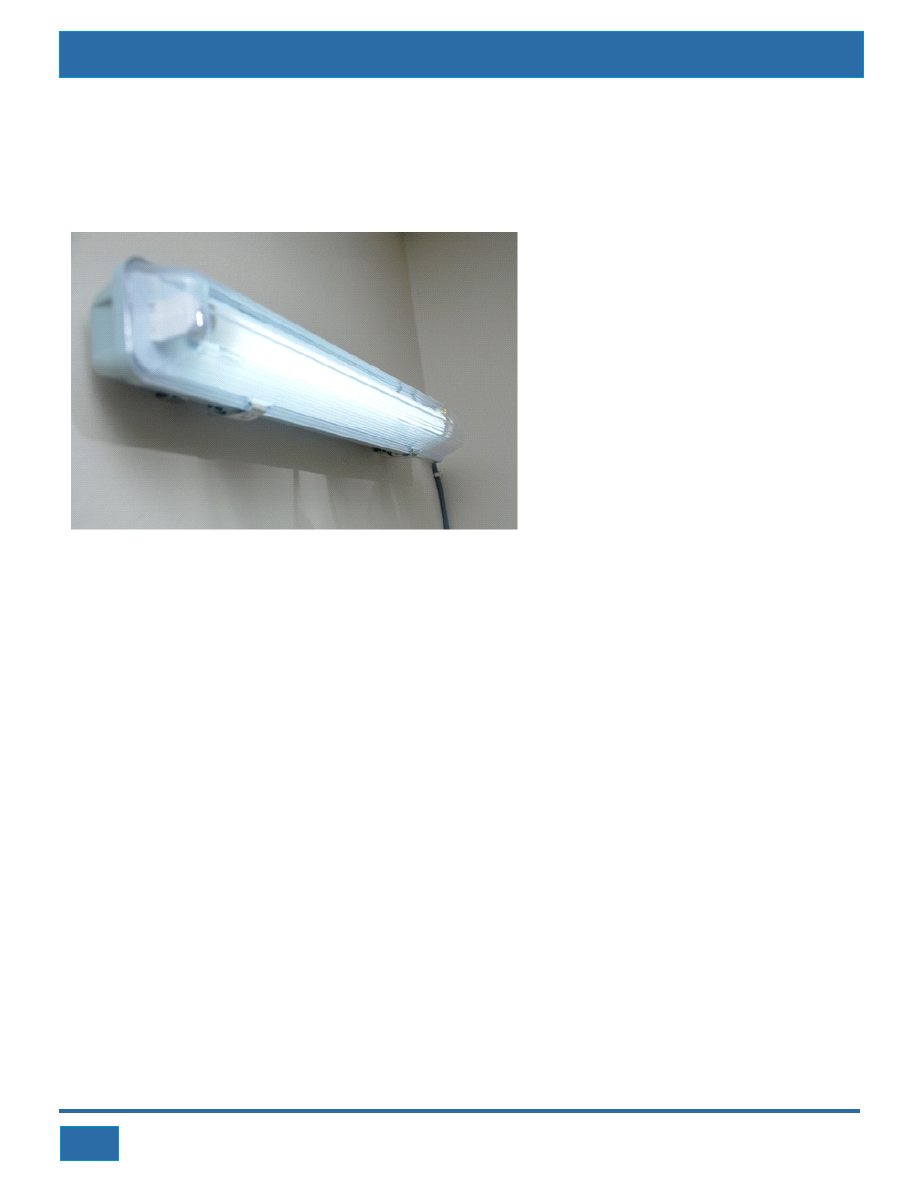
The researchers from the University of Technology MARA (UiTM), Malaysia have developed a new invention uses
ionized gas in fluorescent light tubes to transmit Internet wireless frequency signals throughout a building with the aid of
already existing electrical wiring.
Due to continuously evolving applications, the
electronic communications industry requires high
performance and speed efficient systems.
However, the physical limitations of microwave
devices limits further improvements in current
technology. This predicament has led to growing
interest in the use of plasma as a conductive
element in microwave devices due to their unique
and innovative properties, which corresponds
with traditional metallic antennas.This invention
employs an ionized gas enclosed in a tube as the
conducting element of an antenna. When the gas
is electrically charged or ionized to plasma, it
becomes conductive and allows radio frequency
signals to be transmitted or received. When the
gas is not ionized, the antenna element ceases to
exit.
The invention features a smart fluorescent antenna with a 3G/3.75G/4G router for Wi-Fi applications. The antenna operates
at the 2.4 GHz frequency band, which is suitable for Wi-Fi applications. A commercially available fluorescent tube,
measuring 0.61 metres in length by 0.25 metres in diameter, is used as the plasma antenna. The gas inside the tube is a
mixture of argon and mercury vapour, in the ratio 9:1. The tube is energized by a 240 V current, provided by a standard AC
power supply. A glowing tube indicates that the gas inside the tube has been ionized to plasma and forms a plasma column.
In this state, the plasma column becomes highly conductive and can be used as an antenna.
A coupling sleeve is positioned at the lower end of the tube, which is used to connect the plasma tube to the router. The
function of the coupling sleeves is to store the electrical charge. When the gas inside the tube is sufficiently ionized into a
plasma state, it becomes conductive and allows radio frequency signals to be transmitted or received.
Measurements indicate that the plasma antenna yields a return loss over 10 dB in the 2.23 GHz to 2.58 GHz frequency
band. The antenna's ability to operate as either a transmitter or receiver in this particular frequency band was verified
through a series of wireless transmission experiments.The performance of this antenna was measured using the Wi-Fi
Received Signal Strength Indicator (RSSI) technique.
The advantage of this product is its low cost. The Wi-Fi signal can be transmitted into other rooms using only one router
with a splitter cable. The fluorescent tube has dual functionality, thereby reducing the cost of buying additional antennas.
Commercial antennas are made from metal elements while this invention uses plasma element as its source of material.
Normal antennas can only transmit and receive radio frequencies, while this product not only can be used for transmitting
and receiving radio frequency signals, but as a light emitting device as well.
5
Technology Roundup
Platelet-Like Particles Augment Natural Blood Clotting for Treating Trauma
Www.news.gatech.edu
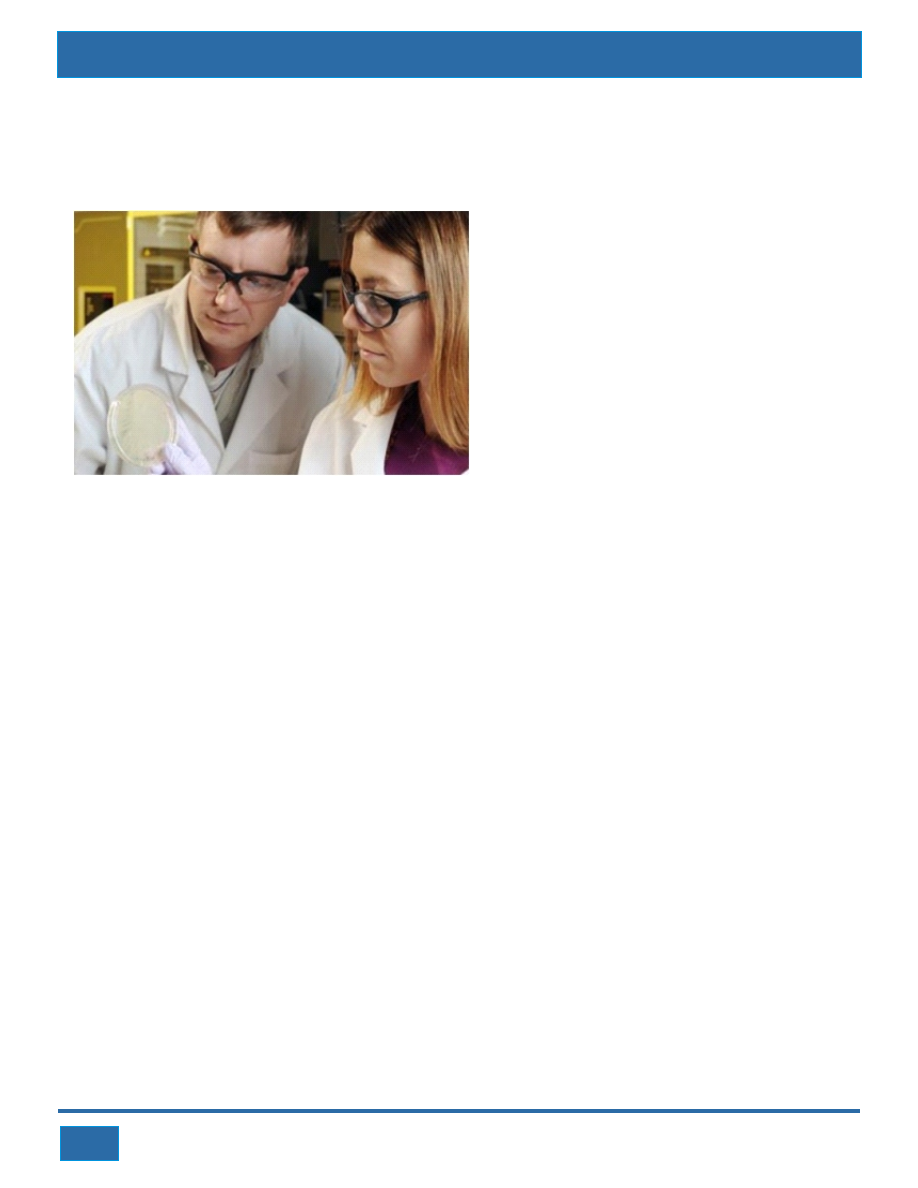
Researchers from the Georgia Institute of Technology, Emory University, Children's Healthcare of Atlanta and Arizona
State University have developed a new class of synthetic platelet-like particles that could augment natural blood clotting
for the emergency treatment of traumatic injuries and
potentially offer doctors a new option for curbing
surgical bleeding and addressing certain blood clotting
disorders without the need for transfusions of natural
platelets.
The clotting particles, which are based on soft and
deformable hydrogel materials, are triggered by the same
factor that initiates the body's own clotting processes.
Testing done in animal models and in a simulated
circulatory system suggest that the particles are effective
at slowing bleeding and can safely circulate in the
bloodstream. The particles have been tested with human
blood, but have not undergone clinical trials in humans.
When used by emergency medical technicians in the
civilian world or by medics in the military, the
researchers expect this technology could reduce the number of deaths from excessive bleeding and could be injected to go
specifically to the site of a serious injury that could help decrease the number of deaths associated with serious injuries.
The effectiveness of the platelet-like particles has been tested in an animal model and in a microfluidic chamber designed
to simulate conditions within the body's circulatory system. In the chamber, tubes about the thickness of a human hair
were lined with endothelial cells as in natural blood vessels.The chamber was used to study normal human blood, as well
as human blood that had been depleted of its natural platelets. In platelet-rich blood, clots formed as expected, and blood
without platelets did not form clots. When the platelet-like particles were added to the platelet-depleted blood, it was able
to clot.
The researchers also tested blood from infants that had undergone open heart surgery, which requires that their blood be
diluted, reducing its clotting ability. When platelet-like particles were added to the dilute neonate blood, it was able to
form clots.Finally, safety testing was done on blood from hemophiliac patients. Because that blood lacks the triggers
needed to cause fibrin formation, the particles had no effect. Before they can be used in humans, the particles will have to
undergo human trials and receive clearance from the U.S. Food & Drug Administration (FDA).
About one micron in diameter, the particles were originally developed to be used on the battlefield by wounded soldiers,
who might self-administer them using a device about the size of a smartphone. But the researchers believe the particles
could also reduce the need for platelet transfusions in patients undergoing chemotherapy or bypass surgery, and in those
with certain blood disorders.
While the platelet-like particles lack many features of natural platelets, the researchers were surprised to find one
property in common. Clots formed by natural platelets begin to contract over a period of hours, beginning the body's
repair process. Clots formed from the synthetic particles also contract, but over a longer period of time, Brown noted.
3
6
Technology Roundup
Can A Stack of Computer Servers Survive An Earthquake?
www.lockerdome.com
In high-seismic regions, new facilities often are engineered with passive protective systems that provide overall seismic
protection. But often, existing facilities are conventional fixed-base buildings in which seismic demands on sensitive
equipment located within are significantly amplified. In
such buildings, sensitive equipment needs to be secured
from these damaging earthquake effects. How do you
prevent an earthquake from destroying expensive
computer systems?
That's the question earthquake engineer at Howard
University, aims to answer through a series of
experiments conducted at the University at Buffalo.The
loss of functionality of essential equipment and
components can have a disastrous impact. The
researchers claim that theycan limit these sorts of
equipment losses by improving their seismic
performance,In buildings such as data centers, power
plants and hospitals, it could be catastrophic to have highly-sensitive equipment swinging, rocking, falling and
generally bashing into things.
n high-seismic regions, new facilities often are engineered with passive protective systems that provide overall seismic
protection. But often, existing facilities are conventional fixed-base buildings in which seismic demands on sensitive
equipment located within are significantly amplified. In such buildings, sensitive equipment needs to be secured from
these damaging earthquake effects.
The stiffer the building, the greater the magnification of seismic effects, she added.It is like when you are riding a
rollercoaster. If your body is relaxed, you don't feel strong inertial effects. But if you hold your body rigid, you'll feel the
inertial effects much more, and you'll get knocked about in the car. Similarly, The experiments were conducted this
month at the University at Buffalo's Network for Earthquake Engineering Simulation (NEES), a shared network of
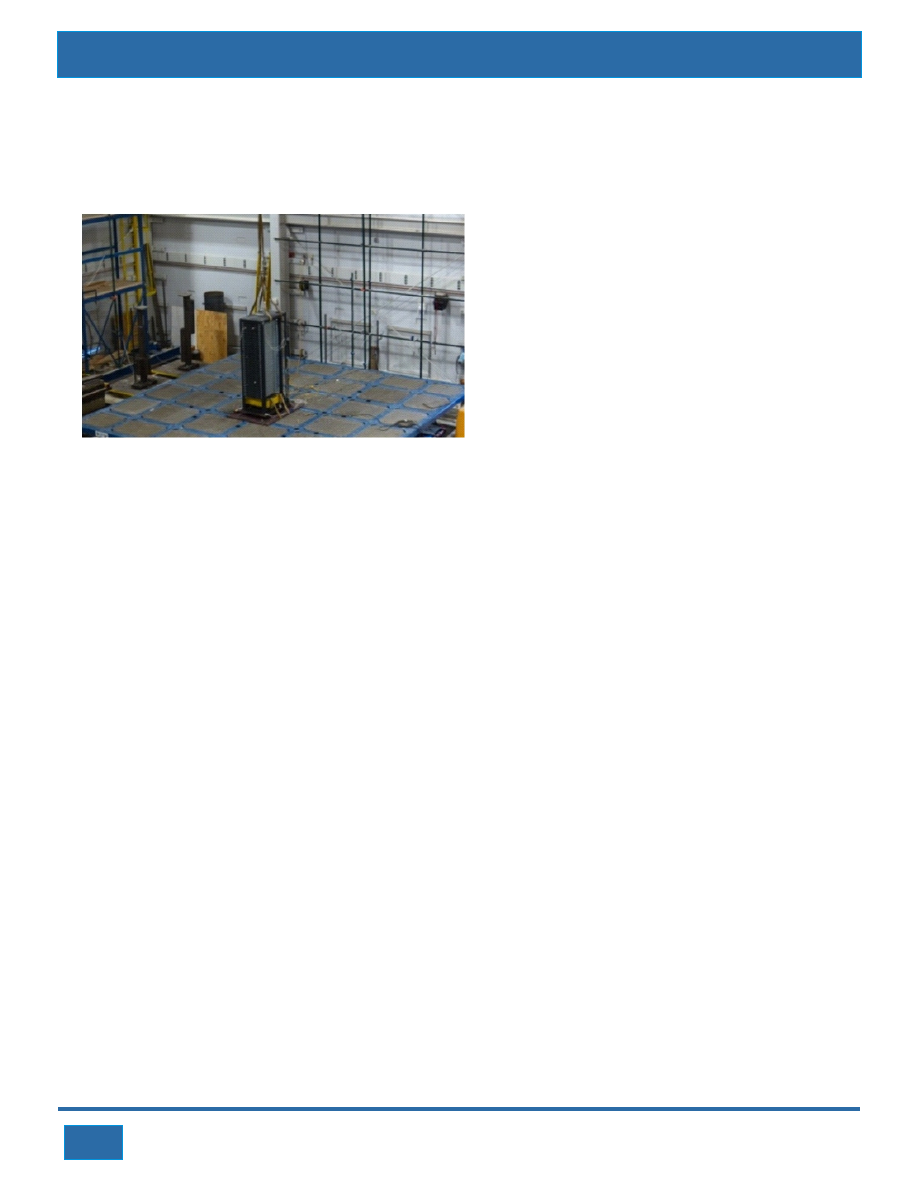
laboratories based at Purdue University. The researchers team used different devices for supporting 40 computer servers
donated by Yahoo Labs. The researchers attached the servers to a frame in multiple configurations on seismically
isolated platforms. They then subjected the frame to a variety of three-directional ground motions with the servers in
partial operation to monitor how they react to an earthquake simulation.
Preliminary work confirmed, among other things, that globally and locally installed seismic isolation and damping
systems can significantly reduce damage to computer systems and other electronic equipment.Base isolation is a
technique that sets objects atop an energy-absorbing base; damping employs energy-absorbing devices within the
object to be protected from an earthquake's damaging effects.
Water 'Thermostat' Could Help Engineer Drought-Resistant Crops
A gene that could help engineer drought-resistant crops has been identified by researchers. The gene, called OSCA1,
encodes a protein in the cell membrane of plants that senses changes in water availability and adjusts the plant's water
conservation machinery accordingly. The findings could make it easier to feed the world's growing population in the
face of climate change.
Duke University researchers have identified a gene that could help scientists engineer drought-resistant crops. The
gene, called OSCA1, encodes a protein in the cell membrane of plants that senses changes in water availability and
adjusts the plant's water conservation machinery accordingly."It's similar to a thermostat. The findings, could make it

7
Technology Roundup
easier to feed the world's growing population in the face of climate change.
Drought is the major cause of crop losses worldwide. A dry spell at a crucial stage of the growing season can cut some crop
yields in half.Water shortages are expected to become more frequent and severe if climate change makes rainfall patterns
increasingly unreliable and farmland in some regions continues to dry up. Coupled with a world population that is
expected to increase by two billion to three billion by 2050, researchers worldwide are looking for ways to produce more
food with less water.
Some researchers hope that genetic engineering, in addition to improve farming practices and traditional plant breeding
will add to the arsenal of techniques to help crops withstand summer's swelter. But engineering plants to withstand drought
has proven difficult to do, largely because plants use so many strategies to deal with dehydration and hundreds of genes are
involved.
The problem is confounded by the fact that drought is often accompanied by heat waves and other stresses that require
different coping strategies on the part of the plant. One way that plants respond to water loss is by boosting the levels of
calcium within their cells. The calcium surge acts as an alarm signal that triggers coping mechanisms to help the plant
rebalance its water budget. But until now, the molecular machinery that plants use to send this signal and monitor water
availability in general remained unknown.Pei and Duke colleagues Fang Yuan, James Siedow and others identified a gene
that encodes a protein in the cell membranes of plant leaves and roots, called OSCA1, which acts as a channel that allows
calcium to surge into the cell in times of drought.
The gene was identified in Arabidopsis thaliana, a small unassuming plant related to cabbage and canola that is the lab rat
of plant research.Plants with defective versions of the calcium channel don't send an alarm signal under water stress like
normal plants do.When the researchers grew normal plants and plants with defective versions of the gene side by side in
the same pot and exposed them to drought stress, the mutant plants experienced more wilting.
The findings could lead to new ways to help plants thrive when water is scarce.The team's next step is to manipulate the
activity of the OSCA1 gene and related genes and see how those plants respond to drought information that could lead to
crops that respond more quickly and efficiently to dehydration. Plants that enter drought-fighting mode quickly and then
switch back to normal growth mode quickly when drought stress is gone should be able to allocate energy more efficiently
toward growth.
www.zeenews.india.com
Eating Baked, Broiled Fish Weekly Boosts Brain Health
Scientist from University of PITTS Burg, USA investigated that eating baked or broiled fish once a week is good for the
brain, regardless of how much omega-3 fatty acid it contains, according to researchers. The findings add to growing
evidence that lifestyle factors contribute to brain health later in life. Scientists estimate that more than 80 million people
will have dementia by 2040, which could become a substantial burden to families and drive up health care costs. It is
estimated that more than 80 million people will have dementia by 2040, which could become a substantial burden to
families and drive up health care costs, Some studies have predicted that lifestyle changes such as a reduction in rates of
physical inactivity, smoking and obesity could lead to fewer cases of Alzheimer's disease and other conditions of cognitive
impairment in the elderly.
The anti-oxidant effect of omega-3 fatty acids, which are found in high amounts in fish, seeds and nuts, and certain oils,
also have been associated with improved health, particularly brain health.The study shows that people who ate a diet that
included baked or broiled, but not fried, fish have larger brain volumes in regions associated with memory and cognition.
The researchers did not find a relationship between omega-3 levels and these brain changes, which surprised us a little. It
led us to conclude that we were tapping into a more general set of lifestyle factors that were affecting brain health of which
diet is just one part.
7
Technology Roundup
8
Batteryless Cardiac Pacemaker is Based on Automatic
Wristwatch: Powered by Heart Motion
www.alphagalileo.org
A new batteryless cardiac pacemaker based on an automatic wristwatch
and powered by heart motion has been presented by researchers. The
prototype device does not require battery replacement.
Reseachers from University of Bern, Switzerland developed a new
batteryless cardiac pacemaker based on an automatic wristwatch and
powered by heart motion was presented at ESC Congress 2014 today by
Adrian Zurbuchen from Switzerland. The prototype device does not
require battery replacement.Batteries are a limiting factor in today's
medical implants. Once they reach a critically low energy level,
physicians see themselves forced to replace a correctly functioning
medical device in a surgical intervention. This is an unpleasant scenario
which increases costs and the risk of complications for patients.”
Four years ago, a cardiologist and engineer at the University of Bern, had the idea of using an automatic wristwatch
mechanism to harvest the energy of heart motion. Because heart seems to be a very promising energy source because its
contractions are repetitive and present for 24 hours a day, 7 days a week. The researchers' first prototype is based on a
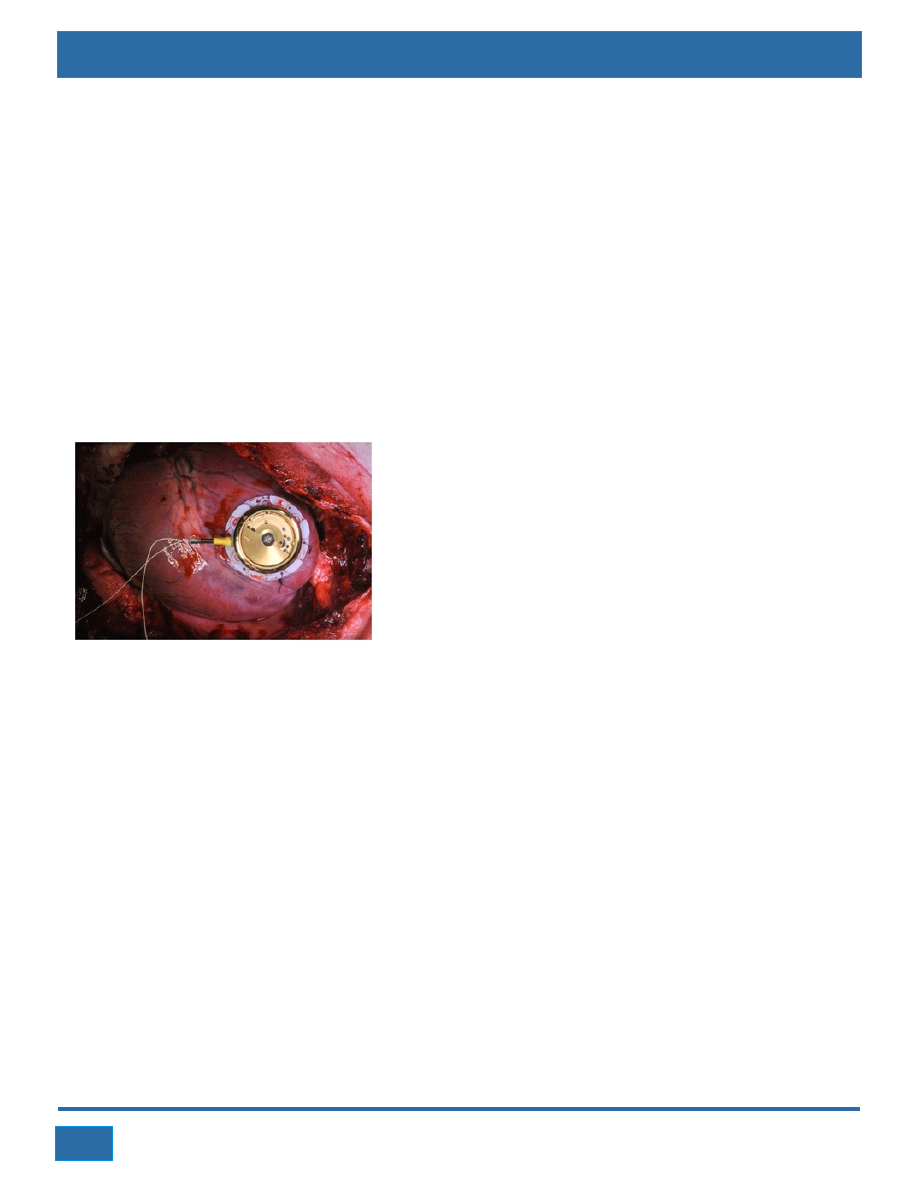
commercially available automatic wristwatch. All unnecessary parts were removed to reduce weight and size. In addition,
they developed a custom-made housing with eyelets that allows suturing the device directly onto the myocardium.
The prototype works the same way it would on a person's wrist. When it is exposed to an external acceleration, the eccentric
mass of the clockwork starts rotating. This rotation progressively winds a mechanical spring. After the spring is fully
charged it unwinds and thereby spins an electrical micro-generator.To test the prototype, the researchers developed an
electronic circuit to transform and store the signal into a small buffer capacity. They then connected the system to a custom-
made cardiac pacemaker. The system worked in three steps. First, the harvesting prototype acquired energy from the heart.
Second, the energy was temporarily stored in the buffer capacity. And finally, the buffered energy was used by the
pacemaker to apply minute stimuli to the heart. The researchers successfully tested the system in in vivo experiments with
domestic pigs. The newly developed system allowed them for the first time to perform batteryless overdrive-pacing at 130
beats per minute.
The researchers say that it is possible to pace the heart using the power of its own motion. The next step in our prototype is to
integrate both the electronic circuit for energy storage and the custom-made pacemaker directly into the harvesting device.
This will eliminate the need for leads.
The research team analyzed data from 260 people who provided information on their dietary intake, had high-resolution
brain MRI scans, The participants from Cardiovascular Health Study (CHS), answered questionnaires about their eating
habits, such as how much fish did they eat and how was it prepared, The researchers say that baked or broiled fish contains
higher levels of omega-3s than fried fish because the fatty acids are destroyed in the high heat of frying, so we took that into
consideration when we examined their brain scans. They found that people who ate baked or broiled fish at least once a week
had greater grey matter brain volumes in areas of the brain responsible for memory (4.3 percent) and cognition (14 percent)
and were more likely to have a college education than those who didn't eat fish regularly, the researchers found. But no
association was found between the brain differences and blood levels of omega-3s.This suggests that lifestyle factors, in this
case eating fish, rather than biological factors contribute to structural changes in the brain. The researchers say that a
confluence of lifestyle factors likely are responsible for better brain health, and this reserve might prevent or delay cognitive
problems that can develop later in life.
www.zeenews.com

Technology Roundup
8
99
Technology Roundup
National Events
International Events
th
37 World Energy Engineering Congress
Canadian International Conference of Science and Technology
National Software Engineering Conference (NSEC 2014)
Www.nsec.mcs.edu.pk
International Conference on Management Research (ICMR) 2014
www.superior.edu.pk
International Conference on Energy Systems and Policies (ICESP-
2014)
www.auconferences.com/icesp
rd
3 International Conference on “Energy Environment & Sustainable
Development (EESD 2014) Pakistan
www.eesd.muet.edu.pk
www.energycongress.com
Www.caar-science.org
th
5 International Conference on Future-Oriented Technology Analysis (FTA)
www.era.gv.at
th
10 Asian International Conference on Leather Science & Technology
www.aiclst2014.jp
11-12 November, 2014
Rawalpindi, Pakistan
20 - 21 November, 2014
Lahore, Pakistan
24-26, November, 2014
Islamabad, Pakistan
22-24, October, 2014
Sindh, Pakistan
st
nd
1 -2 October, 2014
Washington, DC, United States of America
14-15 November, 2014
27-28 November, 2014
Brussels,Belgium
23-26 November, 2014
Okayama, Japan
Toronto, Ontario, Canada
8
Forthcoming Tech Events
99
Tech & Trade Offers
About PASTIC
PASTIC serves as a gateway for
Scientific & Technological
Information for R&D by
catering to the information
n e e d s o f r e s e a r c h e r s ,
entrepreneurs, industrialists,
educationists, policy makers
a n d p l a n n e r s t h r o u g h
anticipatory and responsive
information services.
T e c h n o l o g y I n f o r m a t i o n
Service Section of PASTIC
works exclusively for support
and promotion of technological
information on trade and
industry in the country.
“Technology Roundup” is a
news bulletin that provides
l a t e s t a n d i n n o v a t i v e
technology news, forthcoming
events, etc. It also promotes
products, technologies and
services globally in sectors
such as Agro-Industry, Bio-
Technology, Building Material,
B u s i n e s s , C h e m i c a l s ,
Electronics, Energy, Fisheries,
Food Processing, Machinery,
P a c k a g i n g , M i n i n g
Pharmaceuticals and Textiles.
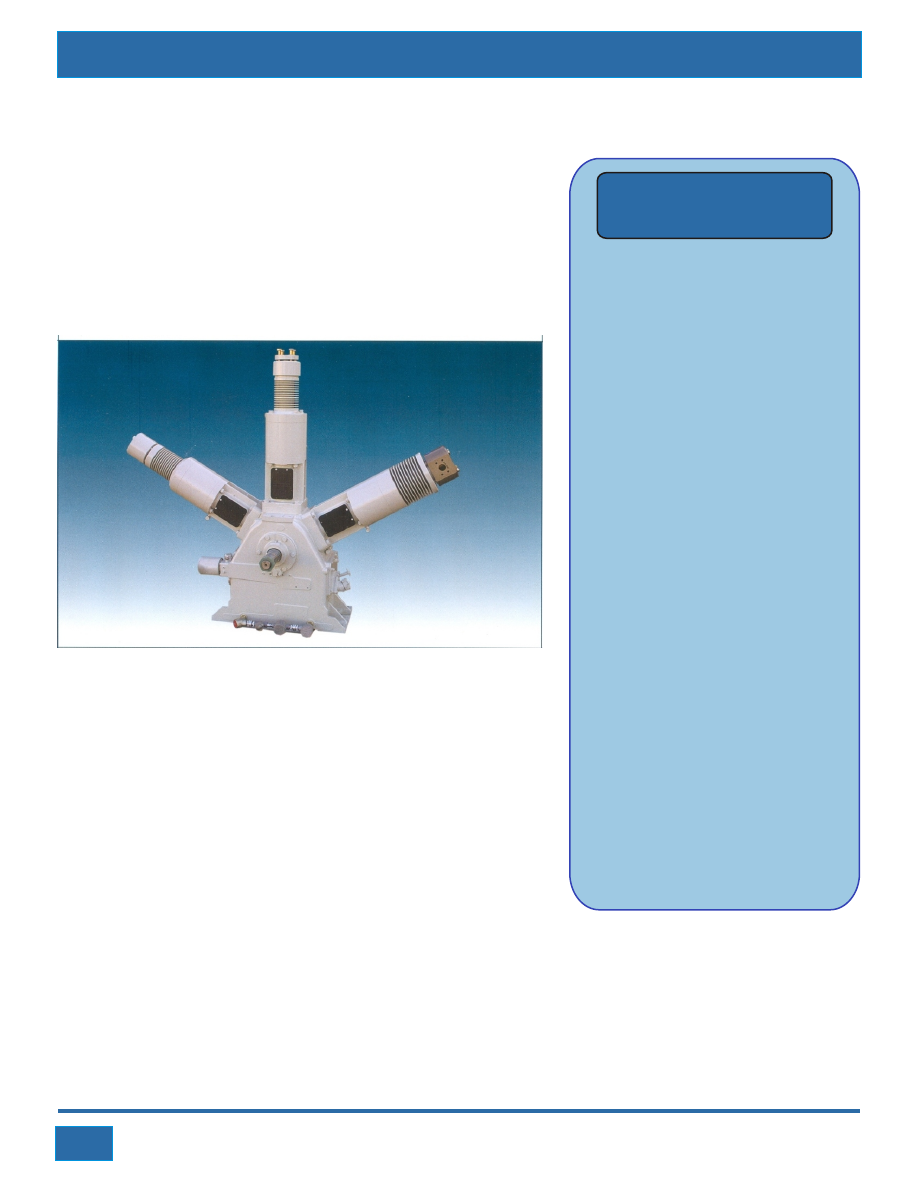
IMW 50
Compressed Natural Gas
CNG/NGV Fueling Solutions
A Truly clean and More Versatile Fueling Solution
The IMW 50 comprassor is the most versatile natural gas compressor on the market today.
In its various configurations, the IMW 50 can be used for applications with intel pressuers
from 2 to 3600 psig.
!
The IMW 50 is truly friendly to the environment. Its no lubricated cylinder design
products extremely clean downstream gas-low oil carry over and consumption (5ppm or
less).
!
IMW equipment is backed by the best service plan in the Industry.
!
The Non Lube design also provides lower operating costs then comparable
lubricated compressors.
!
Lubricated Compressors can typically incur extra maintenance, extra filtration , oil
management and oil disposal costs.
!
At IMW, We pride ourself in the quality of our products, the responsiveness and
service of our team, and the benefits we provide to our custormers and environment.
!
Our global network of authorized services and parts representatives provide
fast local support to our consumers.
Company Contact:-
Allied Engineering & Services Ltd.
21/3 Sector # 22, Korangi Industrial Area, Karachi-74900
Phone No 021-5066901-13 Fax: 021-5066915-6
Email: compressor@aesl.com.pk
Www.aesl.com
Technology Roundup
Please give us your feedback and address queries to editor@pastic.gov.pk
10