Patron/Executive Editor
Dr. Muhammad Akram Shaikh
Director General, PASTIC
Managing Editors
Ms. Nageen Ainuddin
Mr. M. Aqil Khan
Editor
Dr. Saima Tanveer
Composer
Kashif Farooqui
T
ECHNOLOGY
R
OUNDUP
Technology Information Section (TIS)
Pakistan Scientific & Technological Information Centre
PASTIC
November-December, 2014
Vol. 6, No. 6
A NEWS BULLETIN FROM
Tech News Headlines
Tech & Trade Offers
Phone: 051-9248103-4, 9248111
Fax: 051-9248113
Email:editor@pastic.gov.pk
Web: www.pastic.gov.pk
PASTIC National Centre
Quaid-i-Azam University Campus
P.O. Box 1217, Islamabad
Editorial Board
l
Exogenous Application of Ascorbic acid, Salicylic acid and
Hydrogen peroxide Improves the Productivity of Hybrid Maize at
Low Temperature Stress
l
l
Fusion Reactor Concept could be Cheaper than Coal
l
Electrically Conductive Plastics Promising for Batteries,
Transparent Solar Cells
l
Smart Phone Understands Hand Gestures
2014 Nobel Prize in Physics: Invention of Efficient Blue Light-
Emitting Diodes
Natural Gene Selection can Produce Orange Corn Rich in
Provitamin A
Mechanical Characterization of Cotton Fiber/Polyester
Composite Material
l
l
l
Giant Leap for Diabetes: From Human Embryonic Stem Cells to
Billions of Human Insulin Producing Cells
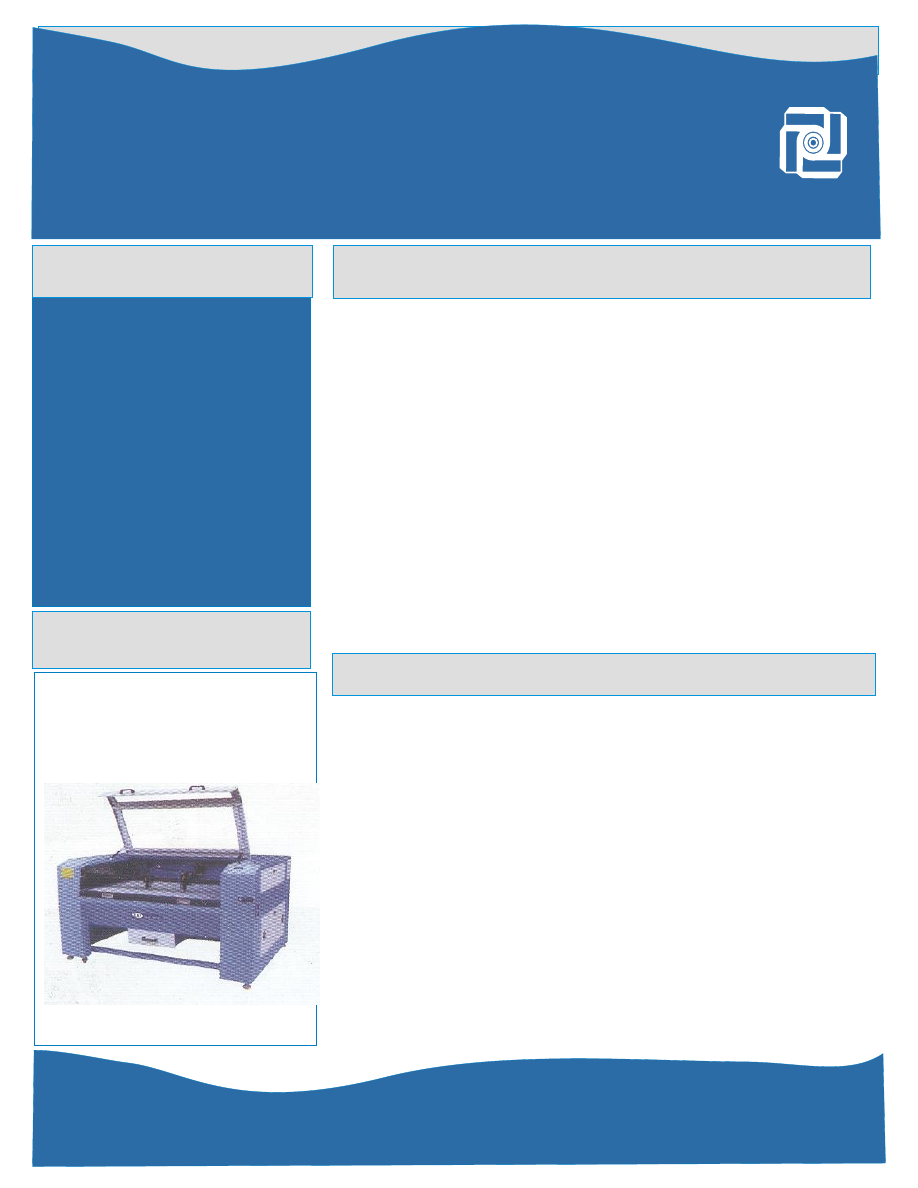
High Speed Laser Cutting
and Engraving Machine
Forthcoming Tech Events
l
l
l
l
l
l
th
12 International Bhurban Conference on Applied Science and
Technology
l 1st International Conference on Applied Chemical, Biological and
Agricultural Sciences
l Conference on Value Addition and Innovation in Textiles
(COVITEX 2015)
st
1 National Research Conference (Islamabad-Pakistan)
International Conference on Future Environment and Energy
Conference on Polymer Materials Science
(PMS 2015)
Energy Materials Research Conference EMR 2015
nd
2 International Conference on Commercialization of Technology

Technology Roundup
2
Indigenous
Technology
Exogenous Application of Ascorbic acid, Salicylic acid and Hydrogen
peroxide Improves the Productivity of Hybrid Maize at Low Temperature
Stress
A team of researchers from University of Agriculture, Faisalabad have studied Exogenous Application of
Ascorbic Acid, Salicylic Acid and Hydrogen Peroxide Improves the Productivity of Hybrid Maize at Low
Temperature Stress
International Journal of Agriculutre and Biology, 2014, 16(4):825-830
Maize (Zea mays L.) is a high yielding cereal crop and is ranked as third important cereal crop in Pakistan. It is
grown twice in a year in our country (spring and autumn) as primarily for grain production and secondarily for
forage and fodder. Maize is a warm season crop and is grown under extremely divergent climatic conditions
ranging from tropical to temperate region. This crop can be successfully grown in areas where the night temperature
does not go below 15ºC as crop stops growing below this level.
Maize being subtropical crop is sensitive to low temperature at early growth stages. Exogenous application of
ascorbic acid (AsA), salicylic acid (SA) and hydrogen peroxide (H2O2) can improve the seedling growth of maize
at early growth stages. In these studies, the effect of exogenous application of AsA, SA and H2O2 to improve the
maize performance at sub-optimum temperatures was investigated in pots and field experiments. In pot
experiment, AsA, SA and H2O2 were foliage applied at 20 or 40 mg L-1 at 3rd leaf stage. In field experiment, these
three substances were applied as seed priming or as foliar spray.
In pot experiment, foliar application of AsA, SA and H2O2 at each concentration improved seedling growth, leaf
relative water, chlorophyll b contents, membrane stability and enzymatic antioxidant activities in maize. In field
experiment, application of these substances either through seed priming or foliar spray improved the
morphological, yield related attributes and grain yield of spring maize; however, seed priming was more effective
than foliar application. In conclusion, the productivity of hybrid maize can be improved by seed priming with AsA,
SA and H2O2 under low temperature stress.
Ijaz Ahmad, (Soil Conservation Department, Agriculture Complex, Gujrat, Pakistan)
Shahzad Maqsood Ahmed Basra (Departments of Crop Physiology, University of Agriculture, Faisalabad,
Pakistan) Abdul Wahid (Departments of Botany, University of Agriculture, Faisalabad, Pakistan)
Courtesy:
www.uaf.edu.pk

Technology Roundup
3
Indigenous
Technology
Mechanical Characterization of Cotton Fiber/Polyester
Composite Material
A team of researchers from, Mehran University of Engineering & Technology have studied
Mechanical Characterization of Cotton Fiber/Polyester Composite Material
The composite materials got attention of industries with the invention of plastic composites made from
natural fiber. A prime reason for selecting plastic composite was of its added advantages of improved
mechanical properties, low weight and resistance to Mechanical Characterization of Cotton Fiber/Polyester.
Competitive advantages such as low weight, resistance to corrosion and low maintenance cost made this type
of material an attractive substitute to traditional materials such as wood, steel and concrete. The advanced
FRP due to its low weight is suitable for construction of structural members in parking areas, covering sheets
for vehicles and covering the construction areas in huge populated cities. Their extensive reaction to harsh
environmental conditions reduces the cost associated with expensive maintenance as compared to wooden
and steel members.
D
evelopment of composite from natural fiber for lower structural application is growing for long-term
sustainable perspective. Cotton fiber composite material has the added advantages of high specific strength,
corrosion resistance, low cost and low weight compared to glass fiber on the expense of internal components
of IC engines. The primary aim of the research study is to examine the effect of the cotton fiber on mechanical
properties of lower structural applications when added with the polyester resin. In this paper composite
material sample has been prepared by hand Lay-Up process. A mould is locally developed in the laboratory
for test sample preparation. Initially samples of polyester resin with appropriate ratio of the hardener were
developed and tested. At the second stage yarns of cotton fiber were mixed with the polyester resin and
sample specimens were developed and tested. Relative effect of the cotton as reinforcing agent was
examined and observed that developed composite specimen possess significant improvement in mechanical
properties such as tensile strength was improved as 19.78 % and modulus of elasticity was increased up to
24.81%. Through this research it was also observed that developed composite material was of ductile nature
and its density decreases up to 2.6%. Results from this study were compared with relevant available
advanced composite materials andfound improved mechanical properties of developed composite material.
Mehran University Research Journal of Engineering & Technology, 2014, 33 (2) 227-236
Altaf Hussain Rajpur ( Department of Mechanical Engineering, Quaid-e-Awam University of Engineering,
Science & Technology, Nawabshah, Pakistan)
Abdul Latif Maganhar (Department of Mechanical Engineering, Quaid-e-Awam University of Engineering,
Science & Technology, Nawabshah. Pakistan)
Sadiq Ali Shah (Department of Mechanical Engineering, Mehran University of Engineering & Technology,
Shaheed Zulfiqar AliBhutto Campus, Khairpur Mirs, Pakistan)
Courtesy:
www.muet.edu.pk
4
Technology Roundup
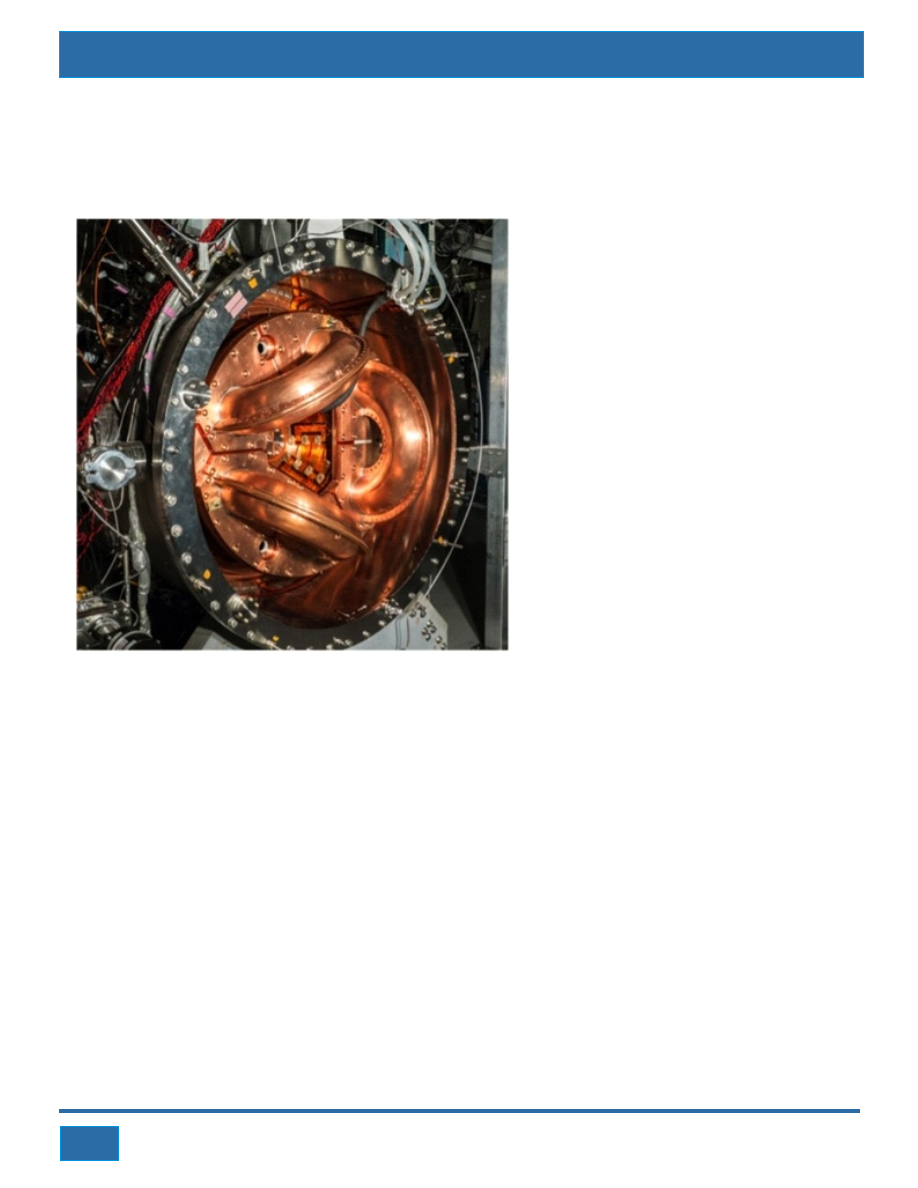
Fusion Reactor Concept could be Cheaper than Coal
www.dailymail.co.uk
Fusion energy almost sounds too good to be true, zero greenhouse gas emissions, no long-lived radioactive waste, a nearly
unlimited fuel supply. Perhaps the biggest roadblock to adopting fusion energy is that the economics haven't penciled out.
Fusion power designs aren't cheap enough to
outperform systems that use fossil fuels such as
coal and natural gas.
University of Washington engineers hope to
change that. They have designed a concept for a
fusion reactor that, when scaled up to the size of a
large electrical power plant, would rival costs for a
new coal-fired plant with similar electrical output.
This design has the greatest potential of producing
economical fusion power of any current concept.
The researchers previously worked on a reactor
design at the Massachusetts Institute of
Technology continued to develop and refine the
concept. The design builds on existing technology
and creates a magnetic field within a closed space
to hold plasma in place long enough for fusion to
occur, allowing the hot plasma to react and burn.
The reactor itself would be largely self-sustaining,
meaning it would continuously heat the plasma to
maintain thermonuclear conditions. Heat
generated from the reactor would heat up a coolant
that is used to spin a turbine and generate
electricity, similar to how a typical power reactor works. This is a much more elegant solution because the medium in which
you generate fusion is the medium in which you're also driving all the current required to confine it.
There are several ways to create a magnetic field, which is crucial to keeping a fusion reactor going. The UW's design is
known as a spheromak, meaning it generates the majority of magnetic fields by driving electrical currents into the plasma
itself.
This reduces the amount of required materials and actually allows researchers to shrink the overall size of the reactor. he
UW researchers factored the cost of building a fusion reactor power plant using their design and compared that with
building a coal power plant. They used a metric called "overnight capital costs," which includes all costs, particularly
startup infrastructure fees. A fusion power plant producing 1 gigawatt (1 billion watts) of power would cost $2.7 billion,
while a coal plant of the same output would cost $2.8 billion, according to their analysis.Right now, the UW's concept is
about one-tenth the size and power output of a final product, which is still years away. The researchers have successfully
tested the prototype's ability to sustain a plasma efficiently, and as they further develop and expand the size of the device
they can ramp up to higher-temperature plasma and get significant fusion power output. The team has filed patents on the
reactor concept with the UW's Center for Commercialization and plans to continue developing and scaling up its
prototypes.
5
Technology Roundup
Electrically Conductive Plastics Promising for Batteries, Transparent Solar
Cells
www.purdue.edu
An emerging class of electrically conductive plastics called "radical polymers" may bring low-cost, transparent solar
cells, flexible and lightweight batteries, and ultrathin antistatic coatings for consumer electronics and aircraft. Chemical
engineers at Purdue University have established the solid-state electrical properties of one such polymer, called PTMA,
which is about 10 times more electrically
conductive than common semiconducting
polymers.
It is a polymer glass that conducts charge,
which seems like a contradiction because
glasses are usually insulators. The polymer
is easy to manufacture, resembling
Plexiglas, an inexpensive transparent
plastic found in numerous products.
However, unlike Plexiglas it conducts
electricity. The PTMA is in a class of
electrically active polymers that could
bring inexpensive transparent solar cells;
antistatic and antiglare coatings for cellphone displays; antistatic coverings for aircraft to protect against lightning
strikes; flexible flash drives; and thermoelectric devices, which generate electricity from heat.
The polymers have seen commercial use in new types of batteries. However, finding widespread practical applications
for the polymers will require increasing the conductivity another 100 to 1,000 times.Polymers are strings of molecules
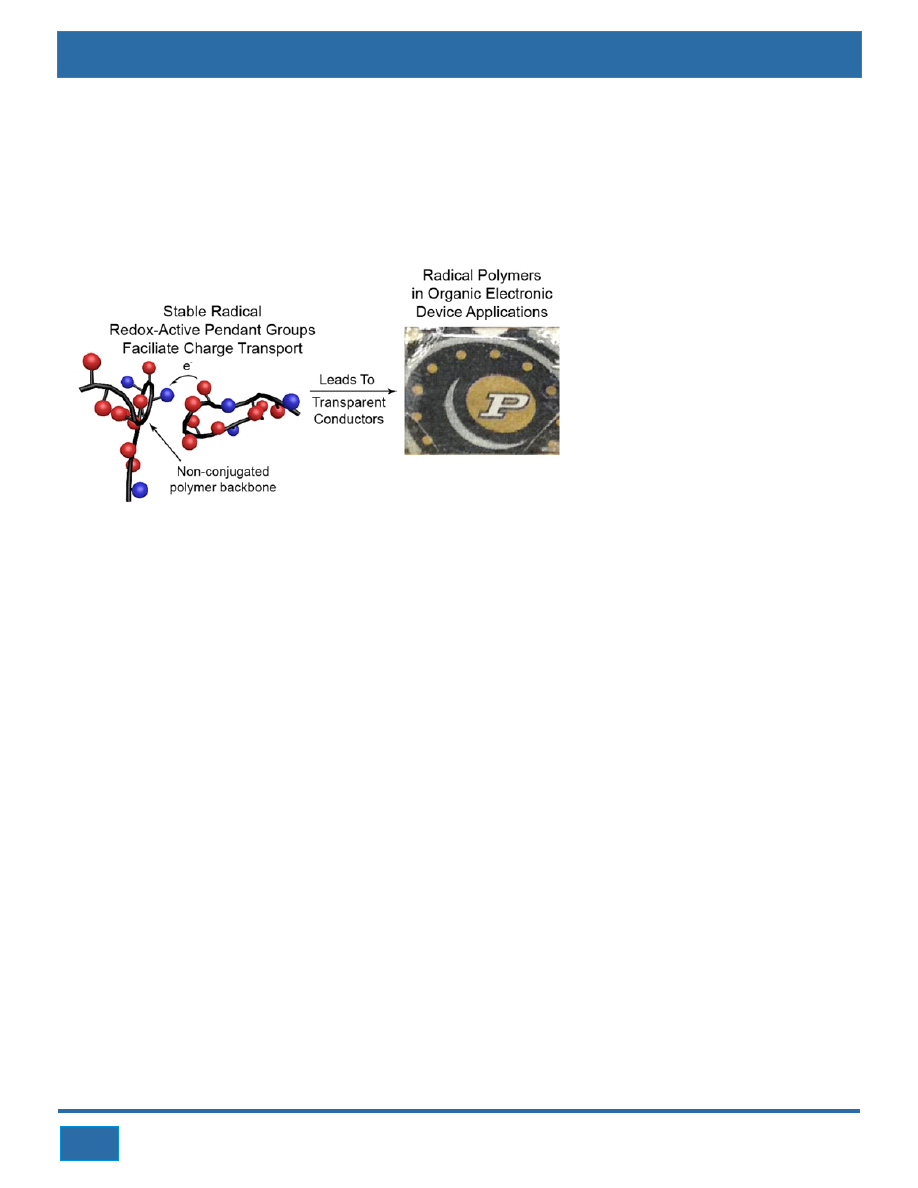
with a central backbone and may contain side chains called "pendant groups" that dangle from the central structure. In
radical polymers, it's these pendant groups that allow charge to be transported, conducting current. To create the radical
polymer, the researchers used a procedure called deprotection, which involves replacing a specific hydrogen atom in the
pendant group with an oxygen atom, converting it into a so-called radical group. The researchers finally studied
deprotection in a way others had not to learn how it affects the electronic properties of the radical polymers. Electrons
surround an atom's nucleus in "shells," and these electrons are usually paired. The oxygen atom in PTMA, however, has
one unpaired electron in its outer shell, making it amendable to transporting charge.
One has to control the deprotection process very well because it makes the conductivity vary by orders of magnitude," he
said. The researchers have determined that the deprotection step can lead to four distinct chemical functionalities of the
radical polymer, two of which are promising for increasing the conductivity of the polymer. So manipulating the reaction
conditions for this deprotection step, and monitoring closely the resultant chemical functionalities, is critical in tuning the
electrical properties of radical polymers.
3
6
Technology Roundup
Smartphone Understands Hand Gestures
www.ethz.ch/en/news
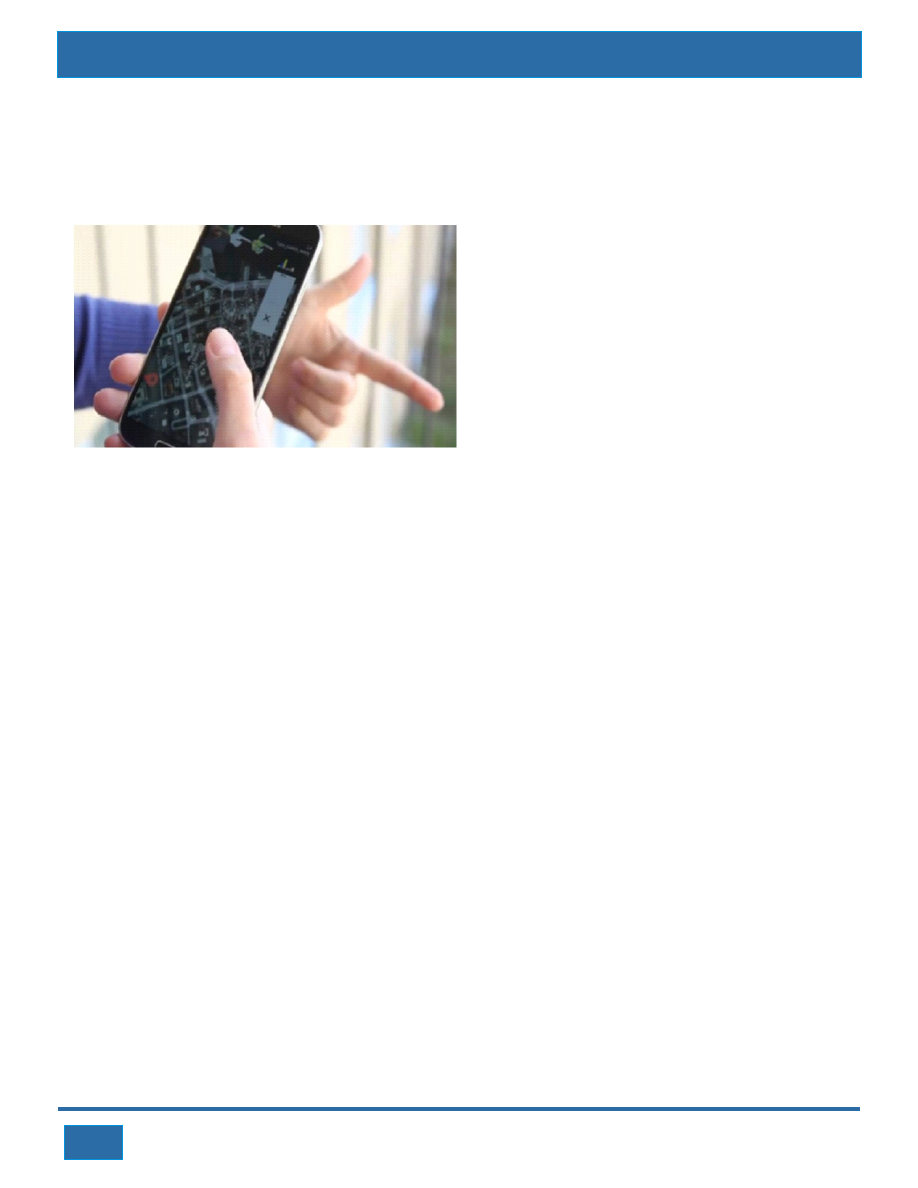
Computer scientists at ETH Zurich have developed a new app enabling users to operate their smartphone with gestures.
This development expands the range of potential interactions with such devices.
It does seem slightly odd at first: you hold the phone in one
hand, and move the other in the air above its built-in
camera making gestures that resemble sign language.
Sometimes you move your index finger to the left,
sometimes to the right. You can spread out your fingers, or
imitate a pair of pliers or the firing of a pistol. These
gestures are not, however, intended for communicating
with deaf people; they are for controlling your
smartphone. By mimicking the firing of a pistol, for
example, a user can switch to another browser tab, change
the map's view from satellite to standard, or shoot down
enemy planes in a game. Spreading out your fingers
magnifies a section of a map or scrolls the page of a book
forwards. All this gesturing wizardry is made possible by a
new type of algorithm. The program uses the smartphone's built-in camera to register its environment. It does not
evaluate depth or colour. The information it does register the shape of the gesture, the parts of the hand is reduced to a
simple outline that is classified according to stored gestures. The program then executes the command associated with
the gesture it observes.
The program also recognizes the hand's distance from the camera and warns the user when the hand is either too close or
too far away.Many movement-recognition programs need plenty of processor and memory power that this new
algorithm uses a far smaller portion of computer memory and is thus ideal for smartphones. The researchers believe that
the application is the first of its kind that can run on a smartphone. The app's minimal processing footprint means it could
also run on smart watches or in augmented-reality glasses. The program currently recognizes six different gestures and
executes their corresponding commands. Although the researchers have tested 16 outlines, this is not the app's
theoretical limit. What matters is that gestures generate unambiguous outlines. Gestures that resemble others are not
suitable for this application. "To expand its functionality, the researchers are going to add further classification schemes
to the program. They convinced that this new way of operating smartphones greatly increases the range of interactivity.
The researcher's objective is to keep the gestures as simple as possible, so that users can operate their smartphone
effortlessly.
Giant Leap For Diabetes: From Human Embryonic Stem Cells to Billions of
Human Insulin Producing Cells
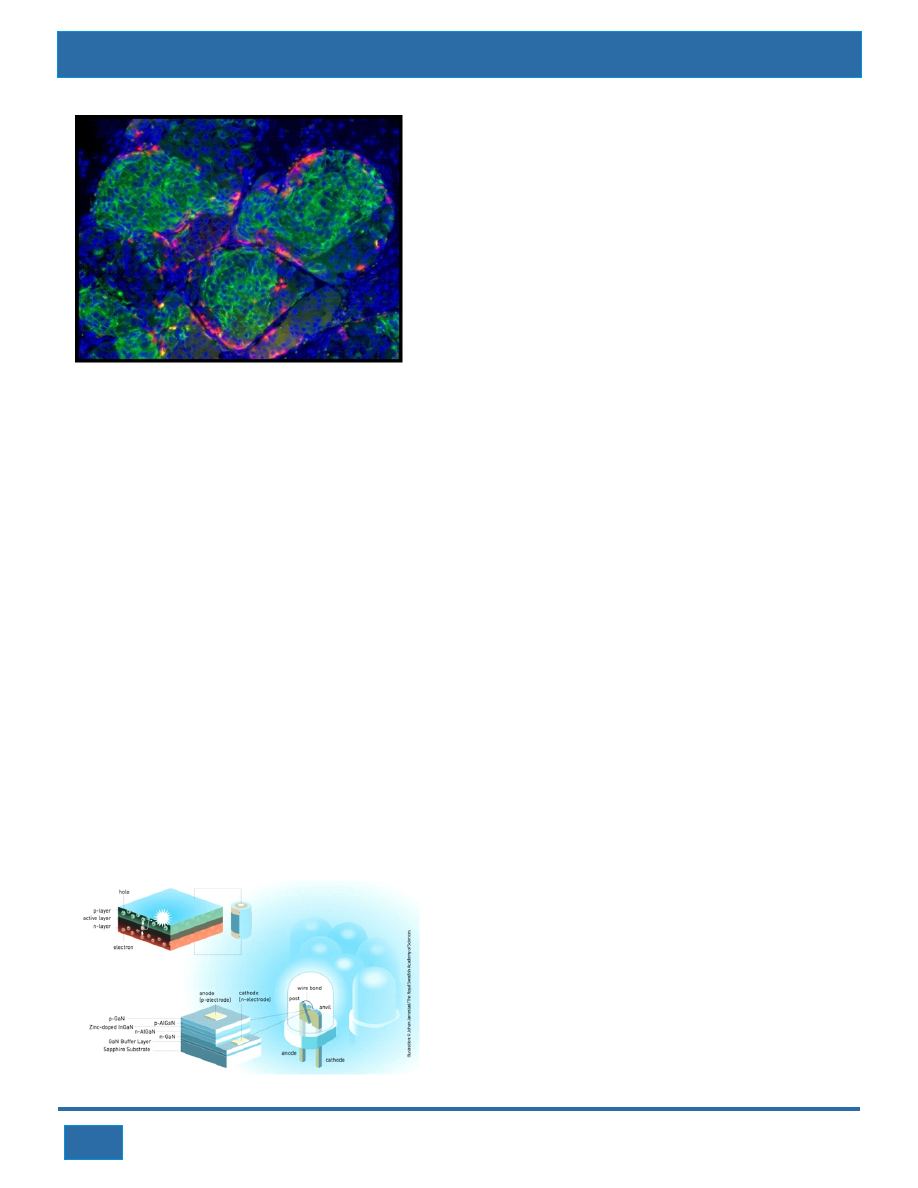
Stem cell researchers from Harvard University have announced that they have made a giant leap forward in the quest to
find a truly effective treatment for type 1 diabetes. With human embryonic stem cells as a starting point, the scientists are
for the first time able to produce, in the kind of massive quantities needed for cell transplantation and pharmaceutical
purposes, human insulin-producing beta cells equivalent in most every way to normally functioning beta cells.
The stem cell researchers announced that they have made a giant leap forward in the quest to find a truly effective
treatment for type 1 diabetes. With human embryonic stem cells as a starting point, the scientists are for the first time
able to produce, in the kind of massive quantities needed for cell transplantation and pharmaceutical purposes, human
insulin-producing beta cells equivalent in most every way to normally functioning beta cells. The researcher who led the
work and who twenty-three years ago, when his then infant son Sam was diagnosed with type 1 diabetes, daughter
7
Technology Roundup
Emma also has type 1 diabetes dedicated his career to finding a cure
for the disease, said he hopes to have human transplantation trials
using the cells to be underway within a few years. They are now just
one pre-clinical step away from the finish line. You never know for
sure that something like this is going to work until you've tested it
numerous ways. The researchers given these cells three separate
challenges with glucose in mice and they've responded
appropriately.
The stem cell-derived beta cells are presently undergoing trials in
animal models, including non-human primates. For decades,
researchers have tried to generate human pancreatic beta cells that
could be cultured and passaged long term under conditions where
they produce insulin. This research has now overcome this hurdle
and opened the door for drug discovery and transplantation therapy in diabetes. Type 1 diabetes is an autoimmune
metabolic condition in which the body kills off all the pancreatic beta cells that produce the insulin needed for glucose
regulation in the body. Thus the final pre-clinical step in the development of a treatment involves protecting from immune
system attack the approximately 150 million cells that would have to be transplanted into each patient being treated. Cell
transplantation as a treatment for diabetes is still essentially experimental, uses cells from cadavers, requires the use of
powerful immunosuppressive drugs, and has been available to only a very small number of patients.
This new is an incredibly important advance for diabetes. There is no question that ability to generate glucose-responsive,
human beta cells through controlled differentiation of stem cells will accelerate the development of new therapeutics. In
particular, this advance opens to doors to an essentially limitless supply of tissue for diabetic patients awaiting cell
therapy.This significant accomplishment has the potential to serve as a cell source for islet replacement in people with type
1 diabetes and may provide a resource for discovery of beta cell therapies that promote survival or regeneration of beta
cells and development of screening biomarkers to monitor beta cell health and survival to guide therapeutic strategies for
all stages of the disease.
www.harvard.edu/news
2014 Nobel Prize in Physics: Invention of Efficient Blue Light-Emitting
Diodes
The 2014 Nobel Prize in Physics has been awarded to Isamu Akasaki, of Meijo University in Nagoya and Nagoya
University, Japan; Hiroshi Amano, of Nagoya University, Japan; and Shuji Nakamura of the University of California,
Santa Barbara, CA, USA "for the invention of efficient blue light-emitting diodes which has enabled bright and energy-
saving white light sources.”
The Royal Swedish Academy of Sciences has decided to award the Nobel Prize in Physics for 2014 to Isamu Akasaki,
of Meijo University in Nagoya and Nagoya University, Japan;
Hiroshi Amano, of Nagoya University, Japan, and Shuji
Nakamura of the University of California, Santa Barbara, CA,
USA "for the invention of efficient blue light-emitting diodes
which has enabled bright and energy-saving white light sources.
This year's Nobel Laureates are rewarded for having invented a
new energy-efficient and environment-friendly light source, the
blue light-emitting diode (LED). In the spirit of Alfred Nobel the
Prize rewards an invention of greatest benefit to humankind; using
blue LEDs, white light can be created in a new way. With the

7
Technology Roundup
8
Natural Gene Selection can Produce Orange Corn Rich in
Provitamin A
www. sciencedaily.com
Researchers from Purdue University have identified a set of genes that can be used to naturally boost the provitamin A
content of corn kernels, a finding that could help combat vitamin A deficiency in developing countries and macular
degeneration in the elderly. The researchers found gene variations that can be selected to change nutritionally poor white
corn into biofortified orange corn with high levels of provitamin A carotenoids substances that the human body can convert
into vitamin A. Vitamin A plays key roles in eye health and the immune system, as well as in the synthesis of certain
hormones. This study gives the genetic blueprint to quickly and cost-effectively convert white or yellow corn to orange corn
that is rich in carotenoids and for doing so using natural plant breeding methods, not the transgenics.
Vitamin A deficiency causes blindness in 250,000 to 500,000 children every year, half of whom die within a year of losing
their eyesight, according to the World Health Organization. Insufficient carotenoids may also contribute to macular
degeneration in the elderly, a leading cause of blindness in older populations.
Identifying the genes that determine carotenoid levels in corn kernels will help plant breeders develop novel biofortifed corn
varieties. The dark orange color of these corn varieties also makes them more culturally acceptable to consumers in African
countries where yellow corn is generally fed only to animals.
The researchers used a combination of statistical analysis and prediction models to identify and assess the potential
usefulness of genes associated with carotenoid levels in corn. They evaluated data sets from about 200 genetically diverse
lines of corn at varying scopes of investigation from the entire corn genome to stretches of DNA surrounding small sets of
genes. They uncovered four genes that had not previously been linked to carotenoid levels in corn kernels.
Though many genes likely contribute to carotenoid levels in corn, the researchers're pretty confident that their previous and
current research has now identified several genes that are the major players. Their study found that a combination of visually
selecting corn with darker orange kernels and using a number of these favorable genes could be an effective way to rapidly
convert white and yellow corn varieties to orange corn with higher levels of provitamin A and total carotenoids. They now
have the genetic information needed to begin developing a major public-private sector collaboration with the goal of
providing orange corn with high levels of provitamin A to farmers. The study also showed that using a more targeted
approach to predicting the usefulness of a small set of genes was as effective as evaluating the whole corn genome.
advent of LED lamps we now have more long-lasting and more efficient alternatives to older light sources. When Isamu
Akasaki, Hiroshi Amano and Shuji Nakamura produced bright blue light beams from their semi-conductors in the early
1990s, they triggered a fundamental transformation of lighting technology. Red and green diodes had been around for a long
time but without blue light, white lamps could not be created. Despite considerable efforts, both in the scientific community
and in industry, th
e blue LED
had remained a challenge for three decades. They succeeded where everyone else had failed.
Akasaki worked together with Amano at the University of Nagoya, while Nakamura was employed at Nichia Chemicals, a
small company in Tokushima. Their inventions were revolutionary. Incandescent light bulbs lit the 20th century; the 21st
century will be lit by LED lamps. White LED lamps emit a bright white light, are long-lasting and energy-efficient. They are
constantly improved, getting more efficient with higher luminous flux (measured in lumen) per unit electrical input power
(measured in watt). The most recent record is just over 300 lm/W, which can be compared to 16 for regular light bulbs and
close to 70 for fluorescent lamps. As about one fourth of world electricity consumption is used for lighting purposes, the
LEDs contribute to saving Earth's resources. Materials consumption is also diminished as LEDs last up to 100,000 hours,
compared to 1,000 for incandescent bulbs and 10,000 hours for fluorescent lights.
The LED lamp holds great promise for increasing the quality of life for over 1.5 billion people around the world who lack
access to electricity grids: due to low power requirements
it can be powered by cheap local solar power. The invention of the
blue LED is just twenty years old, but it has already contributed to create white light in an entirely new manner to the benefit of
us all.
www. sciencedaily.com

Technology Roundup
8
99
Technology Roundup
National Events
International Events
th
12 International Bhurban Conference on Applied Science and
Technology
st
1 International Conference on Applied Chemical, Biological and
Agricultural Sciences
Conference on Value Addition and Innovation in Textiles (COVITEX 2015)
st
1 National Research Conference (Islamabad-Pakistan)
nd
2 International Conference on Commercialization of Technology
International Conference on Future Environment and Energy
Conference on Polymer Materials Science (PMS 2015)
Energy Materials Research Conference EMR 2015
www.asmmr.com
4-5, January 2015
Tehran, Iran
29-31, January, 2015
Shanghai, China
www.scirp.org
25-27, February 2015
Madrid, Spain
www.wikicfp.com
13-17, January, 2015
Islamabad, Pakistan
www.chemistry.com.pk
18-20, February, 2015
Faisalabad, Pakisan
www.gcuf.edu.pk
13-15, March, 2015
Faisalabad, Pakisan
www.covitex.net
14-15, March, 2015
Islamabad, Pakisan
www.globaleventslist.elsevier.com
24-25, January, 2015
Taipei, Taiwan
www.icfee.org
8
Forthcoming Tech Events
99
Tech & Trade Offers
About PASTIC
PASTIC serves as a gateway for
Scientific & Technological
Information for R&D by
catering to the information
n e e d s o f r e s e a r c h e r s ,
entrepreneurs, industrialists,
educationists, policy makers
a n d p l a n n e r s t h r o u g h
anticipatory and responsive
information services.
T e c h n o l o g y I n f o r m a t i o n
Service Section of PASTIC
works exclusively for support
and promotion of technological
information on trade and
industry in the country.
“Technology Roundup” is a
news bulletin that provides
l a t e s t a n d i n n o v a t i v e
technology news, forthcoming
events, etc. It also promotes
products, technologies and
services globally in sectors
such as Agro-Industry, Bio-
Technology, Building Material,
B u s i n e s s , C h e m i c a l s ,
Electronics, Energy, Fisheries,
Food Processing, Machinery,
P a c k a g i n g , M i n i n g
Pharmaceuticals and Textiles.
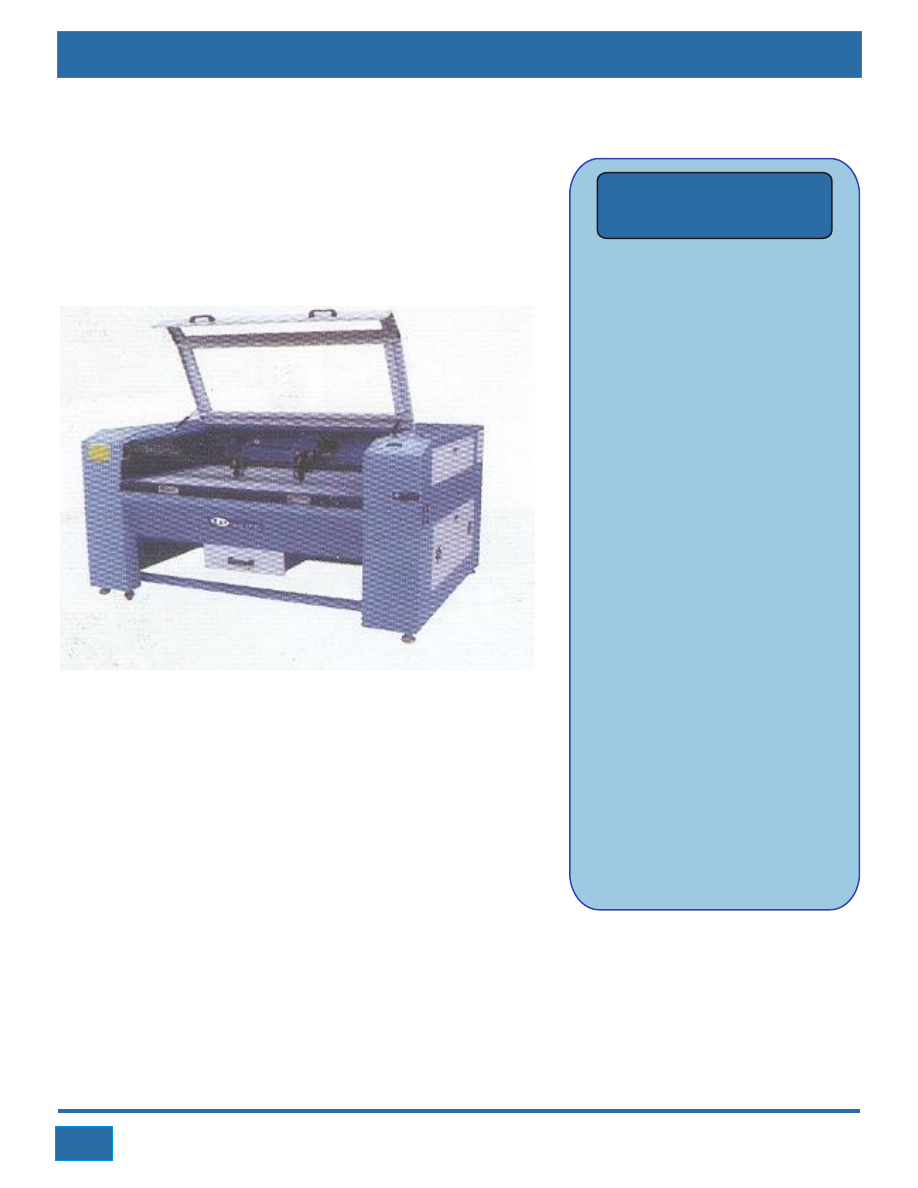
High Speed
Laser Cutting &
Engraving Machine
Six balanced guide ensures the machine runs in a high speed. Its stability and
extraordinary functions make it an ideal choice for general cutting and engraving.
Widely applied for cutting materials in garments, Shoes, Bags & Luggage,
Computerized embroidery and clipping,
!
Template cutting,
!
Toys,
!
Furniture,
!
Advertisements,
!
Decorations,
!
Handicraft industries.
Company Contact:-
Al-Hamza International
Ali Raza Abad, Main Raiwind Road, Lahore, Pakistan
Tel: 92-42-32876110,5320086, Fax: 92-42-5320087
alhamzaint@gmail.com
Technology Roundup
Please give us your feedback and address queries to editor@pastic.gov.pk
10