Patron/Executive Editor
Dr. Muhammad Akram Shaikh
Director General, PASTIC
Managing Editors
Ms. Nageen Ainuddin
Mr. M. Aqil Khan
Editor
Dr. Saima Tanveer
Composer
Kashif Farooqui
T
ECHNOLOGY
R
OUNDUP
Technology Information Section (TIS)
Pakistan Scientific & Technological Information Centre
PASTIC
May-June, 2015
Vol. 7, No. 3
A NEWS BULLETIN FROM
Tech News Headlines
Tech & Trade Offers
Phone: 051-9248103-4, 9248111
Fax: 051-9248113
Email:editor@pastic.gov.pk
Web: www.pastic.gov.pk
PASTIC National Centre
Quaid-i-Azam University Campus
P.O. Box 1217, Islamabad
Editorial Board
l
Optimal Sizing of Low Head Hydropower Plant- A Case Study of
Hydropower Project at Head of UCC (Lower) at Bambanwala
l
Brine Purification for Chlor-Alkalis Production Based on Membrane
Technology
l
l
Diet Swap has Dramatic Effects on Colon Cancer
l The Trillion-Frame-Per-Second Camera
l
Electrical Power Converter allows Grid to Easily Accept Power from
Renewable Energy
l
Bioactive Gel to Treat Knee Injuries being Developed
Thumbnail Track Pad
Textile Machinery
Forthcoming Tech Events
l
l
l
l
l
l
l
l
th
15
International Conference & Exhibition on Engineering Fields
Food Technology Asia, 2015
nd
2 International Conference on Power Generation Systems and
Renewable Energy Technologies
International Innovation and Technology Exhibition (INOTEX)
CTBT: Science and Technology 2015, Conference
nd
2 International Conference on Engineering and Natural Science
3rd International Scientific Conference on Engineering & Applied
Sciences
nd
2 International Conference and Exhibition on Biotechnology

Technology Roundup
2
Indigenous
Technology
Optimal Sizing of Low Head Hydropower Plant- A Case Study of Hydropower Project at Head of UCC
(Lower) at Bambanwala
Researchers from Department of Civil Engineering, University of Engineering & Technology, Lahore
e
studied Optimal Sizing of Low Head Hydropower Plant- A Case Study of Hydropower Project at Head of
UCC (Lower) at Bambanwala
hav
The hydropower is a renewable source that significantly depends on the natural water cycle. Power generation using
a hydropower scheme is the most promising power technology. The significant advantage of hydropower schemes
is the flexibility in their designs that can work in various situations depending upon the hydrological conditions.
Pakistan is facing serious shortfall of electricity for few decades. Small hydropower projects can alleviate the
worsening situation. The sizing of a low head hydropower plant plays a vital role in establishing the feasibility of the
project. The plant needs to be optimized for energy produced, efficiencies of the plant components, number of units
and its financial/economic parameters. This paper presents a review on the methodologies by which low head
hydropower plants are being optimized to get maximum energy output with minimal cost. The study of various
researchers is being presented regarding optimal sizing and selection of small hydropower plant components. A
brief summary of low head hydropower schemes in Punjab, Pakistan is also presented herein, which are presently
under construction. Moreover based upon literature review and methodology adopted for the hydropower schemes
in construction stage, using graphical optimization technique, optimal sizing for power site at Upper Chenab Canal
Lower (UCCL) at Bambanwala is also presented. In this study a new parameter; inverse incremental energy is
employed for selecting optimum flow. Two turbines (Kaplan, pit type) with combined capacity of 3.58MW are
found to be optimal for the case study site.
Pak. J. Engg. & Appl. Sci. Vol. 16, Jan., 2015 (Pages 73-83)
M. Mohsin Munir* (Civil Engineering Department, University of Engineering & Technology Lahore,
Pakistanmohsin_uett@yahoo.com) A. S. Shakir: (University of Engineering & Technology, Lahore 54890,
Pakistan) , Noor M. Khan: (Department of Civil Engineering, University of Engineering & Technology, Lahore
54890, Pakistan
Courtesy:

Technology Roundup
3
Indigenous
Technology
Brine Purification for Chlor-Alkalis Production Based on Membrane
Technology
Researchers from Department of Chemical Engineering, University of Engineering and Technology,
Lahore have dveloped Brine Purification for Chlor-Alkalis Production Based on Membrane
Technology
Brine is the life blood for Chlor-alkali industries. A passable supply of high quality brine on a continuous
basis is invaluable for plants operation. The caustic soda (a Chlor-alkali) industry has vital importance
because its per capita consumption is normally considered as an indicator of normal growth of a country,
especially in the sector of derived chemicals, textiles, thermoplastics, polymeric products etc. Its need has
been increasing substantially worldwide in last decades and will continue to increase in the coming times.
The experimental work is concerned to process and schematic methodology to reduce the percentage of
sulfates and also to minimize the concentration of other impurities such as Calcium and Chlorate. The
technology used in this study is a unique combination of primary and secondary treatment of raw brine to
prepare a feed for the production of chlor-alkalis. A series of experimentation was conducted for the
determination of major constituents and other trace metals in the brine using ICP spectrophotometer. The
major elements determined were sodium, calcium, magnesium, potassium, strontium, sulfur and chloride.
The trace metals determined were iron, barium, silicon, nickel, manganese, chromium, copper and boron.
The influence of different parameters like concentration, temperature, pressure, impurity, pH, resin capacity
was studied experimentally. On the basis of data collected and their analysis it can be concluded that best
results are obtained when the treating chemicals Na2CO3, NaOH and Flocculating agent (Anionic) may be
added to brine as a separate addition point.
J R Khan*, (Department of Chemical Engineering, University of Engineering and Technology, Lahore
Pakistan) Shah Muhammad, (Department of Chemical Engineering, University of Engineering and
Technology, Lahore Pakistan) Nadeem Feroze, (Department of Chemical Engineering, University of
Engineering and Technology, Lahore Pakistan) Syed Mustsfa Ali Bukhari. (Department of Chemical
Engineering, University of Engineering and Technology, Lahore Pakistan) Yasir Khurshid (Department of
Chemical Engineering, University of Engineering and Technology, Lahore Pakistan) Abdul Wahab Malik
Department of Chemical Engineering, University of Engineering and Technology, Lahore Pakistan
Courtesy:
www.uet.edu.pk/research/researchinfo
Pak. J. Engg. & Appl. Sci. Vol. 16, Jan., 2015 (Pages17-24)
4
Technology Roundup
Thumbnail Track Pad
www.kurzweilai.net
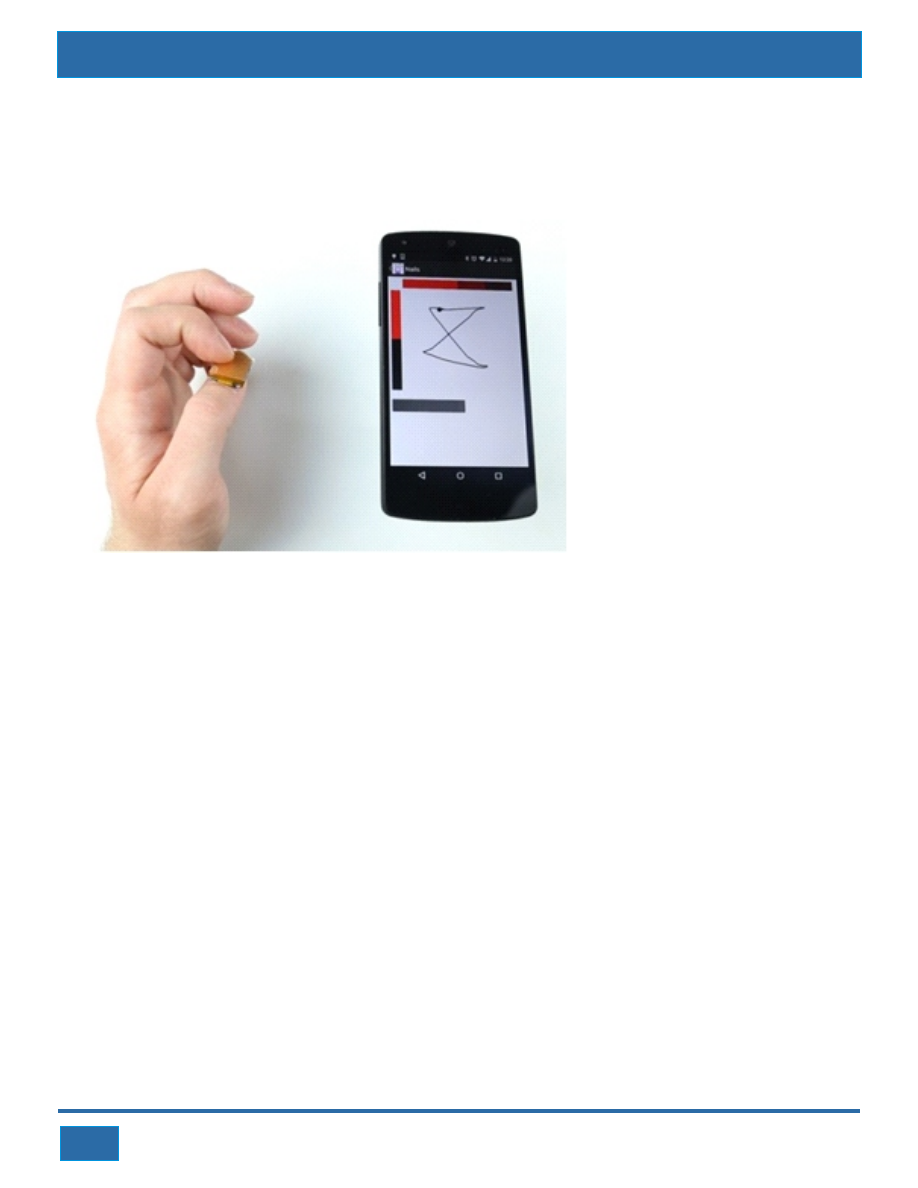
Researchers at the MIT Media Laboratory are developing a new wearable device that turns the user's
thumbnail into a miniature wireless track pad, Massaehausett USA.
They envision that the technology
could let users control wireless
devices when their hands are full
answering the phone while cooking,
for instance. It could also augment
other interfaces, allowing someone
texting on a cell phone, say, to google
between symbol sets without
interrupting his or her typing. Finally, it
could enable subtle communication in
circumstances that require it, such as
sending a quick text to a child while
attending an important meeting.
The researchers describe a prototype
of the device, called NailO. According
to the researchers, the device was
inspired by the colorful stickers that
some women apply to their nails. "It's
a cosmetic product, popular in Asian countries.Indeed, the researchers envision that a commercial version of
their device would have a detachable membrane on its surface, so that users could coordinate surface
patterns with their outfits. To that end, they used capacitive sensing the same kind of sensing the iPhone's
touch screen relies on to register touch, since it can tolerate a thin, nonactive layer between the user's finger
and the underlying sensors. As the site for a wearable input device, however, the thumbnail has other
advantages It's a hard surface with no nerve endings, so a device affixed to it wouldn't impair movement or
cause discomfort. And it's easily accessed by the other fingers even when the user is holding something in
his/her hand.
To build their prototype, the researchers needed to find a way to pack capacitive sensors, a battery, and three
separate chips a microcontroller, a Bluetooth radio chip, and a capacitive-sensing chip into a space no larger
than a thumbnail. The hardest part was probably the antenna design so you have to put the antenna far
enough away from the chips so that it doesn't interfere with them. For their initial prototype, the researchers
built their sensors by printing copper electrodes on sheets of flexible polyester, which allowed them to
experiment with a range of different electrode layouts. But in ongoing experiments, they're using off-the-shelf
sheets of electrodes like those found in some track pads.
The researchers also been in discussion with battery manufacturers traveling to China to meet with several of
them and have identified a technology that they think could yield a battery that fits in the space of a thumbnail,
but is only half a millimeter thick. A special-purpose chip that combines the functions of the microcontroller,
radio, and capacitive sensor would further save space. At such small scales, however, energy efficiency is at a
premium, so the device would have to be deactivated when not actually in use. In the new paper, the
researchers also report the results of a usability study that compared different techniques for turning it off and
on. They found that requiring surface contact with the operator's finger for just two or three seconds was
enough to guard against inadvertent activation and deactivation.

3
5
Technology Roundup
Diet Swap has Dramatic Effects on Colon Cancer
www.acs.org
Scientists have found dramatic effects on risk factors for colon cancer when American and African volunteers
swapped diets for just two weeks. Western diets, high in protein and fat but low in fibre, are thought to raise
colon cancer risk compared with African diets high in fibre and low in fat and protein. The new study,
published in Nature Communications,
confirms that a high fiber diet can
substantially reduce risk, and shows that
bacteria living in the gut play an important
role in this effect. Colon cancer is the
fourth commonest cause of death from
cancer worldwide, accounting for over
600,000 deaths per year.
To investigate the possible roles of diet An
international team of scientists from the
University of Pittsburgh and Imperial
College London carried out a study with a
group of 20 African American volunteers
and another group of 20 participants from
rural South Africa. The two groups
swapped diets under tightly controlled
conditions for two weeks.
The volunteers had colonoscopy
examinations before and after the diet
swap. The researchers also measured biological markers that indicate colon cancer risk and studied
samples of bacteria taken from the colon. At the start, when the groups had been eating their normal diets,
almost half of the American subjects had polyps -- abnormal growths in the bowel lining that may be harmless
but can progress to cancer. None of the Africans had these abnormalities. After two weeks on the African diet,
the American group had significantly less inflammation in the colon and reduced biomarkers of cancer risk. In
the African group, measurements indicating cancer risk dramatically increased after two weeks on the
western diet.
The findings suggest that people can substantially lower their risk of colon cancer by eating more fibre. This is
not new in itself but what is really surprising is how quickly and dramatically the risk markers can switch in
both groups following diet change. These findings also raise serious concerns that the progressive
westernization of African communities may lead to the emergence of colon cancer as a major health issue.”
The researchers say that it takes one generation of westernization to change their low incidence of colon
cancer to the high rates observed in native Hawaiians. Their study suggests that westernization of the diet
induces changes in biomarkers of colon cancer risk in the colonic mucosa within two weeks. This research
shows that gut bacteria are critically important for mediating the link between diet and colon cancer risk. This
means we can look to develop therapies targeting gut bacteria as a way to prevent and treat cancer. The
study was funded by the National Institutes of Health in the US and the National Institute for Health Research
Imperial Biomedical Research Centre in the UK.
6
Technology Roundup
Electrical Power Converter allows Grid to Easily Accept Power from
Renewable Energy
Engineering researchers at the University of
Arkansas have invented a novel electrical power
converter system that simultaneously accepts
power from a variety of energy sources and
converts it for use in the electrical grid system.
The availability and use of renewable energy
sources, such as solar, geothermal and wind, and
their associated harvesting systems increase the
need for new power converters that can efficiently
convert diverse energy sources to work across
modern electrical grid systems. Current renewable
energy conversion systems are bulky, inefficient
and struggle to accept multiple inputs from diverse
sources. The researchers' high-frequency matrix
converter addresses these shortcomings. Its
simplified control system uses power converters to allow connection of a variety of power sources to a small,
high-frequency transformer. Thes using a high-frequency matrix converter, it produces stable electricity ready
to be supplied to the electrical grid system.
The Trillion-Frame-Per-Second Camera
www.phys.org/news
Researchers from University of Tokyo Japan have developed a new high-speed camera technology, called
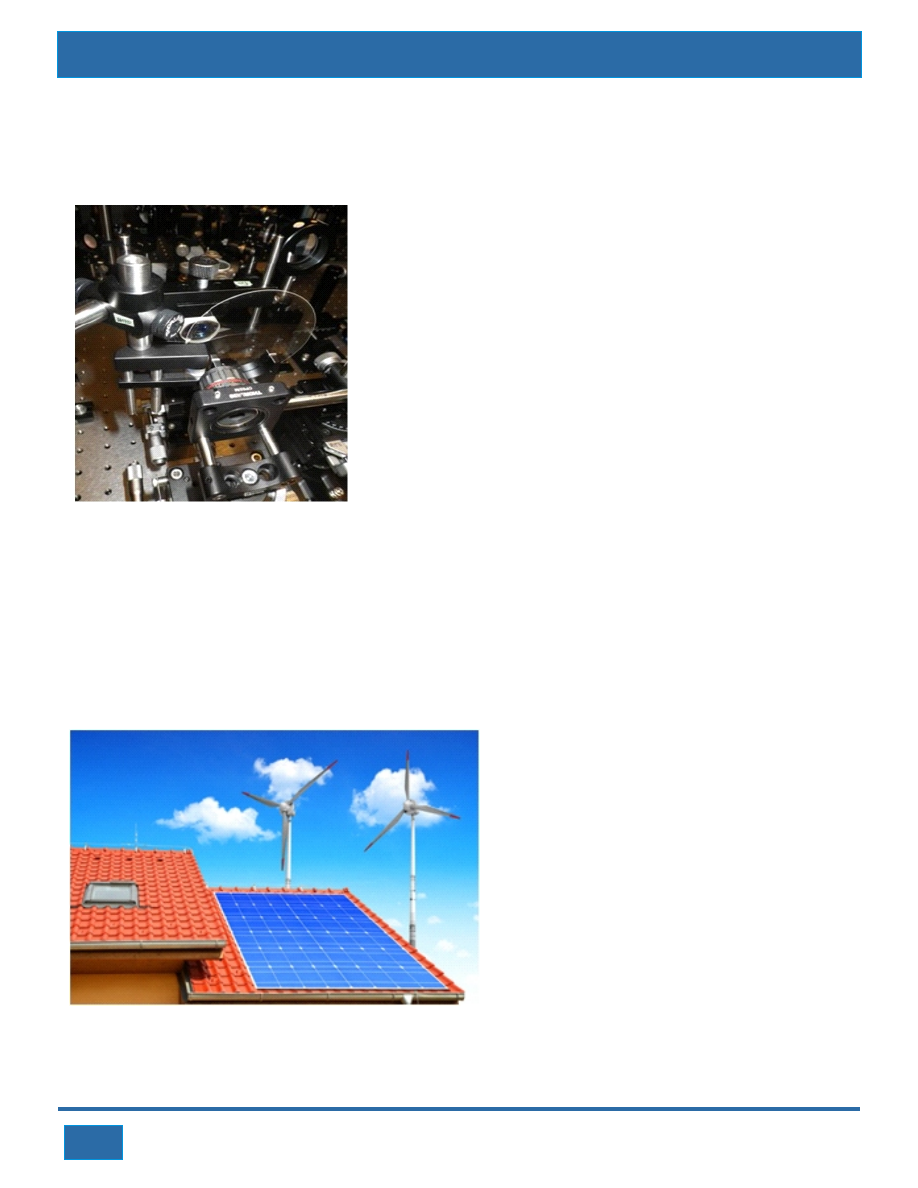
STAMP, that can record events at a rate of more than 1-trillion-frames-per-second. The prototype camera is
shown here in the lab The speed is more than one thousand times
faster than conventional high-speed cameras. Called STAMP, for
Sequentially Timed All-optical Mapping Photography, the new camera
technology "holds great promise for studying a diverse range of
previously unexplored complex ultrafast phenomena. Conventional
high-speed cameras are limited by the processing speed of their
mechanical and electrical components. STAMP overcomes these
limitations by using only fast, optical components.
STAMP relies on a property of light called dispersion that can be
observed in the way a misty sky splits sunshine into a rainbow of colors.
Similarly, STAMP splits an ultrashort pulse of light into a barrage of
different colored flashes that hit the imaged object in rapid-fire
succession. Each separate color flash can then be analyzed to string
together a moving picture of what the object looked like over the time it
took the dispersed light pulse to travel through the device. Even given
STAMP's limitations, the technology has enormous potential; the team
has already used it with image electronic motion and lattice vibrations in a crystal of lithium niobate and to
observe how a laser focused onto a glass plate creates a hot, rapidly expanding plume of plasma. They also
notes that the camera could be used to explore a wide range of ultrafast phenomena for the first time, including
the laser ignition of fusion, the phase transition of materials, and the dynamics of a Coulomb explosion, an event
in which intense electromagnetic fields (for example from a narrow laser beam) can force a small amount of solid
material to explode into a hot plasma of ionized atomic particles.
7
Technology Roundup
7
Bioactive Gel to Treat Knee Injuries being Developed
Www.downthebackstretch.blogspot.com
Knee injuries are the bane of athletes everywhere, from professionals and college stars to weekend warriors. Current
surgical options for repairing damaged cartilage caused by knee injuries are costly, can have complications, and often
are not very effective in the long run. Even after surgery, cartilage degeneration can progress leading to painful arthritis.
The University of Iowa orthopedics research team is
working on a solution with hopes that it will result in a
minimally invasive, practical, and inexpensive
approach for repairing cartilage and preventing
osteoarthritis. They are creating an injectable,
bioactive hydrogel that can repair cartilage
damage, regenerate stronger cartilage, and
hopefully delay or eliminate the development of
osteoarthritis and eliminate the need for total knee
replacement. This team had previously identified
precursor cells within normal cartilage that can
mature into new cartilage tissue. This was a
surprising discovery because of the long-held
assumption that cartilage is one of the few tissues in
the body that cannot repair itself.
The team also identified molecular signaling factors
that attract these precursor cells, known as
chondrogenic progenitor cells (CPC), out of the
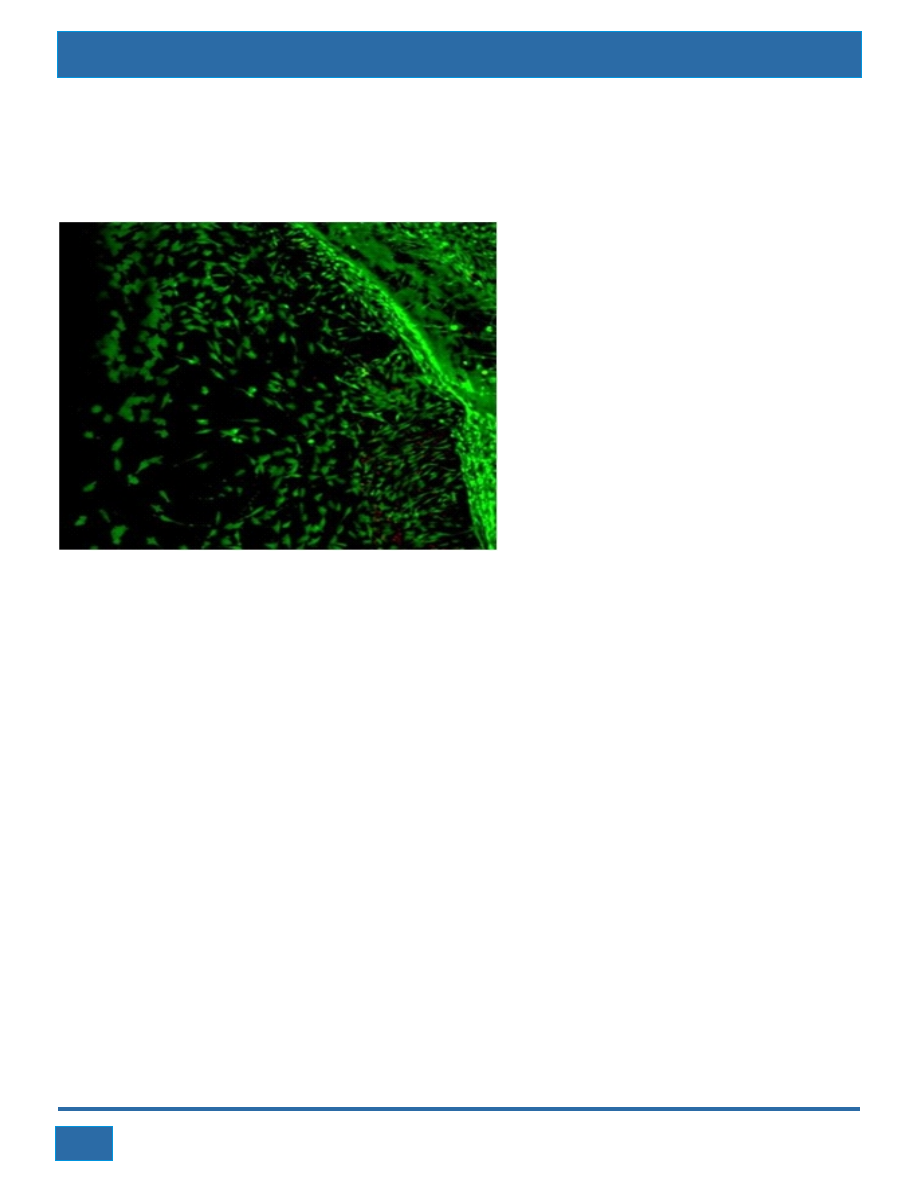
surrounding healthy tissue into the damaged area and cause them to develop into new, normal cartilage. One of the
signals, called stromal cell-derived factor 1 (SDF1), acts like a homing beacon for the precursor cells. The researchers
loaded the custom-made hydrogel with SDF1 and injected it into holes punched into the model cartilage. The precursor
cells migrated toward the SDF1 signal and filled in the injury site. Subsequent application of a growth factor caused the
cells to mature into normal cartilage that repaired the injury.This process gives a great result. The new cartilage
integrates seamlessly with the undamaged tissue, it has normal concentrations of proteoglycans, good structural
properties, and looks like normal cartilage. The new tissue is not as mechanically strong as normal cartilage, but
researchers think that mechanical loading, the type of stress that is exerted during physical therapy and exercise might
improve the mechanical properties.
There's really no cure for osteoarthritis except for total joint replacement, which is not particularly suitable for younger
patients because the artificial joints wear out and need to be replaced multiple times. This approach aims to leverage
the body's own capacity for repair, and what they've shown is that cartilage does have regenerative potential; you just
have to manipulate it just right. To translate this approach into a therapy that can be used in people, the team now
needs to include the growth factor in the gel in such a way that there is a stepwise release of the attractant SDF1
followed by the growth factor.
The team will tap on microfabrication techniques for creating novel drug and gene delivery devices, to test two
technologies- nano-size plasmids carrying genetic instructions for the growth factor or microspheres loaded with the
substance -- to incorporate the growth factor into gel.

Technology Roundup
Technology Roundup
National/International Events
Food Technology Asia, 2015
2nd International Conference on Power Generation Systems and
Renewable Energy Technologies
15th International Conference & Exhibition on Engineering Fields
International Innovation and Technology Exhibition (INOTEX 2015)
CTBT: Science and Technology 2015, Conference
2nd International Conference on Engineering and Natural Science
3rd International Scientific Conference on Engineering & Applied
Sciences
2nd International Conference and Exhibition on Biotechnology
9-11 June, 2015
Karachi
10-11 June, 2015
Islamabad, Pakistan
Www.iiui.edu.pk.com
1 - 5 June 2015
Leuven, Belgium
Www.euspen.eu
9-12 June 2015
Tehran
22-26 June, 2015
Austria
www.ctbto.org
22-24 July, 2015
Tokiyo Japan
Www.lanyrd.com
29-31 July, 2015
Okinawa Japan
Www.lanyrd.com
3-4 August, 2015
Hyderabad, India
www.brightice.co.in
www.foodtechnologyasia.com
Www.bitcongress.com
Forthcoming Tech Events
8
Tech & Trade Offers
About PASTIC
PASTIC serves as a gateway for
Scientific & Technological
Information for R&D by
catering to the information
n e e d s o f r e s e a r c h e r s ,
entrepreneurs, industrialists,
educationists, policy makers
a n d p l a n n e r s t h r o u g h
anticipatory and responsive
information services.
T e c h n o l o g y I n f o r m a t i o n
Service Section of PASTIC
works exclusively for support
and promotion of technological
information on trade and
industry in the country.
“Technology Roundup” is a
news bulletin that provides
l a t e s t a n d i n n o v a t i v e
technology news, forthcoming
events, etc. It also promotes
products, technologies and
services globally in sectors
such as Agro-Industry, Bio-
Technology, Building Material,
B u s i n e s s , C h e m i c a l s ,
Electronics, Energy, Fisheries,
Food Processing, Machinery,
P a c k a g i n g , M i n i n g
Pharmaceuticals and Textiles.
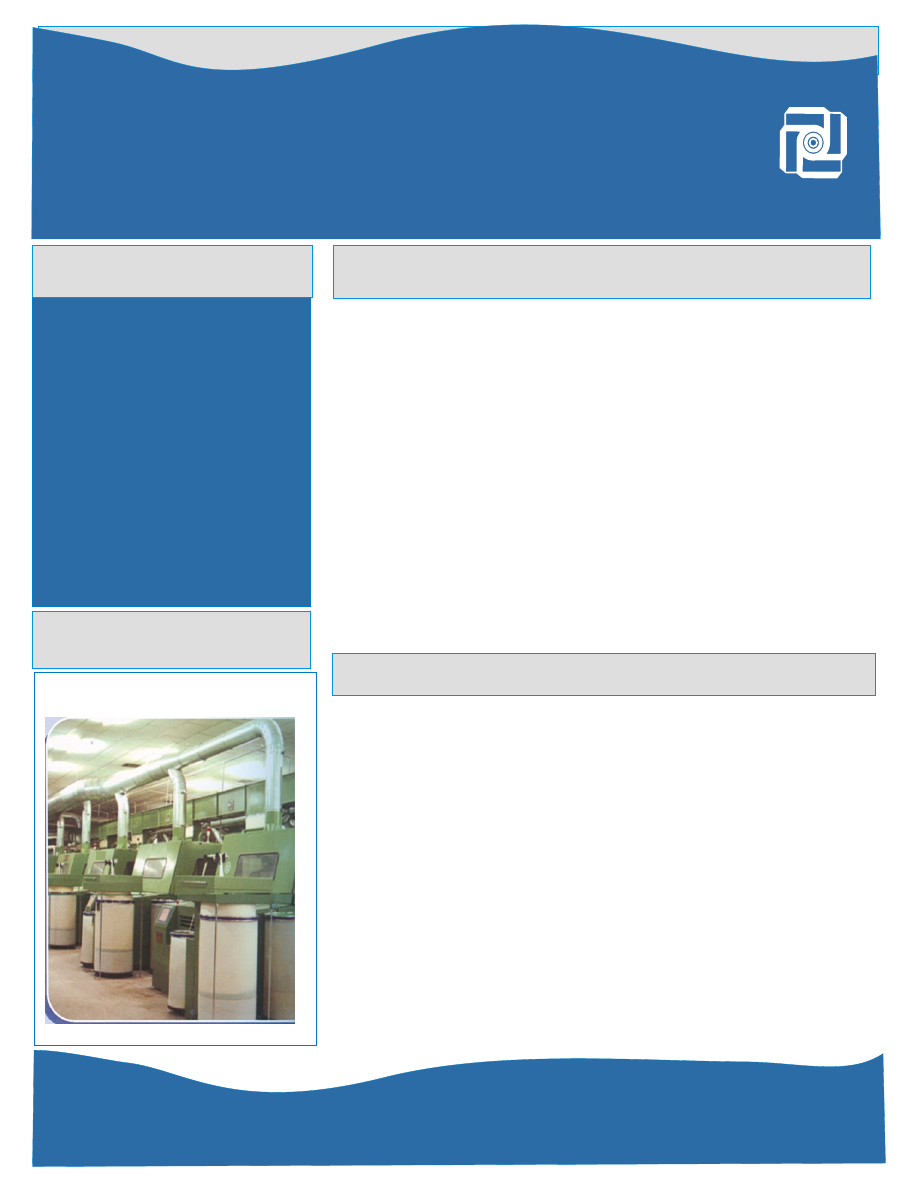
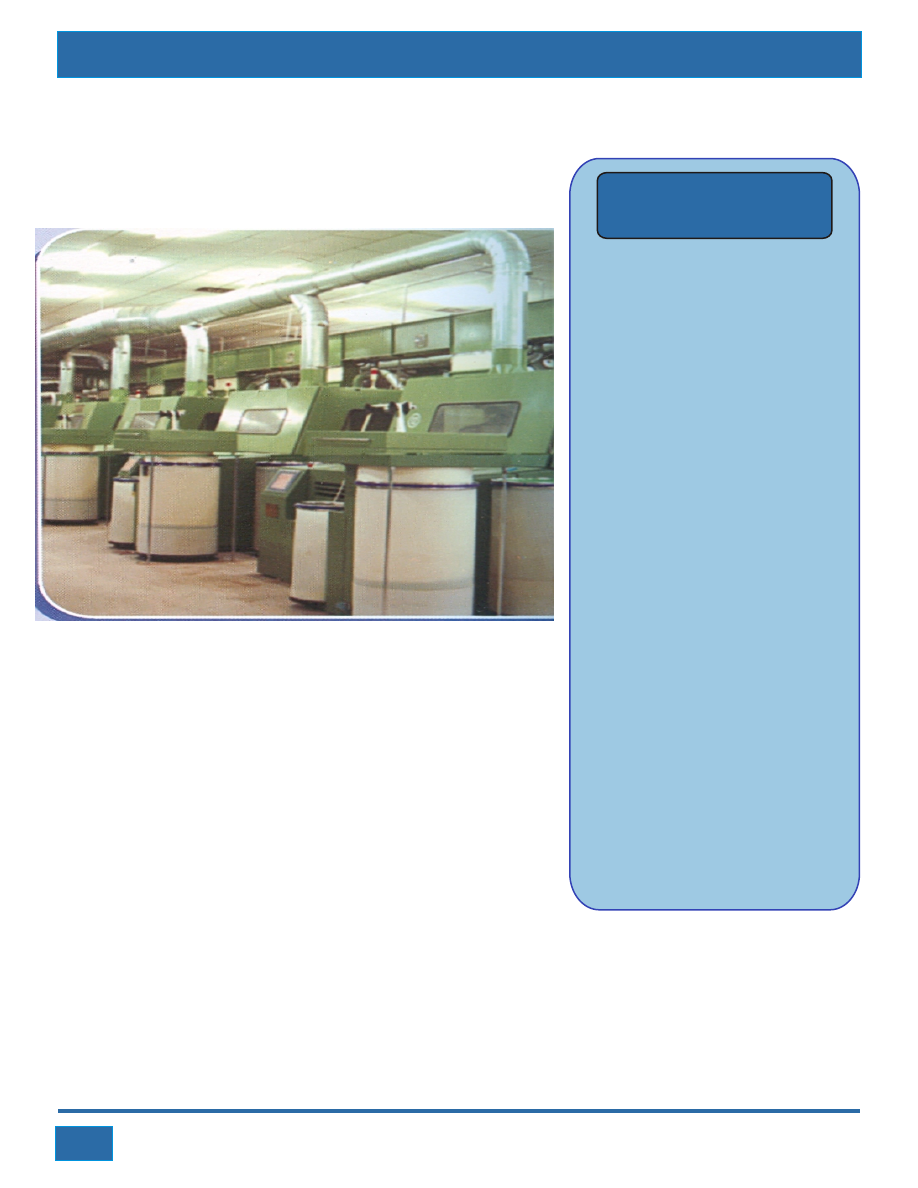
Textile Machinery
!Complete Spinning Plant
!Compact Spinning System
!Yarn Conditioning Machine
!Cotton Waste Recyclying Plant
!Hard Waste Recyclying Plant
!Weaing, Dyeing & Finishing
Spare Parts/Accessories
All kind of Spare Parts for Spinning & Weaving, Including Spindle
Bolsters, steel Rings, Ring Bobbins, Simplex Bobbins Flyers Etc.
Company Contact:-
Olympia Private Limited
Maqsood Naz, 22-G Gulberg II,
Lahore, Pakistan
Tel: 92-42-35787971-73, Fax: 92-42-35787974
Olympia@brain.net.pk
Www.olympiainternational.com
Technology Roundup
Please give us your feedback and address queries to editor@pastic.gov.pk
9