Patron/Executive Editor
Dr. Muhammad Akram Shaikh
Director General, PASTIC
Managing Editors
Ms. Nageen Ainuddin
Mr. M. Aqil Khan
Editor
Dr. Saima Tanveer
Composer
M. Kashif Farooqui
T
ECHNOLOGY
R
OUNDUP
Technology Information Section (TIS)
Pakistan Scientific & Technological Information Centre
PASTIC
March-June, 2014
Vol. 6, No. 2&3
A NEWS BULLETIN FROM
Tech News Headlines
Tech & Trade Offers
Phone: 051-9248103-4, 9248111
Fax: 051-9248113
Email:editor@pastic.gov.pk
Web: www.pastic.gov.pk
PASTIC National Centre
Quaid-i-Azam University Campus
P.O. Box 1217, Islamabad
Editorial Board
l
l
l
l
l Synthesized 'Solar' Jet Fuel: Renewable Kerosene from Sunlight, Water
and Carbon Dioxide
l New Imaging Technology: Phase Contrast X-ray
l Engineers Develop New Materials for Hydrogen Storage
l Genetic Basis of Pest Resistance to Biotech Cotton Discovered
l Nanowire Bridging Transistors Open Way to Next-Generation
Electronics
l Flatland Optics with Graphene: Smaller and Faster Photonic Devices
and Circuits
l Fattening Gene Discovered by Researchers
l Cybersecurity Researchers Roll Out a New Heartbleed Solution: Red
Herring Creates Decoy Servers, Eentraps, Monitors Hackers
l
l
l
Evaluation of Benefits by Power Factor Improvement on L.T. Side of
Transformers in Distribution System
Transformers in Distribution System
Response of Maize to a Novel Organic Potassium Fertilzer
Development from Fruit and Vegetable wastes
Development of Green Concrete (GC) with Brick Dust Waste (BDW)
and Natural Fertilizer of Municipal Solid Waste (NFMSW)
Cheap, Environmentally-Friendly Method for Making Transparent
Conductive Films for Laptops, Smartphones, Solar Cells
Multilayer, Microscale Solar Cells Enable Ultrahigh Efficiency Power
Generation
Conducting Polymer Films Decorated with Biomolecules for Cell
Research Use
Applying Math to Biology: Software Identifies Disease-Causing
Mutations in Undiagnosed Illnesses
Source International

Technology Roundup
Indigenous
Technology
Evaluation of Benefits by Power Factor Improvement on L.T. Side of
Transformers in Distribution System
A team of researchers from University of Engineering & Technology, Lahore Pakistan and NFC
Institute of Engineering & Fertilizer Research, Faisalabad have evaluated the
b
enefits by Power Factor
Improvement on L.T. Side of Transformers in Distribution System
Energy conservation is equivalent to energy generation. As power generation is becoming expensive day by day,
therefore conservation of energy has started playing a pivotal role toward the nation's economy. As population
grows at an alarming rate resulting in also an increase in economic growth, electrical is in short supply. Improving
energy efficiency in an electrical system has become a major issue. There are major areas i.e., Low Power Factor,
Less Efficient motors and lighting sources which causes increased current, increased power losses and ultimately
reduced voltage. Load scheduling by using most efficient energy consuming devices can conserve energy to great
extent.
This research particularly deals with the evaluation of the impact of the Power Factor Improvement on the
transformer installed at different locations in the distribution System. In this study the Distribution System of
University of Engineering & Technology (U.E.T), Lahore Pakistan, has been taken as a test case. Impact of Power
Factor improvement by installing power capacitor on each transformer, saving in transmission and distribution
lines, are also evaluated from L.T side of transformer up to the metering panel of WAPDA installed at one Point in
H.T. (11KV). It is to be noted that U.E.T is fed at one Point and is on Bulk Power Supply Tariff of WAPDA.
Therefore all reduction in losses adds to reduced Unit Charges by WAPDA hence overall reduction in the
Electricity Bill is evaluated.
The finding showed that by improving Power Factor on the low Tension (L.T) side of the transformer, a huge
amount of Energy can be saved, not only by reduction in Copper losses of transformer itself but also by reduction
in copper losses of transmission lines of the Distribution System. This reduction in losses is in turn reduces the
KWH (Unit). Therefore it helps in reduction in the Electricity Bills of the Organization and institutions. This
reduction in losses also increases the overall life of the whole Electrical Component of the Distribution System.
Courtesy:
New Horizon, Journal of the Institution of Electrical & Electronics Engineers Pakistan, Vol# 77-78, june 2013
Prof. Dr. Suhail A . Qureshi*, Irshad A. Goraya**, M. Tahir Raza***, Farhan Mahmood****,
*,**, **** (U.E.T. Lahore Pakistan), ***(NFC Institute of Engineering & Fertilizer Research, Faisalabad)
2

Technology Roundup
Indigenous
Technology
Response of Maize to a Novel Organic Potassium Fertilizer Developed from Fruit
and Vegetable Wastes
A team of researchers from Department of Soil Sciences, Sindh Agriculture University, Tandojam, Pakistan
and Agriculture Research Sindh, Tandojam, Pakistan have studied the response of maize to a novel organic
potassium fertilizer developed from fruit and vegetable wastes.
High cost of synthetic Potassium K fertilizers and their unavailability are the serious risks to sustainable maize
production in Pakistan. Hence, to explore the alternate sources of K for maize production, a pot study was
conducted to evaluate the efficacy of a novel organic K fertilizer, developed from fruit and vegetable wastes. Six
combinations i.e. 00-00 (control), 30-00, 00-30, 30-30, 60-0, 00-60 kg ha-1 K chemical and organic K fertilizers
were applied in completely randomized design (CRD) with three repeats using maize (cv. Akbar) as a test crop. The
synthetic K was applied as sulphate of potash and for organic K two different batches of organic fertilizers were
prepared and applied at the rate of 300 kg ha-1. The crop received recommended doses of nitrogen (150 kg ha-1) as
urea and phosphorus (75 kg ha-1) as diammonium phosphate. The soil under study was heavy in texture, alkaline in
nature, free from salinity hazards; low in organic matter and deficient in AB-DTPA extractable. Potassium K
nutrition improved various growth traits, K accumulation and biomass production of maize. Higher K application
rate (60 kg ha-1) was significantly superior than lower K application rate (30 kg ha-1). Generally, inorganic K was
significantly better than the organic K in improving various traits of maize at both K application rates, except for the
shoot diameter, which responded more to organic K (30 kg ha-1). The integrated use of K was more effective than
all other K treatments in elevating different growth parameters of maize, except length and shoot diameter of maize
that were highest at the inorganic K application rate of 60 kg ha-1. Hence, the integrated use of K saved 50% of the
chemical K fertilizer. Overall, K nutrition enhanced various traits of maize, viz. shoot length (9 to 38%), shoot
diameter (35 to 95%), shoot fresh biomass (29 to 79%), shoot dry biomass (44 to 219%), number of leaves plant ha-
1 (7 to 60%), leaf area (14 to 40%) and K concentration (2-fold to 4.6-fold). The study concluded that K application
at 60 kg ha-1, by integrating 30 kg ha-1 chemical fertilizer with 30 kg ha-1organic fertilizer, improved the growth
and biomass production of maize. Further validation of these results is warranted under field condition.
Courtesy:
Pak. J. Agri., Agril. Engg., Vet. Sci., 2013, 29 (1): 1-12
1
1
1
1
2
S. Kubar , Zia-ul-hassan , A. N. Shah , I. Rajpar and S. A. Qureshi
1(Department of Soil Science, Sindh Agriculture University, Tandojam, Pakistan) 2(Agriculture Research
Sindh, Tandojam, Pakistan).
3

4
Technology Roundup
Development of Green Concrete (GC) with Brick Dust Waste (BDW) and Natural
Fertilizer of Municipal Solid Waste (NFMSW)
Engineers from Department of Architectural Engineering & Design and Department of Mathematics,
UET Lahore, Pakistan have Developed Green Concrete (GC) with Brick Dust Waste (BDW) and
Natural Fertilizer of Municipal Solid Waste (NFMSW)
Concrete is widely used in the building industry of Pakistan and other countries of the world since a long time
because of its various advantages related to low cost, durability, availability and less time for acquiring strength. Its
constituents are easily available from local market in country like Pakistan. However, the extensive use of concrete
in Pakistan and other countries is a serious threat to the natural environment. The high consumption of natural
stone and drinking water for production of concrete is continuously decreasing natural resources and resultantly
the environmental sustainability. The focus in these studies not only remained for the replacement of fine
aggregates to modify the conventional concrete into Green concrete but utilization of waste/discarded materials
was also one of the objectives for strengthening the sustainable and friendly environment. The utilization of
Natural Fertilizer of Municipal Solid Waste (NFMSW) in concrete will open another door for consumption of this
material by producing Green Concrete.
In this research two possibilities are explored to produce Green Concrete (GC) by modifying the fine aggregates of
Conventional Concrete (CC). A certain quantity of sand is replaced in CC with Brick Dust Waste (BDW) and
Natural Fertilizer from Municipal Solid Waste (NFMSW). The major objective of the research is to contribute for
sustainable environment by providing the ways for consuming waste and discarded materials and to reduce the
utilization of natural aggregates in concrete. The GC is produced by substituting 10, 20 and 30 percent sand in CC
with BDW and NFMSW. The properties and gradation of the substituting materials are studied through various
tests. The samples are tested in laboratory at the age of 7, 28 and 56 days and the results are compared with
Conventional Concrete (CC). The findings shown that the replacement of 20 percent sand in conventional concrete
with BDW is feasible for structural use in buildings and other areas while the modified CC with NFMSW can be
used for non structural purposes because of its low workability and compressive strength.
Courtesy:
Journal of the Pakistan Institute of Chemical Engineers Vol. XXXXI
A. Khan1, S. Ramzan2, S Arif1, S. Dansih2. M. Mushtaq3, ( Department of Achitectural Engineeing and
Design UET Lahore, Pakistan), 2/3 (Department of Mathematics, UET, Lahore, Pakistan)
Corresponding Author : Dr Arif Khan E.mail: (arifuet@hotmail.com
5
Technology Roundup
Conducting Polymer Films Decorated with Biomolecules for Cell Research Use
www.scicasts.com/material-science
Synthesized 'Solar' Jet Fuel: Renewable Kerosene from Sunlight, Water and
Carbon Dioxide
The ability to create conducting polymer films in a variety of shapes, thicknesses and surface properties rapidly and
inexpensively will make growing and testing cells easier and more
flexible, according to a team of Penn State University bioengineers.
The ultimate goal of this collaborative project is to be able to create a
substrate for growth and manipulation of cells. Cells on a surface need to
recognize biomolecules like extracellular matrix proteins to be able to
adhere and grow. They would like to be able to use these polymer films to
manipulate adhesion, growth, proliferation and migration of cells.
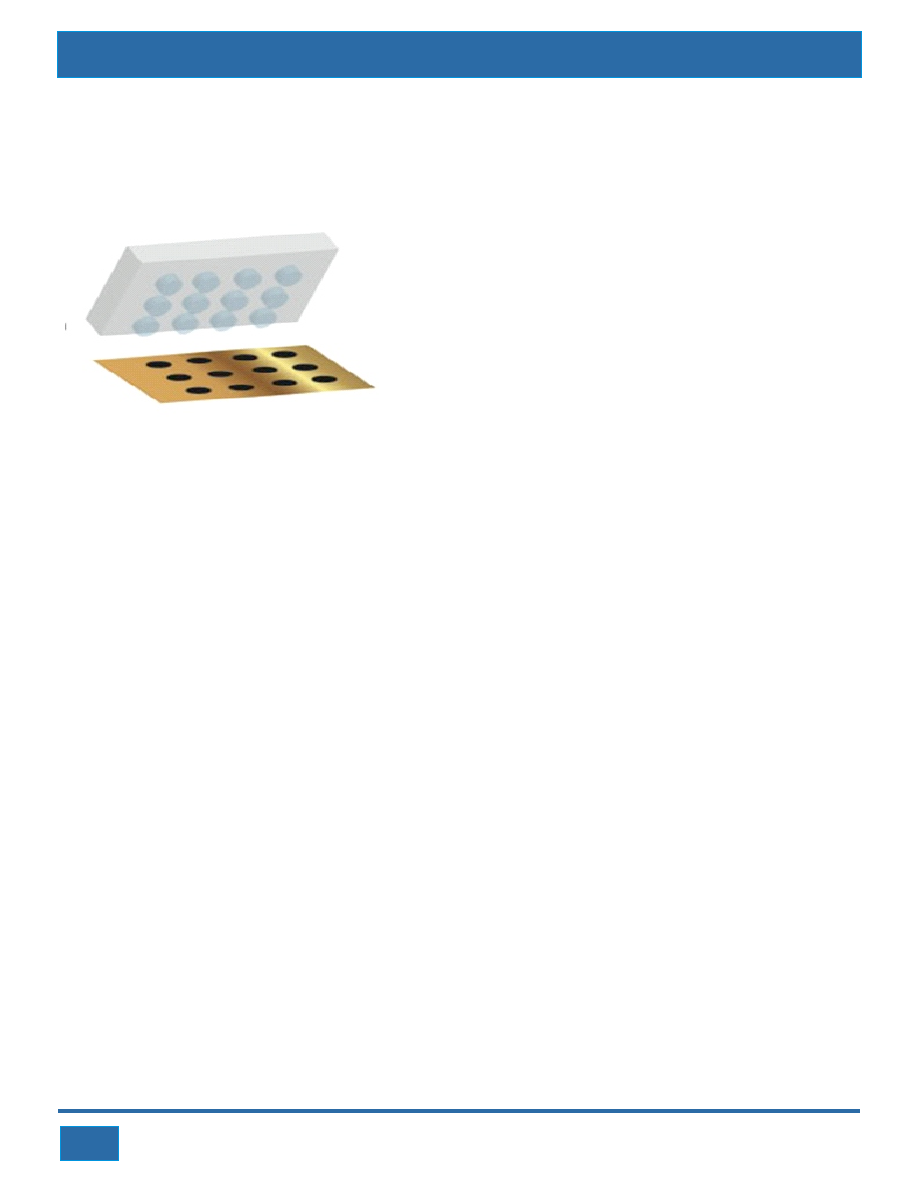
The researchers are creating patterned films of conducting polymers on
gold substrates by electrodeposition through hydrogel stamps.The
researchers create their hydrogel stamps from agarose a sugar extracted
from seaweed poured into molds. While most of the current experiments
use arrays of dots, because the researchers use molded stamps, a wide
variety of shapes -- dots, squares, lines are possible.
The stamp is dipped in a solution of monomer and a dopant and placed on the gold surface. An electrical current through the
hydrogel and gold polymerizes the monomer and dopant at the surface. If a biomolecule of interest is also included in the
stamping solution, it becomes embedded in the polymer film as well. Because the presence of dopant is important for the
electrical conductivity of these polymers, only areas where monomer and dopant exist together form conductive films of
polymer. The process takes from one to two minutes and the longer the current is applied, the thicker the film.
. Creating arrays of different biomolecules and different shapes in conducting polymers is especially important when
studying excitable cells like neurons or muscle cells because they react to electricity.
Conducting polymer arrays will allow manipulation of cells using chemical and electrical signals, expanding the ways cells
can be treated. Varying films laid down on one substrate can put multiple experiments all in one place.
The researchers were able to produce a series of films using the same monomer but different dopants and biomolecules by
altering the solution on various parts of the stamp. In this way researchers can change the surface properties and functionality
of the films. The stamp can also be used multiple times before re-inking becomes necessary, simplifying and speeding up the
process
With the first ever production of synthesized "solar" jet fuel, the EU-funded SOLAR-JET project has successfully
demonstrated the entire production chain for renewable kerosene obtained directly from sunlight, water and carbon dioxide
(CO ), therein potentially revolutionizing the future of aviation. This process has also the potential to produce any other type
2
of fuel for transport applications, such as diesel, gasoline or pure hydrogen in a more sustainable way.
Several notable research organizations from academia through to industry (ETH Zürich, Bauhaus Luftfahrt, Deutsches
Zentrum für Luft- und Raumfahrt (DLR), ARTTIC and Shell Global Solutions) have explored a thermochemical pathway
driven by concentrated solar energy. A new solar reactor technology has been pioneered to produce liquid hydrocarbon fuels
suitable for more sustainable transportation.
Increasing environmental and supply security issues are leading the aviation sector to seek alternative fuels which can be used
interchangeably with today's jet fuel, so-called drop-in solutions, The Project is the first-ever proof-of-concept for 'solar'
3
6
Technology Roundup
kerosene, the SOLAR-JET project has made a major step towards truly sustainable fuels with virtually unlimited
feedstocks in the future.
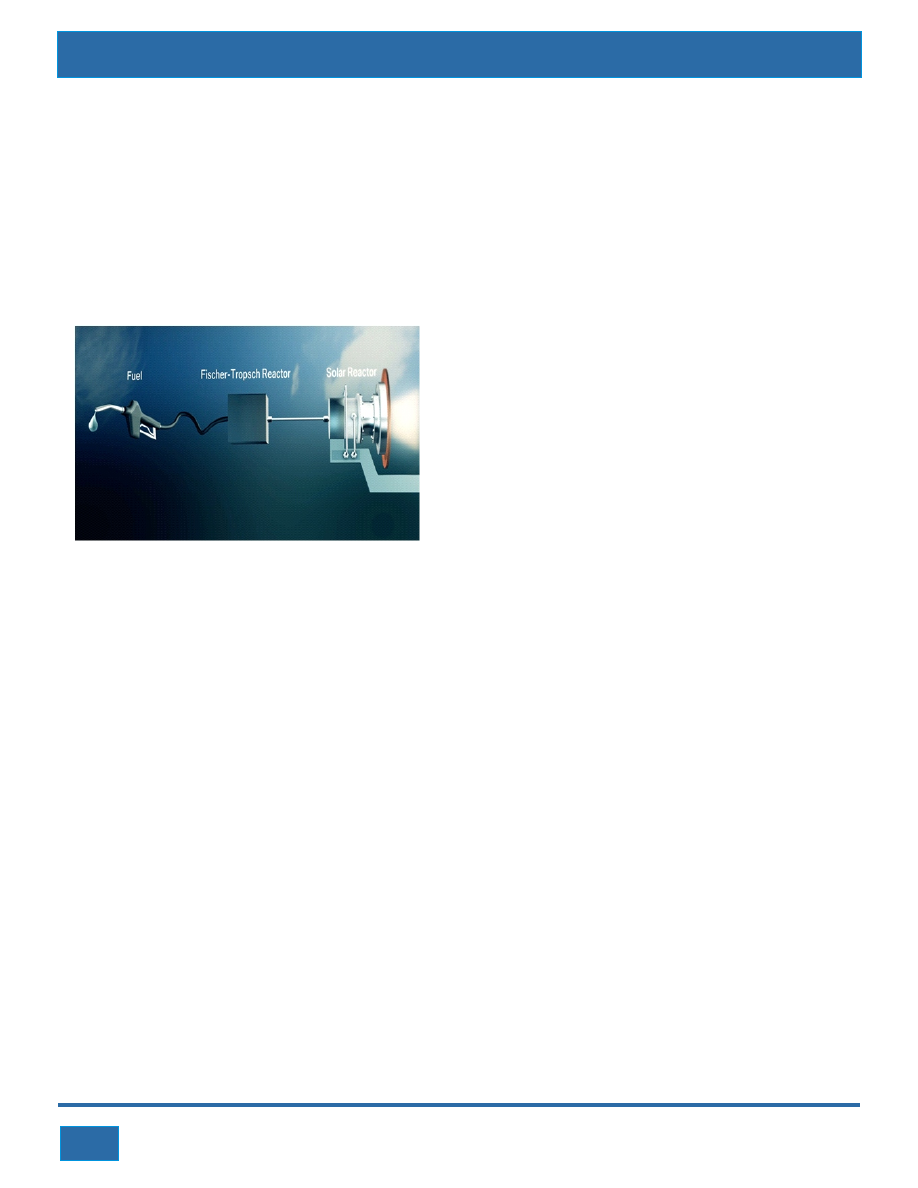
The SOLAR-JET project demonstrated an innovative process technology using concentrated sunlight to convert carbon
dioxide and water to a so-called synthesis gas (syngas). This is accomplished by means of a redox cycle with metal-oxide
based materials at high temperatures. The syngas, a mixture of hydrogen and carbon monoxide, is finally converted into
kerosene by using commercial Fischer-Tropsch technology.
“The solar reactor technology features enhanced radiative heat transfer and fast reaction kinetics, which are crucial for
maximizing the solar-to-fuel energy conversion efficiency” said by Professor Aldo Steinfeld, leading the fundamental
research and development of the solar reactor at ETH Zürich.
Although the solar-driven redox cycle for syngas production is
still at an early stage of development, the processing of syngas to
kerosene is already being deployed by companies, including Shell,
on a global scale. This combined approach has the potential to
provide a secure, sustainable and scalable supply of renewable
aviation fuel and more generally for transport applications.
Moreover, Fischer-Tropsch derived kerosene is already approved
for commercial aviation.
SOLAR-JET (Solar chemical reactor demonstration and
Optimization for Long-term Availability of Renewable JET fuel)
was launched in June 2011 and receive financial support from the
European Union within the 7th Framework Programme for a
duration of four years. In a first step, the technical feasibility of
producing solar kerosene was proven. In the next phase of the project, the partners will optimise the solar reactor and assess
the techno-economic potential of industrial scale implementation. The outcomes of SOLAR-JET will put Europe to the
forefront of research, innovation and production of sustainable fuels directly from concentrated solar energy.
Phase contrast X-ray imaging has enabled researchers at ETH Zurich, the Paul Scherrer Institute (PSI) and the
Kantonsspital Baden to perform mammographic imaging that allows greater precision in the assessment of breast cancer
and its precursors. The technique could improve biopsy diagnostics and follow-up.The researchers have succeeded in
advancing an emerging imaging technique for breast investigations: the X-ray p
hase-contrast mammography. The
new
developments enable distinguishing between the different types of microcalcifications observed in breast tissue and help
assigning them to malignant lesions.
One of the advantages of the phase contrast technique is its ability to provide images of high contrast. In the future, this
technique can aid physicians to determine in a non-invasive way where premalignant and malignant breast lesions are most
likely located. One goal of breast cancer screening is to detect (groups of) microcalcifications in the breast, because these
may be associated with early stages of breast cancer since they often occur in connection with cancer cell death.
Mammographic screening does not allow definite conclusions regarding the underlining conditions that cause
calcifications. Only tissue biopsies that are examined under the microscope by pathologists can determine which lesions
have caused the calcareous deposits.
At the PSI, the use of phase contrast for medical X-ray imaging has been investigated for several years. X-ray radiation as
used in conventional mammography was long considered not suitable for phase contrast procedures because of its
incoherence and mixture of multiple wavelengths. The researchers have now managed to use these X-ray sources for the
www.sciencedaily.com/
New Imaging Technology: Phase Contrast X-ray

7
Technology Roundup
phase contrast method in order to develop a new and improved imaging method is a considerable step towards application in
daily clinical practice.
In X-ray phase contrast, the extent in which tissue absorbs x-rays is not the only
quantity that is being measured but also how tissue deflects radiation laterally
(refraction) and consequently how it influences the sequence of oscillation peaks
and valleys of X-ray waves, the so-called phase. Depending on the tissue type,
the overall scattering also varies. To be able to measure the phase shift,
researchers use three very fine grids. The first one is located directly at the
source. It ensures that the object is illuminated with the required coherence.
Another grid is placed behind the object and generates an interference signal that
is analyzed by a third grid downstream. Using suitable algorithms, the re-searchers calculate the absorption, phase and
scattering properties of the object from the interference signal. This information can be used to generate sharp and high-
contrast images that show very detailed soft tissue properties. During this research the scientists during their trials with the
phase contrast method, They noticed that there are microcalcifications with different absorption and scattering signals. That
indicated that the new method might identify different types of calcifications. The scientists subsequently reviewed through
medical literature and found studies that showed that a certain type of calcification is more frequently associated with breast
cancer precursors. This observation could be very interesting for breast cancer diagnosis, since it could distinguish between
the different types of micro calcifications.
Whether the technology will make it to clinical use also depends on the radiation dose. The aim will be to significantly
improve quality, resolution and diagnosis with the same radiation dose as for a standard mammography so that breasts can be
better examined. If the scientists can significantly improve imaging, this would enable better assessments of tumor extent
prior to surgery. To date, the re-searchers have worked with a prototype.
www.sciencedaily.com
Engineers Develop New Materials for Hydrogen Storage
Engineers, have created new ceramic materials that could be used to store hydrogen safely and efficiently.The researchers
have created for the first time compounds made from mixtures of calcium hexaboride, strontium and barium hexaboride.
They also have demonstrated that the compounds could be manufactured using a simple, low-cost manufacturing method
known as combustion synthesis.
Researchers from UC San Diego, Alfred University in upstate New York in collaboration with the University of Nevada,
Reno have developed a manufacturing process for the ceramics that is faster and simpler than traditional methods used to
manufacture these types of materials. They are looking for solid materials that can store and release hydrogen easily. Storing
hydrogen has become increasingly important as hydrogen fuel cells become more popular power sources in industry and
elsewhere. But hydrogen, the lightest element on the periodic table, is difficult to store. It tends to diffuse through the walls of
pressurized tanks. It also needs to be compressed in order to occupy
manageable amounts of space when stored.
The resulting ceramics are essentially crystalline structures in a
cage of boron. To store hydrogen, the researchers would swap the
calcium, strontium and boron with hydrogen atoms within the cage.
Engineers mixed boron with metal nitrates and organic fuels, such
as urea, in a box furnace at temperatures below 400 degrees Celsius
roughly 750 degrees Fahrenheit cooler than a commercial pizza
Technology Roundup
8
oven. The nitrates and organic fuels ignite, generating heat that then drives the reaction without the need for an external
source of power. This method is known as combustion synthesis.
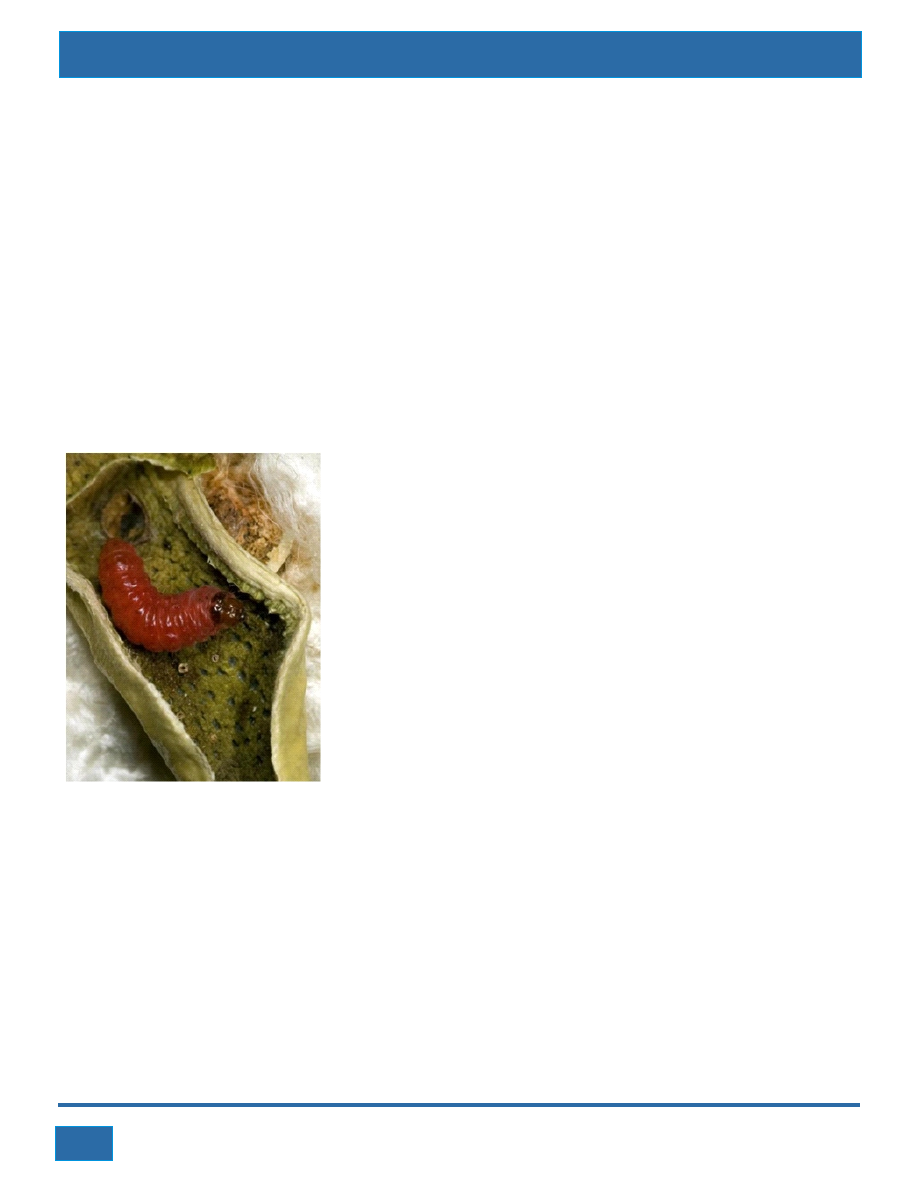
An international team led by scientists at the University of Arizona and the U.S. Department of Agriculture has
discovered what happens on a molecular basis in insects that evolved resistance to genetically engineered cotton plants.
Their findings shed light on how the global caterpillar pest called pink bollworm overcomes biotech cotton, which was
designed to make an insect-killing bacterial protein called Bt toxin. The results could have major impacts for managing
pest resistance to Bt crops.
Bt crops have had major benefits for society, By understanding how insects adapt to Bt crops one can devise better strategies
to delay the evolution of resistance and extend these benefits. Many mechanisms of resistance to Bt proteins have been
proposed and studied in the lab, but this is the first analysis of the molecular genetic basis of severe pest resistance to a Bt
crop in the field.
Based on laboratory experiments aimed at determining the molecular mechanisms
involved, scientists knew that pink bollworm can evolve resistance against the Bt
toxin, but they had to go all the way to India to observe this happening in the field.
Farmers in the U.S., but not in India, adopted tactics designed to slow evolution of
resistance in pink bollworm. Scientists from the UA and the U.S. Department of
Agriculture worked closely with cotton growers in Arizona to develop and
implement resistance management strategies such as providing "refuges" of
standard cotton plants that do not produce Bt proteins and releasing sterile pink
bollworm moths. Planting refuges near Bt crops allows susceptible insects to
survive and reproduce and thus reduces the chances that two resistant insects will
mate with each other and produce resistant offspring. Similarly, mass release of
sterile moths also
www.phys.org/news
Genetic Basis of Pest Resistance to Biotech Cotton Discovered
makes it less likely for two resistant individuals to encounter
each other and mate.
As a result, pink bollworm has been all but eradicated in the southwestern U.S.
Suppression of this pest with Bt cotton is the cornerstone of an integrated pest
management program that has allowed Arizona cotton growers to reduce broad
spectrum insecticide use by 80 percent, saving them over $10 million annually. In
the U.S., pink bollworm populations have not evolved resistance to Bt toxins in the
wild. However, resistant pink bollworm populations have emerged in India, which grows the most Bt cotton of any country
in the world.
Crops genetically engineered to produce proteins from the bacterium Bacillus thuringiensis or Bt were introduced in 1996
and planted on more than 180 million acres worldwide during 2013. Organic growers have used Bt proteins in sprays for
decades because they kill certain pests but are not toxic to people and most other organisms. Pest control with Bt proteins
either in sprays or genetically engineered crops reduces reliance on chemical insecticides. Although Bt proteins provide
environmental and economic benefits, these benefits are cut short when pests evolve resistance.
The emergence of resistant pink bollworm in India provided the researchers an opportunity to test the hypothesis that insects
in the field would evolve resistance to Bt toxin by the same genetic mechanism found previously in the lab. In the lab strains,
the scientists had identified mutations in a gene encoding a protein called cadherin. Binding of Bt toxin to cadherin is an
essential step in the intoxication process. Mutations that disrupt cadherin block this binding, which leaves the insect
unscathed by the Bt toxin.

Technology Roundup
9
"We wanted to see if field-resistant pink bollworm from India harbored these same changes in the cadherin gene," said the
researcher and by collaborating with Indian scientists, we discovered that the same cadherin gene is associated with the
resistance in India, but the mutations are different and much more numerous than the ones we found in lab-selected pink
bollworm from Arizona. "In 17 years of research and screening more than 10,000 individuals from Arizona, they
identified four cadherin-based resistance mutations. And in just eight individuals from India, they found 19 different
cadherin variants that confer resistance. It blew their minds."Sequencing the DNA of resistant pink bollworm collected
from the field in India, the team found that the insects produce remarkably diverse disrupted variants of cadherin. The
researchers learned that the astonishing diversity of cadherin in pink bollworm from India is caused by alternative splicing,
a novel mechanism of resistance that allows a single DNA sequence to code for many variants of a protein. "Our findings
represent the first example of alternative splicing associated with Bt resistance that evolved in the field," said Fabrick, who
is also an adjunct scientist in the Department of Entomology at UA.
Combining atoms of semiconductor materials into nanowires and structures on top of silicon surfaces shows promise for a
new generation of fast, robust electronic and photonic devices. Scientists have recently demonstrated three-dimensional
nanowire transistors using this approach that open exciting opportunities for integrating other semiconductors, such as
gallium nitride, on silicon substrates.
A new approach to integrated circuits, combining atoms of semiconductor materials into nanowires and structures on top
of silicon surfaces, shows promise for a new generation of fast, robust electronic and photonic devices. Engineers at the
University of California, Davis, have recently demonstrated three-dimensional nanowire transistors using this approach
that open exciting opportunities for integrating other semiconductors, such as gallium nitride, on silicon substrates.
Circuits built on conventionally etched silicon have reached their lower size limit, which restricts operation speed and
integration density. Additionally, conventional silicon circuits cannot function at temperatures above 250 degrees Celsius
(about 480 degrees Fahrenheit), or handle high power or
voltages, or optical applications.
The new technology could be used, for example, to build
sensors that can operate under high temperatures, for example
inside aircraft engines. In the foreseeable future, society will
be dependent on a variety of sensors and control systems that
operate in extreme environments, such as motor vehicles,
boats, airplanes, terrestrial oil and ore extraction, rockets,
spacecraft, and bodily implants.
Devices that include both silicon and nonsilicon materials
offer higher speeds and more robust performance.
Conventional microcircuits are formed from etched layers of silicon and insulators, but it's difficult to grow nonsilicon
materials as layers over silicon because of incompatibilities in crystal structure (or "lattice mismatch") and differences in
thermal pr
www.sciencedaily.com
Nanowire Bridging Transistors open Way to Next-Generation Electronics
operties. Instead the researchers at UC Davis has created silicon wafers with "nanopillars" of materials such as
gallium arsenide, gallium nitride or indium phosphide on them, and grown tiny nanowire "bridges” between nanopillars.
Films of other materials can not be grown on silicon can be grown as nanowires.
The researchers have been able to make these nanowires operate as transistors, and combine them into more complex
circuits as well as devices that are responsive to light. They have developed techniques to control the number of nanowires,
their physical characteristics and consistency. The researchers said the suspended structures have other advantages:
They are easier to cool and handle thermal expansion better than planar structures a relevant issue when mismatched
materials are combined in a transistor. The technology also leverages the well-established technology for manufacturing
silicon integrated circuits, instead of having to create an entirely new route for manufacturing and distribution.
www.scicasts.com/material-science
Flatland Optics with Graphene: Smaller and Faster Photonic Devices and
Circuits
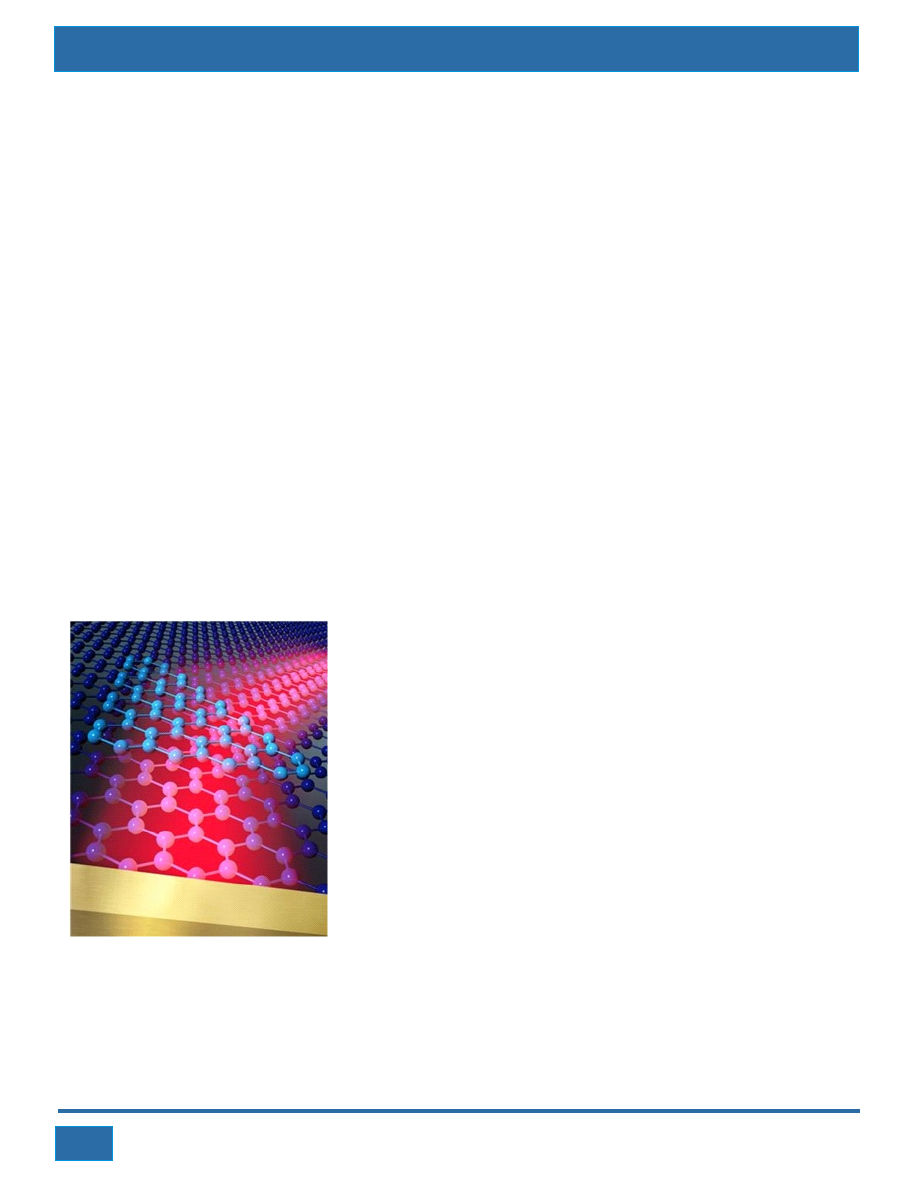
Researchers from CIC nanoGUNE, in collaboration with ICFO, and Graphenea, introduce a platform technology based
on optical antennas for trapping and controlling light with the one-atom-thick material graphene. The experiments show
that the dramatically squeezed graphene-guided light can be focused and bent, following the fundamental principles of
conventional optics. The work opens new opportunities for smaller and faster photonic devices and circuits.
Optical circuits and devices could make signal processing and computing much faster. However, although light is very
fast it needs too much space. In fact, propagating light needs at least the space of half its wavelength, which is much
larger than state-of-the-art electronic building blocks in our computers. For that reason, a quest for squeezing light to
propagate it through nanoscale materials arises.
The wonder material graphene, a single layer of carbon atoms with extraordinary properties, has been proposed as one
solution. The wavelength of light captured by a graphene layer can be strongly shortened by a factor of 10 to 100
compared to light propagating in free space. As a consequence, this light propagating along the graphene layer called
graphene plasmon requires much less space. However, transforming light efficiently into graphene plasmons and
manipulating them with a compact device has been a major challenge. The team demonstrates that the antenna concept
of radio wave technology could be a promising solution. The team shows that a
nanoscale metal rod on graphene (acting as an antenna for light) can capture
infrared light and transform it into graphene plasmons, analogous to a radio
antenna converting radio waves into electromagnetic waves in a metal cable.
The researchers introduce a versatile platform technology based on resonant
optical antennas for launching and controlling of propagating graphene
plasmons, which represents an essential step for the development of graphene
plasmonic circuits. Some of the advantages offered by the antenna device are
the excitation of graphene plasmons is purely optical, the device is compact
and the phase and wavefronts of the graphene plasmons can be directly
controlled by geometrically tailoring the antennas. This is essential to develop
applications based on focusing and guiding of light.
Based on Nikitin´s calculations, nanoGUNE's Nanodevices group fabricated
gold nanoantennas on graphene provided by Graphenea. The Nanooptics
group then used the Neaspec near-field microscope to image how infrared
graphene plasmons are launched and propagate along the graphene layer. In the
images, the researchers saw that, indeed, waves on graphene propagate away
from the antenna, like waves on a water surface when a stone is thrown in.
In order to test whether the two-dimensional propagation of light waves along a one-atom-thick carbon layer follow the
laws of conventional optics, the researchers tried to focus and refract the waves. For the focusing experiment, they
curved the antenna. The images then showed that the graphene plasmons focus away from the antenna, similar to the
light beam that is concentrated with a lens or concave mirror.
10
Technology Roundup

The team also observed that graphene plasmons refract (bend) when they pass through a prism-shaped graphene bilayer,
analogous to the bending of a light beam passing through a glass prism. The big difference is that the graphene prism is
only two atoms thick. It is the thinnest refracting optical prism ever. Intriguingly, the graphene plasmons are bent because
the conductivity in the two-atom-thick prism is larger than in the surrounding one-atom-thick layer. In the future, such
conductivity changes in graphene could be also generated by simple electronic means, allowing for highly efficient
electric control of refraction, among others for steering applications.
Altogether, the experiments show that the fundamental and most important principles of conventional optics also apply
for graphene plasmons, in other words, squeezed light propagating along a one-atom-thick layer of carbon atoms. Future
developments based on these results could lead to extremely miniaturized optical circuits and devices that could be useful
for sensing and computing, among other applications.
The long-term consumption of too much high-energy and high-fat food leads to overweight. Behind this trivial statement
lies the extremely complex regulation of lipid metabolism. Together with colleagues from Japan, scientists from the Max
Planck Institute for Heart and Lung Research in Bad Nauheim have now discovered that the Sirt7 gene plays a central role
in energy metabolism. Despite consuming high-fat food, genetically modified mice that lack the gene maintain their
normal weight. Food was not always available to such excess as it is in western societies today. On the contrary, our
metabolism was tailored to the optimum exploitation of energy, as humans, for millennia, had to budget their calories
carefully. Thus, the formation and depletion of fat depots as energy stores is subject to complex regulation. A series of
regulators is involved in lipid metabolism in the liver for the purpose of storing excess energy and making it available
again when required. Scientists have now identified a protein from the sirtuin group that plays a major role in the
utilization of energy in the context of a high-fat diet and is responsible for the formation of fat depots. Sirtuins are known
as a group of proteins with wide-ranging biological functions.
The researchers carried out their
tests on mice which lack a sirtuin
known as SIRT7. These Sirt7-
k n o c k o u t m i c e a n d n o n -
genetically-modified animals were
fed particularly high-fat pellets for
months. They established that
Sirt7-knockout mice put on
significantly less weight than the
control group. On the contrary,
they maintained their normal
weight. Moreover, compared with the non-genetically-modified mice, these animals tended to have lower triglyceride and
cholesterol levels in their livers and normal insulin levels. Everything pointed to the fact that the animals which lacked
SIRT7 were able to process the excess energy in the food better and did not build up any pathological fat depots. To
investigate the molecular processes behind this observation, the scientists studied the gene activities of the liver cells. In
the process, it emerged that SIRT7 activates the expression of a large number of genes for lipid metabolism. In the liver
cells from mice without SIRT7, this gene remains largely unactivated and fewer fat depots are formed as a result.
The scientists discovered a second mechanism as well. SIRT7 also inhibits the degradation of certain proteins. Because
www.randomrocker.co.uk
Fattening Gene Discovered by Researchers
11
Technology Roundup

they are then active for longer, these proteins also make a greater contribution to energy storage than is actually intended.
Conversely, if SIRT7 is missing, these proteins are degraded and fewer fat depots are formed. The researchers hope that their
study will provide the basis for new therapeutic approaches. They would now like to examine substances with which the
function of SIRT7 can be deliberately inhibited. They want to examine whether the same effects arise as observed in the mice
that lack the Sirt7 gene. The long-term objective is the development of a drug that would reduce the efficiency of lipid
metabolism. This would enable the avoidance of overweight.
As companies scrambled in recent days to address the latest cybersecurity bug known as Heartbleed, researchers at The
University of Texas at Dallas had a solution that fixes the vulnerability, and also detects and entraps hackers who might be
using it to steal sensitive data.
The advanced technique called dubbed Red. It automates the process of creating decoy servers, making hackers believe they
have gained access to confidential, secure information, when in fact their deeds are being monitored, analyzed and traced back
to the source. This automated honeypot creates a fixed Web server that looks and acts exactly like the original but it's a trap. The
attackers think they are winning, but Red Herring basically keeps them on the hook longer so the server owner can track them
and their activities. This is a way to discover what these nefarious individuals are trying to do, instead of just blocking what they
are doing.
The Heartbleed bug affects about two-thirds of websites previously believed to be secure. These are websites that use the
computer code library called OpenSSL to encrypt supposedly secure Internet connections that are used for sensitive purposes
such as online banking and purchasing, sending and receiving emails, and remotely accessing work networks.
Even though Heartbleed is now in the process of being fixed, victims face the challenge of not knowing who may already be
exploiting it to steal the information, and what information they may be going after. A common fix for this type of problem is to
create a trap, a honeypot that lures and exposes attackers. Typically this can involve setting up another Web server somewhere
else. "There are all sorts of ad hoc solutions where people try to confuse the attacker by deploying fake servers, but this solution
builds the trap into the real server so that attacks against the real server are detected and monitored. This research idea can build
this honeypot really quickly and reliably as new vulnerabilities are disclosed.
The Red Herring algorithm created by Hamlen automatically converts a patch code widely used to fix new vulnerabilities like
Heartbleed -- into a honeypot that can catch the attacker at the same time. When Heartbleed came out, this was the perfect test of
our prototype," The researchers claim. Red Herring doesn't stop at being a decoy and blocker; it can also lead to catching the
attacker. As the attacker thinks he or she is stealing data, an analyst is tracking the attack to find out what information the attacker
is after, how the malicious code works and who is sending the code. "In their original disclosure, security firm Codenomicon
urged experts to start manually building honeypots for Heartbleed. Since their research already had created algorithms to
automate this process,they had a solution within hours.
Www.concussiondoctor.lockerdome.com
Cybersecurity Researchers Roll Out a New Heartbleed Solution: Red Herring
Creates Decoy Servers, Eentraps, Monitors Hackers
www.viruss.eu/hacking
12
Technology Roundup

Applying Math to Biology: Software Identifies Disease-Causing Mutations
in Undiagnosed Illnesses
www.sciencenewsline.com
A computational tool developed at the University of Utah (U of U) has successfully identified diseases with unknown gene
mutations in three separate cases, U of U researchers. The software, Phevor (Phenotype Driven Variant Ontological Re-
ranking tool), identifies undiagnosed illnesses and unknown gene mutations by analyzing the exomes, or areas of DNA
where proteins that code for genes are made, in individual patients and small families.
Sequencing the genomes of individuals or small families often produces false predictions of mutations that cause diseases.
But the study, conducted shows that Phevor's unique approach allows it to identify disease-causing genes more precisely
than other computational tools. With Phevor, just having the DNA sequence will enable clinicians to identify rare and
undiagnosed diseases and disease-causing mutations. In some cases, they'll be able to make the diagnosis in their own
offices. Phevor works by using algorithms that combine the probabilities of gene mutations being involved in a disease with
databases of phenotypes, or the physical manifestation of a disease, and information on gene functions. By combining those
factors, Phevor identifies an undiagnosed disease or the most likely candidate gene mutation for causing a disease. It is
particularly useful when clinicians want to identify an illness or gene mutation involving a single patient or the patient and
two or three other family members, which is the most common clinical situation for undiagnosed diseases.
The developer of the software, describes Phevor as the application of mathematics to biology. Phevor is a way to try to get
the most out of a child's genome to identify diseases or find disease-causing gene mutations. The published research cites
the case of a 6-month-old infant who was ill with what appeared to be a liver problem, but the child's health care providers
couldn't diagnose exactly what was wrong. Phevor solved the mystery by identifying the disease and finding an unknown
gene mutation that caused it. In two other cases, Phevor identified unknown gene mutations related to an immunodeficiency
disease and autoimmunity disorder in the same way by sifting through sequenced parts of the genomes of the two young
patients and two or three family members.
In one case, the researchers used Phevor and another computational tool, VAAST (Variant Annotation, Analysis, Search
Tool), to look for the likely mutation in an immunodeficiency syndrome found in three of four members in a family. Blood
was taken from each family member, plus an unrelated person who showed the same symptoms
As the mother and two children in the family, for DNA sequencing. VAAST, also developed in this laboratory, identified a
number of mutations that might have caused the syndrome, but couldn't identify an individual candidate as the causative
gene. But using the results from VAAST, in combination with Phevor, these researchers identified the one gene that most
likely caused the syndrome. Follow-up studies confirmed Phevor's prediction results. In a similar case with a 12-year-old
whose exome was sequenced without any family data, Phevor built on the analysis of VAAST to identify a gene mutation
causing the illness, another autoimmune syndrome. In this case, Phevor needed the exome from only the patient to identify
the syndrome.
13
Technology Roundup
Cheap, Environmentally-Friendly Method for Making Transparent Conductive
Films for Laptops, Smartphones, Solar Cells
ww.viralnews365.com
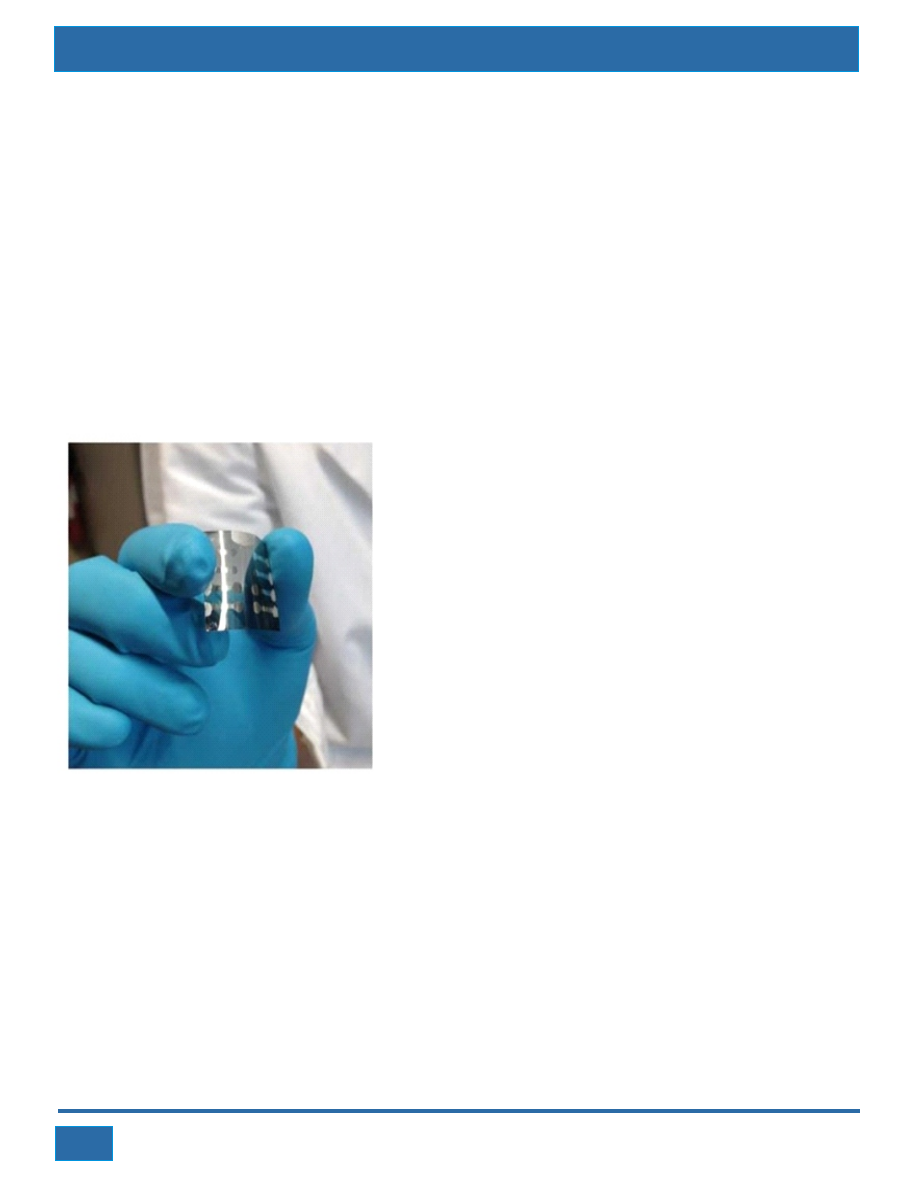
Transparent conductive films are now an integral part of our everyday lives. Whether in smartphones, tablets, laptops, flat
screens or (on a larger scale) in solar cells. Yet they are expensive and complex to manufacture. Now, researchers at Empa (
have succeeded in developing a method of producing such TCO
films, as they are known, that is not only cheaper, but also simpler and more environmentally friendly.
It is a requirement of the touchscreens for all our everyday gadgets that they are transparent and at the same time electrically
conductive. Solar cells are also unable to operate without such a film, which allows sunlight to pass through it, but can also
conduct the current generated. Conventional "transparent conductive oxide" (TCO) films consist of a mixture of indium and tin
oxide. Indium in very much in demand in the electronics industry, but is rare, and therefore expensive. A cheaper option (at least
in terms of the materials used) employs zinc oxide mixed with
aluminium, which is usually applied to the substrate in a high vacuum
by means of plasma sputtering. However, the manufacturing process is
complex, making it similarly expensive. In addition, it is energy-
intensive and therefore not ideal from an ecological perspective. Empa
researchers at the Laboratory for Thin Films and Photovoltaics have
now developed a water-based method of applying a TCO film made of
aluminium and zinc salts onto a substrate without a vacuum.
The Empa team, is now working to further improve the AZO films. In terms of electrical conductivity and transparency, they can
already compete with indium-containing TCO films, but some optimisation is still required with regard to their use in solar cells.
The researchers want to reduce the TCO film thickness from one to two microns to just a few hundred nanometres. This would
allow the AZO films to be used in flexible solar cells, further reducing the amount of material used. The team is also currently
working with another Empa research group on the indium-free production of organic solar cells, which would make the process
cheaper and more sustainable.
Swiss
Federal Laboratories for Materials Science and Technology)
Another advantage of this new method is that during the last stage of
production, in which the TCO film is "cured," the substrate does not
have to be heated to 400 to 600 degrees as was previously the case, but
only to 90 degrees. "This means that the method is not only cheaper and
more environmentally friendly, but also requires less energy and it is
even possible to use more heat-sensitive substrates, such as flexible
plastics. The biggest difference, however, lies in the principle behind the
manufacturing process. Whereas with the sputtering method, the TCO
film is deposited onto the substrate in a high vacuum using a high-energy
plasma, with the Empa method, this occurs through a type of molecular
self-organisation. Thus, the TCO film grows by itself with no
subsequent high-temperature thermal treatment. A short irradiation process with a UV lamp is sufficient to produce excellent
conductivity. Yet here too, a problem had to be overcome: aluminium zinc oxide (AZO) prefers to grow tapering upwards like
stalagmites in a limestone cave. For optimum conductivity, however, there must be no gaps between the "pillars." The simple
solution devised by the Empa team was to use a "molecular lid" during the crystal growing process. Thus, the material can only
grow to a limited height and instead grows widthways, resulting in a compact film which is transparent and has optimum
conductivity
14
Technology Roundup
Multilayer, Microscale Solar Cells Enable Ultrahigh Efficiency Power Generation
Www.sciencedaily.com
Researchers at the University of Illinois at Urbana-Champaign use a printing process to assemble tiny cells into multilayer
stacks for extraordinary levels of photovoltaic conversion efficiency. As an energy source, the Sun has always been a
dependable provider. Although it freely shines on everyone, the ability to capture and convert the Sun's abundant energy is
anything but free. However, new technologies aimed at achieving "full spectrum" operation in utility-scale photovoltaics may
soon make solar energy a viable option. A few simple ideas in
materials science and device assembly allow o bypass many of the
limitations of traditional photovoltaic technologies. As a result of
these new efficiencies, external industry experts project solar energy
electricity generation costs that can reach, without subsidies, levels
that are lower than coal, natural gas, and nuclear.
A printing approach, developed by the researchers at Illinois, allows
manipulation of ultrathin, small semiconductor elements that can be
stacked on top of one another to yield an unusual type of solar cell
capable of operating across the entire solar spectrum at exceptionally
high efficiency. The strategy involves high-speed, printing-based
manipulation of thin, microscale solar cells and new interface
materials to bond them into multilayer stacks. Quadruple-junction,
four-terminal solar cells that can build in this way have individually measured efficiencies of 43.9 percent. This is a high-
throughput; parallel assembly process that allows for simultaneous formation of arrays of stacked multi-junction cells in a
fully automated step-and-repeat mode with high yields greater than 95 percent and accurate overlay registration.
A newly developed interfacial material for these stacks enables ideal optical, electrical, and thermal properties. Printing-based
assembly of quadruple-junction four-terminal microscale solar cells allows realization of extremely high-efficiency modules,
the project involved a collaborative team of researchers at the University of Illinois and the photovoltaic companies Semprius
and Solar Junction. According to the group's paper, the module's top cell consists of a three-junction (3J) microcell with its own
anti-reflective coating to ensure efficient transmission of light to the uppermost layers. The bottom cell uses diffused junction
germanium (Ge) architecture. In a stacked 3J/Ge assembly, the top 3J cell captures light with wavelengths between 300 nm and
1,300 nm. Wavelengths from 1,300 nm to 1,700 nm pass through to the bottom Ge cell with minimal interface reflections, due
to the use of a thin layer of a unique type of chalcogenide glass.
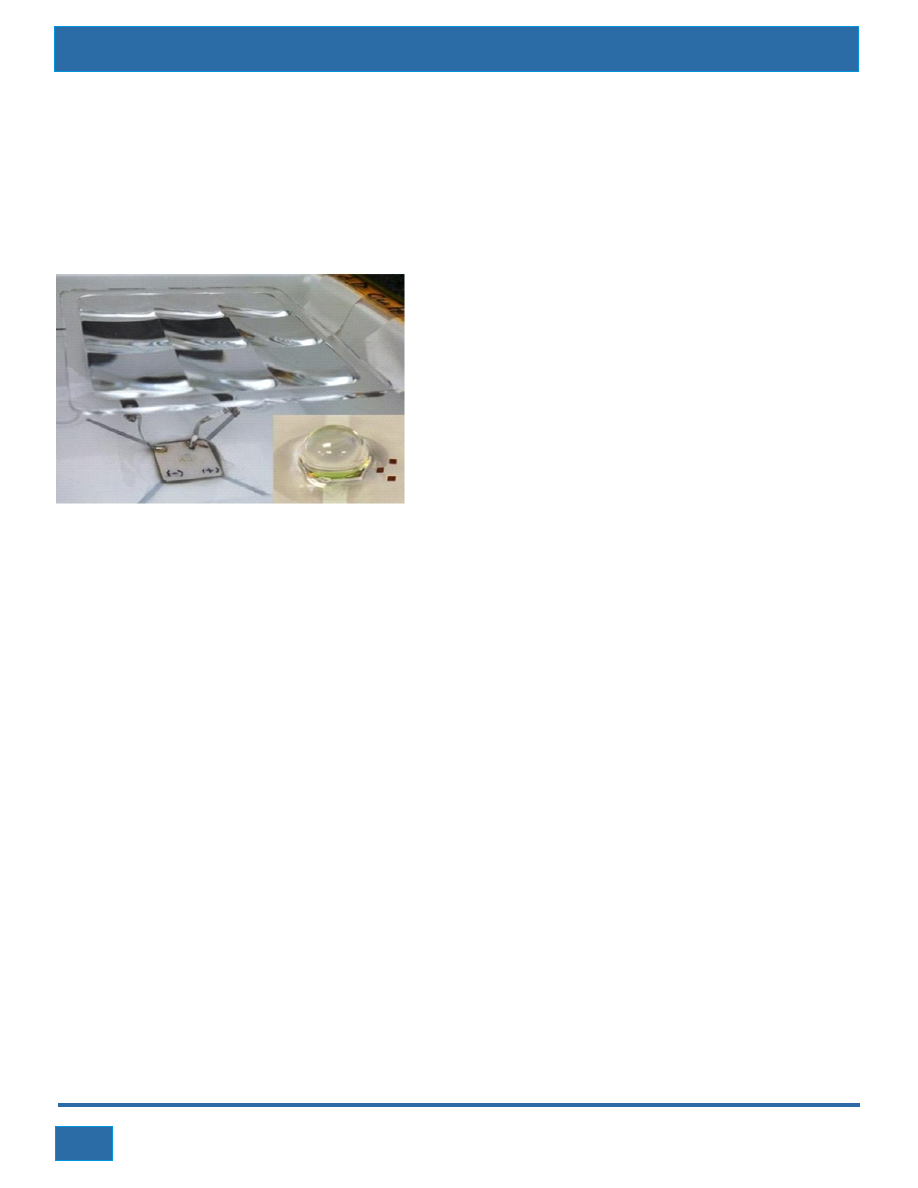
The researchers integrated these microscale, multijunction cells into Semprius' dual-stage optics consisting of a molded
primary lens and a secondary, miniature ball lens to tightly focus incident sunlight by more than one thousand times. Advanced
packaging techniques and electrical matching networks yield fully integrated modules with efficiencies of 36.5 percent
evaluated under practical conditions significantly better than any other available technology. This is very nice work. The
results are impressive, and the schemes appear to provide a route to ultra-high efficiency photovoltaics, with strong potential
for utility-scale power generation.
Technology Roundup
15

Technology Roundup
16
Forthcoming Tech Events
National
www.cieem.org
International
www.conferencealerts.com
South Asian International Conference
www.comsats.edu.pk
Conference on Industrial Engineering and Engineering
International Conference on Space (ICS-2014)
.
The Inter-Islamic
Network on Space Science & Technology (ISNET)
www.friendsmania.net
TCSSE International Conference of Science and Technology
2014 Pacific Operational Science and Technology Conference
www.ndia.org/meetings
2014 International Conference on Computational Science and
Technology (ICCST)
www.ieee.org
11-13 August, 2014
Islamabad, Pakistan
22- 23 August, 2014
Faisalabad, Pakistan.
8-10 September, 2014
Islamabad, Pakistan
Conference
11-12 August, 2014
New York, United States of America
26-29, August 2014
Hilton Hawaiian Village
27-29 August, 2014
Technology Roundup
Tech & Trade Offers
About PASTIC
PASTIC serves as a gateway for
Scientific & Technological
Information for R&D by
catering to the information
n e e d s o f r e s e a r c h e r s ,
entrepreneurs, industrialists,
educationists, policy makers
a n d p l a n n e r s t h r o u g h
anticipatory and responsive
information services.
T e c h n o l o g y I n f o r m a t i o n
Service Section of PASTIC
works exclusively for support
and promotion of technological
information on trade and
industry in the country.
“Technology Roundup” is a
news bulletin that provides
l a t e s t a n d i n n o v a t i v e
technology news, forthcoming
events, etc. It also promotes
products, technologies and
services globally in sectors
such as Agro-Industry, Bio-
Technology, Building Material,
B u s i n e s s , C h e m i c a l s ,
Electronics, Energy, Fisheries,
Food Processing, Machinery,
P a c k a g i n g , M i n i n g
Pharmaceuticals and Textiles.
Please give us your feedback and address queries to editor@pastic.gov.pk
17
SABAR
Roll - Shop Machinery
PROTROLLEY
To Protect Sabar Centerless grinding attach.,
It’s precision and your investment
In a busy roll-shop,
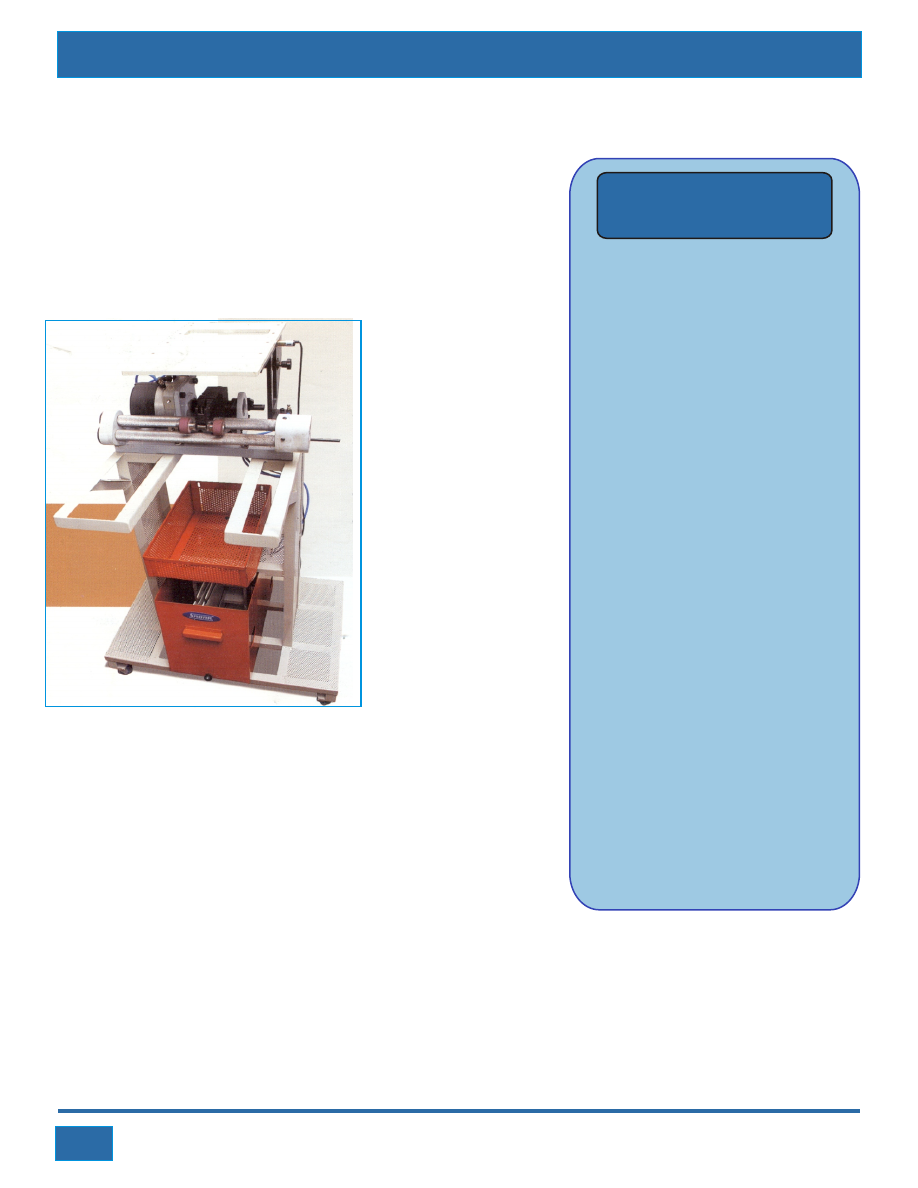
workers tend and handle important detachable attachment
and accessories, shoddily. This Pro Trolley is useful in keeping centerless
grinding attach of any model of Sabar cot-grinder, completely protected.
!
Saves Worker’s time & energy, keeping him in good spirit
!
Trolley handless Centerless attach & and all its detachable parts in a
custome-crafted space, thus maintaining its accuracy and precision
performance intact.
!
Has a provision to keep auto feeding box & basket as well.
The mobile trolley is a Scientific solution to safeguard valuable precision parts.
Company Contact:-
Sabar Machine Tools Mfg.Co Silver String Textile (PVT) Ltd.
House No 203 St # 10 Zulfiqar Lane Cavalry Ground Ext. Lahore.
Ph# 0092-42-6625270-71 Email: string@silverstringtextile.com