Patron/Executive Editor
Dr. Muhammad Akram Shaikh
Director General, PASTIC
Managing Editors
Ms. Nageen Ainuddin
Mr. M. Aqil Khan
Editor
Saima Siddique Tariq
Composer
Kashif Farooqui
T
ECHNOLOGY
R
OUNDUP
Technology Information Section (TIS)
Pakistan Scientific & Technological Information Centre
PASTIC
January-February, 2016
Vol. 8, No. 1
A NEWS BULLETIN FROM
Tech News Headlines
Tech & Trade Offers
Phone: 051-9248103-4, 9248111
Fax: 051-9248113
Email:editor@pastic.gov.pk
Web: www.pastic.gov.pk
PASTIC National Centre
Quaid-i-Azam University Campus
P.O. Box 1217, Islamabad
Editorial Board
l
l
l
l
l
l
l
Hybrid Treatment of Black Liquor to Control Scaling in Paper
Industry
Analysis of Formal Methods for Specification of E-Commerce
Applications
Feasibility of 'Printing' Replacement Tissue
Eternal 5D Data Storage could Record the History of Humankind
Carbon Films Can Give Microchips Energy Storage Capability
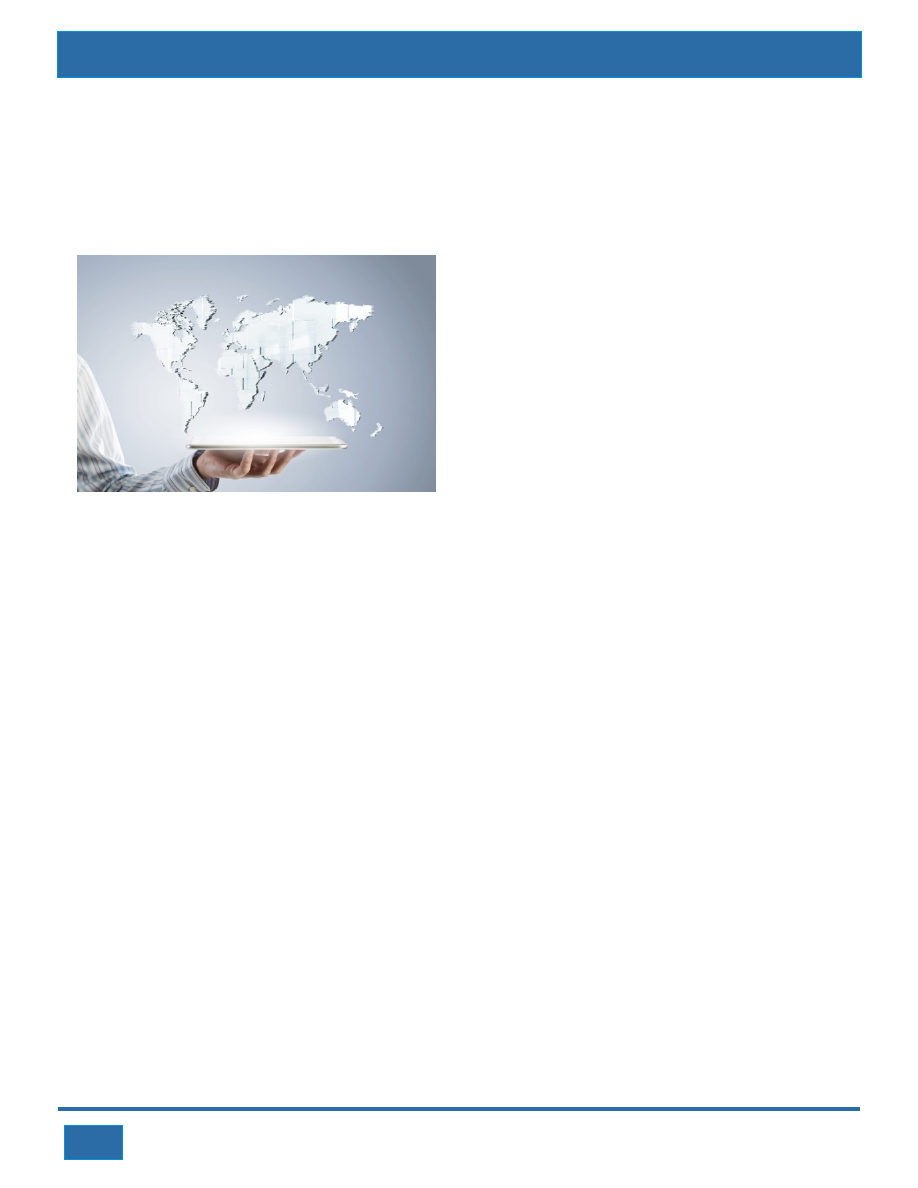
Human-Machine Super Intelligence Can Solve the World's Most
Dire Problems
Hack-Proof RFID Chips
Technology & Service
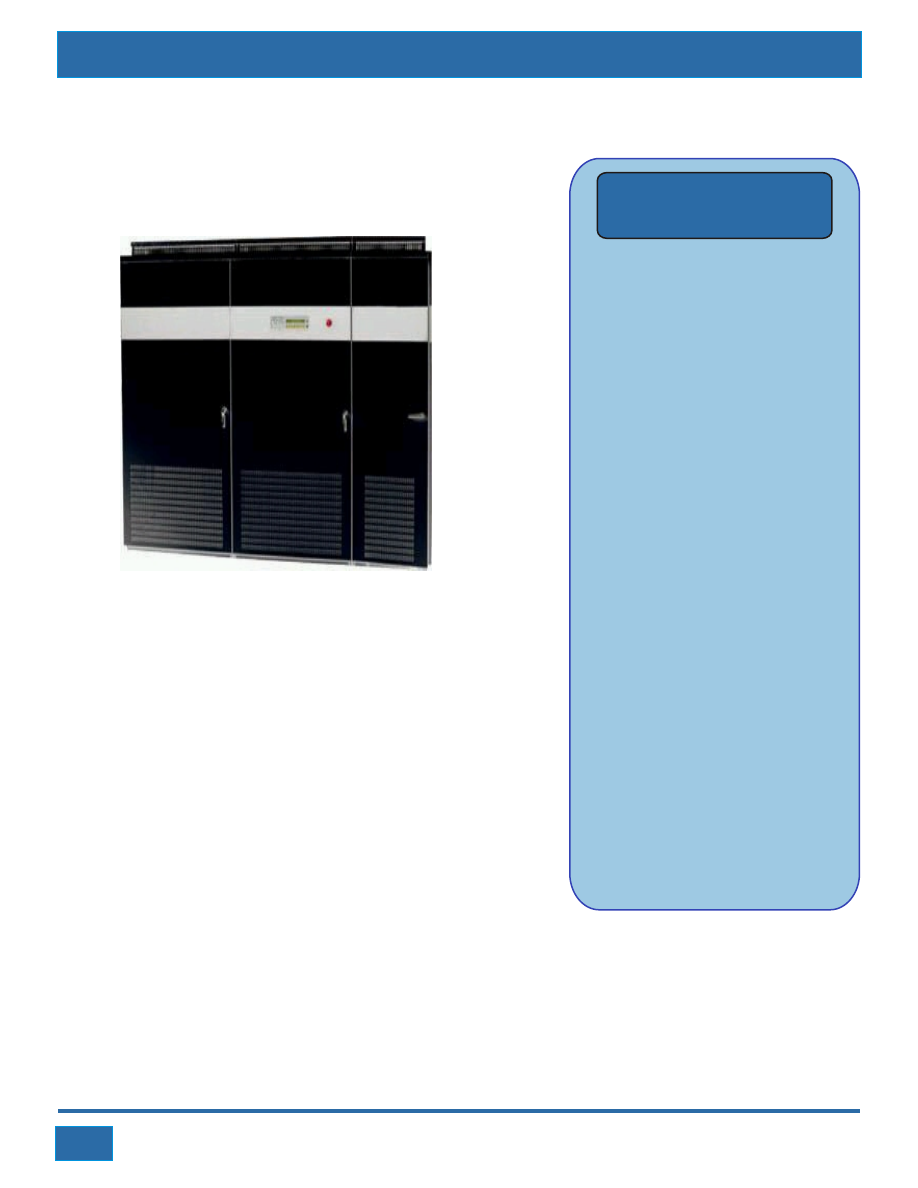
Leadership with Every UPS
Forthcoming Tech Events
l
NCAES 2016: 1st National Conference on Agricultural Engineering
and Sciences
l 28th International Conference on Science, Technology, Engineering
and Management (ICSTEM)
l 14th International Exhibition for the Energy Industry
l 18th International Conference on Aerosol Science and Technology
l 22nd International Energy & Environment Fair & Conference
l The Eighth International Conference on Environmental Science and
Technology
l 9th Nano Congress for Next Generation
l 2nd Global Summuit on Electronics and Electrical Engineering

Technology Roundup
2
Indigenous
Technology
Hybrid Treatment of Black Liquor to Control Scaling in Paper Industry
Wood-based raw materials have always been favorable for pulp making purposes. Non-wood raw materials like
wheat straw, bagasse, river grass, rice straw, etc. are although abundantly available but globally their use has been
discouraged due to presence of silica. Wood is preferable due to absence of silica in it. Silica causes serious
problems in the chemical recovery process as it causes scaling of heat transfer surfaces.
The pulping of wheat straw as a raw material has always been a challenge due to its adverse environmental impacts
and inherent presence of silica. Despite the abundance and economy of using wheat and similar straws, the process
of its pulping generates wash liquid called “Black Liquor”, which is environmentally very hazardous. The best way
to treat black liquor is to process it through chemical recovery plant, which involves three stages; evaporation,
combustion and chemical conversion. Since, gradual scale formation in the tubes of liquor evaporators seriously
impedes heat transfer and creates a capacity bottleneck in the process within duration of 1 2 months. Because of
this, phenomenon all the available black liquor cannot be treated and the Chemical Oxygen Demand (COD) of
wastewater increases due to partial liquor wastage.
Therefore, evaporator required frequent cleaning that is caused by high silica and short fiber content of cellulose
material. A combination of sodium hydroxide and nitric acid is most effective with respect to scale softening and
removal. Adding to the prospect is that both chemicals are harmless to stainless steel and safety / handling aspects
are not critical as with other washing chemicals like Hydrofluoric Acid.
Courtesy:
www.uet.edu.pk
Pak. J. Engg. & Appl. Sci. 2015, Volume . 17, July (53-57)
J. R. Khan*, Shah Muhammad, Rukhsan Yasmin, Waqas Karamat Department of Chemical
Engineering, University of Engineering and Technology, Lahore Pakistan * Corresponding
Author: E-mail: drjrabbani@giki.edu.pk

Technology Roundup
3
Indigenous
Technology
Analysis of Formal Methods for Specification of E-Commerce
Applications
With the rise in Internet popularity, trend for investing in business operations has changed drastically. Now
days rather opening physical outlets, entrepreneur prefer online stores, seeking reduction in overheads. Be it
product sales or service offering, transacting over these virtual stores is now becoming a very acceptable
phenomenon, and, Electronic commerce is rapidly replacing conventional methods of doing business, while
catering to all segments of market i.e. from B2B, B2C, C2B and C2C. Collectively speaking Electronic
commerce represents the exchange of data, where the facility provides means for the financing and payment
aspects of business transactions. Investors are now considering electronic commerce as an effective and
efficient way of processing transactions within an organization, while conducting trade in one of the most
effective, cost efficient and useful way. It simplifies and eases the burdens of market entry strategy for
entrepreneurs of all scales.
E-commerce based application characteristics portray elevated dynamics while incorporating decentralized
nature. Extreme emphasis influencing structural design plus implementation, positions such applications
highly appreciated. Significant research articles reveal that, applying formal methods addressing challenges
incumbent with E-commerce based applications, contribute towards reliability and robustness obliging the
system. Anticipating and designing sturdy e-process and concurrent implementation, allows application
behavior extra strength against errors, frauds and hacking, minimizing program faults during application
operations.
Programmers find extreme difficulty guaranteeing correct processing under all circumstances, but not
impossible. Concealed flaws and errors, triggered only under unexpected and unanticipated scenarios, pilot
subtle mistakes and appalling failures. Code authors utilize various formal methods for reducing these flaws.
Mentioning prominent methods would include, ASM (Abstract State Machines), B-Method, z-Language,
UML (Unified Modelling Language) etc. This research primarily focuses different formal methods applied
while deliberating specification and verification techniques for cost effective.
Courtesy:
www.muet.edu.pk
Mehran University Research Journal of Engineering & Tech. 2016 Vol.35 (1) 19-28
SADIQ ALI KHAN*, AND HUMA JAMSHED** Assistant Professor, Department of
Computer Science, University of Karachi, Karachi. * * Lecturer, Department of
Computer Science, Shaheed Zulfiqar Ali Bhutto Institute of Science & Technology,
Karachi
4
Technology Roundup
Feasibility of 'Printing' Replacement Tissue
Regenerative medicine scientists at Wake Forest Baptist Medical City, Country have proved that by using a
sophisticated, custom-designed 3D printer, it is feasible to print living tissue structures to replace injured or
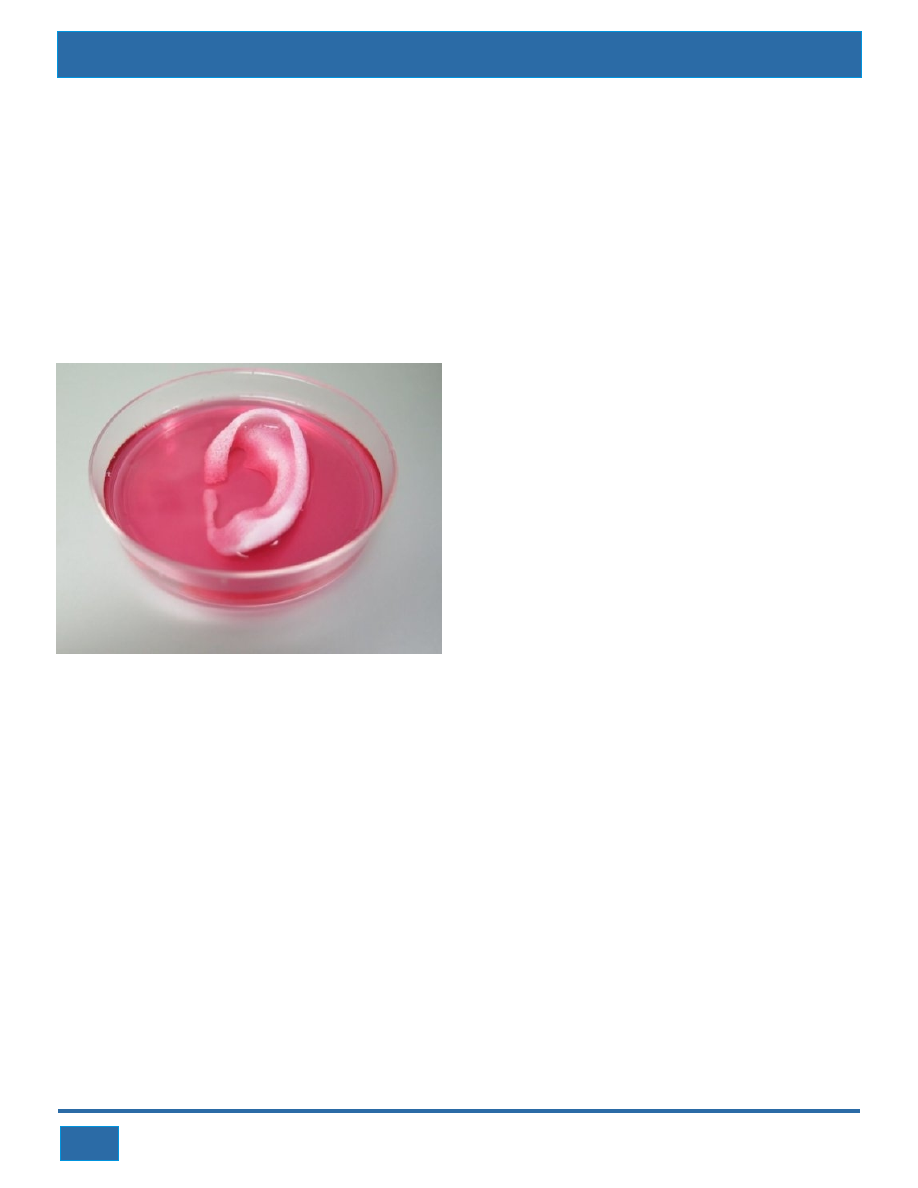
diseased tissue in patients. The scientists told that they printed ear, bone and muscle structures. When implanted in
animals, the structures matured into functional tissue and developed a system of blood vessels. Most importantly,
these early results indicate that the structures have the right size, strength and function for use in humans.
According to Anthony Atala, M.D., director of the Wake Forest Institute for Regenerative Medicine (WFIRM) and
senior author on the study, this novel tissue and organ printer is an important advance in the quest to make
replacement tissue for patients. It can fabricate stable, human-scale tissue of any shape. With further development,
this technology could potentially be used to print living tissue and organ structures for surgical implantation.
Atala's team aims to implant bioprinted muscle, cartilage
and bone in patients with funding from the Armed Forces
Institute of Regenerative Medicine, a federally funded
effort to apply regenerative medicine to battlefield
injuries, in the future. Tissue engineering is a science that
aims to grow replacement tissues and organs in the
laboratory to help solve the shortage of donated tissue
available for transplants. The precision of 3D printing
makes it a promising method for replicating the body's
complex tissues and organs. However, current printers
based on jetting, extrusion and laser-induced forward
transfer cannot produce structures with sufficient size or
strength to implant in the body. The Integrated Tissue and
Organ Printing System (ITOP), developed over a 10-year
period by scientists at the Institute for Regenerative
Medicine, overcome these challenges. The system deposits both bio-degradable, plastic-like materials to form the
tissue shape and water-based gels that contain the cells. In addition, a strong, temporary outer structure is formed.
The printing process does not harm the cells. A major challenge of tissue engineering is ensuring that implanted
structures live long enough to integrate with the body. The Wake Forest Baptist scientists addressed this in two
ways. They optimized the water-based "ink" that holds the cells so that it promotes cell health and growth and they
printed a lattice of micro-channels throughout the structures. These channels allow nutrients and oxygen from the
body to diffuse into the structures and keep them live while they develop a system of blood vessels.
It has been previously shown that tissue structures without ready-made blood vessels must be smaller than 200
microns (0.007 inches) for cells to survive. In these studies, a baby-sized ear structure (1.5 inches) survived and
showed signs of vascularization at one and two months after implantation. The results indicate that the bio-ink
combination used, combined with the micro-channels, provides the right environment to keep the cells alive and to
support cell and tissue growth. Another advantage of the ITOP system is its ability to use data from CT and MRI
scans to tailor-make tissue for patients. For a patient missing an ear, for example, the system could print a matching
structure. Several proof-of-concept experiments demonstrated the capabilities of ITOP. To show that ITOP can
generate complex 3D structures, printed, human-sized external ears were implanted under the skin of mice. Two
months later, the shape of the implanted ear was well-maintained and cartilage tissue and blood vessels had
formed. To demonstrate the ITOP can generate organized soft tissue structures, printed muscle tissue was
implanted in rats. After two weeks, tests confirmed that the muscle was robust enough to maintain its structural
characteristics, become vascularized and induce nerve formation. And, to show that construction of a human-sized
3
5
Technology Roundup
bone structure, jaw bone fragments were printed using human stem cells. The fragments were the size and shape
needed for facial reconstruction in humans. To study the maturation of bioprinted bone in the body, printed
segments of skull bone were implanted in rats. After five months, the bioprinted structures had formed
vascularized bone tissue. Ongoing studies will measure longer-term outcomes.
Scientists at the University of Southampton have made a major step forward in the development of digital data
storage that is capable of surviving for billions of years. Using nanostructured glass, scientists have developed
the recording and retrieval processes of five dimensional (5D) digital data by femtosecond laser writing. The
storage allows unprecedented properties including 360 TB/disc data capacity, thermal stability up to 1,000°C
and virtually unlimited lifetime at room temperature (13.8 billion years at 190°C) opening a new era of eternal
data archiving. As a very stable and safe form of
portable memory, the technology could be highly
useful for organisations with big archives, such as
national archives, museums and libraries, to preserve
their information and records. The technology was
first experimentally demonstrated in 2013 when a 300
kb digital copy of a text file was successfully recorded
in 5D.
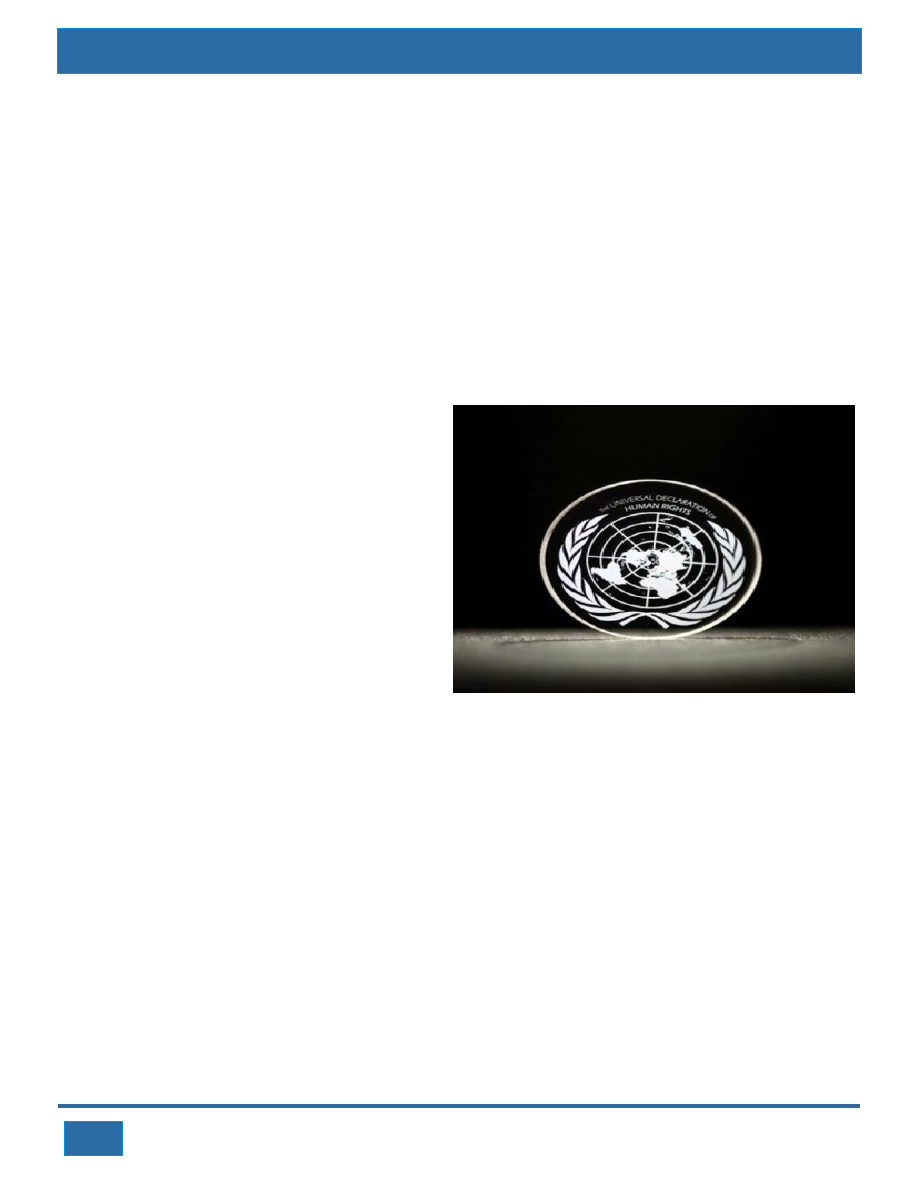
Now, major documents from human history such as
Universal Declaration of Human Rights (UDHR),
Newton's Opticks, Magna Carta and Kings James
Bible, have been saved as digital copies that could
survive the human race. A copy of the UDHR encoded
to 5D data storage was recently presented to UNESCO
by the ORC at the International Year of Light (IYL)
closing ceremony in Mexico. The documents were recorded using ultrafast laser, producing extremely short and
intense pulses of light. The file is written in three layers of nanostructured dots separated by five micrometres
(one millionth of a metre). The self-assembled nanostructures change the way light travels through glass,
modifying polarisation of light that can then be read by combination of optical microscope and a polariser,
similar to that found in Polaroid sunglasses.
Coined as the 'Superman memory crystal', as the glass memory has been compared to the memory crystals used
in the Superman films, the data is recorded via self-assembled nanostructures created in fused quartz. The
information encoding is realised in five dimensions: the size and orientation in addition to the three dimensional
position of these nanostructures. According to Professor Peter Kazansky, from the ORC, It is thrilling to think
that scientist have created the technology to preserve documents and information and store it in space for future
generations. This technology can secure the last evidence of our civilisation: all we've learnt will not be
forgotten. The team is now looking for industry partners to further develop and commercialise this ground-
breaking new technology.
www.wfubmc.edu
Eternal 5D Data Storage could Record the History of Humankind
www.southampton.ac.uk
6
Technology Roundup
After more than half a decade of speculation, fabrication, modeling and testing, an international team of
researchers led by Drexel University's Dr. Yury Gogotsi and Dr. Patrice Simon, of Paul Sabatier University in
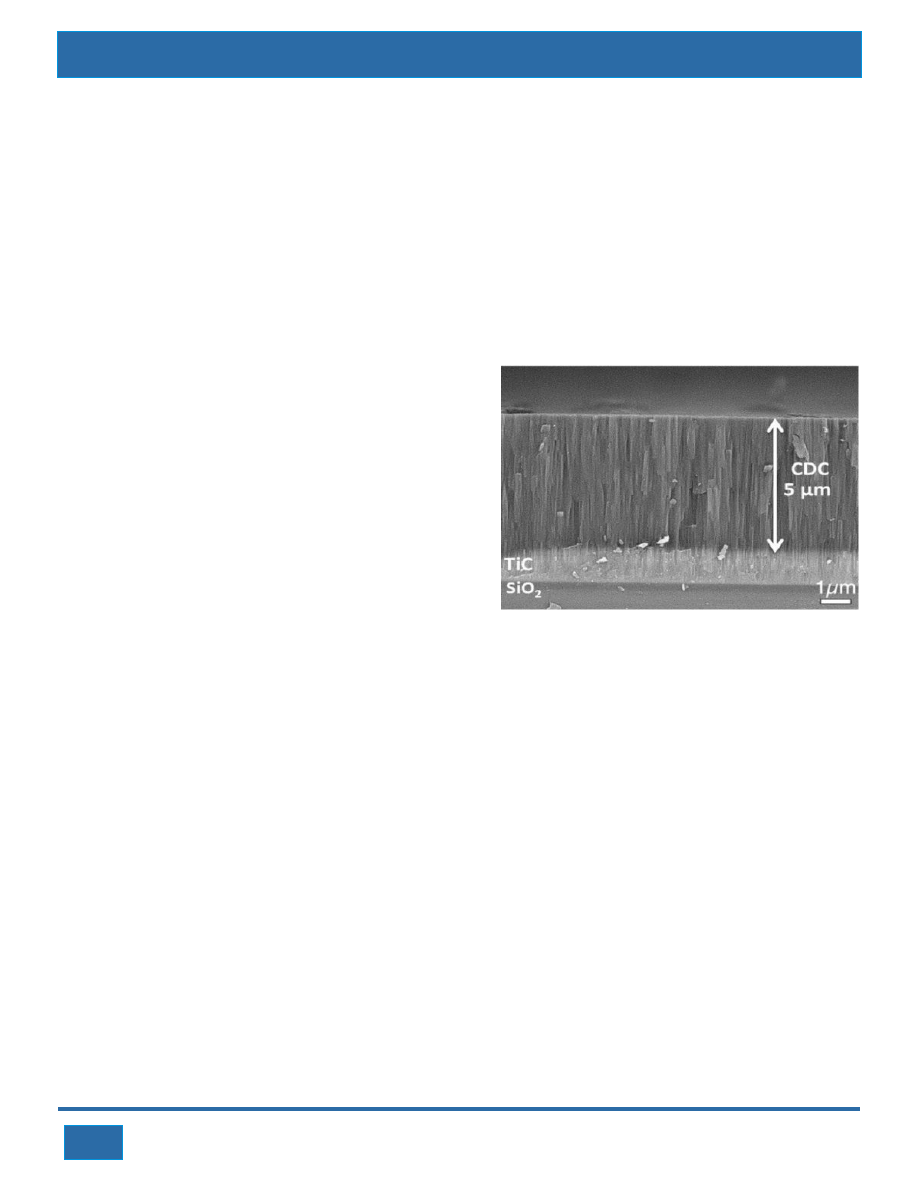
Toulouse, France, have confirmed that the process for making carbon films and micro-supercapacitors will allow
microchips and their power sources to become one and the same. The discovery reported in the Feb. 12 edition of
the journal Science, is the culmination of years of collaborative research by the team who initially created the
carbide-derived carbon film material for microsupercapacitors. Since then, their goal has been to show that it is
possible to physically couple the processing center of an electronic device, the microchip, with its energy source
This has taken quite some time, but researchers set a lofty goal of not just making an energy storage device as
small as a microchip but actually making an energy storage
device that is part of the microchip and to do it in a way that
is easily integrated into current silicon chip manufacturing
processes. It confirms a belief that the group has held since
the materials were first fabricated -- that these films are
versatile enough to be seamlessly integrated into the
systems that power silicon-based microchips that run
devices from laptop to smart watch. The challenges that the
group faced in the development of the material were about
its compatibility, its mechanical stability and durability for
use on flexible substrates. With its solutions, it opens up a
myriad of possibilities for carbon films to work their way
into silicon chips including building microscale batteries on
a chip. According to the place where most people will
eventually notice the impact of this development is in the size of their personal electronic devices, their smart
phones, fitbits89 and watches. Even more importantly, on-chip energy storage is needed to create the Internet of
Things the network of all kinds of physical objects ranging from vehicles and buildings to our clothes embedded
with electronics, sensors, and network connectivity, which enables these objects to collect and exchange data.
This work is an important step toward that future.
The researchers' method for depositing carbon onto a silicon wafer is consistent with microchip fabrication
procedures currently in use, thus easing the challenges of integration of energy storage devices into electronic
device architecture. As part of the research, the group showed how it could deposit the carbon films on silicon
wafers in a variety of shapes and configurations to create dozens of supercapacitors on a single silicon wafer.
Supercapacitors have been desirable devices to use in microelectronics because they can store a great deal of
energy for their size, they can be charged and discharged their energy extremely quickly and their lifespan is
nearly limitless. With this discovery, the path is clear for microchip manufacturers to take a big step forward in the
way they design their products. Beyond the energy storage applications, these carbon films offer good prospects
for the development of elastic coatings with a low coefficient of friction that can be used in lubricant-free sliding
parts, such as dynamic seals. They may also be used in production of membranes for gas filtration, water
desalination or purification, because their pore size is in the range of single molecules. The carbon films produced
by this method are quite versatile and may find applications in many areas.
Carbon Films Can Give Microchips Energy Storage Capability
www.drexel.edu
7
Technology Roundup
Human-Machine Super Intelligence Can Solve the World's Most Dire Problems
www.humancomputation.org
Hack-Proof RFID Chips
According to researchers from the Human Computation Institute (HCI) and Cornell University the combination of
human and computer intelligence might be just what is needed to solve the "wicked" problems of the world, such as
climate change and geopolitical conflict. In an article published in the journal Science, the authors present a new vision of
human computation (the science of crowd-powered systems), which pushes beyond traditional limits, and takes on hard
problems that until recently have remained out of reach.
Humans surpass machines at many things, ranging from simple
pattern recognition to creative abstraction. With the help of
computers, these cognitive abilities can be effectively
combined into multidimensional collaborative networks that
achieve what traditional problem-solving cannot. Most of
today's human computation systems rely on sending bite-sized
'micro-tasks' to many individuals and then stitching together
the results. For example, 165,000 volunteers in EyeWire have
analyzed thousands of images online to help build the world's
most complete map of human retinal neurons. This micro-
tasking approach alone cannot address the tough challenges of
present day. A radically new approach is needed to solve
"wicked problems" those that involve many interacting systems
that are constantly changing, and whose solutions have unforeseen consequences (e.g., corruption resulting from
financial aid given in response to a natural disaster). New human computation technologies can help recent techniques
provide real-time access to crowd-based inputs, where individual contributions can be processed by a computer and sent
to the next person for improvement or analysis of a different kind. This enables the construction of more flexible
collaborative environments that can better address the most challenging issues.
This idea is already taking shape in several human computation projects, including YardMap.org, which was launched by
the Cornell in 2012 to map global conservation efforts one parcel at a time. According to Janis Dickinson, Professor and
Director of Citizen Science at the Cornell Lab of Ornithology by sharing and observing practices in a map-based social
network, people can begin to relate their individual efforts to the global conservation potential of living and working
landscapes. Yard Map allows participants to interact and build on each other's work, something that crowd sourcing alone
cannot achieve. The project serves as an important model for how such bottom-up, socially networked systems can bring
about scalable changes how we manage residential landscapes.
HCI has recently set out to use crowd-power to accelerate Cornell-based Alzheimer's disease research. WeCureAlz.com
combines two successful micro-tasking systems into an interactive analytic pipeline that builds blood flow models of
mouse brains. The stardust@home system, which was used to search for comet dust in one million images of aerogel, is
being adapted to identify stalled blood vessels, which will then be pinpointed in the brain by a modified version of the
EyeWire system. "By enabling members of the general public to play some simple online game, researchers expect to
reduce the time to treatment discovery from decades to just a few yearsi. This gives an opportunity for anyone, including
the tech-savvy generation of caregivers and early stage AD patients, to take the matter into their own hands.
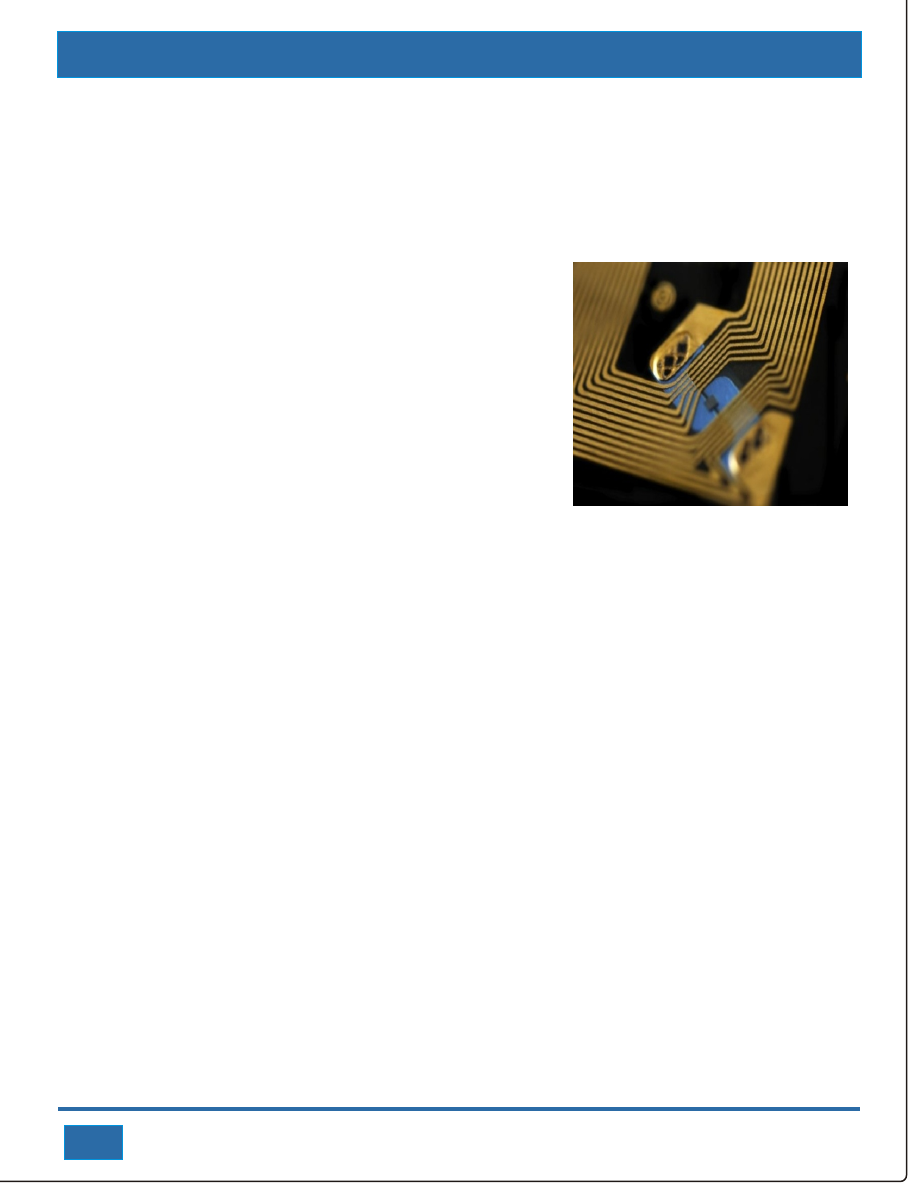
Researchers at MIT and Texas Instruments have developed a new type of radio frequency identification (RFID) chip that
is virtually impossible to hack. If such chips are widely adopted, it could mean that an identity thief cannot steal your
7
Technology Roundup
78
credit card number or key card information by sitting next to you at a café, and high-tech burglars couldn't swipe
expensive goods from a warehouse and replace them with dummy tags. Texas Instruments has built several prototypes of
the new chip, to the researchers' specifications, and in experiments the chips have behaved as expected. The researchers
presented their research at the International Solid-State Circuits Conference, in San Francisco. According to Chiraag
Juvekar, a graduate student in electrical engineering at MIT and first author on the new paper, the chip is designed to
prevent so-called side-channel attacks. Side-channel attacks analyze patterns of memory access or fluctuations in power
usage when a device is performing a cryptographic operation, in order to
extract its cryptographic key.
The idea in a side-channel attack is that a given execution of the
cryptographic algorithm only leaks a slight amount of information, So the
need is to execute the cryptographic algorithm with the same secret many,
many times to get enough leakage to extract a complete secret. One way to
thwart side-channel attacks is to regularly change secret keys. In that case,
the RFID chip would run a random-number generator that would spit out a
new secret key after each transaction. A central server would run the same
generator, and every time an RFID scanner queried the tag, it would relay
the results to the server, to see if the current key was valid. Such a system
would still, however, be vulnerable to a "power glitch" attack, in which the
RFID chip's power would be repeatedly cut right before it changed its secret
key. Two design innovations allow the MIT researchers' chip to thwart
power-glitch attacks: One is an on-chip power supply whose connection to the chip circuitry would be virtually
impossible to cut, and the other is a set of "nonvolatile" memory cells that can store whatever data the chip is working on
when it begins to lose power.
For both of these features, the researchers Juvekar; Anantha Chandrakasan, who is Juvekar's advisor and the Vannevar
Bush Professor of Electrical Engineering and Computer Science; Hyung-Min Lee, who was a postdoc in Chandrakasan's
group when the work was done and is now at IBM; and TI's Joyce Kwong, who did her master's degree and PhD with
Chandrakasan use a special type of material known as a ferroelectric crystals. As a crystal, a ferroelectric material
consists of molecules arranged into a regular three-dimensional lattice. In every cell of the lattice, positive and negative
charges naturally separate, producing electrical polarization. The application of an electric field, however, can align the
cells' polarization in either of two directions, which can represent the two possible values of a bit of information. When
the electric field is removed, the cells maintain their polarization. Texas Instruments and other chip manufacturers have
been using ferroelectric materials to produce nonvolatile memory, or computer memory that retains data when it's
powered off. Complementary capacitors. A ferroelectric crystal can also be thought of as a capacitor, an electrical
component that separates charges and is characterized by the voltage between its negative and positive poles. Texas
Instruments' manufacturing process can produce ferroelectric cells with either of two voltages: 1.5 volts or 3.3 volts. The
researchers' new chip uses a bank of 3.3-volt capacitors as an on-chip energy source. But it also features 571 1.5-volt cells
that are discretely integrated into the chip's circuitry. When the chip's power source, the external scanner, is removed, the
chip taps the 3.3-volt capacitors and completes as many operations as it can, then stores the data it is working on in the
1.5-volt cells. When power returns, before doing anything else the chip recharges the 3.3-volt capacitors, so that if it's
interrupted again, it will have enough power to store data. Then it resumes its previous computation. If that computation
was an update of the secret key, it will complete the update before responding to a query from the scanner. Power-glitch
attacks will not work. Because the chip has to charge capacitors and complete computations every time it powers on, it is
somewhat slower than conventional RFID chips. But in tests, the researchers found that they could get readouts from
their chips at a rate of 30 per second, which should be more than fast enough for most RFID applications. In the age of
ubiquitous connectivity, security is one of the paramount challenges; this research is an important step toward the goal of
a robust, low-cost, low-power authentication protocol for the industrial Internet.
www.web.mit.edu

Technology Roundup
Technology Roundup
National
International Events
NCAES 2016: 1st National Conference on Agricultural Engineering and Sciences
28th International Conference on Science, Technology, Engineering and Management
(ICSTEM)
14th International Exhibition for the Energy Industry
18th International Conference on Aerosol Science and Technology
nd
22 International Energy & Environment Fair & Conference
The Eighth International Conference on Environmental Science and Technology
9th Nano Congress for Next Generation
2nd Global Summuit on Electronics and Electrical Engineering
4-5 April 2016
Multan
www.ncaes2016.com
27 April 2016
Rawalpindi
www.researchworld.org
19-21, May Lahore
www.pogeepakistan.com
14-15, April, 2016
Lisbon, Portugal
www.waset.org
27-29, April,2016
Istunbul, Turkey
www.icci.com.tr
June 6-10, 2016
Houstan Texas, USA
www.aasci.org
August 1-2, 2016
Manchaster, United Kingdom
www.nanocongress.conferenceseries.com
8-9, August, 2016
Las Vegas, USA
www.electricalengineering.global-Summit.com
Forthcoming Tech Events
9
Tech & Trade Offers
About PASTIC
PASTIC serves as a gateway for
Scientific & Technological
Information for R&D by
catering to the information
n e e d s o f r e s e a r c h e r s ,
entrepreneurs, industrialists,
educationists, policy makers
a n d p l a n n e r s t h r o u g h
anticipatory and responsive
information services.
T e c h n o l o g y I n f o r m a t i o n
Service Section of PASTIC
works exclusively for support
and promotion of technological
information on trade and
industry in the country.
“Technology Roundup” is a
news bulletin that provides
l a t e s t a n d i n n o v a t i v e
technology news, forthcoming
events, etc. It also promotes
products, technologies and
services globally in sectors
such as Agro-Industry, Bio-
Technology, Building Material,
B u s i n e s s , C h e m i c a l s ,
Electronics, Energy, Fisheries,
Food Processing, Machinery,
P a c k a g i n g , M i n i n g
Pharmaceuticals and Textiles.
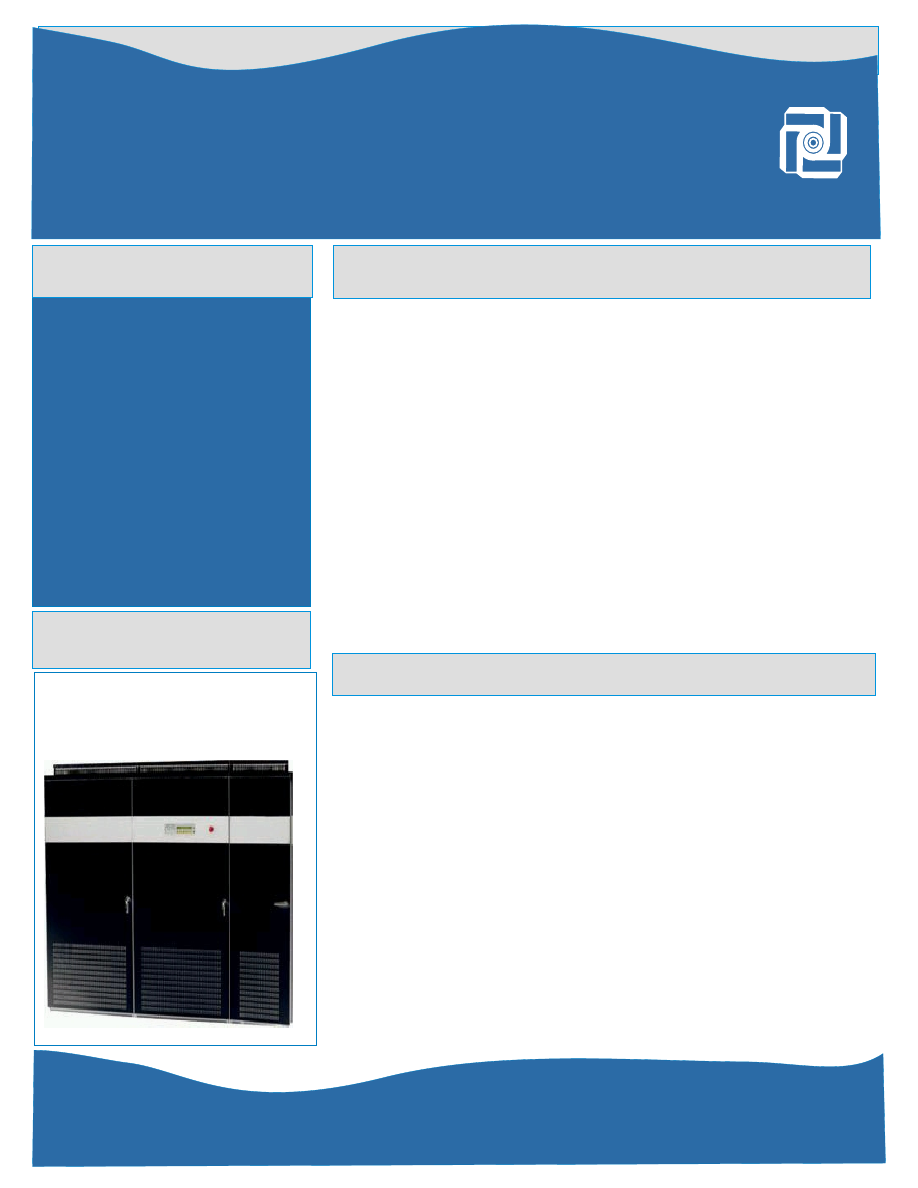
Technology & Service Leadership Delivered with
Every UPS
!
Uninterruptible Power Supply Range 600Va to Infinity.
!
AC/DC Distribution systems.
!
Rectifiers and chargers.
!
Voltage Regulators, Static & Servo Controlled Type.
!
Transformers, Electric Boards.
!
Telecommunication Applications.
!
Static Transfer Switches.
!
Batteries.
!
System Engineering & Designing. After Sale Service & Support.
Company Contact:-
MAB INTERFAE PVT LTD.
Head Office
MAB House 24-C South Park Avenue,
Phase-II Extn. DHA Karachi
Tel: 92-21-35895295-98,
mba@mabgrp.com, www.mabgrp.com
Technology Roundup
Please give us your feedback and address queries to editorpastic@gmail.com
10