
Patron/Executive Editor
Dr. Muhammad Akram Shaikh
Director General, PASTIC
Managing Editors
Ms. Nageen Ainuddin
Mr. M. Aqil Khan
Editor
Dr. Saima Tanveer
Composer
Kashif Farooqui
T
ECHNOLOGY
R
OUNDUP
Technology Information Section (TIS)
Pakistan Scientific & Technological Information Centre
PASTIC
January-Feburary, 2015
Vol. 7, No. 1
A NEWS BULLETIN FROM
Tech News Headlines
Tech & Trade Offers
Phone: 051-9248103-4, 9248111
Fax: 051-9248113
Email:editor@pastic.gov.pk
Web: www.pastic.gov.pk
PASTIC National Centre
Quaid-i-Azam University Campus
P.O. Box 1217, Islamabad
Editorial Board
l
Quality Assessment of Organic and Biofertilizers Developed From
Fruit And Vegetable Waste
l
A Study of Drinking Water of Industrial Area of Sheikhupura
l
Injectable 3-D Vaccines could Fight Cancer
l
l
Enabling Biocircuits: New device
l
Researchers Convert Sunlight to Electricity with over 40 Percent
Efficiency
l
Better Bomb-Sniffing Technology
Smart Windows' have Potential to Keep Heat Out and Save Energy
High Speed Flat Multi
Head Automatic
Embroidery Machine
Forthcoming Tech Events
l
l
l
l
l
th
4 Invention to Innovation Summit 2015
l Conference on Value Addition and Innovation in Textiles
(COVITEX 2015)
st
l 1 National Research Conference (Islamabad-Pakistan)
th
l 13 International Exhibition for the Energy Industry
th
4 International Conference on Mathematics & Information
Science
The International Conference on Advances in Applied Science and
Environmental Technology - ASET 2015
Energy Materials Research Conference EMR 2015
Pharmaceutics & Novel Drug Delivery Systems

Technology Roundup
2
Indigenous
Technology
Quality Assessment of Organic and Biofertilizers Developed From Fruit
And Vegetable Waste
Researchers from
e Quality Assessment of Organic and
Biofertilizers Developed From Fruit And Vegetable Waste
Pakistan faces volumes of municipal, industrial and fruit/vegetable wastes. The application of these organic wastes
to supplement plant nutrition in large amounts has its own issues. Nonetheless, the recent literature suggests that
these materials can be composted and effectively utilized as a supplement to chemical fertilizers.
Composting can be defined as the process of biological decomposition of organic substrates under controlled
conditions. The finally produced organic material can be utilized as organic fertilizers and as a carrier for bio-
fertilizers. Organic fertilizers are developed from the composted waste materials to supply essential nutrients to
plants. This technology has been emerged as a very useful practice of low-cost plant nutrition. Such specially
developed fertilizer products are very well known for their being low-cost and environment friendly. Value addition
of compost through enrichment with chemical fertilizers could lead its application at substantially lower rates and
improve nutrient use efficiency by crops.
In this study, the scientists utilized fruit and vegetable waste material to develop organic potassium (K) fertilizer
and ACC- deaminase rhizobacterial bio-fertilizers for sustainable maize production. Organic K fertilizer, with L-
tryptophan blending, was developed through mechanical composting. This organic material was also used as a
carrier to develop two different bio-fertilizer products by involving selected biotypes of Pseudomonas fluorescens.
In a series of short laboratory experiments, we assessed the quality of these newly developed fertilizer products
against raw form of organic waste. Composting of organic waste material decreased soil carbon to nutrient ratios
and increased the macro and micronutrient contents of soil. A continuous gradual release of CO2 was noted in soil
amended with organic and biofertilizers which exhibited greater stability of these fertilizer products over raw form
of organic waste. Likewise, soil aggregate stability of these fertilizer products was also higher than raw form of
organic waste. Moreover, soil retained comparatively higher moisture when amended with organic and bio-
fertilizer products as compared to raw form of organic waste. These results suggest that organic wastes should not
be used in their raw forms and must be transformed into value-added organic and bio-fertilizers for improving soil
health.
Department of Soil Science, Sindh Agriculture University, Tandojam & Institute of Soil &
Environmental Sciences, University of Agriculture Faisalabad hav
Pakistan Journal of Agriculture Engineering, Veterinary Sciences, 2014, 30 (1): 32-42
A. N. Shah, S. D. Tunio: Department of Agronomy, Sindh Agriculture University, Tandojam, Pakistan
Zia-ul-hassan (Department of Soil Science, Sindh Agriculture University, Tandojam, Pakistan) M. Arshad:
(Institute of Soil & Environmental Sciences, University of Agriculture Faisalabad, Pakistan)
Courtesy:
www.sau.edu.pk

Technology Roundup
3
Indigenous
Technology
A Study of Drinking Water of Industrial Area of Sheikhupura with
Special Concern to Arsenic, Manganese and Chromium
A team of researchers from University of Engineering & Technology Lahore, University of the Punjab,
Lahore and Bahauddin Zakariya University, Multan have carried out a collaborative study of
Drinking Water of Industrial Area of Sheikhupura with Special Concern to Arsenic, Manganese and
Chromium
Pakistan Journal Engineering & Applied Scieces, 2013, 13 (7) 118-126
Water is the most abundant compound on the earth and is essential for the survival of all living organisms.
Generally, drinking water containing different anions and heavy metals including Cd, Cr, Co, Hg, Ni, Pb, Zn
etc, has significant adverse effects on human health either through deficiency or toxicity due to excessive
heavy metals In Pakistan drinking water is continuously being deteriorated due to untreated municipal and
industrial water and drainage from agriculture effluents. The Sheikhupura Industrial Estate has been
established since 1969 with the sole objective to develop and accelerate industrial pace with the
establishment of heavy and large scale industries including paper, seed, leather, steel, stainless steel,
chemical, pharmaceutical, rice, stone and marble grinding, textile, poultry and animal feed, flour, soap and
many other industries. According to a few studies ceramics, steel, leather, textile, Pharmaceuticals, fertilizer
are few of those major industries that are reason for the water pollution.
In this study reserchers focused their attention to analyze the drinking water of industrial area of Sheikhupura
that is swarming with small and large industries. Previously no work has been reported related to this area.
Samples were collected from the twelve different sites of the mentioned area for six months at frequency of
once per fifteen days. The samples were analyzed under strict quality control conditions and ASTM
(American Standard Testing Methods) methods were employed for strictly precise and accurate results. Four
sites showed bacterial contamination, five sites indicated high level of TDS (Total Dissolved Solids) and
conductivity. Only one site indicated elevated chromium level (0.6 mg/L), two depicted increased level of
arsenic but five sites gave idea about the high level of manganese(highest average value 1.2 mg/L in the study
area.
.
Syeda Rubina Gilani: (Department of Chemistry, University of Engineering & Technology, Lahore,
Pakistan) Zaid Mahmood: (Institute of Chemistry, University of the Punjab, Lahore-Pakistan, Dept of
Botany University of the Punjab, Lahore, Pakistan) Musharaf Hussain: (Department of Chemistry,
University of Engineering & Technology, Lahore, Pakistan) Yawar Baig: (Department of Chemistry,
University of Engineering & Technology, Lahore, Pakistan) Zaigham Abbas: (Central Laboratory for
Environmental Analysis and Networking, Pak-EPA, Islamabad) Samana Batool: (Bahauddin Zakariya
University, Multan, Pakistan)
Courtesy:
www.pakbs.org
4
Technology Roundup
Injectable 3-D Vaccines could Fight Cancer, and Infectious Diseases
A non-surgical injection of programmable biomaterial that spontaneously assembles in vivo into a 3-D structure could fight
and even help prevent cancer and also infectious disease such as HIV, scientists have demonstrated. Tiny biodegradable
rod-like structures made from silica, known as mesoporous silica rods (MSRs), can be loaded with biological and chemical
drug components and then delivered by needle just underneath the skin, they explain
.
One of the reasons cancer is so deadly is
that it can evade attack from the body's
immune system, which allows tumors to
flourish and spread. Scientists can try to
induce the immune system, known as
immunotherapy, to go into attack mode to
fight cancer and to build long lasting
immune resistance to cancer cells.
Researchers at the Wyss Institute for
Biologically Inspired Engineering at
Harvard University and Harvard's School
of Engineering and Applied Sciences
(SEAS) show a non-surgical injection of
p r o g r a m m a b l e b i o m a t e r i a l t h a t
spontaneously assemblesin vivo into a 3D
structure could fight and even help prevent cancer and also infectious disease such as HIV.
Tiny biodegradable rod-like structures made from silica, known as mesoporous silica rods (MSRs), can be loaded with
biological and chemical drug components and then delivered by needle just underneath the skin. The rods spontaneously
assemble at the vaccination site to form a three-dimensional scaffold, like pouring a box of matchsticks into a pile on a
table. The porous spaces in the stack of MSRs are large enough to recruit and fill up with dendritic cells, which are
"surveillance" cells that monitor the body and trigger an immune response when a harmful presence is detected.
Nano-sized mesoporous silica particles have already been established as useful for manipulating individual cells from the
inside, but this is the first time that larger particles, in the micron-sized range, are used to create a 3D in vivo scaffold that
can recruit and attract tens of millions of immune cells. Synthesized in the lab, the MSRs are built with small holes, known
as nanopores, inside. The nanopores can be filled with specific cytokines, oligonucleotides, large protein antigens, or any
variety of drugs of interest to allow a vast number of possible combinations to treat a range of infections.
The researchers are focusing on developing a cancer vaccine, in the future they could be able to manipulate which type of
dendritic cells or other types of immune cells are recruited to the 3D scaffold by using different kinds of cytokines released
from the MSRs. By tuning the surface properties and pore size of the MSRs, and therefore controlling the introduction and
release of various proteins and drugs, they can manipulate the immune system to treat multiple diseases. Once the 3D
scaffold has recruited dendritic cells from the body, the drugs contained in the MSRs
are released, which trips their
"surveillance" trigger and initiates an immune response. The activated dendritic cells leave the scaffold and travel to the
lymph nodes, where they raise alarm and direct the body's immune system to attack specific cells, such as cancerous cells.
At the site of the injection, the MSRs biodegrade and dissolve naturally within a few months.
So far, the researchers have only tested the 3D vaccine in mice, but have found that it is highly effective. An experiment
showed that the injectable 3D scaffold recruited and attracted millions of dendritic cells in a host mouse, before dispersing
the cells to the lymph nodes and triggering a powerful immune response.
5
Technology Roundup
The vaccines are easily and rapidly manufactured so that they could potentially be widely available very quickly in the
face of an emerging infectious disease. "Researchers anticipate 3D vaccines could be broadly useful for many settings,
and their injectable nature would also make them easy to administer both inside and outside a clinic,"
Since the vaccine works by triggering an immune response, the method could even be used preventatively by building the
body's immune resistance prior to infection. Injectable immunotherapies that use programmable biomaterials as a
powerful vehicle to deliver targeted treatment and preventative care could help fight a whole range of deadly infections,
including common worldwide killers like HIV and Ebola, as well as cancer. These injectable 3D vaccines offer a
minimally invasive and scalable way to deliver therapies that work by mimicking the body's own powerful immune-
response in diseases that have previously been able to skirt immune detection.
The researchers are pursuing smart windows that can respond
to a variety of cues, including electricity, gas, light and heat.
Those that are sensitive to heat are particularly useful for
cutting down on energy use when it gets hot outside, the
windows turn an opaque white to block unwanted heat from
entering a building while still allowing light to pass.
They become transparent again as temperatures drop. But
current methods for making these windows use jelly-like
materials called hydrogels that swell in the heat, which hurts performance. Guo's and Gao's teams wanted to address this
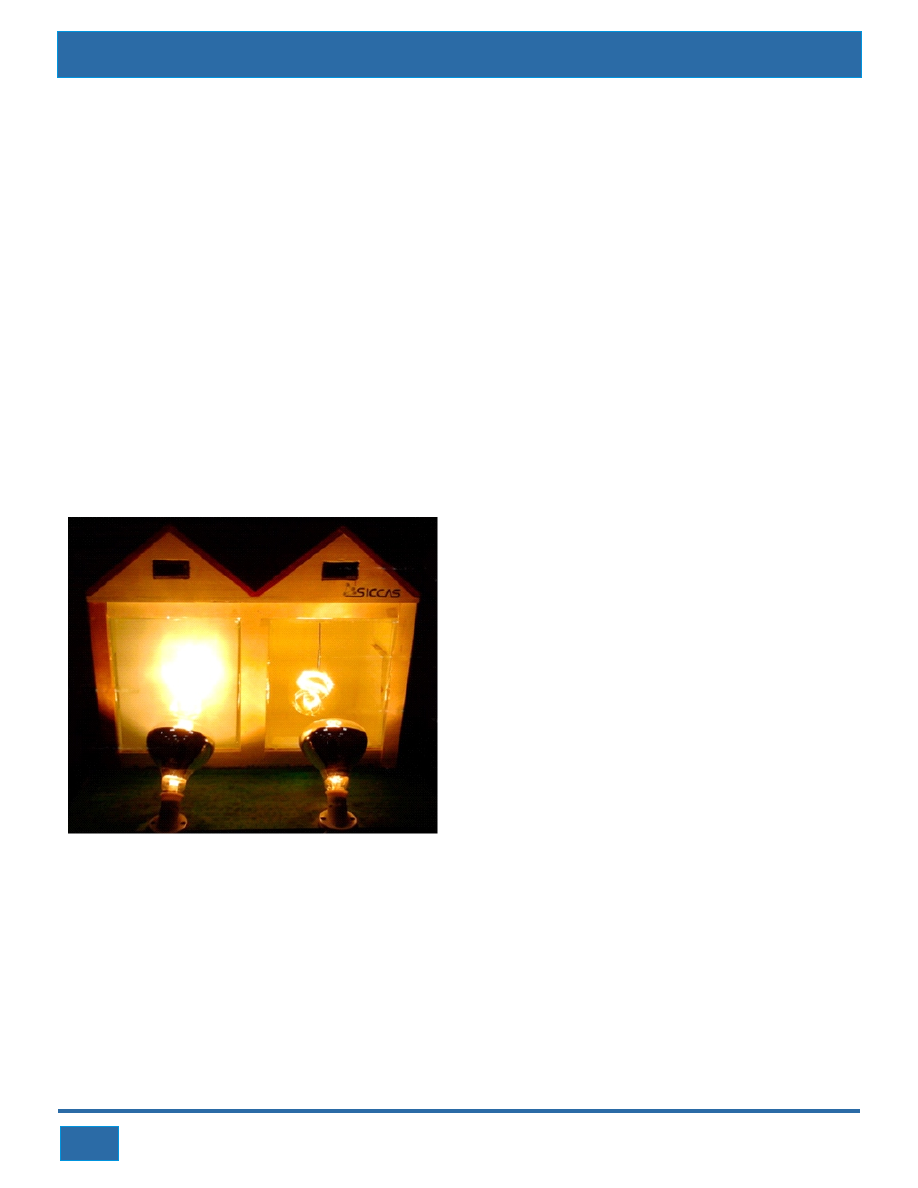
flaw. Building on previous advances, the researchers made a version of the hydrogels, but in the form of microscopic soft
beads suspended in a liquid. They sandwiched the solution between two pieces of glass and tested it using a model house.
When they shined a lamp mimicking solar light on the smart window, it turned opaque and kept the inside of the house
cool. The microgel, however, didn't swell as much as its predecessor. The researchers conclude that their new microgel is
a good candidate for use in future smart windows.
www.wyss.harvard.edu
Smart Windows' have Potential to Keep Heat Out and Save Energy
www.acs.org
Windows allow brilliant natural light to stream into homes and buildings. Along with light comes heat that, in warm
weather, we often counter with energy-consuming air
conditioning. Now scientists are developing a new kind of
'smart window' that can block out heat when the outside
temperatures rise. The advancement could one day help
consumers better conserve energy on hot days and reduce
electric bills.

3
6
Technology Roundup
Enabling Biocircuits: New Device could Make large Biological Circuits
Practical
www.tumblr.com
Researchers have made great progress in recent years in the design and creation of biological circuits systems that, like
electronic circuits, can take a number of different inputs and deliver a particular kind of output. But while individual
components of such biological circuits can have precise and predictable responses, those outcomes become less
predictable as more such elements are combined.
A team of researchers at Massachusetts Institute of Technology
has now come up with a way of greatly reducing that
unpredictability, introducing a device that could ultimately
allow such circuits to behave nearly as predictably as their
electronic counterparts. There are many potential uses for such
synthetic biological circuits and the specific one they are
working on is biosensing.The cells that can detect specific
molecules in the environment and produce a specific output in
response. Another example is cell that could detect markers
that indicate the presence of cancer cells, and then trigger the
release of molecules targeted to kill those cells.
It is important for such circuits to be able to discriminate
accurately between cancerous and noncancerous cells, so they don't unleash their killing power in the wrong places,
Weiss says. To do that, robust information-processing circuits created from biological elements within a cell become
"highly critical. The problem arises is that unlike in electronic circuits, where one component is physically connected to
the next by wires that ensure information is always flowing in a particular direction, biological circuits are made up of
components that are all floating around together in the complex fluid environment of a cell's interior. Information flow is
driven by the chemical interactions of the individual components, which ideally should affect only other specific
components. But in practice, attempts to create such biological linkages have often produced results that differed from
expectations. To address this problem, the researchers produced a device called a load driver, and its effect is similar to
that of load drivers used in electronic circuits. It provides a kind of buffer between the signal and the output, preventing
the effects of the signaling from backing up through the system and causing delays in outputs.
While this is relatively early-stage research that could take years to reach commercial application, the concept could
have a wide variety of applications, the researchers say. For example, it could lead to synthetic biological circuits that
constantly measure glucose levels in the blood of diabetic patients, automatically triggering the release of insulin when
it is needed.
In World First, Researchers Convert Sunlight to Electricity with over 40
Percent Efficiency
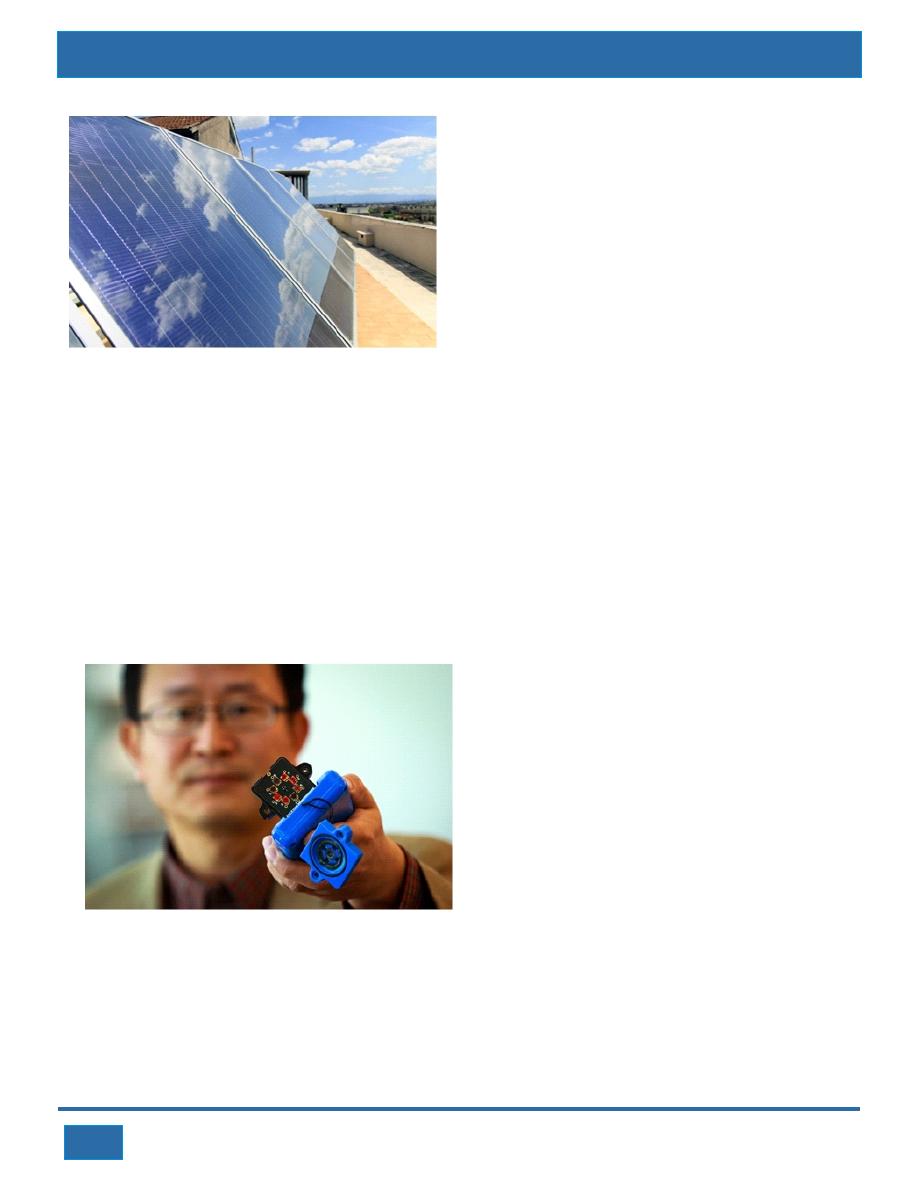
Australia's solar researchers have converted over 40 percent of the sunlight hitting a solar system into electricity, the
highest efficiency ever reported. A key part of the prototype's design is the use of a custom optical bandpass filter to
capture sunlight that is normally wasted by commercial solar cells on towers and convert it to electricity at a higher
efficiency than the solar cells themselves ever could. Such filters reflect particular wavelengths of light while
transmitting others.
7
Technology Roundup
The researchers hope to see this home grown innovation take
the next steps from prototyping to pilot scale demonstrations.
Ultimately, more efficient commercial solar plants will make
renewable energy cheaper, increasing its competitiveness.”
This is the highest efficiency ever reported for sunlight
conversion into electricity. The scientists used commercial
solar cells, but in a new way, so these efficiency improvements
are readily accessible to the solar industry.
The 40% efficiency milestone is the latest in a long line of
achievements by UNSW solar researchers spanning four
decades. These include the first photovoltaic system to convert
sunlight to electricity with over 20% efficiency in 1989, with the new result doubling this performance. The new results are
based on the use of focused sunlight, and are particularly relevant to photovoltaic power towers being developed in
Australia
www.sciencealert.com
Better Bomb-Sniffing Technology
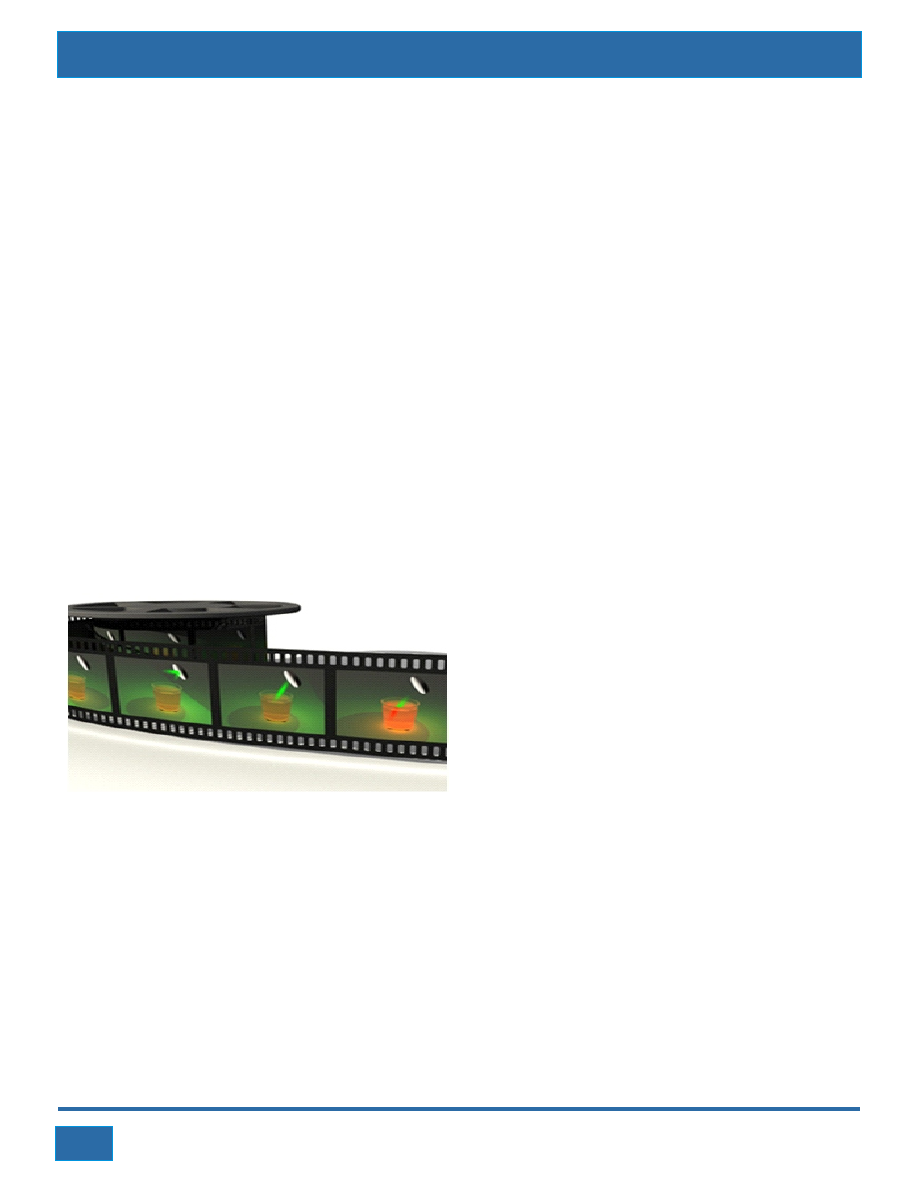
University of Utah engineers have developed a new type of carbon nanotube material for handheld sensors that will be
quicker and better at sniffing out explosives, deadly gases and illegal drugs. A carbon nanotube is a cylindrical material that
is a hexagonal or six-sided array of carbon atoms rolled up into a tube. Carbon nanotubes are known for their strength and
high electrical
conductivity and are used in
products from baseball bats and other sports equipment to lithium-ion batteries
and touch screen computer displays. Vaporsens, a university spin-off company, plans to build a prototype handheld sensor
by year's end and produce the first commercial scanners early
next year.
The new kind of nanotubes also could lead to flexible solar
panels that can be rolled up and stored or even "painted" on
clothing such as a jacket, he adds. The team found a way to
break up bundles of the carbon nanotubes with a polymer and
then deposit a microscopic amount on electrodes in a
prototype handheld scanner that can detect toxic gases such as
sarin or chlorine, or explosives such as TNT.
When the sensor detects molecules from an explosive, deadly
gas or drugs such as methamphetamine, they alter the
electrical current through the nanotube materials, signaling
the presence of any of those substances, Zang says. One can apply voltage between the electrodes and monitor the current
through the nanotube. If there is explosives or toxic chemicals caught by the nanotube, one will see an increase or decrease
in the current. By modifying the surface of the nanotubes with a polymer, the material can be tuned to detect any of more
than a dozen explosives, including homemade bombs, and about two-dozen different toxic gases.
The technology also can be applied to existing detectors or airport scanners used to sense explosives or chemical threats.
The scanners with the new technology could be used by the military, police and private industry focused on public safety.
7
Technology Roundup
8
World's Fastest 2-D Camera, 100 Billion Frames per Second, may Enable New
Scientific Discoveries
A team of biomedical engineers at Washington University in St. Louis, has developed the world's fastest receive-only 2-D
camera, a device that can capture events up to 100 billion frames per second.
That's orders of magnitude faster than any current receive-only ultrafast imaging techniques, which are limited by on-chip
storage and electronic readout speed to operations of about 10 million frames per second. Using the Washington University
technique, called compressed ultrafast photography (CUP), Wang and his colleagues have made movies of the images they
took with single laser shots of four physical phenomena: laser pulse reflection, refraction, faster-than light propagation of
what is called non-information, and photon racing in two media. While it's no day at the races, the images are entertaining,
awe-inspiring and represent the opening of new vistas of scientific exploration.
This technique advances the imaging frame rate by orders of
magnitude. Each new technique, especially one of a quantum
leap forward, is always followed by a number of new
discoveries. It is hoped that CUP will enable new discoveries
in science. This camera doesn't look like a Kodak or Cannon;
rather, it is a series of devices envisioned to work with high-
powered microscopes and telescopes to capture dynamic
natural and physical phenomena. Once the raw data are
acquired, the actual images are formed on a personal
computer; the technology is known as computational
imaging.
This is an exciting advancement and the type of
groundbreaking work. These ultrafast cameras have the
potential to greatly enhance our understanding of very fast biological interactions and chemical processes and allow us to
build better models of complex, dynamical systems. Its immediate application is in biomedicine.
One of the movies shows a green excitation light pulsing toward fluorescent molecules on the right where the green converts
to red, which is the fluorescence. By tracking this, the researchers can get a single shot assessment of the fluorescence
lifetime, which can be used to detect diseases or reflect cellular environmental conditions like pH or oxygen pressure. CUP
photographs an object with a specialty camera lens, which takes the photons from the object on a journey through a tube-like
structure to a marvelous tiny apparatus called a digital micromirror device (DMD), smaller than a dime though hosting
about 1 million micromirrors, each one just seven by seven microns squared. There, micromirrors are used to encode the
image, then reflect the photons to a beam splitter which shoots the photons to the widened slit of a streak camera. The
photons are converted to electrons, which are then sheared with the use of two electrodes, converting time to space. The
electrodes apply a voltage that ramps from high to low, so the electrons will arrive at different times and land at different
vertical positions. An instrument called a charge-coupled device (CCD) stores all the raw data. All of this occurs at the
breathtaking pace of 5 nanoseconds. One nanosecond is a billionth of a second.
Unlike the today's detectors, which analyze the spectra of ionized molecules of explosives and chemicals, the Utah carbon-
nanotube technology has four advantages likely It is more sensitive because all the carbon atoms in the nanotube are exposed
to air, so every part is susceptible to whatever it is detecting, it is more accurate, it has a faster response time. While current
detectors might find an explosive or gas in minutes, this type of device could do it in seconds, it is cost-effective because the
total amount of the material used is microscopic.

Technology Roundup
8
99
Technology Roundup
National/International Events
th
4 Invention to Innovation Summit 2015
Conference on Value Addition and Innovation in Textiles (COVITEX 2015
)
st
1 National Research Conference
th
13 International Exhibition for the Energy Industry
th
4 International Conference on Mathematics & Information
Science
The International Conference On Advances in Applied Science and
Environmental Technology - ASET 2015
Energy Materials Research Conference EMR 2015
Pharmaceutics & Novel Drug Delivery Systems
5-6, March, 2015
Lahore, Pakistan
www.pastic.gov.pk/ www.irp.edu.pk
13-15, March, 2015
Faisalabad, Pakisan
www.covitex.net
14-15, March, 2015
Islamabad, Pakisan
23-25, April, 2015
Karachi, Pakistan
Www.pogeepakistan.com
www.ams.org
www.asmmr.com
5-7, Feburary 2015
Zewail City, Cairo, Egypt.
21-22, Feburary, 2015
Bangkok, Thailand
www.scirp.org
25-27, February 2015
Madrid, Spain
www.wikicfp.com
16-18, March, 2015
Crown Plaza, UAE
www..noveldrugdelivery
8
Forthcoming Tech Events
99
Tech & Trade Offers
About PASTIC
PASTIC serves as a gateway for
Scientific & Technological
Information for R&D by
catering to the information
n e e d s o f r e s e a r c h e r s ,
entrepreneurs, industrialists,
educationists, policy makers
a n d p l a n n e r s t h r o u g h
anticipatory and responsive
information services.
T e c h n o l o g y I n f o r m a t i o n
Service Section of PASTIC
works exclusively for support
and promotion of technological
information on trade and
industry in the country.
“Technology Roundup” is a
news bulletin that provides
l a t e s t a n d i n n o v a t i v e
technology news, forthcoming
events, etc. It also promotes
products, technologies and
services globally in sectors
such as Agro-Industry, Bio-
Technology, Building Material,
B u s i n e s s , C h e m i c a l s ,
Electronics, Energy, Fisheries,
Food Processing, Machinery,
P a c k a g i n g , M i n i n g
Pharmaceuticals and Textiles.
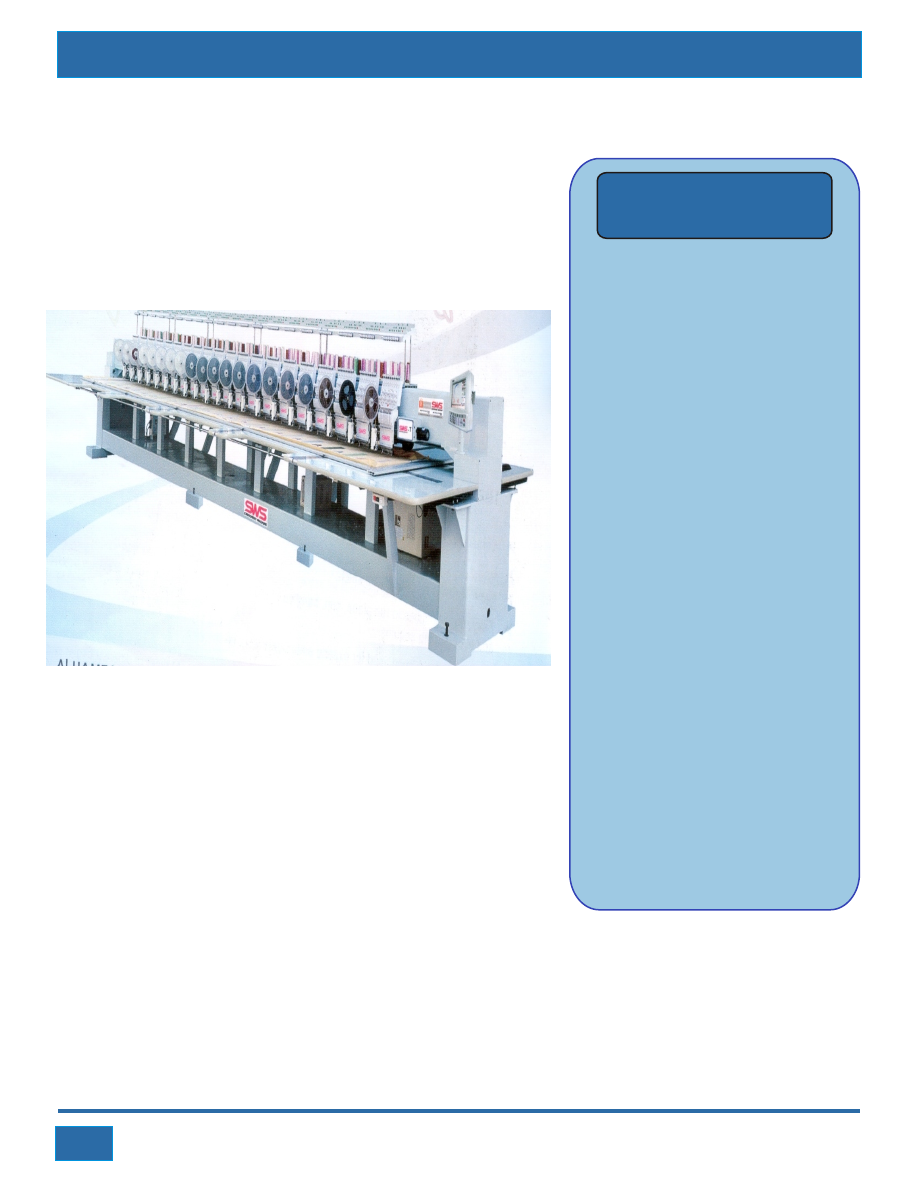
High Speed
Flat Multi Head Automatic Embroidery Machine
New Embroidery Generation, Sequins, Cording, Chunille & Max Embroidery
from 1 to 56 Heads with SQ300
!
Compuerized Oil Lubrication System.
!
USB+Floppy Drive.
!
Jumps Motor to use high 8mm stitch.
!
Easy run possibilities to run plane, cup, hanging, & over lapping sequins.
!
High speed 1200 RMP plane embroidery machine.
!
Easy availability of complete range of spare parts.
!
High speed 1000 RPM Sequin attachment from 3mm to 9mm.
!
The Machine can store a maximum of 100 design.
!
The basic Memory size is 10 Million stitch.
Company Contact:-
Al-Hamza International
Ali Raza Abad, Main Raiwind Road, Lahore, Pakistan
Tel: 92-42-32876110,5320086, Fax: 92-42-5320087
alhamzaint@gmail.com
Technology Roundup
Please give us your feedback and address queries to editor@pastic.gov.pk
10