
Editorial Board
Executive Editor
Prof. Dr. Muhammad Akram Shaikh
Director General, PASTIC
Managing Editor
Dr. Saima Huma Tanveer
Editor
Dr. Syed Aftab Hussain Shah
Assistant Editor
Mr. Waqar Ahmad
Graphic Designer
Mr. Zeeshan Ahmad Khan
Tech & Trade Offers
Tech News Headlines
Forthcoming Tech Events
A NEWS BULLETIN
PASTIC
November - December 2025
TECHNOLOGY INFORMATION SERVICES (TIS)
PAKISTAN SCIENTIFIC AND TECHNOLOGICAL INFORMATION CENTRE
VOLUME 17 NO. 6
PASTIC National Centre,
T
echnology
R
oundup
Phone: 051-9248103-4, 9248128
Fax: 051-9248113
Email: tis.pastic@gmail.com
Web: www.pastic.gov.pk
Quaid-i-Azam University Campus,
Islamabad.
More inside
·PMNH Sparks Innovation on International Science Day
·Pakistan Conducts First International Robotic Telesurgery
·Pakistan Unveils Its First AI-Powered Driverless Car
·Pakistan to Host Google's First Office
·Pakistani Students Win Silver at Global Youth AI Contest
·KP Marks New Era in Urban Mobility with Locally Made
E-Rickshaw
·Punjab's Smog-Tolerant Potato Variety
·Pakistani IT Firms to Showcase at WAM Saudi 2026
·Zong Unveils AI Roadmap for Pakistan at AI Summit
·Sindh Youth Science and Technology Festival
·A Salt Grain-Sized Robot That Can Think on Its Own
·Turning Wastewater into a Source of Rare Earth Elements
·Italy Experiments Lab-Grown, 3D-Printed Plant Snacks
·Engineers Teach a Bionic Hand to Think
·China's Invention Patents Cross 5 Million Mark
·Paralyzed Patient Regains Control after Brain Implant
·Next-Gen Robot Tested by Korea to Investigate Moon's
Caves
·Tetra Pak Unveils World-First Paper Barrier Packaging
·Textile Recycling: Cutting Carbon, Protecting the Planet
·Magnetic Separation That Protects Aggregates and
Machinery
·Billions of Ways to Build an Engine
·Innovating Aquaculture: Abbassa Tilapia Thrives in Arid
Regions
·Towards Fertilizer-Free Crops
·Mini Human Blood Factory Grown in Lab
Ø
rd
3 International Conference on
Life Sciences: Integrating Biology,
Biotechnology, and Agri-Food
Systems
th
7 International Workshop on
Ø
Ion Beam Applications - 2026
st
Ø1 International Conference on
Innovations in Information
and Communication
Technologies (IICT-26)
th
Ø 6 International Conference on
Biological Research and Applied
Science
st
Ø
1 International Conference on
Frontiers in Science (ICFS 2026)
1
Technology Roundup
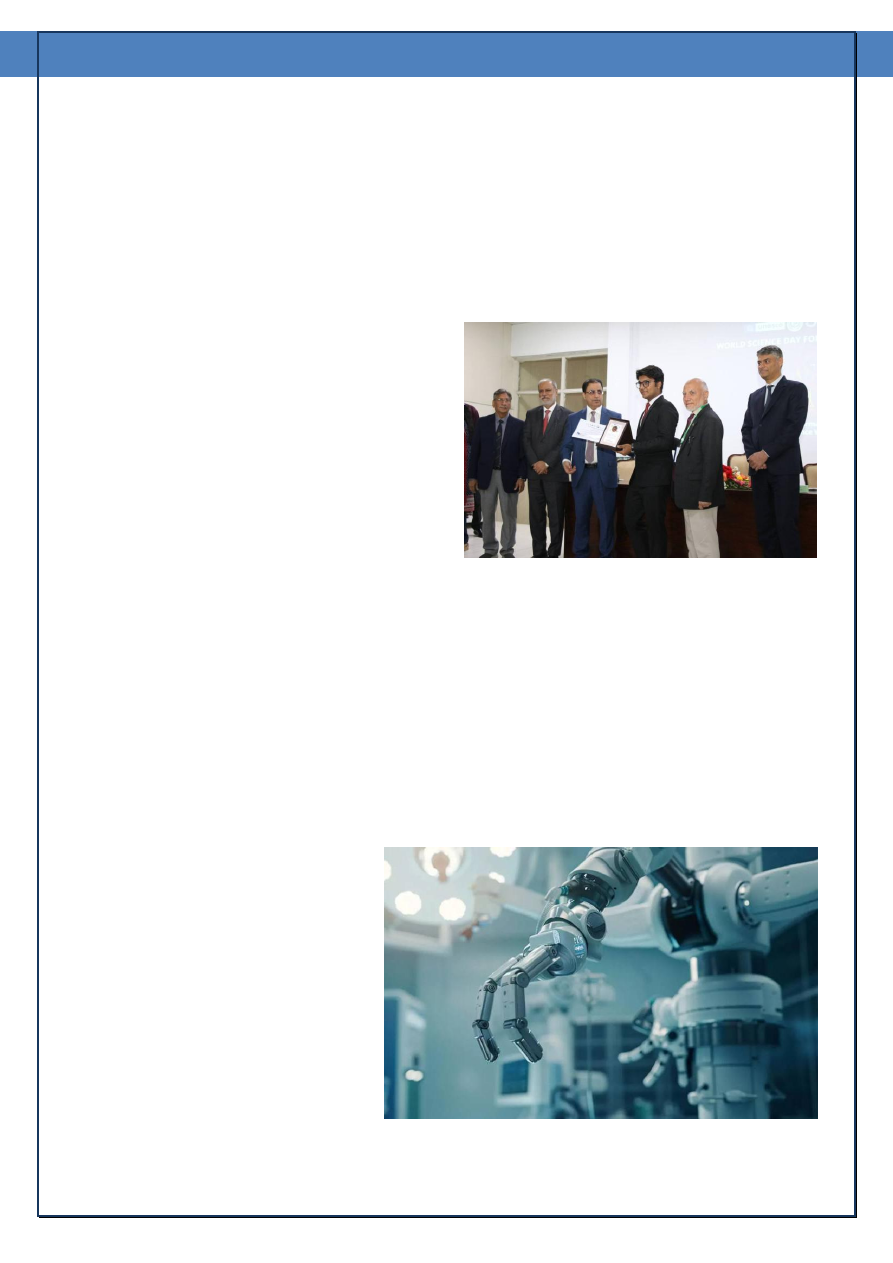
PMNH Brings Sparks Innovation on International Science Day
The Pakistan Museum of Natural History (PMNH) marked International Science Day with an engaging
celebration aimed at promoting the value of science, research, and innovation in solving real-world
problems. The event brought together students, educators, and visitors for a series of interactive
sessions, live scientific demonstrations, and hands-on activities designed to spark curiosity and
critical thinking. Specialists from different scientific disciplines delivered talks and presentations
highlighting how science contributes to sustainable development, environmental protection, and
improved quality of life. Participants were encouraged to explore scientific concepts through
practical examples and discussions, making
complex ideas more accessible and relatable. The
celebration also provided a platform for young
learners to interact with experts, ask questions,
and gain insight into scientific careers. Through this
initiative, PMNH reaffirmed its role as a center for
public learning and outreach. The event
underscored the museum’s continued efforts to
strengthen scientific awareness and inspire future
generations to better understand nature and
address global challenges through science.
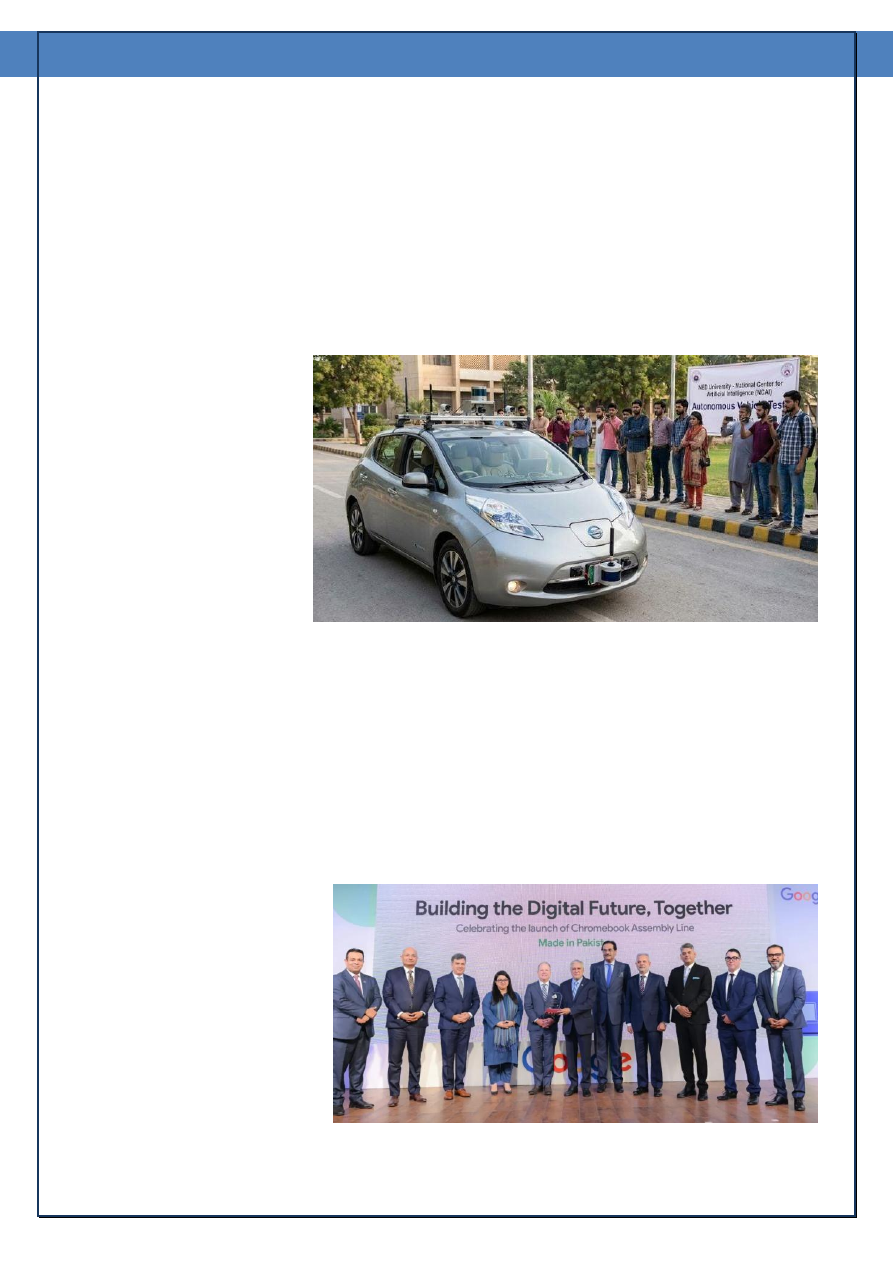
Pakistan Conducts First International Robotic Telesurgery
Pakistan has successfully carried out its first international robotic telesurgery at Sindh Government
Lyari General Hospital, marking a major milestone in the country’s public healthcare system. The
achievement highlights Pakistan’s growing capabilities in robotic surgery and telemedicine and
signals a shift towards advanced, technology-driven medical care. The procedure was conducted live
using robotic systems, with specialist medical teams collaborating in real time from Karachi, Kuwait,
and Shanghai. The event demonstrated seamless international medical cooperation and showcased
how advanced surgical expertise can be delivered across borders without physical presence.
Healthcare professionals, surgeons, and paramedical staff attended the ceremony, underscoring the
significance of the breakthrough for government-run hospitals. Robotic telesurgery enables surgeons
to operate remotely with enhanced
precision, helping overcome geographic
barriers
and
expand
access
to
specialized care. Medical experts say
the success could accelerate the
adoption of telesurgical platforms
across public hospitals, improving
patient outcomes, reducing recovery
times, and lowering treatment costs.
The development aligns Pakistan with
global trends in telemedicine and
positions the country for broader
advances in high-tech healthcare.
2
Technology Roundup
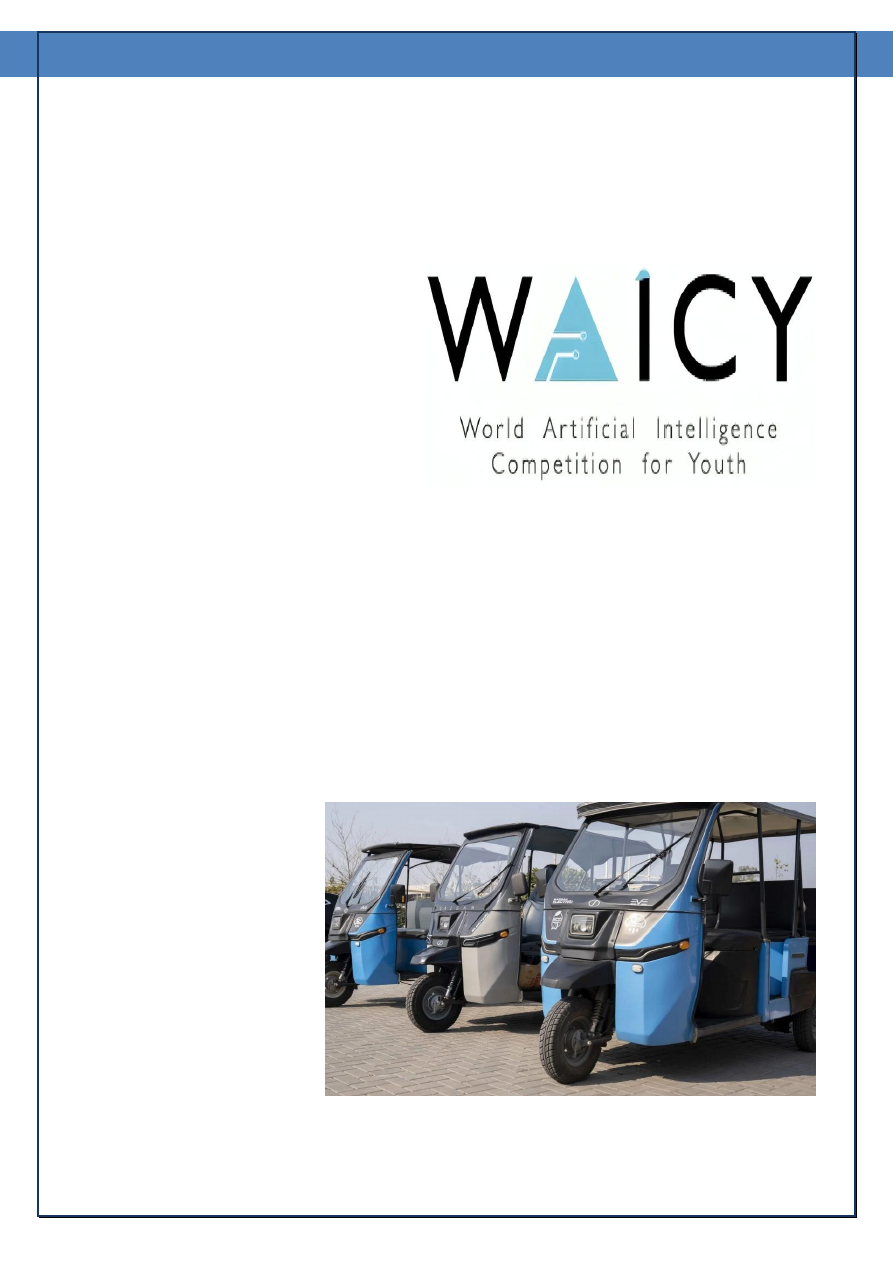
Pakistan Unveils Its First AI-Powered Driverless Car
NED University of Engineering and Technology has successfully conducted road trials of Pakistan’s
first AI-powered driverless car, marking an important step forward for the country’s emerging
autonomous mobility ecosystem. Developed under the National Center for Artificial Intelligence
(NCAI), the project began nearly a year ago and has now entered its applied testing phase following
successful on-campus trials. The autonomous vehicle is based on an electric car imported from China
and transformed into a self-driving system through the integration of robotics, digital mapping,
LIDAR sensors, radar, and advanced computer vision technologies. During testing, the car operated
without human intervention, drawing strong interest from students and faculty members. For safety
purposes, the vehicle’s speed
is currently limited to 15–20
kilometers
per
hour.
Researchers note that the
system has been designed to
handle Pakistan’s complex
urban traffic environment,
including uneven roads and
potholes.
Ongoing
development
focuses
on
enhancing object detection,
lane
tracking,
speed
regulation, and traffic signal
recognition to further improve performance and reliability.
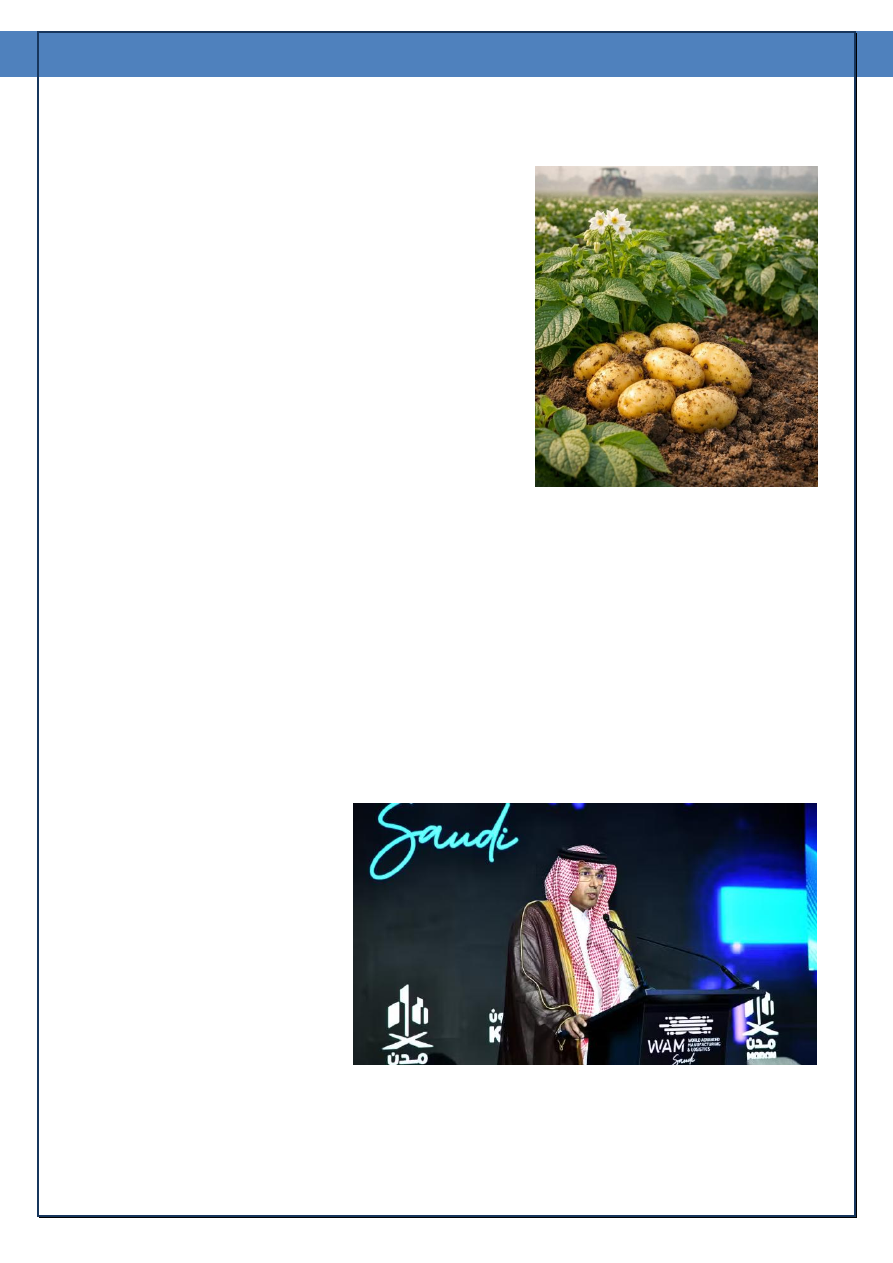
Pakistan to Host Google’s First Office
Google has formally completed its registration in Pakistan and is preparing to establish a local office,
according to the Federal Minister for IT and Telecommunication. The development marks a
significant step in strengthening Pakistan’s technology ecosystem and attracting global technology
companies to the country. The minister confirmed that production of Google Chromebooks has
begun in Haripur through a collaboration involving Tech Valley Pakistan, the National Radio
Telecommunication Corporation, and Allied. Pakistan is expected to manufacture between 500,000
and 600,000 Chromebooks annually, with long-term plans to export the devices. Local manufacturing
is also expected to lower costs
and improve accessibility for
users. An agreement between
Google and the Ministry of IT has
been finalized to launch youth
training programs and establish
new technology labs across the
country.
The
minister
also
highlighted that Meta’s Llama
platform is now available in
Urdu,
reflecting
deeper
engagement with local users.
3
Technology Roundup
Pakistani Students Win Silver at Global Youth AI Contest
Students from Pakistan won the silver medal at the World Artificial Intelligence Championship for the
Youth (WAICY) 2025, competing against participants from 103 countries. The team, competed in the
LLM Prompt Engineering (Technology as a Service) category. Their project, “Ivy Mentor, A
Personalized Academic and Coding Assistant,” helps students better understand school subjects
while also supporting coding learning
through customized guidance. Judges praised
the project for its innovation, user
experience, and practical educational value.
This achievement highlights the growing role
of Pakistani students on global technology
platforms. In addition, multiple teams from
Islamabad qualified for the WAICY 2025
global finals, including participants at the
elementary level, further showcasing the
city’s emerging presence on the international
academic and innovation stage.
KP Marks New Era in Urban Mobility with Locally Made E-Rickshaw
Khyber Pakhtunkhwa has introduced its first locally manufactured electric rickshaw, marking a
significant step towards cleaner, affordable, and sustainable urban mobility. Developed under a
provincial innovation drive aligned with modern transport goals, the initiative reflects the growing
demand for green transportation across Pakistan as fuel prices continue to rise. Launched under the
KP Science Agenda, the project focuses on reducing fuel consumption and lowering daily operating
costs for drivers. The electric rickshaw offers a low-maintenance alternative to conventional models,
requiring fewer repairs and significantly less routine spending. Officials note that these savings can
translate into higher and more stable earnings for drivers. The locally developed vehicle was unveiled
at a high-technology exhibition in Peshawar, where engineers presented its design, manufacturing
process, and key features. The
exhibition highlighted provincial
innovation and locally driven
technological solutions. With
zero tailpipe emissions, the
electric rickshaw supports clean
energy transport and improved
urban air quality. The provincial
government plans to expand
adoption,
strengthening
sustainable
mobility
and
livelihoods while moving KP
closer to a cleaner transport
future.
4
Technology Roundup
Smog-Tolerant Potato Variety Developed by Punjab Scientists
Scientists in Punjab, have developed a potato variety
capable of withstanding smoggy conditions, as authorities
seek to protect agricultural production from worsening air
pollution. Cities across eastern Punjab frequently rank
among the world’s most polluted during winter, with
prolonged smog exposure increasingly damaging crops,
reducing yields, and delaying harvests by increasing
susceptibility to pests and diseases. Researchers at the
Potato Research Institute (PRI) in Sahiwal have been working
to develop potato varieties tolerant to smog and fog. The
locally developed Ijaz-22 variety has successfully endured
smog conditions in Punjab. PRI has already developed 12
fog-tolerant, high-yielding varieties and is now focusing on
smog-tolerant lines.
PSEB Invites Pakistani IT Firms to Showcase at WAM Saudi 2026
The Pakistan Software Export Board (PSEB) has invited Pakistani IT and IT-enabled services
companies to participate in WAM Saudi 2026, a premier international platform for advanced
manufacturing and logistics. Scheduled for February 15–17, 2026, at the Riyadh Front Exhibition and
Conference Center, the event will bring together global buyers, technology partners, and decision-
makers supporting Saudi Arabia’s Vision 2030 industrial transformation. WAM Saudi, or the World
Advanced Manufacturing and Logistics Summit and Expo, focuses on advanced manufacturing, smart
logistics, industrial materials, digital food systems, advanced packaging, and printing technologies. It
attracts participants from over 45 countries, including government officials, investors, industry
leaders, innovators, and startups, to promote sustainable, digital industrial practices. PSEB is
targeting companies developing
software solutions for Industry 4.0,
smart factories, ERP, MES, AI, IoT,
robotics, automation, digital twins,
supply chain, fleet management,
cybersecurity,
cloud
services,
system integration, and analytics.
Selected participants will gain
access to regional and global
buyers, structured B2B meetings,
and
partnership
opportunities,
increasing visibility for Pakistani
technology firms in Saudi Arabia
and the broader GCC.
5
Technology Roundup
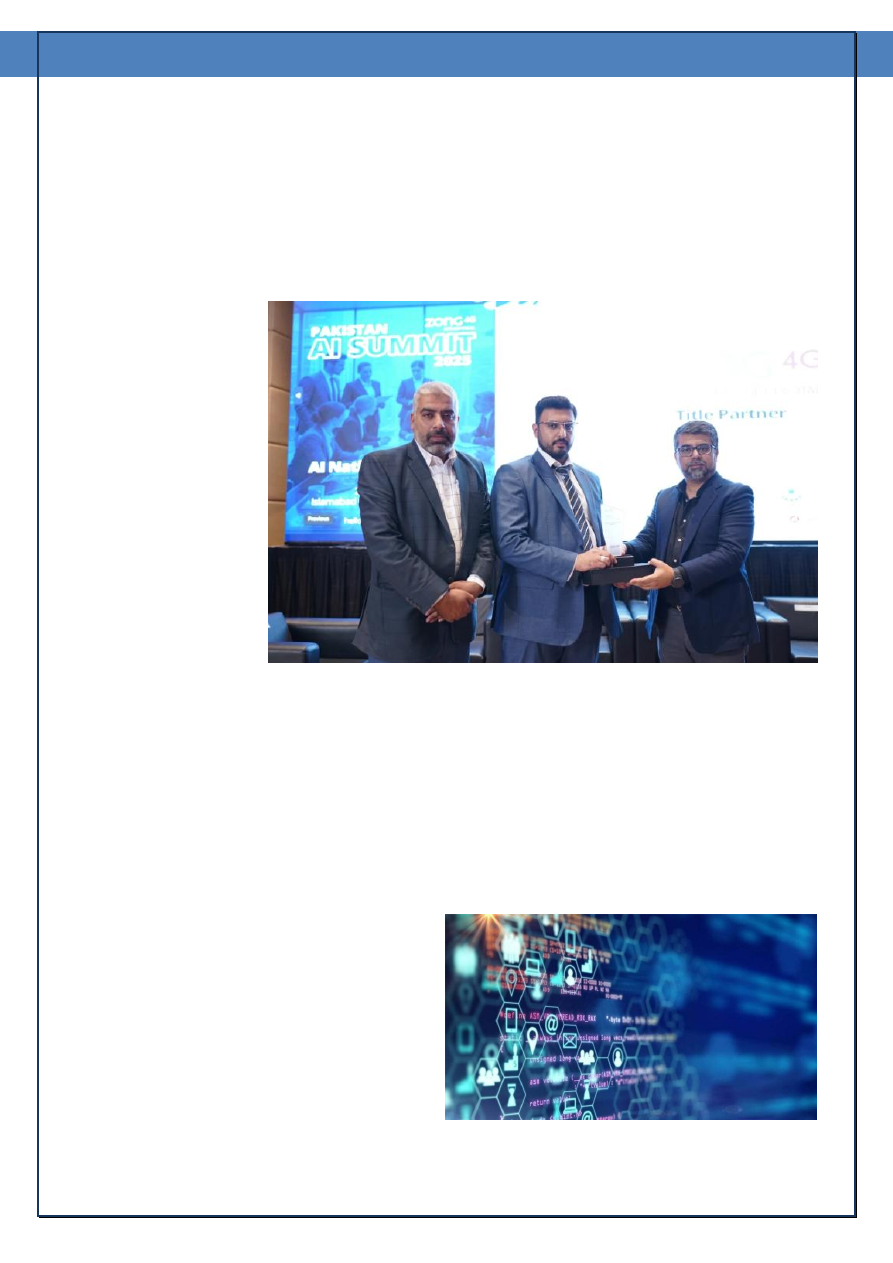
Zong Unveils AI Roadmap for Pakistan 2030 at AI Summit
Zong, Pakistan’s leading information services and technology innovation company, unveiled its AI
Roadmap for Pakistan 2030 at the Pakistan AI Summit 2025, organized by CxO Global. The one-day
summit convened policymakers, regulators, industry leaders, academics, and corporate stakeholders
to discuss the future of artificial intelligence in Pakistan. Through keynote sessions and panel
discussions, the event highlighted AI’s growing role in governance, cloud and data infrastructure,
business innovation, and social development. The summit reinforced Zong’s leadership in advancing
AI, cloud, and data-
driven innovation to
support
Pakistan’s
digital
transformation
and
future-ready
economy.
Zong’s
AI
Roadmap for Pakistan
2030 aims to boost
economic
growth,
enhance public services,
strengthen
digital
infrastructure,
and
create
jobs,
foster
innovation, and position
Pakistan
as
a
competitive, AI-driven
economy.
Sindh Youth Science and Technology Festival
The Sindh Youth Science and Technology Festival concluded with students from Dow University
winning first place for their medical innovation, the “Shifa App”. The project earned a cash prize of Rs
100,000 along with a shield at the closing ceremony. Organized by the Sindh Government’s
Department of Sports and Youth Affairs, the festival was held at the Sindh Youth Club in Gulistan-e-
Jauhar. More than 70 students from over 40 public and private universities showcased projects
related to science, technology, and social welfare. A bilingual AI-powered robot capable of answering
questions in Urdu and English emerged as a major attraction. Students said the robot took nearly
eight months to develop. Other exhibits
included an electric bicycle, low-cost housing
models, and residential designs for the
transgender community. Students from Larkana
presented Pakistan’s first low-cost solar-wind
turbine, capable of generating electricity from
both sources simultaneously. The festival also
featured a book fair, informational stalls, and
cultural performances, with over 1,500 students
participating from across Sindh.
6
Technology Roundup
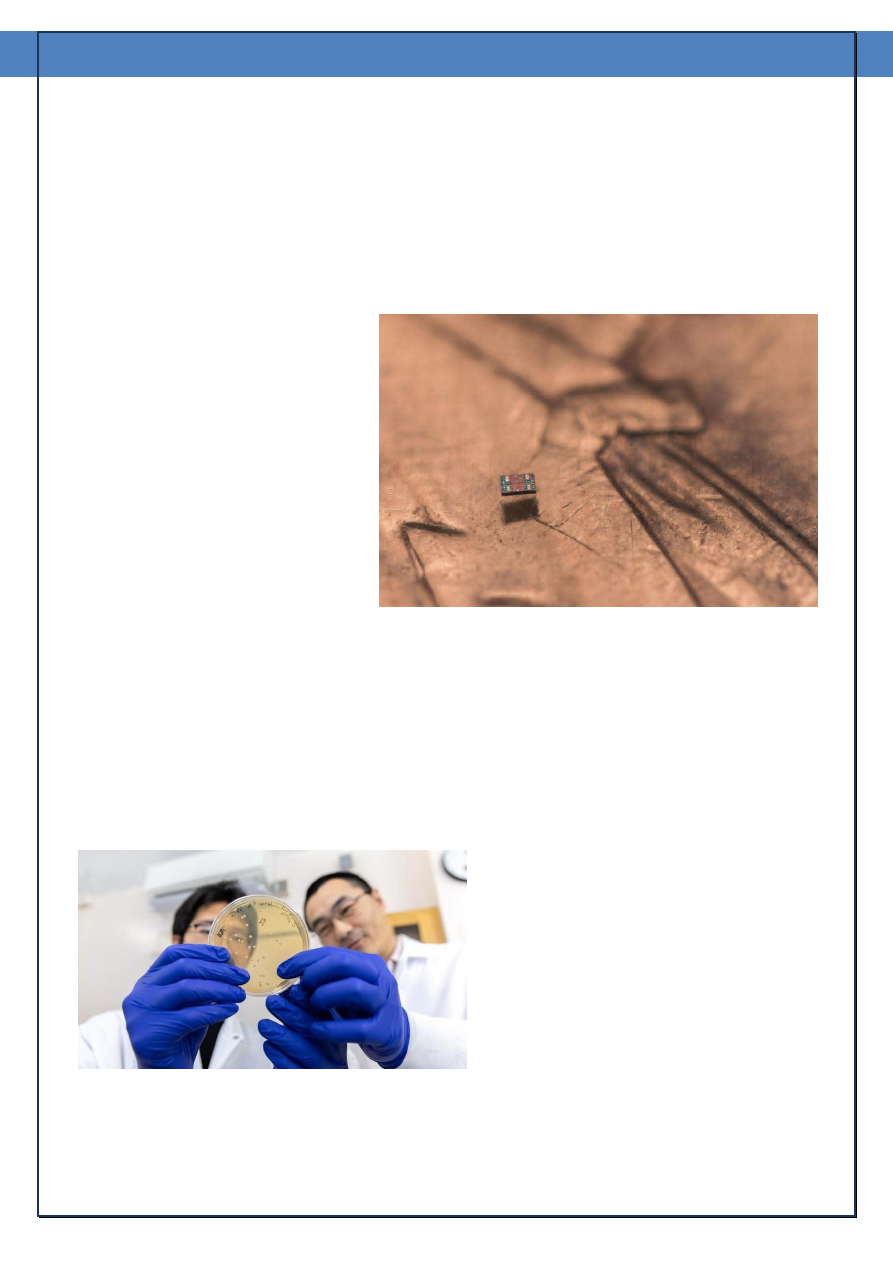
A Salt Grain-Sized Robot That Can Think on Its Own
Scientists have achieved a long-sought milestone in engineering by building a robot smaller than a
grain of salt that can sense, think, and act independently. Developed by teams at the University of
Michigan and the University of Pennsylvania, the microscopic machine marks a major advance in
miniaturized robotics. Despite its size, the robot integrates a 55-nanometer computer, highly precise
temperature sensors, and tiny motors that move it through liquid using platinum electrodes. Solar
cells provide power, while a glass-like coating protects its delicate components. Lead researcher
Marc Miskin describes it as the first
robot at this scale to independently
perceive
and
respond
to
its
environment. The breakthrough opens
new possibilities in medicine. Future
versions could deliver drugs through
the
bloodstream
with
extreme
precision, repair damaged nerves, or
monitor cellular health in real time.
While the robots currently operate only
in controlled laboratory conditions,
researchers expect practical medical
applications to emerge within the next
decade. As development continues,
microscopic intelligence is rapidly
shifting from theory into reality.
Turning Wastewater into a Source of Rare Earth Elements
Researchers at the University of California, Davis, have launched a federally funded project to extract
valuable rare earth elements from acidic mine and industrial wastewaters, aiming to support clean-
energy technologies such as magnets, lasers, and electronics. The U.S. Department of Energy’s
ARPA-E has awarded a $3 million grant to develop a bio-based process that captures these elements
efficiently and sustainably. The team is engineering acid-tolerant microbes to produce metal-binding
proteins that function at low pH, enabling
onsite recovery directly from waste streams
while reducing chemical use and waste.
Artificial intelligence will guide protein design,
structural characterization, and process
optimization to ensure selective and fast
binding of rare earth elements. By converting
wastewater liabilities into valuable resources,
the project seeks to strengthen domestic
supply chains for critical minerals. In addition
to laboratory research, the initiative includes
a tech-to-market strategy to assess economic feasibility and deployment opportunities, aiming to
make rare earth recovery from U.S. wastewaters both practical and commercially viable.
7
Technology Roundup
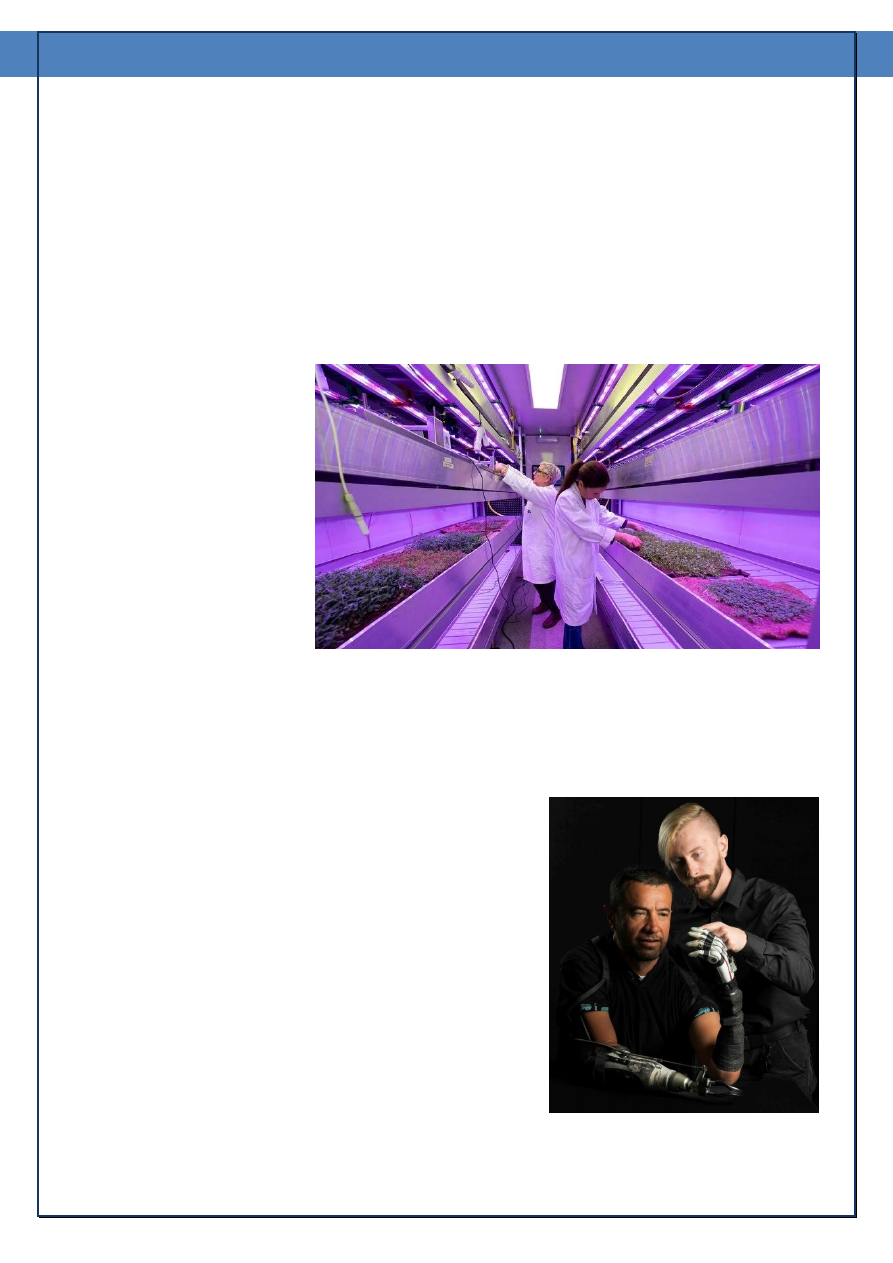
Italy Experiments with Lab-Grown, 3D-Printed Plant Snacks
Italian researchers are developing innovative snacks made from lab-grown plant cells and agricultural
by-products, using 3D printing to create nutrient-dense foods suited for a future challenged by
climate change and limited farmland. The work is being carried out under Nutri3D, a project led by
Italy’s public research agency ENEA, which aims to redesign food production without sacrificing taste
or nutritional quality. The approach blends plant cell cultures with fruit residues left over from food
processing, transforming them into printable food materials that can be shaped into snack bars and
confectionery-style products. Early prototypes produced at a research facility in Abruzzo include
energy bars and small, glossy snack forms designed to retain flavor while delivering concentrated
nutrients. Unlike earlier cellular food research elsewhere in Europe, the Italian model integrates
recovered food by-products,
adding a sustainability-focused
culinary element. The project
involves partnerships with
technology and organic food
companies, and consumer
surveys show growing interest
in such foods. Researchers say
the technology could also
support customized nutrition
and food supply in extreme or
resource-limited
environments.
Engineers Teach a Bionic Hand to Think
Grasping everyday objects is something most people do instinctively, but for amputees using
prosthetic hands, even simple actions require intense focus. Researchers at the University of Utah
are addressing this challenge by using artificial intelligence to make advanced prosthetic hands more
intuitive and easier to control. The team integrated proximity
and pressure sensors into a commercial bionic hand and
trained an artificial neural network to recognize natural
grasping patterns. This allowed the prosthesis to automatically
adjust finger positions while working in harmony with the
user’s intent. In tests with four amputees, participants showed
improved grip strength, greater precision, and reduced mental
effort when performing daily tasks such as picking up small
items or lifting a cup. Rather than replacing human control,
the system shares control between the user and the AI,
enhancing natural movement without conflict. Researchers
say this approach could significantly reduce prosthesis
abandonment by restoring intuitive function. The study,
published in Nature Communications, marks an important
step toward smarter, more lifelike prosthetic technology.
8
Technology Roundup
China’s Invention Patents Cross 5 Million Mark
China has reached a major milestone in intellectual property development by becoming the first
country to hold more than five million valid domestic invention patents. The country has also
remained the world’s leading filer of international patent applications under the Patent Cooperation
Treaty for six consecutive years, reflecting its strong global innovation
presence. By June 2025, China recorded 15.3 high-value invention
patents per 10,000 people, exceeding the target set in the 14th
Five-Year Plan well ahead of schedule. Progress has also been
seen in technology transfer, with universities and research
institutions increasing the commercialization of research
outcomes. The industrial application rate of enterprise-held
invention patents rose from under 45 percent in 2020 to
more than 53 percent by 2024. China’s intellectual property
strategy has shifted from focusing on patent numbers to
improving quality and economic impact. This approach has
accelerated the market adoption of high-value patents and
strengthened the country’s innovation-driven development,
supporting greater scientific and technological self-reliance in the
coming years.
Paralyzed Patient Regains Digital Control after Brain Implant in China
A 28-year-old man who has lived with paralysis from a severe spinal cord injury for eight years has
regained remarkable independence after controlling digital devices with his thoughts just five days
following brain implant surgery in China. The achievement is part of China’s first clinical trial of a fully
implanted and wireless brain computer interface (BCI), a technology that translates brain signals into
actionable commands. The implant enables users to interact with computers, smart home systems,
and mobility aids without physical movement. According to clinicians, the patient can already
operate household appliances and maneuver his wheelchair mentally. Developed by a Shanghai-
based neurotechnology firm, the
system uses ultra-thin electrodes
implanted in the brain, while the
processor, battery, and antenna are
placed beneath the skin in the chest.
The
device
features
wireless
charging and is designed for long-
term use. Weeks after surgery, the
patient can browse the internet,
play games, and manage daily tasks
independently. Experts say such BCIs
could significantly improve quality of
life for people living with paralysis
worldwide.
9
Technology Roundup
Next-Gen Robot Tested by Korea to Investigate Moon’s Caves
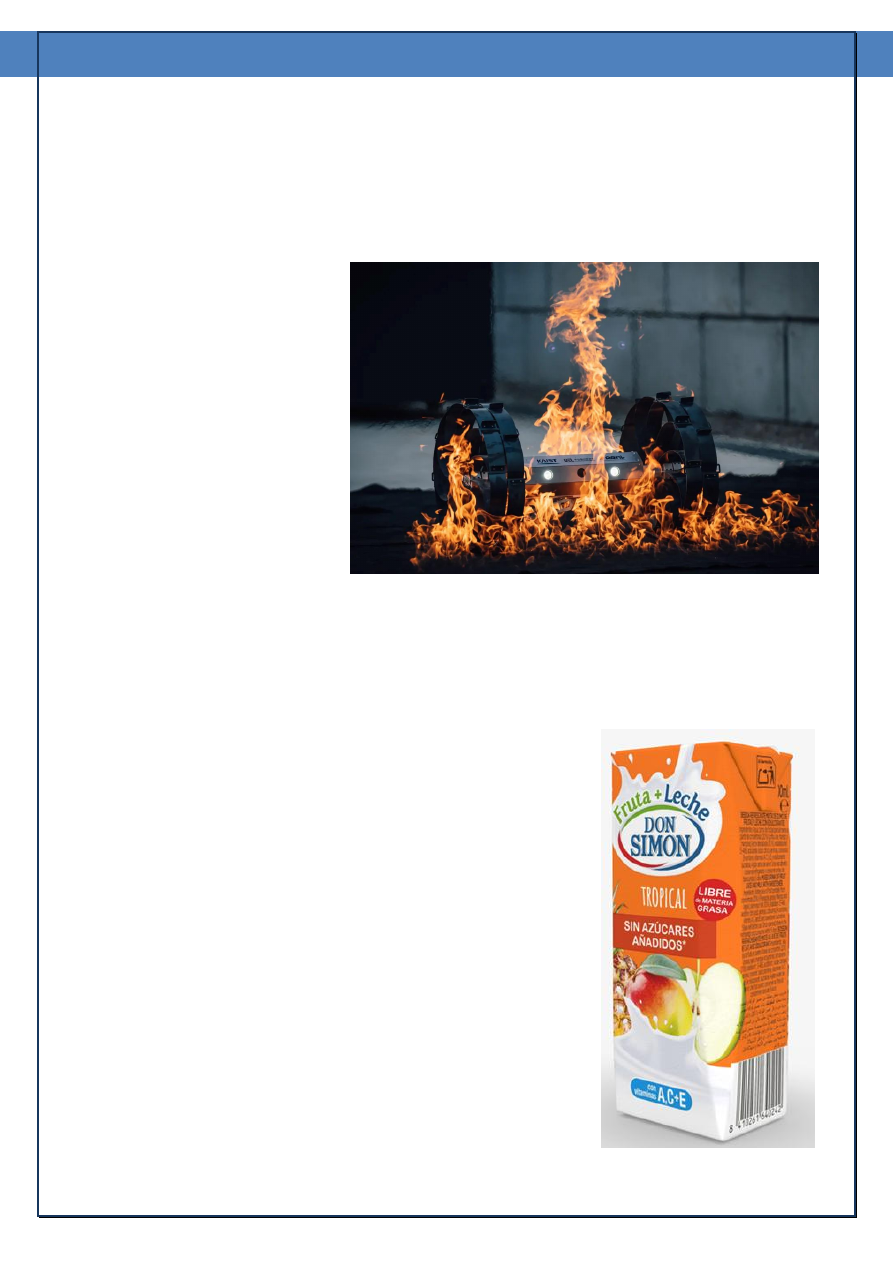
South Korean scientists have developed a rugged rover prototype designed to explore lunar caves
formed by ancient volcanic activity, which could one day provide shelter for humans on the Moon.
The rover’s standout feature is its innovative wheels, made from flexible metal strips woven in a helix
pattern, allowing them to expand from 9 to 19.6 inches in diameter. This design distributes weight
evenly, enabling stable movement
over rocky and uneven terrain
while fitting into tight spaces. Tests
on Earth showed the rover could
traverse 200-millimeter obstacles,
survive simulated 100-meter drops
under lunar gravity, and withstand
extreme heat and cold. Lightweight
carbon steel construction provides
toughness and elasticity, helping
the wheels absorb impacts and
maintain traction on loose dust and
uneven
surfaces.
For
future
missions,
researchers
envision
deploying multiple smaller rovers
from a larger carrier at lunar pit entrances. The elastic, shock-absorbing wheels would allow safe
navigation into caves, combining durability, adaptability, and operational efficiency for exploring
these challenging lunar landscapes.
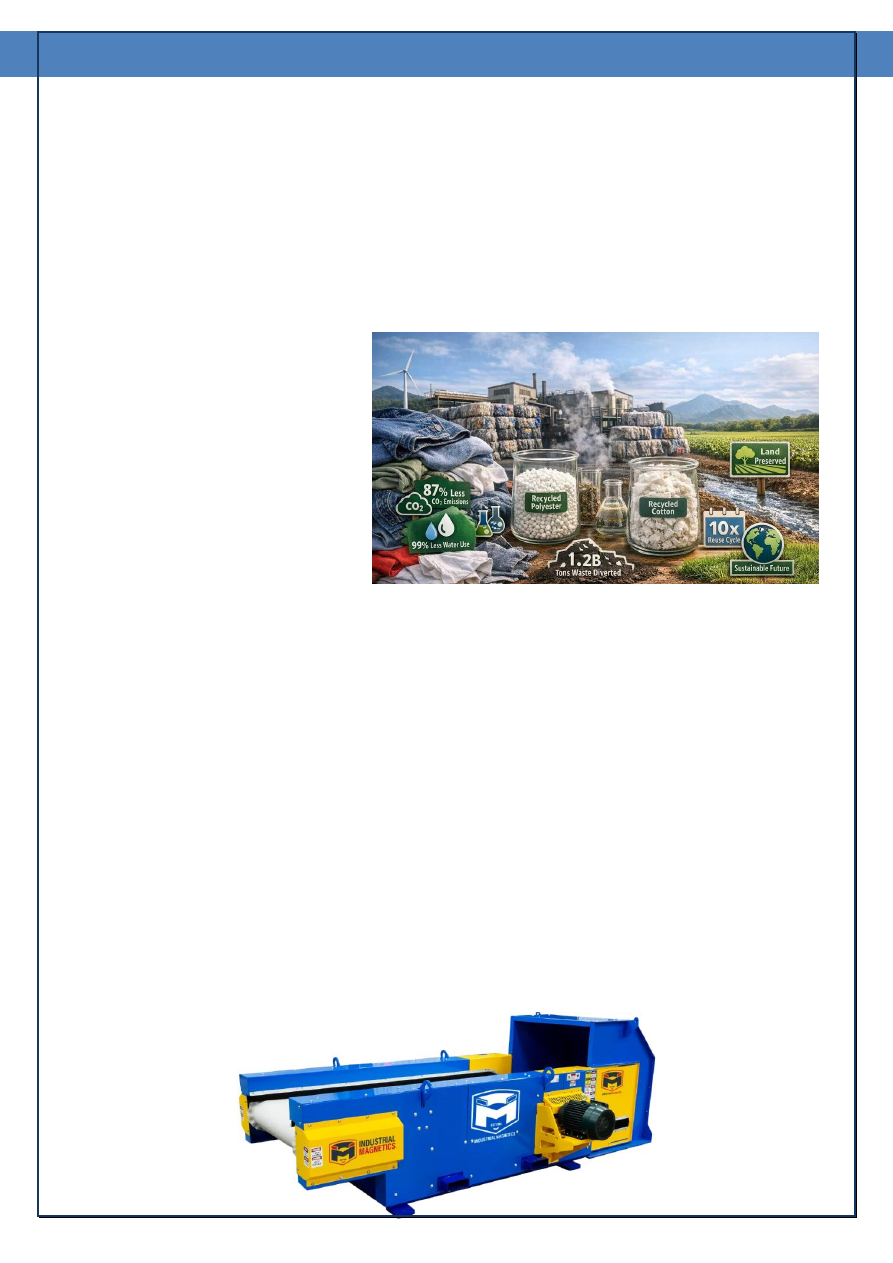
Tetra Pak Unveils World-First Paper Barrier for Juice Packaging
Tetra Pak has partnered with Spain’s leading beverage producer
García Carrión to introduce the world’s first juice carton using a
paper-based barrier, marking a major advance in sustainable
packaging. The new Tetra Brik Aseptic 200 ml Slim Leaf carton,
launched under the Don Simón brand, is now available in Spain and
selected international markets. The carton is made with up to 80
percent paper, and when combined with plant-based polymers, its
renewable content reaches 92 percent. Compared with conventional
aseptic cartons that rely on aluminium foil and fossil-based plastics,
the new solution cuts carbon emissions by 43 percent, as verified by
the Carbon Trust. The paper-based barrier replaces aluminium while
maintaining protection against light, oxygen, moisture, and bacteria,
ensuring food safety and shelf life. The innovation supports García
Carrión’s sustainability strategy and aligns with Tetra Pak’s goal of
developing fully renewable, recyclable, and low-carbon food
packaging solutions.
10
Technology Roundup
Textile Recycling: Cutting Carbon, Protecting the Planet
Textile recycling offers clear and measurable environmental benefits by reducing carbon emissions,
conserving water, limiting chemical use, and preserving natural resources. Lifecycle assessments
show that fiber-to-fiber recycling cuts carbon emissions by up to 87 percent compared to virgin
polyester production, largely by avoiding fossil fuel extraction and energy-intensive refining. Recycled
polyester generates about 1.9 kg of CO₂ per kilogram, compared with 15.2 kg for virgin material.
Water savings are even more striking. While conventional cotton cultivation requires around 2,700
liters of water per kilogram of fiber, recycled cotton uses only 30 to 50 liters, a reduction of nearly 99
percent. This is especially significant in
water-stressed regions where cotton
is widely grown. Textile recycling also
reduces pesticide, fertilizer, and dye
use,
lowering
pollution
and
occupational health risks. Additionally,
it eliminates the need for agricultural
land, helping protect ecosystems and
biodiversity. When scaled, circular
textile systems deliver cumulative
environmental gains, making recycling
a powerful tool for climate mitigation
and sustainable resource management.
Magnetic Separation That Protects Aggregates and Machinery
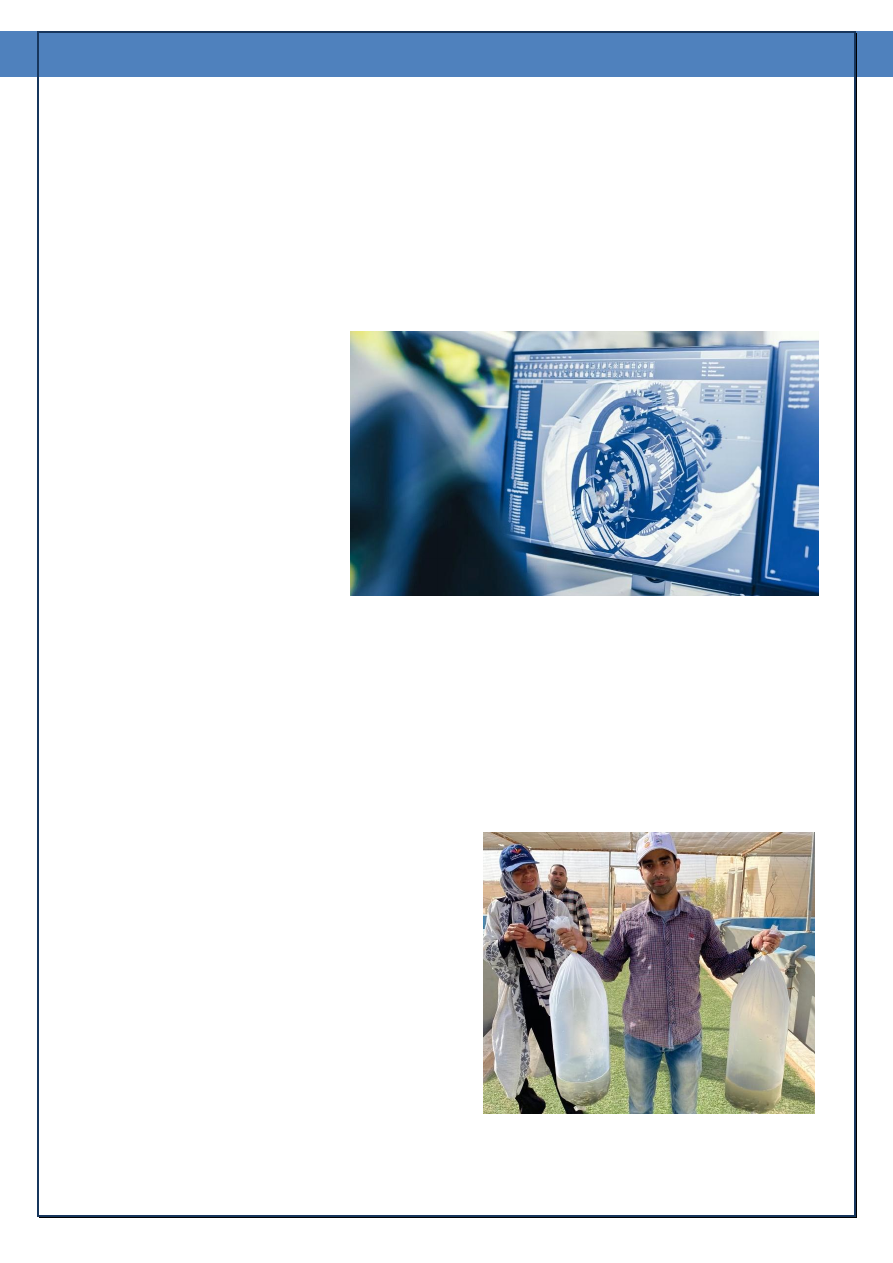
Modern magnetic separation technology plays a critical role in maintaining aggregate quality and
protecting processing equipment. Advanced magnetic separators are specifically engineered to
capture ferrous contaminants such as rebar fragments, crusher wear parts, and fasteners directly
from material streams, even under challenging operating conditions. Unlike conventional screening
methods, magnetic systems remain highly effective in wet, humid, or clumping environments, where
metals may be embedded within cohesive aggregate masses. Technologies such as overhead
magnets, drum separators, and magnetic pulleys provide continuous, automated separation without
interrupting material flow. These systems generate powerful magnetic fields capable of penetrating
material layers to extract both large tramp metal and fine ferrous particles. As a result, they
significantly extend equipment life, reduce unplanned downtime, and improve overall plant
reliability. Modern magnetic separators are also designed for durability, low maintenance, and
energy efficiency, making them a cost-effective investment. When properly selected and maintained,
magnetic separation technology enhances operational efficiency, safeguards capital equipment, and
ensures consistent, high-quality aggregate production.
11
Technology Roundup
Billions of Ways to Build an Engine
Hydrogen’s unique properties enable entirely new aircraft engine architectures that are impossible
with conventional jet fuel. By leveraging advanced artificial intelligence tools, engineers rapidly
explore vast design spaces, evaluating trillions of possible configurations and narrowing them to a
select set of high-performing concepts far faster than traditional methods. This AI-guided approach
identifies engine designs that use hydrogen’s high flame speed and temperature while incorporating
steam injection to stabilize combustion and recover heat. The resulting concept achieves up to 35
percent higher performance and nearly eliminates nitrogen oxide emissions. Capturing exhaust
water and reusing it to control
combustion allows for a smaller
engine core and dramatically
improved
efficiency.
The
combination
of
hydrogen
propulsion and intelligent design-
space exploration opens new
frontiers for cleaner, more efficient
aviation. It reshapes how low-
carbon
aircraft
engines
are
conceived, showing that AI-driven
innovation can transform both
performance and sustainability in
next-generation aerospace technologies.
Innovating Aquaculture: Abbassa Tilapia Thrives in Arid Regions
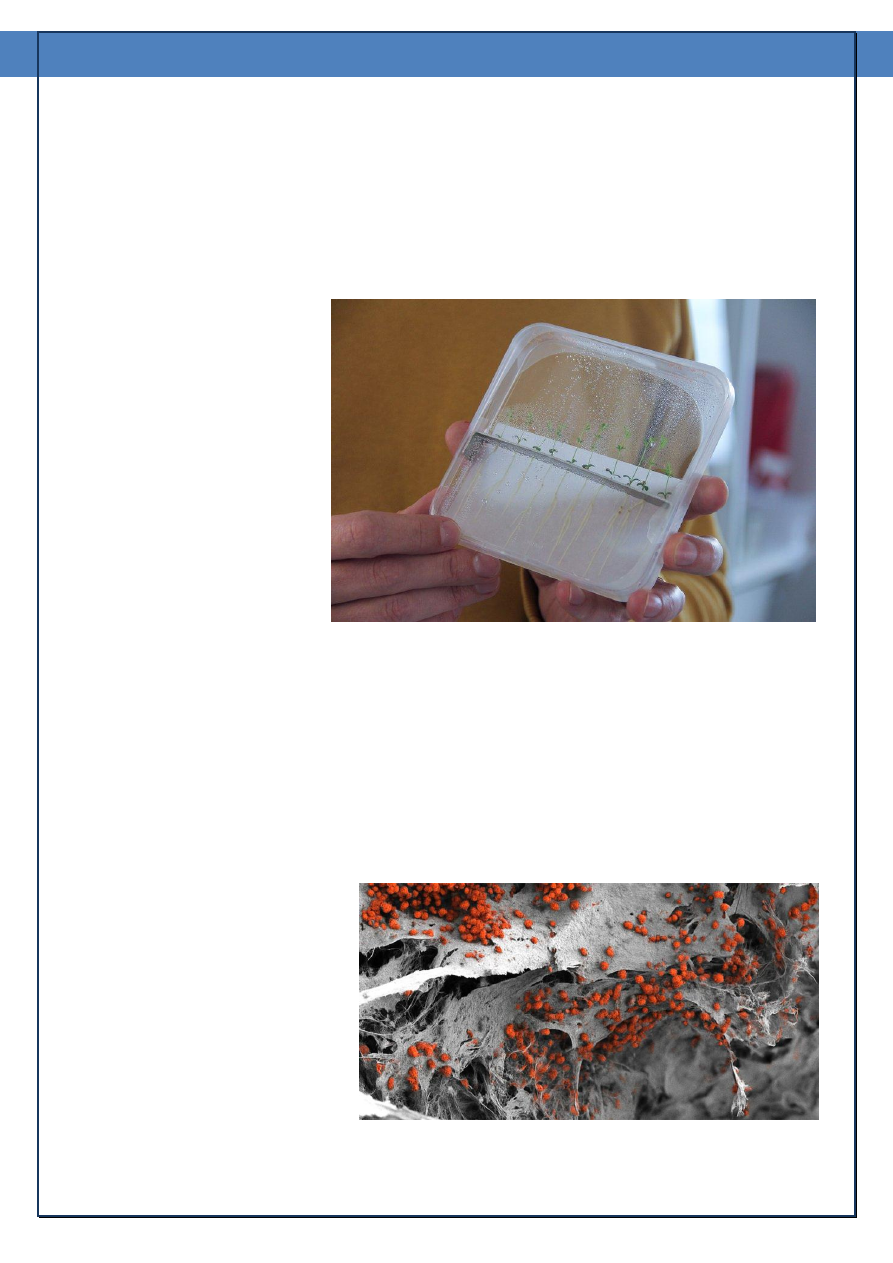
Researchers in Egypt’s arid coastal regions report promising results from the introduction of the
Abbassa tilapia strain, a fish engineered for faster growth and enhanced resilience under saline
conditions. Trials indicate the strain thrives in water-limited environments, enabling Integrated
Agriculture-Aquaculture (IAA) systems that recycle nutrient-rich water to support crop growth in
otherwise challenging soils. The ‘100 Integrated Aquaculture Ponds’ initiative in Matrouh, led by
WorldFish in partnership with the Sustainable
Development Center for Matrouh Resources, is
implementing 100 private-sector IAA farms across
247 acres, reaching approximately 1,200 farmers.
Initial deployment of Abbassa fingerlings to local
hatcheries
has
established
a
self-sustaining
broodstock supply, coupled with technical training
and farmer engagement to optimize performance.
Preliminary
observations
demonstrate
that
integrating the Abbassa strain into IAA systems
improves productivity, enhances water and nutrient
use efficiency, and increases income potential for
farmers. These findings suggest the approach could
serve as a replicable model for sustainable
aquaculture in water-scarce and high-salinity regions.
12
Technology Roundup
Towards Fertilizer-Free Crops
Researchers at Aarhus University have uncovered a key molecular mechanism that allows plants to
form symbiotic relationships with nitrogen-fixing bacteria, opening the possibility of reducing
reliance on synthetic fertilizers. The study shows that altering just two amino acids in a receptor
protein, can switch a plant’s response from activating immune defenses to initiating symbiosis.
Experiments in the model plant Lotus japonicus demonstrate that this modification enables the plant
to cooperate with nitrogen-fixing bacteria. Similar mechanisms were observed in barley proteins,
suggesting that the approach
could be extended to staple
cereal crops such as wheat,
maize, and rice. This discovery
provides a precise genetic target
for engineering crops capable of
self-sufficient nitrogen uptake by
decreasing the need for artificial
fertilizers
which
contribute
significantly
to
energy
consumption and CO₂ emissions.
The findings represent a major
step
toward
sustainable,
climate-friendly food production
and enhanced global agricultural
resilience.
Mini Human Blood Factory Grown in Lab
Researchers have created the first fully human-made bone marrow system, replicating the complex
network of cells, blood vessels, and nerves found deep inside human bones. This lab-grown “blood
factory” provides a realistic environment to study blood formation and its disruption in conditions
such as cancer, reducing reliance on animal models. The team built the model using a hydroxyapatite
scaffold and human pluripotent stem cells, guiding them to develop into a variety of bone marrow
cell types. The resulting three-dimensional structure accurately mimics the endosteal niche, a critical
area for blood cell production and cancer resistance, measuring eight millimeters in diameter and
four millimeters thick. Human blood
cell production was maintained for
several weeks within this system.
This innovation offers a platform for
safer drug testing and could
eventually
enable
personalized
therapies, using patient-derived cells
to identify the most effective
treatments. It also represents a step
toward
minimizing
animal
experimentation while advancing
our understanding of human hematopoiesis.

13
Technology Roundup
FORTHCOMING TECH EVENTS
PAKISTAN
3rd International Conference on Life Sciences: Integrating Biology, Biotechnology, and
Agri-Food Systems
January 13 – 14, University of Management and Technology, Lahore
7th International Workshop on Ion Beam Applications - 2026
January 13 – 15, 2026, National Centre for Physics, Islamabad
https://www.ncp.edu.pk/iwiba-2026.php
1st International Conference on Innovations in Information and Communication Technologies
(IICT'26)
January 15 – 17, 2026, Mehran University of Engineering and Technology (MUET), Jamshoro
6th International Conference on Biological Research and Applied Science
January 20 – 22, 2026, Jinnah University for Women, Karachi
Advances in Theoretical High Energy Physics - 2026
January 26 – 30, 2026, National Centre for Physics, Islamabad
https://www.ncp.edu.pk/athep-2026.php
1st International Conference Frontiers in Science (ICFS 2026)
February 02 – 03, 2026, Allama Iqbal Open University, Islamabad
Conference on Emerging Materials and Processes
February 09 – 10, 2026, NUST, Islamabad
https://scme.nust.edu.pk/seminar-and-workshop/cemp-2026/
7th International Conference on Advancements in Computational Sciences
February 10 – 11, 2026, The University of Lahore, Lahore
https://sites.uol.edu.pk/icacs26/
1st International Conference on Computing Sciences & Emerging Trends
February 11 – 12, 2026, Quaid-e-Awam University of Engineering, Science & Technology,
Nawabshah
6th International Conference on Computational Intelligence & Internet of Things (ICCIIOT)
February 11 – 12, 2026, University of Engineering and Technology, Peshawar
https://www.uetpeshawar.edu.pk/icciiot/index.html
7th International Conference on Sustainability in Process Industries (SPI)
February 11 – 12, 2026, University of Engineering and Technology, Peshawar
https://www.uetpeshawar.edu.pk/conference-spi/
5th International Conference on Computing, Mathematics and Engineering Technologies
(ICOMET 2026)
March 30 – 31, 2026, Sukkur IBA University, Sukkur

14
Technology Roundup
https://icomet.iba-suk.edu.pk/
5th International Conference on Early Childhood Development
April 07 – 08, 2026, Allama Iqbal Open University, Islamabad
International Conference on Cooling and Membrane Separations 2026
April 08 – 09, 2026, LUMS, Lahore
International Conference on Computing Research (ICCoR 26)
April 11th, 2026, Capital University of Science & Technology, Islamabad
International Conference on Advances in Computer Science
April 15 – 16, 2026, Allama Iqbal Open University, Islamabad
2nd International Conference on Plant Science and Management of Drylands for Agriculture &
Biodiversity – A Step towards Sustainable Development
May 18 – 20, 2026, University of Balochistan, Quetta
https://www.uob.ac.pk/Notification/EventsData/2nd-conference.pdf
INTERNATIONAL
SPE Hydraulic Fracturing Technology Conference and Exhibition
February 03 –05, 2026, Texas, USA
https://www.spe-events.org/hydraulicfracturing/
44th IEEE International Conference on Consumer Electronics (ICCE 2026)
February 03 –05, 2026, Dubai, United Arab Emirates
Kuwait Oil & Gas Show
February 03 –05, 2026, The Arena, Kuwait
https://www.spe-events.org/kogs2026
Global Conference on Wireless and Optical Technologies 2026
February 11 –13, 2026, Malaga, Spain
13th International Conference on Geological and Civil Engineering
March 06 –08, 2026, Fukuoka, Japan
9th International Symposium on Big Data and Applied Statistics (ISBDAS 2026)
March 06 –08, 2026, Guangzhou, China
International Drilling Conference and Exhibition
March 17 –19, 2026, Texas, USA

15
Technology Roundup
International Conference on Intelligent Systems and Artificial Intelligence Applications (ISAA
2026)
April 01 –02, 2026, Nizwa, Sultanate of Oman
https://www.unizwa.edu.om/ISAA2026/
International Conference on AI Innovations and Industry, 2026,
April 06 –08, 2026, Jeddah, Saudi Arabia
https://icaiii.jicollege.edu.sa/
5th IEEE International Multidisciplinary Conference on Engineering Technology IMCET 2026
April 15 –17, 2026, Beirut, Lebanon
7th International Conference on Geology, Mapping and Remote Sensing
April 17 –19, 2026, Zhoushan, China
Offshore Technology Conference
May 04 –07, 2026, Houston, USA
DCHPC 2026 The Fourth International Conference on Distributed Computing and High
Performance Computing
May 04 –07, 2026, Tehran, Iran
The 6th International Conference on Innovative Research in Applied Science, Engineering and
Technology - IRASET’2026
May 14 –15, 2026, Fez, Morocco
The 9th International Conference on Electronics Technology
May 29 –31, 2026, Chengdu, China
13th Electrical Power, Electronics, Communications, Controls, and Informatics Seminar
June 02 –04, 2026, Malang, Indonesia
The (IEEE) 2026 International Conference on Revolutionary Artificial Intelligence and Future
Applications (Rev-AI 2026)
June 03 –05, 2026, Varna, Bulgaria
The 23rd International Joint Conference on Computer Science and Software Engineering
(JCSSE 2026)
June 24 –27, 2026, Thailand
8th International Conference on Wireless Communications and Smart Grid
July 09 –11, 2026, Colmar, France

16
Technology Roundup
SOURCES AND IMAGE CREDITS
https://aitadal.com.pk/eng/science-technology/pakistan-unveils-first-ai-powered-driverless-car-
at-ned-university/
https://digitalpakistan.pk/google-to-open-first-office-in-pakistan/
https://bloompakistan.com/islamabad-students-secure-silver-at-global-youth-ai-championship/
https://pakinsightsnow.com/kp-introduces-first-locally-manufactured-electric-rickshaw/
https://www.arabnews.com/node/2626467/pakistan
https://www.zong.com.pk/press-release/zong-presents-ai-summit-unveils-ai-roadmap-for-
pakistan-2030
https://www.brecorder.com/news/40395024
https://tech.yahoo.com/science/articles/scientists-just-built-robot-smaller-170323348.html
https://attheu.utah.edu/health-medicine/u-engineers-give-a-bionic-hand-a-mind-of-its-own/
https://english.cnipa.gov.cn/art/2025/12/10/art_2975_203034.html
https://futurism.com/space/korea-moon-robot-wheels
https://www.ien.com/product-development/news/22957461/there-are-billions-of-ways-to-
build-an-engine
https://scitechdaily.com/scientists-grow-a-tiny-human-blood-factory-in-the-lab/
17
Technology Roundup
TECH AND TRADE OFFERS
Gatron
About Gatron
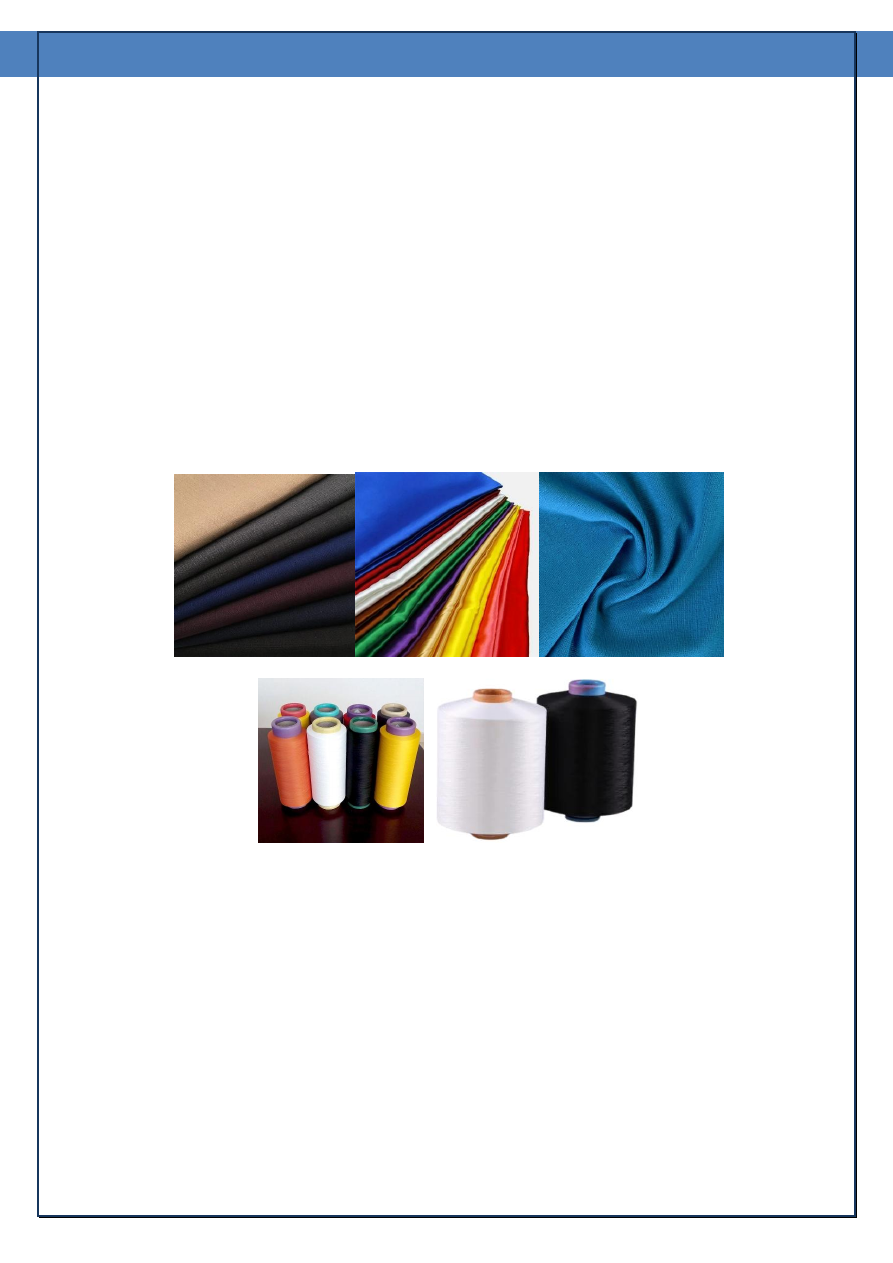
We are an innovative, sustainable and competitive world class producer of polyester products aiming
to have a positive impact on society. Gatron has marked itself as a leader within the Polyester sector
due to its integrated operations and diverse portfolio. Our Air Covered Yarn products are made with a
combination of two different yarns, which results in excellent features such as breathability, stretch,
and soft feel. These features can be felt in any apparel whether it be Denim, Athleisure or Active wear.
Our products
Polyester Filament Yarn
PET Preforms
Knitted Fabrics
Contact us
Address: Room No. 32, First Floor, Ahmed Complex, Jinnah Road, Quetta, Balochistan, Pakistan
Phone: 081-2825304
Email:
Web:
Al-Thaqafa
About Al-Thaqafa
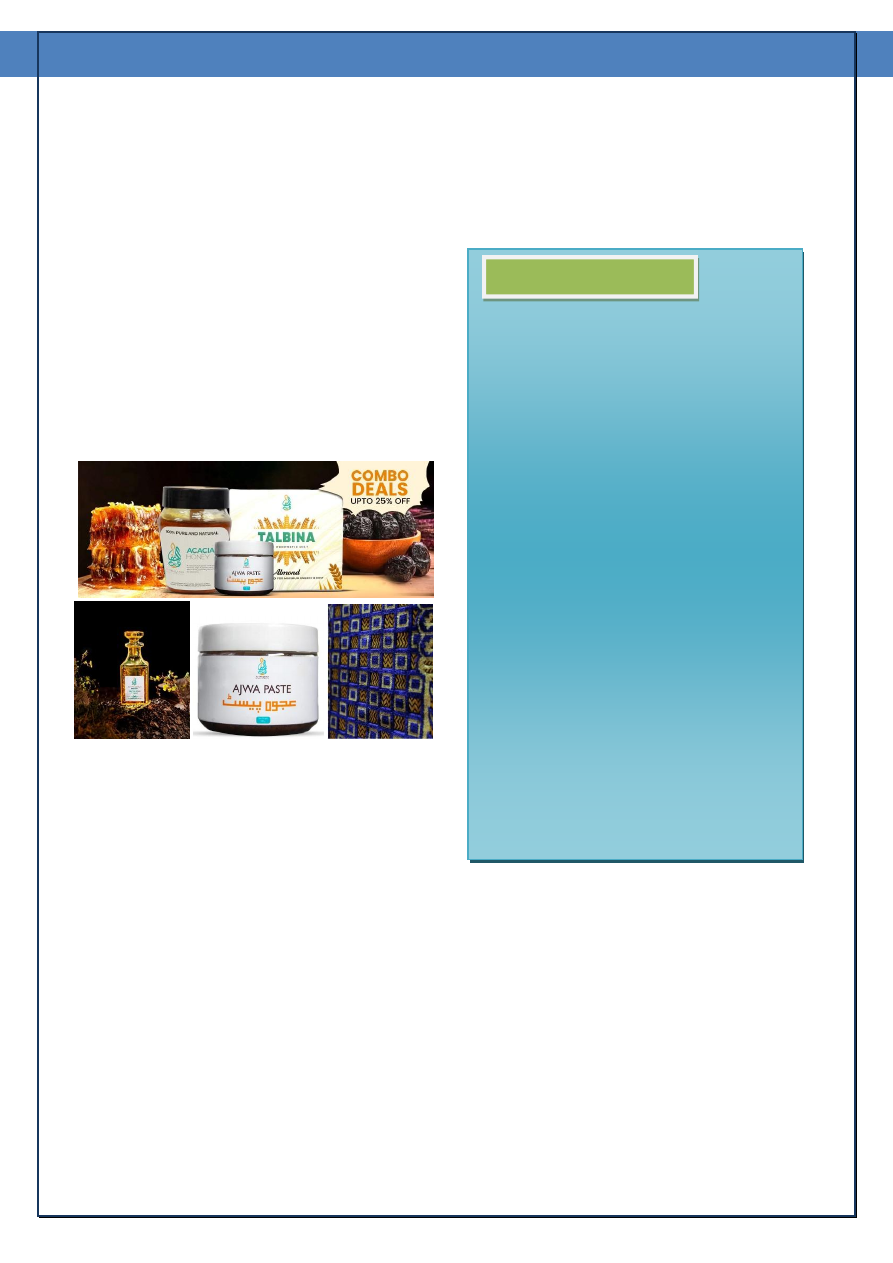
At Al-Thaqafa, which means ‘Culture’, we believe we can revive some of it by bringing you a
complete range of products that depict a modern day Muslim. We have sourced and produced some
of the finest quality products ranging from Abayas & Scarfs to Attar & Books and from Organic Honey
& Dates to Hajj and Umrah kits and more.
18
Technology Roundup
Everything that encompasses an Islamic Lifestyle, we have you covered. We pride ourselves in being a
brand that has its own products. We have competitive pricing so you get the best product, at the most
affordable rates.
Our products
Books
Abayas
Food
Caps
Attars
Umrah Offers
Gifts
Combo Deals
Prayer mats
Contact us:
Address:
Lower Ground Shop No.7 & 8, Kuwait
Arcade, Near Al-Noor Chemist, Main PWD Road,
Pakistan Town, Islamabad
Contact:
Phone: +92 306 0656283
E-mail:
Web:
PASTIC serves as a gateway for Scientific
& Technological Information for R&D by
catering to the information needs of
researchers, entrepreneurs, industrialists,
educationists, policy makers and planners
through anticipatory and responsive
information services.
Technology Information Section works
exclusively for support and promotion of
technological information on trade and
industry in the country.
“Technology Roundup” is a news bulletin
that provides latest and innovative
technology news, and forthcoming events.
It also promotes products, technologies
and services globally in sectors such as
Agro Industry, Bio-Technology, Building
Material, Business, Chemicals,
Electronics, Energy, Fisheries, Food
Processing, Machinery, Packaging,
Mining, Pharmaceuticals and Textiles.
About PASTIC
Please give us your feedback and address
queries to