Patron/Executive Editor
Prof. Dr. Muhammad Akram Shaikh
Director General, PASTIC
Managing Editor
Ms. Nageen Ainuddin
Editor
Dr. Syed Aftab Hussain Shah
Composer
Kashif Farooqui
T
ECHNOLOGY
R
OUNDUP
Technology Information Services Section (TIS)
Pakistan Scientific & Technological Information Centre
PASTIC
September-October, 2018
Vol.10 No 5
A NEWS BULLETIN FROM
Tech News Headlines
Tech & Trade Offers
Phone: 051-9248103-4, 9248128
Fax: 051-9248113
Email: tis.pastic@gmail.com
Web: www.pastic.gov.pk
PASTIC National Centre
Quaid-i-Azam University Campus
P.O. Box 1217, Islamabad
Editorial Board
l
Cloud Based Remote FPGA Lab Platform: An Application of
Internet of Things
l
l
l
l
l
l
Test detects early Stage Pancreatic Cancer
PAK-US Tech Exchange 2019 opens Applications for an Immersive
Program in Silicon Valley
Newly Discovered Bacterium Rids Groundwater Contaminants
Success is Sweet: Researchers unlock the Mysteries of the Sugarcane
Genome
Virtual Reality Motion Sickness may be Predicted and Counteracted
Artificial Synaptic Device Simulating the function of Human Brain
New Blood
Standard Engineering
Forthcoming Tech Events
l
l
l
l
l
l
l
l
World Wind Energy Conference
CAC Pakistan Summit
International Conference on Renewable Energy Sources and
Sustainability
International Conference on Engineering & Technology
International Conference on Open Source Systems &
Technologies
International Conference on Science, Engineering &
Technology
International Conference on Green Computing Technologies,
Materials and Devices
International Conference on Vehicular, Mobile and Wearable
Technology

Technology Roundup
2
Cloud Based Remote FPGA Lab Platform: An Application of Internet of
Things
IoT (Internet of Things) is the next generation of the Internet. The main goal of IoT is to connect each and
every physical object to the Internet Cloud. This concept is introduced by bringing IoT technology to the
laboratories, making expensive laboratory equipment available on-cloud for real-time experimentation. In
this paper, an on CLP (Cloud Laboratory Platform) is presented by employing the concept of IoT to the
academic experimentation environment. The CLP allows a rapid deployment of an online laboratory system
enabling students and researchers to perform actual experiments on the on-Cloud laboratory equipment
using a web interface and a web interface for end users to access front end of the system.
This interface was developed for login purposes so that any user can perform experiments from anywhere.
The interface also provides options for comments and feedback. Moreover, this research contribution also
facilitate users to test their designs and record observations in real-time on the equipment. For demonstration
purposes, a remote lab has been developed for high-tech Xilinx FPGA (Field Programmable Gate Array)
development boards, namely Spartan-II and Spartan-III.
This project aims to provide students a new tool to enhance their learning experience and encourage them to
test their theoretical knowledge in practical applications.
Source:
Syed Abbas Ali, Raheela Asif, Saman Hina, Zainab Fatima. An Application of Internet of
Things. Mehran University Research Journal of Engineering and Technology. 2018 37 (4):
535-544.
Technology Roundup
3
PAK-US Tech Exchange 2019 opens Applications for an immersive
program in Silicon Valley
Source: www.techjuice.pk/pak-us-tech-exchange-2019-opens-applications
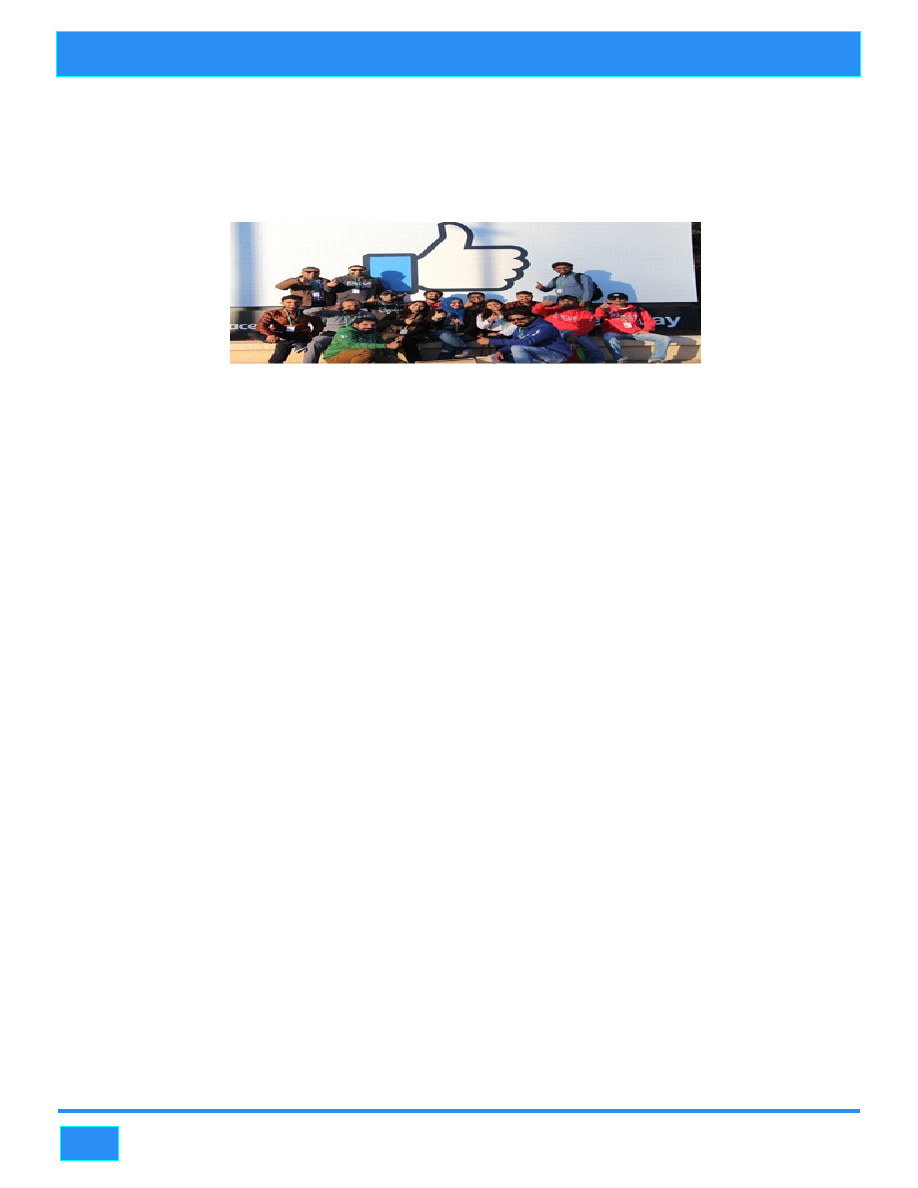
Applications are invited under PAK-US Tech Exchange Program starting from February 10th-20th, 2019
in the Silicon Valley.
Powered by Startup Grind and Ejad Labs, the PAK-US Tech Exchange is an opportunity for startups to
access Silicon Valley's innovative businesses and gain insights from technology leaders and
entrepreneurs. Selected participants will visit technology businesses, startup incubators, and universities
to bring back the experience to Pakistan. The visits will include Google, Apple, Facebook, CISCO, Intel
and Uber, coveted Silicon Valley incubators and accelerators such as Y-Combinator, TechStars, Start X,
Founder Institute, Impact Hub and universities such as Stanford University and Draper University.
The delegates will also represent Pakistan at the 7th annual Startup Grind Global Conference that will
host over 5000 entrepreneurs and investors from around the globe. Leading technology entrepreneurs
such as Reid Hoffman of Linkedin, Cal Henderson of Slack, Guy Kawasaki of Canva, and Dr. Andrew Ng
of Stanford University and Coursera are expected as mentors at the Startup Grind Global Conference.
The program will allow selected delegates to gain hands-on experience through tailored workshops and
mentoring sessions with Silicon Valley experts. They will explore new business models inside or outside
of an established organization and application of innovation at various stages of organizational growth.
At the end of the program, the participants will be awarded certificates by Ejad Labs for successful
completion and will be welcomed to the Pak-US Tech Exchange alumni network.
!The program is looking for the following stakeholders from the Pakistani entrepreneurial ecosystem,
!Graduate and executive students in business, engineering, technology, innovation, and
entrepreneurship
!Entrepreneurs, startup founders, and leaders of incubators and accelerators
!Angel investors and venture capitalists
!Officers from government agencies
!Technology professionals running an IT company or having relevant work experience
!Professionals (corporate, government official, development sector)
The program is accepting applications till November 15th, 2018. Top 25 participants that qualify the
selection phase will have to complete a 4-week online accelerator program from January 1st to January
31st, 2019 to further qualify for the activity in Silicon Valley. The immersion program will run from
February 10th to February 20th, 2019.
Apply at: https://www.pakustech.com/apply
4
Technology Roundup
Newly Discovered Bacterium Rids Groundwater Contaminants
Source: www.sciencedaily.com/releases/2018/10/181009115019.html
Researchers have detailed the discovery of the first bacterium known capable of simultaneously degrading the pair
of chemical contaminants -- 1,4-Dioxane and
Known as a chemical manufacturing by-product of many cosmetics and home cleaning products, the industrial
solvent 1,4-Dioxane is now considered by the Environmental Protection Agency to be an "emerging contaminant"
and "likely human carcinogen" that can be found at thousands of groundwater sites nationally -- potentially
representing a multi-billion dollar environmental remediation challenge. However, it is the contaminant's frequent
co-existence with another toxic chemical -- 1,1-Dichloroethylene (1,1-DCE) -- that has been found to aid in 1,4-
dioxane's resistance to certain remediation strategies, including degradation by naturally-occurring microbes.
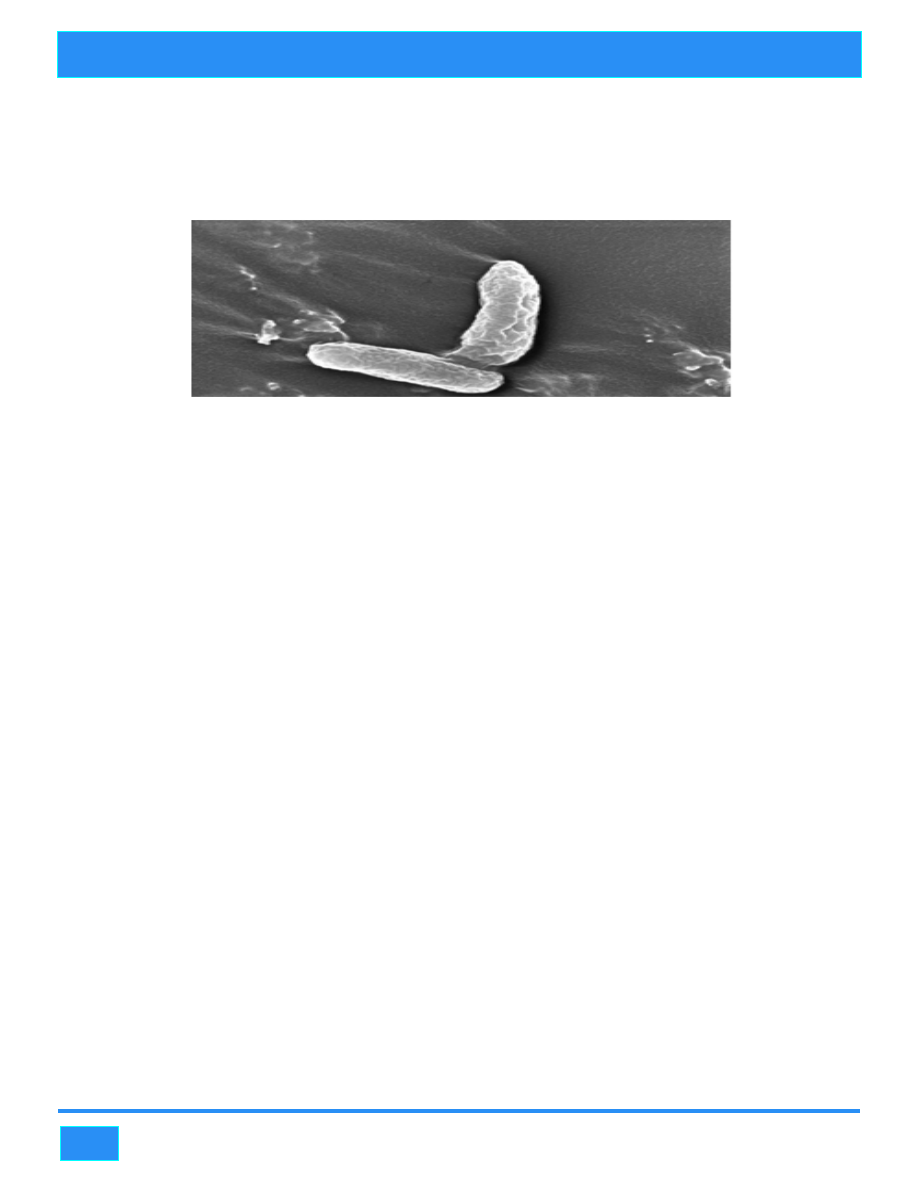
Now, New Jersey Institute of Technology (NJIT) researchers have detailed the discovery of the first bacterium
known capable of simultaneously degrading the pair of chemical contaminants -- 1,4-Dioxane and 1,1-DCE. The
study, published in Environmental Science & Technology Letters, also showcases the efficiency of the microbe,
called Azoarcus sp. DD4 (DD4), in reducing 1,4-dioxane and 1,1-DCE levels in co-contaminated groundwater
samples.
"Nationwide, researchers have found that more than 80% of the groundwater sites contaminated with 1,4-dioxane
also contain 1,1-DCE," said Mengyan Li, Assistant Professor of chemistry and environmental science at NJIT.
"This pair of chemicals are toxic and costly to remove from the environment because the pair have very different
properties that typically require separate treatment solutions. Biodegradation by DD4 is the first biological
method we have found for treating both compounds concurrently, and it is also environmentally-friendly and cost-
efficient.”
Li's research team initially discovered the DD4 microbe from activated sludge samples collected from a municipal
wastewater treatment facility. In the lab, Li's team was able to isolate and analyze DD4's ability to degrade 1,4-
dioxane and 1,1-DCE simultaneously in contaminated groundwater samples over a two-week period. Li's lab is
now conducting further tests of the bacterium in the lab to better understand how DD4 might perform at
contaminated water sites. "Ideally, we may inject the bacteria into the center of a contamination zone, or try
growing them on the surface of bio-barriers that help stop spread of contamination," said Li. "First, we'd like to do
more tests and possibly develop a gene marker that helps us assess the bacteria's performance. Then, we would like
to move into the field.”
3
5
Technology Roundup
Success is Sweet: Researchers unlock the Mysteries of the Sugarcane Genome
Source: www.sciencedaily.com/releases/2018/10/181009114949.htm
l
For centuries, sugarcane has supplied human societies with alcohol, biofuel, building and weaving materials,
and the world's most relied-upon source of sugar. Now, researchers have extracted a sweet scientific prize from
sugarcane: Its massive and complex genome sequence, which may lead to the development of hardier and more
productive cultivars.
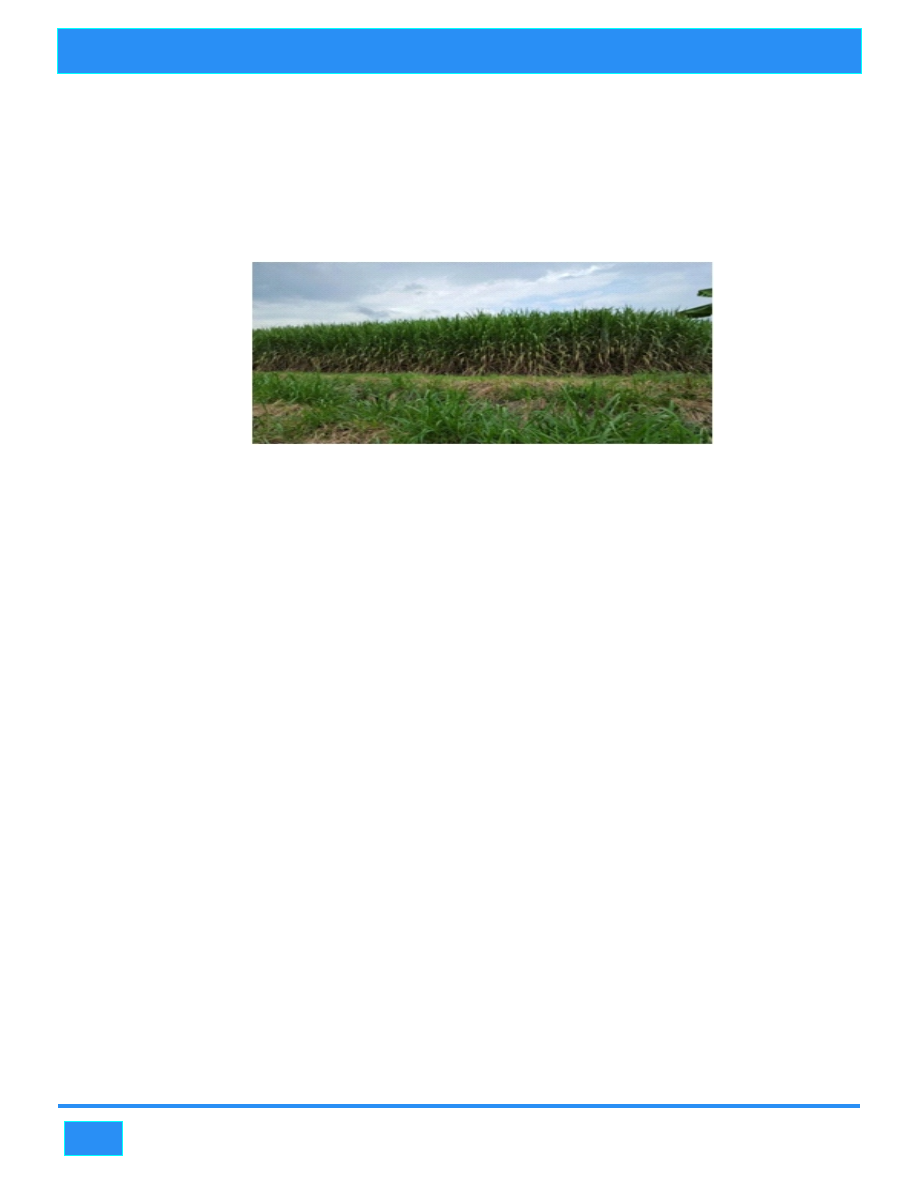
Harvesting sugarcane or Sugarcane field: Modern sugarcane cultivars are polyploid interspecific hybrids,
combining high sugar content from S. officinarum with hardiness, disease resistance and ratooning of S.
spontaneum. The sequenced genome is a haploid accession AP85-441 generated by anther culture from
octoploid S. spontaneum SES208.
Credit: Ray Ming
"Personally, I waited for 20 years to get this genome sequenced," said Ray Ming, a University of Illinois plant
biology professor who instigated and led the sequencing effort. "I dreamed about having a reference genome for
sugarcane when I worked on sugarcane genome mapping in the late 1990s." Ming is a member of the Carl R.
Woese Institute for Genomic Biology, one of a group of researchers interested in developing sugarcane and
related crops to boost food and biofuel production.
"Sugarcane is the fifth most valuable crop, and the lack of a reference genome hindered genomic research and
molecular breeding for sugarcane improvement," Ming said.
To conquer this challenge, the sequencing team used a technique called high-throughput chromatin
conformation capture or Hi-C. This method allows researchers to discover what parts of the long, tangled strands
of chromosomal DNA lie in contact with one another inside the cell. When analyzed using a customized
algorithm called ALLHIC developed by the team, the resulting data served the purpose of the picture on the lid of
a jigsaw puzzle box, providing a rough map of which sections of sequence most likely belonged to which
chromosome.
"The ALLHIC method has already proven to be effective for the construction of the autopolyploid sugarcane
genome," Ming said. He anticipates that the techniques used successfully for the sugarcane genome will also
assist researchers in sequencing other complex genomes.

6
Technology Roundup
Artificial Synaptic Device Simulating the function of Human Brain
Source: www.sciencedaily.com/releases/2018/09/180907110514.html
Researchers have developed a high-reliability artificial electronic synaptic device that simulates neurons and
synapses. The finding is expected to be utilized in the development of artificial intelligence (AI) and brain-like
semiconductors. A research team led by Director Myoung-Jae Lee from the Intelligent Devices and Systems
Research Group at DGIST has succeeded in developing an artificial synaptic device that mimics the function of
the nerve cells (neurons) and synapses that are response for memory in human brains.
Synapses are where axons and dendrites meet so that neurons in the human brain can send and receive nerve
signals; there are known to be hundreds of trillions of synapses in the human brain. This chemical synapse
information transfer system, which transfers information from the brain, can handle high-level parallel arithmetic
with very little energy, so research on artificial synaptic devices, which mimic the biological function of a
synapse, is under way worldwide.
Dr. Lee's research team, through joint research with teams led by Professor Gyeong-Su Park from Seoul National
University; Professor Sung Kyu Park from Chung-ang University; and Professor Hyunsang Hwang from
POSTEC, developed a high-reliability artificial synaptic device with multiple values by structuring tantalum
oxide -- a trans-metallic material -- into two layers of Ta2O5-x and TaO2-x and by controlling its surface. The
artificial synaptic device developed by the research team is an electrical synaptic device that simulates the
function of synapses in the brain as the resistance of the tantalum oxide layer gradually increases or decreases
depending on the strength of the electric signals. It has succeeded in overcoming durability limitations of current
devices by allowing current control only on one layer of Ta2O5-x.
In addition, the research team successfully implemented an experiment that realized synapse plasticity, which is
the process of creating, storing, and deleting memories, such as long-term strengthening of memory and long-
term suppression of memory deleting by adjusting the strength of the synapse connection between neurons.
The non-volatile multiple-value data storage method applied by the research team has the technological
advantage of having a small area of an artificial synaptic device system, reducing circuit connection complexity,
and reducing power consumption by more than one-thousandth compared to data storage methods based on
digital signals using 0 and 1 such as volatile CMOS (Complementary Metal Oxide Semiconductor).
The high-reliability artificial synaptic device developed by the research team can be used in ultra-low-power
devices or circuits for processing massive amounts of big data due to its capability of low-power parallel
arithmetic. It is expected to be applied to next-generation intelligent semiconductor device technologies such as
development of artificial intelligence (AI) including machine learning and deep learning and brain-mimicking
semiconductors. Dr. Lee said, "This research secured the reliability of existing artificial synaptic devices and
improved the areas pointed out as disadvantages. We expect to contribute to the development of AI based on the
neuromorphic system that mimics the human brain by creating a circuit that imitates the function of neurons.”

7
Technology Roundup
New Blood Test detects early Stage Pancreatic Cancer
Source: www.sciencedaily.com/releases/2018/09/180917101304.html
Pancreatic cancer is currently very difficult to detect while it is still resectable. A new blood test developed by
researchers at Lund University in Sweden, Herlev Hospital, Knight Cancer Center and Immunovia AB, can
detect pancreatic cancer in the very earliest stages of the disease. The results have been published in the Journal
of Clinical Oncology.
Due to diffuse symptoms, pancreatic cancer is usually diagnosed very late in the disease progression.
Therefore, despite pancreatic cancer representing less than 3% of all cancer cases, more people currently die
from it than breast cancer. By 2030, pancreatic cancer is expected to be the second deadliest type of cancer in
the world.
"Our test can detect pancreatic cancer with 96% accuracy at stage I and II, while there is still the possibility of
successful surgical intervention. There is currently no cure and few treatment options for advanced pancreatic
cancer, which is the late stage when pancreatic cancer is usually diagnosed," explains Carl Borrebaeck,
professor at the department of Immunotechnology at Lund University. The study used samples from patients in
both Denmark and the US, at different stages of the disease.
The blood test is developed on a so-called antibody microarray that consists of hundreds of recombinant
antibody fragments. These antibody fragments are specific for a number of immune-regulatory proteins,
cancer-associated antigens, and so on. Since the immune system is the first to respond to threats like complex
diseases, such as cancer, autoimmune diseases and infections, the microarray was designed to mirror this early
response. This provides information about the development of tumours long before being visible on CT or
detected by ctDNA. From those hundreds of markers, 29 markers were selected to detect pancreatic cancer
with 96% accuracy at stage I and II.
In the future, the screening method could be used to screen people who are at a higher risk of developing
pancreatic cancer, such as those with a hereditary risk, newly onset diabetes patients and patients with chronic
inflammation of the pancreas. The next step has already been initiated, which is a large US prospective study
for high risk individuals.

7
Technology Roundup
78
Virtual Reality Motion Sickness may be Predicted and Counteracted
Source: www.sciencedaily.com/releases/2018/09/180927083336.html
Researchers at the University of Waterloo have made progress towards predicting who is likely to feel sick
from virtual reality technology. In a recent study, the researchers found they could predict whether an
individual will experience cybersickness (motion sickness caused by virtual reality) by how much they sway in
response to a moving visual field. The researchers think that this knowledge will help them to develop
counteractions to cybersickness.
Cybersickness involves nausea and discomfort that can last for hours after participating in virtual reality (VR)
applications, which have become prevalent in gaming, skills training and clinical rehabilitation.
"Despite decreased costs and significant benefits offered by VR, a large number of users are unable to use the
technology for more than a brief period because it can make them feel sick," Séamas Weech, a postdoctoral
research fellow at the Department of Kinesiology and lead author of the paper. "Our results show that this is
partly due to differences in how individuals use vision to control their balance. By refining our predictive
model, we will be able to rapidly assess an individual's tolerance for virtual reality and tailor their experience
accordingly.”
In conducting their work, the researchers collected several sensorimotor measures, such as balance control and
self-motion sensitivity, from 30 healthy participants aged 18-30. The researchers then exposed the participants
to VR with the aim of predicting the severity of motion sickness. Using a regression model, they significantly
predicted how much cybersickness participants experienced after being exposed to a zero-gravity space
simulator in VR.
"Knowing who might suffer from cybersickness, and why, allows us to develop targeted interventions to help
reduce, or even prevent, the onset of symptoms," said Michael Barnett-Cowan, neuroscience professor in the
Department of Kinesiology and senior author of the paper. "Considering this technology is in a growth phase
with industries such as gaming, design, medicine and automotive starting to use it, understanding who is
negatively impacted and how to help them is crucial.”

Technology Roundup
Technology Roundup
National
World Wind Energy Conference
www.wwindea.org
CAC Pakistan Summit
www.10times.com/cps-lahore
International Conference on Open Source Systems & Technologies
www.10times.com/icosst-q
International Conference on Science, Engineering & Technology
www.researchfora.com/Conference2019/Pakistan/1/ICSET/
International Conference on Green Computing Technologies, Materials and Devices
www.researchleagues.com
International Conference on Renewable Energy Sources and Sustainability
www.iser.org.in
International Conference on Engineering & Technology
www.allconferencealert.net
International Conference on Vehicular, Mobile and Wearable Technology
www.iserd.co/Conference2019/USA/1/ICVMWT/
28-30 November, 2018
Karachi, Pakistan
04-05 December, 2018
International Expo Centre, Lahore
19-21 December, 2018
Al-Khawarizmi Institute of Computer Science, Lahore
28-29 January, 2019
Rawalpindi
16-17 January, 2019
New York, USA
International Events
28 November, 2018
Asuncion, Paraguay,
7th December, 2018
ACCRA, Ghana
18th December, 2018
Dubai, UAE
Forthcoming Tech Events
9
Tech & Trade Offers
About PASTIC
PASTIC serves as a gateway for
Scientific & Technological
Information for R&D by
catering to the information
n e e d s o f r e s e a r c h e r s ,
entrepreneurs, industrialists,
educationists, policy makers
a n d p l a n n e r s t h r o u g h
anticipatory and responsive
information services.
T e c h n o l o g y I n f o r m a t i o n
Section works exclusively for
support and promotion of
technological information on
trade and industry in the
c o u n t r y . “ T e c h n o l o g y
Roundup” is a news bulletin
that provides latest and
innovative technology news,
forthcoming events, etc. It also
p r o m o t e s p r o d u c t s ,
technologies and services
globally in sectors such as
A g r o - I n d u s t r y , B i o -
Technology, Building Material,
B u s i n e s s , C h e m i c a l s ,
Electronics, Energy, Fisheries,
Food Processing, Machinery,
P a c k a g i n g , M i n i n g
Pharmaceuticals and Textiles.
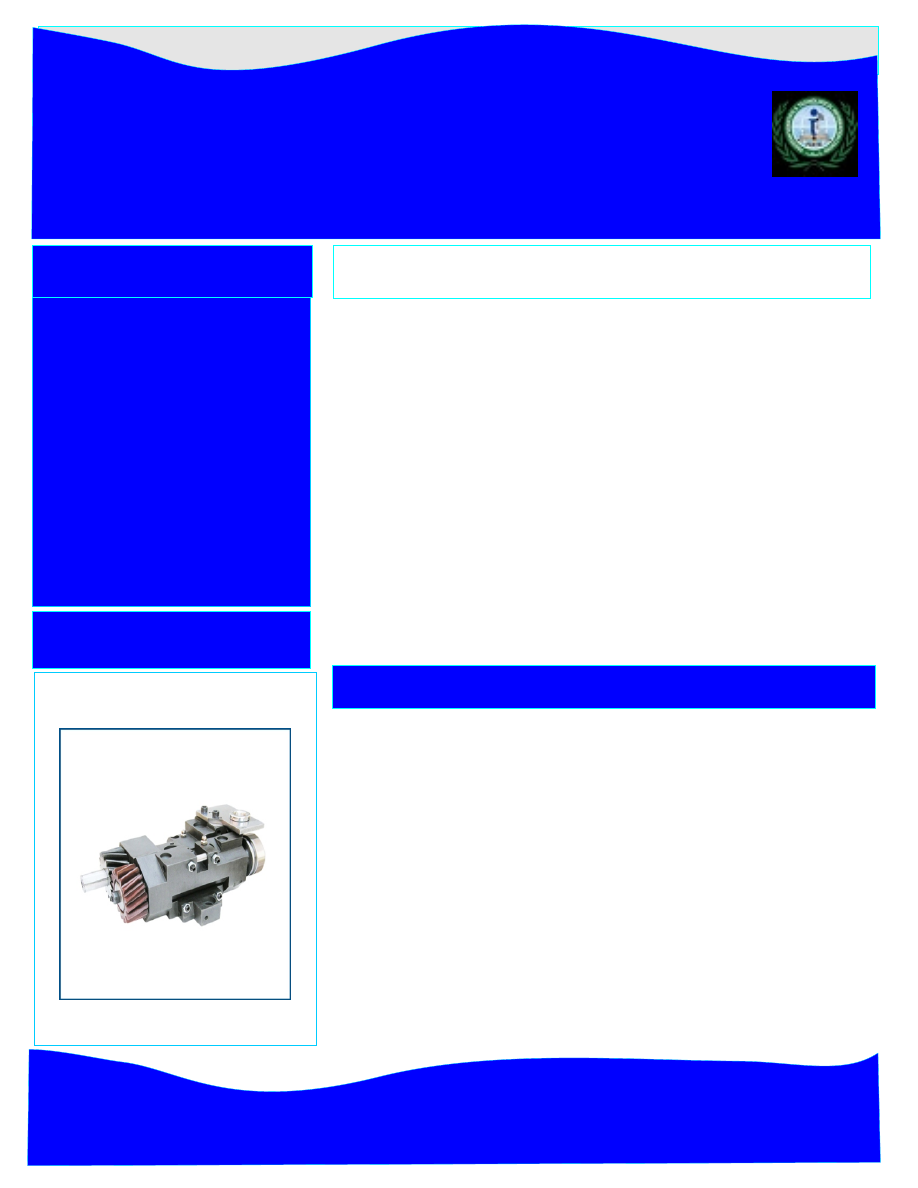
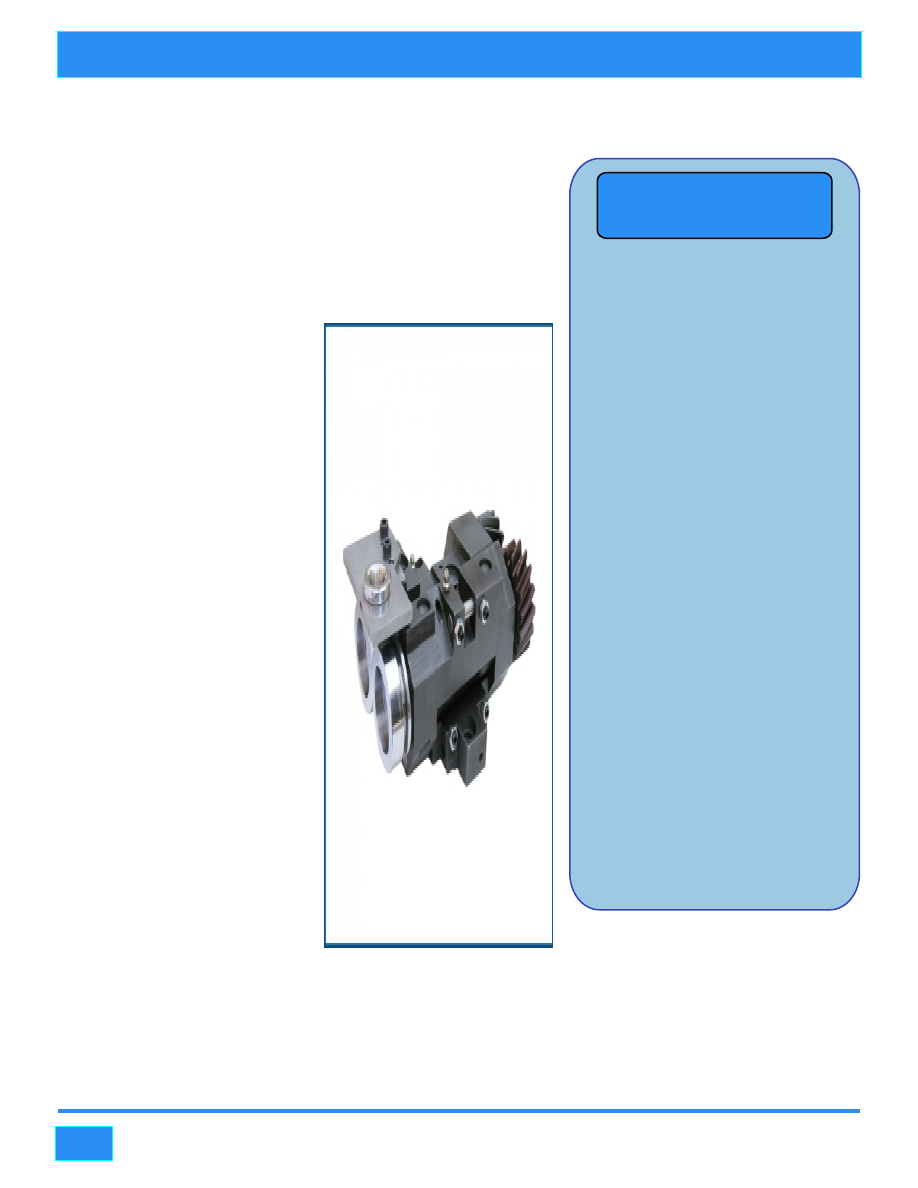
Standard Engineering Works (Pvt) Ltd.
Precision machining with CNC set up
Heat Treatment (Harding) Service
Deep Draw Facilities
Spline Cold Rolling Facilities
Heat Treatment
Atmosphere control Heat
Treatment Furance
Metallurgical Complete lab
Hard Chorome, Zinc Plating,
Cynide Plating
Crack detecting facility
Surface testing equipment
Coating Thickness Testing
Facilities
HRC. HB, HMV Superficial
Hardness Taster
14-km Multan Road (Behind Uni
Foam Factory) Lahore
+92 42-37510148-37510149
Fax: 92-42-37515208
Email: sewlahore@hotmail.com
www.standardenggworks.com
!
!
!
!
!
!
!
!
!
!
!
!
Technology Roundup
Please give us your feedback and address queries to tis.pastic@gmail.com
10