
Executive Editor
Prof. Dr. Muhammad Akram Shaikh
Director General, PASTIC
Managing Editor
Dr. Saima Huma Tanveer
Editor
Dr. Syed Aftab Hussain Shah
Composer
Kashif Farooqui
T
ECHNOLOGY
R
OUNDUP
Technology Information Services Section (TIS)
Pakistan Scientific & Technological Information Centre
PASTIC
July-August, 2020
Vol.12 No 4
A NEWS BULLETIN
Tech News Headlines
Tech & Trade Offers
Phone: 051-9248103-4, 9248128
Fax: 051-9248113
Email: tis.pastic@gmail.com
Web: www.pastic.gov.pk
PASTIC National Centre
Quaid-i-Azam University Campus
P.O. Box 1217, Islamabad
Editorial Board
l
Opportunities for Increasing Trade of Health-Related
Products between UK and Pakistan
l
Inexpensive, accessible Device provides visual proof that
masks block droplets: Study demonstrates a simple way to
test facial covering Materials for Effectiveness
l
Pakistani Aerospace Engineer Aims to make Air Travel
Sustainable
l
Little brain' or Cerebellum not so little after all
l
Cutting Surgical Robots down to Size
l
NASA Researchers track slowly Splitting 'Dent' in Earth's
Magnetic Field
l
COVID-19 Lockdown caused 50 percent global reduction
in Human-linked Earth Vibrations
Forthcoming Tech Events
l
International Conference on Medical, Biological and
Pharmaceutical Sciences
l
International Conference on Environment and Natural
Sciences
l
International Conference on Rehabilitation Science
l
World Congress on Information Technology
l
International Conference on Science Engineering &
Technology
rd
l
3 International Conference on Science Engineering &
Technology
l
International Congress on History of Science and
Technology
l
International Conference on Molecular Biology and
Microbiology
Fast Cables
Technology Roundup
2
Opportunities for Increasing Trade of Health-Related Products between UK and
Pakistan
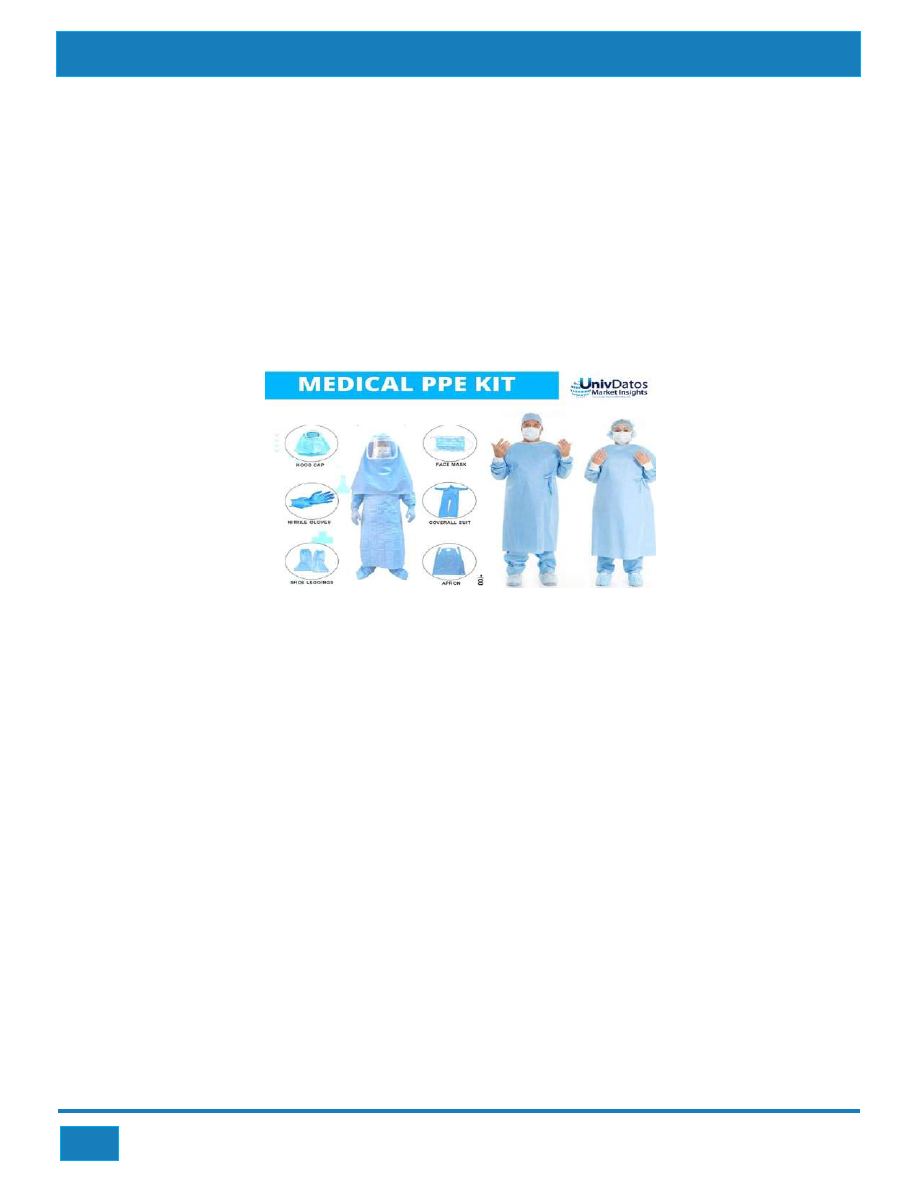
The Covid-I9 pandemic had significant socio- economic fallout for economies around the world. While the
world is struggling to cope with the challenge, demand for PPE, notably face masks, entilators, scrubs, face
shields, and variety of medical clothing etc has raised globally as well as in UK to an extraordinary level.
Pakistan's credential as a reliable supplier of textile and health related products globally is also capable
enough to meet the UK's conformity assessment standards for PPE. Therefore all the Pakistani scientists,
engineers and businessmen involved in production of medical and safety-related equipment of export
quality and have got their products CE and FDA certified or in the process of acquiring these certifications
can exploit the business opportunities for their PPE products in UK. This venture will prove helpful for
contributing to the socio-economic sustainability and mutual economic cooperation globally.
Courtesy
:
https://pk.mashable.com/coronavirus/3565/pakistan-allows-export-of-personal-protective-equipments-
Personal protective equipment (Made in Pakistan)
Product categories:
1. Non-woven: body suits/gown (Coveralls)
2. Fabric body covers
3. Face masks
4. Face protection equipment
5. Hospital supplies
6. Hand sanitizers
7. Temperature equipment
Sample Product List:
1. Laminated PP Suit Non-Woven 70 GSM (40 GSM fabric/30 GSM Lamination)
2. Laminated PP Suit Non-Woven 90 GSM (40 GSM fabric/30 GSM Lamination)
3. Non-woven disposable PP Suits 60 GSM
4. Doctor Coat Fabric
5. Patient gown (paramedic staff) blue
6. Patient gown (paramedic staff) white

Technology Roundup
3
7. Micro Fabric Laminated Suit
8. Hospital sheets
9. Fabric gown for paramedic staff
10. 3 ply masks 60 GSM
11. Cotton masks
12. Face goggles
13. Face shield
14. Hand sanitizers
15. Thermometer contactless
Source:
Ministry of Science & Technology (MoST), Government of Pakistan and High Commission for
Pakistan, London, UK
Inexpensive, accessible Device provides visual proof that masks block
droplets: Study demonstrates a simple way to test facial covering
Materials for Effectiveness
In a proof-of-concept study, researchers report that a simple, low-cost technique provided visual proof
that face masks are effective in reducing droplet emissions during normal wear. They found that the best
face coverings were N95 masks without valves -- the hospital-grade coverings that are used by front-line
health care workers. Surgical or polypropylene masks also performed well. Hand-made cotton face
coverings provided good coverage, eliminating a substantial amount of the spray from normal speech.
But bandanas and neck fleeces such as balaclavas didn't block the droplets much at all.
Person putting on face mask (stock image).
Credit: © Tanakorn / stock.adobe.com
Scientists confirmed that when people speak, small droplets get expelled, so disease can be spread by talking,
without coughing or sneezing. More work is required to investigate variations in masks, speakers, and how people
wear them -- but it demonstrates that this sort of test could easily be conducted by businesses and others that are
providing masks to their employees or patrons. It's important that businesses supplying masks to the public and
employees have good information about the products they're providing to assure the best protection possible. The
parts for the test apparatus are accessible and easy to assemble.
This method will help in making decision on what type of face covering to purchase in volume, and little information was
available on these new materials that were being used.
Source:
www.sciencedaily.com/release/2020/08/200811152916.html
4
Technology Roundup
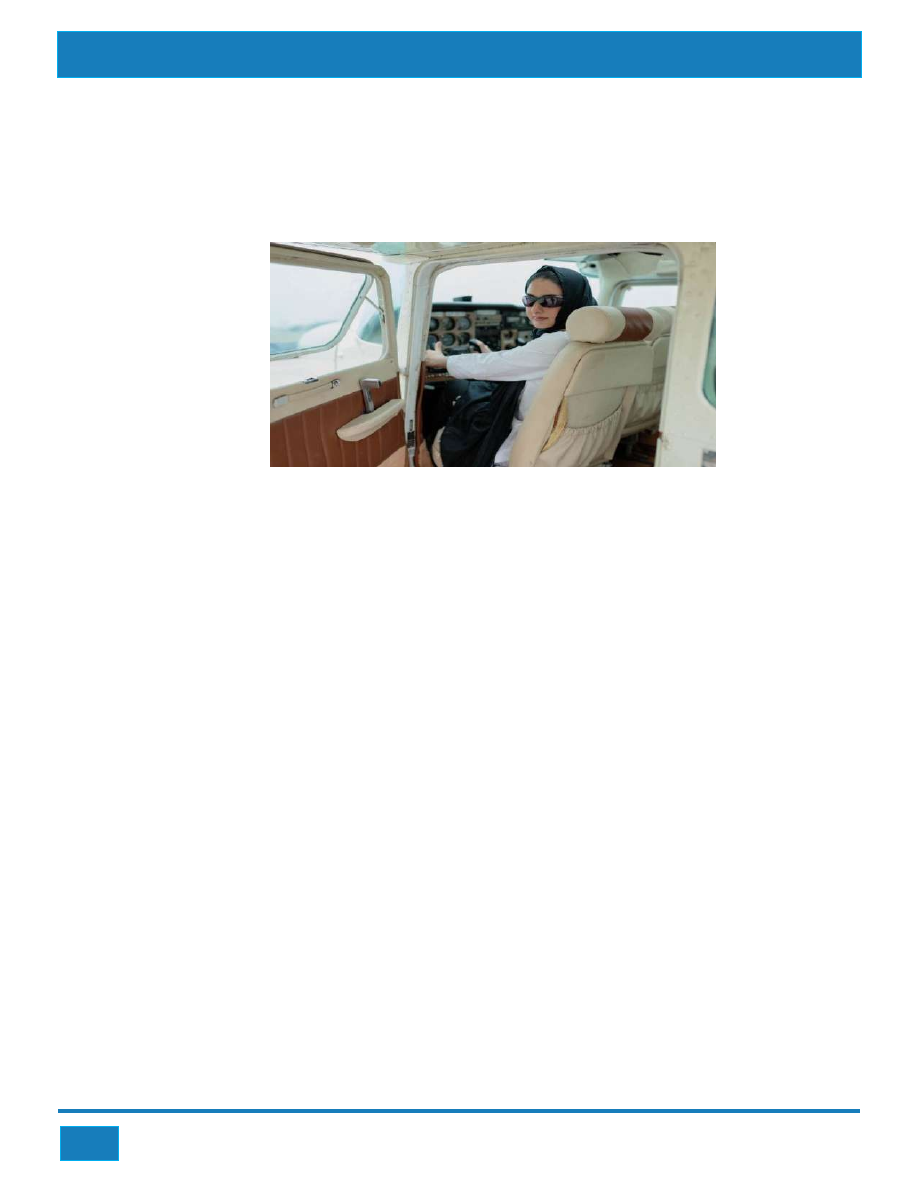
Pakistani Aerospace Engineer Aims to make Air Travel Sustainable
With an immense passion for aviation, care for the environment, experience of flying, and powered by a PhD
degree, a female Pakistani scientist is on a mission to save the planet by transforming the aviation industry.
Dr. Sarah Qureshi ready to roll at Walton Airport Lahore.
Dr. Sarah Qureshi, considered a trailblazer for women in Pakistan, is developing the world's first contrail-free
aircraft engine to reduce aviation induced global warming and make air travel environmentally safe. The Pakistani
aerospace engineer aims to solve a problem no one is addressing.
The invention can reduce the impact of aircraft pollution due to contrails, which we hardly notice. White thin
streak that jets leave across the sky are artificial clouds called contrails (condensation trails), produced by aircraft
engine exhaust. The hot water vapour, a combustion byproduct of hydrocarbon fuel burn, when released in the
atmosphere instantly freezes, as the temperature is extremely cold at 10,000 metres altitude. The climate impact of
contrails or ice clouds that can trap heat inside the atmosphere has remained neglected even though studies suggest
that contrail clouds have contributed more to warming the atmosphere than all of the carbon dioxide (CO2)
emitted by aircraft. The scientific community believes that contribution of contrails is five times high than that of
CO .
2
The invention is a turbomachinery which can be fitted onto an engine to separate out the water vapour of the
exhaust emissions and contain it on the aircraft to be released before landing to reduce global warming, benefitting
both the environment and the aviation industry in the long run. The technology does not have a direct impact on
unmanned aerial vehicles (UAVs) because drones have smaller engines, shorter flight times and fly at low
altitudes.
She established Pakistan's first private commercial aerospace company, Aero Engine Craft, together with her
father, Masood Latif Qureshi, in 2018. The company received seed money on equity funding from Karandaaz
Pakistan that supports women-led startups and some help from National Incubation Center at LUMS. “If we can
build it locally and become self-sufficient in this technology, Pakistan would become one of the very few countries
in the world that develops aircraft engines,” affirms Dr. Qureshi.
Source:
www.gulfnews.com/worldasiapakistan-Pakistani-aerospace-engineer aimstomakeairtravelsustainable-
1.171886095

3
5
Technology Roundup
Little brain' or Cerebellum not so little after all
When we say someone has a quick mind, it may be in part thanks to our expanded cerebellum that distinguishes
human brains from those of macaque monkeys, for example. High-resolution imaging shows the cerebellum is
80 percent of the area of the cortex, indicating it has grown as human behavior and cognition evolved.
Cerebellum highlighted in illustration of brain (stock image).Credit: © decade3d / stock.adobe.com
Sometimes referred to by its Latin translation as the '"little brain"', the cerebellum is located close to the
brainstem and sits under the cortex in the hindbrain. New research at San Diego State University, however, calls
the "little" terminology into question. The cerebellum plays a versatile role, contributing to our five senses as
well as pain, movements, thought, and emotion. It's essentially a flat sheet with the thickness of a crepe, crinkled
into hundreds of folds to make it fit into a compact volume about one-eighth the volume of the cerebral cortex.
For this reason, the surface area of the cerebellum was thought to be considerably smaller than that of the cerebral
cortex. By using an ultra-high-field 9.4 Tesla MRI machine to scan the brain and custom software to process the
resulting images, an SDSU neuroimaging expert discovered the tightly packed folds actually contain a surface
area equal to 80% of the cerebral cortex's surface area. In comparison, the macaque's cerebellum is about 30% the
size of its cortex.
"The fact that it has such a large surface area speaks to the evolution of distinctively human behaviors and
cognition," said Martin Sereno, psychology professor, cognitive neuroscientist and director of the SDSU MRI
Imaging Center. "It has expanded so much that the folding patterns are very complex." Scientists used
customized open source FreeSurfer software to computationally reconstruct the folded surface of the
cerebellum. The software also unfolds and flattens the cerebellar cortex so as to visualize it to the level of each
individual folia -- or thin leaf like fold.
A pioneer in brain imaging who has leveraged functional MRI to uncover visual maps in the brain, Sereno found
that when the cerebellum is completely unfolded, it forms a strange "crepe" four inches wide by three feet long.
We now have a complete map or surface representation of the cerebellum, much like cities, counties, and states."
Previous research discovered that while there were many similarities between the cortex and the cerebellum,
there was one key difference. In the cerebral cortex, regions representing different parts of the body are arranged
roughly like they are in the actual body: juxtaposed and orderly. But in the cerebellum, they were placed more
randomly. Those parts of the cerebellum are therefore set up to pull in and coordinate information from disparate
parts of the body.
Source:
www.scienedaily.com/releases/2020/07/200731135558.html
6
Technology Roundup
Cutting Surgical Robots down to Size
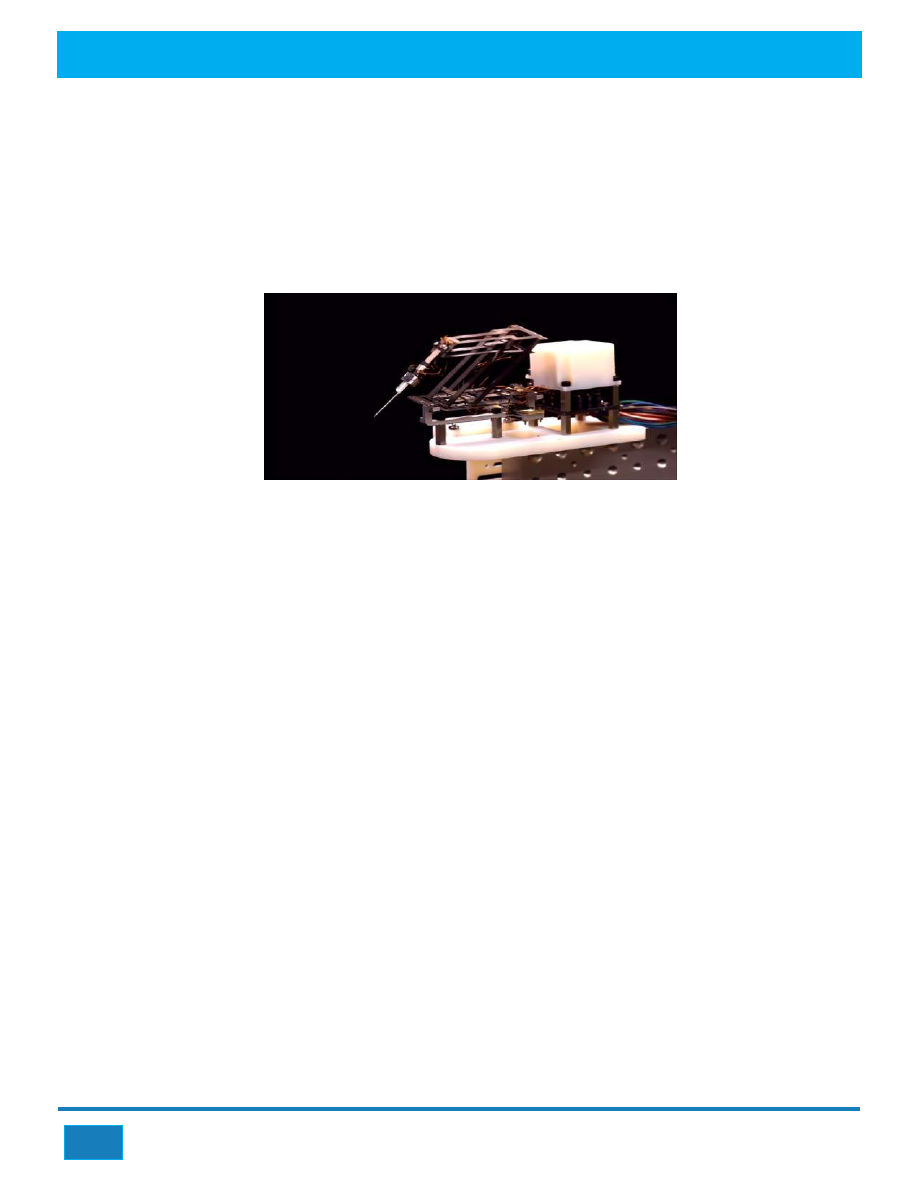
Origami-inspired miniature manipulator improves precision and control of teleoperated surgical procedures
Teleoperated surgical robots are becoming commonplace in operating rooms, but many are massive (sometimes
taking up an entire room) and difficult to manipulate. Medical researchers and engineers have now created the
mini-RCM, a surgical robot the size of a tennis ball that weighs as much as a penny, and performed significantly
better than manually operated tools in delicate mock-surgical procedures.
The mini-RCM is controlled by three linear actuators (mini-LAs) that allow it to move in multiple dimensions and
help correct hand tremors and other disturbances during teleoperation. Credit: Wyss Institute at Harvard
University.
https://wyss.harvard.edu/news/cutting-surgical-robots-down-to-size/
Minimally invasive laparoscopic surgery, in which a surgeon uses tools and a tiny camera inserted into small
incisions to perform operations, has made surgical procedures safer for both patients and doctors over the last
half-century. Recently, surgical robots have started to appear in operating rooms to further assist surgeons by
allowing them to manipulate multiple tools at once with greater precision, flexibility, and control than is possible
with traditional techniques. However, these robotic systems are extremely large, often taking up an entire room,
and their tools can be much larger than the delicate tissues and structures on which they operate.
To create their miniature surgical robot, Suzuki and Wood turned to the Pop-Up MEMS manufacturing technique
developed in Wood's lab, in which materials are deposited on top of each other in layers that are bonded together,
then laser-cut in a specific pattern that allows the desired three-dimensional shape to "pop up," as in a children's
pop-up picture book. This technique greatly simplifies the mass-production of small, complex structures that
would otherwise have to be painstakingly constructed by hand.
The Pop-Up MEMS method is proving to be a valuable approach in a number of areas that require small yet
sophisticated machines, and it was very satisfying to know that it has the potential to improve the safety and
efficiency of surgeries to make them even less invasive for patients.
The researchers aim to increase the force of the robot's actuators to cover the maximum forces experienced during
an operation, and improve its positioning precision. They are also investigating using a laser with a shorter pulse
during the machining process, to improve the mini-LAs' sensing resolution.
Source
www.sciencedaily.com/releases/2020/08/200825110513.html
7
Technology Roundup
NASA Researchers track slowly Splitting 'Dent' in Earth's Magnetic Field
Earth's magnetic field acts like a protective shield around the planet, repelling and trapping charged particles
from the Sun. But over South America and the southern Atlantic Ocean, an unusually weak spot in the field --
called the South Atlantic Anomaly, or SAA -- allows these particles to dip closer to the surface than normal.
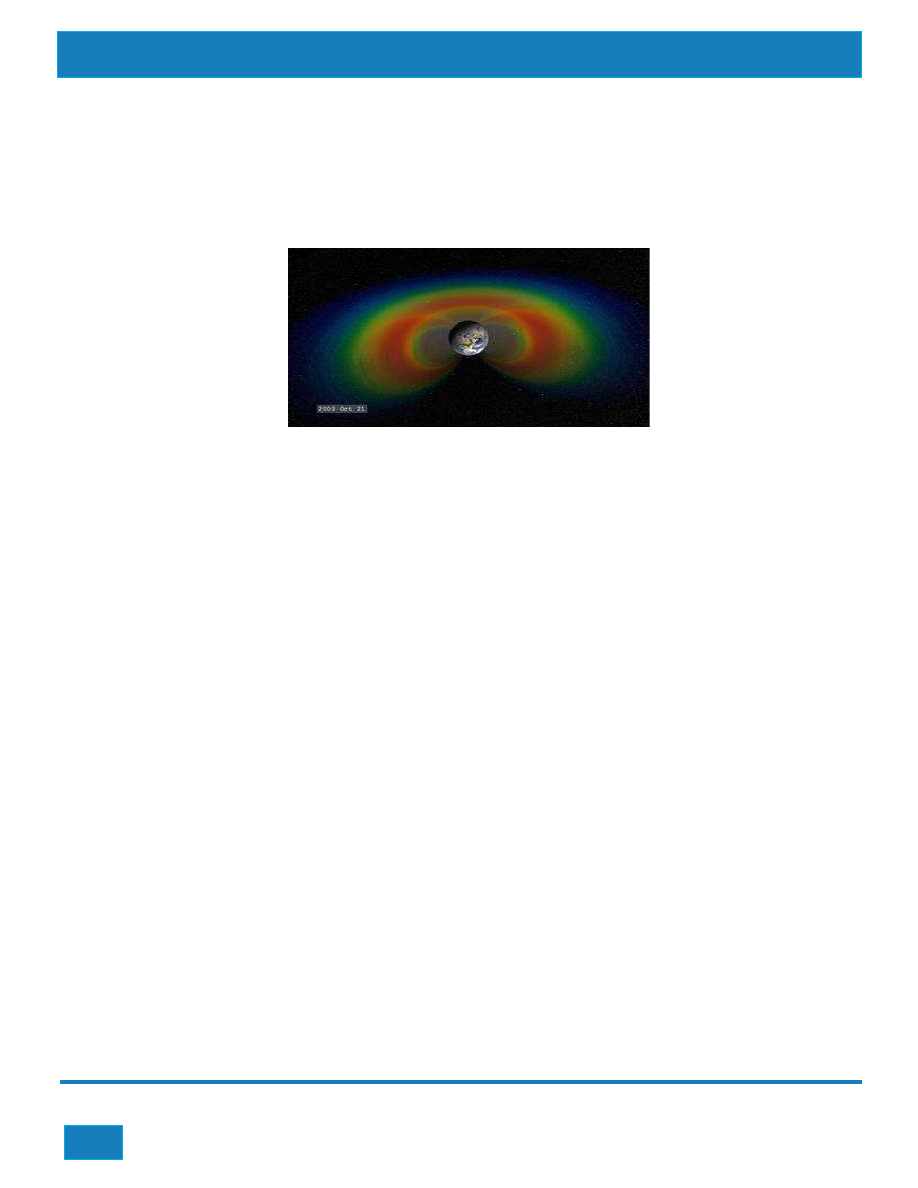
When solar material streams strikes Earth's magnetosphere, it can become trapped and held in two donut-
shaped belts around the planet called the Van Allen Belts. The belts restrain the particles to travel along Earth's
magnetic field lines, continually bouncing back and forth from pole to pole.
Credits: NASA Goddard / Tom
The Radiation Belts as seen by SAMPEX
A small but evolving dent in Earth's magnetic field can cause big headaches for satellites.
The South Atlantic Anomaly is also of interest to NASA's Earth scientists who monitor the changes in
magnetic field strength there, both for how such changes affect Earth's atmosphere and as an indicator of
what's happening to Earth's magnetic fields, deep inside the globe.
Currently, the SAA creates no visible impact on daily life on the surface. However, recent observations and
forecasts show that the region is expanding westward and continuing to weaken in intensity. It is also splitting
-- recent data shows the anomaly's valley, or region of minimum field strength, has split into two lobes,
creating additional challenges for satellite missions.
A host of NASA scientists in geomagnetic, geophysics, and heliophysics research groups observe and model
the SAA, to monitor and predict future changes -- and help prepare for future challenges to satellites and
humans in space.
The changing SAA provides researchers new opportunities to understand Earth's core, and how its dynamics
influence other aspects of the Earth system, said Kuang. By tracking this slowly evolving "dent" in the
magnetic field, researchers can better understand the way our planet is changing and help prepare for a safer
future for satellites.
Source
:
www.nasa.gov/feature/nasa-researchers-track-slowly splitting dent in earths magnatic field

7
Technology Roundup
78
COVID-19 Lockdown caused 50 percent global reduction in Human-linked Earth
Vibrations
The lack of human activity during lockdown caused human-linked vibrations in the Earth to drop by an average
of 50 percent between March and May 2020.
Seismograph (stock image).
Credit: © Anna / stock.adobe.com
Measured by instruments called seismometers, seismic noise is caused by vibrations within the Earth, which
travel like waves. The waves can be triggered by earthquakes, volcanoes, and bombs -- but also by daily human
activity like travel and industry.
This quiet period, likely caused by the total global effect of social distancing measures, closure of services and
industry, and drops in tourism and travel, is the longest and most pronounced quiet period of seismic noise in
recorded history. The new research, led by the Royal Observatory of Belgium and five other institutions around
the world including Imperial College London, showed that the dampening of 'seismic noise' caused by humans
was more pronounced in more densely populated areas. The relative quietness allowed researchers to listen in
to previously concealed earthquake signals, and could help us differentiate between human and natural seismic
noise more clearly than ever before.
Although 2020 has not seen a reduction in earthquakes, the drop in human-caused seismic noise is
unprecedented. The strongest drops were found in urban areas, but the study also found signatures of the
lockdown on sensors buried hundreds of metres underground and in more remote areas.
The study uniquely highlights just how much human activities impact the solid Earth, and could let us see more
clearly than ever what differentiates human and natural noise.
Source:
www.sciencedaily.com/releases/2020/07/200723143728.html

Technology Roundup
Technology Roundup
Pakistan
International Conference on Medical, Biological and Pharmaceutical
Sciences
28-29 October, 2020
Rawalpindi Pakistan
www.iastem.org/Conference2020/Pakistan/1/ICMBPS/
International Conference on Environment and Natural Sciences
28-29 October, 2020
Rawalpindi Pakistan
www.iastem.org
International Conference on Rehabilitation Science
28-29 November, 2020
Rawalpindi Pakistan
www.iser.co/conference 2020
World Congress on Information Technology
19-20 January, 2021
Sargodha
www.conferencealert.com/conf-detail.php?ev_id=368372
International
International Conference on Science Engineering & Technology
28-29 January, 2021
Singapure
www.icest.net
rd
3 International Conference on Research in Science, Engineering &
Technology
11-13 March, 2021
Oxford UK
www.icsthttps://www.icrset.org/
International Congress on History of Science and Technology
25-31 July, 2021
Czech Republic Prague
www.ichst2021.org
International Conference on Molecular Biology and Microbiology
2-3 December, 2021
Tokyo, Japan
www.waset.org/molecularbiology and Microbiology conferencein november2021in
Forthcoming Tech Events
9
Tech & Trade Offers
About PASTIC
PASTIC serves as a gateway for
Scientific & Technological
Information for R&D by catering
to the information needs of
researchers, entrepreneurs,
industrialists, educationists,
policy makers and planners
t h r o u g h a n t i c i p a t o r y a n d
responsive information services.
T e c h n o l o g y I n f o r m a t i o n
Section works exclusively for
support and promotion of
technological information on
trade and industry in the
country. “Technology Roundup”
is a news bulletin that provides
latest and innovative technology
news, forthcoming events, etc. It
a l s o p r o m o t e s p r o d u c t s ,
technologies and services
globally in sectors such as Agro-
Industry, Bio-Technology,
Building Material, Business,
Chemicals, Electronics, Energy,
Fisheries, Food Processing,
Machinery, Packaging, Mining
Pharmaceuticals and Textiles.
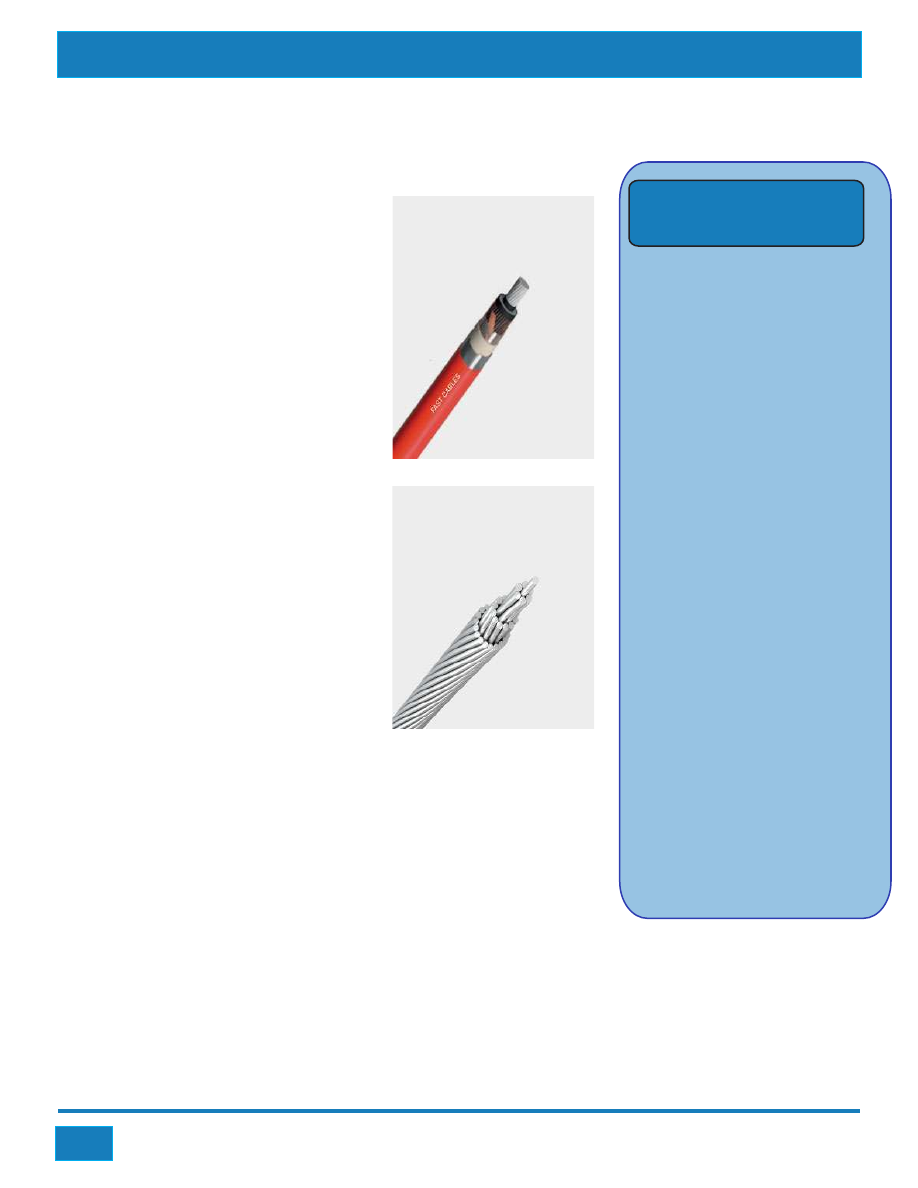
Fast Cables
!
Since its inception in 1985,
F a s t C a b l e s L i m i t e d h a s
emerged as Pakistan’s leading
and most trusted electrical cable
manufacturer.
!
At Fast Cables quality is our
first priority combined with
superior customer service and
affordability. Our emphasis on
quality has made Fast Cables one
of the most reliable brands in the
Cable Industry of Pakistan and
the choice of leading electrical
consultants, engineers and
architects in the country.
!
First KEMA Gold Certified
Company of Pakistan
!
First CCV Line Company of
Pakistan
!
First Aluminium Alloy Plant in
Pakistan
!
First Lab Testing Facility upto 75kV
!
First 33kV Cable Manufacturer of Pakistan
!
Inauguration of Unit-2 Cable Manufacturing
Facility Brand of the Year 2017
Contact
192-Y, Commercial Area,
Phase III, DHA
Lahore,
Contact No: 042-111-000-343
+92-42-35742396-9
www.fast-cables.com
Technology Roundup
Please give us your feedback and address queries to tis.pastic@gmail.com
10