
Executive Editor
Prof. Dr. Muhammad Akram Shaikh
Director General, PASTIC
Managing Editors
Ms. Nageen Ainuddin
Dr. Saima Huma Tanveer
Editor
Dr. Syed Aftab Hussain Shah
Composer
Kashif Farooqui
T
ECHNOLOGY
R
OUNDUP
Technology Information Services Section (TIS)
Pakistan Scientific & Technological Information Centre
PASTIC
July-August, 2019
Vol.11 No 4
A NEWS BULLETIN
Tech News Headlines
Tech & Trade Offers
Phone: 051-9248103-4, 9248128
Fax: 051-9248113
Email: tis.pastic@gmail.com
Web: www.pastic.gov.pk
PASTIC National Centre
Quaid-i-Azam University Campus
P.O. Box 1217, Islamabad
Editorial Board
l
l
l
l
l
l
l
l
Fire Fighting Autonomous Robot
Recognition of Off-Line Hand-Written Alphabets Using Knowledge-
Based Computational Intelligence
Male Contraceptive Compound stops Sperm without affecting
Hormones: Study in Monkeys
Nano-Thermometer takes Temperature inside Cells
Materials that can Revolutionize how light is harnessed for Solar
Energy
Artificial Intelligence helps Banana growers protect the world's most
Favorite Fruit
Gene Editing Transforms Gel into Shape-Shifting Smart Material
The CRISPR technique can trigger the new material to release drugs
or pick up Biological Signals
How does Wireless Charging Work?
Forthcoming Tech Events
l
l
International Conference on Science, Engineering & Technology
International Conference on Information and Education Innovation
l
l International Conference in Recycling and Waste Management
l International Conference on Engineering and Technology
l International Conference on Science, Technoloy & Management
l
l
International Conference on Green Energy and Technology
th
9
International Conference on Education and Management
Innovation
th
8
International Conference on Information and
Education
Technology
I
MPERIAL
E
LECTRIC

Technology Roundup
2
Fire Fighting Autonomous Robot
Source:
Usama Bin Abad, Muhammad Asif, Maaz Bin Ahmad, Toqeer Mahmood, Ammar Hashmi, Muhammad
Ahmed Cheema. Fire Fighting Autonomous Robot. 2019 Vol 24 No 02 Technical Journal.
http://tj.uettaxila.edu.pk/index.php/technical-journal/article/view/944
In most of the offices in Pakistan, the water spray is usually used as a fire extinguisher agent to control
moderate fire. This traditional practice smothers the fire at the cost of damage in terms of electronics
equipment and documents located in the vicinity of the fire.
To reduce the damage rate, an autonomous firefighting robot is developed that first detects fire with the help
of flame sensors, then automatically reach to the fireplace and extinguishes the fire through releasing the
cloud of carbon dioxide gas. Moreover, it is capable of sending notification through Short Message Service
(SMS) to the concerned person or rescue departments.
A series of tests have been performed on an implemented robot and the results show that it functions well as
intended.

Technology Roundup
3
Recognition of Off-Line Hand-Written Alphabets Using Knowledge-
Based Computational Intelligence
Source:
Ghulam Abbas. Recognition of Off-Line Hand-Written Alphabets Using Knowledge-Based
Computational Intelligence.
Vol 2 No 1 (2019): 08: Pakistan Journal of Engineering and Technology.
Https://sites2.uol.edu.pk/journals/index.php/pakjet/article/view/47
The handwritten character recognition is considered an active recognition problem under the field of
image processing and pattern recognition.
Both area of research has gained so much popularity in few last years due to technology advancements
and necessity of time. The handwritten character recognition also becomes popular due to globalization
and technology improvements. In previous time, the information was stored in written form only. To
utilize that information, one needs such an advanced method which can do this task efficiently and
without reliance on human.
This work provides such a simplified and accurate method for the recognition of handwritten characters.
A system is proposed to recognize characters using convolutional neural network and is evaluated on a
benchmark dataset named as EMNIST to show the performance of the proposed technique. The proposed
system gained the accuracy of 97.62% which is better than various existing methods.

4
Technology Roundup
Male Contraceptive Compound stops Sperm without Affecting Hormones:
Study in Monkeys
Source:
www.sciencedaily.com/releases/2018/04/180419172654.html
Nano-Thermometer takes Temperature inside Cells
A new study shows how a compound called EP055 binds to sperm proteins to significantly slow the overall
mobility of the sperm without affecting hormones, making EP055 a potential "male pill" without side effects.
There are hormonal drugs in clinical trials that target the production of sperm, but these affect the natural
hormones in men much like female contraceptives affect hormones in women.
During the study, thirty hours following a high-dose intravenous infusion of EP055 in male rhesus macaques no
indication of normal sperm motility was found. Further, no physical side effects were observed. At 18 days post-
infusion, all macaques showed signs of complete recovery, suggesting that the EP055 compound is indeed
reversible.
More work is needed before EP055 becomes available for human use. The pill containing this compound will
eventually be used to conduct a mating trial of EP055's effectiveness against pregnancy.
Scientists have developed a nano-thermometer able to take temperatures inside cells. The technique takes
advantage of the fluorescent properties of a modified molecular rotor and the viscosity of the cell.
Cells illustration (stock image). Credit: © rost9 /
A biocompatible molecular rotor known as boron dipyrromethene (BODIPY, for short) was modified to reveal
temperatures inside single cells. The molecule is ideally suited to the task. Its fluorescence lasts only a little while
inside the cell, and the duration depends heavily on changes in both temperature and the viscosity of its
Adobe Stock

3
5
Technology Roundup
environment. But at high viscosity, the environment in typical cells, its fluorescence lifetime depends on
temperature alone. It means that at a specific temperature, the light turns off at a particular rate, and that can be
seen with a fluorescence-lifetime imaging microscope.
The technique might be useful for quantifying the effects of tumor ablation therapy, where heat is used to destroy
cancer cells, or in simply measuring for the presence of cancers.
Scientists have designed organic molecules capable of generating two exactions per photon of light, a process
called singlet fission. The exactions can live for much longer than those generated from their inorganic
counterparts, which leads to an amplification of electricity generated per photon that is absorbed by a solar cell.
Shining sun, clear sky (stock image). Credit: © rangizzz /
All modern solar panels operate by the same process -- one photon of light generates one exciton. he exciton can
then be converted into electric current. However, there are some molecules that can be implemented in solar cells
that have the ability to generate two excitons from a single photon -- a process called singlet fission. These solar
cells form the basis for next-generation devices, which are still at infancy. One of the biggest challenges of
working with such molecules, though, is that the two excitons "live" for very short periods of time (tens of
nanoseconds), making it difficult to harvest them as a form of electricity.
The design strategy should be useful in separate areas of scientific study and have many other yet-unimaginable
applications.
Source:
www.sciencedaily.com/releases/2019/08/190822165012.html
Materials that can Revolutionize how light is harnessed for Solar Energy
Source:
www.sciencedaily.com/releases/2019/08/190819112721.htm
l
Adobe Stock

6
Technology Roundup
Artificial Intelligence helps Banana growers protect the world's most
Favorite Fruit
Source:
www.sciencedaily.com/releases/2019/08/190812130827.html
Using artificial intelligence, scientists created an easy-to-use tool to detect banana diseases and pests. With an
average 90 percent success rate in detecting a pest or a disease, the tool can help farmers avoid millions of dollars
in losses.
Artificial intelligence-powered tools are rapidly becoming more accessible, including for people in the more
remote corners of the globe. This is good news for smallholder farmers, who can use handheld technologies to run
their farms more efficiently, linking them to markets, extension workers, satellite images, and climate
information. The technology is also becoming a first line of defense against crop diseases and pests that can
potentially destroy their harvests.
A new smartphone tool developed for banana farmers scans plants for signs of five major diseases and one
common pest. In testing in Colombia, the Democratic Republic of the Congo, India, Benin, China, and Uganda,
the tool provided a 90 percent successful detection rate. This work is a step towards creating a satellite-powered,
globally connected network to control disease and pest outbreaks.
Bananas are the world's most popular fruit and with the global population set to reach 10 billion in 2050, pressure
is mounting to produce sufficient food. The pests and diseases -- Xanthomanas wilt of banana, Fusarium wilt,
black leaf streak (or Black sigatoka), to name a few -- threaten to damage the fruit.
The tool is built into an app called Tumaini -- which means "hope" in Swahili -- and is designed to help
smallholder banana growers quickly detect a disease or pest and prevent a wide outbreak from happening. The
app aims to link them to extension workers to quickly stem the outbreak. It can also upload data to a global system
for large-scale monitoring and control. The app's goal is to facilitate a robust and easily deployable response to
support banana farmers in need of crop disease control. The novelty in this app is that it can detect symptoms on
any part of the crop, and is trained to be capable of reading images of lower quaity, inclusive of background noise,
like other plants or leaves, to maximize accuracy.
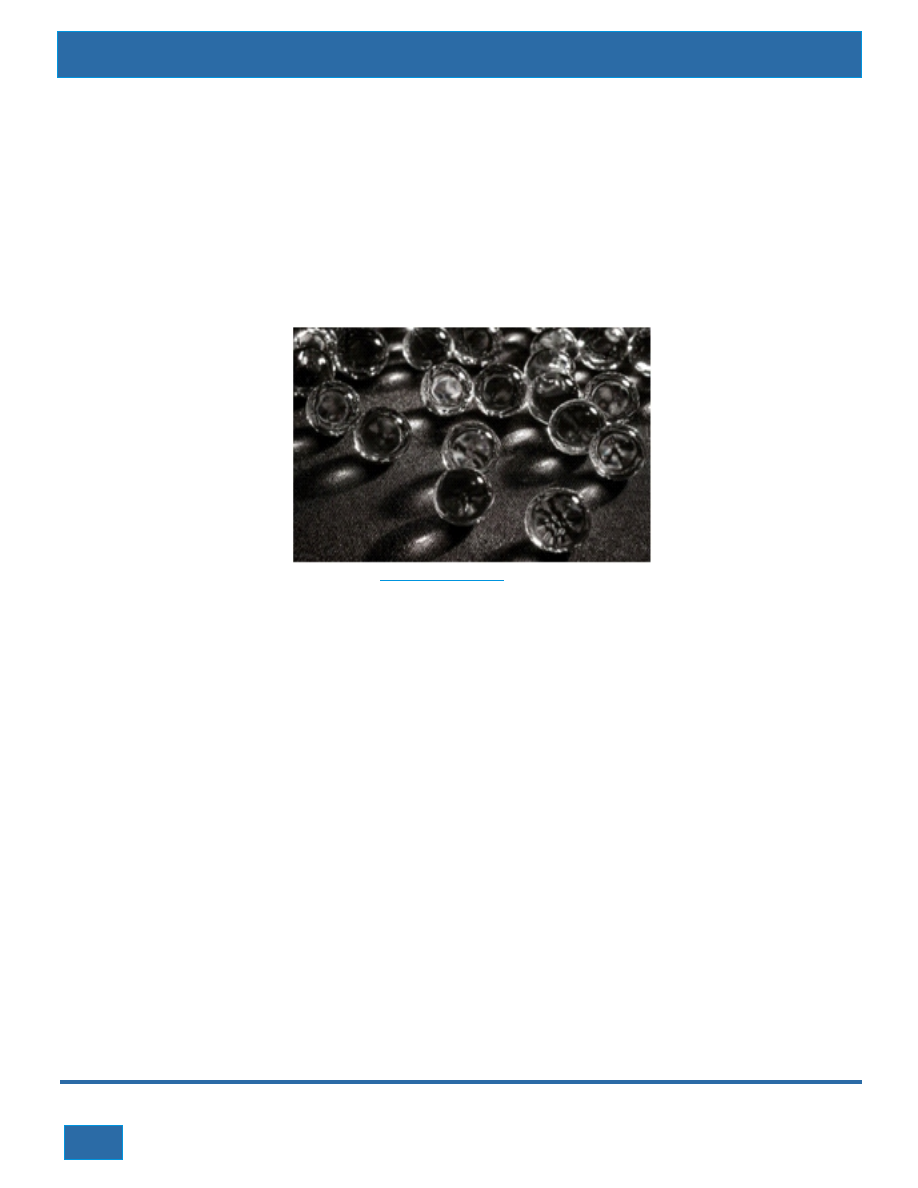
Bananas (stock image). Credit: © Worawut / Adobe Stock
7
Technology Roundup
Gene Editing Transforms Gel into Shape-Shifting Smart Material
The CRISPR technique can trigger the new material to release drugs or
pick up Biological Signals
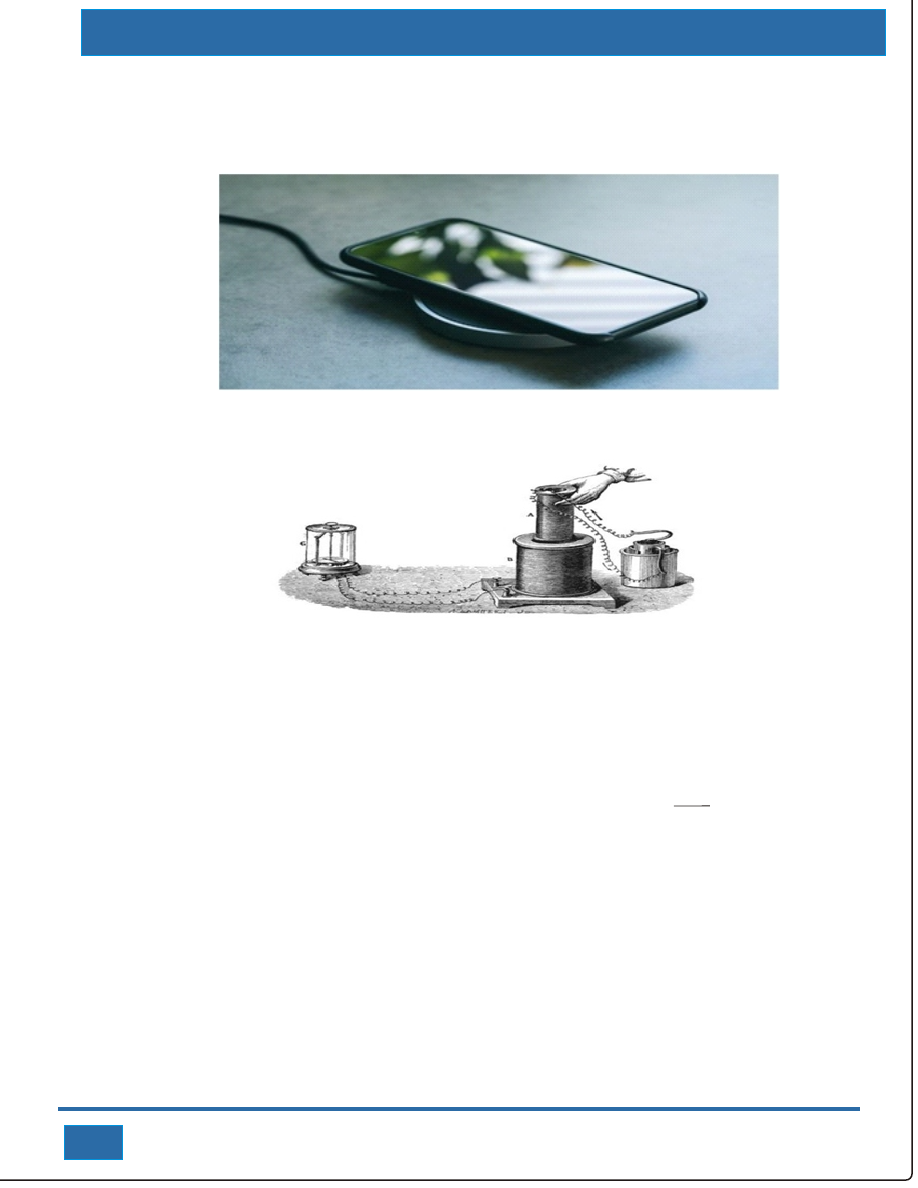
Credit: Evgenii Leontev Getty Images
Source:
www.scientificamerican.com/article/gene-editing-transforms-gel-into-shape-shifting-smart-material
Scientists have wielded the gene-editing tool to make scores of genetically modified organisms, as well as to
track animal development, detect diseases and control pests. Now, they have found yet another application for
it: using CRISPR to create smart materials that change their form on command. The shape-shifting materials
could be used to deliver drugs, and to create sentinels for almost any biological signal.
The working was carried out with water-filled polymers that are held together by strands of DNA, known as
DNA hydrogels. A form of CRISPR was used to alter the properties of these materials which uses DNA-
snipping enzyme called Cas12a. (The gene-editor CRISPRCas9 uses the Cas9 enzyme to snip a DNA sequence
at the desired point.). The Cas12a enzyme can be programmed to recognize a specific DNA sequence. The
enzyme cuts its target DNA strand, then severs single strands of DNA nearby. Hydrogels were created that were
programmed to release enzymes, drugs and even human cells for instance, as part of a therapy in response to
stimuli.
CRISPR hydrogels are an improvement on other responsive hydrogels because scientists can easily determine
what triggers a change in the material. Past efforts to create smart hydrogels used enzymes that either did not
cut specific DNA sequences or cut only a small number of specific sequences, limiting their adaptability.
7
Technology Roundup
78
Ho d es Wirel s C argin Work
w o
es
h
g
?
our :
S
ce
ww .pop armecha cs.com/ e
ol
/g
a28
77/ ow-wirel s-charging-w
s
w
ul
ni
t chn ogy ear/
6791
h
es
ork
A our gadgets
ve, so do t
ays w charge hem.
s
evol
he w
e
t
hi s a C
temporary i lustrat on
ar
's m
etic induct on
er ment as docum nted n
T s i
on
l
i
of F aday
agn
i
exp i
,
e
i
an
elect ici y t xtb
rom 892. COMPU ER ISTO Y
USE M
r
t
e
ook f
1
T
H
R M
U
It n
magi
the f rst ti e you set your phone on a wireles ch ger, but i 's a t
nol
y th goes back
's ear
cal
i
m
s
ar
t
ech
og
at
nearl 130 year
Bu
te the fact that i s tory measur s i centuries, he te
i onl now b
ing
y
s.
t despi
t s
e n
t
ch s
y
ecom
ubi ui ous in t in you buy. M s ly yo next new) p
wi l
it and even som cars nclude t
i the
q t
h gs
o t , ur
(
hone
l have
e
i
hem n
f on seat.
r
t
he wireles
er mar
is expected t
r
to one bil ion char ng
ts by 2020,
ng to IH
a
T
s pow
ket
o g ow
l
gi
uni
accordi
S,
arket res
ch f rm in ondon Wi eless charg ng
ually isn' a
vel dea I 's ev
ol
han he or
m
ear
i
L
.
r
i
act
t
no
i
. t
en der t
t
F d
o
. In 1831, the ngli h phy ici t M chael Faraday f rst dis
ver
he underlyin magneti an
M del T
E
s
s
s
i
i
co
ed t
g
c
d
elect ical i
that led to inductio charging, hich tr
ers ener
w rel sly betw
t o eceivers H
r
deas
n
w
ansf
gy
i
es
een w r
. e
descri
his exp im
, wh ch r
ced a "curr
t of elect ici y y ordinary magnets in
1831 ser es
bed
er
ent
i
p odu
en
r
t b
,"
an
i
of
lectu es at the Ro
Societ
n Lo
n. Far
ay had used iqui
ter
o send an el
ri c rent hrough a
r
yal
y i
ndo
ad
a l
d bat
y t
ect c ur
t
sm l
l. T
when i m
n our
of larger coi , th magnetic fie d changedit creat
a mom
tary
al coi
hen
t
oved i
out
a
l
e
l
ed
en
voltage in th smal er il
e
l
co
C edit C A
EN RAF E / EY EMGET Y I
G S
r
:
L SS
A L
E
T
MA E
.

Technology Roundup
Technology Roundup
Pakistan
International Conference on Science, Engineering & Technology
www.allconferencealert.net
International Conference on Information and Education Innovations
www.researchsociety.co
International Conference on Green Energy and Technology
www.allconferencealert.com
International Conference on Recycling and Waste Management
www.researchsociety.co
International
International Conference on Engineering & Technology
www.allconferencealert.net
International Conference on Science, Technology & Management
Www.allconferencealert.net
th
9 International Conference on Education and Management Innovation
www.wikicfp.com
th
8 International Conference on Information and Education Technology
www.iciet.org
28-29 October, 2019
Rawalpindi
28-29 October, 2019
Rawalpindi
17 November, 2019
Lahore
25 December, 2019
Lahore
13-15 February, 2020
Barcelona, Spain
28-30 March, 2020
Okayama University, Japan
th
5 November, 2019
Washington DC, USA
th
7 December, 2019
Port Moresby, Papua New Guinea
Forthcoming Tech Events
9
Tech & Trade Offers
About PASTIC
PASTIC serves as a gateway for
Scientific & Technological
Information for R&D by catering
to the information needs of
researchers, entrepreneurs,
industrialists, educationists,
policy makers and planners
t h r o u g h a n t i c i p a t o r y a n d
responsive information services.
T e c h n o l o g y I n f o r m a t i o n
Section works exclusively for
support and promotion of
technological information on
trade and industry in the
country. “Technology Roundup”
is a news bulletin that provides
latest and innovative technology
news, forthcoming events, etc. It
a l s o p r o m o t e s p r o d u c t s ,
technologies and services
globally in sectors such as Agro-
Industry, Bio-Technology,
Building Material, Business,
Chemicals, Electronics, Energy,
Fisheries, Food Processing,
Machinery, Packaging, Mining
Pharmaceuticals and Textiles.
Imperial Electric Company Pvt Ltd.
National Tower, 28 Egerton Road,
Lahore 54000
Tel: +92 (42) 3630 4861-65
Fax: +92 (42) 3630 4866
Email: info@iec.com.pk
www.iec.com.pk
IEC has a seperate division to undertake medium & large turnkey projects which
include design, engineering, installation, testing, commissioning, operation and
maintenance in the following disciplines.
Environmental” Solutions to Telecom Industry
Reverse Osmosis” Water Purification Plants
Power Generation” L.V. & H. V. (11 KV)
Airfield Lighting” Installation, testing & commissioning
Other Electrical Installations
The company has a team of qualified individuals, specializing in different
branches of engineering, to cater to its diverse customer base. This division is
fully equipped with modern tools
helping our staff analyse project
requirements and accomplish the task
at hand without compromising the
deadline.
The following IEC ventures reflect
positively on the company’s ability to
handle versatile jobs:
Supply of Complete Electrical
Systems for General Industries &
Defence
Organizations including operation &
maintenance.
Design, Manufacturing & Supply of Relay & Control Panels For 132 KV Grid
Stations.
Design, Supply & Installation of 132 KV Grid Stations.
Design, Supply & Installation of Airfield Lighting System on Military &
Civil Airports.
Design, Supply, Installation, Commissioning & Operation of Water
Desalination Plant to produce drinking water from sea.
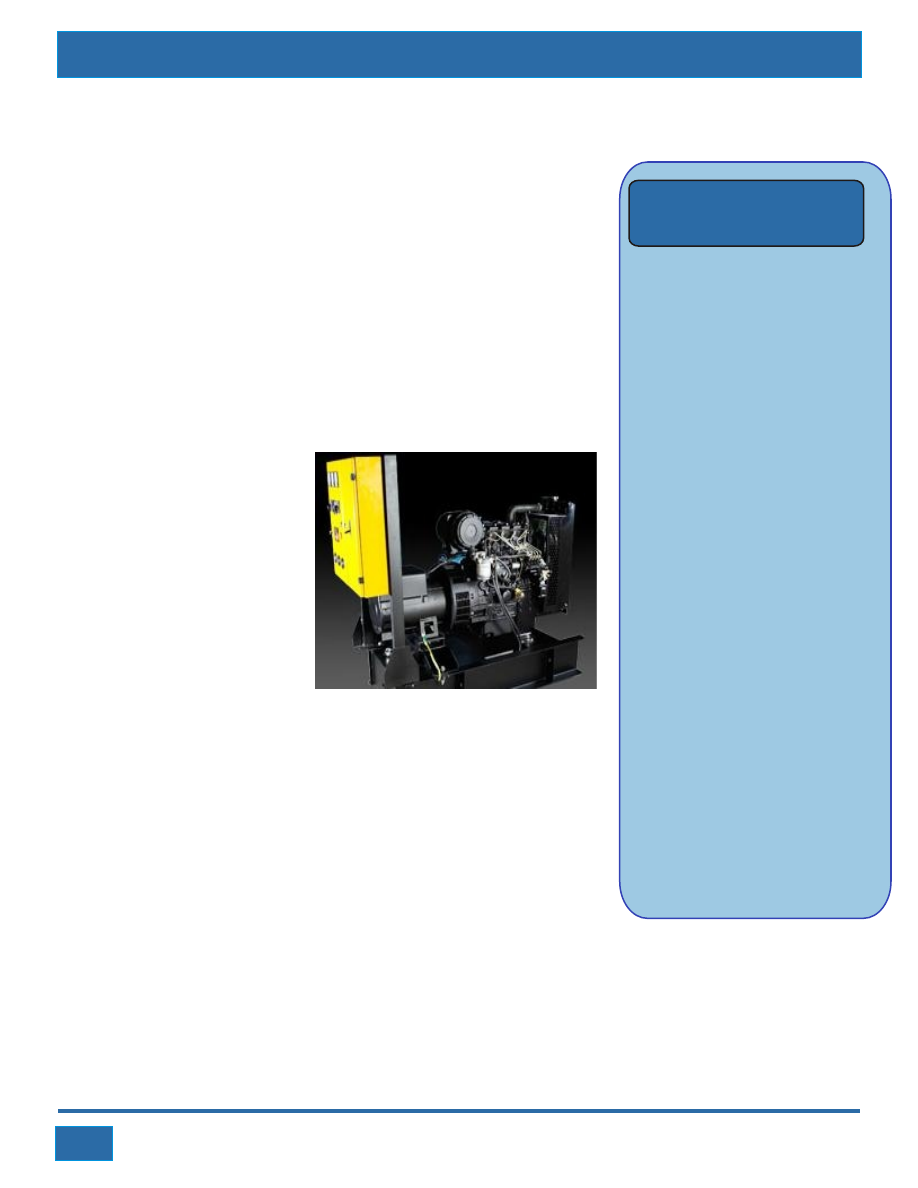
Design, Supply, Installation, Testing & Commissioning of over 6000 Diesel
Generators.
!
!
!
!
!
!
!
!
!
!
!
Technology Roundup
Please give us your feedback and address queries to tis.pastic@gmail.com
10