Patron/Executive Editor
Prof. Dr. Muhammad Akram Shaikh
Director General, PASTIC
Managing Editors
Ms. Nageen Ainuddin
Mr. M. Aqil Khan
Editor
Dr. Syed Aftab Hussain Shah
Composer
Kashif Farooqui
T
ECHNOLOGY
R
OUNDUP
Technology Information Services Section (TIS)
Pakistan Scientific & Technological Information Centre
PASTIC
July-August, 2018
Vol.10 No4
A NEWS BULLETIN FROM
Tech News Headlines
Tech & Trade Offers
Phone: 051-9248103-4, 9248128
Fax: 051-9248113
Email: shah_aftab@yahoo.com
Web: www.pastic.gov.pk
PASTIC National Centre
Quaid-i-Azam University Campus
P.O. Box 1217, Islamabad
Editorial Board
l
l
Statistical Modeling for Stability of Emulsion Liquid Membrane for
the Removal of Anionic Dyes from Textile Wastewater
First Ever Election Prediction Contest in Pakistan Concludes
l
l
l
l
l
Rethinking Ketchup packets: New approach to Slippery Packaging
Aims to cut Food Waste
3D Printing, the Next Generation of Batteries
World's most Efficient Semiconductor for Thermal Management
Air Pollution Reduces Global Life Expectancy by more than one Year
Researchers 3D Print Prototype for 'Bionic Eye’
Indus Cabels
Forthcoming Tech Events
l
l
l
l
l
l
l
l
International Academic Conference on Development in Science
& Technology
International Conference On Information Management &
Libraries
World Wind Energy Conference
CAC Pakistan Summit
International Conference Energy & Meteorology
International Conference on Green Computing Technologies,
Materials and Devices
International Conference on Renewable Energy Sources and
Sustainability
International Conference on Engineering & Technology

Technology Roundup
2
Statistical Modeling for Stability of Emulsion Liquid Membrane for the
Removal of Anionic Dyes from Textile Wastewater
The importance of statistical modeling is obvious because it imparts an imperative role in predicting the effects of
significant factors on any experimental process. In recent days, ELMs (Emulsion Liquid Membranes) are
considered as an effective technique for the treatment of industrial wastewater. Despite of many advantages over
the other treatment methods, ELM technology encounters one serious drawback of the stability of emulsion. The
subject of this research is to identify the factors which are important to study the stability of ELM and also to
evaluate the response of these parameters on stability.
The membrane used in this study consisted of Span-80 and Hexane as surfactant and diluent respectively. The
internal aqueous phase was H2SO4. The experimental setup was designed by using a well-known statistical
approach of DoE (Design of Experiment) and the data was analyzed by Taguchi Method using a fractional factorial
design. All the parameters including aqueous phase concentration, surfactant concentration, volume ratio of
organic to aqueous phase, emulsification speed and emulsification time were selected as key factors to study their
effect on the stability of ELM.
Using different statistical techniques, it was found that emulsification speed and volume ratio of organic to
aqueous phase are two most significant parameters. The significance level of these factors i.e. emulsification
speed and volume ratio of organic to aqueous phase was statistically found as 99.7 and 99.9% respectively. A
statistical model was also developed and the experimental results were compared with estimated results. The value
of correlation coefficient, R2 was calculated as 0.997 indicating that the developed model fits the data very well.
Source:
Qurashi, Raja Fahad et al. Statistical Modeling for Stability of Emulsion Liquid Membrane for the
Removal of Anionic Dyes from Textile Wastewater Mehran University Research Journal of
Engineering and Technology, [S.l.] 2018 37 (3): 631-638
Technology Roundup
3
First Ever Election Prediction Contest in Pakistan Concludes
Source: www.https.propakistani.pk
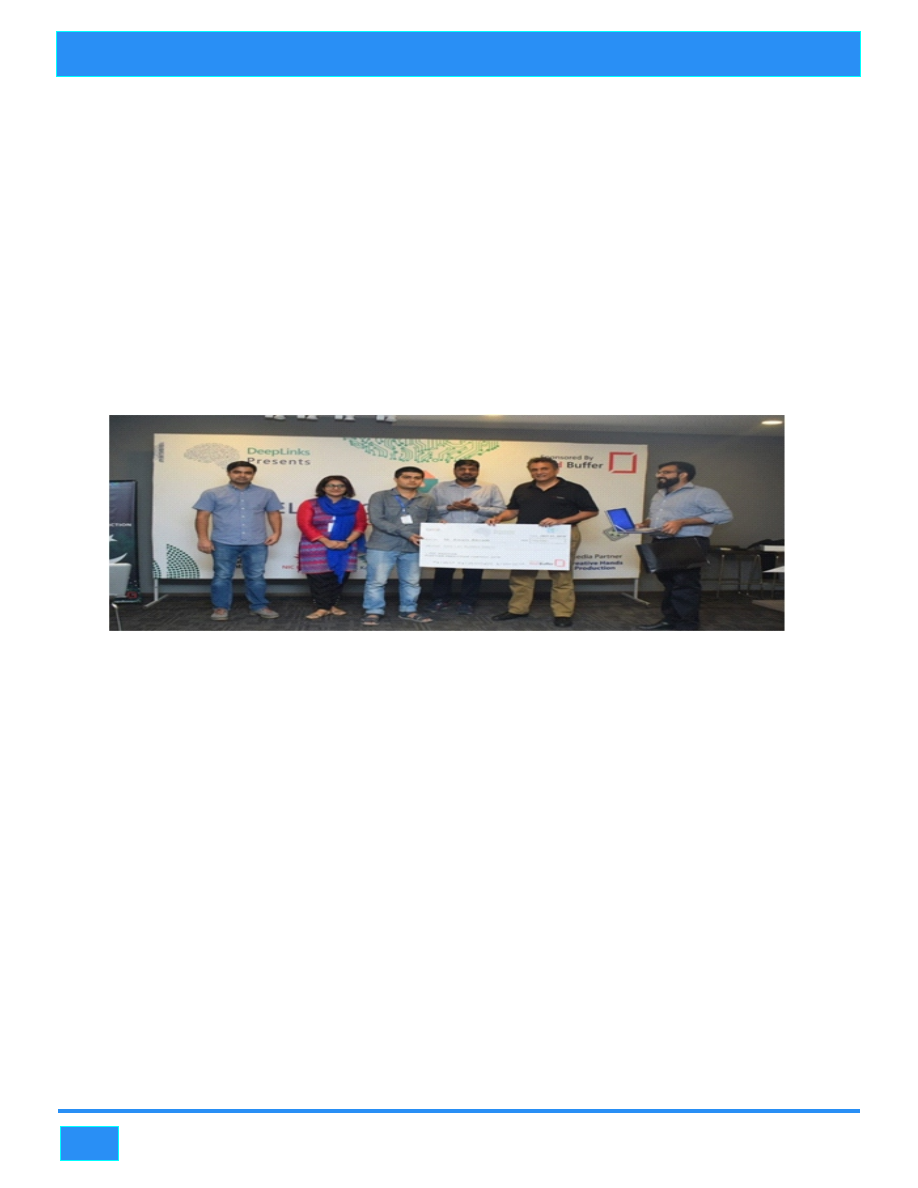
DeepLinks and Red Buffer, with the support of Ignite and in collaboration with Code for Pakistan,
organized the first ever nation-wide competition for predicting election results using Artificial Intelligence
and Data Science.
Engineers and enthusiasts from all over the country were invited to compete on this challenging problem
with the objective or popularizing the use of Artificial Intelligence in the country and creating awareness
about its ability to solve real societal problems and avail opportunities. It augurs well that 429 participants
registered themselves and competed from across the country, forming 75 teams, half of which were able to
complete their initiatives and submit proposals. Marketing and outreach for the event was conducted with
the help of the nationwide network of National Incubation Centers, NIC, and finals were held at NIC
Islamabad.
Prize money of PKR 100k, 50k, and 25k was up for grabs for the winners (courtesy Red Buffer). IBM was
the compute partner, and offered access to IBM's Global Entrepreneurship Program to the winning
candidates. Yusuf Hussain, CEO Ignite was the chief guest at the prize distribution ceremony, and
Muhammad Awais, a student from ITU Lahore, won the first prize.
Significant amount of data was provided e.g., the 1997 to 2013 elections results, popularity surveys, PLSM
data, District wise statistics of healthcare, education, terrorism, banking, trade etc. Contestants were also
allowed to use any data they could get their hands on in fact, the winning candidate also used the surveys
conducted by different tv channels as well as used Natural Language Processing, NLP to scrape data from
the past 20 days (before the election).
It was also observed that survey results provide an accurate predictive factor, especially when the candidate
is an incumbent. Another point which emerged is that most models couldn't predict independents very well.
The reason was that most models made predictions based on a party's popularity in a particular area that is
why they suffered when trying to predict independents. The fact that party affiliation is a key predictor
bodes well for the future of parliamentary politics in Pakistan.
4
Technology Roundup
Rethinking Ketchup packets: New approach to Slippery Packaging Aims to
cut Food Waste
Source: www.sciencedaily.com
New research aims to cut down on waste -- and consumer frustration -- with a novel approach to creating super
slippery industrial packaging. The study establishes a method for wicking chemically compatible vegetable oils
into the surfaces of common extruded plastics, like those used for ketchup packets and other condiments.
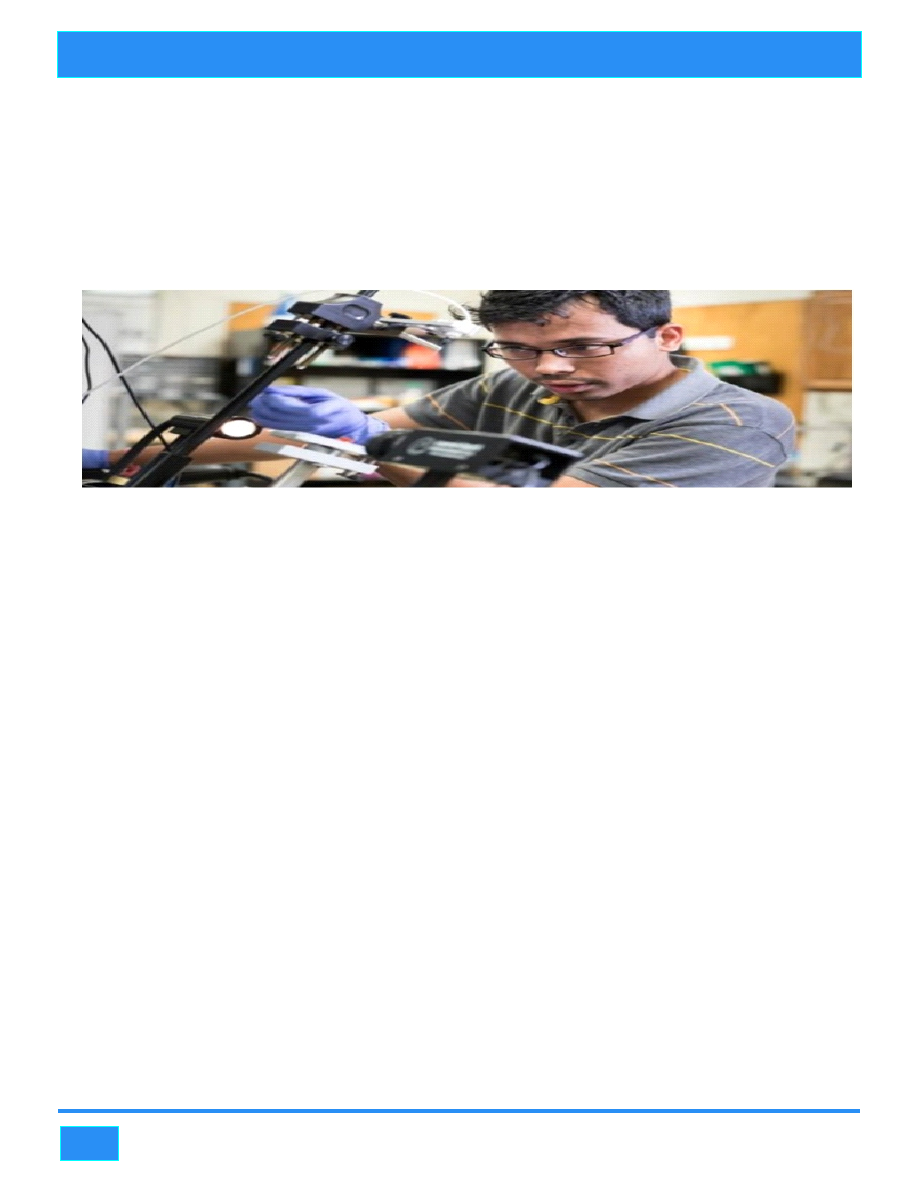
Virginia Tech doctoral student Ranit Mukherjee observes a dollop of ketchup as it moves on a super slippery
plastic film. Mukherjee is the lead author on a study that yielded a novel approach to creating super slippery
industrial packaging.
Credit: Virginia Tech
The study, which was published in Scientific Reports and has yielded a provisional patent, establishes a method for
wicking chemically compatible vegetable oils into the surfaces of common extruded plastics.
Not only will the technique help sticky foods release from their packaging much more easily, but for the first time,
it can also be applied to inexpensive and readily available plastics such as polyethylene and polypropylene.
These hydrocarbon-based polymers make up 55 percent of the total demand for plastics in the world today,
meaning potential applications for the research stretch far beyond just ketchup packets. They're also among the
easiest plastics to recycle.
This research was funded through an industrial collaboration with Bemis North America. Additional co-authors of
the study include Mohammad Habibi, a Virginia Tech mechanical engineering graduate student; Ziad Rashed, an
engineering science and mechanics 2018 graduate from Virginia Tech's undergraduate program; and Otacilio
Berbert and Xiangke Shi, both of Bemis North America.
3
5
Technology Roundup
3D Printing, the Next Generation of Batteries
Source: www.sciencedaily.com
3D printing can be used to manufacture porous electrodes for lithium-ion batteries -- but because of the nature of
the manufacturing process, the design of these 3D printed electrodes is limited to just a few possible
architectures. Until now, the internal geometry that produced the best porous electrodes through additive
manufacturing was what's known as an interdigitated geometry -- metal prongs interlocked like the fingers of
two clasped hands, with the lithium shuttling between the two sides.
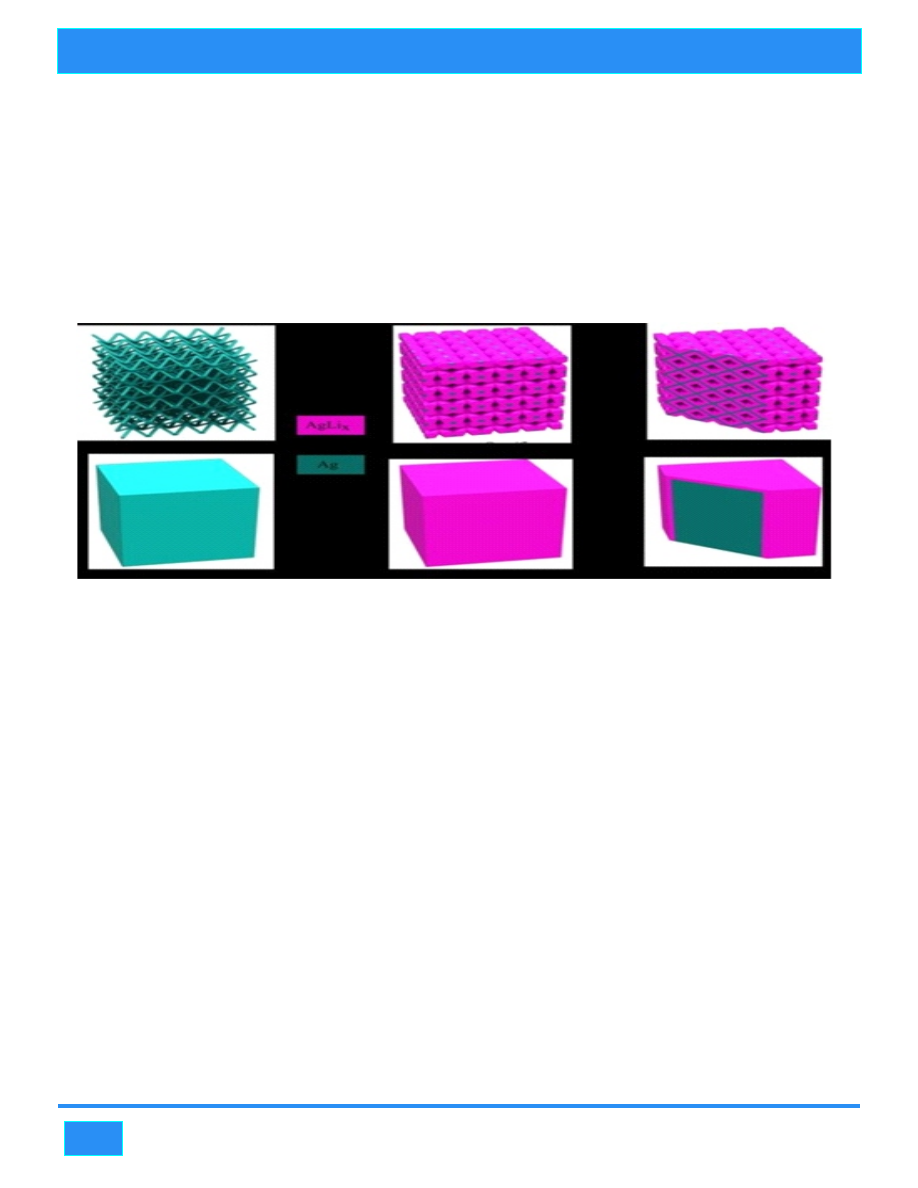
Lattice architecture can provide channels for effective transportation of electrolyte inside the volume of material,
while for the cube electrode, most of the material will not be exposed to the electrolyte. The cross-section view
shows the silver mesh enabling the charge (Li+ ions) transportation to the current collector and how most of the
printed material has been utilized.
Credit: Rahul Panat, Carnegie Mellon University College of Engineering
Rahul Panat, an associate professor of mechanical engineering at Carnegie Mellon University, and a team of
researchers from Carnegie Mellon in collaboration with Missouri University of Science and Technology have
developed a revolutionary new method of 3-D printing battery electrodes that creates a 3-D microlattice
structure with controlled porosity. 3-D printing this microlattice structure, the researchers show in a paper
published in the journal Additive Manufacturing, vastly improves the capacity and charge-discharge rates for
lithium-ion batteries.
This revolutionary method will be very important for consumer electronics, medical devices industry, as well as
aerospace applications. This research will integrate well with the biomedical electronic devices, where
miniaturized batteries are required. Non-biological electronic micro-devices will also benefit from this work.
And on a bigger scale, electronic devices, small drones, and aerospace applications themselves can use this
technology as well, due to the low weight and high capacity of the batteries printed using this method.
6
Technology Roundup
World's most Efficient Semiconductor for Thermal Management
Source:
www.sciencedaily.com
Working to address 'hotspots' in computer chips that degrade their performance, engineers have developed a new
semiconductor material, defect-free boron arsenide, that is more effective at drawing and dissipating waste heat
than any other known semiconductor or metal materials.
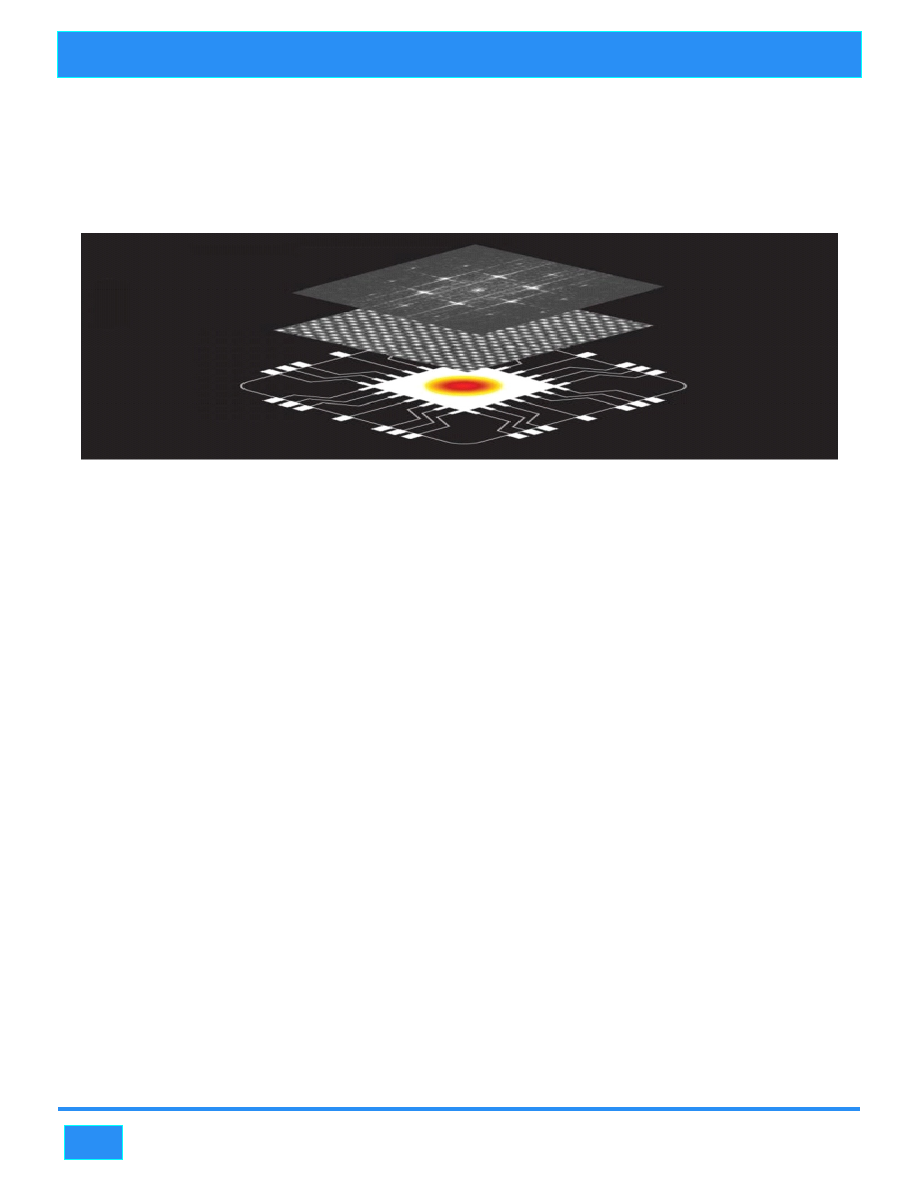
Illustration showing a schematic of a computer chip with a hotspot (bottom); an electron microscope image of
defect-free boron arsenide (middle); and an image showing electron diffraction patterns in boron arsenide.
Credit: Hu Research Lab / UCLA Samueli
The study was recently published in Science and was led by Yongjie Hu, UCLA assistant professor of Mechanical
and Aerospace engineering. Computer processors have continued to shrink down to nanometer sizes where today
there can be billions of transistors are on a single chip. This phenomenon is described under Moore's Law, which
predicts that the number of transistors on a chip will double about every two years. Each smaller generation of
chips helps make computers faster, more powerful and able to do more work. But doing more work also means
they're generating more heat.
"This material could help greatly improve performance and reduce energy demand in all kinds of electronics,
from small devices to the most advanced computer data center equipment," Hu said. "It has excellent potential to
be integrated into current manufacturing processes because of its semiconductor properties and the demonstrated
capability to scale-up this technology. It could replace current state-of-the-art semiconductor materials for
computers and revolutionize the electronics industry."
The study's other authors are UCLA graduate students in Hu's research group: Joonsang Kang, Man Li, Huan Wu,
and Huuduy Nguyen.
The research was funded by the National Science Foundation, the Air Force Office of Scientific Research, the
American Chemical Society's Petroleum Research Fund, UCLA's Sustainable LA Grand Challenge, and the
Anthony and Jeanne Pritzker Family Foundation.

7
Technology Roundup
Researchers 3D Print Prototype for 'Bionic Eye'
Source: www.sciencedaily.com
A team of researchers at the University of Minnesota has, for the first time, fully 3D printed an array of light
receptors on a hemispherical surface. This discovery marks a significant step toward creating a 'bionic eye' that
could someday help blind people see or sighted people see better
Researchers at the University of Minnesota have fully 3D printed an image sensing array on a hemisphere,
which is a first-of-its-kind prototype for a "bionic eye."
Credit: University of Minnesota, McAlpine Group
The research is published in Advanced Materials, a peer-reviewed scientific journal covering materials
science. The author also holds the patent for 3D-printed semiconducting devices. "Bionic eyes are usually
thought of as science fiction, but now we are closer than ever using a multimaterial 3D printer," said Michael
McAlpine, a co-author of the study and University of Minnesota Benjamin Mayhugh Associate Professor of
Mechanical Engineering. Researchers started with a hemispherical glass dome to show how they could
overcome the challenge of printing electronics on a curved surface. Using their custom-built 3D printer, they
started with a base ink of silver particles. The dispensed ink stayed in place and dried uniformly instead of
running down the curved surface. The researchers then used semiconducting polymer materials to print
photodiodes, which convert light into electricity. The entire process takes about an hour.
McAlpine said the most surprising part of the process was the 25 percent efficiency in converting the light into
electricity they achieved with the fully 3D-printed semiconductors. McAlpine said the most surprising part of
the process was the 25 percent efficiency in converting the light into electricity they achieved with the fully 3D-
printed semiconductors.
The research was funded by the National Institute of Biomedical Imaging and Bioengineering of the National
Institutes of Health (Award No. 1DP2EB020537), The Boeing Company, and the Minnesota Discovery,
Research, and InnoVation Economy (MnDRIVE) Initiative through the State of Minnesota.
7
Technology Roundup
78
Air Pollution Reduces Global Life Expectancy by more than one Year
Source: www.sciencedaily.com
Air pollution shortens human lives by more than a year, according to a new study from a team of leading
environmental engineers and public health researchers. Better air quality could lead to a significant extension
of lifespans around the world.
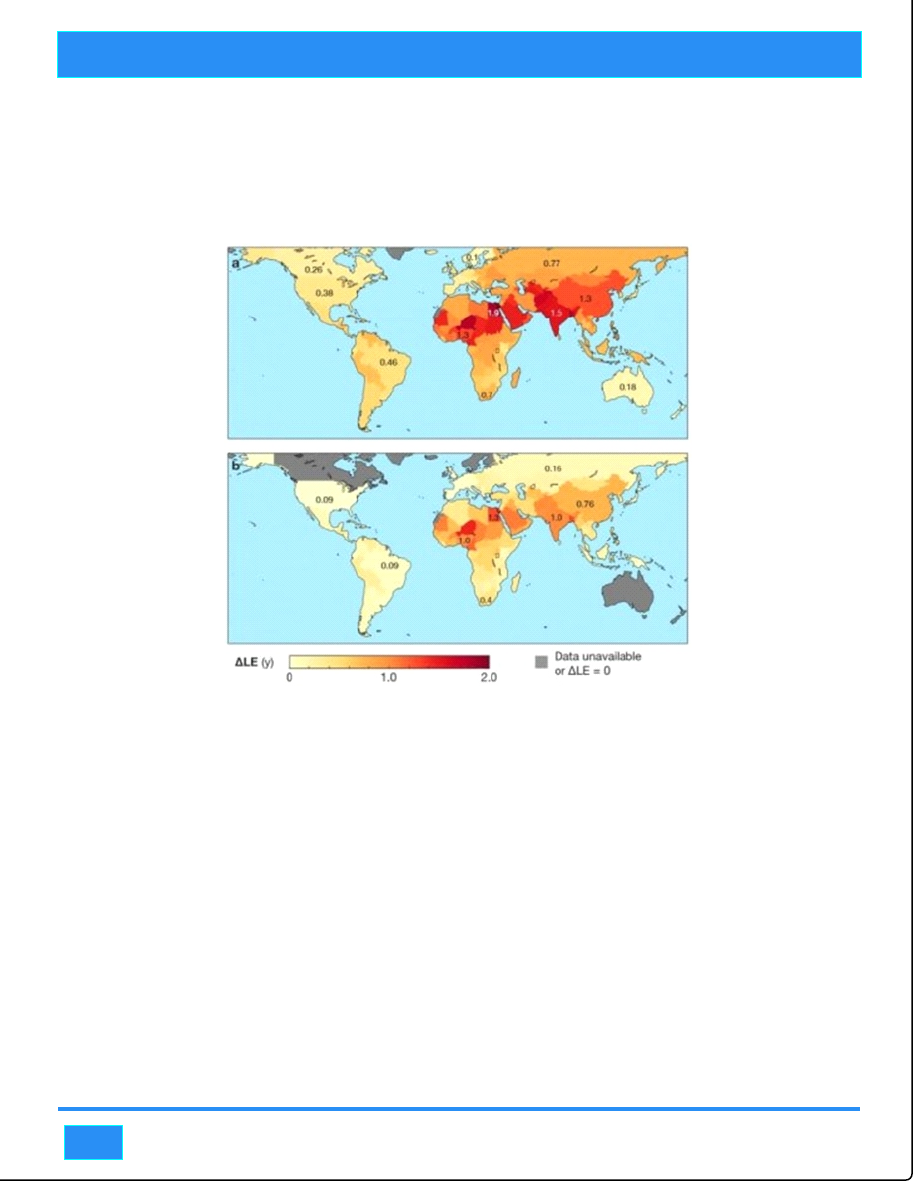
Upper panel a: How air pollution shortens human life expectancy around the world. Lower panel b: Gains
in life expectancy that could be reached by meeting World Health Organization guidelines for air quality
around the world. Credit: Cockrell School of Engineering, The University of Texas at Austin.
This is the first time that data on air pollution and lifespan has been studied together in order to examine the
global variations in how they affect overall life expectancy.
The researchers looked at outdoor air pollution from particulate matter (PM) smaller than 2.5 microns. These
fine particles can enter deep into the lungs, and breathing PM2.5 is associated with increased risk of heart
attacks, strokes, respiratory diseases and cancer. PM2.5 pollution comes from power plants, cars and trucks,
fires, agriculture and industrial emissions.
Led by Joshua Apte in the Cockrell School of Engineering at The University of Texas at Austin, the team used
data from the Global Burden of Disease Study to measure PM2.5 air pollution exposure and its consequences
in 185 countries. They then quantified the national impact on life expectancy for each individual country as
well as on a global scale. The findings were published on Aug. 22, 2018 in Environmental Science &
Technology Letters.

Technology Roundup
Technology Roundup
National
International Academic Conference on Development in Science & Technology
www.academicsworld.org
International Conference On Information Management & Libraries
www.10times.com/information-management-libraries
World Wind Energy Conference
www.wwindea.org
CAC Pakistan Summit
www.10times.com/cps-lahore
International Conference on Energy & Meteorology
www internationalconferencealerts.com
International Conference on Green Computing Technologies, Materials and Devices
www.researchleagues.com
International Conference on Renewable Energy Sources and Sustainability
Www.iser.org.in
International Conference on Engineering & Technology
www.allconferencealert.net
28-29 September, 2018
Rawalpindi, Pakistan
16-17 October, 2018
Orlando, USA
.
28 November, 2018
Asuncion,Paraguay
7th December, 2018
ACCRA, Ghana
18th December, 2018
Dubai,UAE
10-12 October, 2018
University Law College, P.U, Lahore
28-30 November, 2018
Karachi, Pakistan
04-05 December, 2018
International Expo Centre, Lahore
International Events
Forthcoming Tech Events
9
Tech & Trade Offers
About PASTIC
PASTIC serves as a gateway for
Scientific & Technological
Information for R&D by
catering to the information
n e e d s o f r e s e a r c h e r s ,
entrepreneurs, industrialists,
educationists, policy makers
a n d p l a n n e r s t h r o u g h
anticipatory and responsive
information services.
T e c h n o l o g y I n f o r m a t i o n
Section works exclusively for
support and promotion of
technological information on
trade and industry in the
c o u n t r y . “ T e c h n o l o g y
Roundup” is a news bulletin
that provides latest and
innovative technology news,
forthcoming events, etc. It also
p r o m o t e s p r o d u c t s ,
technologies and services
globally in sectors such as
A g r o - I n d u s t r y , B i o -
Technology, Building Material,
B u s i n e s s , C h e m i c a l s ,
Electronics, Energy, Fisheries,
Food Processing, Machinery,
P a c k a g i n g , M i n i n g
Pharmaceuticals and Textiles.
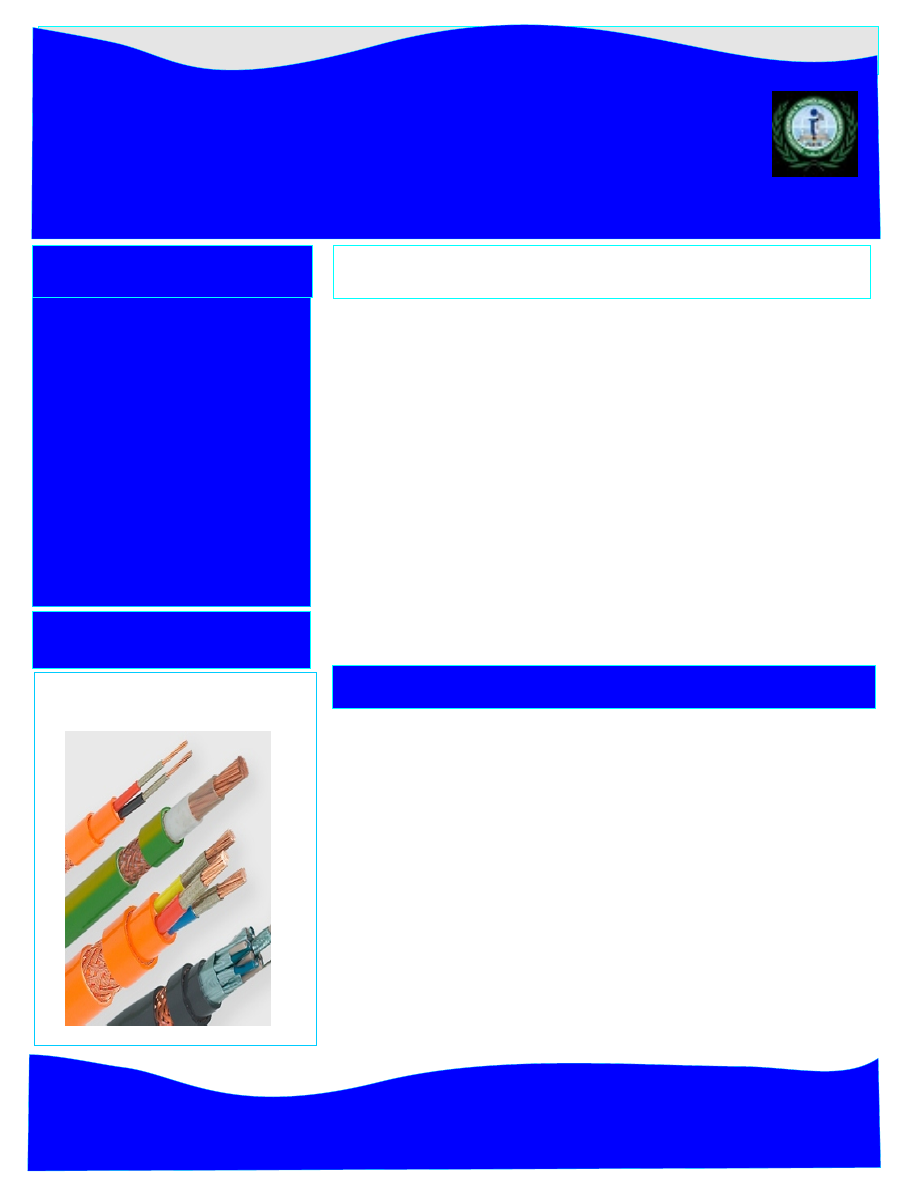
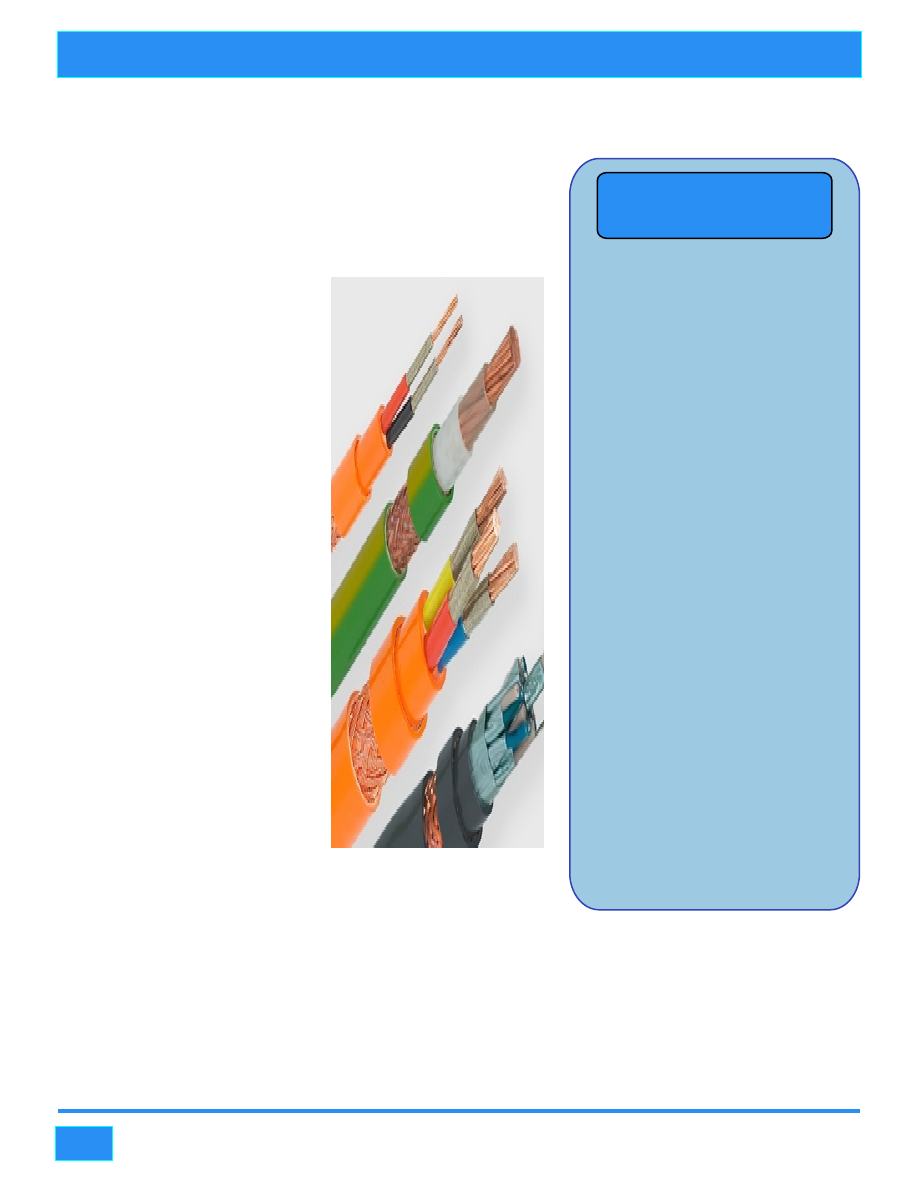
Indus Cables Pvt Ltd.
Instrumentation Cables
Microphone Cables
Telephone Cables
Computer Cables
Multicore Cables
Welding Cables
Coaxial Cabels
Special Cables
Rubber Cables
Flexible Cables
Silicon Cables
Signol Cables
Power Cables
Stereo Wires
Ship Cables
Head Office
Plot # F 36-37 Sector 50-C
Korangi
Karachi-74000
Tel: 92-21-35091292-97
Fax: (92-21) 35091291
Email: technical@induscables.net
www.induscables.com
!
!
!
!
!
!
!
!
!
!
!
!
!
!
!
Technology Roundup
Please give us your feedback and address queries to shah_aftab@yahoo.com
10