Patron/Executive Editor
Prof. Dr. Muhammad Akram Shaikh
Director General, PASTIC
Managing Editor
Ms. Nageen Ainuddin
Editor
Dr. Syed Aftab Hussain Shah
Composer
Kashif Farooqui
T
ECHNOLOGY
R
OUNDUP
Technology Information Services Section (TIS)
Pakistan Scientific & Technological Information Centre
PASTIC
November-December, 2018
Vol.10 No 6
A NEWS BULLETIN
Tech News Headlines
Tech & Trade Offers
Phone: 051-9248103-4, 9248128
Fax: 051-9248113
Email: tis.pastic@gmail.com
Web: www.pastic.gov.pk
PASTIC National Centre
Quaid-i-Azam University Campus
P.O. Box 1217, Islamabad
Editorial Board
l
l
l
l
l
l
l
Hult Prize OnCampus competition in collaboration with PASTIC
organized at COMSATS University Islamabad (CUI)
IDEAS 2018: Pakistani company introduces electrocution-protective
garb
Biodegradable, Edible Film Kills Pathogens on Seafood
A Battery that would cut Electric-Vehicle costs
EEC receives Emmy Award for truck-mounted X-band Weather
Radar
3D-printed Glucose Biosensors
Long Term Story of Climate Change
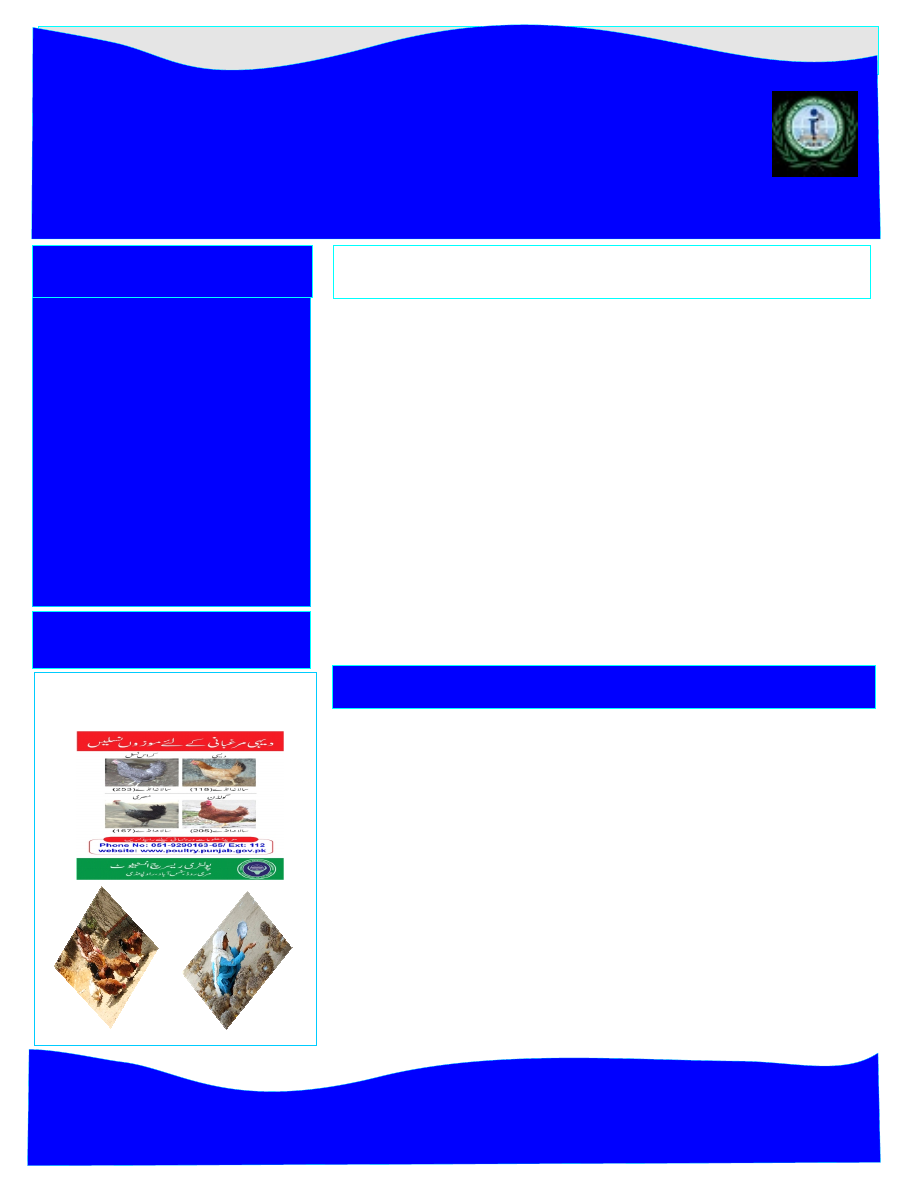
Poultry Research Institute
Forthcoming Tech Events
l
l
International Conference on Science, Engineering & Technology
l
International Conference on Automation Science and Engineering
l
World Congress on Cell & Tissue Science
l International Conference on Power, Electrical and Energy
Engineering
l
The Web Conference 2019
l Wind Energy Science Conference 2019
l International Science and Technology Conference
International Conference on Advancements in Computational
Sciences
Technology Roundup
2
Hult Prize OnCampus competition in collaboration with PASTIC
organized at COMSATS University Islamabad (CUI)
Hult Prize OnCampus organized at COMSATS University Islamabad through collaboration of Pakistan
Scientific & Technological Information Centre (PASTIC), Islamabad and others. PASTIC-Technology
Information Services (TIS) facilitated COMSATS team Hult Prize OnCampus event.
The Hult Prize is a start-up accelerator for impact entrepreneurship which brings together the brightest
college and university students from around the globe to solve the world's most pressing issues through
pitching ideas and launching companies. It's the biggest and most prestigious start-up event in the world, and
awards millions of dollars in investment capital to young budding entrepreneurs, including a grand prize of
USD1Million. Regional and national programs are hosted world-wide and winners of these events get to
spend 8-weeks living, working, learning and playing in a castle in the UK. The OnCampus winner qualifies
and competes for the finals being held at different cities of world and on-line. The winning teams from each
city will then move onto a summer business accelerator, where participants will receive mentorship, advisory
and strategic planning as they create prototypes and set-up to launch their new social business.
Prior to major event, Hult Prize mentorship session was held on November 12th, 2018 at COMSATS
University, Islamabad (CUI). Mr. Saram Bukhari, Project Director, Center for Social Entrepreneurship,
Islamabad was the resource person.
Later on, the event was divided into two rounds. The first round was held on December 6th, 2018 at CUI. Out
of the 108 registered teams, only 41 qualified for the elevator pitch round. The judges of the event were Mr.
Yasir Ahmed, IOT/CleanTech Lead Ignite- National Technology Fund, Mr. Saram Bokhari, Project Director,
Centre for Social Entrepreneurship, Islamabad, Hassan Bin Zaheer, Chief Information Officer at Systems
Limited , Mr. Iftikhar Janju, HOD at SKANS School of Accountancy, Mr. Yaseer Sajjad, General Manager
Internet Audit Sialkot, International Airport Limited. Mr. Muhammad Waqas, Software Solution Architect at
Nexus Technologies chaired the Hult Prize elevator pitch round and selected 15 teams out of 41.
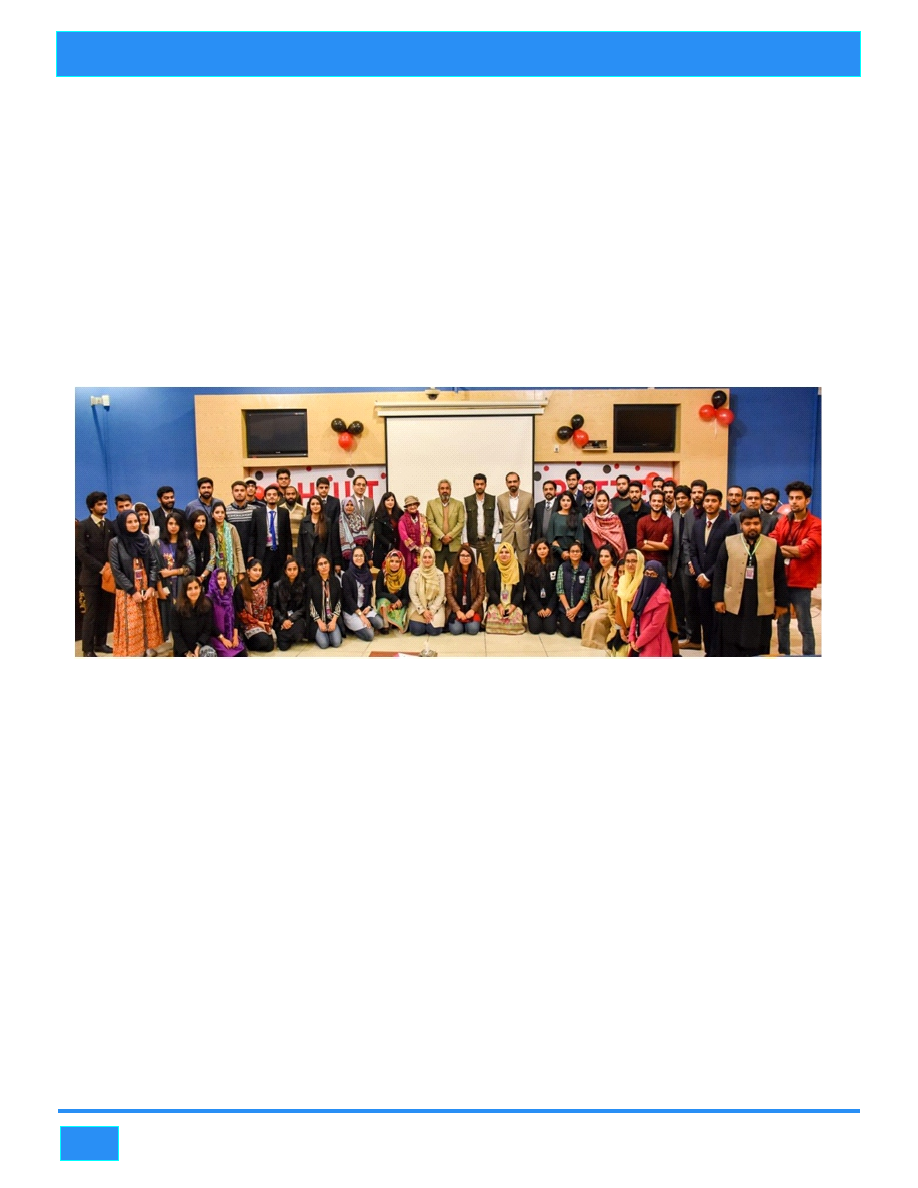
Group photo of participants and judges of Hult prize OnCampus COMSATS University, Islamabad held on
11th December. 2018. Mr. Saifullah Azim, Principal System Analyst, was one of the judges from PASTIC.
Technology Roundup
3
Fifteen teams qualified for final round were Smart Home, Smart Wheelchair, Shirijon, Zero to One,
Intrusive Spirit, IT on Wheels, The Utopians, The Solution Makers, Virtual Insanity, Apna Kitchen,
Falcons, V-4, Soch, Team Swat and Eyeless Dreamers.
The final round was held on 11th December, 2018 at CUI. The worthy judges of the event were Mr. Saram
Bokhari, Project Director, Center for Social Entrepreneurship, Muhammad Waqas, Software Solution
Architect at Nexus Technologies), Mr. Hassan Bin Zaheer , Chief Information Officer at Systems
Limited, Syed Ali Hameed, Executive Director of Shaoor Foundation for Education and Awareness,
Nabeela Rashid, Female Entrepreneur Rung by Nabz , Khaleeq Ur Rehman, Digital Marketing Manager
BizVenture Marketing, Mohammad Ali Iqbal, GM Solicitation and Evaluation Ignite, Dr. Shimail Daud
Arain, CEO, Maryam Memorial Hospital & Former RCCI President and Mr. Saifullah Azim, Principal
System Analyst, PASTIC.
Team Solution Makers was the winner of Hult prize OnCampus final round with the idea to create a
platform where people could buy cheap stuff online through different sellers providing stuff in bulkhus
creating huge jobs for mid-careers. The runner up teams were Apna Kitchen and Team Shirjoin. Team
APNA Kitchen provides a platform that connects chefs to students to provide quality food and hence job
creation. The idea of team Shirjoin is about making a platform for provision of reservation system,
guidance online and job creation. The other sponsors of the event were Cocacola, National Incubation
Center (NIC), Technology Times (media partner) and Mosiqi (music partner).
Source: Dr. Syed Aftab Hussain Shah, Sr. SIO, Technology Information Services (TIS), PASTIC
(Compiled/Edited); COMSATS University Islamabad (CUI).
IDEAS 2018: Pakistani company Introduces Electrocution-Protective Garb
Source
www.thenews.com.pk/latest/399760-ideas-2018-pakistani-company-introduces-
electrocution-protective-armour
The IDEAS 2018 exhibition in Karachi has emerged as a platform that
showcases innovations of sorts regarding the defence ecosystem of the
country.
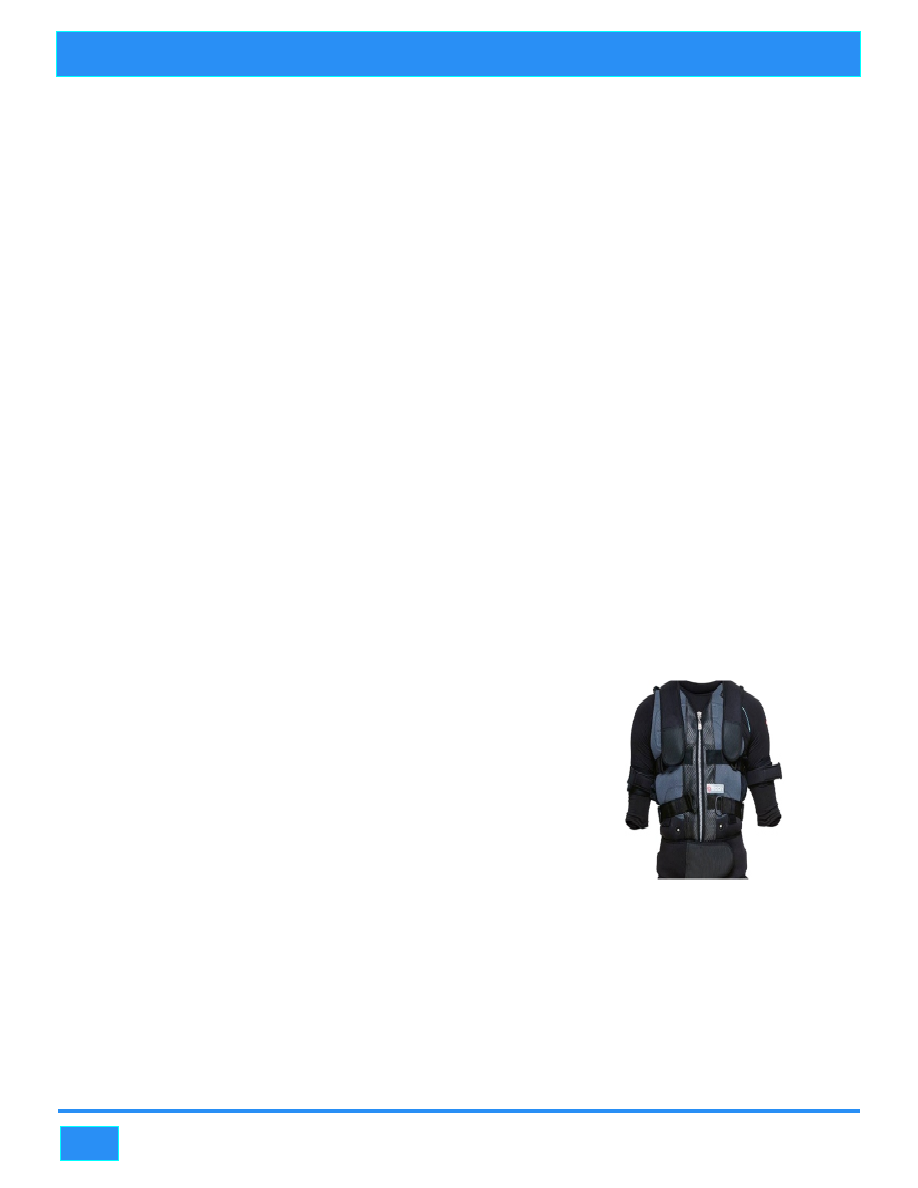
In order to combat the rising rate of deaths that occur due to electrocution,
a Pakistani company has put forth a ground-breaking invention in the form
of armour that shields people from suffering an electric shock and also
provides protection from burns.
The invention came after the alarming rise in death toll of people that lost
their lives due to electrocution and other inflicted burns. The special suit is aptly-designed for labourers
employed at electric fields and other industries.
:
4
Technology Roundup
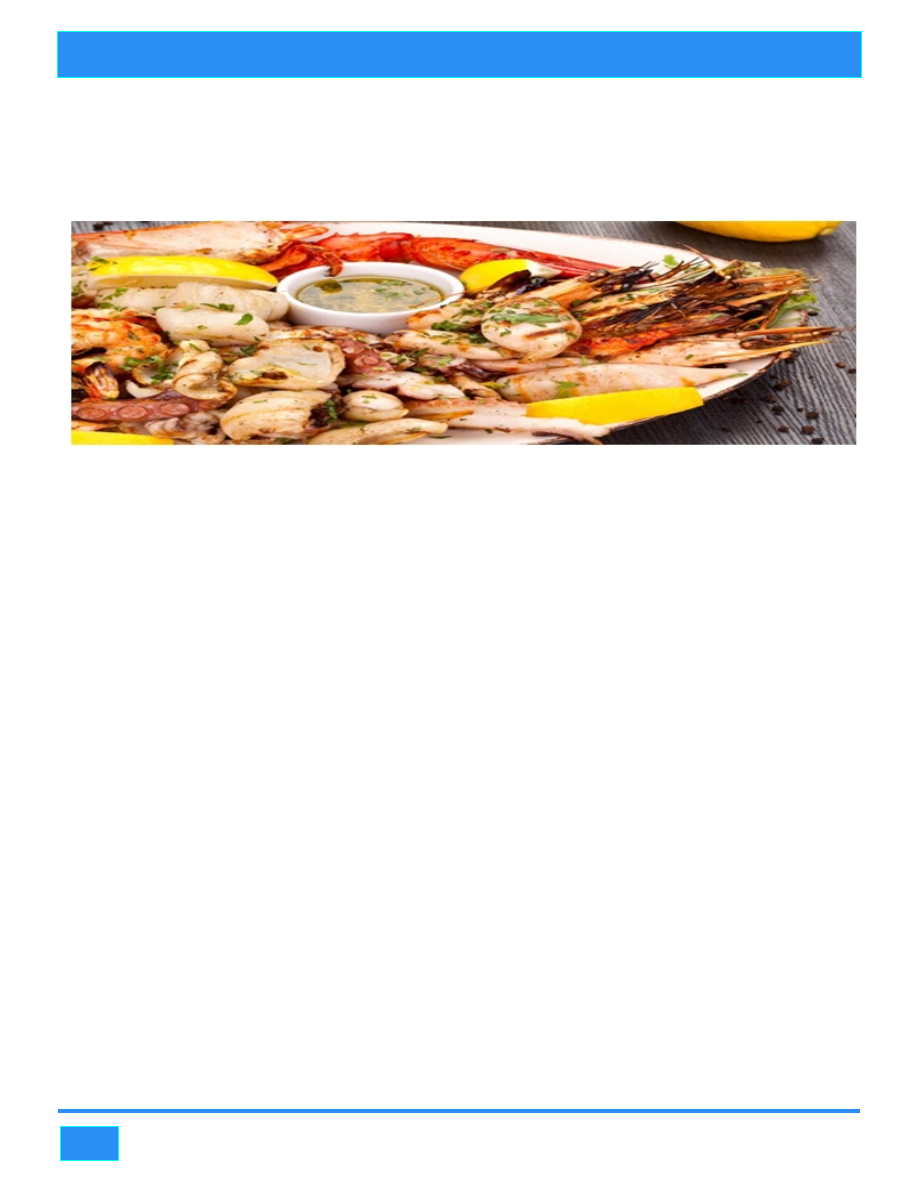
Biodegradable, Edible Film Kills Pathogens on Seafood
A biodegradable, edible film made with plant starch and antimicrobial compounds may control the growth of
foodborne pathogens on seafood, according to a group of international researchers.
"We have the ability to develop a film with antimicrobial activity that can kill foodborne pathogens on food
surfaces," said Catherine Cutter, professor of food science, Penn State. "Given the recent outbreaks that we have
seen with a number of food products, coming up with something that can be used by the industry to kill
microorganisms on the surfaces of food is a noble area of research to investigate."
Seafood may be contaminated with bacterial pathogens, such as vibrio and salmonella. Vibrio naturally occur in
marine environments, and salmonella can contaminate seafood during production or processing. Both types of
bacteria are linked to gastrointestinal problems when consumed. Because both types of bacteria can survive long-
term freezing conditions, the contamination of these bacteria is a concern for the seafood industry.
Freezing does not kill bacteria. However, when freezing food, ice crystals can form from the water in food. The ice
crystals, Cutter says, can act like "daggers" and pierce the bacterial cell wall, causing damage to the cell.
"Vibrio and salmonella are somewhat susceptible to freezing," said Cutter. "So, if you treat bacterial cells with
antimicrobials and then freeze them, the approach can be more lethal."
The researchers from Thailand used a blend of thermoplastic starch, a biodegradable polymer made from cassava -
- tapioca powder, and a gelatin coating containing antimicrobials known as Nisin Z and lauric arginate (LAE).
The team of researchers in Thailand then created a "culture cocktail" of the bacteria and inoculated slices of tiger
prawn and big-eye snapper. The experimentally-inoculated seafood samples were tested using different
compositions of Nisin Z and LAE to see which variations would give the "best kill." After dipping the samples into
the edible film composed with antimicrobials, some of the slices were vacuum packaged and chilled for up to a
month, and other samples were frozen for 90 days.
"If you just dip shrimp into any antimicrobial -- it's not going to stick very well," said Cutter. "But if you put the
antimicrobial into an edible film, and then dip the shrimp into the film and pull it out, that film is going to form
around the shrimp. The film then releases the antimicrobials over time."
Cutter emphasizes the importance of a "controlled release" of the antimicrobials over time in order to get the
"maximum kill," which is made possible by the edible film's unique properties. Applying just the antimicrobials
directly onto the food products would result in the antimicrobials dripping off or diluting.
"If you're going to make an edible film, you want to make a film that has similar properties to plastic," said Cutter.
"You want these edible films to be transparent because consumers aren't going to buy something they can't see, you
want them to be flexible, and you want the film to mold to the food product. By using edible films, you are doing it
in a way that is biodegradable.”
3
5
Technology Roundup
Cutter said a big challenge that the food industry faces is reducing the reliance on plastic packaging, something
the food industry has been using for the past 40-50 years.
Source www.laboratoryequipment.com/news/2018/12/biodegradable-edible-film-kills-pathogens-seafood
A Battery that would cut Electric-Vehicle costs
Source: www.technologyreview.com/s/612614
:
24M, Cambridge, Massachusetts, is reducing manufacturing costs by stripping out extraneous materials and
just got $22 million to begin building its first commercial factory.
In 2010, a pair of MIT materials scientists helped launch 24M, promising to deliver cheaper, better batteries
by stripping out inactive materials in the electrodes.
Higher energy density means batteries cost less, weigh less, and last longer, promising electric vehicles without
the sticker shock or range anxiety, or phones that don't demand an extra battery pack to get through the day.
The initial target market for the batteries is electric vehicles, but the company has also highlighted the potential
for its technology to improve grid energy storage. 24M aims to simplify the design of the lithium-ion battery. In
standard versions like the ones in a Tesla vehicle, the electrodes that carry current into and out of a cell are
arranged as a series of layers and then wound together into what's known as a jelly roll. By using different
materials, 24M can cast electrodes that are four to five times thicker, and immediately pair those anodes and
cathodes together in a cell.
This approach avoids a number of steps in the manufacturing process and significantly cuts down the need for
inactive materials like copper, aluminum, and plastics. This, in turn, reduces costs and energy needs, and ensures
that more of the electrodes themselves are dedicated to the core task of storing energy. The lab-scale version of
24M's batteries has an energy density between 280 and 300 watt-hours per kilogram (Wh/kg). That exceeds the
roughly 250 Wh/kg of most top-end batteries now on the market. The company is also working on a different
technical path that could create lithium-ion batteries capable of reaching energy densities close to 500 Wh/kg.
6
Technology Roundup
EEC receives Emmy Award for truck-mounted X-band Weather Radar
Source: www.meteorologicaltechnologyworldexpo.com/en/industry-news.php
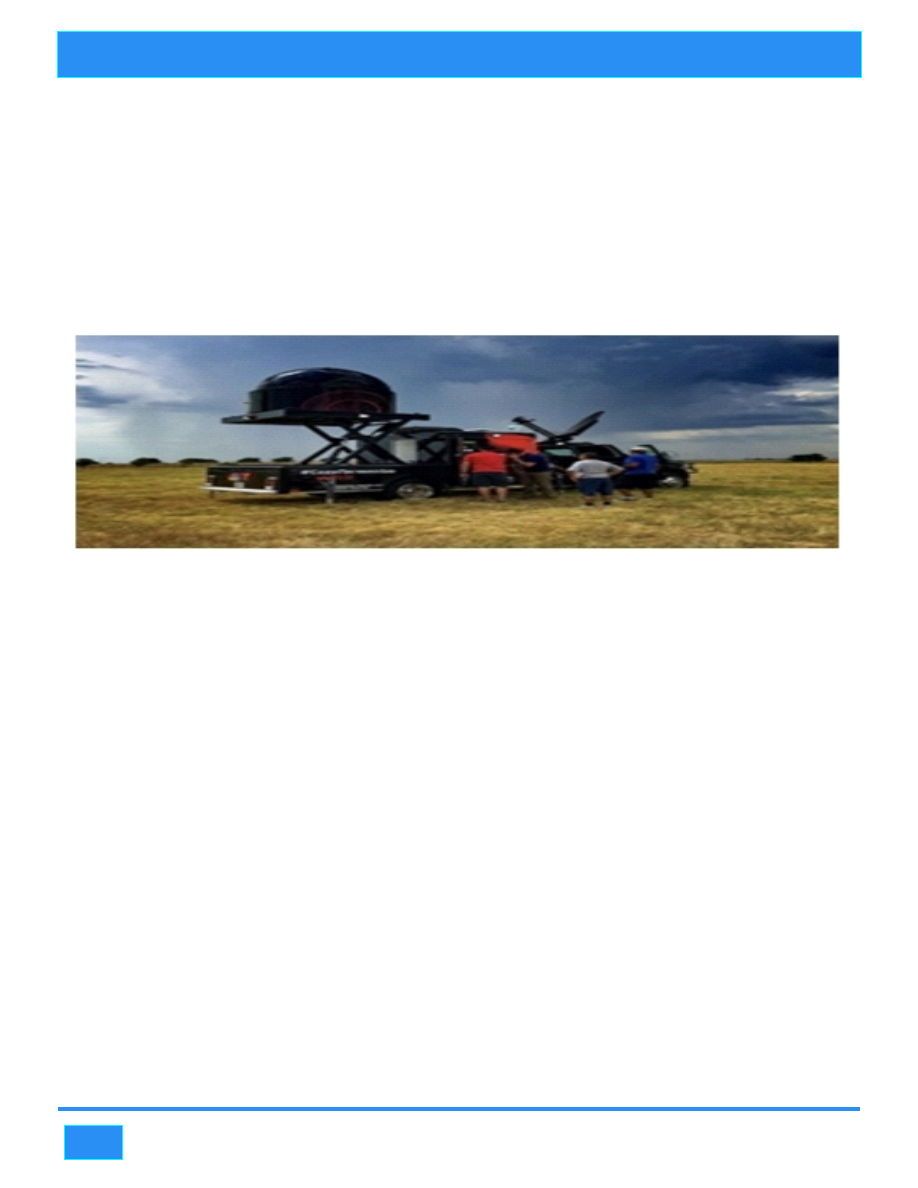
US radar manufacturer EEC, Alabama has received an Emmy Award for the joint-development of its
StormRanger mobile X-band weather radar truck, currently used for television weather forecasting and reporting.
Rich Stedronsky, director of strategic development and partnerships, EEC, said, “EEC has a long history of 'firsts'
in the weather radar industry. We leaped at the opportunity of working with the station teams to develop the
StormRanger trucks. Engineers, technicians and meteorologists from EEC, AMT and NBC/Telemundo stations
spent countless hours designing, manufacturing and assembling the StormRangers and systems that operate
within each truck.”
Created in partnership with Accelerated Media Technologies (AMT) and NBCUniversal Owned Television
Stations, the mobile setup helps boost weather forecasting capabilities by taking the radar directly to the weather
event being covered for the closest, most detailed view available. EEC supplied its Ranger-X5 solid-state, X-
band, dual-polarization Doppler weather radar to the joint project. Mounted on the back of the AMT-built
StormRanger trucks, the Ranger-X5 unit provides near-real-time data for weather phenomena up to 70 miles
away. StormRangers not only detect typical metrological events such as rain, thunderstorms, tornados, snow and
hail, but also smoke, as shown from recent deployments in southern California.
“EEC developed the Ranger X-Band solid-state technology with this precise application in mind,” said Chris
Goode, president and CEO of EEC. “The NBC and Telemundo Owned Stations' network of StormRanger
weather radar trucks, built around EEC's Ranger platforms, sets a new standard in the industry for real-time
monitoring and warning of significant weather events. It's an honor for EEC and its partners to have our collective
efforts recognized with this award.”
EEC, AMT and the NBC and Telemundo Owned Station Group will be presented with the award at the 70th
Annual Technology & Engineering Emmy Awards Gala on April 7, 2019, at the NAB show in Las Vegas, Nevada.
7
Technology Roundup
3D-printed Glucose Biosensors
Source: www.sciencedaily.com/releases/2018/12/181207112658
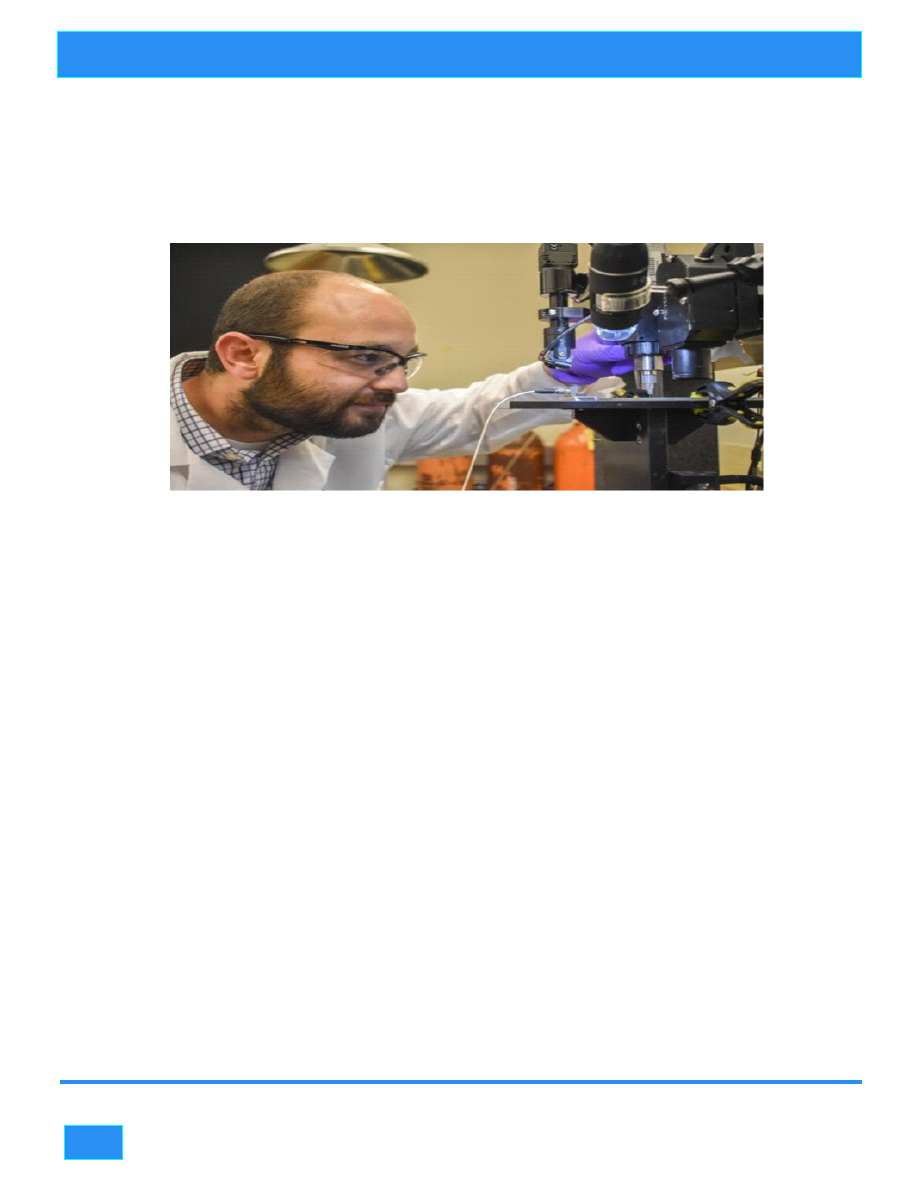
A 3D-printed glucose biosensor for use in wearable monitors has been created by Washington State University
researchers.. The work could lead to improved glucose monitors for millions of people who suffer from
diabetes.
Arda Gozen, Assistant Professor, WSU School of Mechanical and Materials Engineering, in the
Manufacturing Processes and Machinery Lab.
Credit: WSU
People with diabetes most commonly monitor their disease with glucose meters that require constant finger
pricking. Continuous glucose monitoring systems are an alternative, but they are not cost effective.
Researchers have been working to develop wearable, flexible electronics that can conform to patients' skin and
monitor the glucose in body fluids, such as in sweat. To build such sensors, manufacturers have used traditional
manufacturing strategies, such as photolithography or screen printing. While these methods work, they have
several drawbacks, including requiring the use of harmful chemicals and expensive cleanroom processing.
They also create a lot of waste.
The researchers used a method called direct-ink-writing (DIW), that involves printing "inks" out of nozzles to
create intricate and precise designs at tiny scales. The researchers printed out a nanoscale material that is
electrically conductive to create flexible electrodes. The WSU team's technique allows a precise application of
the material, resulting in a uniform surface and fewer defects, which increases the sensor's sensitivity. The
researchers found that their 3D-printed sensors did better at picking up glucose signals than the traditionally
produced electrodes.
Because it uses 3D printing, their system is also more customizable for the variety of people's biology. "3D
printing can enable manufacturing of biosensors tailored specifically to individual patients" said Gozen. "Our
3-D printed glucose sensor will be used as wearable sensor for replacing painful finger pricking. Since this is a
noninvasive, needleless technique for glucose monitoring, it will be easier for children's glucose monitoring,"
said Lin. The team is now working to integrate the sensors into a packaged system that can be used as a
wearable device for long-term glucose-monitoring.

7
Technology Roundup
78
L n
St ry o
l mat
g
o g Term o f C i
e Chan e
So
ce:
.n
o ce.c
s
e.ed
u st
at
res h l
ur
www atsci.s ur
olo tat
u/the-f ll- ory-on-clim e-change-requi
-t e- ong-view
A
tud
s w
f
orl
t
i
ge si
00,
new s
y show hat nine dif erent w
d regions have con ributed to cl mate chan
nce 19
an
ha w
en
o ng orw
d w
t
ill happ
m vi
f
ard
h
ence s cl
an
i
i
cen
have
i
i
w
i
of
T e sci
i ear that hum
act vit es over the last
tury
contr buted to greenhouse-l ke arm ng
ar
ace.
f t
l
r
i
ar und
i
e
es on
hat i
du
the E th's surf
Much o he g obal conve sat on
o
cl mat change fixat
w
ndivi
al
regi
co
i
t
, nd w
t
o
do)
rever
h t
countries or
ons are ntribut ng to he problem a
hat hey will d (or not
to
se t e ide.
at
i
s ngu
sor .R R
han
a, nd
D
Colorado St e Un versity's di ti
ished Profes
A
. avis
kar a
co-author aniel Murphy of the
on
ceani
m
c dm
st
i
o
n
cul
on h
des he
vi
w
Nati
al O
c and At ospheri A
ini rat on ffer a ew cal
ati
t at provi
t
long ew of hat
n e di f
or
on
i
i
e cha
nce 1
h
t
in
f erent w ld regi
s have contr buted to cl mat
nge si
900. They also show
ow hat
breakdo
w l kel l
00
o
i
on
hei
u
n
n
h
wn
il li
y ook by 21
under vari us em ssi
scenarios. T
r st dy is i Proceedi gs of t e
N i
al cadem of
i
ec. 1
T
l
r
at
a
at
or i
ecaus i
at on A
y
Sc ences, D
7. hey cal thei calcul ion "cumul tive radi ive f c ng" b
e t
eg at
he b d
i
e
o s
ou
t
cent
rat
an
of
int
r es t
eb an flow of cl mat fact r thr
ghout he past
ury,
her th
just a snapshot what it
R
at
ng
et c hat m s
s n'
gy
s et
by ar
G o
is today. " adi ive forci
" is a m ri t
ea ures the u s ener
that i r ained
E th. l bal
m
i
r
t
i
f r
or
or
ng
ai
E t t
ng
war ing s the esult of posi ive radiat ve o cing, m e energy bei
ret ned by ar h han escapi
back
n
i to space.
n
r ana
, h
che s foun
, o
e,
w
and
,
E
d or
I thei
lysis t e resear
r
d that f r exampl
bet een 1910
2017 China, urope an N th
ca
per
of
i
on o
m
h e
o
e
e i
Ameri
each had
iods nearly no net contr buti
s t war ing. T es peri ds wer charact r zed by
rapi
r
i
and grow
G
, w
l
em s
ncr as
ut
i
r
d indust ial zation
th of
DP
hen fossi fuel
is ions i
e ed b few air qual ty cont ols
w
B
hi
i
em
t
ar
m
f
ar ,
at o
s
ere enforced. ut as C na mpl
ents clean air s and ds oving orw d and the n i n's emi sions
i
at s
er
e, s
of
i
ons cl
at
i l ncreas
n t
he
N
h
ncrease a low
rat it share contr buti
to im e change w l i
e, accordi g o t
study. ort
eri
s
l g t
i
no
r
n s
Am
ca i the ar es contr butor w and will emai
o even in 2100.
ut
m
os us
o
t
ar
ng
i
t o o
e
t
e
s of os
F ure cli ate scenari
m t take int accoun all w mi
contr bu i ns t dat , and he ffect
th e
ut
f
ar .
ss
r
ct o
d
onl
p
m
ut al
an
h,
contrib ions moving orw d Emi ions edu i ns woul not
y hel cli ate, b so hum
healt
he
A
el
ox
t
i i
s
t
t
and f r h s ke f
says. ggressiv y reduced carbon di
ide and o her em ss on , for he sake of he planet
o t e a
o
t
l
ab
on .
human heal h, are the on y vi
le opti
s

Technology Roundup
Technology Roundup
National
International Conference on Science, Engineering & Technology
www.researchfora.com/Conference2019/Pakistan/1/ICSET/
International Conference on Advancements in Computational Sciences
www.10times.com/icacs-lahore
International Conference on Automation Science and Engineering
www.Wrfconference.com
World Congress on Cell & Tissue Science
International Conference on Power, Electrical and Energy Engineering
The Web Conference 2019
www2019.thewebconf.org/
Wind Energy Science Conference 2019
www.wesc2019.org
International Science and Technology Conference
www.iste-c.net
28-29 January, 2019
Rawalpindi
18-20 February, 2019
University Of Lahore New Campus, Lahore
26-27 April, 2019
Lahore Continental Hotel
Lahore Continental Hotel
28 April, 2019
www.iiter.org
International Events
26-28 April, 2019
Shanghai, China
www.cp3e.net
13-17 May, 2019
San Francisco, California
17-20 June, 2019
Cork Irland
3-5 July, 2019
Prague, Czech Republic
Forthcoming Tech Events
9
Tech & Trade Offers
About PASTIC
PASTIC serves as a gateway for
Scientific & Technological
Information for R&D by catering
to the information needs of
researchers, entrepreneurs,
industrialists, educationists,
policy makers and planners
t h r o u g h a n t i c i p a t o r y a n d
responsive information services.
T e c h n o l o g y I n f o r m a t i o n
Section works exclusively for
support and promotion of
technological information on
trade and industry in the
country. “Technology Roundup”
is a news bulletin that provides
latest and innovative technology
news, forthcoming events, etc. It
a l s o p r o m o t e s p r o d u c t s ,
technologies and services
globally in sectors such as Agro-
Industry, Bio-Technology,
Building Material, Business,
Chemicals, Electronics, Energy,
Fisheries, Food Processing,
Machinery, Packaging, Mining
Pharmaceuticals and Textiles.
Standard Engineering Works (Pvt) Ltd.
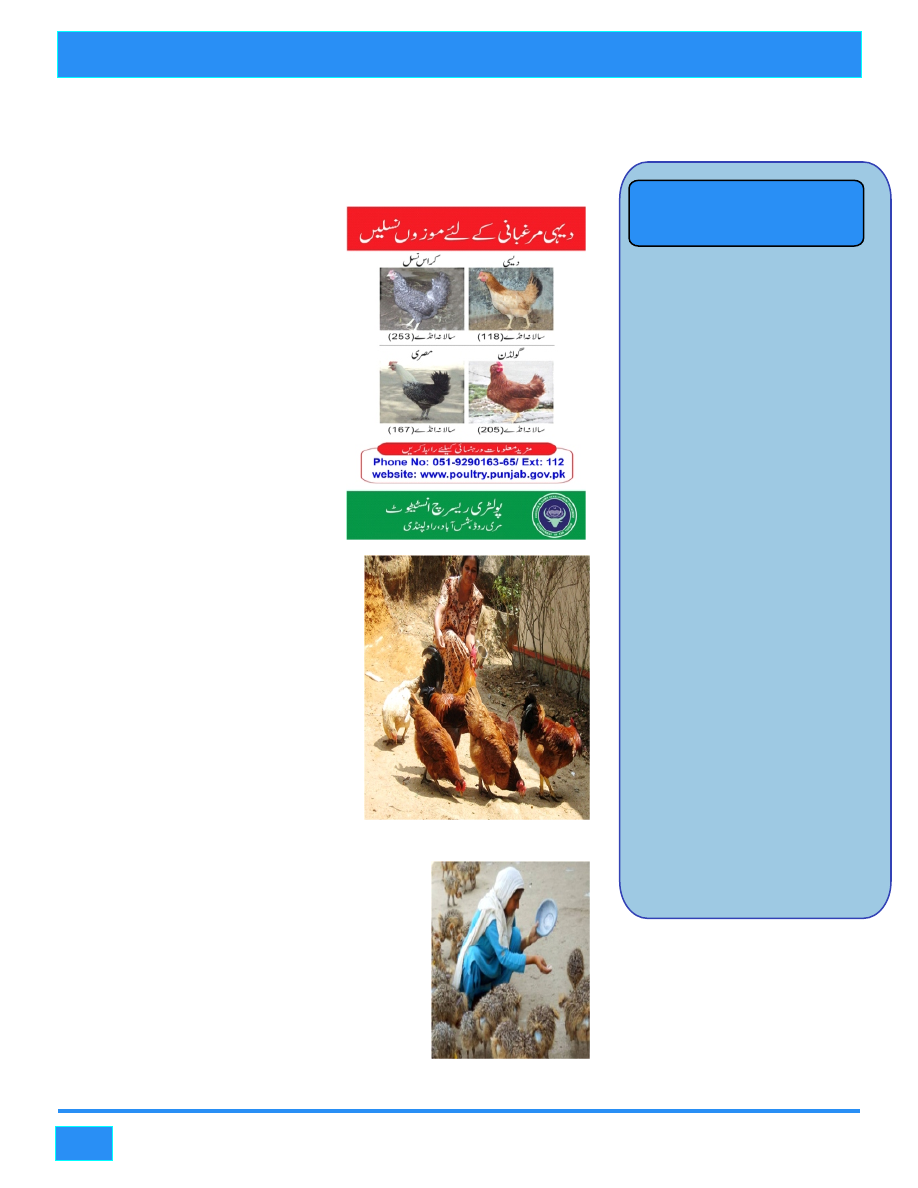
Poultry Research Institute was
established in 1978 at Rawalpindi.
It is the only Research Institute in
Punjab actively involved to
develop poultry as a viable
e c o n o m i c a c t i v i t y i n b o t h
commercial and rural sectors.
Enhancing production of poultry
products
Control poultry diseases through
effective surveillance & diagnostic
measures
To provide improved extension
services
Human Resource Development
To study poultry marketing & supply
chain management
Regulatory control in poultry sector
to meet international standards for
achieving food security
Director (PRI Rawalpindi)
Email Address: secretary@gvestockpunjab.gov.pk
Contact Number: 051-9292172
Fax: 051-9292184
Toll free # 08000-9211
!
!
!
!
!
!
Technology Roundup
Please give us your feedback and address queries to tis.pastic@gmail.com
10