Patron/Executive Editor
Ms. Nageen Ainuddin
Director General, PASTIC
Managing Editors
Ms. Nageen Ainuddin
Mr. M. Aqil Khan
Editor
Dr. Syed Aftab Hussain Shah
Composer
Kashif Farooqui
T
ECHNOLOGY
R
OUNDUP
Technology Information Services Section (TIS)
Pakistan Scientific & Technological Information Centre
PASTIC
November-December, 2017
Vol.9 No.6
A NEWS BULLETIN FROM
Tech News Headlines
Tech & Trade Offers
Phone: 051-9248103-4, 9248128
Fax: 051-9248113
Email: shah_aftab@yahoo.com
Web: www.pastic.gov.pk
PASTIC National Centre
Quaid-i-Azam University Campus
P.O. Box 1217, Islamabad
Editorial Board
l
l Rickshaw Union Unveils a new Ride-hailing app 'Awami Sawari' in
Pakistan
l Residents of major Pakistan City are exposed to harmful Pesticides,
Research Reveals
l How Diabetes in Pregnancy affects Baby's Heart
l New way to write Magnetic info could pave the way for Hardware
Neural Networks
l Hades creates alternate reality to Mislead Hackers
l When the Nose doesn't know: Can loss of Smell be repaired?
l Sorghum cultivars can produce thousands of gallons of
Ethanol
Captive Power Plant Selection for Pakistan Cement Industry in
Perspective of Current Energy Crises: A Fuzzy-AHP Approach
Industrial Power Tech
Forthcoming Tech Events
l
l
l
l
l
l
l
l
International Conference on Advances in Engineering and
Technology
SOLAR Pakistan
International Conference on Advancements in Computational
Sciences
ITCN Asia IT & Telecom Show
International Conference on Energy and Environmental Science
Asian Science & Technology Conference on Disaster Risk Reduction
International Energy Conference
International Science and Technology Conference

Technology Roundup
2
Indigenous
Technology
Captive Power Plant Selection for Pakistan Cement Industry in Perspective of
Current Energy Crises: A Fuzzy-AHP Approach
Based on the prevailing energy crisis, it is reasonable for the Cement industry of Pakistan to look for alternate
sources of electricity generation. The decision of selecting a CPP (Captive Power Plant) depends on a broad variety
of parameters which may be conflicting to each other. A comparative evaluation of these CPP's should be helpful for
industry, particularly if the applied methodology can handle with the real world ambiguities and imprecision
associated with the data pools and expert opinions. This paper utilizes an F-AHP (Fuzzy Analytical Hierarchy
Process) based multi-attribute framework to prioritize the affecting parameters and assign rankings to the CPP
alternatives. The CPP's recommended by experts for this study are RDF-CPP (Refused Derived Fuel CPP), CF-CPP
(Coal Fired CPP) and WHR-CPP (Waste Heat Recovery CPP). The factors affecting the decision of selecting the
optimum CPP are prioritized by the experts using our F-AHP approach. Real world quantitative data is extracted
from different online resources and financial reports of cement companies in Pakistan. The F-AHP model is flexible
enough to deal with a variety of inputs including qualitative scales, crisp values and standard fuzzy numbers. The
model is solved and a sensitivity analysis is performed in respective software. This study shows that non-
conventional CPPs are highly demanded for cement industry in Pakistan and while selecting these CPPs,
management gives high priority to factors like 'automation' and 'environment' whereas associated 'initial cost' is not
given much weight in decision making.
In concluding ranking list, WHR-CPP is at the top and CF-CPP is at the bottom. This study may facilitate decision
makers of cement industry in Pakistan and international CPP manufacturers alike in their forthcoming strategic
decisions.
Hafiz Muhmmad khurram Ali, Aamir Sultan; Bakht Bahdur Rana. Department of Mechatronic Engineering,
University of Engineering & Technology, Taxila, Sub-Campus Chakwal. University Research Journal of
Engineering & Technology, 2017,36(4):12. 769-780
.
Source:

Technology Roundup
3
Indigenous
Technology
Rickshaw Union Unveils a new Ride-hailing app 'Awami Sawari' in
Pakistan
A local rickshaw union has launched a new ride-hailing service in Pakistan known as 'Awami Sawari'.
The rickshaw service will allow app users to call a rickshaw at any time from any place around the city
and will enable drivers to get more rides as compared to driving independently. The announcement of
Awami Sawari app has been made recently in an event at a local hotel in Lahore by Awami Rickshaw
Union (ARU), as reported by Express Tribune. The ARU has already registered around 500 rickshaw
drivers, who will encourage their daily routine passengers to install the app. The union is also applying
its utmost efforts to provide android smartphones to the drivers, which is indeed a praiseworthy step as
most of them have already been protesting against Uber and Careem demanding to increase fares and
bonuses. The base tariff of Rs 48 has been fixed by ARU, while Rs 9 will be charged per kilometer for
traveling anywhere within the city. Although the rates of Awami Sawari app are not quite competitive
as compared to UberAuto or Careem's Teez rickshaw service, however, the main strength of this app is
the sense of ownership observed in drivers.
According to the ARU President Majeed Ghauri, “Some of our friends, who have a tech background,
helped us in developing the mobile application platform for rickshaw drivers and commuters. The
application has been tested among a select group of users and all bugs have been fixed before the
launch. We are not against multinational ride-hailing services operating in different cities but we are
against the uneven playing field.
Source:
https://www.techjuice.pk/rickshaw-union-unveils-ride-hailing-app-awami-sawari
4
Technology Roundup
Residents of major Pakistan City are exposed to harmful Pesticides, Research
Reveals
www.sciencedaily.com/releases/2017/11/171130170208.htm
How Diabetes in Pregnancy affects Baby's Heart
Scientists from Pakistan's Quaid-i-Azam University and Lancaster University have evaluated the
organophosphate pesticide concentration in dust from farms and also from pesticide manufacturing plants in the
megacity of Lahore Researchers tested 50 dust samples as well as blood and urine samples from more than 500
men aged between 20 and 55 -- including farmers, factory workers, shopkeepers, rural and urban residents, and
compared them with a control group. The results show dust in and around Lahore contains pesticide pollution that
is a high health risk to all groups tested.
The most prominent pesticides were chlorpyrifos and diazinon, which has been outlawed for residential use in
countries such as the US. It can affect humans through inhalation, ingestion of through absorption through the
skin. Urine samples, which were taken from people living in
both rural and urban areas of Lahore where contaminated dust
was found, were found to contain high levels of biomarkers
associated with chlorpyrifos and diazinon contamination.
Biomarkers in blood samples also suggest oxidative stress was
experienced by all subjects when compared to the control
group. Although not a conclusive link, a known risk of
exposure to insecticides is disturbance to the anti-oxidant
defence system. In addition, the study subjects were also
found to have lower levels, compared to the control group, of
an important enzyme needed for the nervous system. The
results suggest that dust contaminated with pesticides
engenders 'significant health risks' particularly related to the nervous and endocrine system. These risks affect not
only workers directly exposed to pesticides, but also nearby residents.
Dr Crispin Halsall, Reader at Lancaster Environment Centre and co-author of the study, said: "The high levels of
the indicators found in the urine of rural and urban residents show that in the city of Lahore, dust dispersing from
industrial sites and farms are major contributors in human insecticide exposure -- in addition to pesticides found on
food. "The manufacture of pesticides such as chlorpyrifos and diazinon as well as their over-use in agriculture is a
serious health risk and needs to be addressed as a priority for worker and general population health in Pakistan."
Dr Riffat Naseem Malik said: "pesticides are a matter of grave concern, requiring more and more probing. We need
to evaluate and decide on benefits against their deleterious effects on environment and thus to human health,
before it's too late." Pakistan is the second biggest consumer of pesticides in South Asia and its use is rising.
Globally around 200,000 people die each year in the developing world due to organophosphorus pesticide
poisoning.
Researchers at the Eli and Edythe Broad Center of Regenerative Medicine and Stem Cell Research at UCLA have
discovered how high glucose levels -- whether caused by diabetes or other factors -- keep heart cells from maturing
normally. Their findings help explain why babies born to women with diabetes are more likely to develop
congenital heart disease.
The study, which was led by Atsushi "Austin" Nakano, a UCLA Associate Professor of molecular, cell, and
developmental biology and member of the Broad Stem Cell Research Center, was published in the journal eLife.
Source:
3
5
Technology Roundup
When developing heart cells are exposed to high
levels of glucose, the researchers found, the cells
generate more building blocks of DNA than
usual, which leads the cells to continue
reproducing rather than mature.
"High blood sugar levels are not only unhealthy
for adults; they're unhealthy for developing
fetuses," Nakano said. "Understanding the
mechanism by which high blood sugar levels
cause disease in the fetus may eventually lead to
new therapies."Although genetics plays a large
role in the development of congenital heart
disease, the leading non-genetic risk factor for
the disease is a mother having diabetes during pregnancy.
Nakano and his colleagues used human embryonic stem cells to grow heart muscle cells, or cardiomyocytes, in
the lab and then exposed them to varying levels of glucose. Cells that were exposed to small amounts of glucose
matured normally. But cardiomyocytes that had been mixed with high levels of glucose matured late or failed to
mature altogether, and instead generated more immature cells.
The researchers discovered that, when exposed to extra glucose, the cardiomyocytes over-activated the pentose
phosphate pathway -- a cellular process that, among other things, generates nucleotides, the building blocks of
DNA. In cells with high glucose levels, the pentose phosphate pathway made more nucleotides than usual. The
scientists showed that the excess of building blocks kept the cells from maturing.
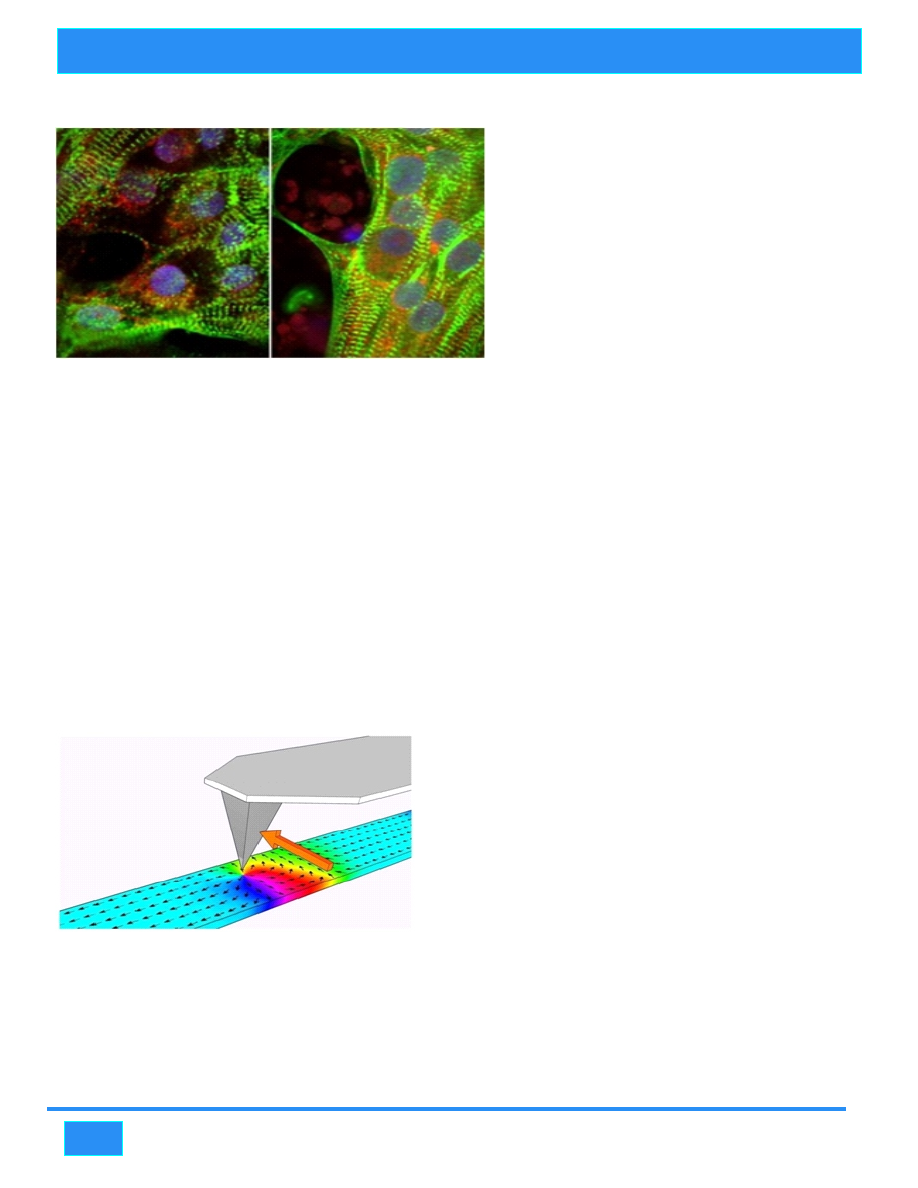
Researchers have shown how to write any magnetic
pattern desired onto nanowires, which could help
computers mimic how the brain processes information.
Much current computer hardware, such as hard drives, use
magnetic memory devices. These rely on magnetic states -
- the direction microscopic magnets are pointing -- to
encode and read information. Exotic magnetic states --
such as a point where three south poles meet -- represent
complex systems. These may act in a similar way to many
complex systems found in nature, such as the way our
brains process information. Computing systems that are
designed to process information in similar ways to our brains are known as 'neural networks'. There are already
powerful software-based neural networks -- for example one recently beat the human champion at the game 'Go'
but their efficiency is limited as they run on conventional computer hardware.
Now, researchers from Imperial College London have devised a method for writing magnetic information in any
pattern desired, using a very small magnetic probe called a magnetic force microscope. With this new writing
method, arrays of magnetic nanowires may be able to function as hardware neural networks potentially more
Source:
www.sciencedaily.com/releases/2017/12/171212184135.htm.
New Dental Imaging Method uses Squid Ink to Fish for Gum Disease
6
Technology Roundup
powerful and efficient than software-based approaches. The team, from the Departments of Physics and Materials
at Imperial, demonstrated their system by writing patterns that have never been seen before. They published their
results in Nature Nanotechnology. Dr Jack Gartside, first author from the Department of Physics, said: "With this
new writing method, we open up research into 'training' these magnetic nanowires to solve useful problems. If
successful, this will bring hardware neural networks a step closer to reality." As well as applications in computing,
the method could be used to study fundamental aspects of complex systems, by creating magnetic states that are
far from optimal (such as three south poles together) and seeing how the system responds.
Researchers have created alternative realities to mislead cyberintruders and cast doubt upon their disclosures.
Sandia National Laboratories cyber researcher Vince Urias helped develop the Sandia-originated HADES
program that employs alternative realities to confuse hackers. HADES stands for High-fidelity Adaptive
Deception & Emulation System.
The Russian novelist Fyodor Dostoevsky once postulated
that the devil no longer employs fire and brimstone but
instead simply tells you what you want to hear. Sandia
National Laboratories cyber researchers go with that second
option when it comes to foiling a hacker. Rather than simply
blocking a discovered intruder, Vince Urias, Will Stout and
Caleb Loverro deploy a recently patented alternative reality,
dubbed HADES for High-fidelity Adaptive Deception &
Emulation System, which feeds a hacker not what he needs
to know but what he wants to believe.
"Deception is the future of cyber defense," said Urias.
"Simply kicking a hacker out is next to useless. The hacker has asymmetry on his side; we have to guard a hundred
possible entry points and a hacker only needs to penetrate one to get in." Rather than being summarily removed
from a data source, a discovered hacker is led unobtrusively into HADES, where cloned virtual hard drives,
memory and data sets create a simulation very much like the reality. However, certain artifacts have been
deliberately, but not obviously, altered.
"So, a hacker may report to his handler that he or she has cracked our system and will be sending back reports on
what we're doing," Urias said. "Let's say they spent 12 months gathering info. When they realize we've altered
their reality, they have to wonder at what point did their target start using deception, at what point should they not
trust the data? They may have received a year or so of false information before realizing something is wrong. A
hacker informing his boss that he's discovered a problem doesn't do his reputation much good, he's discredited.
And then the adversary must check all data obtained from us because they don't know when we started falsifying."
Furthermore, when a hacker finally puzzles out something is wrong, he must display his toolkit as he tries to
discern truth from fiction. "Then he's like a goldfish fluttering in a bowl," said Urias. "He exposes his techniques
and we see everything he does." HADES can operate in multiple modes from a small organization without
resources to a large company, he said. The Department of Homeland Security's Cyber Security Division has
worked with Sandia on deployment.
Like any technique, HADES has its limitations. While the simplest deceptive environment can be done on a small
private computer, environments of greater fidelity require more CPU and memory resources and may thereby
reduce the number of virtual environments deployable on a single server. What the information technology and
Source:
www.sciencedaily.com/releases/2017/11/171120141501.htm.
HADES creates alternate reality to mislead Hackers
7
Technology Roundup
cybersecurity communities want, Urias said, is what he wants: "To stop the [information] bleeding,
and get actionable intelligence: What is an adversary looking for, what did they actually get, and how
did they get it?" The technique has allowed the researchers to locate malware an adversary has placed
in a system, and is capable of active attack.
Source:
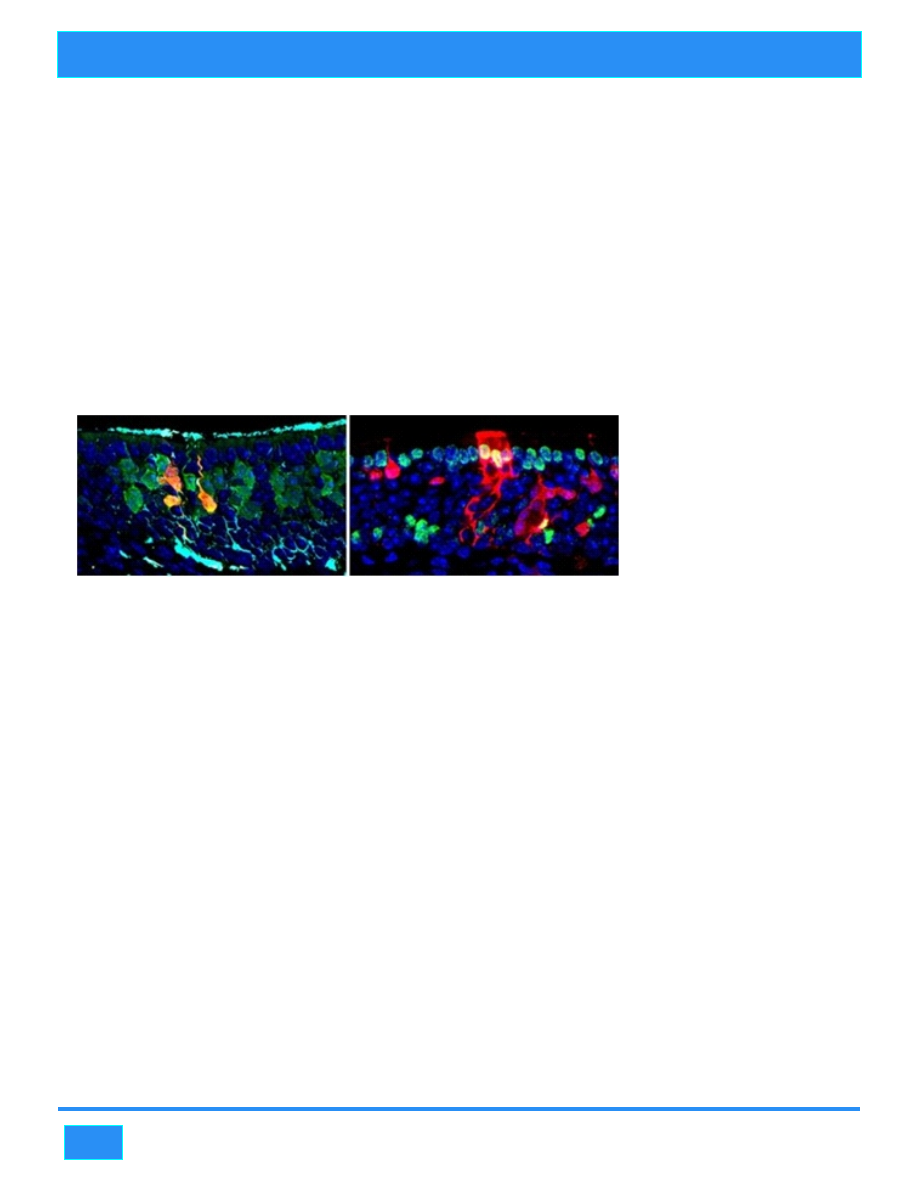
Stem cells are undifferentiated, or unspecialized; they are highly potent and able to generate many
different types of cells. Researchers at Tufts University School of Medicine, led by Dr. James E.
Schwob, are examining the behavior of adult stem cells within the context of aging and, specifically,
the sense of smell. As part of the normal aging process, older adults frequently experience a decline in
their olfactory function, resulting in a compromised or complete loss of sense of smell.
The focus of the
research at Tufts is on
e n l a r g i n g t h e
population of adult
s t e m c e l l s t h a t
maintain the sense of
s m e l l i n y o u n g
adults, but which
d e t e r i o r a t e w i t h
aging. The ultimate
goal is to identify a pharmaceutical preparation that has that effect. In a study published in the issue of
Cell Stem Cell, the researchers provide the first evidence that it is possible to regenerate stem cells of
the nasal tissue in mice, thus enlarging the population of adult stem cells. The team took advantage of
that natural healing process. Adult stem cells regenerated in mice with injured nasal tissue. When
those adult stem cells were transplanted into other mice, they were able to regenerate all the different
cell types in the nasal tissue, also called the olfactory epithelium. This expansion of the stem cell
population improved when the researchers swabbed a pharmaceutical preparation into the nose; the
drug combination pushed progenitor cells to remain upstream as adult stem cells.
Though the response involved the now-famous Yamanaka factors, the strategy developed by Schwob
and his team is more efficient and less complicated than the induced pluripotent stem cell (iPSC)
Nobel Prize-winning approach developed by Dr. Shinya Yamanaka. Yamanaka's approach was
designed to replace stem cells lost to aging by inducing cells taken from adult tissues to behave like
embryonic stem cells, by forcing them to express four genes that are usually expressed in embryonic
stem cells.
The research team from Tufts determined that only two of the four factors used by Yamanaka to
artificially reprogram adult cells into iPSCs are critical to the process of pushing the olfactory cells to
become more stem cell-like. "We are the first researchers to gain insight into the molecular
mechanism responsible for allowing these adult progenitor cells to become more potent.”If we can
restore the population of stem cells in the olfactory epithelium by regenerating them or by
administering the right drug as a nasal spray, we may be able to prevent deterioration in the sense of
smell," he continued.
Source:
www.sciencedaily.com/releases/2017/11/171129164003.htm.
When the nose doesn't know: Can loss of smell be repaired?
www.sciencedaily.com/releases/2017/12/171204105322.htm
7
Technology Roundup
78
Sorghum cultivars can produce thousands of Gallons of Ethanol
www.sciencedaily.com/releases/2017/12/171213130413.htm
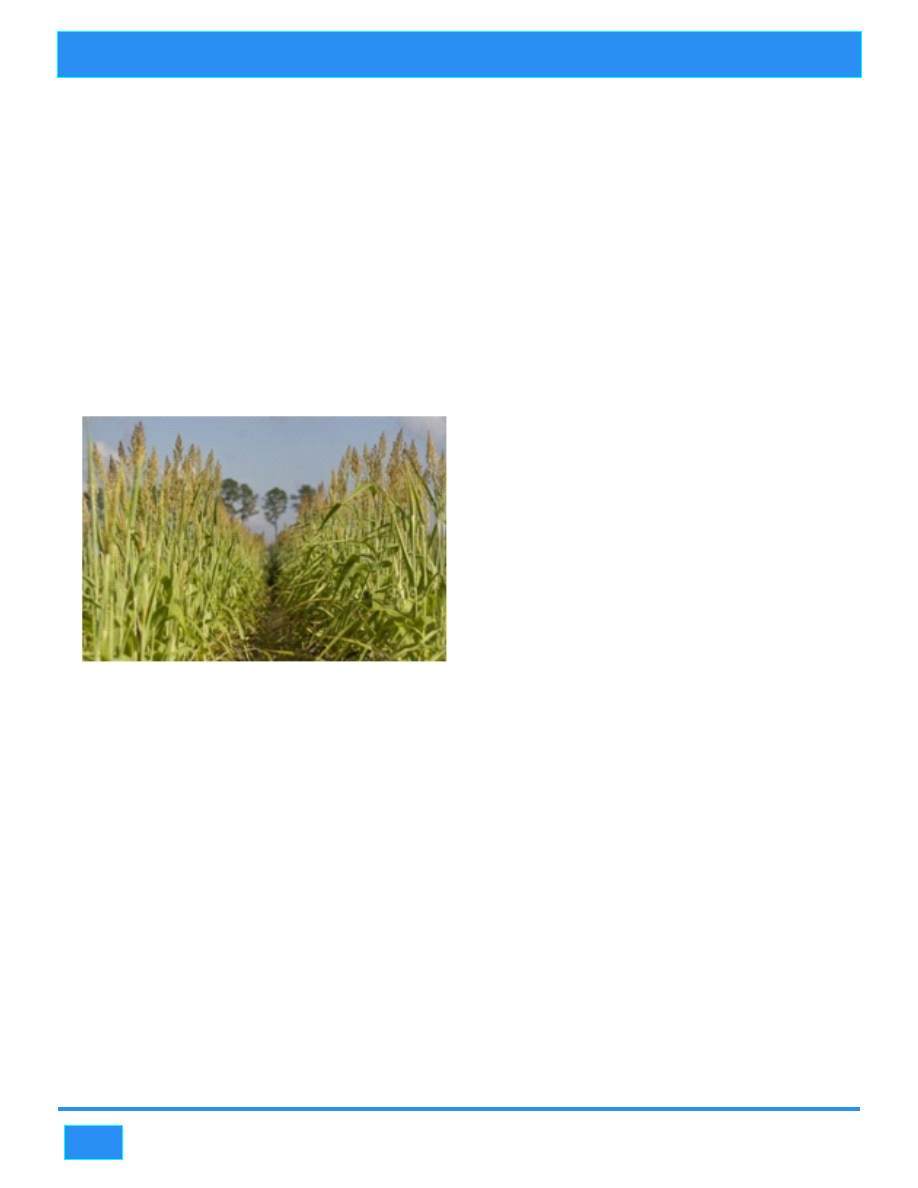
Sweet sorghum is not just for breakfast anymore. Although sorghum is a source for table syrup, scientists see a
future in which we convert sorghum to biofuel, rather than relying on fossil fuel. University of Florida
researchers found three UF/IFAS-developed sorghum varieties could produce up to 1,000 gallons of ethanol
per acre.
Sweet sorghum has the potential to be an effective feedstock for ethanol production,” said Wilfred Vermerris, a
UF/IFAS professor of microbiology and cell science and a co-author on the study. Ethanol produced from
sweet sorghum can be used for auto and jet fuel, UF/IFAS researchers said. UF/IFAS researchers picture big
fuel potential from sorghum partly because it's so abundant. Sorghum is the fifth largest cereal crop in the
world and the third largest in the United States, according to the U.S. Department of Agriculture. In 2014, the
U.S. was the largest producer of sorghum in the world. UF/IFAS scientists like sorghum because it can be
cultivated twice a year in Florida, requires little fertilizer, uses water efficiently and can be drought resistant,
UF/IFAS research shows.
For a newly published study, UF/IFAS scientists wanted
to see if they could use the three sweet sorghum
cultivars as raw material for bioethanol production.
Eulogio Castro, a former visiting Assistant Professor at
UF/IFAS and lead author of the study, worked with
UF/IFAS researchers to grow the sorghum cultivars at
the UF/IFAS Plant Science Research and Education
Unit in Citra, Florida. Castro is now a researcher at the
University of Jaén in Spain.
Once researchers grew and harvested the sorghum, they
took it to the UF/IFAS Stan Mayfield Biorefinery Pilot
Plant in Perry, Florida. There, they processed the crop
and collected the sugar-rich juice from the stems, which
could be directly fermented to fuel ethanol. The bagasse -- the dry, pulpy residue left after extracting the juice
from the plant -- was processed to generate an additional source of fermentable sugars that could also be
converted to ethanol. They found potential for the crop to produce up to 1,000 gallons ethanol per acre from the
combined juice and bagasse-derived sugars. The new study is published in the journal Industrial Crops &
Products.
Source:

Technology Roundup
Technology Roundup
National
International Conference on Advancements in Computational Sciences
SOLAR Pakistan
International Conference on Advances in Engineering and Technology
ITCN Asia IT & Telecom Show
International Conference on Energy and Environmental Science
Asian Science & Technology Conference on Disaster Risk Reduction
International Energy Conference
International Science and Technology Conference
19-21 February, 2018
Lahore
www.aconf.org
29-31 March, 2018
Expo Center Lahore
www.solarfairpakistan.com
2-3 April, 2018
Quetta, Balochistan
www. Indico.cern.ch
25-27 September, 2018
Expo Center, Karachi
www.itcnasia.com
16-18 January, 2018
Malaysia
www.icees.org
17-18 April, 2018
Limassol, Cyprus
www.astcdrr2018.org/
3-7 June, 2018
Limassol, Cyprus
www.energycon 2018.org
18-20 July, 2018
Paris France
www.iste-c.net
International Events
Forthcoming Tech Events
9
Tech & Trade Offers
About PASTIC
PASTIC serves as a gateway for
Scientific & Technological
Information for R&D by
catering to the information
n e e d s o f r e s e a r c h e r s ,
entrepreneurs, industrialists,
educationists, policy makers
a n d p l a n n e r s t h r o u g h
anticipatory and responsive
information services.
T e c h n o l o g y I n f o r m a t i o n
Section works exclusively for
support and promotion of
technological information on
trade and industry in the
c o u n t r y . “ T e c h n o l o g y
Roundup” is a news bulletin
that provides latest and
innovative technology news,
forthcoming events, etc. It also
p r o m o t e s p r o d u c t s ,
technologies and services
globally in sectors such as
A g r o - I n d u s t r y , B i o -
Technology, Building Material,
B u s i n e s s , C h e m i c a l s ,
Electronics, Energy, Fisheries,
Food Processing, Machinery,
P a c k a g i n g , M i n i n g
Pharmaceuticals and Textiles.
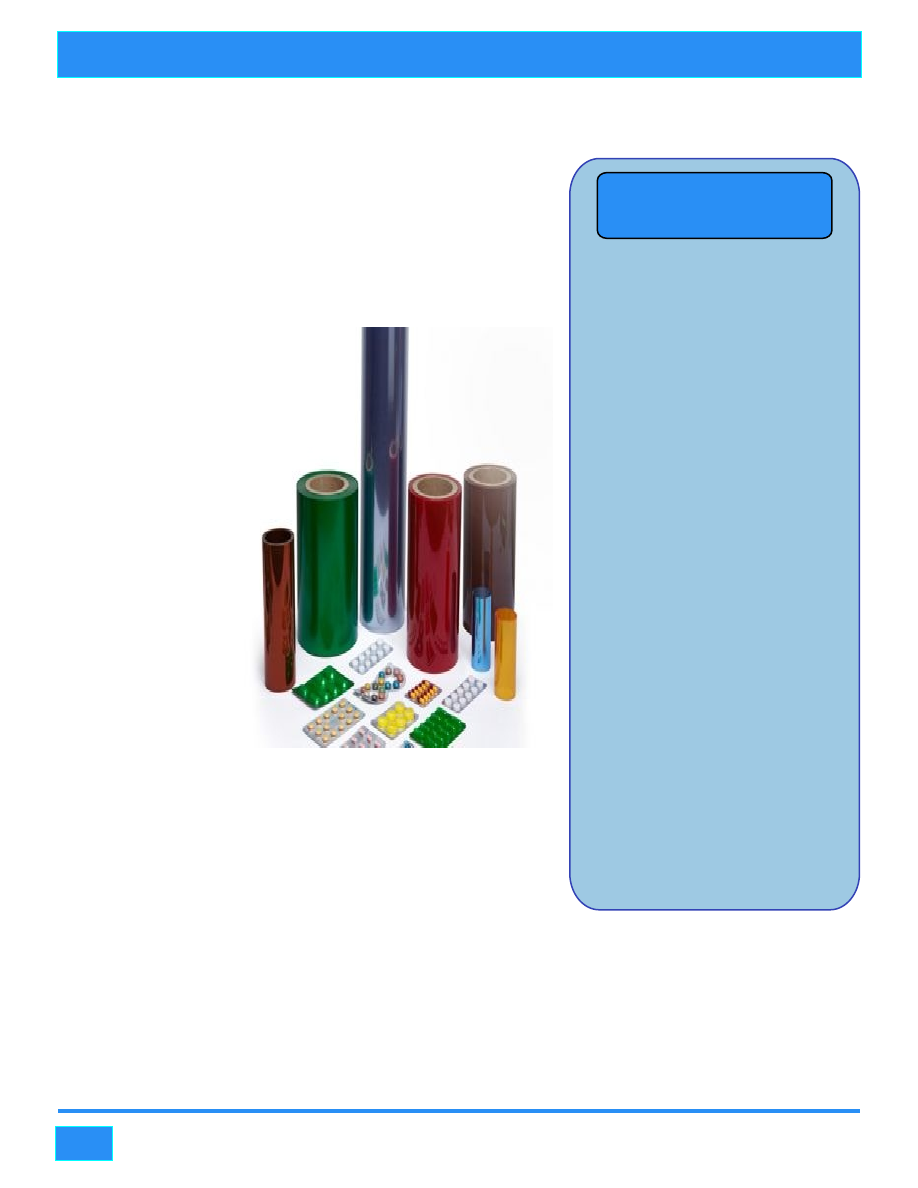
ACG Worldwide
Label-i is and ideal product for the inspection of
online/offline batch code OCV Optical Characters
Verification and code of striker labels, leaflets and cartons.
Applications
www.acg-world.com
!
Authorzed Distributor for Pakistan
Business Links International Pvt Ltd
2nd floor Twin Star Chambers Mumtaz Hassan Road Karachi
Telephone: +92 (21) 32417280, 32419227
Fax: +92 (21) 32416476
Bliker@businesslinks-pk.com
Vial labels
!
Syring labels
!
Bottele labels
!
Shipper labels
!
Medical devices
!
Alufoil
Technology Roundup
Please give us your feedback and address queries to shah_aftab@yahoo.com
10