
Patron/Executive Editor
Prof. Dr. Muhammad Akram Shaikh
Director General, PASTIC
Managing Editors
Ms. Nageen Ainuddin
Mr. M. Aqil Khan
Editor
Syed Aftab Hussain Shah
Composer
Kashif Farooqui
T
ECHNOLOGY
R
OUNDUP
Technology Information Services Section (TIS)
Pakistan Scientific & Technological Information Centre
PASTIC
May-June, 2017
Vol.9 No.3
A NEWS BULLETIN FROM
Tech News Headlines
Tech & Trade Offers
Phone: 051-9248103-4, 9248128
Fax: 051-9248113
Email: shah_aftab@yahoo.com
Web: www.pastic.gov.pk
PASTIC National Centre
Quaid-i-Azam University Campus
P.O. Box 1217, Islamabad
Editorial Board
l
l
l
Blood Sugar and Brain Cancer are Linked
l
PNY Technologies step up at Computex 2017
l
Environmental monitoring with Robotic Fish
l
A New way to Target Drug-resistant Bacteria
l
Nanoparticles and Magnets offer new, efficient Method of removing
Oil from Water
l
Bioengineered Human Livers Mimic Natural Development
Self Compacting Concrete: Use of Waste Marble Powder as Filler
Material
M-Health Service for Train Passengers using Mobile GPS System: An
ArchiMate Service Layer Model
Power Pakistan Pvt Ltd
LTS SERIES
Forthcoming Tech Events
l
National Exhibition on IT Computer Tools for Science and Education
l
International Conference on Science, Technology, Engineering &
Management
l
International Multi-Disciplinary Research Conference
l
International Conference on Agricultural and Food Science
l
International Energy Program Evaluation Conference
l International Conference on Management, Engineering, Science &
Technology
l
IPO EXPO
l
International Conference on Communication and Network
Technology

Technology Roundup
2
Indigenous
Technology
Self Compacting Concrete: Use of Waste Marble Powder as Filler Material
Source:
The objective of this study was to investigate the effectiveness of waste marble powder (WMP) in Self compacting
concrete (SCC) and to get the most favorable amount of WMP that can be effectively used in developing SCC.
Self compacting concrete (SCC) is a type of concrete which can flow and spread through reinforcement and narrow
sections which fills the empty spaces completely without any mechanical vibration. This type of concrete requires
large quantity of powder, for which either fine pozzolanic (e.g. fly ash, ground granulated blast furnace slag and
silica fume etc) or non-pozzolanic additions (crushed limestone or sand stone etc) are used. The composition of this
blend of cement and filler material is significant in SCC, as high amount of cement with lower water content may
cause autogenous shrinkage. Therefore, the use of non-pozzolans material with cement needs to be investigated.
The concrete industry is among the largest consumer of raw materials. Limestone fillers are generally used in
concrete. As marble stone is of limestone origin i.e. marble is formed by metamorphism of limestone. The effect of
addition of non-pozzolans powder waste from marble industry is studied for its suitability in SCC. This was done
keeping in view the requirement of fines in SCC and to find an effective utilization of waste marble powder (WMP).
For this, five different SCC mixes were prepared, one without WMP and four other with varying amounts of WMP.
These mixes in fresh state were tested for their flowability, passing-ability and segregation resistance. Hardened
concrete was tested for compressive and flexural strengths.
It was found that the locally available WMP can be effectively used as filler in developing SCC. Furthermore, it can
be concluded that the addition of WMP up to 15% by cement weight can lead to a desirable SSC properties.
Asif Hameed , Asad-ullah Qazi , Safeer Abbas and Abdul Rehman. Self Compacting Concrete: Use of Waste
Marble Powder as Filler Material.
2016 18 (January):
1-10
Pakistan Journal of Engineering and Applied Sciences

Technology Roundup
3
Indigenous
Technology
M-Health Service for Train Passengers using Mobile GPS System: An ArchiMate
Service Layer Model
Source:
Enterprise Architecture (EA) is an instrument that is employed to describe the organization's structure,
business layout and operations within the IT (Information Technology) environment. Different types of
organizations extensively employed EA for aligning their business and operations with IT resources. EA
may also be employed in non-organizational setting such as service providing agencies; rescue, medical
emergency and education services. This paper suggests an EAF (Enterprise Architecture Framework) for
non-organizational setting by critically analyzing the top four EAs.
The paper also proposes a new M-Health service model based on the mobile GPS (Global Positioning
System) for train/ rail passengers by employing the ArchiMate modeling language and compares the
proposed model with existing service providers. The level-1 of proposed model provides health service
remotely through mobile phone and tracks the patient, doctor and ambulance location through the GPS
system.The level-2 of proposed model explains how to find nearest doctor/ambulance and redirect them to
patient location. The structure aspect holds one collaboration element (doctor/ambulance). The passive
structure contains a service object (Healthcare service at train location/physically examines, shifts to
hospital for further investigation) and behavior structure includes functions (redirect the ambulance/doctor
function and physical examination function)
Muhammad Sajid, Kamran Ahsan, And Muhammad Sarim. Mehran University Research Journal of
Engineering & Technology. 2017 36 (1): 21-32

4
Technology Roundup
Blood Sugar and Brain Cancer are Linked
www.sciencedaily.com
PNY Technologies step up at Computex 2017
A new research finds the surprising relationship between blood sugar and brain tumors and could help in knowing
about the dev elopement of some of the brain tumors.A study from “The Ohio State University,” has found that
gliomas are less commonly appeared with the diabetes. The discovery was built on previous Ohio State research
showing that high blood sugar appears to reduce a person's risk of a noncancerous brain tumor called meningioma.
Both studies were led by Judith Schwartzbaum, an Associate Professor of Epidemiology and a Researcher in Ohio
State's Comprehensive Cancer Center. The new glioma study appears in the journal Scientific Reports.
"Diabetes and elevated blood sugar increase the risk of cancer at several sites including the colon, breast and
bladder. But in this case, these rare malignant brain tumors are more common among people who have normal
levels of blood glucose than those with high blood sugar or diabetes," Schwartzbaum said. "Our research raises
questions that, when answered, will lead to a better understanding of the mechanisms involved in glioma
development," she said. Glioma is one of the most common types of cancerous tumors originating in the brain. It
begins in the cells that surround nerve cells and help them function. The disease is typically diagnosed in middle
age. At present, there is no treatment that ensures long-term survival, but several potential options are being
studied.
The Scientific Report paper included data from two large
long-term studies. One, called AMORIS, included 528,580
Swedes. The second, Me-Can, consisted of 269,365 Austrians
and Swedes. In all, 812 participants developed gliomas.
Schwartzbaum and her collaborators evaluated blood sugar
and diabetes data and its relationship to subsequent
development of brain cancer and found that those with
elevated blood sugar and diabetes had a lower risk of
developing glioma. "This really prompts the question, 'Why
is the association between blood glucose levels and brain
cancer the opposite of that for several other cancerous
tumors?" she said.
The researchers found that this relationship was strongest within a year of cancer diagnosis. "This may suggest that
the tumor itself affects blood glucose levels or that elevated blood sugar or diabetes may paradoxically be
associated with a protective factor that reduces brain tumor risk," Schwartzbaum said. "For example, insulin-like
growth factor is associated with glioma recurrence and is found in lower levels in people with diabetes than those
who don't have the disease."
The brain accounts for only about 2 percent of body weight, but consumes about 20 percent of the body's available
glucose, Schwartzbaum said. Research on restrictive diets and their effect on brain cancer development has shown
mixed results and more work is needed to determine if there's something about the sugar/tumor relationship that
can be modified in a way that's beneficial to brain cancer patients.
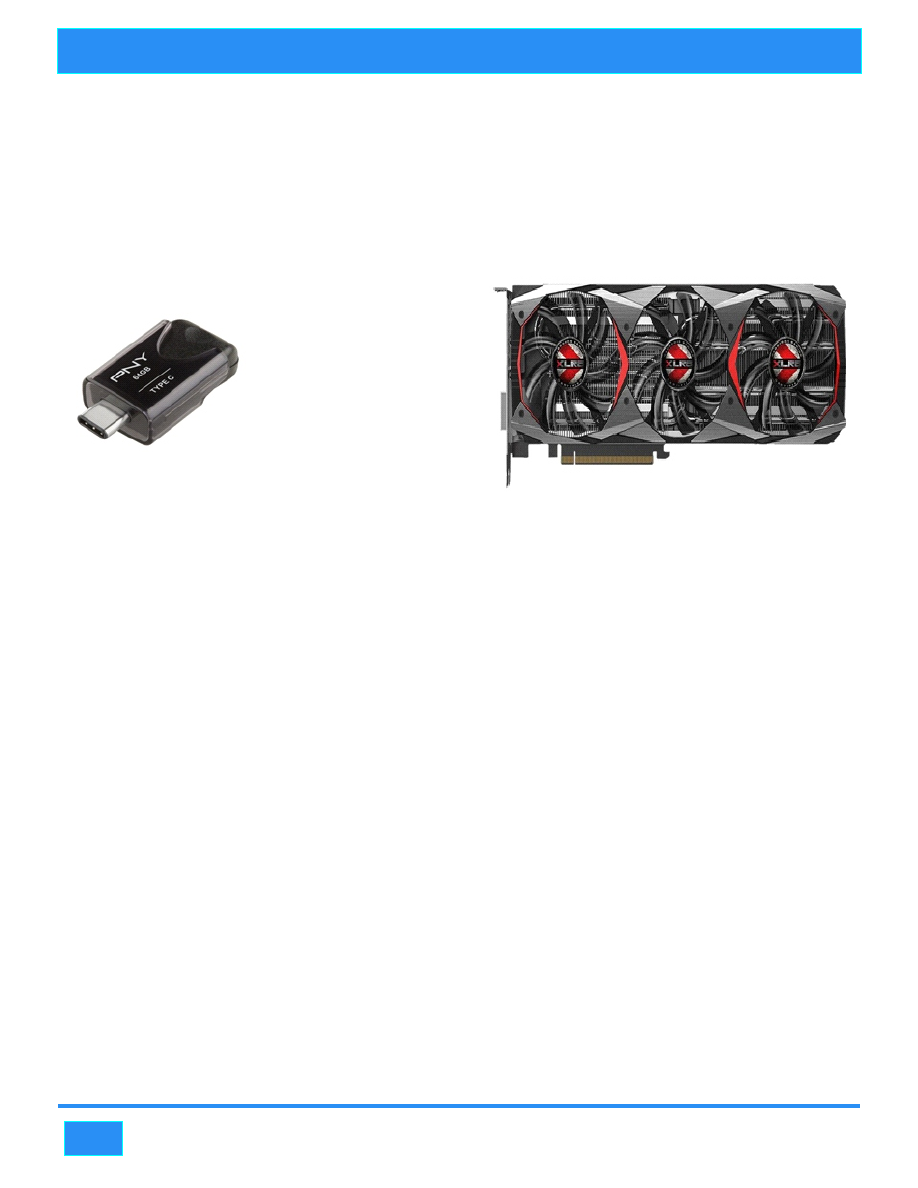
PNY continues making its mark by showcasing its latest innovations at the Computex Taipei 2017. PNY has their
newly-announced GeForce GTX 1080 Ti XLR8 Gaming OC put on display as the star of the show, along with their
products ranging from flash drives, memory cards, GeForce gaming series, and other IT peripherals. On joining
the Grand Computex, Calvin Yang, Asia Sales Sr. Director , PNY Technologies Asia Pacific Ltd., had this to say:
“We want to have an opportunity to find a partner in Asia in the beginning.” “We also want to share our products,
and invite our partners to Computex to show the partnership
.”
3
5
Technology Roundup
GeForce GTX 1080 Ti XLR8 Gaming OC is powered by NVIDIA's flagship Pascal GPU packed with extreme
next-gen 11 Gbps GDDR5X memory, and 11GB frame buffer. Factory overclocked by PNY, offering a boost
speed of 1645 MHz, the PNY GeForce GTX 1080 Ti XLR8 Gaming OC is designed with XLR8 triple fan cooler.
GeForce GTX 1080 Ti features 3584 NVIDIA CUDA cores and 12 billion transistors. This is the year of SSDs,
according to Yang, along with gaming systems, and VR. On that front, the future of external storages took over
this year's Computex including PNY CS1131, PNY CS900, and their CS1311 2.5″ Sata III SSD which holds up
to 960GB of data which adopts 3D TLC NAND, and powered by USB 3.0.
P N Y Ti t a n Tu r b o 3 . 0 ,
available in 8GB-64GB
capacities, has a thin, but
tough metal finish. Titan
Turbo 3.0 is powered by USB
3.0, and is made of 3D NAND
Flash. PNY Elite Type-C USB
3 . 1 F l a s h D r i v e h a s
SuperSpeed technology of up
to 115MB/second. Elite Type-
C USB 3.1 Flash Drives are
available in 32GB, 64GB, 128GB capacities. Yang has been
with PNY for 15 years starting from graphic cards, CDs, DVDs, CR-ROMs, flash disks, flash drives, and more.
However, he says that it is all just the beginning. “This year, the major product that we will show is all about
gaming I say it's a good time for gaming,” says Yang.
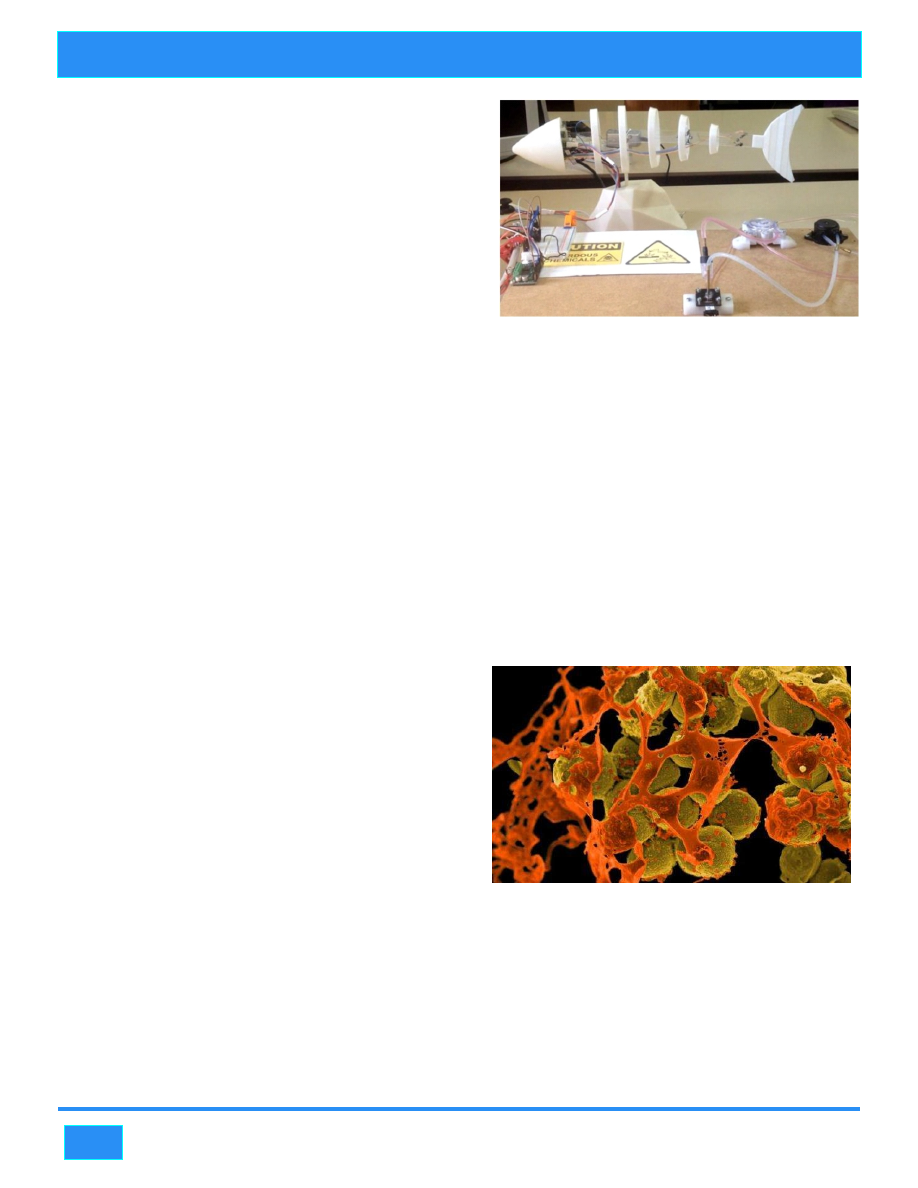
Researchers are developing a bio-inspired robot equipped with special chemical sensors able to detect the pH of
water. Researchers from Bio-inspired Systems Lab at CAR UPM-CSIC, a joint centre between Universidad
Politécnica de Madrid and the Spanish National Research Council, in collaboration with researchers from the
Chemical Department of University of Florence (Italy)developing a bio-inspired robot equipped with special
chemical sensors able to detect the pH of water. A group of researchers from Centre for Automation and Robotics
(CAR CSIC-UPM) in collaboration with researchers from University of Florence are designing autonomous
underwater vehicle with biosensors to monitor water quality. These robots, that mimic a swimming fish in order
to minimize the fish disturbance and stress, can detect in-situ real-time anomalies and this is suitable to control
environmental conditions in fish farms.
Aquaculture has become the fastest growing animal food sector in the world. Today, the production of fish,
crustaceans and shellfish supplies around fifty percentages of all fish that is consumed by humans globally. In
order to keep aquaculture systems at an optimal level and to avoid physiological stress and disease of fish, water
quality and adequate nutrition must be monitored and controlled. In order to tackle this problem, researchers are
developing an autonomous underwater vehicle with biosensor to provide real-time and on-site monitoring of
water quality in fish farms. In order to minimize the inconveniences and possible stress in fish, the developed
robot is bio-mimetic, that is, that mimics both its appearance and its functioning. In addition to providing water
data, the robotic fish is also able to modify the way they swim according to the water conditions with the purpose
of, for example, to detect and highlight the areas of concentration. Because water acidity directly affect other
indicators both water quality and fish health, researchers have developed a special electrochemical pH sensor
www.technology.mb.com.ph
Environmental Monitoring with Robotic Fish
6
Technology Roundup
based on polyaniline film electrochemically deposited on
the graphite screen-printed electrode surface.
The overall length of the fish is 30 cm without including the
tail. The prototype adopts shape memory alloys actuators
that bend a continuous flexible structure (the backbone of
the robot fish), made of polycarbonate of 1 mm thickness.
An additional structure of ribs was employed to support the
latex-based skin. Claudio Rossi, one of the developer of this
bio-inspired fish said, "thanks to this system that provides
early information on environmental change, we can control
the parameters of water quality and improve management
decisions of fish farms, and consequently, the wellness of
these animals."
Antibiotics are an essential component of modern clinical care, used to prevent and treat bacterial infections.
However, the dependence on antibiotics and their widespread misuse has led to bacterial pathogens evolving
resistance to an ever-wider range of treatment options. The emergence of multi-drug resistant bacteria has
brought a marked increase in the number of untreatable infections, and tackling this problem constitutes one of
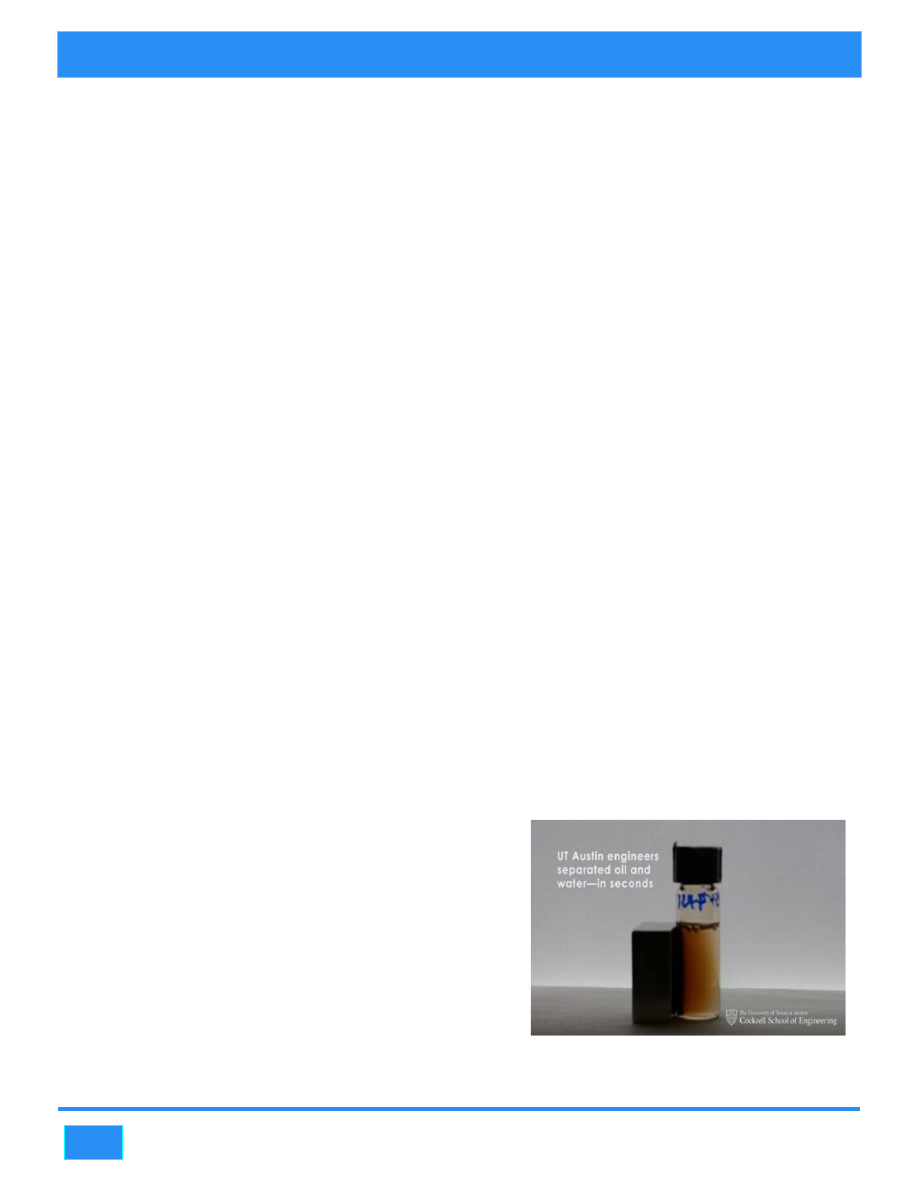
the major global challenges facing humanity. A new class of compounds that inhibit bacterial DNA gyrase has
been discovered by a team of researchers. The team, including scientists from the Norwich-based John Innes
Centre, GSK and Sanofi, have reported a class of compounds that target bacteria in a unique way, and show
activity against some drug-resistant strains in the laboratory.
This research, carried out by scientists from Professor
Tony Maxwell's group at the John Innes Centre and
partners in the pharmaceutical industry, was reported in
Proceedings of the National Academy of Sciences
(PNAS). Professor Dale Sanders, Director of the John
Innes Centre, said, "This discovery highlights the impact
of partnership work between leading pharmaceutical
companies and our innovative plant and microbial
scientists." The collaborative research was facilitated by
the ENABLE (European Gram-negative Antibacterial
Engine) consortium, part of the EU-funded Innovative
Medicines Initiative's 'New Drugs for Bad Bugs' (ND4BB)
programme. The new research reveals that the compounds
inhibit a bacterial enzyme called DNA gyrase in a different manner to other known gyrase inhibitors. Professor
Maxwell, a project leader in Biological Chemistry at the John Innes Centre, explained: "Bacterial chromosomes
are tightly coiled, but for bacterial cells to replicate these coils must 'unwind' so that the DNA code can be
accessed and copied. DNA gyrase creates a cut in the DNA, which allows it to uncoil before the cut ends are
reconnected. This creates the opportunity for DNA-replicating enzymes to access the DNA. "Inhibiting DNA
gyrase is lethal for the bacterium because it can no longer replicate its DNA."
Compounds that act on DNA gyrase are not new; in fact, a common and extremely effective class of existing
antibiotics called 'fluoroquinolones' is among a number antibiotics that do exactly that. However, most of the
www.sciencedaily.com
A new way to Target Drug-resistant Bacteria
7
Technology Roundup
antibiotics which act against DNA gyrase work in a similar way, meaning that when bacteria evolve resistance
to one, they may also be resistant to the others of the same class. But the newly discovered compounds inhibit
DNA gyrase in a completely different way. Postdoctoral scientist Dr Thomas Germe explained:
"Unfortunately, many dangerous bacteria have already developed resistance to fluoroquinolones, so these may
not be successful in treating some resistant infections."After screening a collection of compounds, one
compound -- known at this stage as 'Compound 1' -- was found to inhibit DNA gyrase in a new way.
"Fluoroquinolones work by blocking DNA gyrase at the point at which it interacts with DNA. Compound 1,
however, doesn't interfere with the DNA at all; rather it binds to a 'hinge pocket' in the other side of the enzyme's
structure, which prevents the enzyme from swinging into the correct position to do its job." But the discovery
doesn't end there. Professor Maxwell said: "Structural analysis revealed that if the chemical structure of
Compound 1 was modified slightly, it would fit more tightly into the 'hinge' region of the DNA gyrase enzyme.
This led to 'Compound 2', which is better DNA gyrase inhibitor, Both Compounds 1 and 2 prevent the growth
of bacterial strains that are resistant to fluoroquinolone antibiotics in the laboratory." "Although the work on
this compound series was stopped due to toxicity, this discovery shows that we can continue to identify novel
compounds working in partnership with the pharmaceutical industry and it highlights the importance of
collaborative effort, including European-funded collaboration."
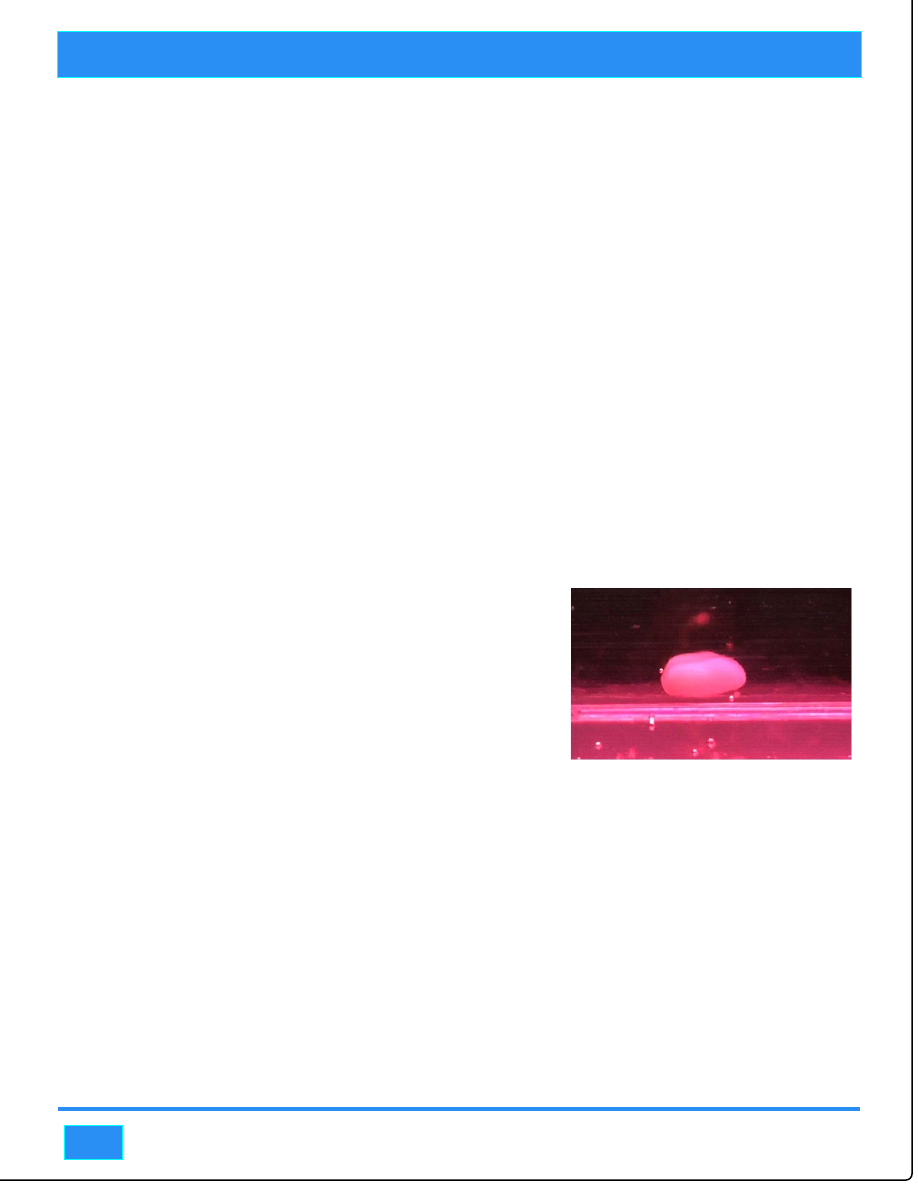
Engineering researchers separate oil from water using the magnetic nanoparticles through a simple process
that relies on electrostatic force and a magnet. They believe their new technique could improve water treatment
for oil and gas production, more efficiently clean up oil spills and potentially remove lead from drinking
water.When oil mixes with or enters into water, conventional methods of cleaning the water and removing the
oil can be challenging, expensive and environmentally risky. But researchers in the Cockrell School of
Engineering at The University of Texas at Austin believe they may have developed a better method. Their study
has been published in the Journal of Nanoparticle Research. Today, nanoparticles, which are tiny particles that
can be coated with different chemicals such as polymers, are used in a wide variety of areas and industries
including medicine, energy and electronics. The versatility of nanoparticles inspired the UT Austin team to
explore how the particles could be applied to oil production to lessen its environmental footprint and increase
efficiency in both onshore and offshore drilling. They believe their technique could also be used to treat the
millions of gallons of fresh water used in hydraulic fracturing and to help clean drinking water.
Modern oil production methods separate 95 percent of the oil
from produced water but leave behind small oil droplets that
are difficult to extract, which makes water treatment and
disposal more challenging and environmentally risky. "This
new technique is really aimed at removing that little bit of oil in
that water that needs to be removed before you can consider it
treated," said Saebom Ko, a research associate in the
Department of Petroleum and Geosystems Engineering and
lead author on the study. "The advantage of employing
magnetic nanoparticles is that the small oil droplets that attach
to the nanoparticles are much more quickly separated from
water than traditional physical separation processes because
magnetic force can be orders of magnitude larger than gravitation." Ko worked with a team including
"
www.sciencedaily.com
Nanoparticles and Magnets offer new, efficient Method of removing Oil
from Water
7
Technology Roundup
78
petroleum and geosystems engineering professor Hugh Daigle, biomedical engineering professor Thomas
Milner and researcher Chun Huh to design surface coatings for magnetic nanoparticles that could be used for
the removal of oil. They employed a technique, called high gradient magnetic separation, that has been used in
mining to remove metals and in the food industry to remove toxic particles.
The team's main advancement is designing surface coatings for nanoparticles that are able to adhere to oil
droplets using electrostatic force. The team coated the magnetic nanoparticles with polymers whose surface
charge is positive. The positively charged magnetic nanoparticles then latch on to the negatively charged oil
droplets through electrostatic attractive force, similar to how a dust-trapping cloth picks up dust. The process --
which takes seconds in laboratory tests -- could also happen in reverse. "It's a simple idea," Daigle said. "We
are leveraging the magnetic properties of these nanoparticles to get them to stick to the oil droplets and
essentially magnetize the oil droplets so they can be pulled out with a magnet." The ease of the technique and
the flexibility of magnetic nanoparticles have motivated the researchers to consider different applications.
"We are currently developing a chemical-free regeneration process to reuse nanoparticles. Other regeneration
methods use chemicals to extract the oil, resulting in production of other hazardous waste," Ko said. "We
believe that by recycling and reusing nanoparticles, it could not only reduce operational costs, but it could be an
environmentally friendly process that reduces hazardous waste."
Researchers bioengineering human liver tissues uncovered previously unknown networks of genetic-
molecular crosstalk that control the organ's developmental processes
-- greatly advancing efforts to generate healthy and usable human
liver tissue from human pluripotent stem cells. The scientists report
that their bioengineered human liver tissues still need additional
rounds of molecular fine tuning before they can be tested in clinical
trials.
This bright-field microscopic image shows a three-day-old human
liver organoid grown by scientists who report research results in
Nature. The tiny liver -- suspended in solution inside an under-lit
petri dish well -- is about 10mm wide. Generated from human pluripotent stem cells (hPSCs), the miniature
organs are being developed for their potential to study and treat liver disease.
The scientists report online in Nature on June 14 that their bioengineered human liver tissues still need
additional rounds of molecular fine tuning before they can be tested in clinical trials. The research was led by
Takanori Takebe, MD, a physician/investigator at Cincinnati Children's Hospital Medical Center (Division of
Gastroenterology, Hepatology & Nutrition) in the United States, and Barbara Treutlein, PhD, Max Planck
Institute for Evolutionary Anthropology in Leipzig, Germany.The only current treatment for end-stage liver
disease is a liver transplant, and the number of livers available from deceased donors is limited. Because of this,
a major goal in regenerative medicine is to attain self-organizing human tissues -- in which cells experience a
series of coordinated molecular events precisely timed and spaced to form functioning three dimensional liver
buds, the authors write. The new cellular and molecular data uncovered in the current study will be "exploited
in the future to further improve liver bud organoids" and "precisely recapitulate differentiation of all cell types"
in fetal human development.
www.sciencedaily.com
Bioengineered Human Livers Mimic Natural Development
www.sciencedaily.com

Technology Roundup
Technology Roundup
National
National Exhibition on IT & Computer Tools for Science and Education
www.pastic.gov.pk
www. Conference2017/Pakistan/2/ICSTEM/
www.imdrc.com.pk
www.icbb.vu.edu.pk
International Energy Program Evaluation Conference
www.iepec.org
nternational Conference on Communication and Network Technology
www.iccnt.org
International Conference on Management, Engineering, Science & Technology
IP EXPO
www.ipexpoeurope.com
15-17 September, 2017
Pak China Center, Islamabad
29-30 September, 2017
Rawalpindi,
7th October, 2017
Mandi Bahauddin
25-27 October, 2017
Lahore, Pakistan
1-2 October, 2017
United Arab Emirates
www.icmest.net
4-5 October, 2017
Ex-Cel London
International Conference on Science, Technology, Engineering & Management
International Multi-Disciplinary Research Conference
International Conference on Agricultural and Food Science
International Events
8 -10 August, 2017
Baltimore, Maryland
1-3 September, 2017
Zurich, Switzerland
I
Forthcoming Tech Events
9
Tech & Trade Offers
About PASTIC
PASTIC serves as a gateway for
Scientific & Technological
Information for R&D by
catering to the information
n e e d s o f r e s e a r c h e r s ,
entrepreneurs, industrialists,
educationists, policy makers
a n d p l a n n e r s t h r o u g h
anticipatory and responsive
information services.
T e c h n o l o g y I n f o r m a t i o n
Section works exclusively for
support and promotion of
technological information on
trade and industry in the
c o u n t r y . “ T e c h n o l o g y
Roundup” is a news bulletin
that provides latest and
innovative technology news,
forthcoming events, etc. It also
p r o m o t e s p r o d u c t s ,
technologies and services
globally in sectors such as
A g r o - I n d u s t r y , B i o -
Technology, Building Material,
B u s i n e s s , C h e m i c a l s ,
Electronics, Energy, Fisheries,
Food Processing, Machinery,
P a c k a g i n g , M i n i n g
Pharmaceuticals and Textiles.
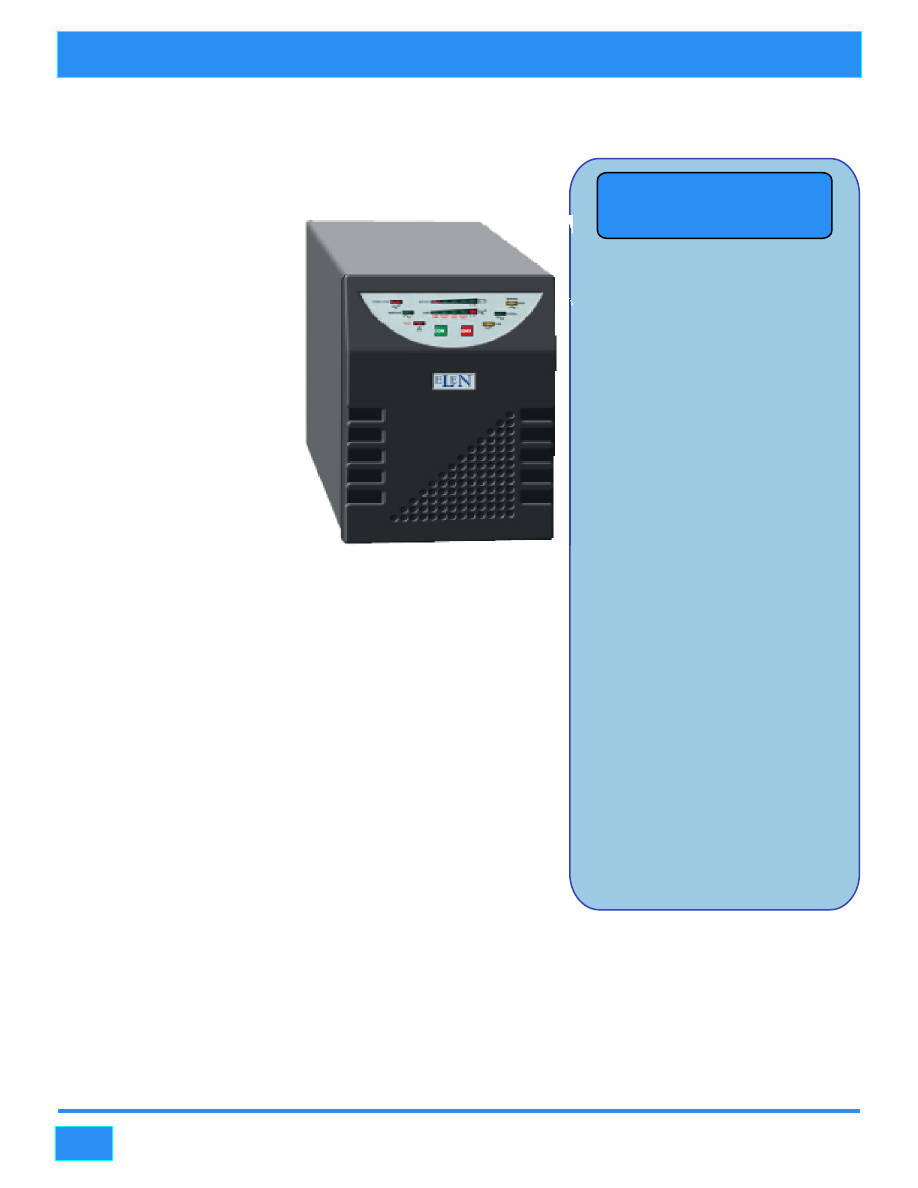
POWER PAKISTAN Pvt Ltd.
LTS SERIES
Email:info@pdpl.net.pk
!
True sinewave output
!Back up time depends on
quantities of connected ext.
battery packs
!Built in fast charger (upto 10A
adjustable)
!Line interactive design
!Boost and buck AVR
!Hot swappable battery by users
!Fully digitized microprocessor
controlled
!Smart RS-232 communication port
!Lighting and surge protection
!Short circuits and overload protection
!50/60 Hz frequency selectable
!Smart power management with software
!Smart fan control
!Cold start (DC power on)
!Overload, on-line, battery status LED display
!Load/Battery power meter display
!Advanced battery management (ABM)
!Energy saving (UPS sleep mode)
!SNMP capability
Company Contact:-
Power Dynamics Pakistan Pvt Ltd.
Banglow No. 18-A, Block 7&8 KMCHS, Karachi,
Telephone: +92 (21) 34384617-9
Fax: +92 (21) 34384620
Technology Roundup
Please give us your feedback and address queries to shah_aftab@yahoo.com
10