Patron/Executive Editor
Prof. Dr. Muhammad Akram Shaikh
Director General, PASTIC
Managing Editors
Ms. Nageen Ainuddin
Mr. M. Aqil Khan
Editor
Syed Aftab Hussain Shah
Composer
Kashif Farooqui
T
ECHNOLOGY
R
OUNDUP
Technology Information Section (TIS)
Pakistan Scientific & Technological Information Centre
PASTIC
March-April, 2017
Vol.9 No.2
A NEWS BULLETIN FROM
Tech News Headlines
Tech & Trade Offers
Phone: 051-9248103-4, 9248128
Fax: 051-9248113
Email: shah_aftab@yahoo.com
Web: www.pastic.gov.pk
PASTIC National Centre
Quaid-i-Azam University Campus
P.O. Box 1217, Islamabad
Editorial Board
l
Remote Controlling and Monitoring of Microscopic Slides
l
LED Based Optical Wireless Communication System for WBAN
l
Cell phone System Makes DNA Detection Affordable and Portable
l
Chemists Are First in Line for Quantum Computing's Benefits
l
Magnetic Brain Stimulation causes Weight loss by making Gut
Bacteria Healthier
l
No Need for Roads Flying Car Soars over Water
l
New Technology could deliver Drugs to Brain Injuries
l
Lithium-ion Battery inventor introduces New Technology for Fast-
charging, noncombustible Batteries
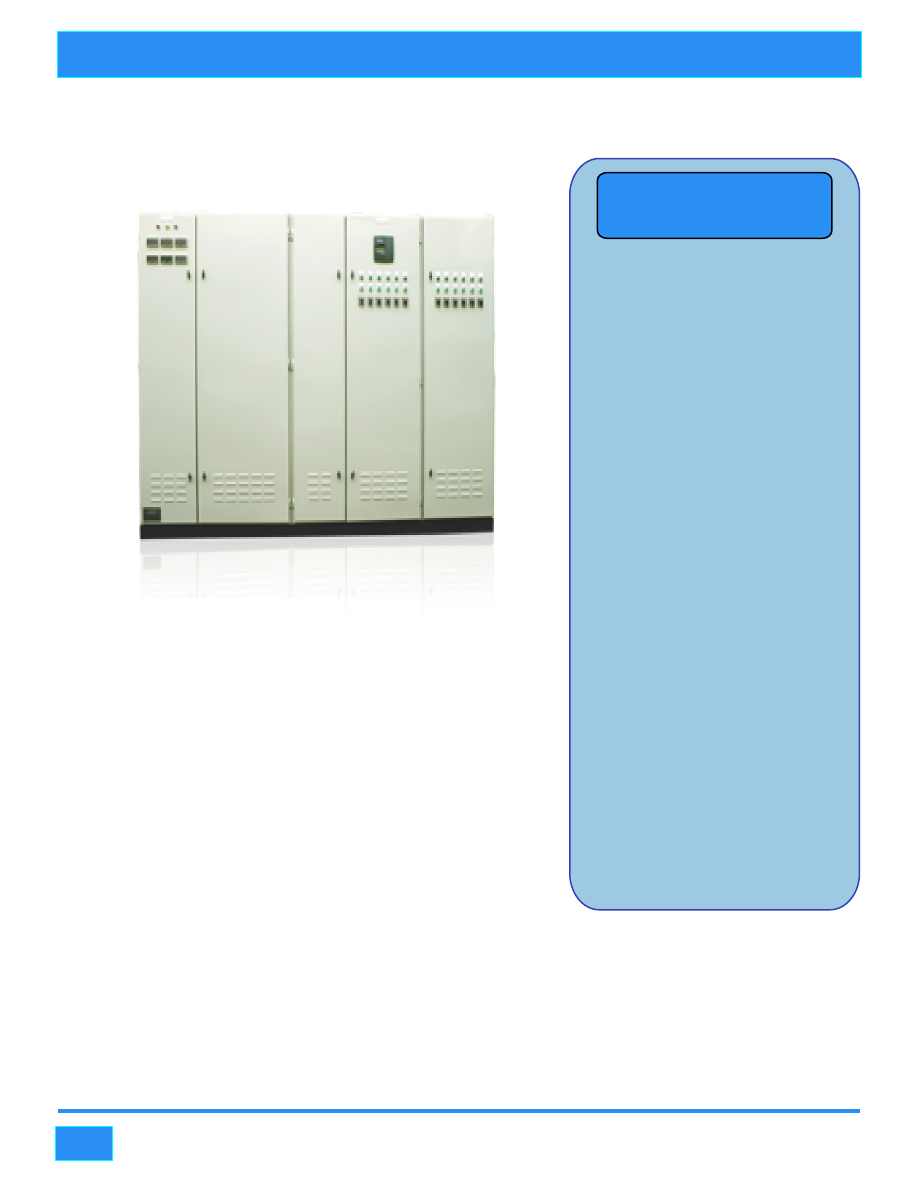
ENGINEERING CONTROL
SYSTEMS
Forthcoming Tech Events
l
International Conference on Civil and Environmental Engineering
l
International Conference on Science, Technology, Engineering &
Management
l
International Multi-Disciplinary Research Conference
l
International Conference on Agricultural and Food Science
l
International Conference on Materials Science and & Nano Materials
l
International Energy Program Evaluation Conference
l
International Conference on Communication and Network
Technology
l
International Conference on Management, Engineering, Science &
Technology

Technology Roundup
2
Indigenous
Technology
Remote Controlling and Monitoring of Microscopic Slides
Source:
Remotely controlled microscopic slide was designed using especial Graphical User Interface (GUI) which
interfaces the user at remote location with the real microscope using site and the user can easily view and control the
slide present on the microscope's stage. Precise motors have been used to allow the movement in all the three
dimensions required by a pathologist. The pathologist can easily access these slides from any remote location and so
the physical presence of the pathologist is now made easy.
This invention would increase the health care efficiency by reducing the time and cost of diagnosis, making it very
easy to get the expert's opinion and supporting the pathologist to relocate himself for his work. The microscope is
controlled with computer with an attractive Graphical User Interface (GUI), through which a pathologist can easily
monitor, control and record the image of a slide. The pathologist can now do his work regardless of his location,
time, cost and physically presence of lab equipment. The technology will help the specialist in viewing the patients
slide from any location in the world. He would be able to monitor and control the stage. This will also help the
pathological laboratories in getting opinion from senior pathologist who are present at any far location in the world.
This system also reduces the life risks of the patients.
Ghulam Mustafa, Muhammad Tahir Qadri and Umar Daraz.
PCSIR Laboratories Complex, Karachi-
&
Department of Electronics Engineering, Sir Syed University of Engineering & Technology, Karachi, Pakistan
Pakistan Journal of Scientific & Industrial Research Series A: Physical Sciences 2016 59 (1) 30-33

Technology Roundup
3
Indigenous
Technology
LED Based Optical Wireless Communication System for WBAN
Source:
In this article the O-WBANs (Optical Wireless Body Area Networks) is presented as an alternative to the
radio and microwave BANs which are plagued with issues like interference, power hungry, hazardous and
costly spectrum. Various experiments performed in this work demonstrate the feasibility of LED (Light-
Emitting Diode) based optical systems to be used for BANs. The system cost is kept as low as possible.
Mainly the effects on the optical link are observed under ambient light and with different modulation
schemes by varying link distance and line of sight in this paper. Experimental results reveal the satisfactory
link availability up to the distance of 7 feet (around 2m, the optimum range of WBAN) and within the field
of view of 30-60º. The low cost solution presented in this paper meets the WBANs data rate requirement for
physiological data (i.e. 10-100 kbps). As IR (Infra-Red) signals do not provide any interference with the
signals generated by the medical equipment of hospitals which is the problem in case of RF or microwave
signals, additionally the IR signals are confined within a room hence IR signaling can prove to be potential
candidate for WBAN fulfilling its security and limited access requirement.
Attiya Baqai, Fahim Aziz Umrani, and Bhawani Shankar Chowdhry. Institute of
Information & Communication Technologies, Mehran University of Engineering &
Technology, Jamshoro Mehran University Journal of Engineering & Technology, 2016
Volume 35, No. 4, 667-672.
4
Technology Roundup
Cellphone System Makes DNA Detection Affordable and Portable
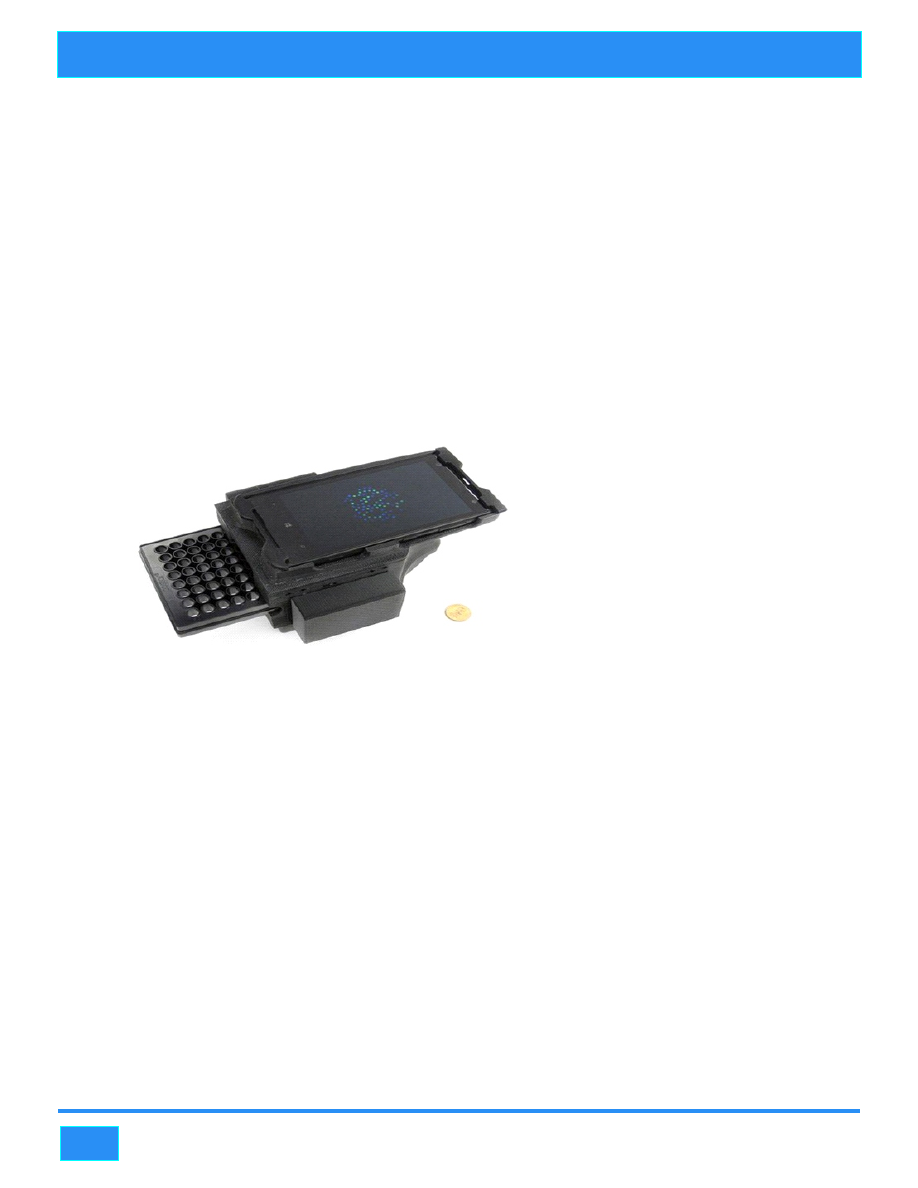
The combined dye/cellphone reader system achieved comparable results to equipment costing tens of thousands
of dollars more. (Credit: Dino Di Carlo/UCLA) In a proof-of-concept study, researchers from the University of
California Los Angeles showed that they could detect the presence of DNA molecules using a new dye mixture and
the sensors and optics of cellphones. The new system reads light created by the detector dye mixture, with a 10-
times brighter signal, at a fraction of the cost of traditional laboratory equipment. Typical diagnostic tests, such as
ones for infectious diseases and genetic disorders, rely on amplifying the number of disease related nucleic acids
like DNA or RNA with fluorescent dyes. However, intercalator dyes, as they are called, which are small changes in
light emitted from molecules that associate with DNA, are too subtle and unstable for regular cellphone camera
sensors. To address the problem, researchers including Aydogan Ozcan, Chancellor's Professor of Electrical
Engineering and Bioengineering, and Dino Di Carlo, professor of bioengineering and mechanical and aerospace
engineering, found that by including a chemical additive they could stabilize the intercalator dyes and
significantly increase the fluorescent signal above the background light level. This made it possible to incorporate
the test with inexpensive cellphone based detection methods.
The new system was used in a process
called loop-mediated isothermal
amplification (LAMP), with DNA from
lambda phage as the target molecule,
and achieved results that were
comparable to traditional laboratory
equipment that costs tens of thousands
of dollars more. The team also
developed a handheld reader to enable a
cellphone to pick up on the light
produced from dyes associated with
amplified DNA while they were in well
plates.
The reader uses a cost-effective and portable fiber optic bundle that routed each well in the plate's signal to a
unique site of the camera sensor. This too produced results comparable to a standard benchtop reader, but at a
significantly lower cost. The researchers believe this reader could have applications for use with other
fluorescence-based diagnostic tests and could be especially valuable in resource-limited settings.
“Currently nucleic acid amplification tests have issues generating a stable and high signal, which often
necessitates the use of calibration dyes and samples which can be limiting for point-of-care use,” Di Carlo said in a
prepared statement. “The unique dye combination overcomes these issues and is able to generate a thermally
stable signal, with a much higher signal to noise ratio. The DNA amplification curves we see look beautiful
without any of the normalization and calibration which is usually performed, to get to the point that we start at.”
The team, including lead author Janay Kong, a Ph.D. student in bioengineering, suggest that the novel dye
combinations could be used in a number of other amplification tests because it can be universally used to detect
any nucleic acid amplification. Up next they plan to test the system on complex clinical samples and nucleic acids
linked with pathogens like influenza.
www.biosciencetechnology.com
3
5
Technology Roundup
Chemists Are First in Line for Quantum Computing's Benefits
Magnetic Brain Stimulation causes Weight loss by making Gut
Bacteria Healthier
Both IBM and Google said they aim to commercialize quantum computers within the next few years (Google
specified five), selling access to the exotic machines
in a new kind of cloud service. The competitors
predict a new era in which computers are immensely
more powerful, with dividends including more
efficient routing for logistics and mapping companies,
new forms of machine learning, better product
recommendations, and improved diagnostic tests. But
before any of that, the first quantum computer to start
paying its way with useful work in the real world
looks likely to do so by helping chemists trying to do
things like improve batteries or electronics. So far,
simulating molecules and reactions is the use case for
early, small quantum computers sketched out in most
detail by researchers developing the new kind of
algorithms needed for such machines.
Quantum computers, which represent data using quantum-mechanical effects apparent at tiny scales, should be
able to perform computations impossible for any conventional computer. Recent advances on hardware that
might be used to build them has led to a flurry of investment from companies including Microsoft, Intel, Google,
and IBM
www.technologyreview.com
A new study finds that a noninvasive electromagnetic brain stimulation technique helps obese people lose
weight, partly by changing the composition of their intestinal bacteria -- the so-called gut microbiota. This study
expands on the researchers' previous finding that deep transcranial magnetic stimulation (dTMS) reduced food
cravings and induced weight loss in obese individuals. Unlike deep brain stimulation, DTMS does not need an
operation or implantation of electrodes. Instead, an electromagnetic
coil is placed on the scalp and sends magnetic pulses to stimulate
specific deep regions of the brain. Currently approved in the U.S.
for treating major depression, dTMS is being studied in some
countries for the treatment of other neuropsychiatric disorders,
especially addiction.
An underlying cause of obesity may be an impaired gut microbiota
composition, an imbalance in the complex mix of beneficial and
harmful microorganisms that inhabit the digestive tract. Principal
investigator Livio Luzi, M.D Professor and Head of endocrinology
at the I.R.C.C.S Policliniclo San Donato and the University of
Milan Mil Italy said scientists now know that an impaired gut
microbiota can alter the brain's signals for appetite and satiety, or fullness. He and his co-workers studied

6
Technology Roundup
whether DTMS could improve the gut microbiota composition in obese persons and, if so, by what underlying
mechanisms. After five weeks of treatment, subjects receiving DTMS lost more than 3 percent of their body
weight and more than 4 percent of their fat -- significantly more than controls did, Luzi reported.
Results of the fecal analysis demonstrated that, after five weeks, DTMS-treated subjects had greatly increased
quantities of several beneficial bacterial species with anti-inflammatory properties, such as are found in healthy
people. The control group, however, had no clinically relevant alterations in their microbiota composition, Luzi
said. He also reported that changes in the abundance of other bacterial species correlated with improvement of
metabolic and hormonal parameters, including glucose, insulin, several pituitary hormones and norepinephrine.
"These changes suggest a beneficial effect of dTMS on both weight loss and change in microbiota composition,"
Luzi said. "Our research shows the innovative ability of DTMS in exerting anti-obesity effects through alteration
of the gut-brain axis."
A Silicon Valley company Kitty Hawk, has designed a flying car that requires no pilot's license to operate and is
designed to be flown over water. A newly released video shows a prototype of a flying car, which resembles an
airborne motorcycle, zooming over open water. The
prototype can take off vertically, runs solely on electric
power and could fit in the average person's garage, said
Kitty Hawk, the company that built the prototype flying
A new study led by scientists at the Sanford Burnham Prebys Medical Discovery Institute (SBP) describes a
technology that could lead to new therapeutics for traumatic brain injuries. The discovery, published in Nature
Communications, provides a means of homing drugs or nanoparticles to injured areas of the brain. "We have
www.sciencedaily.com
No Need for Roads: Flying Car Soars over Water
New Technology could deliver Drugs to Brain Injuries
machine. The company was funded by Google co-founder
Larry Page. The working prototype took to the skies earlier
this month, but customers won't be able to get their own
until the end of this year, Kitty Hawk said. The flying car is
currently regulated as an ultralight aircraft under Part 103
of the Federal Aviation Administration's regulations for
these types of vehicles, according to Kitty Hawk.
The flying car isn't designed to replace your Toyota Camry on the morning commute, the company said. Rather,
the car is intended to fly over a body of freshwater, and is suited for flight only in uncongested areas, the company
said. However, the barrier to entry for the car is low, because people aren't required to have a pilot's license to
operate the vehicle, Kitty Hawk said. As a result, the new flying car is more akin to a hobbyist's jet ski than a truly
new mode of transportation, the company said.
www.livescience.com

7
Technology Roundup
found a peptide sequence of four amino acids, cysteine, alanine, glutamine, and lysine (CAQK), that
recognizes injured brain tissue," said Erkki Ruoslahti, M.D., Ph.D., distinguished professor in SBP's NCI-
Designated Cancer Center and senior author of the study. "This peptide could be used to deliver treatments that
limit the extent of damage." About 2.5 million people in the US sustain traumatic brain injuries each year,
usually resulting from car crashes, falls, and violence. While the initial injury cannot be repaired, the damaging
effects of breaking open brain cells and blood vessels that ensue over the following hours and days can be
minimized.
"
Current interventions for acute brain injury are aimed at stabilizing the
patient by reducing intracranial pressure and maintaining blood flow, but
there are no approved drugs to stop the cascade of events that cause
secondary injury," said Aman Mann, Ph.D., postdoctoral researcher in
Ruoslahti's lab and the study's co-first author, together with Pablo
Scodeller, Ph.D. More than one hundred compounds are currently in
preclinical tests to lessen brain damage following injury. These candidate
drugs block the events that cause secondary damage, including
inflammation, high levels of free radicals, over-excitation of neurons, and
signaling that leads to cell death. "Our goal was to find an alternative to
directly injecting therapeutics into the brain, which is invasive and can add complications," explained
Ruoslahti. "Using this peptide to deliver drugs means they could be administered intravenously, but still reach
the site of injury in sufficient quantities to have an effect." The CAQK peptide binds to components of the
meshwork
surrounding brain cells called chondroitin sulfate proteoglycans. Amounts of these large, sugar-
decorated proteins increase following brain injury.
"Not only did we show that CAQK carries drug-sized molecules and nanoparticles to damaged areas in mouse
models of acute brain injury, we also tested peptide binding to injured human brain samples and found the same
selectivity," added Mann. "This peptide could also be used to create tools to identify brain injuries, particularly
mild ones, by attaching the peptide to materials that can be detected by medical imaging devices," Ruoslahti
commented. "And, because the peptide can deliver nanoparticles that can be loaded with large molecules, it
could enable enzyme or gene-silencing therapies." This platform technology has been licensed by a startup
company, AivoCode, which was recently awarded a Small Business Innovation Research (SBIR) grant from
the National Science Foundation for further development and commercialization. Ruoslahti's team and their
collaborators are currently testing the applications of these findings using animal models of other central
nervous system (CNS) injuries such as spinal cord injury and multiple sclerosis.
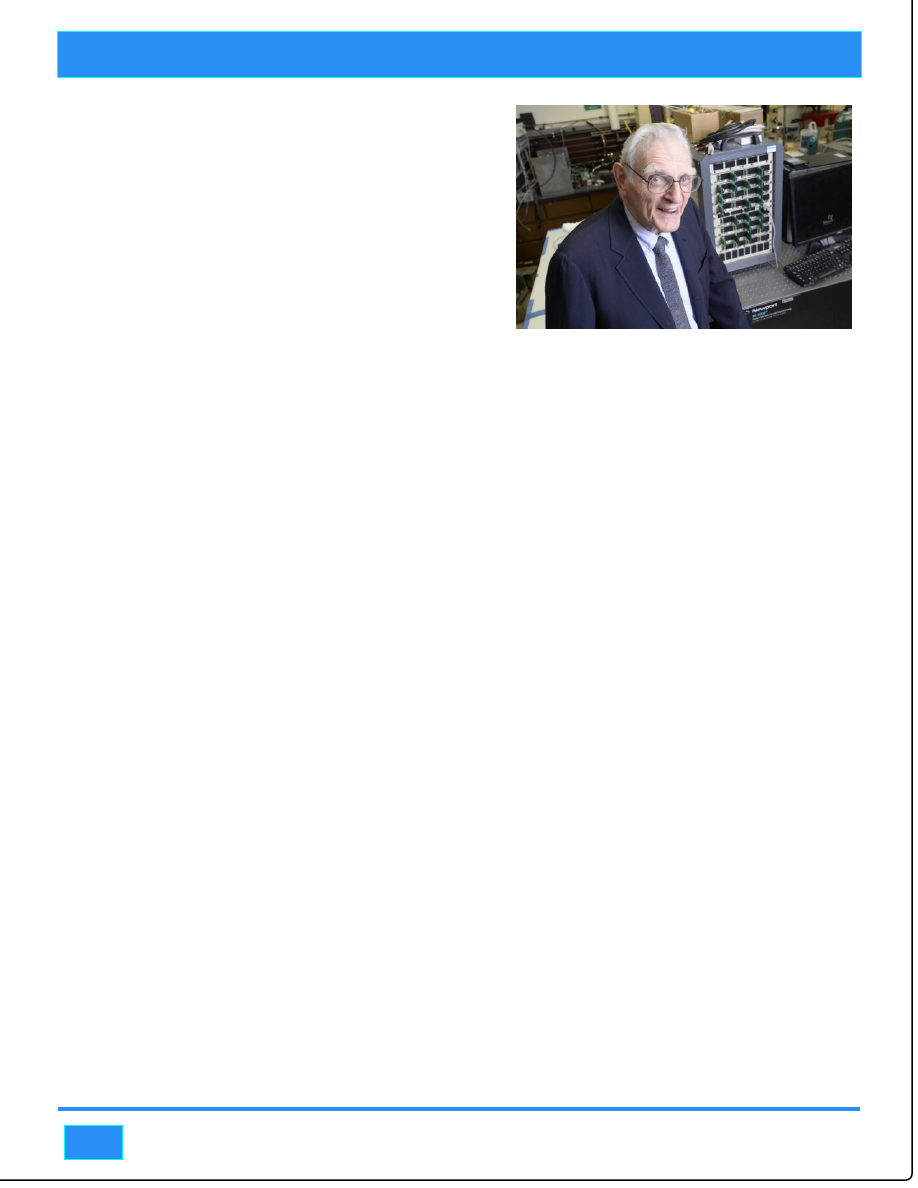
A team of Researchers School of Engineering at The University of Texas at Austin and co-inventor of the
lithium-ion battery, has developed the first all-solid-state battery cells that could lead to safer, faster-charging,
longer-lasting rechargeable batteries for handheld mobile devices, electric cars and stationary energy storage.
Goodenough's latest breakthrough, completed with Cockrell School senior research fellow Maria Helena
Braga, is a low-cost all-solid-state battery that is noncombustible and has a long cycle life (battery life) with a
high volumetric energy density and fast rates of charge and discharge. The engineers describe their new
technology in a recent paper published in the journal Energy & Environmental Science. "Cost, safety, energy
density, rates of charge and discharge and cycle life are critical for battery-driven cars to be more widely
www.sciencedaily.com
Lithium-ion Battery inventor introduces New Technology for fast-charging,
noncombustible Batteries
7
Technology Roundup
78
adopted. We believe our discovery solves many of the
problems that are inherent in today's batteries," Goodenough
said. The researchers demonstrated that their new battery
cells have at least three times as much energy density as
today's lithium-ion batteries. A battery cell's energy density
gives an electric vehicle its driving range, so a higher energy
density means that a car can drive more miles between
charges. The UT Austin battery formulation also allows for a
greater number of charging and discharging cycles, which
equates to longer-lasting batteries, as well as a faster rate of
recharge (minutes rather than hours).
Today's lithium-ion batteries use liquid electrolytes to
transport the lithium ions between the anode (the negative side of the battery) and the cathode (the positive side
of the battery). If a battery cell is charged too quickly, it can cause dendrites or "metal whiskers" to form and
cross through the liquid electrolytes, causing a short circuit that can lead to explosions and fires. Instead of
liquid electrolytes, the researchers rely on glass electrolytes that enable the use of an alkali-metal anode
without the formation of dendrites. The use of an alkali-metal anode (lithium, sodium or potassium) -- which
isn't possible with conventional batteries -- increases the energy density of a cathode and delivers a long cycle
life. In experiments, the researchers' cells have demonstrated more than 1,200 cycles with low cell resistance.
Additionally, because the solid-glass electrolytes can operate, or have high conductivity, at -20 degrees
Celsius, this type of battery in a car could perform well in subzero degree weather. This is the first all-solid-
state battery cell that can operate under 60 degree Celsius. Braga began developing solid-glass electrolytes
with colleagues while she was at the University of Porto in Portugal. About two years ago, she began
collaborating with Goodenough and researcher Andrew J. Murchison at UT Austin. Braga said that
Goodenough brought an understanding of the composition and properties of the solid-glass electrolytes that
resulted in a new version of the electrolytes that is now patented through the UT Austin Office of Technology
Commercialization.
The engineers' glass electrolytes allow them to plate and strip alkali metals on both the cathode and the anode
side without dendrites, which simplifies battery cell fabrication. Another advantage is that the battery cells can
be made from earth-friendly materials. "The glass electrolytes allow for the substitution of low-cost sodium for
lithium. Sodium is extracted from seawater that is widely available," Braga said. Goodenough and Braga are
continuing to advance their battery-related research and are working on several patents. In the short term, they
hope to work with battery makers to develop and test their new materials in electric vehicles and energy storage
devices.
www.sciencedaily.com

Technology Roundup
Technology Roundup
National
International Conference on Civil and Environmental Engineering
International Conference on Materials Science and & Nano Materials
www.icmsn.org/
International Energy Program Evaluation Conference
nternational Conference on Communication and Network Technology
www.iccnt.org
International Conference on Management, Engineering, Science & Technology
29-30, August 2017
Rawalpindi, Pakistan
29-30 September 2017
Rawalpindi,
www. Conference2017/Pakistan/2/ICSTEM/
7th October 2017
Mandi Bahauddin
www.imdrc.com.pk
25-27, October 2017
Lahore, Pakistan
www.icbb.vu.edu.pk
1-2 Ocotober 2017
United Arab Emirates
www.icmest.net/
International Conference on Science, Technology, Engineering & Management
International Multi-Disciplinary Research Conference
International Conference on Agricultural and Food Science
International Events
July 14 -16, 2017
Barcelona Spain
August 8 -10, 2017
Baltimore, Maryland
1-3 September, 2017
Zurich, Switzerland
www.iepec.org
I
Forthcoming Tech Events
9
Tech & Trade Offers
About PASTIC
PASTIC serves as a gateway for
Scientific & Technological
Information for R&D by
catering to the information
n e e d s o f r e s e a r c h e r s ,
entrepreneurs, industrialists,
educationists, policy makers
a n d p l a n n e r s t h r o u g h
anticipatory and responsive
information services.
T e c h n o l o g y I n f o r m a t i o n
Section works exclusively for
support and promotion of
technological information on
trade and industry in the
c o u n t r y . “ T e c h n o l o g y
Roundup” is a news bulletin
that provides latest and
innovative technology news,
forthcoming events, etc. It also
p r o m o t e s p r o d u c t s ,
technologies and services
globally in sectors such as
A g r o - I n d u s t r y , B i o -
Technology, Building Material,
B u s i n e s s , C h e m i c a l s ,
Electronics, Energy, Fisheries,
Food Processing, Machinery,
P a c k a g i n g , M i n i n g
Pharmaceuticals and Textiles.
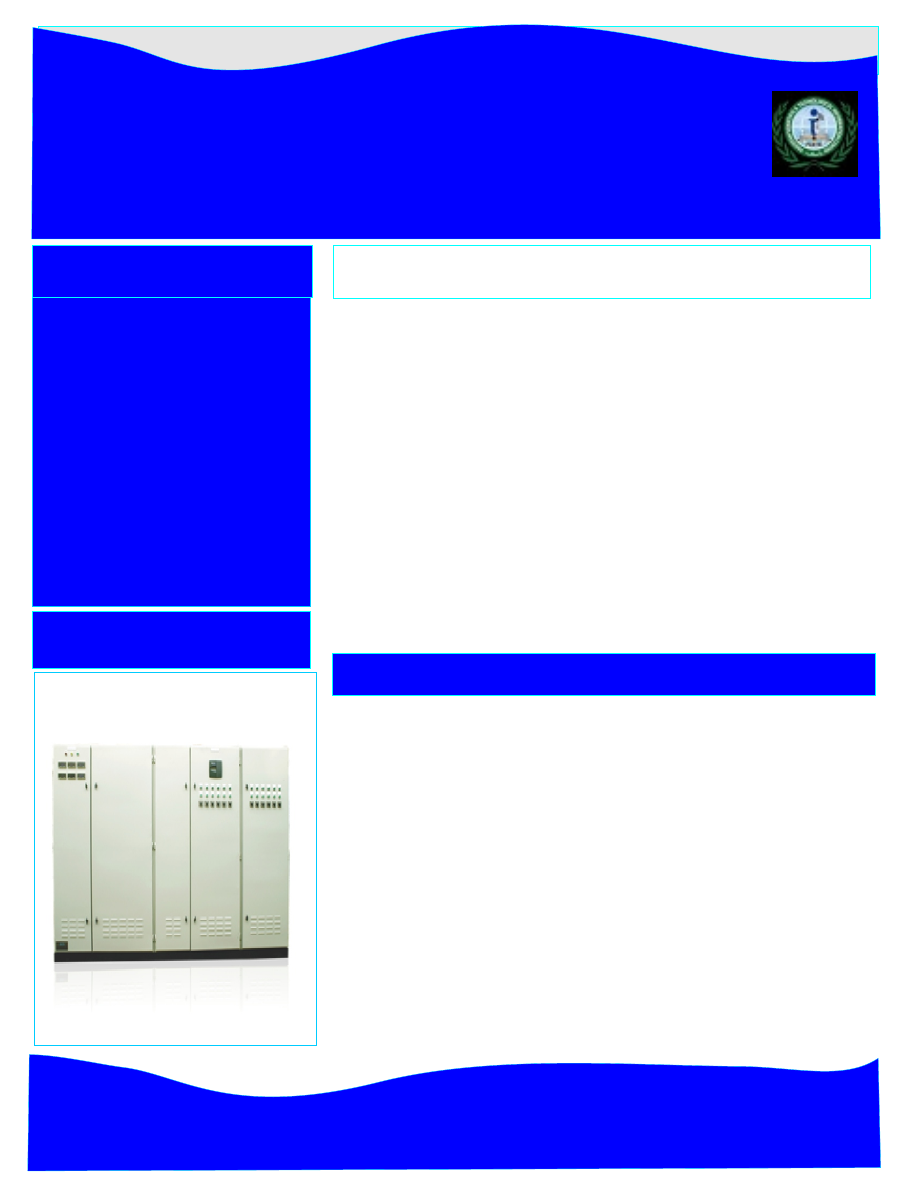
Engineering Control Systems
DEALS IN:-
!Medium Voltage Panels
!Low Voltage Panels
!PFI Plants
!Distribution Board
!AMF/ATS Panels
!Bus Tie Ducts
!Industrial Control Panels
!HVAC Panles
!CNG Control Panels
!PLC Control Panels
!Boiler Control Panels
!Cable Trays
!Cable Ladders
Company Contact:-
4-Country Club Road Opposite Jinah Hospital
Lahore-54590
Phone: +92 (42) 35163850, 35201350
Fax: +92 (42) 35162391
Technology Roundup
Please give us your feedback and address queries to shah_aftab@yahoo.com
10