
Patron/Executive Editor
Prof. Dr. Muhammad Akram Shaikh
Director General, PASTIC
Managing Editors
Ms. Nageen Ainuddin
Mr. M. Aqil Khan
Editor
Syed Aftab Hussain Shah
Composer
Kashif Farooqui
T
ECHNOLOGY
R
OUNDUP
Technology Information Services Section (TIS)
Pakistan Scientific & Technological Information Centre
PASTIC
July-August, 2017
Vol.9 No.4
A NEWS BULLETIN FROM
Tech News Headlines
Tech & Trade Offers
Phone: 051-9248103-4, 9248128
Fax: 051-9248113
Email: shah_aftab@yahoo.com
Web: www.pastic.gov.pk
PASTIC National Centre
Quaid-i-Azam University Campus
P.O. Box 1217, Islamabad
Editorial Board
l
Short Term Economic Emission Power Scheduling of Hydrothermal
Energy Systems Using Improved Water Cycle Algorithm
l
Cost Estimation and Comparison of Carbon Capture and Storage
Technology with Wind Energy
l
Potato waste Processing may be the Road to enhanced Food waste
Conversion
l
Ultrathin Device Harvests Electricity from Human Motion
l
Living Computers: RNA Circuits Transform Cells into Nanodevices
l
Brain Cells found to Control Aging
l
Electric Aquaculture Vessel saves costs and Emissions
l Artificial Womb Raises hope for Premature Babies
KOLDKRAFT TONGDA
Forthcoming Tech Events
l
International Conference on Science, Technology, Engineering &
Management
l
International Multi-Disciplinary Research Conference
l
International Conference on Agricultural and Food Science
l
National Exhibition on IT Computer Tools for Science and Education
l
International Conference on Management, Engineering, Science &
Technology
l
IP EXPO
l
International Energy Conference
l
International Conference on New Energy and Applications

Technology Roundup
2
Indigenous
Technology
Short Term Economic Emission Power Scheduling of Hydrothermal Energy Systems
Using Improved Water Cycle Algorithm
As environmental concerns are increasing, day by day the demand of clean and green energy and concern of
atmospheric pollution is also increasing. Hence, the power utilities are forced to limit their emissions within the
prescribed limits. Therefore, the minimization of fuel cost as well as exhausts gas emissions is becoming an
important and challenging task in the short-term scheduling of hydro-thermal energy systems. This paper proposes
a novel algorithm known as WCA-ER (Water Cycle Algorithm with Evaporation Rate) to inspect the short term
EEPSHES (Economic Emission Power Scheduling of Hydrothermal Energy Systems). WCA has its ancestries
from the natural hydrologic cycle i.e. the raining process forms streams and these streams start flowing towards the
rivers which finally flow towards the sea.
The worth of WCA-ER has been tested on the standard economic emission power scheduling of hydrothermal
energy test system consisting of four hydropower and three thermal plants. The problem has been investigated for
the three case studies (i) ECS (Economic Cost Scheduling), (ii) ES (Economic Emission Scheduling) and (iii) ECES
(Economic Cost & Emission Scheduling). The results obtained show that WCA-ER is superior to many other
methods in the literature in bringing lower fuel cost and emissions.
Shaikh Saaqib Haroon & Tahir Nadeem Malik. Short Term Economic Emission Power Scheduling of
Hydrothermal Energy Systems using Improved Water Cycle Algorithm. Mehran University Research
Journal of Engineering & Technology 2017 36 (2): 255-272.
Source:

Technology Roundup
3
Indigenous
Technology
Cost Estimation and Comparison of Carbon Capture and Storage Technology with
Wind Energy
The CCS (Carbon Capture and Storage) is one of the significant solutions to reduce CO emissions from
2
fossil fuelled electricity generation plants and minimize the effect of global warming. Economic analysis of
CCS technology is, therefore, essential for the feasibility appraisal towards CO reduction. In this paper
2
LCOE (Levelized Cost of Electricity Generation) has been estimated with and without CCS technology for
fossil fuel based power plants of Pakistan and also further compared with computed LCOE of WE (Wind
Energy) based power plants of the Pakistan. The results of this study suggest that the electricity generation
costs of the fossil fuel power plants increase more than 44% with CCS technology as compared to without
CCS technology.
The generation costs are also found to be 10% further on higher side when considering efficiency penalty
owing to installation of CCS technology. In addition, the CO avoided costs from natural gas plant are found
2
to be 40 and 10% higher than the local coal and imported coal plants respectively. As such, the electricity
generation cost of 5.09 Rs/kWh from WE plants is found to be competitive even when fossil fuel based
plants are without CCS technology, with lowest cost of 5.9 Rs./kWh of CCNG (Combined Cycle Natural
Gas) plant. Based on analysis of results of this study and anticipated future development of efficient and
cheap WE technologies, it is concluded that WE based electricity generation would be most appropriate
option for CO reduction for Pakistan.
2
Source:
Abdullah Mengal, Khanji Harijan, Mohammad Aslam Uqaili, Nayyar Hussain Mirjat, Syed
Mushtaq Ahmed Shah. Cost Estimation and Comparison of Carbon Capture and Storage
Technology with Wind Energy. Mehran University Research Journal of Engineering & Technology,
2017 36 (2): 373-384.
4
Technology Roundup
Potato waste Processing may be the Road to enhanced Food waste Conversion
: https://www.sciencedaily.com/releases/2017/08/170817135956.htm
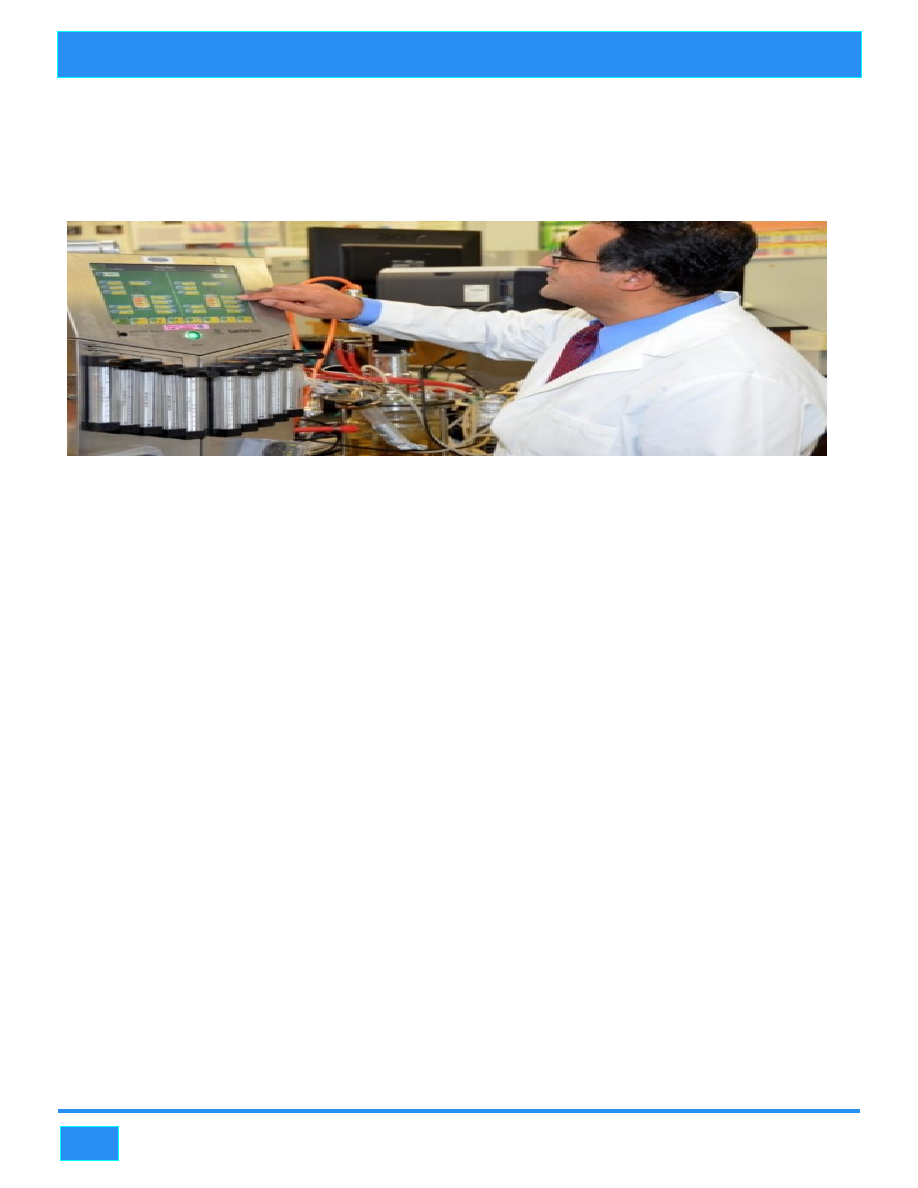
With more than two dozen companies in Pennsylvania manufacturing potato chips, it is no wonder that researchers
have developed a novel approach to more efficiently convert potato waste into ethanol. This process may lead to
reduced production costs for biofuel in the future and add extra value for chip makers.
Using potato mash made from the peelings and potato residuals from a Pennsylvania food-processor, researchers
triggered simultaneous saccharification -- the process of breaking down the complex carbohydrate starch into
simple sugars -- and fermentation -- the process in which sugars are converted to ethanol by yeasts or other
microorganisms in bioreactors.
The simultaneous nature of the process was innovative, according to researcher Ali Demirci, professor of
agricultural and biological engineering. The addition to the bioreactor of mold and yeast -- Aspergillus niger and
Saccharomyces cerevisiae, respectively -- catalyzed the conversion of potato waste to bioethanol.
The bioreactor had plastic composite supports to encourage and enhance biofilm formation and to increase the
microbial population.Biofilms are a natural way of immobilizing microbial cells on a solid support material. In a
biofilm environment, microbial cells are abundant and more resistant to environmental stress causing higher
productivities. In this application, these benefits were especially important because mold enzyme activity required
higher temperature and the yeast had to tolerate this.
Researchers evaluated the effects of temperature, pH and aeration rates in biofilm reactors, and the optimal
conditions were found to be 95 degrees Fahrenheit and a pH of 5.8 with no aeration. After 72 hours, the researchers
achieved the maximum ethanol concentration of 37.93 grams per liter. The yield was 0.41 grams or ethanol per
gram of starch.
"These results are promising, because the co-culture biofilm reactor provided similar ethanol production -- 37.93
grams per leader -- compared to the conventional ethanol production -- 37.05 grams per liter -- which required pre-
treatment with added commercial enzymes at a higher temperature," Demirci explained. "Therefore, eliminating
the externally added enzyme and energy costs will certainly reduce the cost of bioethanol production.”
Source
3
5
Technology Roundup
Ultrathin Device Harvests Electricity from Human Motion
http
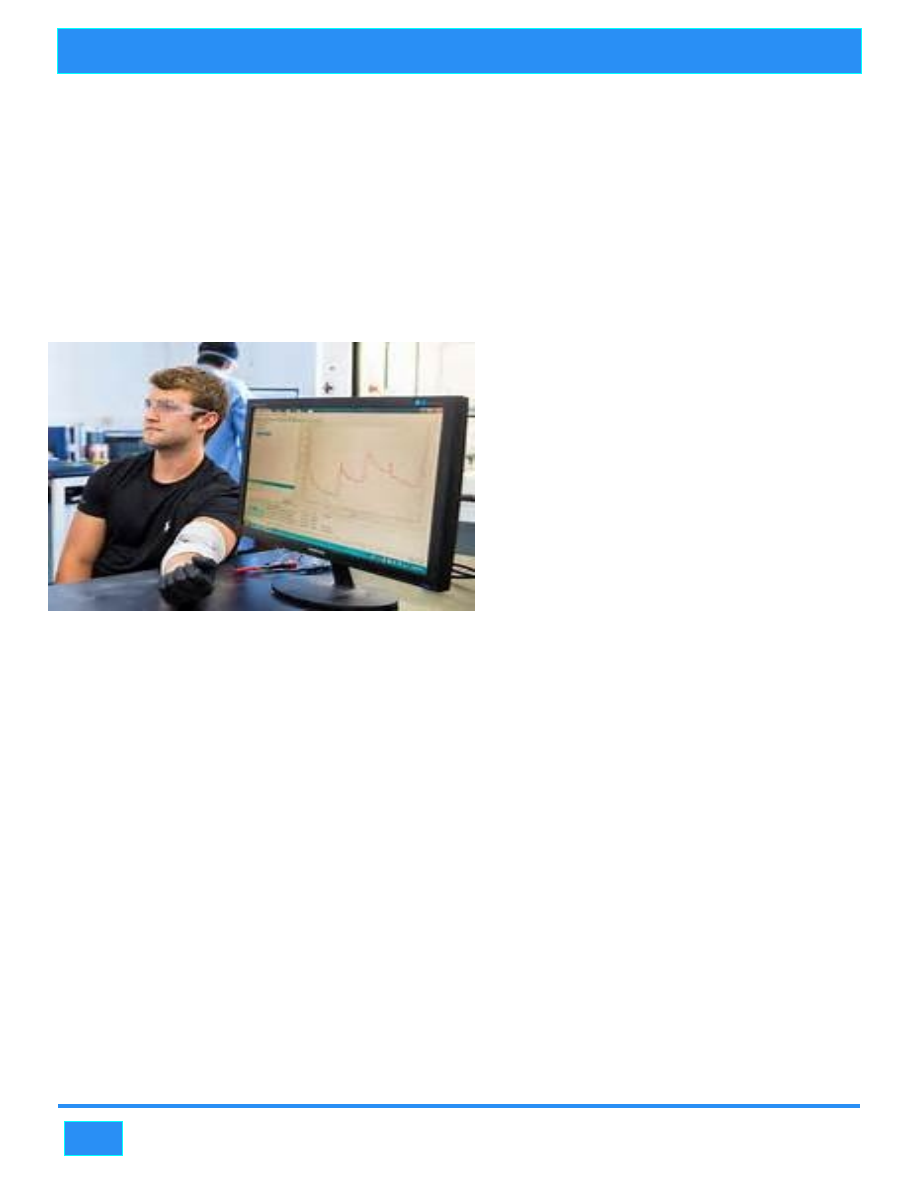
A new electrochemical energy harvesting device can generate electrical current from the full range of human
motions and is thin enough to embed in clothing. Based on battery technology and made from layers of black
phosphorus that are only a few atoms thick, the new device generates small amounts of electricity when it is bent
or pressed even at the extremely low frequencies characteristic of human motion.
"In the future, I expect that we will all become charging depots for our personal devices by pulling energy
directly from our motions and the environment," said Assistant Professor of Mechanical Engineering Cary Pint,
who directed the research. The new energy harvesting system is described in a paper titled "Ultralow Frequency
Electrochemical Mechanical Strain Energy
Harvester using 2D Black Phosphorus
Nanosheets" published Jun.21 online by the
journal ACS Energy Letters. "This is timely and
exciting research given the growth of wearable
devices such as exoskeletons and smart clothing,
which could potentially benefit from Dr. Pint's
advances in materials and energy harvesting,"
observed Karl Zelik, Assistant Professor of
mechanical and biomedical engineering at
Vanderbilt, an expert on the biomechanics of
locomotion who did not participate in the device's
d e v e l o p m e n t . D o c t o r a l s t u d e n t s N i t i n
Muralidharan and Mengya Li co-led the effort to
make and test the devices. "When you look at
Usain Bolt, you see the fastest man on Earth.
When I look at him, I see a machine working at 5 Hertz," said Muralidharan. "Our harvester is calculated to
operate at over 25 percent efficiency in an ideal device configuration, and most importantly harvest energy
through the whole duration of even slow human motions, such as sitting or standing," Pint said.
"One of the peer reviewers for our paper raised the question of safety," Pint said. "That isn't a problem here.
Batteries usually catch on fire when the positive and negative electrodes are shorted, which ignites the
electrolyte. Because our harvester has two identical electrodes, shorting it will do nothing more than inhibit the
device from harvesting energy. It is true that our prototype will catch on fire if you put it under a blowtorch but we
can eliminate even this concern by using a solid-state electrolyte." One of the more futuristic applications of this
technology might be electrified clothing. It could power clothes impregnated with liquid crystal displays that
allow wearers to change colors and patterns with a swipe on their smartphone. "We are already measuring
performance within the ballpark for the power requirement for a medium-sized low-power LCD display when
scaling the performance to thickness and areas of the clothes we wear." Pint said.
Pint also believes there are potential applications for their device beyond power systems. "When incorporated
into clothing, our device can translate human motion into an electrical signal with high sensitivity that could
provide a historical record of our movements. Or clothes that track our motions in three dimensions could be
integrated with virtual reality technology. There are many directions that this could go.
Source:
s://news.vanderbilt.edu/2017/07/21/device-harvests-electricity-human-motion

6
Technology Roundup
Living Computers: RNA Circuits Transform Cells into Nanodevices
Brain Cells found to Control Aging
Scientists have demonstrated how living cells can be induced to carry out computations in the manner of tiny
robots or computers. The interdisciplinary nexus of biology and engineering, known as synthetic biology, is
growing at a rapid pace, opening new vistas that could scarcely be imagined a short time ago.
In new research, Alex Green, a Professor at ASU's Biodesign Institute, demonstrates how living cells can be
induced to carry out computations in the manner of tiny robots or computers. The results of the new study have
significant implications for intelligent drug design and smart drug delivery, green energy production, low-cost
diagnostic technologies and even the development of futuristic nanomachines capable of hunting down cancer
cells or switching off aberrant genes. "We're using very predictable and programmable RNA-RNA interactions to
define what these circuits can do," says Green. "That means we can use computer software to design RNA
sequences that behave the way we want them to in a cell. It makes the design process a lot faster." The study
appears in the advance online edition of the journal Nature.
The approach described uses circuits composed of ribonucleic acid or RNA. These circuit designs, which
resemble conventional electronic circuits, self-
assemble in bacterial cells, allowing them to sense
incoming messages and respond to them by
producing a particular computational output, (in this
case, a protein). In the new study, specialized
circuits known as logic gates were designed in the
lab, and then incorporated into living cells. The tiny
circuit switches are tripped when messages (in the
form of RNA fragments) attach themselves to their
complementary RNA sequences in the cellular
circuit, activating the logic gate and producing a
desired output. The RNA switches can be combined
in various ways to produce more complex logic
gates capable of evaluating and responding to
multiple inputs, just as a simple computer may take
several variables and perform sequential operations like addition and subtraction in order to reach a final result.
The new study dramatically improves the ease with which cellular computing may be carried out.
Source:
Scientists at Albert Einstein College of Medicine have found that stem cells in the brain's hypothalamus govern
how fast aging occurs in the body. The finding, made in mice, could lead to new strategies for warding off age-
related diseases and extending lifespan. The paper was published online in Nature.
https://www.sciencedaily.com/releases/2017/07/170726131758.htm

7
Technology Roundup
The hypothalamus was known to regulate
important processes including growth,
development, reproduction and metabolism. In
a 2013 Nature paper, Einstein researchers made
the surprising finding that the hypothalamus
also regulates aging throughout the body. Now,
the scientists have pinpointed the cells in the
hypothalamus that control aging: a tiny
population of adult neural stem cells, which
were known to be responsible for forming new
brain neurons.
"Our research shows that the number of
hypothalamic neural stem cells naturally
declines over the life of the animal, and this
decline accelerates aging," says senior author
Dongsheng Cai, M.D., Ph.D., (Professor of molecular pharmacology at Einstein. "But we also found that the
effects of this loss are not irreversible. By replenishing these stem cells or the molecules they produce, it's
possible to slow and even reverse various aspects of aging throughout the body."
Source:
A forward-thinking Norwegian aquaculture company has opted for battery technology for its vessels to save
costs and preserve the environment.Salmar has contracted the energy equipment company Plan B Energy
Storage (PBES) to equip its electric fish farm vessel Elfrida with battery technology. “We see this as crucial
preparation for a low-carbon future,” said Roger Bekken, managing director of Salmar. “In keeping with our
forward-thinking management and focus on operational efficiency, adding battery technology to our vessels
brings cost savings and environmental stewardship together in one package.”
“The battery system onboard Elfrida was one of
the first PBES installed in a working vessel and
proves the technology and has proved to be well
suited to fish farming,” said Grant Brown, vice
president of marketing, PBES. “We envision the
entire fleet of Norwegian aquaculture and
fishing vessels to either run as hybrid or on full
battery propulsion,” he added.
The vessel has been in operation since February
2017 and provides up to 12 knots speed and a
full eight-hour shift per charge. Not only does
the system eliminate emissions, the fact there is
no noise, vibration or diesel fumes provides
https://www.sciencedaily.com/rees/2017/07/170726132107.htm
Electric Aquaculture Vessel saves costs and Emissions
7
Technology Roundup
78
greater crew comfort, less fatigue and leads to safer working conditions onboard. The award of the contract for
energy storage aboard the electric fish farm vessel Elfrida is one of the latest in an ongoing trend toward
adoption of green technology in Norway.
Source:
Source:
.
www.worldfishing.net/news101/fish-farming
ttps://www.sciencedaily.com/releases/2017/08/170817141714.htm
Artificial Womb Raises hope for Premature Babies
h
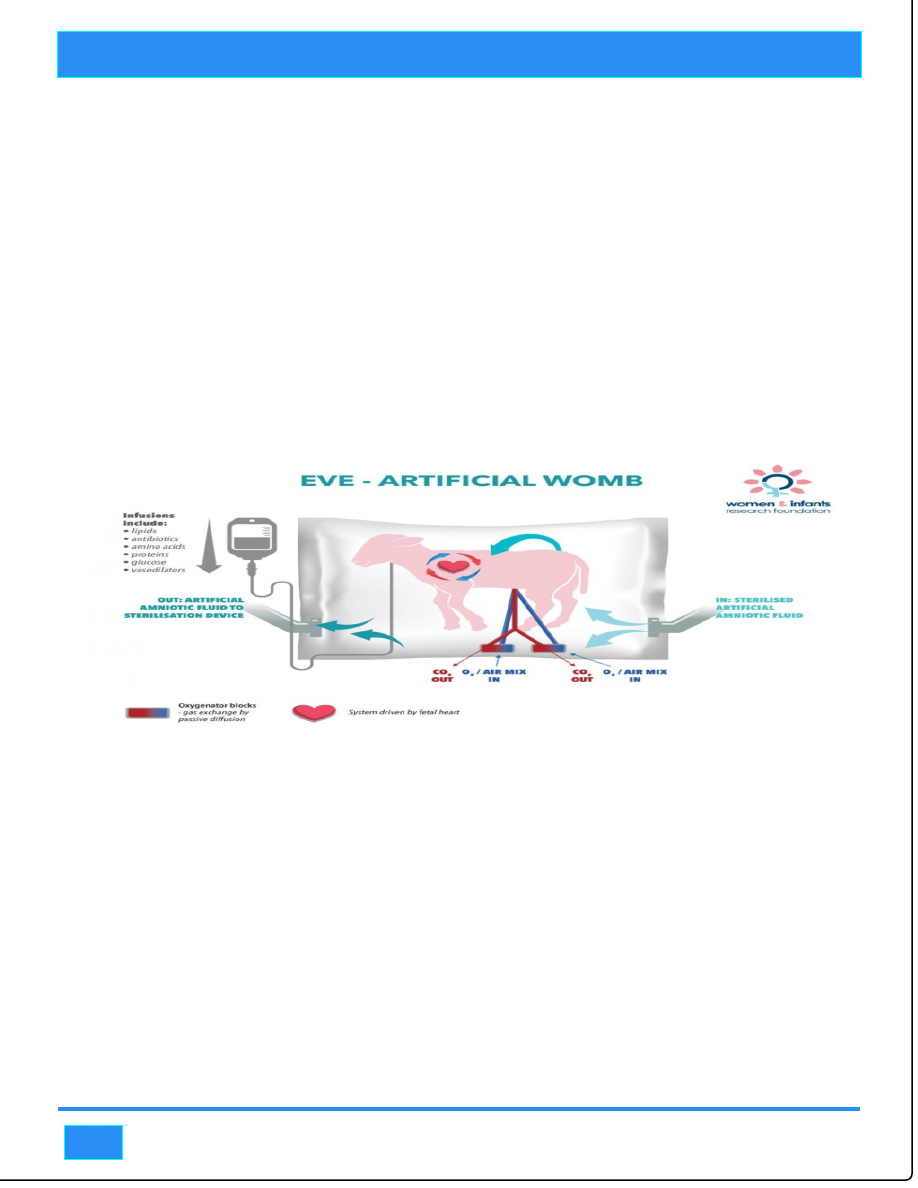
Researchers hope an artificial womb used to incubate healthy baby lambs can be used in future technology
for premature babies.
The long-standing collaborative Western Australian-based program, involving researchers from the Women
and Infants Research Foundation, the University of Western Australia, and Tohoku University Hospital, Japan,
has sought to develop an effective treatment strategy for extremely preterm infants born at the border of
viability (22-23 weeks).
Findings published this week in the medical journal, The American Journal of Obstetrics & Gynecology, have
shown that preterm lambs were successfully maintained in a healthy, infection-free condition with significant
growth, for a period of one week using ex-vivo uterine environment (EVE) therapy.
Chief Investigator in Australia, Associate Professor Matt Kemp, said that with further development, EVE
therapy could prevent the severe morbidity suffered by extremely premature infants by potentially offering a
medical technology that does not currently exist.
"This project is a wonderful example of international collaboration; it brings together leading academic
researchers from Japan and Western Australia, and is undertaken in close partnership with one of Japan's
foremost biomedical technology companies, Nipro Corporation" he said.

Technology Roundup
Technology Roundup
National
International Conference on Science, Technology, Engineering & Management
International Multi-Disciplinary Research Conference
International Conference on Agricultural and Food Science
29-30 September, 2017
Rawalpindi,
7th October, 2017
Mandi Bahauddin
25-27 October, 2017
Lahore, Pakistan
17-19 November, 2017
Pak China Center, Islamabad
1-2 October, 2017
United Arab Emirates
www.icmest.net
4-5 October, 2017
Ex-Cel London
8-10, November 2017
Ankara, Turkey
2-4 November, 2017
Tokyo Japan
www. Conference2017/Pakistan/2/ICSTEM/
www.imdrc.com.pk
www.icbb.vu.edu.pk
National Exhibition on IT & Computer Tools for Science and Education
www.pastic.gov.pk
International Conference on Management, Engineering, Science & Technology
IP EXPO
www.ipexpoeurope.com
International Energy Conference
www.energy-congress.com
International Conference on New Energy and Applications
www.10times.com/renewable-energy/conferences
International Events
Forthcoming Tech Events
9
Tech & Trade Offers
About PASTIC
PASTIC serves as a gateway for
Scientific & Technological
Information for R&D by
catering to the information
n e e d s o f r e s e a r c h e r s ,
entrepreneurs, industrialists,
educationists, policy makers
a n d p l a n n e r s t h r o u g h
anticipatory and responsive
information services.
T e c h n o l o g y I n f o r m a t i o n
Section works exclusively for
support and promotion of
technological information on
trade and industry in the
c o u n t r y . “ T e c h n o l o g y
Roundup” is a news bulletin
that provides latest and
innovative technology news,
forthcoming events, etc. It also
p r o m o t e s p r o d u c t s ,
technologies and services
globally in sectors such as
A g r o - I n d u s t r y , B i o -
Technology, Building Material,
B u s i n e s s , C h e m i c a l s ,
Electronics, Energy, Fisheries,
Food Processing, Machinery,
P a c k a g i n g , M i n i n g
Pharmaceuticals and Textiles.
POWER PAKISTAN Pvt Ltd.
LTS SERIES
Email:kkraft@brain.net.pk
www.koldkraft.com
Design, Manufacture,
Install & Service:
Industrial& Commercial
Refrigeration Products
We Manufecture:
Pref-Fabricated Refrigrated
Buildings & Walk-In Rooms
Refrigrated Transport
Containers & Trailer Bodies
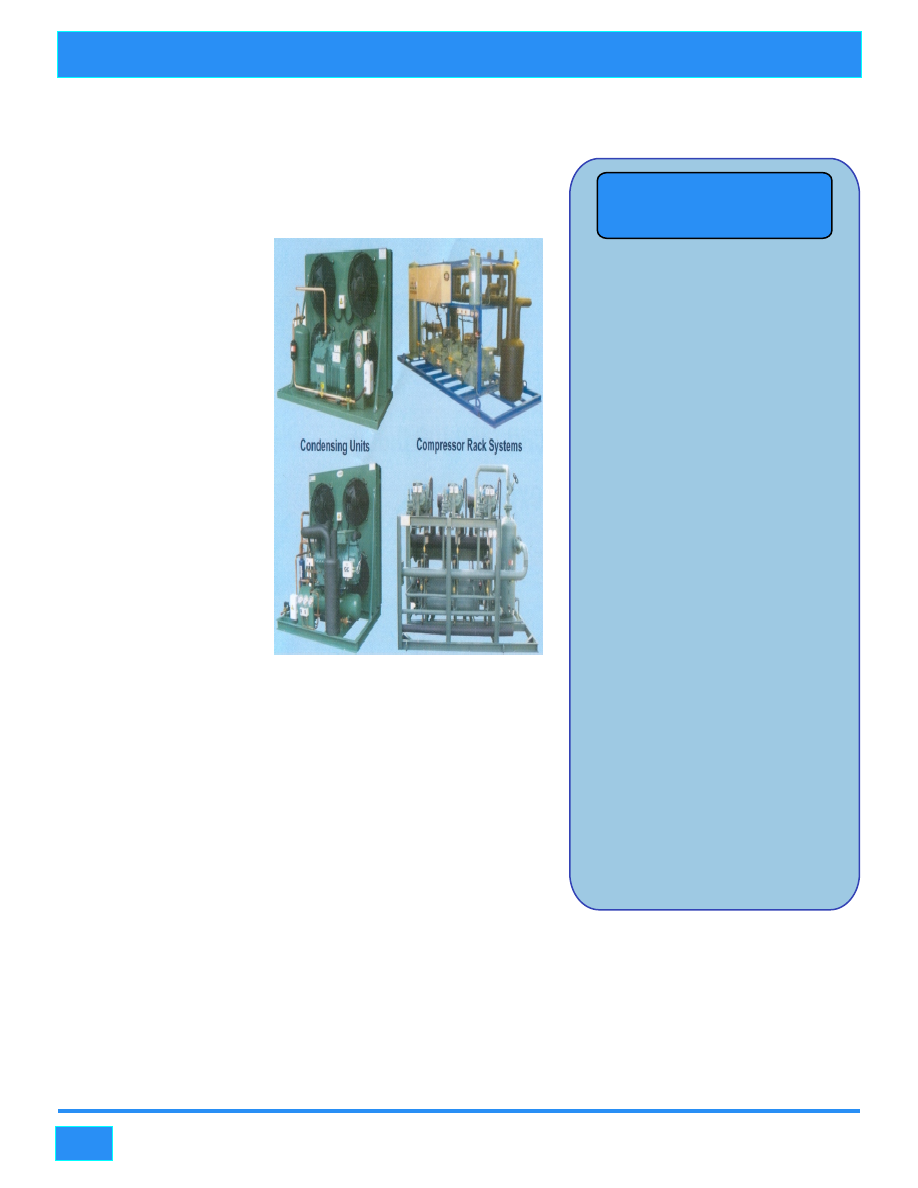
Condensing Unit
& Unit Coolers
We Provide
! Complete Meat Slaughtering
!& Processing Line
! Cattle
!Goat & Sheep
!Chiken
!Quail
!Turkey
Company Contact:-
KOLDKRAFT TONGDA PVT LTD.
Head Office
247-S Industrial Estate Kot Lakhpat
Lahore-54770
Telephone: +92 (42) 35116727-8
Fax: +92 (21) 35122528
Technology Roundup
Please give us your feedback and address queries to shah_aftab@yahoo.com
10