
1
Technology Roundup
Pakistan’s Landmark Tight Gas Production Kicks Off
OGDCL has started commercial production of tight gas from its Nur West Well-1 in Sindh’s Sujawal
district. This new source of gas is a boost for Pakistan, which heavily depends on imported petroleum.
The production follows the introduction of the Tight Gas (Exploration
& Production) Policy 2024, which provides a 40% price premium to
encourage investment in unconventional gas reserves. The well,
drilled to 2,975 meters, currently produces 1.5 million standard cubic
feet per day (MMSCFD) of gas at 1050 PSI, and has been integrated
into the Sui Southern Gas Company Limited (SSGCL) network.
Initial tests were unsuccessful due to the tight formation, but
hydraulic fracturing has enabled viable production. OGDCL, holding
a 100% stake in the lease, continues to lead in exploring
unconventional gas resources. The discovery of tight gas from Nur West Well-1 offers several benefits
for Pakistan. It reduces reliance on imported petroleum, saving foreign exchange and enhancing
energy security. By integrating the gas into the Sui Southern Gas Company Limited (SSGCL)
network, it strengthens the national infrastructure and improves energy access. The pro ject also creates
jobs, stimulates investment, and showcases advanced hydraulic fracturing technology that could be
applied to other reserves.
Chinese Firm to Build Solar Panel Plant in Punjab
A major advancement in Punjab's renewable energy sector is underway as a Chinese company is set to
establish a new facility focused on the manufacturing and assembly of solar panels. The contract was
formalized by Chaudhry Shafay Hussain, Minister for
Industries, Commerce & Investment, and Alex Heng, the
President of the Chinese firm. The new facility will not only
be the province's first dedicated solar panel manufacturing
plant but will also feature an advanced solar panel testing
laboratory. This lab will be designed to ensure the highest quality and efficiency of the solar panels
produced, further boosting the region's capabilities in renewable energy technology. The establishment
of this plant is expected to bring multiple benefits to Punjab, including job creation, technological
advancement, and a significant boost to the local economy. It also represents a key step towards
Punjab’s broader goals of sustainable development and energy diversification, reflecting a strong
commitment to embracing clean energy solutions and reducing reliance on traditional power sources.

2
Technology Roundup
Nationwide Rollout of E-Procurement System
The Public Procurement Regulatory Authority (PPRA) is implementing an e-procurement system
across 27 ministries and 280 public departments in Pakistan to boost transparency and cut public
spending. The ‘E-Pak Acquisition and Disposal System,’ supported
by the World Bank, aims to streamline procurement through a
unified digital platform offering e-payment solutions. Since March
2023, 8,500 government employees and suppliers have been trained.
Key updates include 25 amendments to the Procurement Rules 2004,
improved bidding documents, and help desks for technical support.
Around 13,000 suppliers have registered with the system at no cost.
The initiative has also been extended to Punjab, Sindh, and Khyber Pakhtunkhwa, with Punjab already
implementing it. The Finance Ministry and Cabinet Division are instrumental in supporting this
initiative, following the Prime Minister’s directives. This nationwide e-procurement system will boost
transparency, cut costs, and improve efficiency by centralizing and automating procurement processes.
It will reduce administrative expenses, ensure regulatory compliance, and enhance supplier access
leading to better data management and more effective, accountable public procurement.
11-Year-Old Robotics Prodigy Muhammad Hasnain from Karachi
Eleven-year-old Muhammad Hasnain from Karachi has created an AI assistant robot named
"Muhammad Ali," showcasing his impressive skills in technology. Hasnain’s robotics journey began
two years ago with a course at the Imam Hussain Institute. His
AI assistant is the result of his summer project, blending his
interests in robotics and game development. The robot, activated
by voice commands, listens, processes, and responds much like a
human. Hasnain demonstrated the capabilities of his robot by
providing a recipe for chai. Hasnain also explained that
Muhammad Ali can assist with tasks such as opening websites,
creating shopping lists, and even switching to solar power, all based on his programming. Though the
robot’s head is still being finished with a 3D printer, Hasnain has built the robot entirely on his own.
His talent has also attracted the attention of university students seeking his help. With aspirations in
robotics and game development, Hasnain is a beacon of hope and innovation for the nation. This
achievement serves as an inspiring example for young innovators, showing the potential of early
engagement in technology and robotics and highlights the practical application of robotics and
programming skills, emphasizing the value of hands-on learning.
3
Technology Roundup
NUST Hosts FICS 2024 Grand Finale and Awards Ceremony
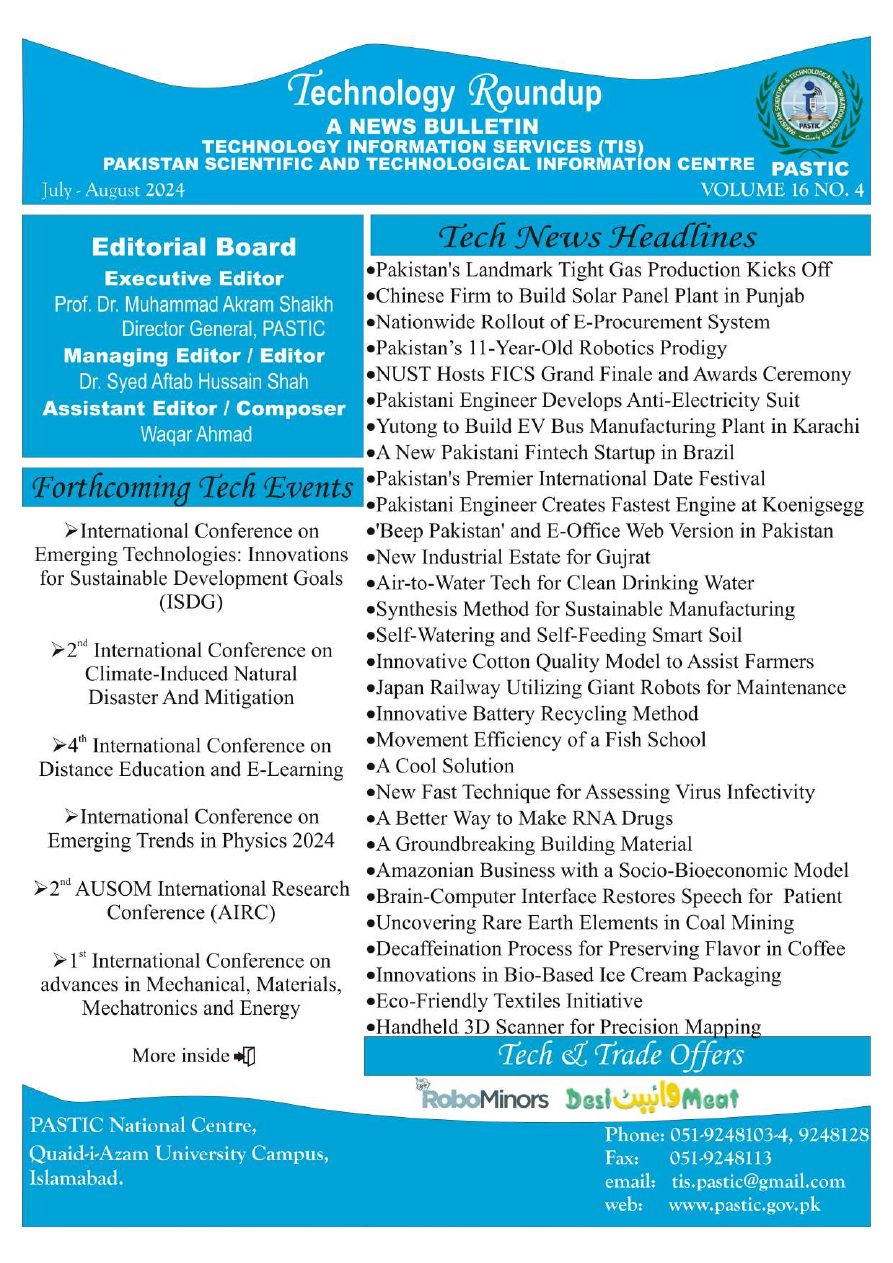
FICS 2024, NUST's premier initiative for social entrepreneurship, marked its 11th Grand Finale with
international participation from Turkiye and Azerbaijan. Out of more than 800 project submissions,
Team Harassment Defender was named the national winner,
while Team ABC from Azerbaijan received the Global
Champion Award. The event was honored by Mr. Mohyuddin
Ahmed Wani, Secretary of the Ministry of Federal Education &
Professional Training, as the chief guest, alongside Lt Gen
(Retd) Engr Javed Mahmood Bukhari, Rector of NUST, and
esteemed ambassadors and educationists from Azerbaijan,
Turkiye, and Brunei Darussalam. Supported by a diverse array of industry partners, FICS 2024 offered
seed funding and cash prizes to recognize and encourage outstanding projects. FICS is privileged to
have the support of a wide range of industrial partners who provide seed funding and cash prizes for
promising projects.
Pakistani Engineer Designs Cutting-Edge Anti-Electricity Suit for Worker Safety
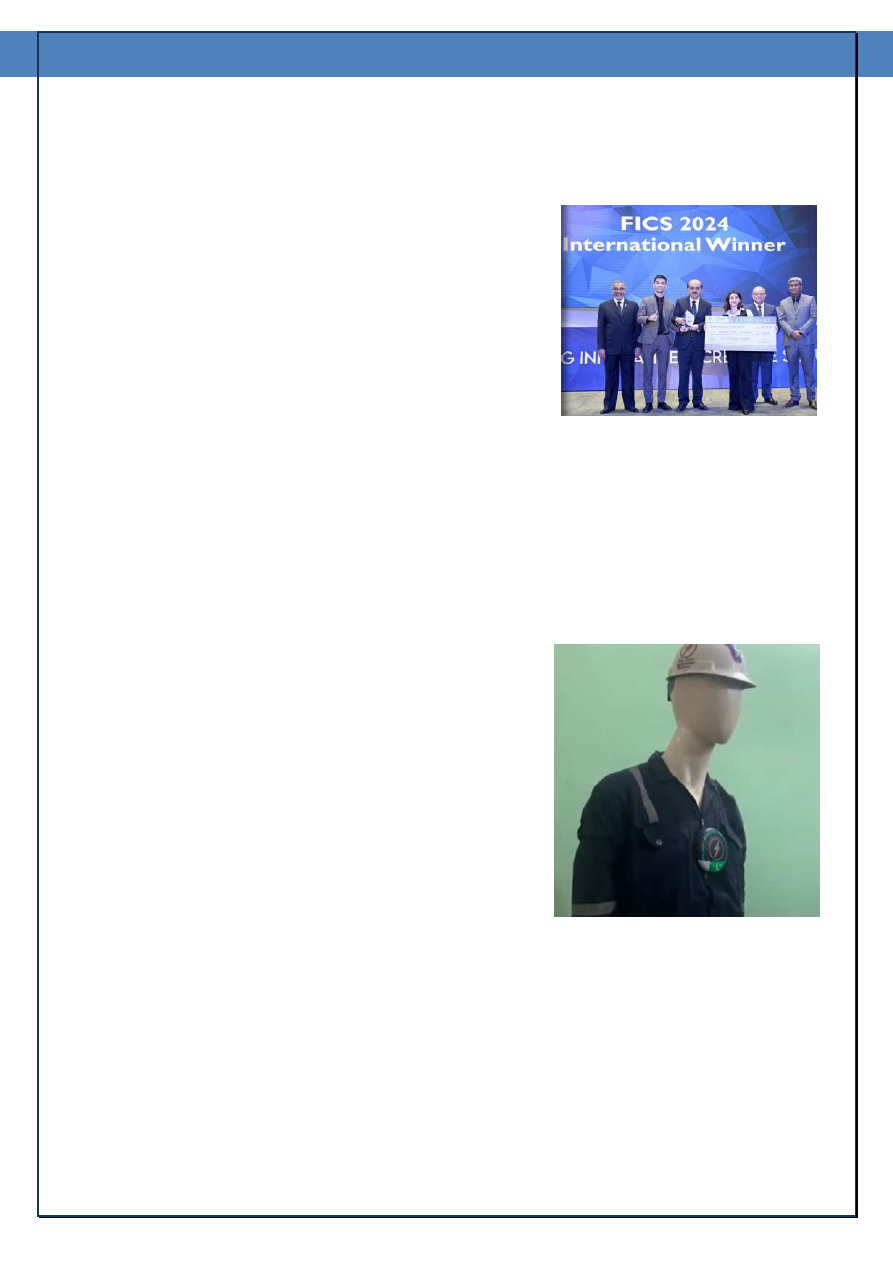
A Pakistani engineer has innovated an anti-electricity suit designed to enhance worker safety. Mumtaz
Ahmad embarked on this project six years ago after encountering images of workers who had suffered
fatal electric shocks while on duty. Driven by a commitment to
humanitarian causes, Ahmad devoted years of research and
development to create this advanced protective dress. The suit
is equipped with cutting-edge technology that alerts users of
nearby electrical hazards. It features a comprehensive detection
system that identifies electrical sources from all directions and
notifies the wearer through a combination of blinking lights and
audible alarms. The integrated helmet further enhances safety
by detecting electrical sources in upward direction, proving
invaluable for workers who climb electric poles. Constructed with specialized wires, antennas, and
receivers, the suit provides robust protection against electrical hazards. Currently, the cost of
producing each suit is approximately PKR 35000, though the price can be reduced with bulk
production. The detection capability varies based on the voltage of the electrical current and the
distance from the source. This suit boosts worker confidence and ensures robust protection in high-
voltage environments.

4
Technology Roundup
Yutong to Build EV Bus Manufacturing Plant in Karachi
Yutong, a global leader in bus manufacturing, has announced its intention to establish a manufacturing
facility in Karachi. This decision follows a significant meeting between Sindh’s Senior Minister,
Sharjeel Inam Memon, and Yutong Middle East CEO Robin. Construction of the plant is scheduled to
commence in the upcoming quarter and is anticipated to be completed within the next year. Yutong
plans to manufacture both intra-city electric and hybrid diesel buses at this facility, aiming to meet the
rising demand for environment friendly public transportation solutions in Karachi and potentially
throughout Pakistan. The establishment of the Yutong
plant is set to make a substantial positive impact on
Karachi’s economy. Local industries are expected to see
heightened demand for components and materials
essential for bus production. Moreover, the plant will
generate a multitude of skilled job opportunities for
residents of Karachi, thereby bolstering the local labor
market.
(Meta AI imagined image).
Farmdar from Pakistan has Launched a New Fintech Startup in Brazil
Farmdar, an agri-tech startup from Pakistan, has announced the launch of AgromAI, a new fintech
venture based in Brazil. This new enterprise represents a significant expansion into a new industry and
geographical market. AgromAI will harness artificial
intelligence (AI) and geospatial data to offer
innovative financial services tailored to Brazil's
agricultural sector. According to Farmdar's co-founder
and CEO, AgromAI will provide detailed, farm-level
intelligence to help financial institutions and will
insurer better management and response to these
climate-related risks. By improving risk management through advanced data analytics, AgromAI aims
to boost productivity and growth within Brazil's significant agricultural sector. The launch of
AgromAI highlights the potential for Pakistani technology on the global stage, with the company
proud to export AI and data-driven solutions developed by Pakistani engineers. Brazil's agricultural
sector is a major component of its economy, valued at over $170 billion, with the crop insurance
market alone exceeding $9 billion annually. AgromAI’s entry into this market represents a strategic
opportunity to leverage cutting-edge technology in a critical economic area.
5
Technology Roundup
Pakistan’s Premier International Date Festival Set for October
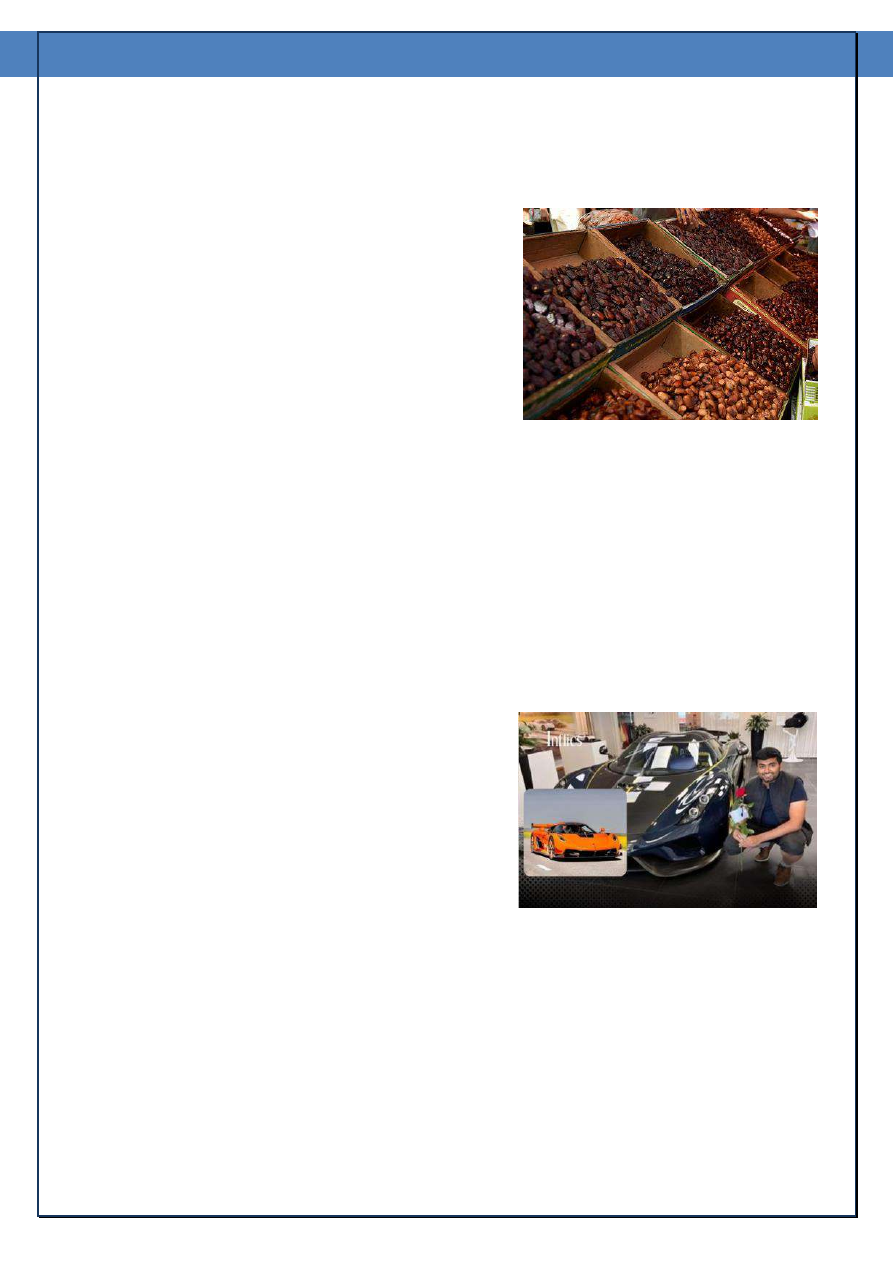
Pakistan is set to host its first international date festival in October, following a recent agreement
between the Trade Development Authority of Pakistan (TDAP) and the Embassy of the United Arab
Emirates (UAE). The festival aims to spotlight the
country's date industry, which, despite significant imports
from the Middle East has substantial domestic production.
Major date-producing regions in Pakistan include Khairpur
in Sindh and Turbat and Panjgur in Balochistan, which
offer significant export potential and could generate
substantial revenue. The agreement, facilitated by TDAP
Chief Executive Zubair Motiwala and the UAE Embassy, was announced by the UAE Consulate in
Karachi. UAE envoy to Pakistan, Hamad Obaid Al-Zaabi, emphasized that the festival would feature
international participation and hoped it would boost the export of Pakistani dates, benefiting the
national economy. The event will also serve as a platform for various business figures to showcase
different types of dates and production techniques, fostering stronger economic ties between the UAE
and Pakistan.
Pakistani Engineer Creates Fastest Car Engine at Koenigsegg
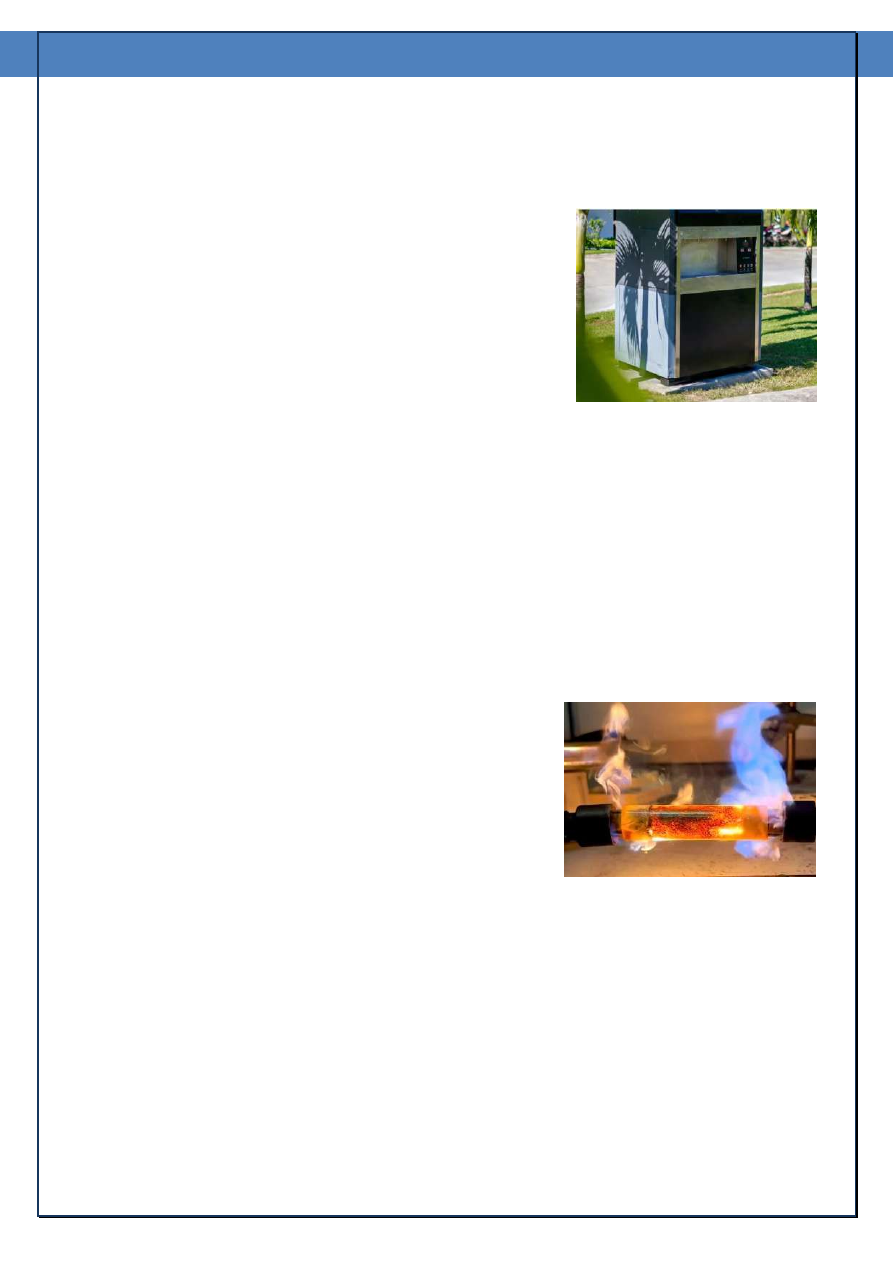
Hassan Javed, a Pakistani engineer working with Koenigsegg, has made history by developing the
world’s fastest car engine through his outstanding engine calibration expertise. This remarkable
achievement not only marks a significant milestone in the
automotive industry but also brings great pride to his home
country. Koenigsegg, the renowned Swedish luxury sports
car manufacturer, is celebrated for its cutting-edge high-
performance vehicles. Hassan's groundbreaking work will
be a key component in their newest model, which is set to
challenge and potentially surpass the current record for the
fastest production car. This accomplishment further cements Koenigsegg's reputation as a trailblazer in
innovative engineering and high-speed performance. Hassan Javed’s development of the world’s
fastest car engine boosts Pakistan’s national pride and global reputation. It inspires young engineers,
opens doors for international collaborations, and could lead to more support for local engineering
education. While direct economic impacts may be limited, the broader benefits of enhanced national
branding and increased interest in Pakistani talent offer long-term advantages.

6
Technology Roundup
Pakistan Launches 'Beep Pakistan' and E-Office Web Version
Ministry of IT and Telecommunication has launched "Beep Pakistan," the nation’s first
communication application, along with the new Web version of E-Office. The launch event, featured a
presentation on the app’s capabilities, which include secure
messaging, document sharing, and audio/video conferencing,
with all data securely hosted within Pakistan. The Beep Pakistan
application, developed by the National Information Technology
Board (NITB), aims to streamline communication and enhance
operational efficiency in government organizations. The app
will initially be available to government officials after a one-
month testing period, with plans to open it to the general public in one year if successful. Beep
Pakistan is designed to transform digital communication within government offices and to improve
productivity through advanced e-governance practices. The ceremony underscored the Ministry of IT's
commitment to the Digital Pakistan vision and efforts to bridge the digital divide. Beep Pakistan and
the E-Office Web version will streamline government communication, enhance security, and boost
productivity, advancing Pakistan’s digital transformation goals.
New Industrial Estate for Gujrat
Provincial Minister of Industry and Commerce Chaudhry Shafay Hussain chaired a meeting in the
Industries and Commerce Department's committee room to discuss the colonization and development
of 23 small industrial estates across Punjab. During the meeting, it
was decided that a new industrial estate would be established on
non-agricultural land in Gujrat. The minister directed the Gujrat
district administration to identify a suitable location within the
next four days, emphasizing that the site should be near existing
electricity transmission and gas pipelines. He highlighted that the
new estate would benefit industrialists and boost economic
activities, creating new employment opportunities in Punjab. The
government is implementing a robust strategy to accelerate industrialization in the province. MD PSIC
Sidra Younas, Senior Economic Advisor Javed Iqbal, and Irrigation officers were present, with ADCR
Gujarat joining via video link. The new industrial estate in Gujrat will boost economic growth, create
jobs, and support local industry. By choosing sites with existing utilities, the project ensures reliable
infrastructure and promotes balanced regional development.
7
Technology Roundup
Air-to-Water Tech: A Game-Changer for Clean Drinking Water
Clean drinking water is essential for life, yet climate change is making traditional sources like rainfall
and rivers less reliable. To address this challenge, Aquaria Technologies, a San Francisco-based
company founded in 2022, is innovating with atmospheric water
generators (AWGs) that extract moisture from the air to provide
affordable, clean water. Aquaria’s technology includes the
Hydrostation, a stand-alone outdoor unit capable of producing up
to 132 gallons (500 liters) of water daily, ideal for high-demand
settings like parks or construction sites. Additionally, their
Hydropixel indoor unit can generate up to 24 gallons (91 liters) of
water per day and is known for its high energy efficiency, using only 1.25 kWh per gallon. The
company’s larger-scale Hydropack and Hydropack X systems offer even greater capacity, with the
latter producing up to 264 gallons (1,000 liters) per day, potentially supplying entire communities.
Aquaria’s systems are designed to be energy-efficient, especially when powered by renewable sources
like solar energy, which could reduce the cost of water significantly. Aquaria’s devices are equipped
with advanced filtration and UV sterilization to ensure water safety and meet high standards.
New Synthesis Method Enhances Sustainable Manufacturing
Researchers at Rice University have introduced a revolutionary technique called flash-within-flash
Joule heating (FWF), which has the potential to significantly enhance the synthesis of high-quality
solid-state materials. This method offers a cleaner, faster, and
more sustainable alternative to traditional, energy-intensive
synthesis processes. Unlike conventional methods, which are
slow and generate harmful byproducts, FWF allows for the rapid
production of diverse compounds on a gram scale within
seconds, while cutting energy use, water consumption, and
greenhouse gas emissions by over 50%. This new method utilizes an outer flash heating vessel filled
with metallurgical coke and a semiclosed inner reactor containing target reagents. This setup generates
intense heat of around 2,000 degrees Celsius, enabling the rapid conversion of reagents into high-
quality materials. FWF's ability to produce over 20 unique, high-purity materials makes it ideal for
manufacturing advanced semiconductors such as molybdenum diselenide and tungsten diselenide,
which are difficult to synthesize with traditional methods. The FWF technique does not require
conductive agents, thus reducing impurities and byproducts.
8
Technology Roundup
Self-Watering and Self-Feeding Smart Soil
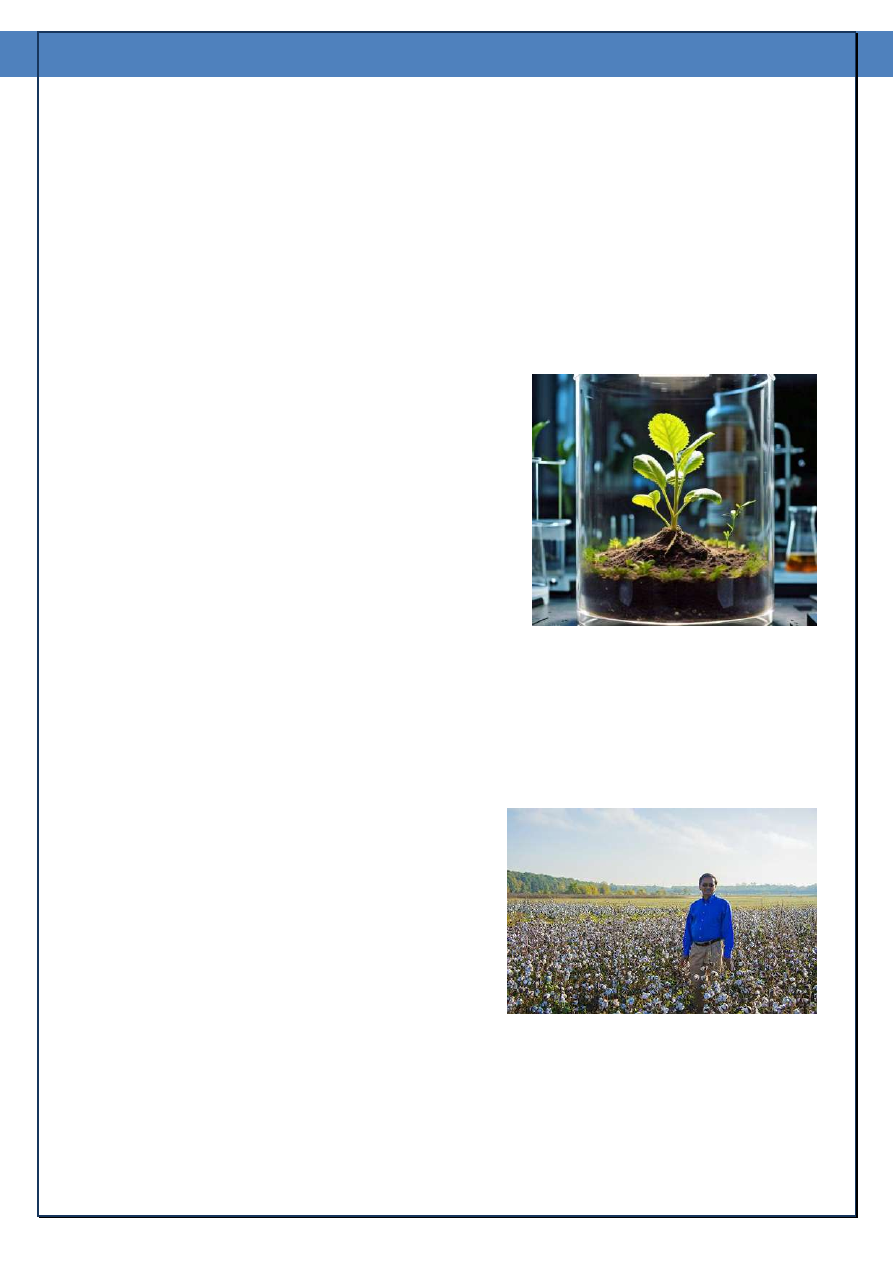
A newly developed soil technology can capture moisture from the air to keep plants hydrated and
regulate the release of fertilizer for a steady supply of nutrients. This innovative smart soil system
relies on a hydrogel material created by researchers. Experiments with this hydrogel-infused soil
showed that it produced larger, healthier plants compared to traditional soil, while using less water and
fertilizer. This advanced gel technology can ease the workload for farmers by reducing the need for
frequent irrigation and fertilization. Moreover, it is adaptable to a variety of climates, from dry regions
to more temperate areas.
This new generation of hydrogels presents a promising solution for
addressing water scarcity and improving nutrient efficiency
in sustainable agriculture. Experimental results showed that
plants grown in hydrogel-enhanced soil experienced a 138%
increase in stem length compared to those in traditional soil.
Additionally, the modified soil achieved around 40% water
savings, drastically reducing the need for frequent irrigation
while supporting strong crop growth. Initially focusing on
calcium-based fertilizers, the project will advance with plans
to integrate various types of fertilizers and conduct extended
field tests.
(Meta AI imagined image).
Innovative Cotton Quality Model to Assist Farmers
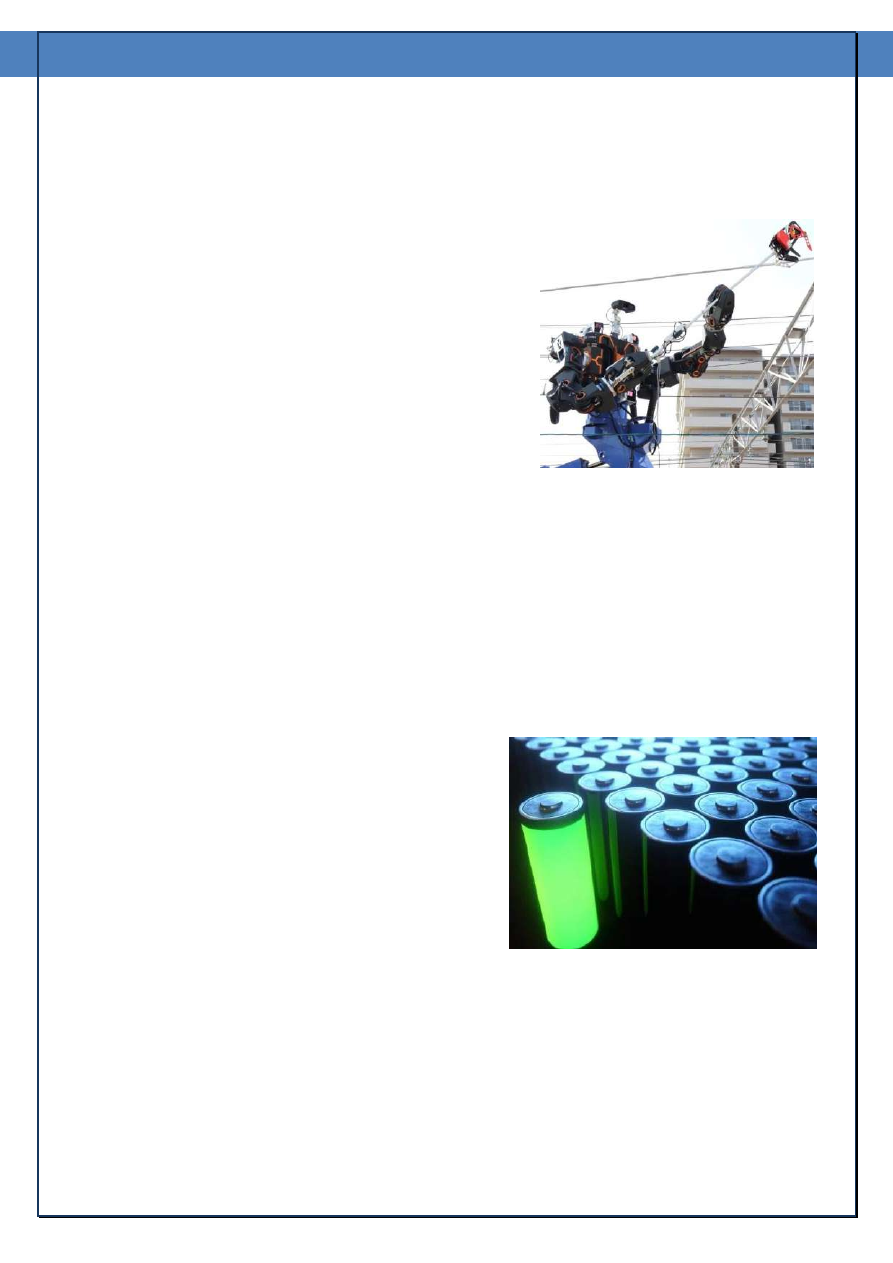
Researchers have developed the world’s first cotton quality module, a key addition to the GOSSYM
forecasting tool that enables better monitoring of cotton crop quality under varying environmental
conditions. This new module integrates with GOSSYM, a computer application that simulates cotton
plant growth and yield based on selected weather, soil,
and management strategies. Originally created in the
1980s, GOSSYM now includes this advanced module to
predict not only crop growth and yield but also fiber
quality. The module incorporates factors such as
temperature, rainfall, and soil nutrient quality to assess
cotton fiber quality accurately. It has been tested on 40 of
the most commonly grown cotton varieties, making it a comprehensive tool for farmers and
researchers. This module will be freely accessible to users managing 74 million acres of cotton
worldwide and will aid in understanding how climate change impacts cotton quality. The ability to
predict these changes is crucial for building resilience in the face of climate variability.
9
Technology Roundup
Japan Railway Utilizing Giant Robots for Maintenance Operations
Japan Railway West (JR West) has introduced a new addition to its maintenance team, a robotic
maintenance worker. As the largest rail operator in western Japan, maintaining the integrity of its
tracks is crucial for West Japan Railway Company. Created
through collaboration between JR West, Nippon Signal, and
the Shiga Prefecture-based robotics firm Jinki Ittai (also
known as Man-Machine Synergy Effectors Inc), the new unit
named the Multifunctional Railway Heavy Equipment
represents an evolution from its previous rail-specific design
to a more versatile truck-based system.
The robot features a
torso connected to a crane-like arm that extends to perform
tasks at heights reaching up to 12 meters above ground level.
Its arms are capable of handling and maneuvering equipment weighing up to 40 kilograms. JR West
aims to achieve three primary objectives through the deployment of these robots: enhanced
productivity, minimized worker risk, and a more adaptable workforce. Operating the robots requires
significantly less physical strength compared to manual labor, enabling older or less physically
capable employees to effectively undertake maintenance tasks.
Innovative Battery Recycling Method
Researchers have pioneered a novel approach to extract purified active materials from battery waste,
potentially revolutionizing the cost-effective separation and recycling of valuable battery components
crucial for sustainable electric vehicle (EV) production.
Unlike conventional methods that rely on energy-
intensive thermal or chemical processes, their innovative
technique utilizes magnetic properties for efficient
material separation and purification. Termed solvent-free
flash Joule heating (FJH), this method rapidly heats
battery waste to 2,500 Kelvin within seconds,
transforming it into substances with magnetic shells and stable core structures, thus enabling effective
purification through magnetic separation. Throughout the process, the cobalt-based battery cathodes,
commonly found in electric vehicles (EVs) and known for their significant financial, environmental,
and social costs, unexpectedly exhibited magnetism within the outer spinel cobalt oxide layers,
facilitating straightforward separation. The researchers' method achieved an impressive battery metal
recovery rate of 98%, while preserving the integrity of the battery structure.

10
Technology Roundup
Fish School Enhance Movement Efficiency through Visual Selection and Focus
Schools of fish demonstrate remarkable coordination, executing complex maneuvers without
collisions and without a designated leader. This collective behavior has intrigued researchers at
Tohoku University, who have developed a simulation model to delve into the dynamics of fish
schooling. Their model focuses on how fish utilize visual cues to selectively attend to nearby, swiftly
moving peers. By mimicking these behaviors in simulations,
the researchers aim to uncover the underlying mechanisms
that drive such synchronized movements in schools of fish.
Researchers emphasize that fish have a wide field of view and
can detect numerous individuals within their school. Recent
experimental findings suggest that rather than monitoring
every nearby fish, each individual fish selectively tracks a
specific peer's movements. This selective decision-making
process enables fish to maintain cohesion within the school
while avoiding collisions.
(Meta AI imagined image).
A Cool Solution
Artificial intelligence (AI) is a major focus right now, and so is the challenge of cooling the data
centers that support this technology. As AI-driven devices and computers become increasingly
common, maintaining the proper temperature in data centers
is becoming more demanding. Researchers are working on a
cutting-edge cooling system aimed at significantly reducing
energy use. Efficient cooling is essential to prevent
overheating and component failure, making energy-efficient
data centers crucial for the future of AI. These data centers
are large facilities packed with servers that process and store
data, acting as key hubs for the infrastructure behind websites, mobile apps, and cloud services.
Currently, cooling methods involve either air-moving fans or liquid systems that transfer heat away
from computer racks. Researchers are developing a two-phase cooling system that manages heat from
server chips through phase change, boiling a liquid into vapor in a thin, porous layer. This system
operates passively, using no energy when minimal cooling is required. Even when actively cooling
with a pump, it consumes very little energy. This design allows for very efficient heat transfer with
low thermal resistance, and includes a mechanical pump that activates only when additional heat
absorption is needed.

11
Technology Roundup
New Fast Technique for Assessing Virus Infectivity
A new technique capable of quickly identifying whether a virus is infectious or non-infectious could
transform how we respond to future pandemics. Known as FAIRY (Fluorescence Assay for Viral
Integrity), this assay can evaluate viruses against antiviral agents in
just minutes, quickly assessing the effectiveness of measures such as
disinfectants that disrupt the infection chain. On average, a new virus
with pandemic potential emerges every four years, and many known
viruses could potentially cross species barriers. Currently, there is no
available assay that identifies whether a sample contains intact or
non-intact viruses, and thus whether it is infectious or non-infectious, without the weeks-long process
of cell cultivation. FAIRY is a straightforward, cost-effective assay that utilizes ready-made
consumables and can quickly screen multiple disinfectants and viruses on a single microplate to
evaluate their ability to neutralize viral infectivity. The method employs a dye that typically penetrates
viruses through pores in their protein shell. This dye is attached to a larger molecule to prevent
penetration; however, when it binds to viral DNA or RNA, it emits a fluorescent signal. The resulting
assay indicates whether the virus is intact and thus infectious, or if it is not.
A Better Way to Make RNA Drugs
The Wyss Institute has developed a novel enzymatic synthesis method that enhances RNA therapeutic
capabilities and eliminates the toxic byproducts associated with traditional chemical synthesis. RNA
therapies provide several benefits compared to conventional small
molecule drugs. They can target nearly any genetic component within
cells and assist in directing gene editing tools, such as CRISPR, to
their specific targets. The potential of RNA therapies is currently
constrained by the growing global demand, which surpasses the
industry's ability to produce RNA at scale. A new RNA synthesis
process addresses this issue by expanding the design space for RNA
therapeutics and enabling rapid scale-up beyond what traditional
chemical methods can achieve. This innovative method produces RNA with efficiency and purity
comparable to existing industry standards, but uses water and enzymes instead of toxic solvents and
explosive catalysts. It can accommodate all common molecular modifications found in current RNA
drugs and has the potential to support novel RNA chemistries for emerging therapies. This capability
is crucial for developing effective drug platforms, as FDA-approved RNA drugs often include
modified nucleotides to enhance stability or introduce new functions.
12
Technology Roundup
Groundbreaking Building Material for Sustainable Building Solutions
Researchers at the Karlsruhe Institute of Technology (KIT) have developed a groundbreaking
transparent metamaterial for energy-efficient light and temperature regulation in buildings. This
innovative polymer-based material allows sunlight to
penetrate, maintains a comfortable indoor climate without
additional energy, and features a self-cleaning mechanism akin
to a lotus leaf. The material, known as Polymer-based Micro-
Photonic Multi-Functional Metamaterial (PMMM), could
potentially replace glass components in walls and roofs. The
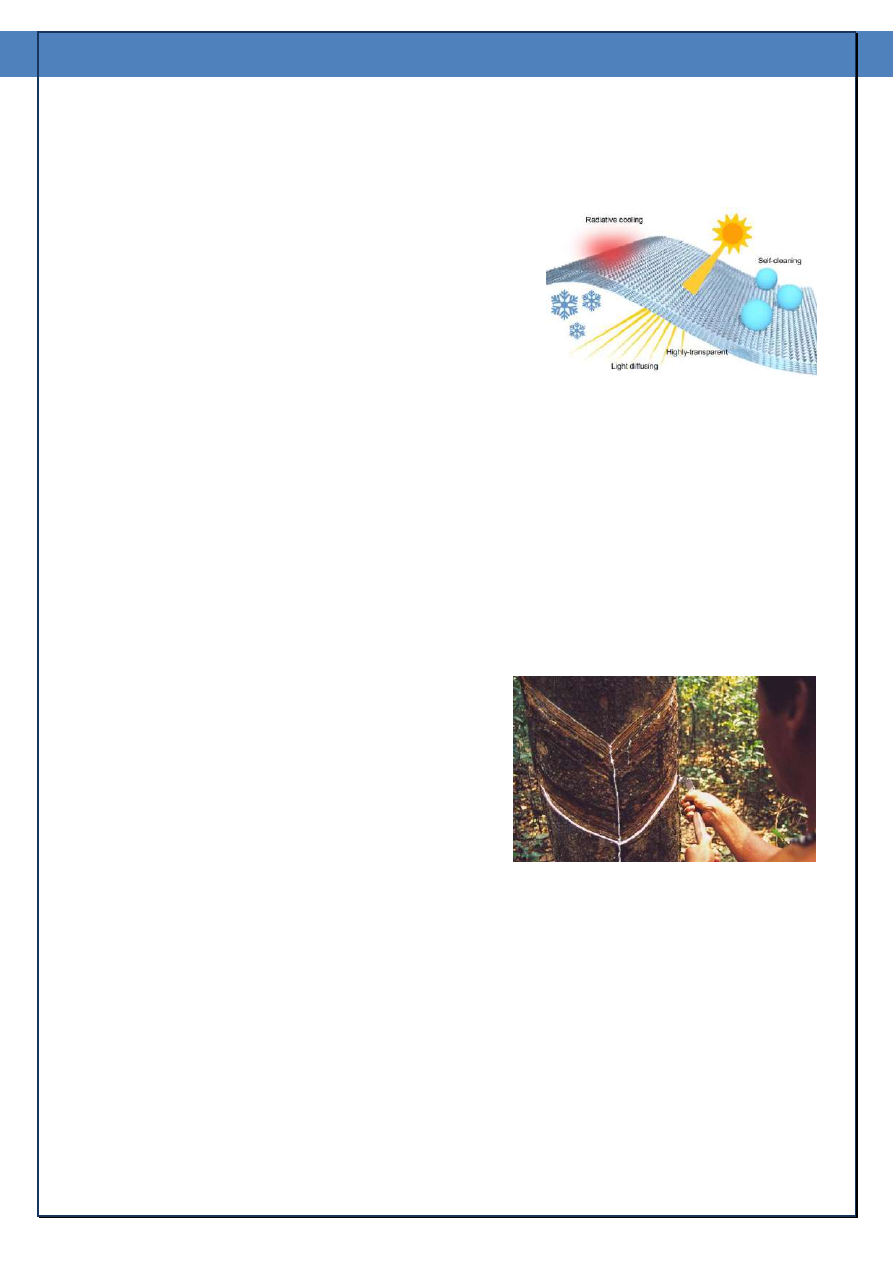
PMMM comprises microscopic silicone pyramids approximately ten micrometers in size, about one-
tenth the thickness of a human hair. This unique design enables the material to diffuse light, self-clean,
and provide radiative cooling while maintaining high transparency. A key advantage of the PMMM is
its ability to efficiently radiate heat through the Earth's long-wave infrared transmission window,
allowing heat to escape into the cold expanse of space. This enables passive radiative cooling without
the need for electricity.
Revitalizing Amazonian Business with a New Socio-Bioeconomic Model
To protect the Amazon and support its communities, a shift is needed from environmentally harmful
production to a socio-bioeconomy (SBE) model that emphasizes sustainable practices and community
support. This model promotes eco-friendly tourism and
the sustainable harvesting of plant products, aiming to
improve livelihoods while preserving ecosystems. Policy
changes are crucial, including redirecting subsidies from
large-scale agribusinesses to smaller-scale, sustainable
initiatives, enhancing infrastructure, and creating public
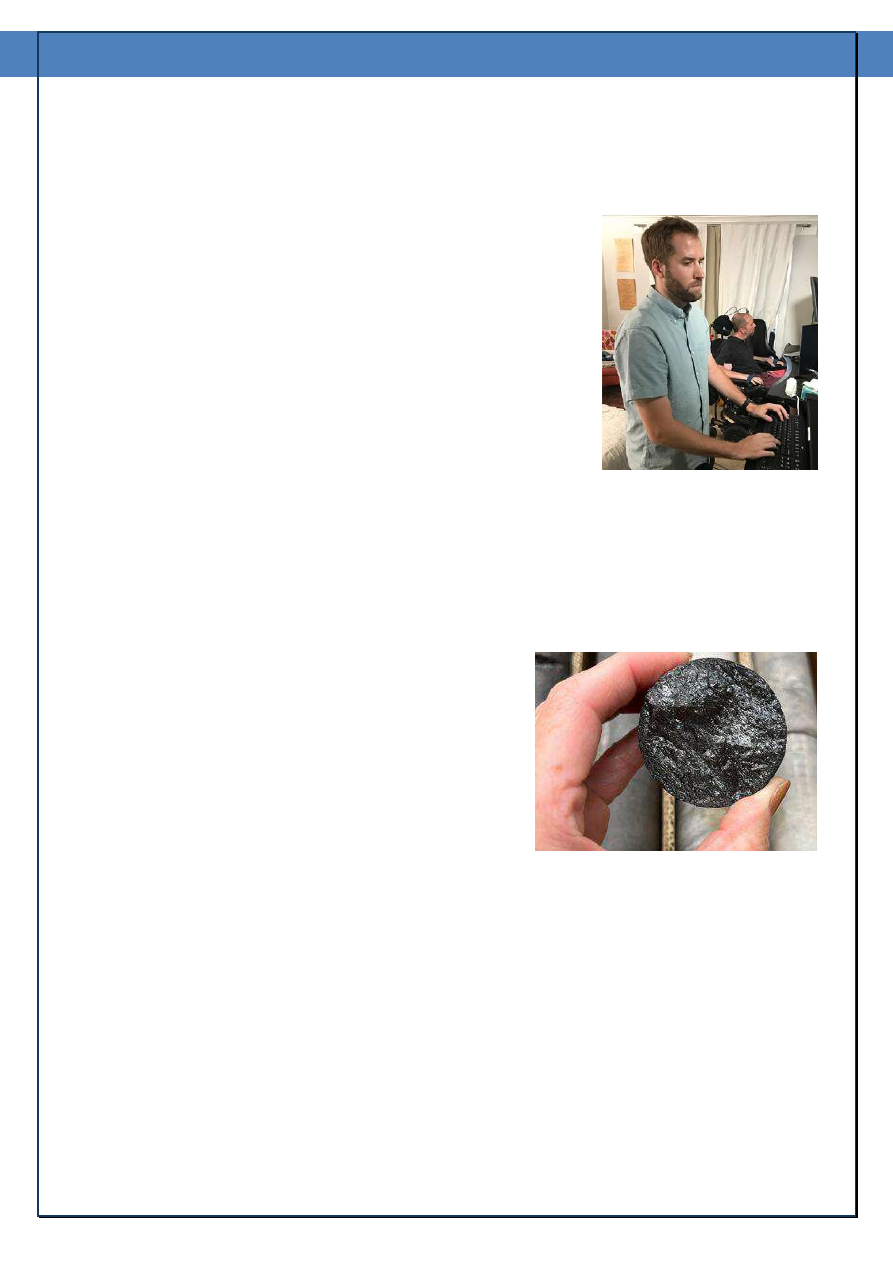
procurement programs that support local producers. The success of Veja, a French footwear brand
sourcing responsibly harvested rubber from Amazonian farmers, illustrates how integrating
sustainability into business can be effective. To realize these changes, there must be a significant
increase in social mobilization, technology, and infrastructure investments, coupled with policy
reforms to ensure long-term benefits for both conservation and economic development. The socio-
bioeconomy (SBE) model benefits Amazonian people by creating sustainable economic opportunities,
improving health and education, and preserving culture. It supports environmental protection,
enhances food security, and builds community resilience. Overall, it promotes a just and sustainable
development approach.
13
Technology Roundup
Brain-Computer Interface Restores Speech for ALS Patient
A groundbreaking Brain-Computer Interface (BCI) developed by researchers has made a significant
advancement in communication for individuals with severe speech impairments. This innovative
technology allows a man with ALS to speak with up to 97% accuracy
by translating his brain signals into spoken words. Implanted in the
patient’s brain, the BCI detects neural signals related to speech
attempts and converts them into text, which is then spoken aloud by a
computer. This new system offers real-time, near-error-free
communication, surpassing previous technologies that struggled with
high error rates. By restoring effective communication, the BCI
significantly enhances interaction with family and caregivers,
improving quality of life and reintegrating individuals into social
activities. This achievement represents a major step forward in neuroprosthetics and provides renewed
hope for those with debilitating conditions.
Uncovering Rare Earth Elements in Coal Mining Operations
Recent research led by the University of Utah has revealed elevated levels of rare earth element s
(REEs) in coal mines situated along the Uinta coal belt in Colorado and Utah. This finding indicates
that these mines, traditionally associated with fossil fuel
extraction, might also provide a valuable secondary resource
stream for critical minerals essential for the transition to
renewable energy and advanced technologies. The research,
conducted in collaboration with the Utah Geological Survey
and Colorado Geological Survey focuses on the potential of
extracting REEs from fine-grain shale units found above and
below coal seams. This research addresses the pressing issue of dependency on foreign sources for
these vital materials, proposing a novel approach to utilize existing mining infrastructure for additional
resource recovery. The study, published in Frontiers in Earth Science, lays the groundwork for a
proposed $9.4 million federal grant to further investigate and develop these domestic sources of rare
earth elements. Discovering rare earth elements (REEs) in coal mines offers several benefits. It could
increase the domestic supply of these crucial minerals, reducing dependence on foreign sources and
supporting the renewable energy sector. Utilizing existing mining operations for REE extraction can
enhance economic viability, create new jobs, and promote sustainable practices by minimizing the
need for new mining projects and reducing environmental impact.

14
Technology Roundup
Decaffeination Process for Preserving Flavor in Coffee
The aroma of freshly brewed coffee is a beloved start to the day for many, though some prefer decaf to
avoid caffeine-related issues. Chemists use decaffeination processes to remove caffeine while
preserving flavor, starting with green, unroasted beans since using
roasted beans would alter the coffee’s taste and aroma. The carbon
dioxide method, utilizes high-pressure CO₂ to extract caffeine from
moistened beans. The CO₂ dissolves the caffeine, which is then
filtered out, leaving minimal residue and retaining most of the
flavor. This method is widely used for commercial coffees. The
Swiss water process, involves soaking beans in hot water to
dissolve both caffeine and other compounds. The water, rich in
caffeine and flavor, is filtered through activated charcoal to remove the caffeine. The flavor-saturated
water is reused to decaffeinate new batches of beans, preserving 94% to 96% of the flavor and
avoiding chemicals. Techniques like the Swiss water process help retain flavor despite the loss of
some compounds. Thus, decaf provides a flavorful alternative without the caffeine.
Innovations in Bio-Based Ice Cream Packaging and Flexographic Printing
Sustainable packaging innovations help reduce plastic use and carbon footprints by incorporating
recyclable and compostable materials. They improve convenience with user-friendly designs, enhance
storage and transport efficiency, and
lower costs.
Additionally, these advancements boost brand image by
demonstrating environmental responsibility and appealing to
eco-conscious consumers. The ice cream industry is making
strides in sustainable packaging, with recent innovations
focusing on bio-based materials and advanced printing
techniques. Companies are developing recyclable ice cream
packaging using 95% renewable materials and advanced
water-based coatings. This packaging aims to replace plastic with paper-based solutions, offering
improved sustainability without compromising functionality. Another Ice cream company introduced
new single-serve Twist pints made from recyclable materials and designed for better storage
efficiency. These pints also enhance recyclability compared to traditional packaging. A new
innovative flexographic printing, using eco-friendly materials to create high-quality, recyclable
packaging is among the top. This approach emphasizes reducing carbon footprint and enhancing visual
appeal while remaining functional and easy to open.
15
Technology Roundup
Eco-Friendly Textiles Initiative
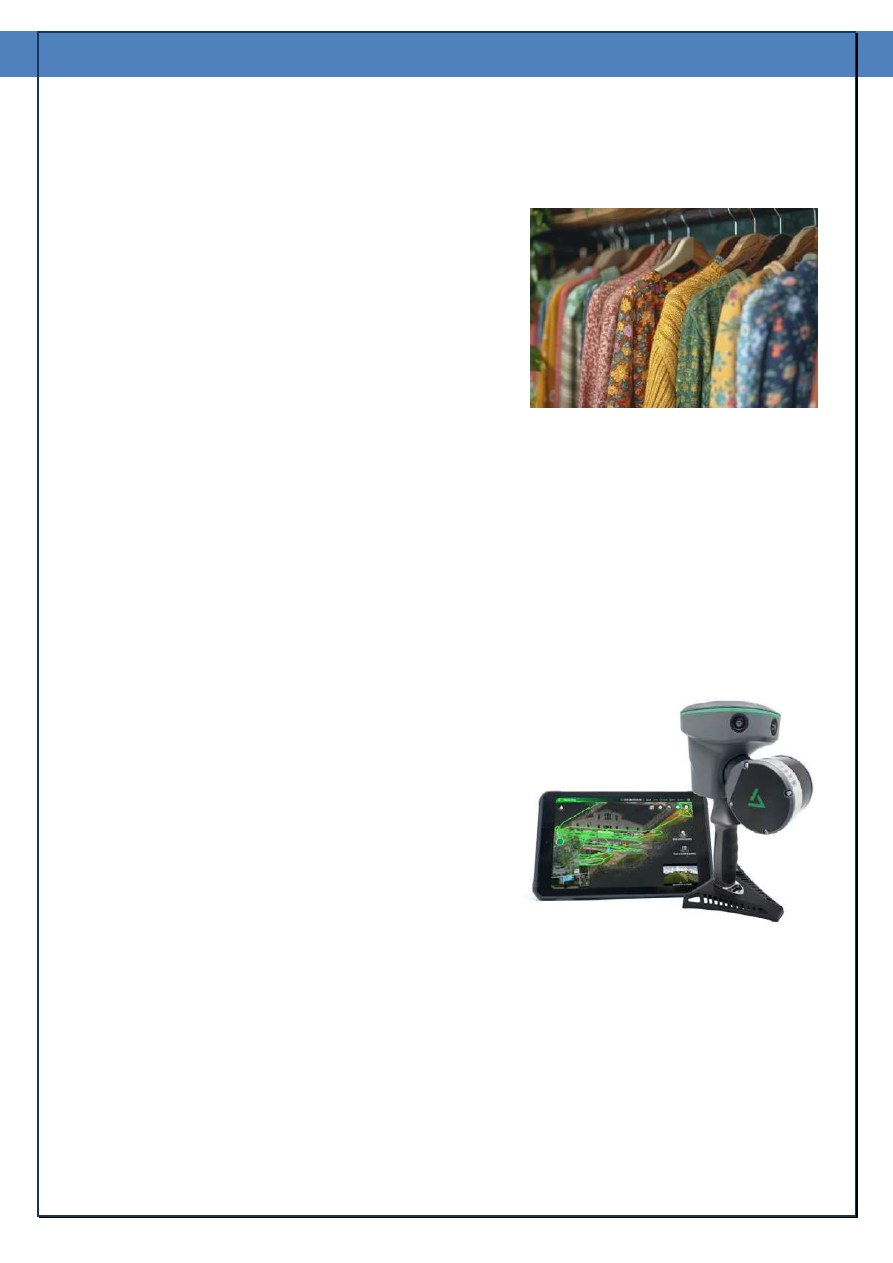
The International Labour Organization (ILO) office in Turkey has joined EkoDoku Women
Sustainable Living Cooperative to advance eco-friendly textiles and address the drawbacks of fast
fashion. With US government support, the ILO is helping
EkoDoku develop collections using nature-based fabrics.
The initiative started with an ‘Eco Dyeing and Printing
Workshop’, where cooperative members learned natural
dyeing, woodblock printing, and batik techniques. It aims to
create jobs and
improve formal employment for
marginalized
groups,
including
Syrians
and
host
communities. The ‘HarmonyUnity’ collection supports sustainable living and global unity, reflecting
the ILO’s focus on decent work and social protection through cooperatives that foster formal
employment and support women’s rights in textiles. The project highlights innovative technology in
sustainable textile production, featuring nature-based fabrics, plant-based dyes, and traditional printing
methods. These practices promote environmental sustainability by reducing synthetic material use and
minimizing waste.
Handheld 3D Scanner for Precision Mapping
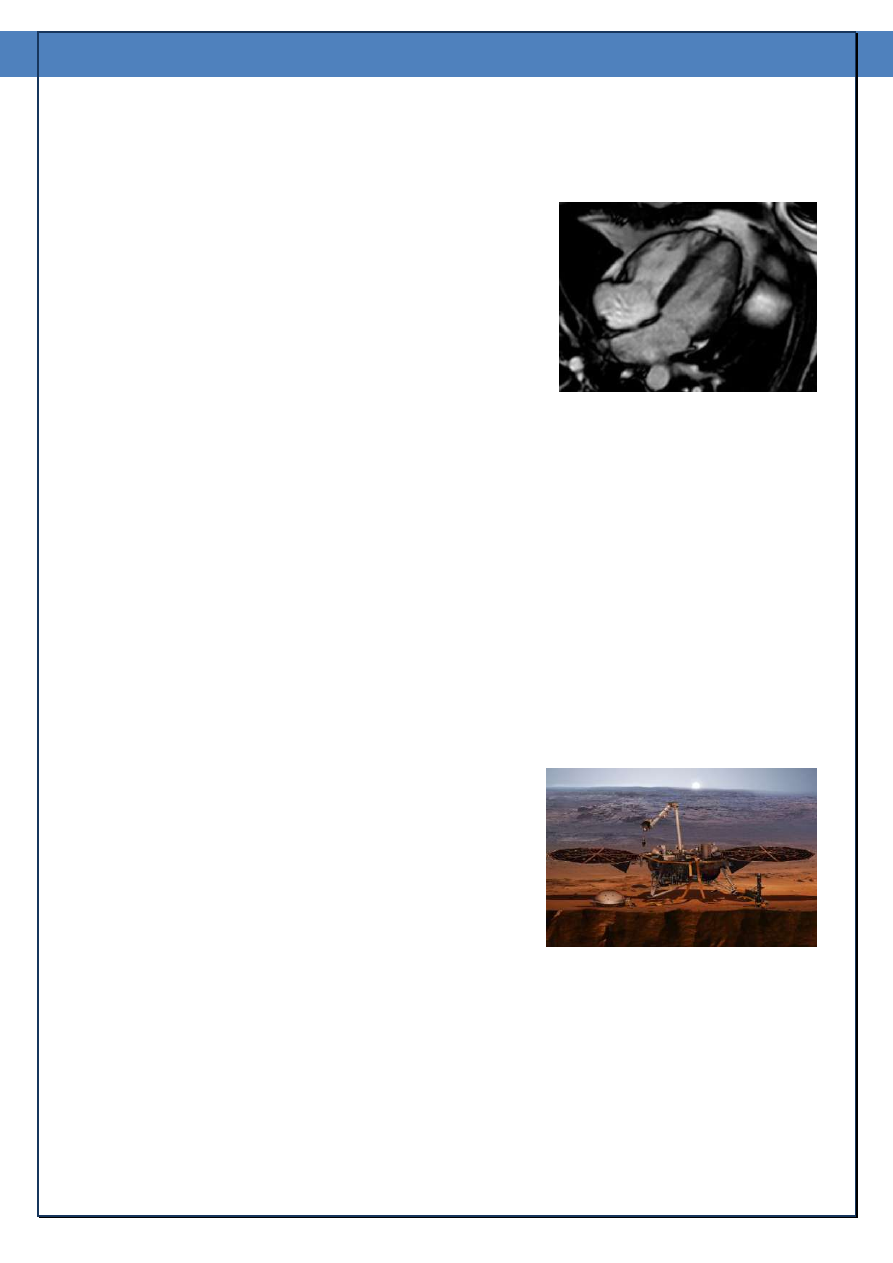
GeoCue has introduced the TrueView Go, it’s a first handheld 3D mapping scanner, designed to
streamline site mapping as users walk. This innovative device uses a GNSS Smart Antenna and high-
precision LiDAR sensors to transmit 3D images to a tablet,
with models available in 16-channel and 32-channel
configurations. The scanner allows instant adjustments and
complete coverage of indoor and outdoor areas. It is
effective even in environments with weak or no GNSS
signals and can remotely measure inaccessible locations by
collecting reference points without direct contact. The
TrueView Go features an intuitive “ready, set, go!” operation, making it user-friendly for various
applications, including surveying, construction, and building information modeling (BIM). It is
accompanied by GeoCue’s LP360 Land software, which provides tools for quality assurance, 3D point
cloud processing, and visualization, utilizing SLAM (simultaneous localization and mapping) for
improved data accuracy. According to Vincent Legrand, GeoCue’s VP of Global Sales, this scanner
represents a major advancement beyond traditional drone LiDAR systems, offering greater
accessibility, affordability, and ease of use.
16
Technology Roundup
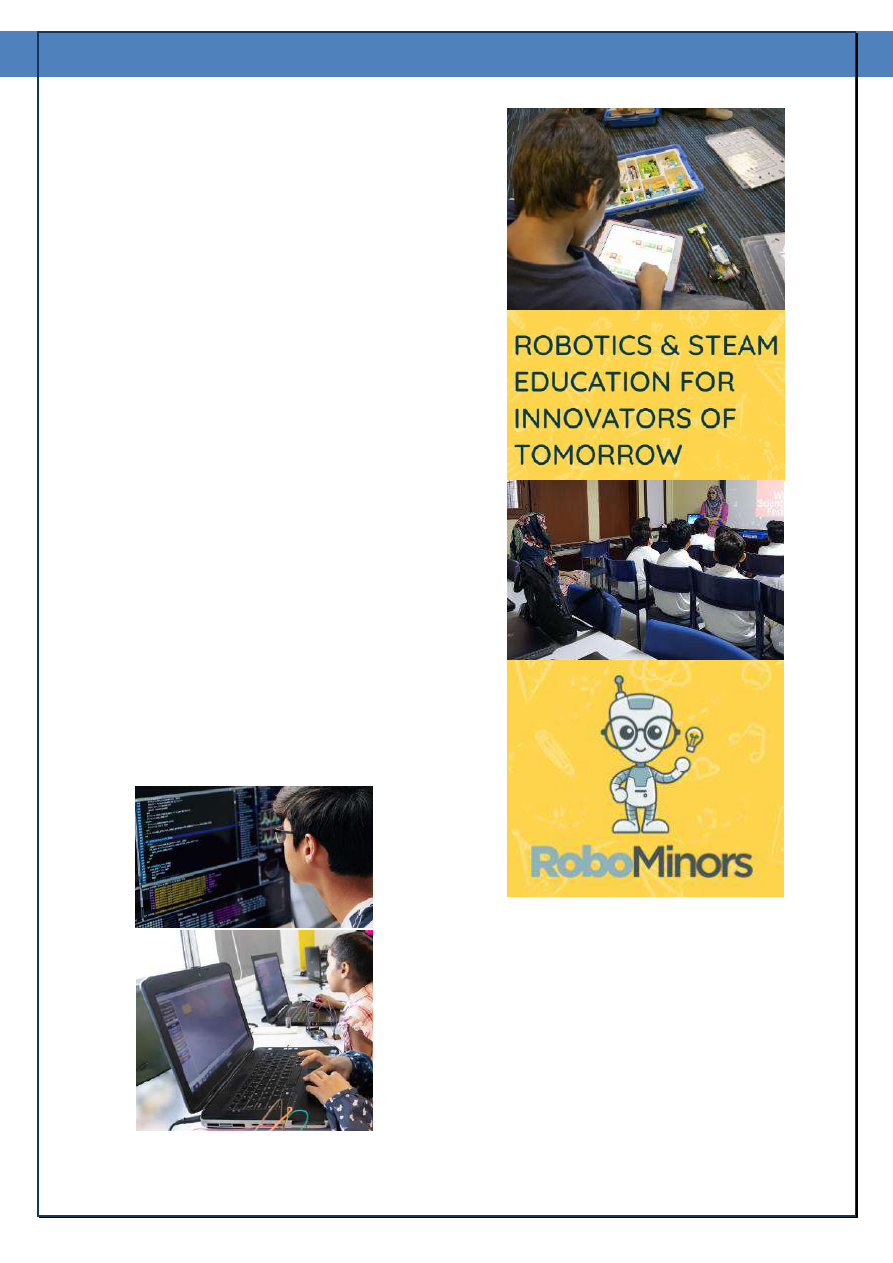
New MRI Technique Predicts Heart Failure Risk Accurately
Recent research from the University of East Anglia (UEA) and Queen Mary University of London has
revealed that MRI scans could potentially replace invasive heart tests by accurately estimating internal
heart pressures, which are crucial in predicting heart failure.
This groundbreaking study highlights how MRI-derived
pressure measurements can forecast the likelihood of developing
heart failure, offering a less invasive alternative to current
diagnostic methods. The research, involving over 39,000
participants from the UK Biobank, identified key risk factors for
elevated heart pressure, including advanced age (over 70), high blood pressure, obesity, and male
gender. Key investigators of this emphasized that MRI can reliably predict heart failure risk, with
participants exhibiting higher heart pressures detected by MRI facing a significantly increased risk of
developing the condition over six years. Previous studies had already shown that MRI techniques
could estimate heart pressures and their association with heart failure symptoms, but this study
confirms their predictive capability in a broader population context. The research also introduced a
new model combining identified risk factors to enhance individual risk prediction, which could lead to
earlier prevention and treatment of heart failure. This advancement aligns with the broader goal of
improving heart health management through non-invasive methods.
Deep Martian Oceans Found
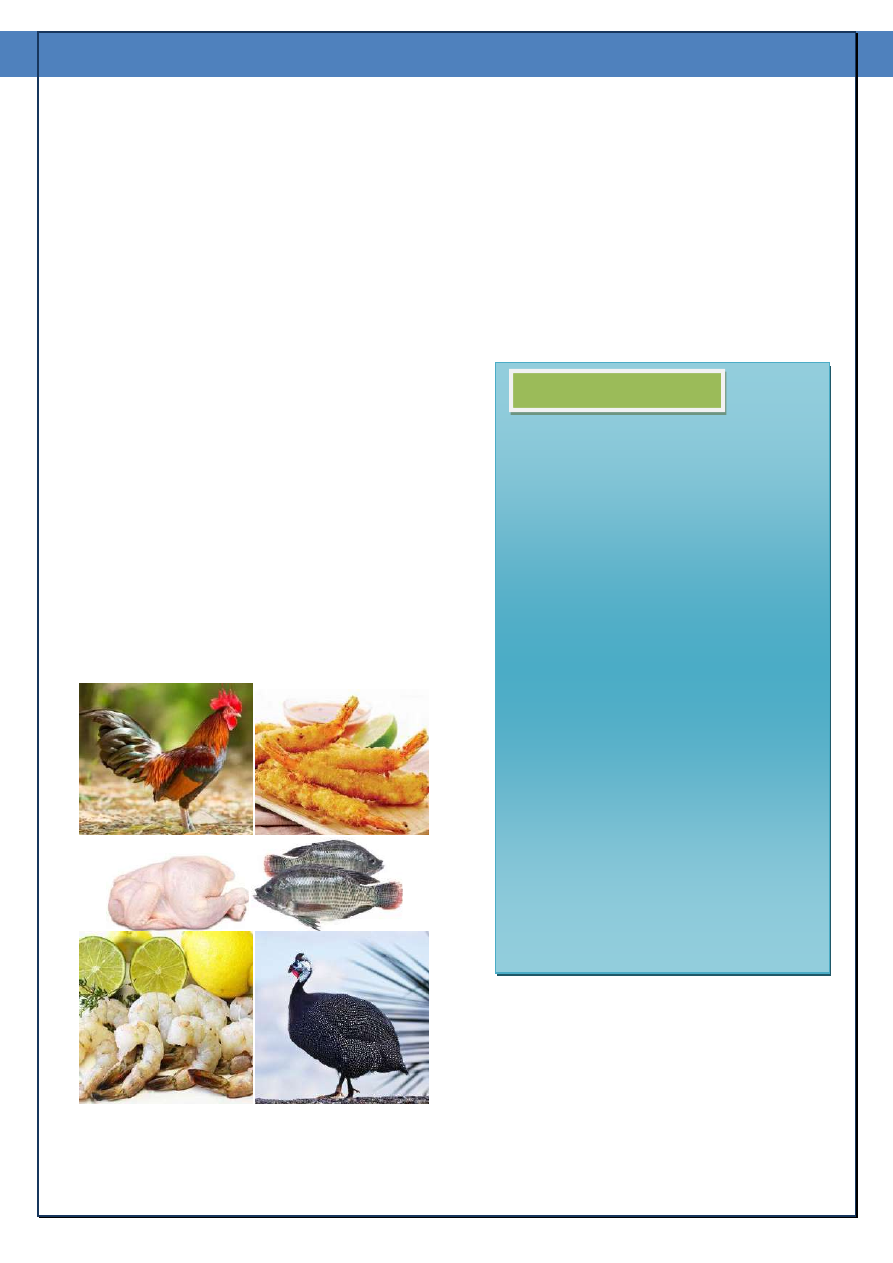
The reservoir, located between 11.5 and 20 kilometers (7 to 13 miles) beneath the surface, could
potentially cover the entire planet with a layer of water 1 to 2 kilometers deep. While this discovery is
significant for understanding Mars' geological history and
water cycle, the reservoir's depth makes it impractical for
future human colonization efforts. However, it offers a
promising location to search for signs of life and contributes
valuable insights into the planet’s climate evolution.
Researchers, from UC San Diego and Michael Manga from
UC Berkeley, used a mathematical model of rock physics to interpret the seismic data. Their analysis
suggests that the water is stored in fractured igneous rock, akin to Earth's granite. Although the exact
conditions for life are still unknown, the presence of water in this deep, rocky layer suggests that Mars'
water did not entirely escape into space but rather migrated underground. The Insight mission
provided crucial data on Mars’ crust, mantle, and core, helping scientists understand the planet's past
water distribution and its potential for supporting life.

17
Technology Roundup
SOURCES AND IMAGE CREDITS
https://www.geo.tv/latest/558899-ogdcl-starts-gas-production-from-nur-west-well-1-in-sujawal
https://ogdcl.com/news/discovery-tight-gas-nur-west-01
https://www.radio.gov.pk/10-08-2024/chinese-firm-to-build-solar-panel-plant-in-punjab
https://arynews.tv/e-procurement-system-to-be-implemented-across-country/
https://nust.edu.pk/news/finding-innovative-creative-solutions-fics-24-concludes-at-nust/
https://youtu.be/E-ZBqx__l3g?si=UwWDYZuJdOXf1lzy
https://pkrevenue.com/yutong-to-establish-bus-manufacturing-plant-in-karachi/
https://www.techjuice.pk/pakistans-farmdar-has-just-launched-a-new-fintech-startup-in-brazil/
https://www.arabnews.com/node/2569055/pakistan
https://www.instagram.com/p/C-97fLmJFkH/?utm_source=ig_web_button_share_sheet
https://moitt.gov.pk/NewsDetail/ZWVmMzMxZDQtY2I4ZC00Y2Y3LTlmYzgtODFjNTZmYzgzZWJk
https://dgpr.punjab.gov.pk/node/33659
https://profit.pakistantoday.com.pk/2024/06/25/government-plans-new-industrial-estate-in-gujrat/
https://newatlas.com/technology/aquaria-atmoshpheric-generator-drinking-water/
https://me.utexas.edu/news/1823-smart-soil-can-water-and-feed-itself
https://news.rice.edu/news/2024/rice-researchers-develop-innovative-battery-recycling-method#:~
https://www.sci.tohoku.ac.jp/english/news/20240724-13315.html
https://engineering.missouri.edu/2024/a-cool-solution/
https://www.birmingham.ac.uk/news/2024/new-rapid-method-for-determining-virus-infectivity
https://wyss.harvard.edu/news/a-better-way-to-make-rna-drugs/#:~:text=A%20team%
https://www.nature.com/articles/s41467-024-48150-2
https://www.kit.edu/kit/english/pi_2024_037_innovative-material-for-sustainable-building.php#
https://www.price.utah.edu/2024/05/21/can-coal-mines-be-tapped-for-rare-earth-elements
flexographic-printing-advances.html
textiles-297395-newsdetails.htm
failure-risk-in-general-population.html
https://vcresearch.berkeley.edu/news/scientists-find-oceans-water-mars-its-just-too-deep-tap

18
Technology Roundup
FORTHCOMING TECH EVENTS
PAKISTAN
International Conference on Emerging Technologies: Innovations for Sustainable Development
Goals (ISDG)
September 9 – 11, Bahrain, Swat
https://www.uoh.edu.pk/news-events.php?id=MTgwOA==#gsc.tab=0
2
nd
International Conference on Climate-Induced Natural Disaster And Mitigation
September 25 – 26, Karakoram International University, Gilgit
4
th
International Conference on Distance Education and E-Learning (4
th
ICDEEL-2024)
September 25 – 26, International Islamic University, Islamabad
https://www.iiu.edu.pk/seminars-conferences/4th-icdeel-2024/
International Conference on Emerging Trends in Physics 2024 (ICETP24)
October 8 – 9, The University of Lahore, Lahore
https://uol.edu.pk/event/international-conference-on-emerging-trends-in-physics-2024-icetp24/
2
nd
AUSOM International Research Conference (AIRC)
October 9 – 10, Air University, Islamabad
https://portals.au.edu.pk/AIRC/
1
st
International Conference on advances in Mechanical, Materials, Mechatronics and Energy
Engineering (ICAME-24)
October 17 – 18, University of Engineering and Technology, Taxila
https://web.uettaxila.edu.pk/icame2024
3
International Conference on Contemporary issues in Management and Administrative Sciences
November, Lahore College for Women University, Lahore
8
th
International Conference On Health Professions Education
November 5 – 7, The University of Lahore, Lahore
https://uol.edu.pk/event/8th-international-conference-on-health-professions-education/
3
rd
International Conference of Sciences on "Revamped Scientific Outlook of 21
st
Century, 2024"
November 14
th
, Rawalpindi Women University, Rawalpindi
https://conf-fs2023.rwu.edu.pk/
3
rd
International Nursing Research Conference 2024
November 15 – 16, Liaqat University of Medical & Health Sciences, Jamshoro
https://www.lumhs.edu.pk/nrcon2024/
2
nd
International Conference & Expo on Plant Sciences, Plant Biodiversity and Food Security in
the Wake of Climate Change (PBFS-CC 2024)
November 19 – 21, PMAS-Arid Agriculture University, Rawalpindi
https://www.uaar.edu.pk/index.php#
3
rd
International Conference on Emerging Trends in Electrical, Control & Telecommunication
Engineering (ETECTE’24)
November 26 – 27, The University of Lahore, Lahore
Role of Artificial Intelligence in Access to Justice in Pakistan: Shaping the Future of Law, Peace,
and Equality
December 3 – 4, Bahauddin Zakariya University, Multan
https://www.iiu.edu.pk/wp-content/uploads/2024/05/iri-international-conference-02052024.pdf
Conference for Quality and Innovation in Higher Education (F2F&ODL) CQIHE
December 4 – 5, Faisal Mosque Campus, International Islamic University, Islamabad

19
Technology Roundup
SAAP IX Biennial Conference, Physiology with Interdisciplinary Integration
December 6 – 8, The University of Lahore, Lahore
https://uol.edu.pk/event/saap-ix-conference-in-december-2024/
1
st
Business Research International Conference on Life Sciences
December 19
th
, University of Veterinary and Animal Sciences, Lahore
https://uvas.edu.pk/NEWS/2024/August/Call%20for%20Papers.pdf
INTERNATIONAL
Global Summit on Polymer Science and Composite Materials (GSPSCM2024)
September 16 – 18, Prague, Czech Republic
https://polymersciencesummit2024.com/
International Conference on Multimedia Computing, Communication, and Applications
September 17 – 20, Valencia, Spain
https://mcna-conference.org/2024/
WATER AI 2024
September 18 – 19, California, USA
https://www.water-ai-summit.com/
Intelligent Automation Conference 2024
October 1 – 2, Amsterdam, Netherlands
https://intelligentautomation-conference.com/europe/
5
th
International Seminar on Fundamental and Application of Chemical Engineering
(ISFAChE) 2024
October 1 – 2, Surabaya, Indonesia
https://elib.its.ac.id/conf/isfache/
5
th
International Conference on Building Science, Technology and Sustainability (ICBSTS
2024)
October 15 – 18, Lisbon, Portugal
10
th
IUPAC International Conference on Green Chemistry (10
th
ICGC)
October 18 – 22, Beijing, China
https://www.greeniupac2024.org/
Greenhouse Gas Control Technologies (GHGT) Conference
October 20 – 24, Alberta, Canada
Optical Latin America Optics and Photonics Conference
November 10 – 14, Puerto Vallarta, Mexico
https://www.optica.org/events/topical_meetings/latin_america_optics_and_photonics_confere
nce/
International Congress on Engineering and Information
November 21 – 23, Taipei, Taiwan
9
th
International Neonatology Association Conference
December 5 – 8, Berlin, Germany
https://worldneonatology.com/2024/
20
Technology Roundup
TECH AND TRADE OFFERS
RoboMinors
About RoboMinors
RoboMinors was born in 2016. Ever since,
we have extended the highest quality of education
possible in the most fun-filled environment
possible. We are committed to serving our young
generation by honing their critical thinking and
problem-solving skills to help them become
inventors and innovators of tomorrow.”
RoboMinors
offers
an
enriched
and
empowered learning environment for our young
generation via multifarious programs in robotics
and STEM.
Our students benefit from cutting-edge and
age specific technologies and equipment. The
students learn from driven professionals and
passionate
about
educating
world’s
next
generation.
Our courses
Coding Einsteins-I
Coding Einsteins-II
Coding Masters
Python for Beginners
Data Science with Python
Contact us
Address:
RoboMinors 2
nd
Floor, Royal Crown Plaza,
Business Square, BS-14, Block C Gulberg
Greens, Islamabad, Pakistan
Phone: +92 321 553 5897
Email:
Web:
21
Technology Roundup
Desi White Meat
About Desi White Meat
Our farmers honour natural systems and farm
in ways that increase bio-diversity and regenerate
the land, having a positive impact. We believe all
farming should be like this so eating meat doesn’t
cost the earth.
We believe in giving natural feed to our fish
and chicken and ensure animals are raised to our
strict standards which prohibit antibiotics and
preservatives. Nor do we allow the industry-
standard use of hormones in fish and chicken.
Our courses
Guinea Fowl
Fish Fillent
Duck
Desi Egg
Desi Chicken
Butterfly Prawn
Tilapia
Tilapia Fillent
Contact us
Address:
Farm: District Gharo, Sindh, Pakistan.
Office: Plot no 7, Sector 7a Korangi industrial
area Karachi.
Phone: +92 337 4632800
+92 213 5121605
Please give us your feedback and address
queries to
PASTIC serves as a gateway for Scientific
& Technological Information for R&D by
catering to the information needs of
researchers, entrepreneurs, industrialists,
educationists, policy makers and planners
through anticipatory and responsive
information services.
Technology Information Section works
exclusively for support and promotion of
technological information on trade and
industry in the country.
“Technology Roundup” is a news bulletin
that provides latest and innovative
technology news, and forthcoming events.
It also promotes products, technologies
and services globally in sectors such as
Agro Industry, Bio-Technology, Building
Material, Business, Chemicals,
Electronics, Energy, Fisheries, Food
Processing, Machinery, Packaging,
Mining, Pharmaceuticals and Textiles.
About PASTIC