
Technology Roundup
1
NITB to Introduce New Version of E-office in Divisions and Organizations
E-office aims to cater to the need for effectiveness and transparency in the Governmental
processes and services delivery mechanisms. E-Office, an app developed by NITB, is helping
the Government departments to go paperless. It is aimed at improving internal efficiencies in
an organization through electronic administration.
The physical file movement of official files and documents consumes a lot of time and
requires continuous monitoring from desk to the desk before the final decision is made by the
senior officials. Consequently, many crucial decisions get delayed due to the slow movement
of files and/or unavailability or absence of the senior officials in the government offices. In
addition, the hazard of theft and missing of files is also common in most of the government
offices.
The immediate need in such a scenario is to have a system in place where an authorized
employee could locate the required documents and/or files in the shortest possible time. E-
Office is a step forward into an era of paperless administration in the government offices. It is
a digital workplace solution that replaces the existing method of manual handling of files and
documents with an efficient electronic system.
The app can update and share files with other relevant users and eventually store them with
proper references. The electronic system has its inherent advantages such as data stored
digitally with audit trails for every transaction being done. Regular backups and Disaster
Recovery systems (DRS) are in place which ensures that the Government files are not
damaged in case of any mishap. Key Performance Indicators (KPI’s) of E-Office include up
to Rs. 300 million savings on stationary, up to 80% operating time-saving and up to 80%
increase in efficiency.
Source and image credit:
https://nitb.gov.pk/ProjectDetail/YTZhM2Q5ZDEtNzAzNy00MjJjLWIzNGYtM2ZhM2VkO

Technology Roundup
2
Chinese Company to Establish Model for Seed Cooperation With Pakistani
partner
Chinese seed company is looking forward to establishing a technology transfer-product
process-export model for seed cooperation with Pakistani partners. “Under this model, we
grow crops in Pakistan utilizing Chinese technology together with local companies and then
sell the processed products back to China”, said Zhou Xusheng from Wuhan Qingfa Hesheng
Seed Co., Ltd in an interview following a recent salon on market access organized by the
National South Asian Standardization (Chengdu) Research Center of China and attended by
participants from both Pakistan and China. Take hybrid rice as an example. Pakistan, once
the world’s seventh-largest rice exporter, became the fourth-largest after the introduction of
hybrid rice from China, which improves production by 50-80% and enhances the process
quality by 10%. By doing so, local farmers benefit from rice of higher quality and more
production, local enterprises become more competitive in the global market, and huge
revenue can be brought, Zhou told China Economic Net (CEN).
The seed company, with nearly two decades experience in promoting hybrid rice in Pakistan,
has contributed to the examination of the first Chinese hybrid rice variety QY0413 in
Pakistan’s history and developed Komal, the first hybrid rice variety with long growth period
in Pakistan. Currently, the company is providing the seeds of hybrid rice, rape, tomato,
pepper, and watermelon in Pakistan. Research is also underway in Sindh for heat- and
alkaline- resistant rice varieties. But to set up a complete ‘technology transfer-product
process-export’ chain, more needs to be done. According to Zhou, to build the model well,
first there should be high-quality selected varieties that can be adapted to local conditions in
Pakistan. In this regard, Zhou recommends more R&D investment on varieties with good
quality, high production, and resilience to local climate. In addition, according to Zhou, a
complete rice grading mechanism that distinguishes rice of different quality for different
purposes, as well as enhanced awareness of the value of high-quality rice throughout the
planting, purchasing, processing, and exporting process are also in need.
Source and photo credit:
https://dailytimes.com.pk/919401/chinese-company-to-establish-
Technology Roundup
3
Al-Shifa Trust brings latest Technology for Eye treatment
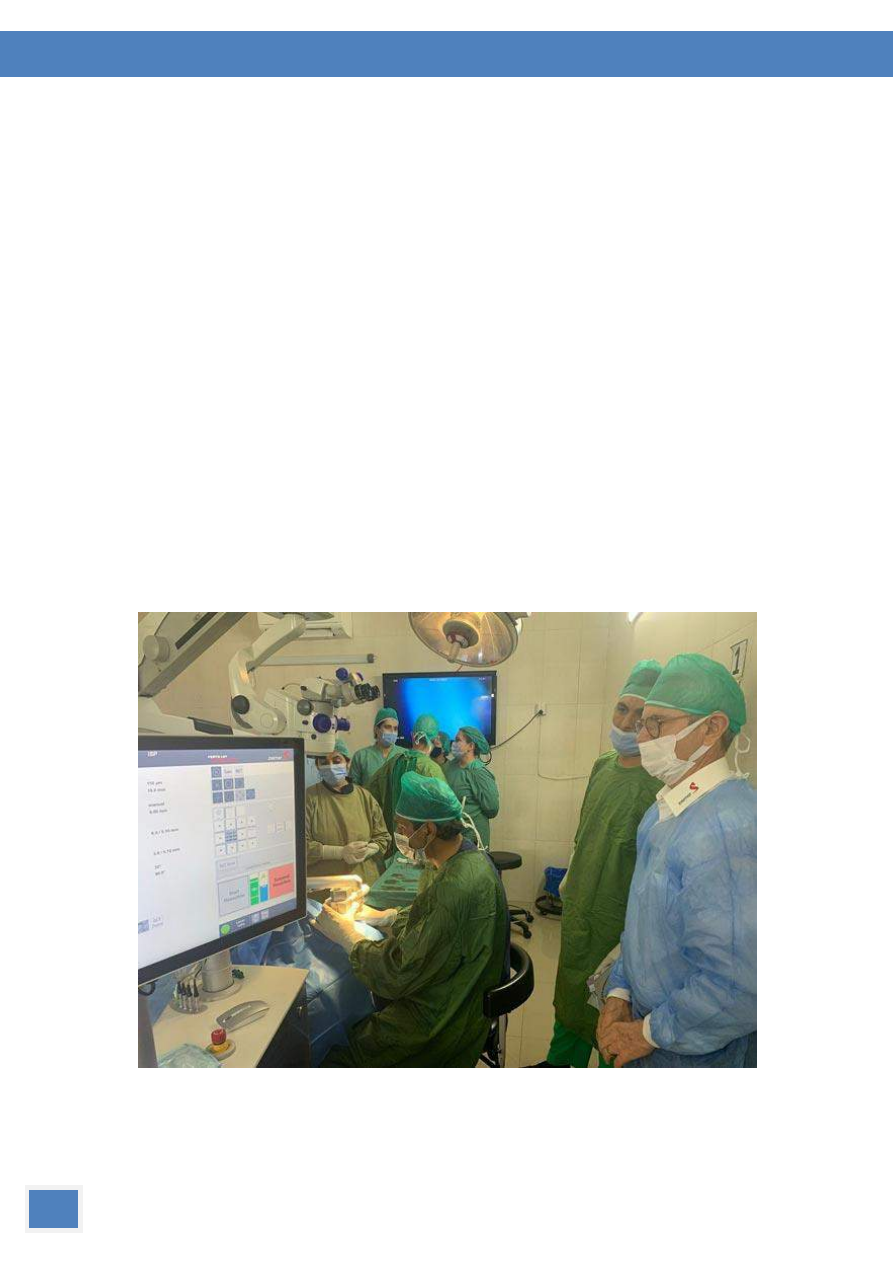
Rawalpindi: Al-Shifa Trust Eye Hospital has introduced a new revolutionary Swiss
technology for eye treatment, which will benefit many in Pakistan. Al-Shifa has become the
first facility in Asia to use a Femtosecond Laser developed by a Swiss company to carry out
Bowmann Layer Transplant for the treatment of Keratoconus, an eye disease that affects the
cornea, said Professor Dr. Wajid Ali Khan, Chief of Medical Services of the trust. He said
that the latest technology will not only empower our ophthalmologists to deliver better vision
care to their patients, but we will also train doctors working in other facilities.
He said that about two hundred thousand people need this procedure but the trust can conduct
800 surgeries annually because of limited supply. With the help of this latest technology,
layers of one cornea can be used to treat two to three patients, he said. Senior Engineer of
Ziemer Ophthalmic Systems AG Fritz Meyer who was on a visit to Pakistan informed that
this treatment takes a very thin layer of the donor’s cornea and is placed in a pocket in the
patient’s diseased cornea suffering. This procedure strengthens the weak cornea, hence
avoiding the need for a full cornea transplant. So far, twenty patients have been treated with
this technique successfully at Al Shifa Eye hospital, which is encouraging, he added.
Source and photo credit:
https://dailytimes.com.pk/913621/al-shifa-introduces-revolutionary-

Technology Roundup
4
Intercropping-Specific Planter first Applied in Pakistan’s Spring sowing
Under the National Research Center for Intercropping jointly established by Sichuan
Agricultural Universities and the Islamia University of Bahawalpur, spring sowing in the
demonstrative plots of maize-soybean strip intercropping technology was completed.
This season, besides the skyrocketing demonstration area of 400 acres, there’s a breakthrough
in machinery as well. Planters specifically for intercropping were used and tested for the first
time in Pakistan, which will greatly relieve sowing burden faced by local farmers in the
future.
This is the fourth year since China’s maize-soybean strip intercropping technology was
introduced in Pakistan in 2018. This technology makes better use of available space to
increase the amount of crops that can be harvested on the same area of land as soybean
production is like an added ‘bonus’, which is helping Pakistan ease soybean shortage and cut
soybean imports.
According to Muhammad Ali Raza, Director of National Research Center for Intercropping,
post-doc of Sichuan Agricultural University, now the total demonstrative area has surged to
over 400 acres, about 2.67 times that of last autumn. More types of crops are being included
in the intercropping system. This season, the demonstration of wheat-soybean strip
intercropping also has started.
“We have more than 20 demonstrations of 400 acres in Pakistan now, and over 20 farmers
have adopted our technology as we know it,” Dr. Ali said. Notably, 22 acres of the
demonstrative plots were sowed with the newly invented intercropping-specific planter.
“Sowing two crops with intercropping technology is always a problem, but now it’s not. It is
the first-ever intercropping-specific planter in Pakistan, which can adjust or change row
distance between intercrops as well as fertilizer application rate,” Dr. Ali said.
Source and photo credit
:
https://islamabadpost.com.pk/intercropping-specific-planter-first-
applied-in-pakistans-spring-sowing/
Technology Roundup
5
PCRWR declares 17 Brands of Mineral Water as Unsafe for Human
consumption
The poor quality of drinking water has forced a large cross-section of citizens to buy bottled
water. However, many of the mineral water companies were found selling contaminated
water. To monitor and improve the quality of bottled water, the government of Pakistan
through Ministry of Science and Technology has designated the task for quarterly monitoring
of bottled/mineral water brands to PCRWR.
Pakistan Council of Research in Water Resources (PCRWR) in its quarterly water monitoring
report declared 17 brands of mineral/bottled water as unsafe for human consumption. For the
last quarter (January to March, 2022), 170 samples of Mineral/Bottled water brands were
collected from different cities of Pakistan.
Comparison of test results with the permissible limits of Pakistan Standards and Quality
Control Authority (PSQCA) has revealed that 17 brands were unsafe for human consumption.
Ten brands (City Spring, Aab-e-Noor, ATCO, Doctor, VOLVO Water, Evians Safe Life, Ab-
e- Haram, Blue Plus, Blue Ice, ALPHA) were found to be unsafe due to presence of higher
levels of sodium. One brand (i.e. Nation Pure Water) was found unsafe due to presence of
high level of Arsenic.
Two brands (IMPERIAL, More Plus) were found unsafe due to presence of high level of
Potassium than the permissible limit, while, five brands (Hi-Fresh, Supreme Natural,
DYLAN Natural, Lasani, Blue Ice) were found microbiologically contaminated and thus
were unsafe for drinking purpose.
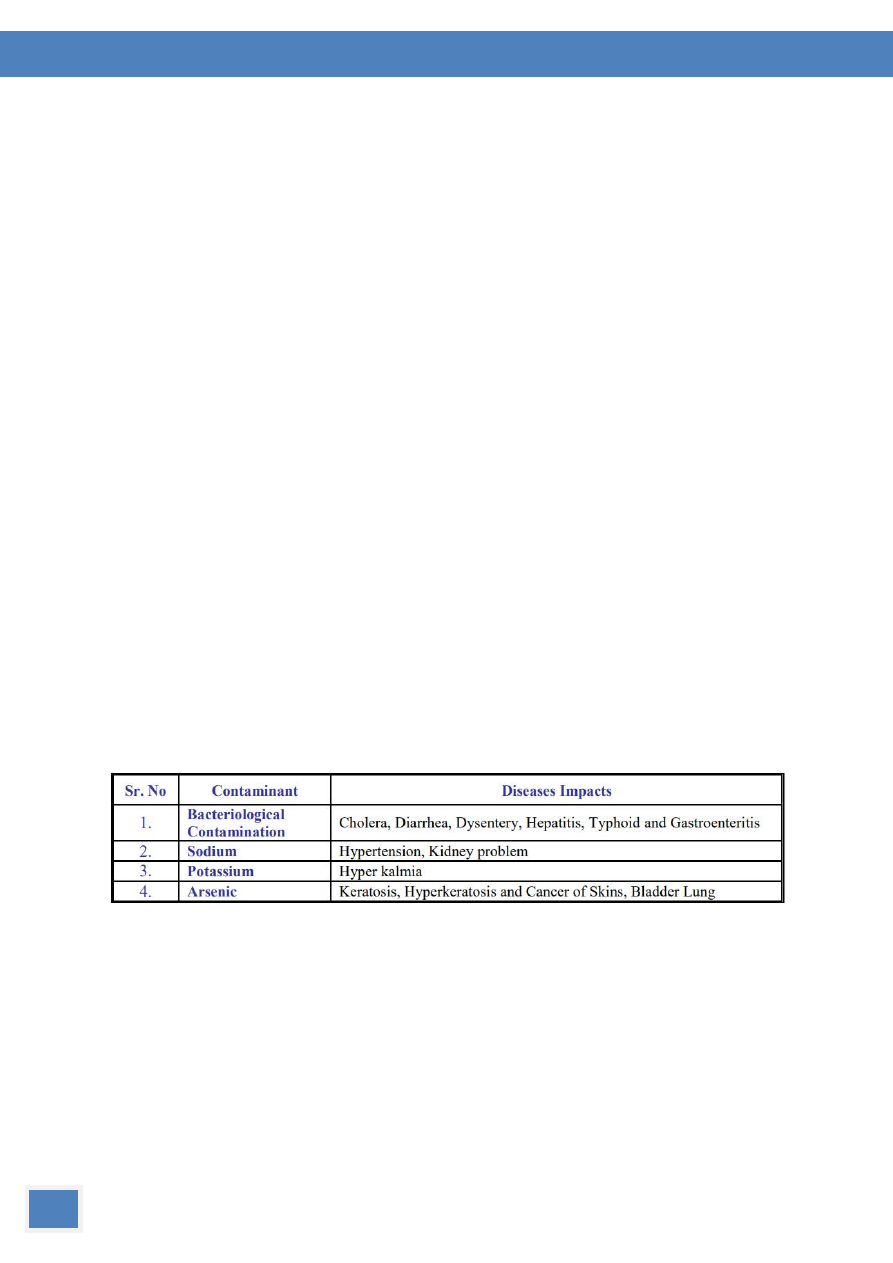
Diseases caused by the contaminants found in unsafe brands declared by PCRWR.
Source (for present and previous PCRWR bottled water reports):
https://pcrwr.gov.pk/bottled-water/

Technology Roundup
6
Meta Introduces Special Initiatives for Online Safety of Women in Pakistan
Meta has launched two new initiatives in Pakistan, focused on womens’ safety online that
includes the Online Safety Guide and StopNCII (Non consensual intimate images) to help
users to safely navigate cyberspace.
The critical safety advisory available in English and Urdu is expected to boost digital literacy
and responsible online behaviour amongst users, thereby creating safer online spaces for
women to connect and express themselves without restraints.
The safety guide, now available at Meta’s Safety Centre, is part of the company’s efforts to
equip and prepare users for the challenges of the modern digital world. Millions of people in
Pakistan use Meta platforms to connect and pursue shared interests. However, it is always
good to update oneself on issues around online harassment, unwanted messages and a range
of fraudulent and criminal activities in the online space.
Meta has policies and systems in place to tackle online violence against women, aided by
awareness programs to enable and empower them to defend themselves against unscrupulous
elements online.
Meta has localised StopNCII into an Urdu portal as well that can be used by users concerned
for their online safety and privacy to initiate a case. Once the case is initiated, Meta can
proactively block the spread of the compromising images and videos before they can spread
online. The technology doesn’t require the images to leave the person’s device, instead only
the hash or numerical code is shared with the platform.
Meta’s partner organisation in Pakistan, Digital Rights Foundation (DRF) organised an online
roundtable in connection with the launch of the StopNCII portal in Urdu. The participants of
the roundtable included representatives from civil society organizations,, regional experts
from Meta, digital experts and rights activists.
Source and photo credit:
https://www.techjuice.pk/meta-introduces-special-initiatives-for-
Technology Roundup
7
Honey Holds Potential for Making Brain-like Computer Chips
Washington State University (WSU) engineers have demonstrated one way to make them
more organic too. In a study published in Journal of Physics D, the researchers show that
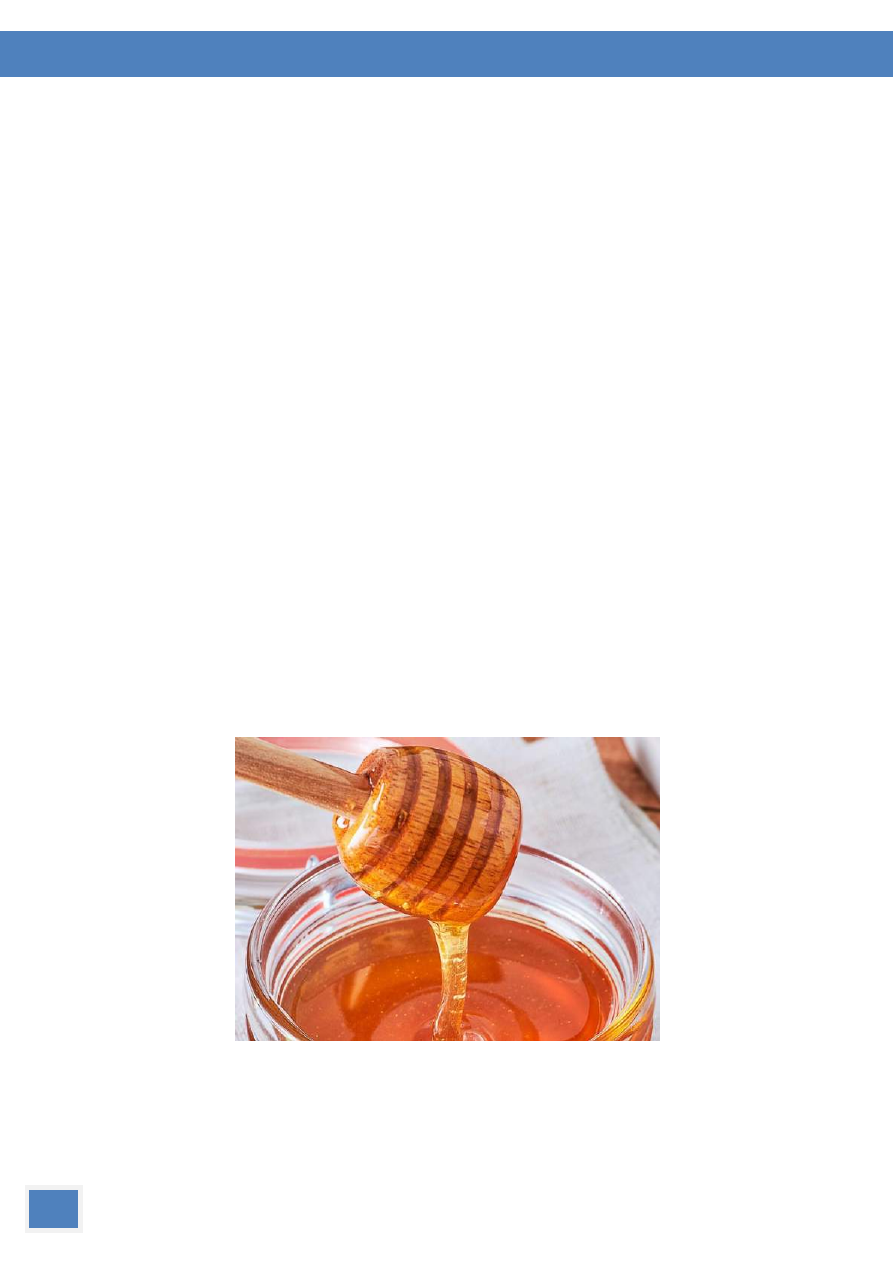
honey can be used to make a memristor, a component similar to a transistor that can not only
process but also store data in memory. “This is a very small device with a simple structure,
but it has very similar functionalities to a human neuron,” said Feng Zhao, associate professor
of WSU’s School of Engineering and Computer Science and corresponding author on the
study.“ This means if we can integrate millions or billions of these honey memristors
together, then they can be made into a neuromorphic system that functions much like a
human brain.” For the study, Zhao and first author Brandon Sueoka, a WSU graduate student
in Zhao’s lab, created memristors by processing honey into a solid form and sandwiching it
between two metal electrodes, making a structure similar to a human synapse. They then
tested the honey memristors’ ability to mimic the work of synapses with high switching on
and off speeds of 100 and 500 nanoseconds respectively. The memristors also emulated the
synapse functions known as spike-timing dependent plasticity and spike-rate dependent
plasticity, which are responsible for learning processes in human brains and retaining new
information in neurons.
The honey memristor chips developed at WSU should tolerate the lower levels of heat
generated by neuromorphic systems which do not get as hot as traditional computers. The
honey memristors will also cut down on electronic waste.
Photo credit: Mariana Ibanez on Unsplash
Source:
https://news.wsu.edu/press-release/2022/04/05/honey-holds-potential-for-making-
Technology Roundup
8
Scientists Achieve Record Efficiency for Ultra-thin Solar Panels
A team co-led team by the University of Surrey has successfully increased the levels of
energy absorbed by wafer-thin photovoltaic panels by 25%.
Their solar panels, just one micrometer thick (1μm), convert light into electricity more
efficiently than others as thin and pave the way to make it easier to general more clean, green
energy. In a paper published in the American Chemical Society’s Photonics journal, the team
detail how they used characteristics of sunlight to design a disordered honeycomb layer
which lies on top of a wafer of silicon. Their approach is echoed in nature in the design of
butterfly wings and bird eyes. The innovative honeycomb design enables light absorption
from any angle and traps light inside the solar cell, enabling more energy to be generated
Marian Florescu from the University of Surrey’s Advanced Technology Institute (ATI) said,
“One of the challenges of working with silicon is that nearly a third of light bounces straight
off it without being absorbed and the energy harnessed. A textured layer across the silicon
helps tackle this and our disordered, yet hyperuniform, honeycomb design is particularly
successful.”
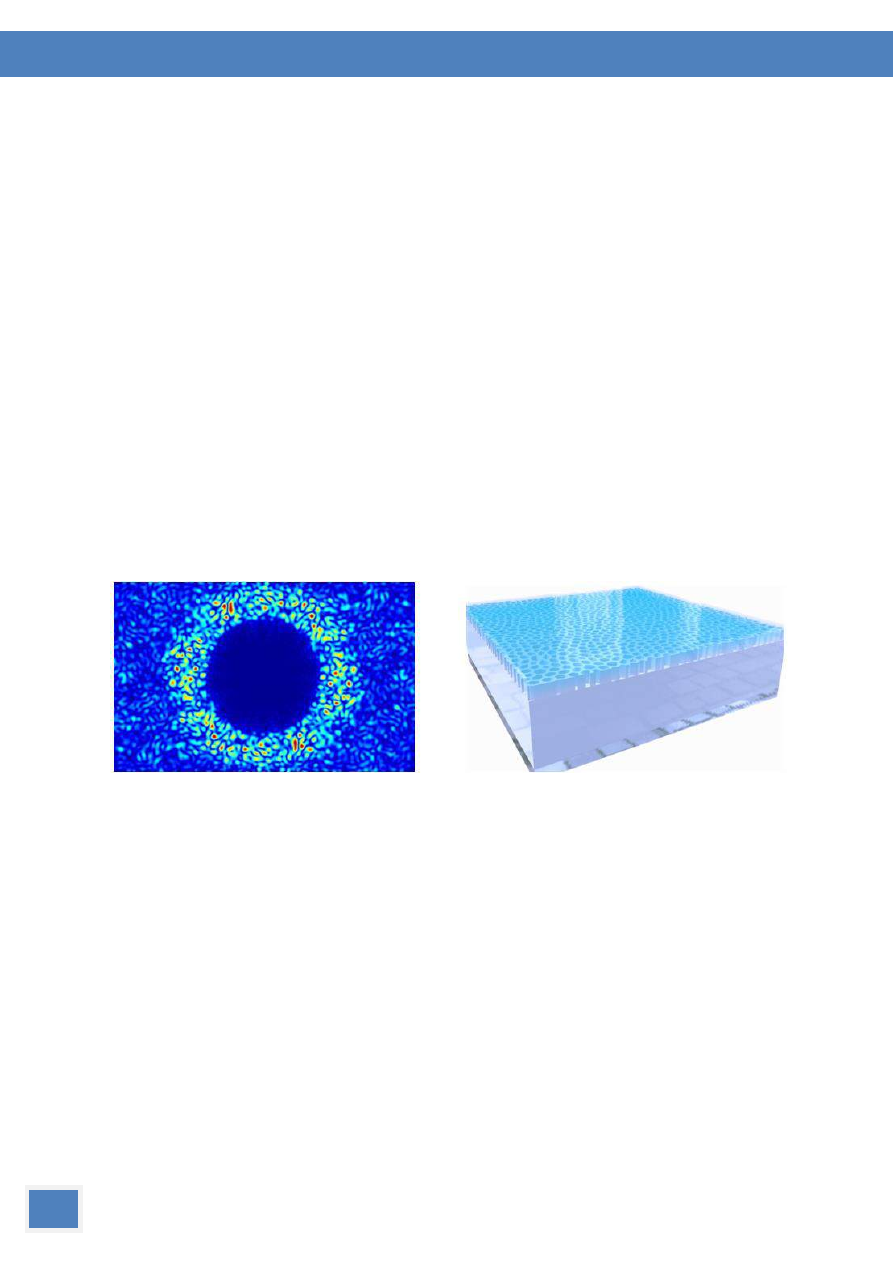
A
B
A: Light scattering from a thin silicon membrane absorbing 65% of sunlight. B: The thin silicon membrane uses
a disordered honeycomb layer to maximize the absorption of sunlight (Credit: University of Surrey)
In the laboratory, they achieved absorption rates of 26.3 mA/cm2, a 25% increase on the
previous record of 19.72 mA/cm2 achieved in 2017. They secured an efficiency of 21% but
anticipate that further improvements will push the figure higher, resulting in efficiencies that
are significantly better than many commercially available photovoltaics. As well as
benefiting solar power generation, the findings could also benefit other industries where light
management and surface engineering are crucial, for example, photo-electrochemistry, solid-
state light emission and photodetectors.
Source and photo credit:
https://www.surrey.ac.uk/news/scientists-achieve-record-efficiency-
Technology Roundup
9
Researchers have made Tiny ‘Skyscrapers’ for Communities of Bacteria,
Helping them to Generate Electricity from just Sunlight and Water
The researchers, from the University of Cambridge, used 3D printing to create grids of high-
rise ‘nano-housing’ where sun-loving bacteria can grow quickly. The researchers were then
able to extract the bacteria’s waste electrons, left over from photosynthesis, which could be
used to power small electronics. Other research teams have extracted energy from
photosynthetic bacteria, but the Cambridge researchers have found that providing them with
the right kind of home increases the amount of energy they can extract by over an order of
magnitude. The approach is competitive against traditional methods of renewable bioenergy
generation and has already reached solar conversion efficiencies that can outcompete many
current methods of biofuel generation. Current renewable technologies, such as silicon-based
solar cells and biofuels, are far superior to fossil fuels in terms of carbon emissions, but they
also have limitations, such as a reliance on mining, challenges in recycling, and a reliance on
farming and land use, which results in biodiversity loss.
“Our approach is a step towards making even more sustainable renewable energy devices for
the future,” said Dr Jenny Zhang from the Yusuf Hamied Department of Chemistry, who led
the research. Zhang and her colleagues from the Department of Biochemistry and the
Department of Materials Science and Metallurgy are working to rethink bioenergy into
something that is sustainable and scalable. Photosynthetic bacteria, or cyanobacteria, are the
most abundant life from on Earth. For several years, researchers have been attempting to‘re-
wire’ the photosynthesis mechanisms of cyanobacteria in order to extract energy from them.
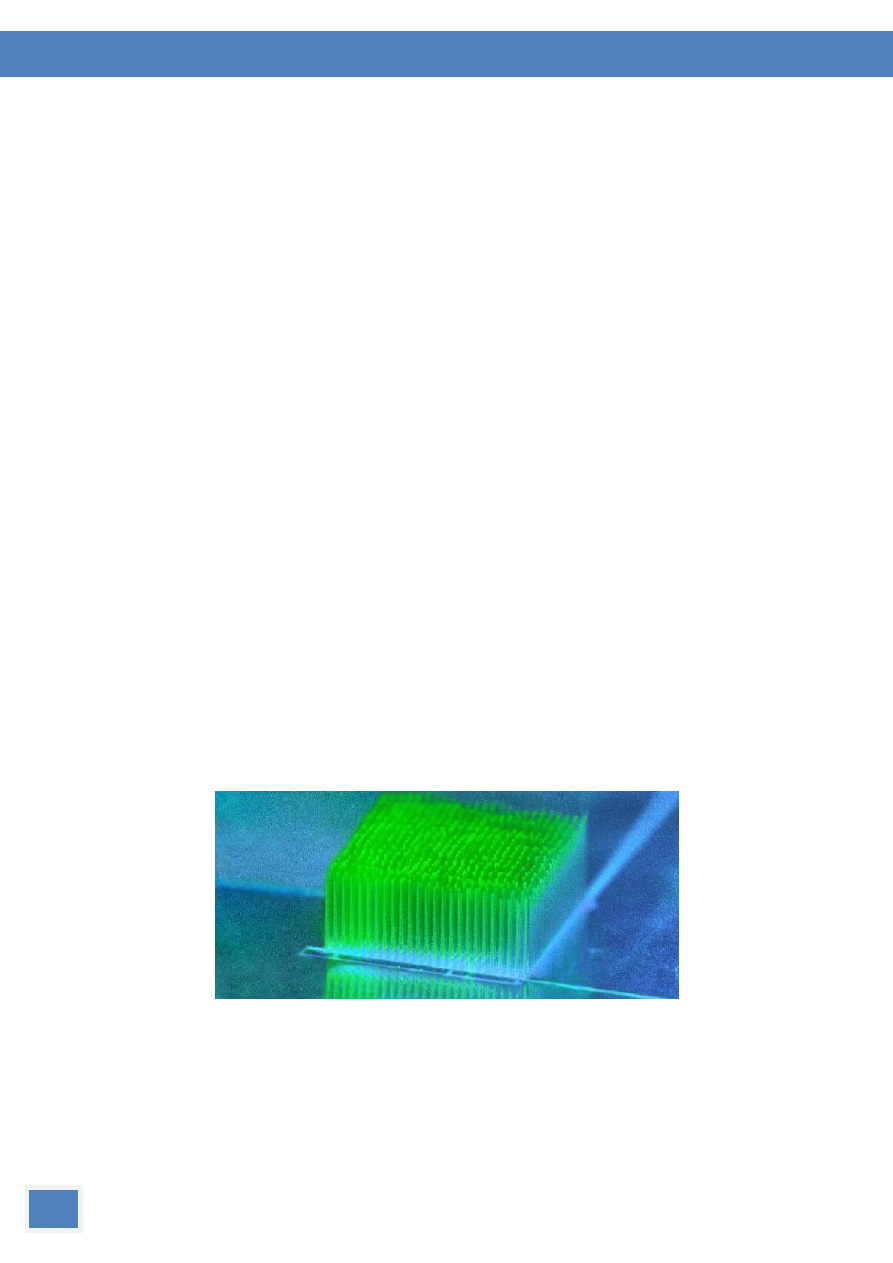
Image credit: (
https://www.cam.ac.uk/research/news/tiny-skyscrapers-help-bacteria-convert-sunlight-into-
Source:
https://www.cam.ac.uk/research/news/tiny-skyscrapers-help-bacteria-convert-

Technology Roundup
10
AI Predicts If And When Someone will Experience Cardiac Arrest
An algorithm built to assess scar patterns in patient heart tissue can predict potentially life-
threatening arrhythmias more accurately than doctors can.
A new artificial intelligence-based approach can predict if and when a patient could die of
cardiac arrest. The technology, built on raw images of patient's diseased hearts and patient
backgrounds, significantly improves on doctor's predictions and stands to revolutionize
clinical decision making and increase survival from sudden and lethal cardiac arrhythmias,
one of medicine's deadliest and most puzzling conditions. "Sudden cardiac death caused by
arrhythmia accounts for as many as 20% of all deaths worldwide and we know little about
why it's happening or how to tell who's at risk," said senior author Natalia Trayanova, a
professor of biomedical engineering and medicine. "There are patients who may be at low
risk of sudden cardiac death getting defibrillators that they might not need and then there are
high-risk patients that aren't getting the treatment they need and could die in the prime of
their life. What our algorithm can do is determine who is at risk for cardiac death and when it
will occur, allowing doctors to decide exactly what needs to be done."
The deep learning technology is called Survival Study of Cardiac Arrhythmia Risk, or
SSCAR. The name alludes to cardiac scarring caused by heart disease that often results in
lethal arrhythmias, and the key to the algorithm's predictions. The team used contrast-
enhanced cardiac images that visualize scar distribution from hundreds of real patients at
Johns Hopkins Hospital with cardiac scarring to train an algorithm to detect patterns and
relationships not visible to the naked eye. Current clinical cardiac image analysis extracts
only simple scar features like volume and mass, severely underutilizing what's demonstrated
in this work to be critical data.
Source and image credit:
https://hub.jhu.edu/2022/04/07/trayanova-artificial-intelligence-

Technology Roundup
11
Bacteria Generate Electricity from Methane
Generating power while purifying the environment of greenhouse gases should be achievable
using bacteria. In a new publication, microbiologists from Radboud University have
demonstrated that it is possible to make methane-consuming bacteria generate power in the
lab.
The bacteria,
Candidatus
Methanoperedens, use methane to grow and naturally occur in fresh
water such as ditches and lakes. In the Netherlands, the bacteria mostly thrive in locations
where the surface and groundwater are contaminated with nitrogen, as they require nitrate to
break down methane.
The researchers initially wanted to know more about the conversion processes occurring in
the microorganism. In addition, they were also curious whether it would be possible to use it
to generate power. "This could be very useful for the energy sector," says microbiologist and
author Cornelia Welte. "In the current biogas installations, methane is produced by
microorganisms and subsequently burnt, which drives a turbine, thus generating power. Less
than half of the biogas is converted into power, and this is the maximum achievable capacity.
We want to evaluate whether we can do better using microorganisms."
Fellow microbiologists from Nijmegen have previously shown that it is possible to generate
power using anammox bacteria that use ammonium during the process instead of methane.
"The process in these bacteria is basically the same," says microbiologist Heleen Ouboter.
"We create a kind of battery with two terminals, where one of these is a biological terminal
and the other one is a chemical terminal. We grow the bacteria on one of the electrodes, to
which the bacteria donate electrons resulting from the conversion of methane."
Source and image credit:
https://www.ru.nl/english/news-agenda/news/vm/iwwr/2022/bacteria-generate-electricity-

Technology Roundup
12
New type of Ultraviolet Light Makes Indoor Air as Safe as Outdoors
A new type of ultraviolet light that is safe for people took less than five minutes to reduce the
level of indoor airborne microbes by more than 98%, a joint study by scientists at Columbia
University Vagelos College of Physicians and Surgeons and in the U.K. has found. Even as
microbes continued to be sprayed into the room, the level remained very low as long as the
lights were on. The study suggests that far-UVC light from lamps installed in the ceiling
could be a highly effective passive technology for reducing person-to-person transmission of
airborne-mediated diseases such as COVID and influenza indoors, and lowering the risk of
the next pandemic. "Far-UVC rapidly reduces the amount of active microbes in the indoor air
to almost zero, making indoor air essentially as safe as outdoor air," says David Brenner,
PhD, director of the Center for Radiological Research at Columbia University Vagelos
College of Physicians and Surgeons and co-author of the study. Using this technology in
locations where people gather together indoors could prevent the next potential pandemic.
"Far-UVC light is simple to install, it's inexpensive, it doesn't need people to change their
behavior, and above all it's a safe way to prevent the transmission of any virus, including the
COVID virus and its variants, as well as influenza and also any potential future pandemic
viruses," Brenner says.
A: Problem
B: Solution
When indoor, people produce virus in the air that others can breathe in (A). Far-UVC light in the ceiling can
safely and quickly inactivate almost all the airborne virus (B).
Source and photo credit:
https://www.cuimc.columbia.edu/news/new-type-ultraviolet-light-
Technology Roundup
13
Real-time Ultrafast Humidity Sensing Optical Sensor
A research team develops a real-time humidity sensing optical sensor. The response time of
the new sensor is 10,000 times faster than the conventional sensors and can be mass-
produced at low cost. The Hercules beetle native to South America has a fascinating trait of
changing its shell colors depending on the external humidity conditions. This is because the
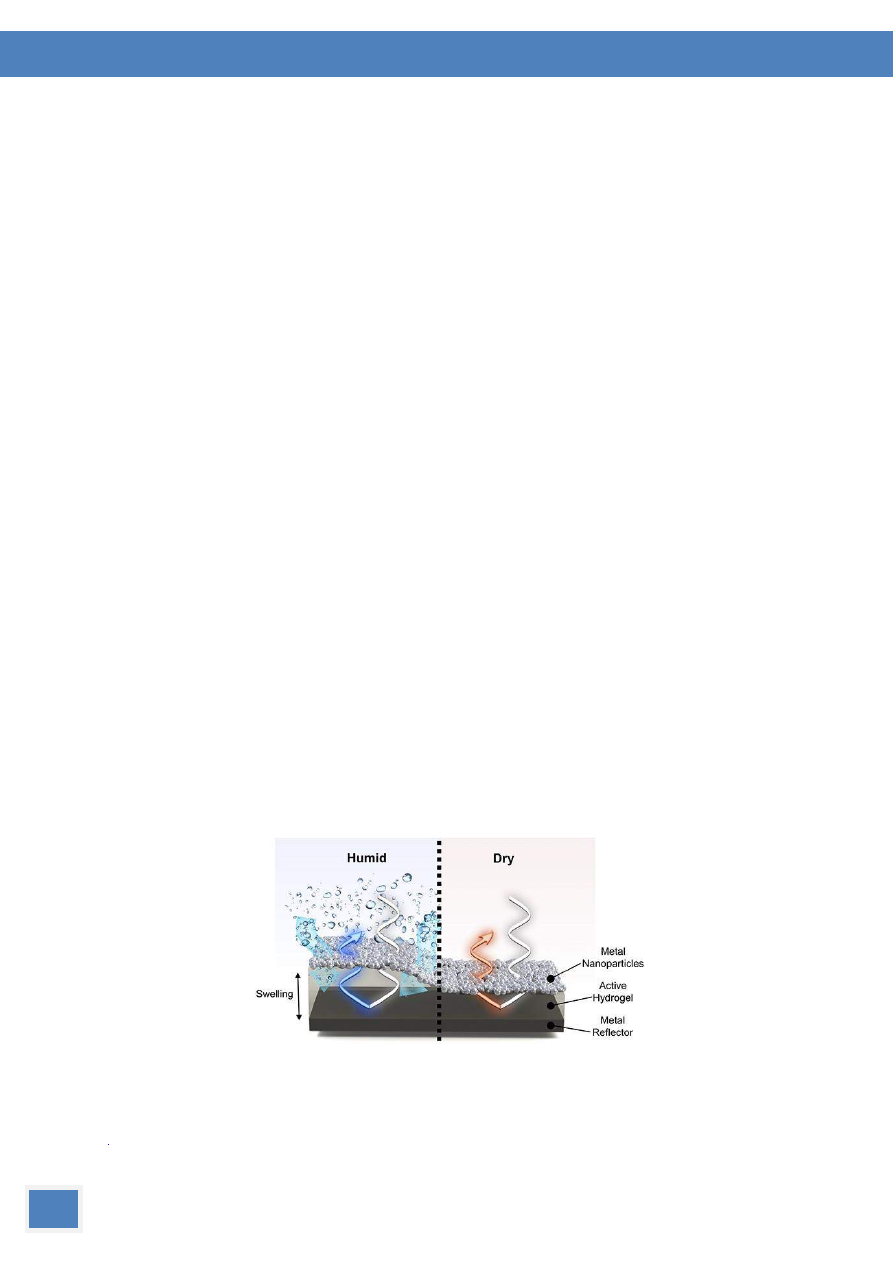
inside of the beetle's shell consists of porous lattice structure with square holes. When light of
particular wavelengths hits the shell, it reflects them and displays different colors; and these
wavelengths change depending on the humidity. Recently, a sensor that changes colors
depending on the humidity like this beetle with 10,000 times faster speed than the
conventional optical sensors has been proposed.
A POSTECH research team led by Professor Junsuk Rho (Department of Chemical
Engineering and Department of Mechanical Engineering) and Ph.D. candidates Chunghwan
Jung and Jaehyuck Jang (Department of Chemical Engineering) with others has developed an
ultrafast humidity-responsive colorimetric sensor.
Sensors using light are already being used in our daily lives, for electrocardiogram and air
quality measurement. These sensors use light to detect changes in their surroundings and
convert them into digital signals. "This new humidity sensor is special in that it allows
scalability of production at low cost even though nanomaterials and nanostructures were
used," explained Professor Rho who led the study. "Introducing the humidity-responsive
color pixels into security codes enables application toward security tags for humidity-
sensitive electronic devices, banknotes, passports, and ID cards.This study was conducted
with the support from the Samsung Research Funding & Incubation Center for Future
Technology.
Schematic diagram and the principle behind ultrafast full-color colorimetric humidity sensor.
Source and photo credit:
https://www.postech.ac.kr/eng/real-time-ultrafast-humidity-sensing-
Technology Roundup
14
Robot that Seems to Convey Emotion While Reading
Researchers at the University of Tsukuba create a handheld social robot that can appear to
convey emotions by shifting an internal weight while reading out text messages, which may
help improve digital interpersonal interactions.
Tsukuba, Japan—Scientists from the Faculty of Engineering, Information and Systems at the
University of Tsukuba devised a text message mediation robot that can help users control
their anger when receiving upsetting news. This device may help improve social interactions
as we move towards a world with increasingly digital communications.
While a quick text message apology is a fast and easy way for friends to let us know they are
going to be late for a planned meet up, it is often missing the human element that would
accompany an explanation face-to-face, or even over the phone. It is likely to be more
upsetting when we are not able to perceive the emotional weight behind our friends' regret at
making us wait. Now, researchers at the University of Tsukuba have built a handheld robot
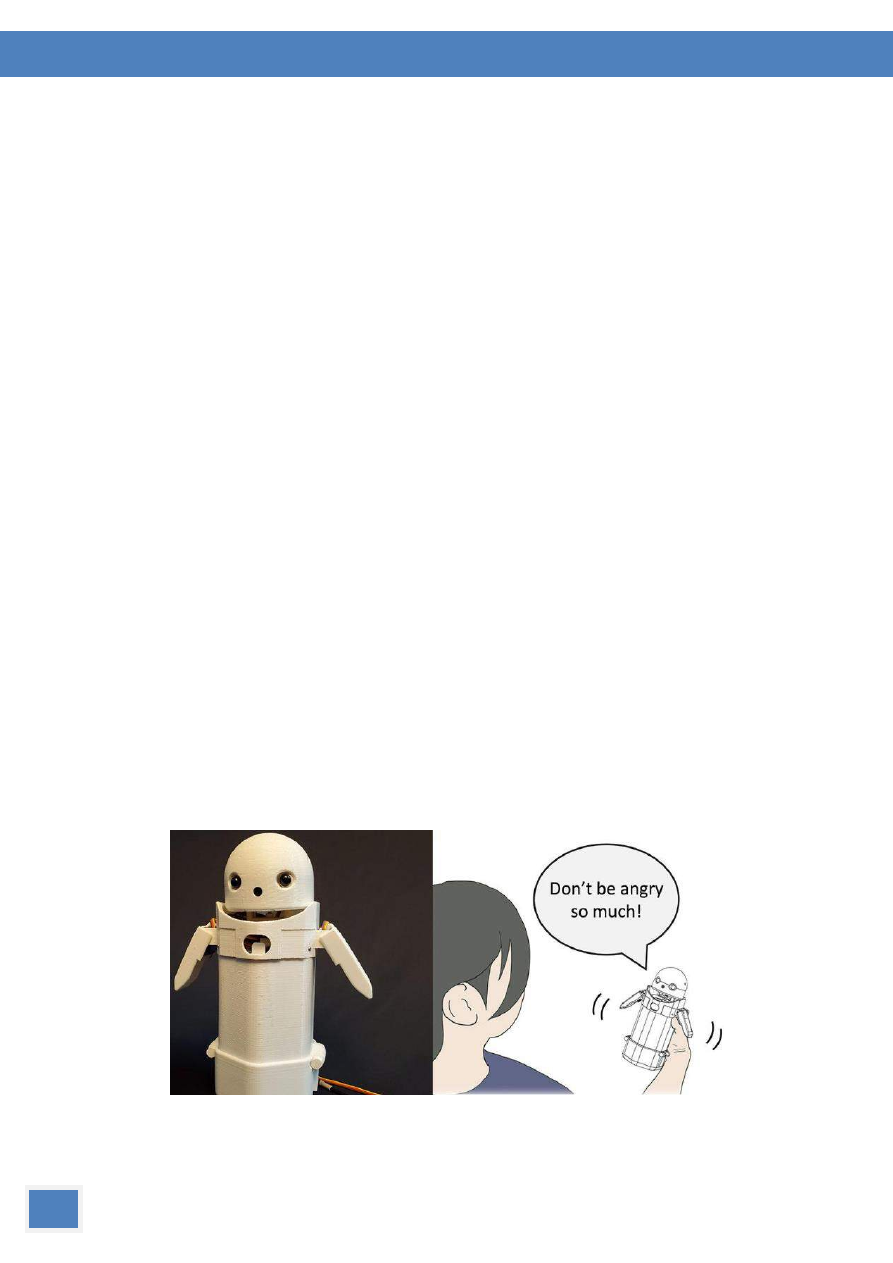
they called OMOY, which was equipped with a movable weight actuated by mechanical
components inside its body.
By shifting the internal weight, the robot could express simulated emotions. The robot was
deployed as a mediator for reading text messages. A text with unwelcome or frustrating news
could be followed by an exhortation by OMOY to not get upset, or even sympathy for the
user. "With the medium of written digital communication, the lack of social feedback redirect
focus from the sender and onto the content of the message itself," author Professor Fumihide
Tanaka says. The mediator robot was designed so that it can suppress the user's anger and
other negative interpersonal motivations, such as thoughts of revenge, and instead fostered
forgiveness.
Schematic working demonstration of OMOY
Source and photo credit:
https://www.tsukuba.ac.jp/en/research-news/20220301141500.html
Technology Roundup
15
A New Heat Engine with no Moving parts is as Efficient as a Steam Turbine
Engineers at Massachusetts Institute of Technology (MIT) and the National Renewable
Energy Laboratory (NREL) have designed a heat engine with no moving parts. Their new
demonstrations show that it converts heat to electricity with over 40 percent efficiency — a
performance better than that of traditional steam turbines.
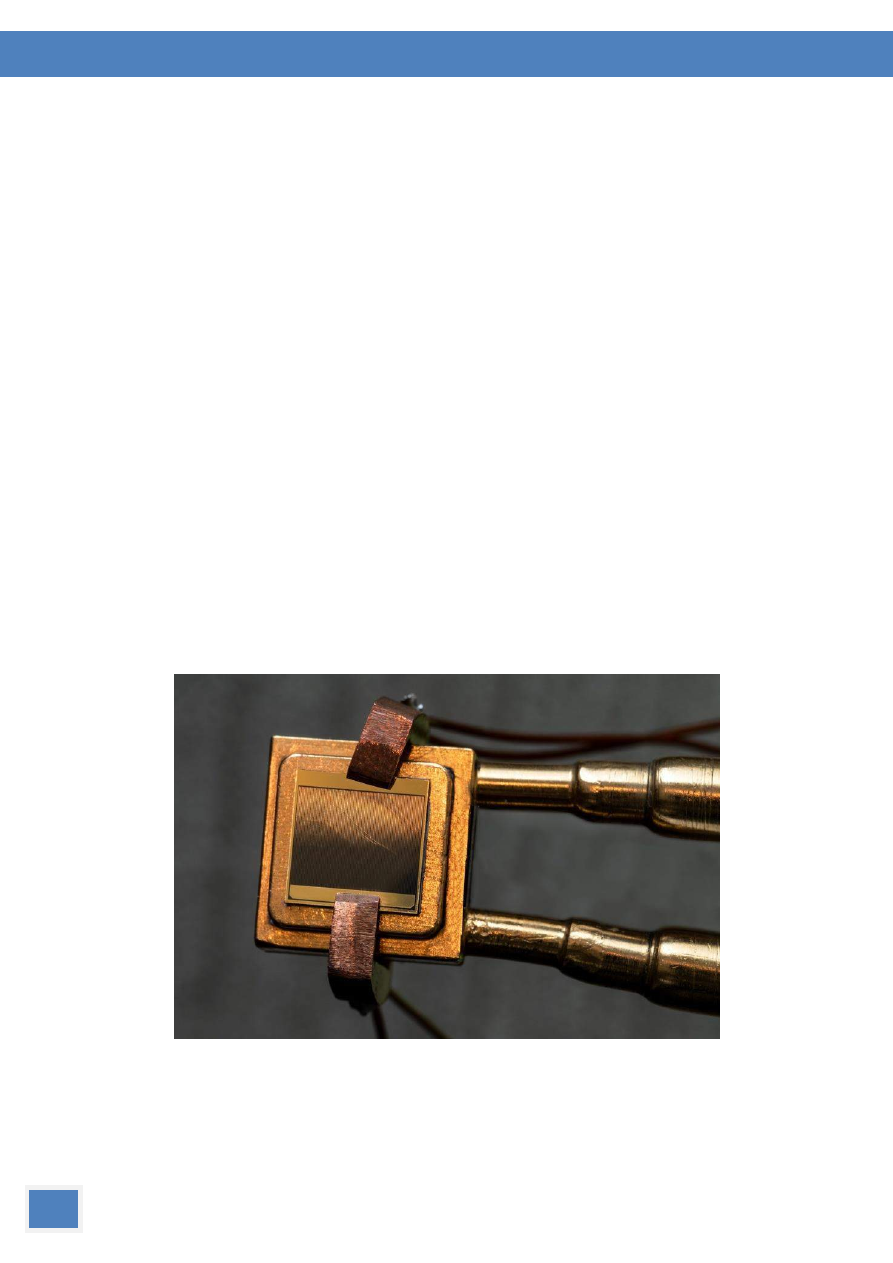
The heat engine is a thermophotovoltaic (TPV) cell, similar to a solar panel’s photovoltaic
cells, that passively captures high-energy photons from a white-hot heat source and converts
them into electricity. The team’s design can generate electricity from a heat source of
between 1,900 to 2,400 degrees Celsius, or up to about 4,300 degrees Fahrenheit.
The researchers plan to incorporate the TPV cell into a grid-scale thermal battery. The system
would absorb excess energy from renewable sources such as the sun and store that energy in
heavily insulated banks of hot graphite. When the energy is needed, such as on overcast days,
TPV cells would convert the heat into electricity, and dispatch the energy to a power grid.
With the new TPV cell, the team has now successfully demonstrated the main parts of the
system in separate, small-scale experiments. They are working to integrate the parts to
demonstrate a fully operational system. From there, they hope to scale up the system to
replace fossil-fuel-driven power plants and enable a fully decarbonized power grid, supplied
entirely by renewable energy.
A thermophotovoltaic (TPV) cell (size 1 cm x 1 cm) mounted on a heat sink designed to measure the TPV cell
efficiency. To measure the efficiency, the cell is exposed to an emitter and simultaneous measurements of
electric power and heat flow through the device are taken.
Source and photo credit:

Technology Roundup
16
Engineered Crystals could Help Computers Run on Less Power
Computers may be growing smaller and more powerful, but they require a great deal of
energy to operate. The total amount of energy the U.S. dedicates to computing has risen
dramatically over the last decade and is quickly approaching that of other major sectors, like
transportation. In a study published online this week the journal
Nature
, University of
California, Berkeley, engineers describe a major breakthrough in the design of a component
of transistors -- the tiny electrical switches that form the building blocks of computers -- that
could significantly reduce their energy consumption without sacrificing speed, size or
performance. The component, called the gate oxide, plays a key role in switching the
transistor on and off.
"We have been able to show that our gate-oxide technology is better than commercially
available transistors: What the trillion-dollar semiconductor industry can do today -- we can
essentially beat them," said study senior author Sayeef Salahuddin, the TSMC Distinguished
professor of Electrical Engineering and Computer Sciences at UC Berkeley. This boost in
efficiency is made possible by an effect called negative capacitance, which helps reduce the
amount of voltage that is needed to store charge in a material. Salahuddin theoretically
predicted the existence of negative capacitance in 2008 and first demonstrated the effect in a
ferroelectric crystal in 2011. "In the last 10 years, the energy used for computing has
increased exponentially, already accounting for single digit percentages of the world's energy
production, which grows only linearly, without an end in sight," Salahuddin said. "Usually,
when we are using our computers and our cell phones, we don't think about how much energy
we are using. But it is a huge amount, and it is only going to go up. Our goal is to reduce the
energy needs of this basic building block of computing, because that brings down the energy
needs for the entire system."
https://news.berkeley.edu/2022/04/07/engineered-crystals-could-

Technology Roundup
17
New Technology to Make Charging Electric Cars as Fast as Pumping Gas
Unlike traditional cars which derive energy from the combustion of hydrocarbon fuels,
electric vehicles rely on batteries as the storage medium for their energy. Gradual
improvement in battery technologies eventually allowed the drive ranges of electric cars to be
within acceptable levels in comparison to gasoline-burning cars. Despite the vast
improvements in battery technology, today consumers of electric vehicles face another
difficulty – slow battery charging speed. This creates additional costs and inconvenience to
the customers. To address this problem, scientists looked for answers in the mysterious field
of quantum physics. Their search has led to the discovery that quantum technologies may
promise new mechanisms to charge batteries at a faster rate. This is particularly exciting as
modern large-capacity batteries can contain numerous cells. Such collective charging is not
possible in classical batteries, where the cells are charged in parallel independently of one
another. The advantage of this collective versus parallel charging can be measured by the
ratio called the ‘quantum charging advantage’. Recently, scientists from the Center for
Theoretical Physics of Complex Systems within the Institute for Basic Science (IBS) further
explored these questions. The group went further to pinpoint the exact source of this
advantage while ruling out any other possibilities and even provided an explicit way of
designing such batteries. In addition, the group was able to precisely quantify how much
charging speed can be achieved in this scheme. While the maximum charging speed increases
linearly with the number of cells in classical batteries, the study showed that quantum
batteries employing global operation can achieve quadratic scaling in charging speed. To
illustrate this, we will consider a typical electric vehicle with a battery that contains about 200
cells. Employing this quantum charging would lead to a 200 times speedup over classical
batteries, which means that at home charging time would be cut from 10 hours to about 3
minutes. At high-speed charging stations, the charge time would be cut from 30 minutes to
mere seconds.
Source and photo credit:
https://www.ibs.re.kr/cop/bbs/BBSMSTR_000000000738/selectBoardArticle.do?nttId=2113

Technology Roundup
18
FORTHCOMING TECH EVENTS
PAKISTAN
2
nd
International Conference on Physics
May 17-18, 2022, Air University, Islamabad
One day International Conference on Chemical and Material Sciences
May 21
st
2022, Lahore
https://uol.edu.pk/event/international-conference-on-chemical-and-material-sciences/
7
th
International Conference on Climate Smart Agriculture: Innovations and Adaptations
June 15-17, 2022, Rawalakot
Workshop on Synthesis & Characterization of Functional Ceramics & Composites
June 27-29, 2022, Islamabad
INTERNATIONAL
International Conference on Engineering & Technology (ICET-22)
26
th
May, 2022, Chicago, USA.
https://iser.org.in/conf/index.php?id=1528752
4
th
International Conference on Research in Engineering, Technology and Science (ICRETS)
July 01 - 04, 2022, Baku, Azerbaijan
The 22
nd
International Conference on Computational Science and its Applications
July 4-7, 2022, Malanga, Spain.
Improving Evaluations of R&D in STEM Education 2022
July 11-15, 2022, Chicago, USA.
https://www.ipr.northwestern.edu/events/workshops-training/improving-evaluations-2022.html
1
st
European Conference on Engineering & Technology
July 25-30, 2022, Paris, France.
23
rd
IEEE International Conference on Industrial Technology
August 22-25, 2022, Shanghai, China.
DevRes 2022 Transforming Development Research for Sustainability
August 22-25, 2022, Sweden.
Technology Roundup
19
TECH AND TRADE OFFERS
FineTech
About FineTech
Our water purification solutions are cleaner,
greener and more responsive to environmental
priorities. FineTech systems purify water for
biopharmaceutical firms, for oil and gas
producers, for defense services, for municipal
utilities, for food and beverage companies. As
we work with those who make life better, we
work in ways that preserve and enhance the
environment.
Our products
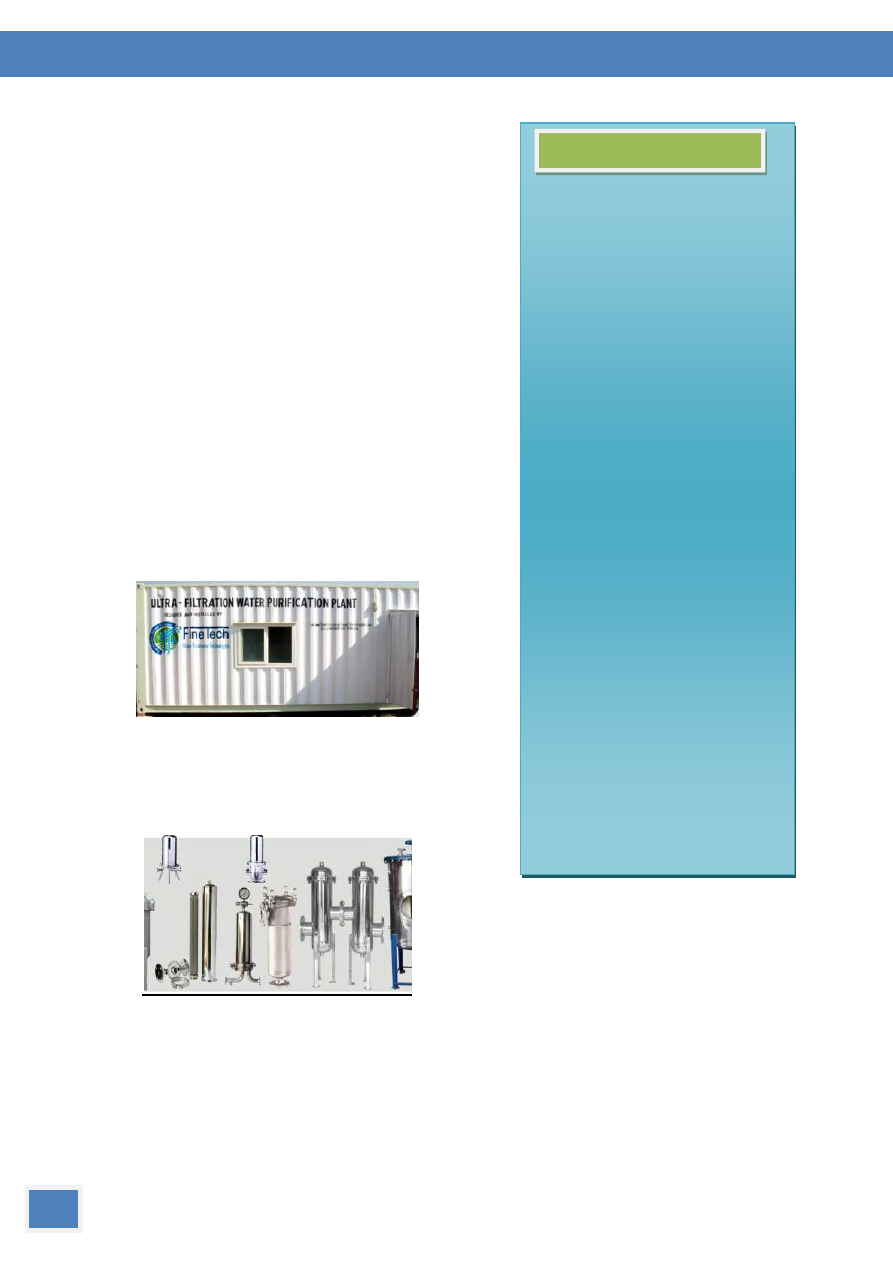
Containerized Ultra Filtration
FineTech offers small and medium size
Containerized Reverse Osmosis and Ultra
Filtration Plants enclosed in transportable
containers. Container can be kept in ‘Lock and
Key’ to avoid tampering by unauthorized
persons.
Cartridge Filters & Housings
FineTech Water Treatment Technologies offer
a complete range of cartridge filtration
products, designed to meet the needs of
highest purity applications.
Contact us:
Address:C-1, Shazco Center, Main University
Road, Karachi Pakistan.
Cell: +92 333 3399184
Email:
http://finetech.com.pk/about-us/
Please give us your feedback and address
queries to tis.pastic@gmail.com
PASTIC serves as a gateway for
Scientific & Technological
Information for R&D by catering
to the information needs of
researchers, entrepreneurs,
industrialists, educationists, policy
makers and planners through
anticipatory and responsive
information services.
Technology Information Section
works exclusively for support and
promotion of technological
information on trade and industry
in the country.
“Technology Roundup” is a news
bulletin that provides latest and
innovative technology news,
forthcoming events, etc. It also
promotes products, technologies
and services globally in sectors
such as Agro Industry, Bio-
Technology, Building Material,
Business, Chemicals, Electronics,
Energy, Fisheries, Food
Processing, Machinery,
Packaging, Mining,
Pharmaceuticals and Textiles.
About PASTIC