
Executive Editor
Prof. Dr. Muhammad Akram Shaikh
Director General, PASTIC
Dr. Saima Huma Tanveer
Editor
Dr. Syed Aftab Hussain Shah
Composer
Kashif Farooqui
T
ECHNOLOGY
R
OUNDUP
Technology Information Services Section (TIS)
Pakistan Scientific & Technological Information Centre
PASTIC
May-June, 2020
Vol.12 No 3
A NEWS BULLETIN
Tech News Headlines
Tech & Trade Offers
Phone: 051-9248103-4, 9248128
Fax: 051-9248113
Email: tis.pastic@gmail.com
Web: www.pastic.gov.pk
PASTIC National Centre
Quaid-i-Azam University Campus
P.O. Box 1217, Islamabad
Editorial Board
l
PASTIC Develops COVID-19 S&T Information Portal
l
A student from GIKI develops COVID-19 detector using
Artificial Intelligence
l
Do COVID-19 apps Protect your Privacy?
l
Researchers Find Where Stress Lives
l
Geophysicists Find a Much Earlier Birth Date for Tectonic
Plates
l
Artificial intelligence (AI) is Energy-Hungry -- new
Hardware could Curb its Appetite
l
Engineers find neat way to turn waste Carbon Dioxide into
useful Material
Forthcoming Tech Events
l
International Conference on Medical, Biological and
Pharmaceutical Sciences
l
International Conference on Environment and Natural
Sciences
l
International Conference on Education and Social Science
l
International Conference on Rehabilitation Science
l
International Conference on Computer Systems
Engineering and Research
l
International Conference on Science Engineering &
Technology
l
3rd International Conference on Research in Science,
Engineering & Technology
l
International Congress on History of Science and
Technology
Ghazi Engineering
Technology Roundup
2
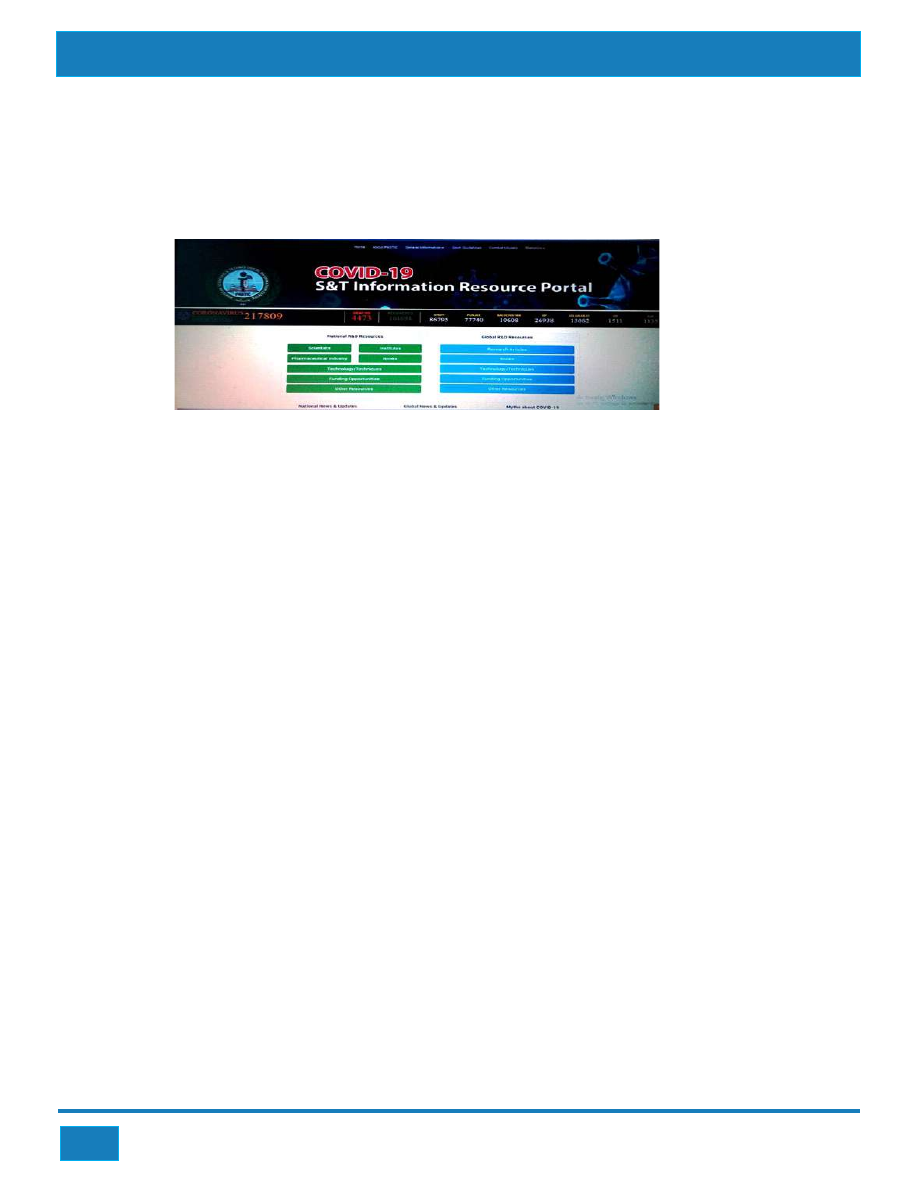
PASTIC DEVELOPS COVID-19 S&T INFORMATION PORTAL
PASTIC as per its mandate of catering the S&T information needs of academia, R&D, industry and general
community has developed a “COVID-19 S&T Information Resource Portal” (an online National Scientific
and Technological Information Source on Coronavirus).
http.Covid.pastic.gov.pk.fundingcovid.aspx
The portal provides latest information on national/international publications (research articles, books and
book-chapters by various publishers); technologies/techniques (testing kits, ventilators, masks, gloves,
medical clothing, disinfectants, sanitizers etc); calls for proposals announced by various funding agencies (to
carryout R&D to cope with the crises); countries; dashboards showing various disease combating models
adopted by different current statistics (confirmed & active cases, deaths and recovered); databases of local
scientist/researchers, institutions and industry (available for R&D in domains of Microbiology,
Biotechnology, Pharmaceutical, Health, Molecular Biology & Genetics, Biochemistry, Virology, Zoology,
Epidemiology, Biomedical and Engineering, etc). Govt. guidelines are also covered to manage the current
situations as well as the general information including symptoms, precautions and treatment etc.
The portal specifically highlights the availability of scientists to conduct research on infectious diseases,
development of vaccines, drugs, and equipment, etc., particularly in the context of COVID-19 pandemic and
its prevention by adopting Triple-Helix Model approach involving Government, Universities, R&D
Institutes, Industries and Funding agencies (HEC, PSF, MoST, IGNITE (MoIT) & DOST, Government of
Khyber Pakhtunkhwa) to cater to the S&T challenges.
Source:
www.covid.pastic.gov.pk.fundingcovid.aspx

Technology Roundup
3
GIKI develops COVID-19 detector using Artificial Intelligence
Muhammad Aleem, a final year student at Ghulam Ishaq Khan Institute, (GIKI), KPK has come up with
an AI-based solution for detecting Coronavirus using chest X-rays. He claims that his AI Corona detector
provides results with 96% accuracy. This news comes as a ray of hope for people who cannot afford
expensive tests for the deadly virus.
While it was found by American College of Radiology (ACR) that chest CT scans can be used to detect
COVID-19, they are quite expensive for common people. However, chest X-rays can be done at any
hospital or nearby dispensary.
Talking about his detector he said, “With certificates in Artificial Intelligence from Stanford, IBM, and
DeepLearning.ai. He intends to apply engineering to the medical field . He used this to diagnose COVID-
19 since Pakistan doesn't have proper resources for that. Neural Networks, a sub-branch of Artificial
Intelligence, was used to develop the detector. He used a dataset of X-ray images of COVID-19 positive
from Dr. Joseph Paul Cohen's GitHub repository and normal cases from Kaggle to train the system.
Neural networks learn to make decisions by assigning weights to different factors and correcting them on
the basis of wrong decisions made in the process.
Using the mentioned dataset, he has been able to achieve 85-90% accuracy. More data will be required to
make the predictions more accurate. Government agencies and medical authorities have been contacted
for the provision of data. The huge X-rays the systems has, the better it will be able to predict positive or
negative cases of COVID-19.
Source:
www.techjuice.pk/a-student-from-giki-develops-covid-19-detector-using-artificial-intelligence

4
Technology Roundup
Do COVID-19 apps Protect your Privacy?
Many mobile apps that track the spread of COVID-19 ask for personal data but don't indicate the information will
be secured or not.
https://www.scmagazine.com/home/security-news/news-archive/coronavirus/global-covid-19-apps-found-
suffering-from-flaws-malicious-copycats/
Mobile apps are helping track the spread of COVID-19 to contain the outbreak, but the apps also raise concerns
about personal privacy.Scientists at the University of Illinois at Urbana-Champaign analyzed 50 COVID-19-
related apps available in the Google Play store for their access to users' personal data and their privacy protections.
They found that most of the apps required access to users' personal data, but only a handful indicated the data
would be anonymous, encrypted and secured. "What is disconcerting is that these apps are continuously collecting
and processing highly sensitive and personally identifiable information, such as health information, location and
direct identifiers (e.g., name, age, email address and voter/national identification)," they wrote in the journal
article. "Governments' use of such tracking technology -- and the possibilities for how they might use it after the
pandemic -- is chilling to many. Notably, surveillance mapping through apps will allow governments to identify
people's travel paths and their entire social networks.”
The functionalities of the COVID-related apps developed around the world include live maps and updates of
confirmed cases, real-time location-based alerts, systems for monitoring home isolation and quarantine, direct
reporting to the government of symptoms and education about COVID-19. Some also offer monitoring of vital
signs, virtual medical consultations and community-driven contact tracing. Of the 50 apps the researchers
evaluated, 30 require users' permission to access data from their mobile devices such as contacts, photos, media,
files, location data, the camera, the device's ID, call information, Wi-Fi connection, microphone, network access,
the Google service configuration and the ability to change network connectivity and audio settings. Some of the
apps state they will collect users' age, email address, phone number and postal code; the device's location, unique
identifiers, mobile IP address and operating system; and the types of browsers used on the device. Only 16 of the
apps indicated such data will be anonymous, encrypted, secured and reported only in aggregate form. Of the apps
sampled, 20 were issued by governments, health ministries and other such official sources. It is not clear if the data
collected by the apps is protected by laws such as the Health Insurance Portability and Accountability Act, and the
U.S. doesn't have a structured privacy framework in place as Europe does, the researchers wrote. They
acknowledged that mass surveillance measures may be necessary to contain the spread of the virus. "Health care
providers must absolutely use whatever means are available to save lives and confine the spread of the virus," they
wrote. "But it is up to the rest, especially those in the field of information privacy and security, to ask the questions
needed to protect the right to privacy.”
Source:
www.sciencedaily.com/releases/2020/06/200608192334.htm
3
5
Technology Roundup
Researchers Find Where Stress Lives
Yale researchers have found a neural home of the feeling of stress people experience, an insight that may help
people deal with the debilitating sense of fear and anxiety that stress can evoke.
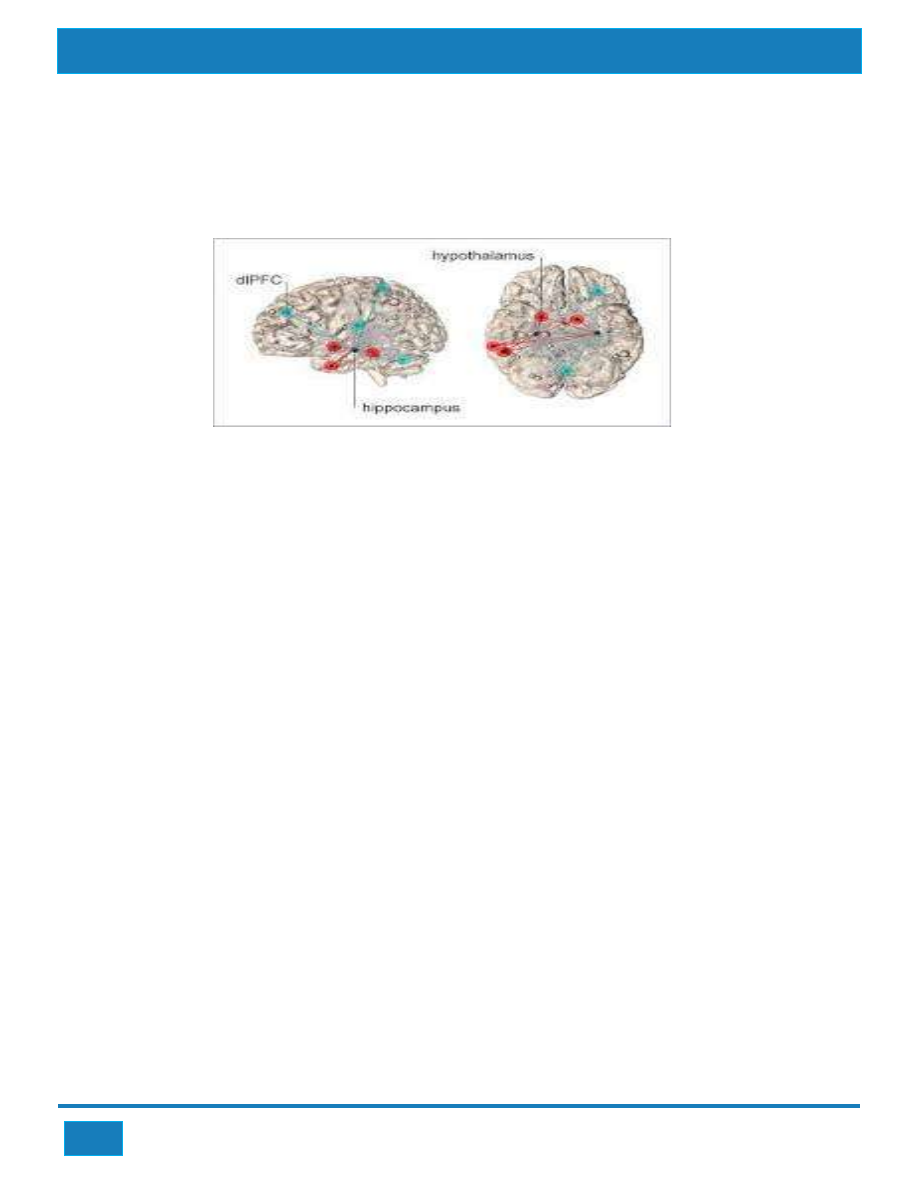
Brain scans of people exposed to highly stressful and troubling images — such as a snarling dog, mutilated faces
or filthy toilets — reveal a network of neural connections emanating throughout the brain from the hippocampus,
an area of the brain that helps regulate motivation, emotion and memory. The brain networks that support the
physiological response to stress have been well studied in animals. Activation of brain areas such as the
hypothalamus triggers production of steroid hormones called glucocorticoids in the face of stress and threats.
But the source of the subjective experience of stress experienced by people during the COVID-19 pandemic, for
instance, has been more difficult to pinpoint. Scientists conducted a series of fMRI scans of subjects who were
asked to quantify their stress levels when presented with troubling images.
The study reveals that neural connections emanating from the hippocampus when viewing these images reached
not only areas of the brain associated with physiological stress responses, but also the dorsal lateral frontal
cortex, an area of the brain involved in higher cognitive functions and regulation of emotions. Scientists found
that when neural connections between the hippocampus and frontal cortex were stronger, subjects reported
feeling less stressed by the troublesome images. Conversely, subjects reported feeling more stressed when the
neural network between the hippocampus and hypothalamus was more active. These findings may help us tailor
therapeutic intervention to multiple targets, such as increasing the strength of the connections from the
hippocampus to the frontal cortex or decreasing the signaling to the physiological stress centers.
Source:
www.laboratoryequipment.com/564731-Researchers-Find-Where-Stress-Lives

6
Technology Roundup
Geophysicists Find a Much Earlier Birth Date for Tectonic Plate
s
Yale geophysicists reported that Earth's ever-shifting, underground network of tectonic plates was firmly in place
more than 4 billion years ago—at least a billion years earlier than scientists generally thought.
Tectonic plates are large slabs of rock embedded in the Earth's crust and upper mantle, the next layer down. The
interactions of these plates shape all modern land masses and influence the major features of planetary geology —
from earthquakes and volcanoes to the emergence of continents. Understanding when plate tectonics started on
Earth has long been a fundamentally difficult problem. As we go back deeper in time, we have fewer geological
records. One promising proxy for determining if tectonic plates were operational is the growth of continents. This
is because the only way to build up a continent-sized chunk of land is for surrounding surface rock to keep sinking
deeply over a long period — a process called subduction that is possible only through plate tectonics.
An evidence of continental growth was found starting as early as 4.4 billion years ago. Scientists devised a
geochemical simulation of the early Earth based on the element argon — an inert gas that land masses emit into
the atmosphere. Argon is too heavy to escape Earth's gravity, so it remains in the atmosphere like a geochemical
ledger. Because of the peculiar characteristics of argon, we can deduce what has happened to the solid Earth by
studying this atmospheric argon. This makes it an excellent bookkeeper of ancient events.” Most of the argon in
Earth's atmosphere is 40Ar — a product of the radioactive decay of 40K (potassium), which is found in the crust
and mantle of continents. The researchers said their model looked at the atmospheric argon that has gradually
accumulated over the history of the planet to determine the age of continental growth.
Part of the challenge in creating their simulation was incorporating the effects of a geological process called
“crustal recycling.” This refers to the cycle by which continental crust builds up, then is eroded into sediments,
and eventually carried back underground by tectonic plate movements — until the cycle renews itself. The
simulation thus had to account for argon gas emissions that were not part of continental growth. “The making of
continental crust is not a one-way process
Source:
www.laboratoryequipment.com/564732-Geophysicists-Find-A-Much-Earlier-Birth-Date-for-Tectonic-
Plates
7
Technology Roundup
Artificial Intelligence (AI) is Energy-Hungry-new Hardware could Curb
its Appetite
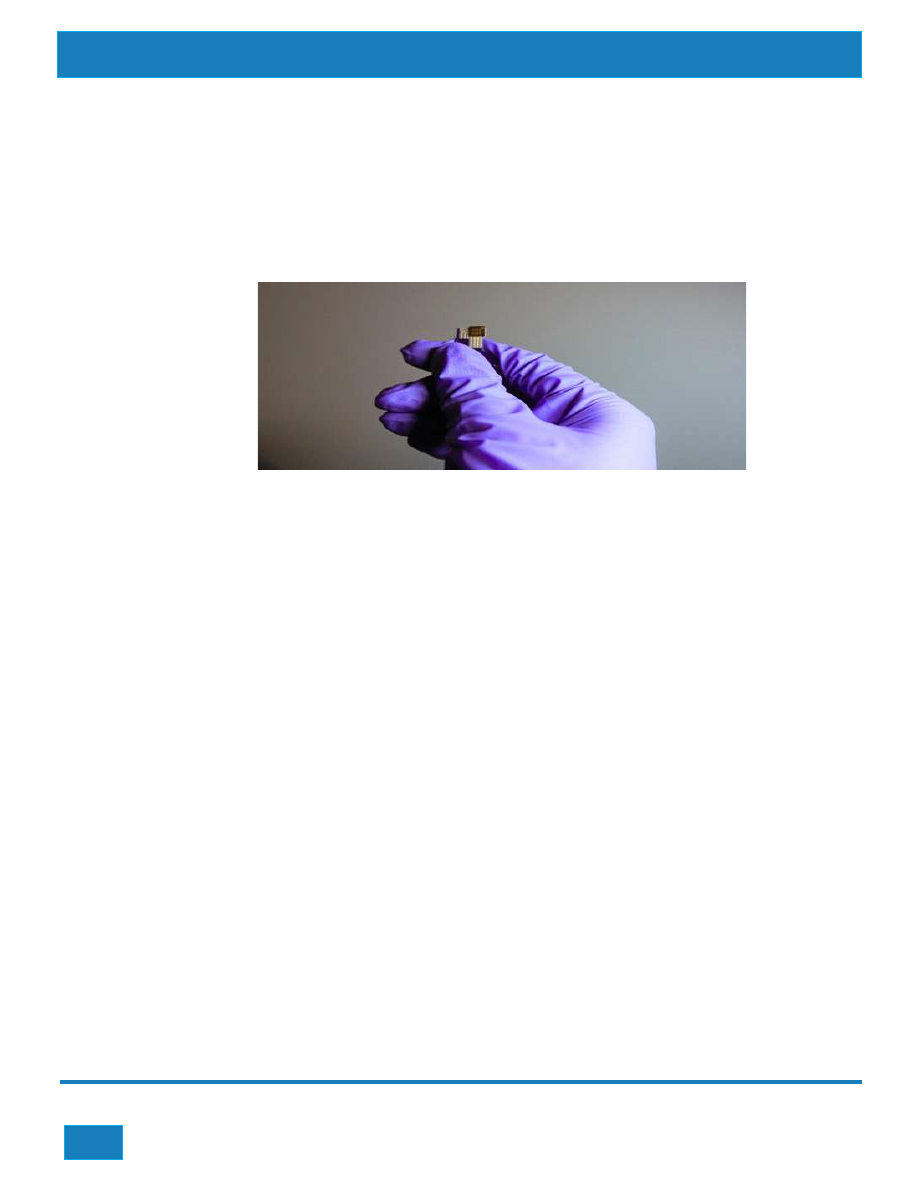
A team of engineers has created hardware that can learn skills using a type of AI that currently runs on software
platforms. Sharing intelligence features between hardware and software would offset the energy needed for
using AI in more advanced applications such as self-driving cars or discovering drugs.
Credit: Purdue University image/Qi Wang.
https://www.eurekalert.org/multimedia/pub/231005.php
AI hardware development is still in early research stages. Researchers have demonstrated AI in pieces of
potential hardware, but haven't yet addressed AI's large energy demand. The hardware is made of a so-called
quantum material. These materials are known for having properties that cannot be explained by classical
physics. Software uses tree-like memory to organize information into various "branches," making that
information easier to retrieve when learning new skills or tasks.
The team introduced a proton to a quantum material called neodymium nickel oxide. They discovered that
applying an electric pulse to the material moves around the proton. Each new position of the proton creates a
different resistance state, which creates an information storage site called a memory state. Multiple electric
pulses create a branch made up of memory states.
The material is capable of learning the numbers 0 through 9. The ability to learn numbers is a baseline test of
artificial intelligence. Protons also are natural information transporters in human beings. A device enabled by
proton transport may be a key component for eventually achieving direct communication with organisms,
such as through a brain implant.
Source:
www.sciencedaily.com/releases/2020/05/200507094744.htm
7
Technology Roundup
78
Engineers find neat way to turn waste Carbon Dioxide into useful Material
Making catalysts to convert waste carbon dioxide into useful industrial products has been expensive and
complicated -- until now. Engineers show it's as easy as playing with Lego.
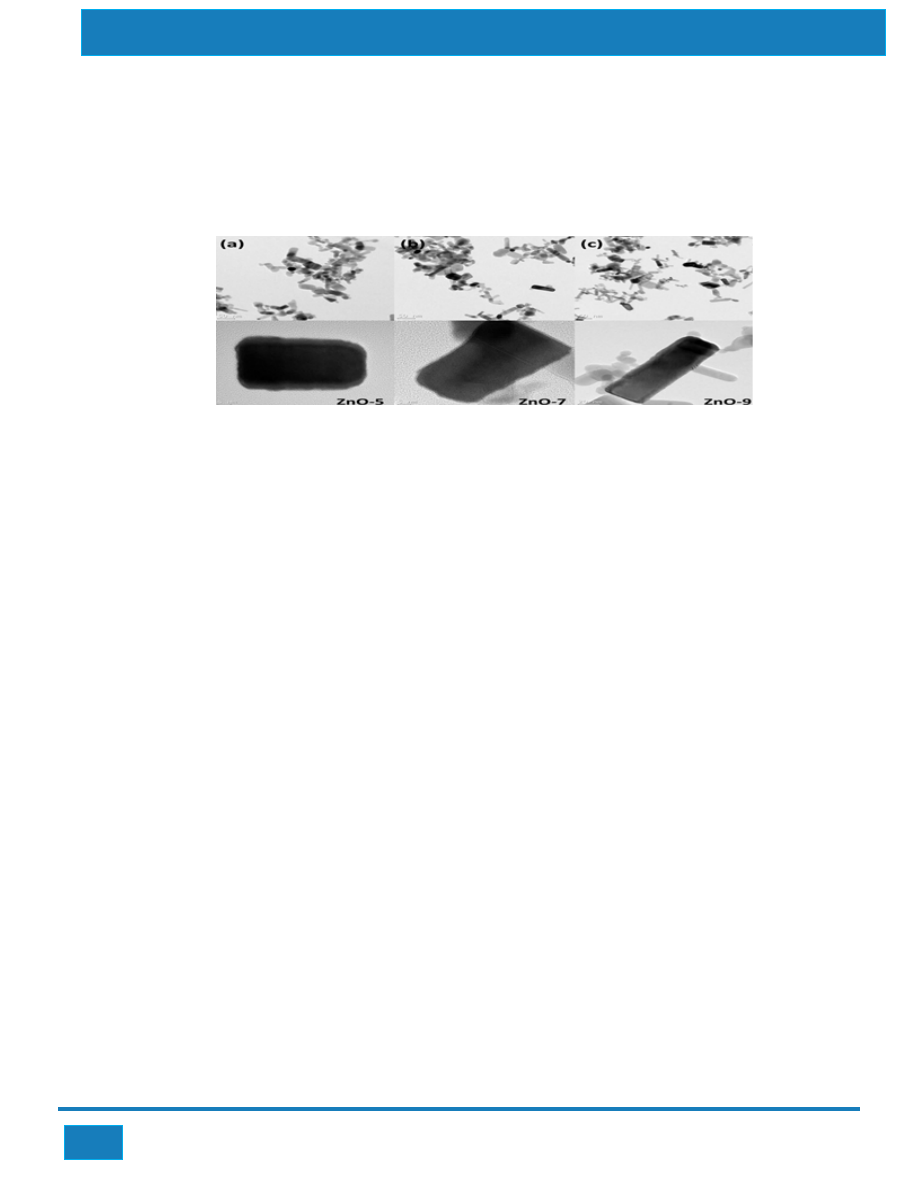
HR-TEM images for (a) ZnO-5, (b) ZnO-7 and (c) ZnO-9. Credit:
Advanced Energy Materials (2020). DOI:
10.1002/aenm.202001381.
https://phys.org/news/2020-06-neat-carbon-dioxide-material.html
The researchers in the Particles and Catalysis Research Laboratory show that by making zinc oxide at very
high temperatures using a technique called flame spray pyrolysis (FSP), they can create nanoparticles which
act as the catalyst for turning carbon dioxide into 'syngas' -- a mix of hydrogen and carbon monoxide used in the
manufacture of industrial products. The researchers say this method is cheaper and more scalable to the
requirements of heavy industry than what is available today.
In an industrial setting, an electrolyser containing the FSP-produced zinc oxide particles could be used to
convert the waste CO into useful permutations of syngas.
2
"Waste CO from say, a power plant or cement factory, can be passed through this electrolyser, and inside we
2
have our flame-sprayed zinc oxide material in the form of an electrode. After passing the waste CO in, it is
2
processed using electricity and is released from an outlet as syngas in a mix of CO and hydrogen. The
researchers are closing the carbon loop in industrial processes that create harmful greenhouse gases. And by
making small adjustments to the way the nanoparticles are burned by the FSP technique, they can determine
the eventual mix of the syngas building blocks produced by the carbon dioxide conversion.
A one to one ratio between the carbon monoxide and hydrogen lends itself to syngas that can be used as fuel.
But a ratio of four parts carbon monoxide and one part hydrogen is suitable for the creation of plastics.,In
choosing zinc oxide as their catalyst, the researchers have ensured that their solution has remained a cheaper
alternative to what has been previously attempted in this space. This method appealing is using the FSP flame
system to create and control these valuable materials.While the duo have already built an electrolyser that has
been tested with waste CO gas that contains contaminants, scaling the technology up to the point where it
2
could convert all of the waste carbon dioxide emitted by a power plant is still a way down the track.
Source:
www.sciencedaily.com/releases/2020/06/200610152016.htm

Technology Roundup
Technology Roundup
Pakistan
International Conference on Medical, Biological and Pharmaceutical Sciences
28-29 October, 2020
Rawalpindi Pakistan
www.iastem.org/Conference2020/Pakistan/1/ICMBPS/
International Conference on Environment and Natural Sciences
28-29 October, 2020
Rawalpindi Pakistan
www.iastem.org
International Conference on Rehabilitation Science
28-29 November, 2020
Rawalpindi Pakistan
www.iser.co/conference 2020
World Congress on Information Technology
19-20 January, 2021
Sargodha
www.conferencealert.com/conf-detail.php?ev_id=368372
International
International Conference on Computer Systems Engineering and
Research
7-8 January, 2021
Tokyo Japan
www.waset.org/computer-system
International Conference on Science Engineering & Technology
28-29 January, 2021
Singapure
www.icest.net
3rd International Conference on Research in Science, Engineering &
Technology
11-13 March, 2021
Oxford UK
www.icrset.org
International Congress on History of Sceience and Technology
25-31 July, 2021
Czech Republic Prague
www.ichst2021.org
Forthcoming Tech Events
9
Tech & Trade Offers
About PASTIC
PASTIC serves as a gateway for
Scientific & Technological
Information for R&D by catering
to the information needs of
researchers, entrepreneurs,
industrialists, educationists,
policy makers and planners
t h r o u g h a n t i c i p a t o r y a n d
responsive information services.
T e c h n o l o g y I n f o r m a t i o n
Section works exclusively for
support and promotion of
technological information on
trade and industry in the
country. “Technology Roundup”
is a news bulletin that provides
latest and innovative technology
news, forthcoming events, etc. It
a l s o p r o m o t e s p r o d u c t s ,
technologies and services
globally in sectors such as Agro-
Industry, Bio-Technology,
Building Material, Business,
Chemicals, Electronics, Energy,
Fisheries, Food Processing,
Machinery, Packaging, Mining
Pharmaceuticals and Textiles.
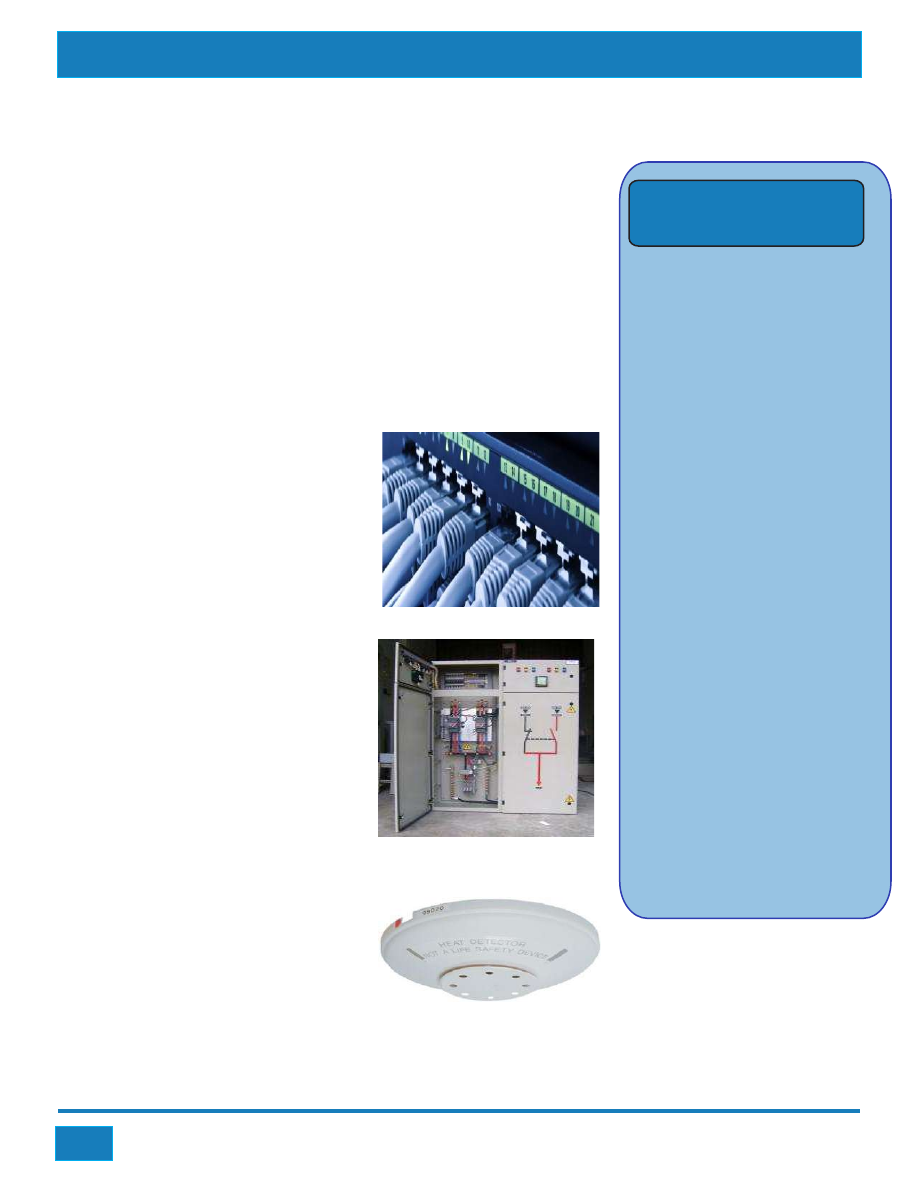
Ghazi Engineering
Ghazi Engineering established in 2009 with the core
aim to provide best quality services to its
clients.Through restless efforts to achieve success the
team of Ghazi Engineering left no stone unturned to
achieve its targets. Today Ghazi Engineering is known
for excellence and dedication. This has only been
possible by our team.Today numerous multinationals
and local companies look to Ghazi Engineering for
quality and reliability. With the
p a s s a g e o f t i m e , G h a z i
Engineering increased its scope
o f w o r k . N o w w e o f f e r
installation and maintenance
for:
!
Lifts and Escalators
!
Automatic Gates & Doors
!
Surveillance Systems
!
Fire Alarm Systems
!
Burglar Alarm Systems
!
Road Safety Barriers
!
Networking Solutions &
!
Automation
Contact
Suite # 419, 4th Floor
Landmark Plaza, Jail Road,
Lahore
Telophone
042-5791336
Email: info@ghaziengineering.com
www.ghaziengineering.com
Technology Roundup
Please give us your feedback and address queries to tis.pastic@gmail.com
10