
Executive Editor
Prof. Dr. Muhammad Akram Shaikh
Director General, PASTIC
Managing Editors
Ms. Nageen Ainuddin
Dr. Saima Huma Tanveer
Editor
Dr. Syed Aftab Hussain Shah
Composer
Kashif Farooqui
T
ECHNOLOGY
R
OUNDUP
Technology Information Services Section (TIS)
Pakistan Scientific & Technological Information Centre
PASTIC
January-February, 2019
Vol.11 No 1
A NEWS BULLETIN
Tech News Headlines
Tech & Trade Offers
Phone: 051-9248103-4, 9248128
Fax: 051-9248113
Email: tis.pastic@gmail.com
Web: www.pastic.gov.pk
PASTIC National Centre
Quaid-i-Azam University Campus
P.O. Box 1217, Islamabad
Editorial Board
l
l
l
l
l
l
l
l
RFID-Based Automated Shared Drop Box for Laundry Business: A
Process Model
PASTIC-UAF ICT-EXPO in Innovative Trends in Science &
Education
Wave Device for Clean Energy to Thousands of Homes
Flaxseed Fiber Ferments in gut to improve Health, reduce Obesity
Digital Phase-Locked Loop achieves a Power consumption of 0.265 MW
Predicting the Monsoon a Year Ahead
Colorectal Cancer Test Kits Could Speed Up Screening Process
Electric Car Batteries inspire Safer, Cheaper way to make
Compounds used in Medicines
BILAL SWITCHGEAR
ENIGINEERING
Forthcoming Tech Events
l
l
th
8 Invention to Innovation Summit, Punjab
World Congress on Cell & Tissue Science
l International Conference on Mechanical And Automobile
Engineering
International Conference of Electrical and Electronics
Engineering
l
l
l
l Wind Energy Science Conference 2019
l
International Academic Conference on Engineering Technology
&Innovations
Prime Expo Canada 2019
International Conference on Engineering & Technology

Technology Roundup
2
RFID-Based Automated Shared Drop Box for Laundry Business: A
Process Model
Source:
Collection and delivery of laundry is an important process in the laundry business. The laundry businesses
have adopted diverse models such as over the counter collection/delivery, online booking etc. The laundries
are collected or delivered from customers' doorstep or from customers' desired location at a convenient time.
In this paper, business process re-engineering concept has been incorporated to improve the collection and
delivery process of laundry using RFID (Radio-Frequency Identification) tagging and Automated Laundry
Collection Drop Box. The Devil's Quadrangle has been used as a tool for evaluation.
The proposed model will result in reduction in cost, time and improvement in service quality. It ultimately
results in customers' loyalty, economic efficiency and gain of a competitive advantage over competitor.
Other advantages for laundry business include automatic collection and delivery, enhanced customer
convenience, enhanced flexibility and industry economic savings, enhanced customer satisfaction and
decreased labor work.
In the proposed automated laundry collection model, reputed laundry businesses will make a consortium and
outsource collection and delivery process to a courier company. Different collection and delivery options are
proposed in the model.
IQBAL, Sarwat et al. RFID-Based Automated Shared Drop Box for Laundry Business: A Process
Model. Mehran University Research Journal of Engineering and Technology,
2019 January 3(1) 37-52
Technology Roundup
3
PASTIC-UAF ICT-EXPO ON INNOVATIVE TRENDS IN SCIENCE
& EDUCATION
Source: https:www.pastic.gov.pk
In the 21st century, technologies particularly Information and Communication Technologies (ICTs) are
considered to play a critical role in the evolution of societies by converting them into the digital economy.
Pakistan Scientific and Technological Information Centre (PASTIC) in collaboration with University of
Agriculture, Faisalabad (UAF) organized one day PASTIC-UAF-ICT-EXPO titled “Innovative Trends In
th
Science and Education” at Expo Centre, UAF on February 20 , 2019.
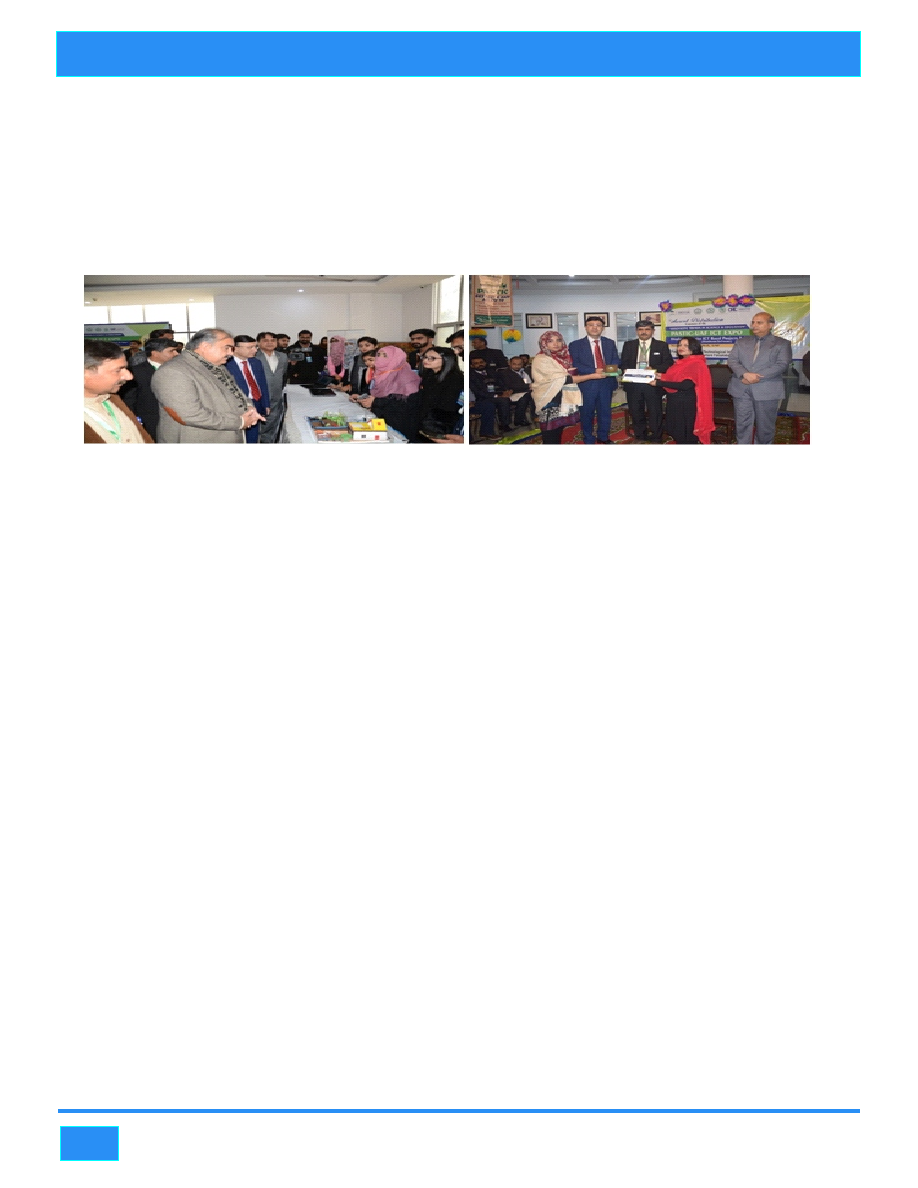
Glimpses of stall visit and prize distribution during PASTIC-UAF ICT Expo held at UAF,
th
Faisalabad on February 20 , 2019.
The objectives of the workshop were to aware the audience on latest ICT tools/technologies and
application, ICT opportunities and challenges in different sectors, provide an opportunity to the youth to
meet/discuss/review their ICT developments with experts and more importantly to provide an
opportunity to academic innovators to showcase/ marketplace their ICT projects/innovations/products
and enhance networking opportunity and creativity among ICT professionals. The various universities,
colleges and institutes displayed their innovative ideas related to ICT and comprising National University
of Computer and Emerging Sciences (former FAST) Faisalabad Campus, NFC, Govt. College University
for Women, Govt College University, University of Engineering & Technology (UET) Faisalabad
campus, Khawaja Fareed University of Engineering and Information Technology, Rahim Yar Khan,
University of Sargodha, University of Central Punjab, National Textile University, UAF Sub-Campus
Burewala and UAF. The exhibitors also discussed their modes and means of innovations with the visitors.
A total of 130 ICT and related projects were displayed at the Expo.
Mr. Zia Alamdar, President, Faisalabad Chamber of Commerce and Industry (FCCI) and Chief Guest of
inaugural ceremony extended cooperation for promoting ICT at all levels through the forum of FCCI.
Prof. Dr. Muhammad Akram Shaikh, Director General PASTIC sensitized and motivated the students to
develop innovative and state of the art projects for showcasing in such exhibitions while PASTIC is
organizing same events in other cities of Pakistan. He also appreciated ORIC-UAF for providing
technical and logistic support to make this exhibition a success story. Prof. Dr. Aftab Maroof, Director,
FAST Faisalabad Campus emphasized business community to take up best of the best idea being
displayed in this Expo for the benefit of the end user. Dr. Ahsan Latif, Chairman, Department of Computer
Sciences spoke about the objectives of this Expo with anticipated outcomes for the students, faculty and
industry personnel. Guests visited the stalls and discussed technicalities, economic feasibilities and long
term benefits of the innovative ideas. Four members from PASTIC, UAF, NTU, FAST evaluated the ICT
innovations displayed at stalls under a prescribed mechanism. At the end of concluding ceremony, cash
awards were distributed among 10 best innovators from different Universities. Moreover, shields were
distributed among the organizers of the ICT Expo from PASTIC and UAF.
4
Technology Roundup
Wave Device for Clean Energy to Thousands of Homes
Source: https:www.laboratoryequipment.com/news/2019/02/
A wave energy technology is being developed that could help generate low-cost electricity for thousands of
houses. The device costs less than conventional designs, has fewer moving parts, and is made of durable materials.
It is designed to be incorporated into existing ocean energy systems and can convert wave power into electricity.
Small scale experiments in an ocean simulator show that one full-size device could generate the equivalent of
500kW, enough electricity for about 100 homes. Engineers say that their design could be used in fleets of low-cost,
easily maintained structures at sea within decades, to take advantage of powerful waves in Scottish waters.
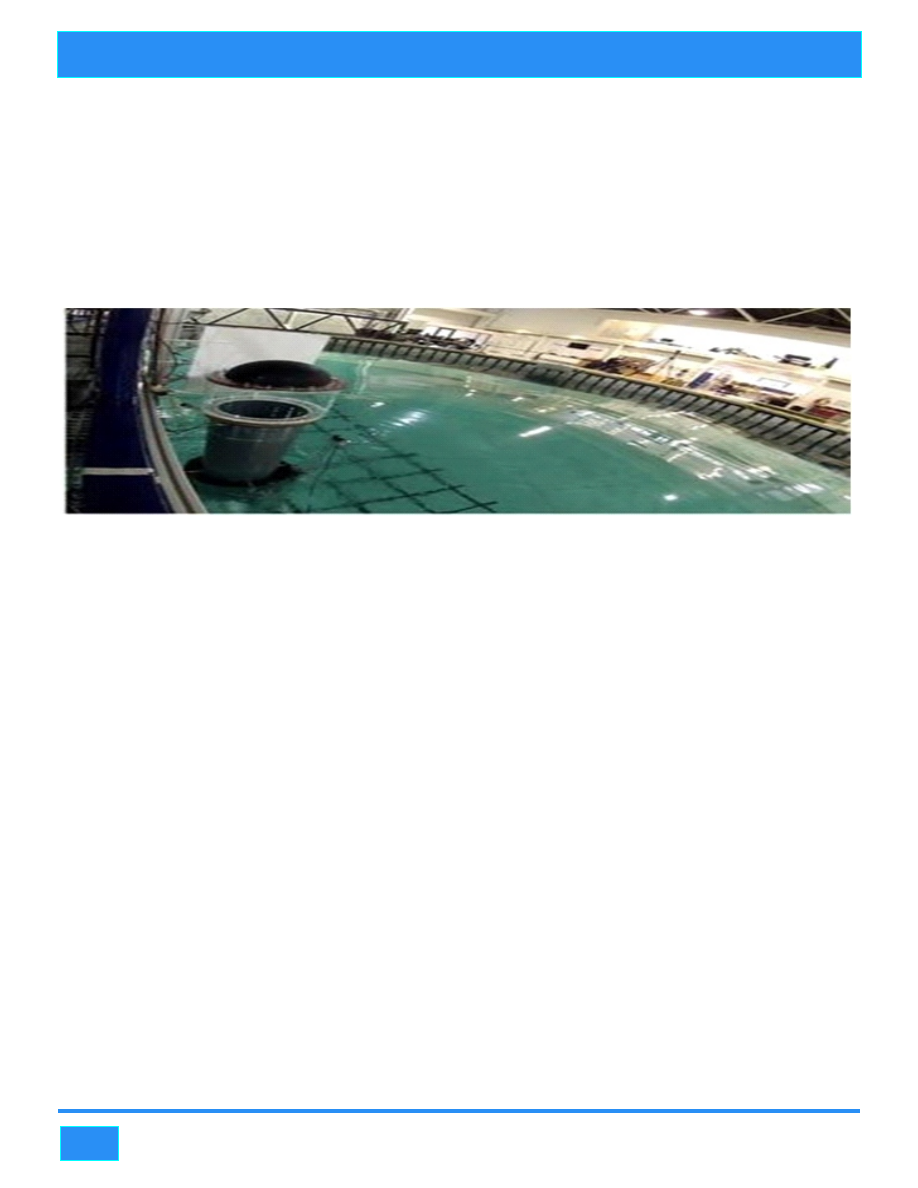
Scale trials are held in the FloWave facility at the University of Edinburgh of a wave energy converter
device that could provide power to thousands of homes. Photo: Universities of Trento, Bologna and
Edinburgh and Scuola Superiore Sant'Anna Pisa
Engineers from the University of Edinburgh and from Italy developed their deviceknown as a Dielectric
Elastomer Generator (DEG)using flexible rubber membranes. It is designed to fit on top of a vertical tube which,
when placed in the sea, partially fills with water that rises and falls with wave motion.
A scaled-down version of the system was tested in the FloWave facility at the University of Edinburgh, a 25m
diameter circular tank that can reproduce any combination of ocean waves and currents. The system could replace
conventional designs, involving complex air turbines and expensive moving parts.
The study, published in Proceedings of the Royal Society A, was carried out in collaboration with the Universities
of Trento, Bologna and Scuola Superiore Sant'Anna Pisa in Italy. It was supported by the European Union Horizon
2020 program and Wave Energy Scotland. “Wave energy is a potentially valuable resource around Scotland's
coastline, and developing systems that harness this could play a valuable role in producing clean energy for future
generations," said David Ingram, of the University of Edinburgh's School of Engineering, who took part in the
study.

3
5
Technology Roundup
Flaxseed Fiber Ferments in gut to improve Health, reduce Obesity
Source: https:www.sciencedaily.com/releases/2019/02/190205090541.html
Research in mice suggests that fermentation of flaxseed fibers in the gut changes the microbiota to improve
metabolic health and protect against diet-induced obesity.
he organisms that live in the digestive tract (gut microbiota) play a role in regulating weight and the way the body
processes sugar (glucose tolerance). The breakdown of dietary fiber in the gut -- a process called fermentation --
can produce favorable changes in the digestive system, such as an increase in beneficial fatty acids, which may
reduce the production of fat tissue in the body and improve immune function. Flaxseed is a fiber-rich plant that
has been shown to improve cholesterol levels and inflammation in the colon. However, there is little research on
the fermentability of flaxseed and how flaxseed fiber affects gut microbiota.
Researchers studied mice assigned to four different diets:
l a standard diet that contained 4.6 percent soy-based fiber ("control");
l a high-fat diet that contained no fiber ("high-fat");
l a high-fat diet that contained 10 percent indigestible cellulose fiber ("cellulose"); and
l a high-fat diet that contained 10 percent flaxseed fiber ("flaxseed").
The research team measured the amount of oxygen the mice used, carbon dioxide produced, food and water
consumed and energy expended. Glucose tolerance was also measured near the end of the trial. At the end of 12
weeks, the researchers examined the animals' cecal contents -- bacteria and other biological materials in the
pouch that forms the beginning of the large intestine (cecum).
The high-fat group had fewer bacteria associated with improved metabolic health, lower levels of beneficial fatty
acids and more of a bacterium linked to obesity when compared to the other groups. Bacteria levels in both the
cellulose and flaxseed groups returned to healthier levels when compared to the high-fat group. The flaxseed
group was more physically active and had less weight gain than the other high-fat diet groups. The mice that
received flaxseed supplements also had better glucose control and levels of beneficial fatty acids that were
comparable to the healthy control group. When examining the cecal contents, the research team found evidence
that the bacteria present ferment fibers from the thick, glue-like layer of the flaxseed shell. The bacteria that
perform fermentation then produce more beneficial fatty acids.
The data suggests that flaxseed fiber supplementation affects host metabolism by increasing energy expenditure
and reducing obesity as well as by improving glucose tolerance. Future research should be directed to understand
relative contribution of the different microbes and delineate underlying mechanisms for how flaxseed fibers
affect host metabolism," the researchers wrote.
Inspired by the refined electrochemistry of electric car batteries, scientists have developed a battery-like system
that allows them to make potential advancements for the manufacturing of medicines. Their new method avoids
safety risks associated with a type of chemical reaction known as dissolving metal reduction. Their method
would offer significant advantages over current methods of chemical manufacturing, but until now, has largely
been sidelined due to safety considerations.
Electric Car Batteries inspire Safer, Cheaper way to make Compounds used
in Medicines
6
Technology Roundup
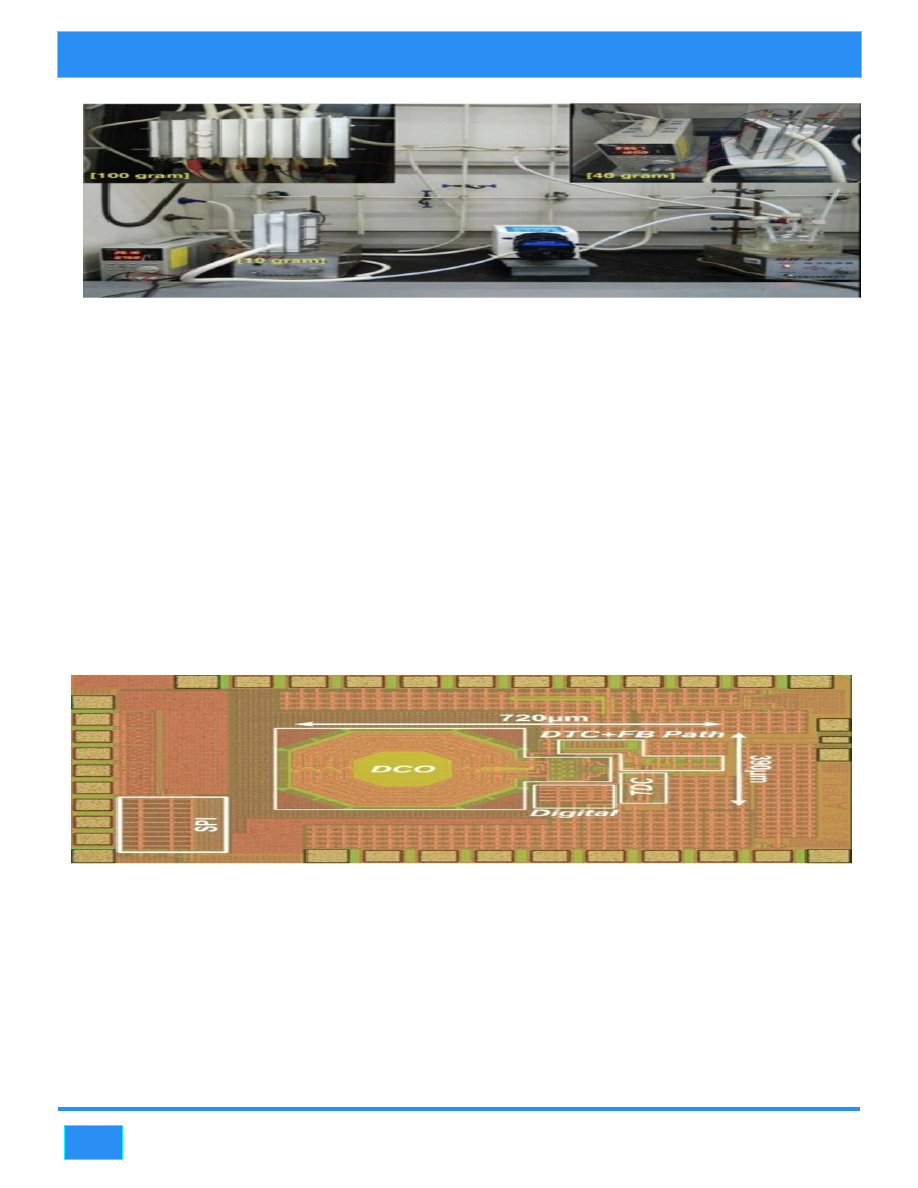
Scientists at Scripps Research, inspired by the refined electrochemistry of these batteries, have developed a
battery-like system that allows them to make potential advancements for the manufacturing of medicines.
Their system avoids safety risks associated with a type of chemical reaction known as dissolving metal
reduction, which is often used to produce compounds used in the manufacturing of medicines.Credit:
Baran lab
Recent advances in battery technology, from the engineering of their cases to the electrochemistry that takes place
inside them, has enabled the rapid rise of Teslas, Leafs, Volts and other electric cars. The Scripps Research team
collaborated on the project with researchers at Pfizer Global Research and Development, the University of Utah,
the University of Minnesota and Asymchem Life Science in China.
Scientists have developed an advanced phase-locked loop (PLL) frequency synthesizer that can drastically cut
power consumption. This digital PLL could be an attractive building block for Bluetooth Low Energy (BLE) and
other wireless technologies to support a wide range of Internet of Things (IoT) applications.
Source: https: www.sciencedaily.com/releases/2019/02/190221141501.html
Digital Phase-Locked Loop achieves a Power Consumption of 0.265 MW
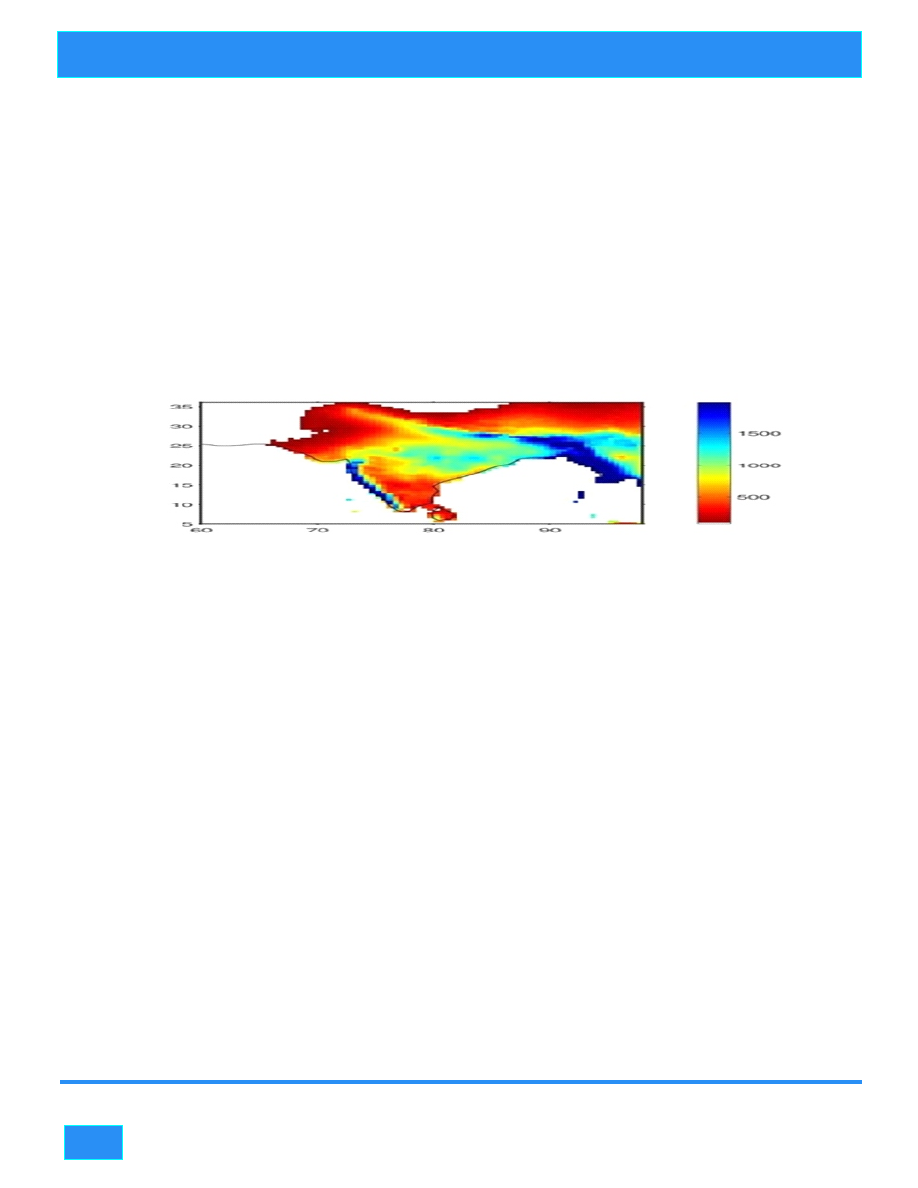
This is the proposed fractional-N DPLL occupies an area of 0.25 mm2 in 65-nanometer CMOS. Credit:
Kenichi Okada
As a key building block of wireless communication systems, frequency synthesizers need to satisfy demanding
requirements. Although analog PLL frequency synthesizers have been the standard for many years, engineers in
the IoT industry are increasingly turning their attention to so-called digital PLLs (DPLLs) to achieve ultra-low
power operation.
Kenichi Okada, associate professor at Tokyo Institute of Technology's Department of Electrical and Electronic
Engineering and his group now report a fractional-N DPLL that achieves a power consumption of only 265
microwatts (μW), a figure that is less than half the lowest power consumption achieved to date (980 μW).
7
Technology Roundup
The researchers found that overall power consumption could be greatly reduced by using an automatic
feedback control system. "This automatic-switching feedback path consumes a power of 68 μW, which leads to
a power consumption of 265 μW for the whole DPLL," Okada says. The promising DPLL could go on to be
used as a component for processors, memories and a vast new range of IoT devices that will be expected to be
both cost-effective and eco-friendly by running on ultra-low power. Okada notes that early experiments show
the DPLL could extend battery life by four times.
Source: https:www.sciencedaily.com/releases/2019/02/190219111646.html
Predicting the Monsoon a Year Ahead
Source: https: www.sciencedaily.com/releases/2019/02/190222143342.html
With average precipitation of 35 inches per four-month season over an area encompassing most of the Indian
subcontinent, the South Asia summer monsoon is intense, only partly understood, and notoriously difficult to
predict until now.
Mean monsoon-season (June-September) precipitation (mm) for South Asia, 1901-2016. Land grid cells
where this was under 100 mm are left unshaded and were not included in the study domain. Credit: Nir
Krakauer
The impact of this research could be applied at a range of activities, including agriculture, industry, fishing and
hydropower. A frequent visitor to the region, stretching from Nepal to Sri Lanka, Krakauer has devised a
methodology that allows forecasts potentially up to a year in advance. Currently, most predictions are made
about two months in advance of the South Asia monsoon season that runs from June to September, but it is not
known how far ahead skillful forecasts might be possible. "People usually use one or two predictors for
forecasts," said the Grove School of Engineering associate professor who is also affiliated with the CCNY-
based NOAA-CREST. "Many of these predictors are one or another pattern of sea surface temperatures. My
question was how do you find which patterns are important for forecasting the monsoon -- the amount of rain
and where it will be?"
Unlike other forecasters who use only the sea surface temperature readings from neighboring waters, Krakauer
looked at the predictive potential of all the common patterns in the sea surface temperature map. He developed
prediction methods using global sea surface temperature and monsoon precipitation data from between 1901 to
1996, and tested the performance of his prediction methods on data from 1997-2017. "He found that two
methods seem to do a good work of forecasting the monsoon. The sea surface temperatures were observed at
the beginning of the monsoon, and then going back as far as four years before.”
The crux of the research is that “closer to the beginning of the monsoon season, the more accurate forecasts that
are based on sea surface temperature can be.” But predictions with some accuracy can be made as far as a year
in advance. Getting a better sense of how much water will be available is particularly important given that the
rainfall is getting more intense in South Asia while the total amount remains constant, meaning that more rain is
falling in a shorter period. This could be problematic for farmers in the region.
7
Technology Roundup
78
c
Colorectal Cancer Test Kits Could Speed Up S reening Process
S
m
7
ource: ht
tps.www.techtimes.co /articles/238985/2019022 /colorectal-cancer-test-kit-could-speed-up-
o
screening-pr cess.html
o
m
h
en
A recent review of 31 studies f und that fecal im unoc emical test or FIT has identified 75 to 80 perc
t of
n
l
people who have the disease. This suggests that the at-home screeni g test can be an alternative to co onoscopy
for individuals who have an average risk of colorectal cancer.
t
a
A -home cancer screening kits can effectively detect colorectal cancer mong patients, according to a
d
recent analysis. Researchers discovere that fecal immunochemical tests have 75 to 80 percent
v
e
sensiti ity compared to 90 p rcent from colonoscopy. ( Michal Jarmoluk | Pixabay
)
o
a
v
The FIT works by detecting the presence f blood in n indi idual's stool that otherwise might not be visible to
n
e
o
the aked eye. One of the telltal symptoms of colorectal cancer is blood in or on the stool, acc rding to the
Centers for Disease Control Prevention.
To use the test, the patient places a paper sling that catches a sample of the stool on the toilet seat. The sample is
t
h
then sent o a lab for analysis. The results are forwarded to a physician who will communicate t e findings back
o
l
i
t the patient. If the stool samp e tested posit ve for colorectal cancer, the patient is advised to have a
o
col noscopy.
h
i
I
n
n
The recent analysis, whic was publ shed in the Annals of nternal Medici e o Tuesday, Feb. 26, suggests that
p
a
e
FIT is a very acce table alternative to screen for colorectal cancer for people who have an verag risk or those
n
l
h
who do not have a family history of the disease or inflammatory bowe disease. Unlike colonoscopy, t e at-
g
e
n
home screenin test is not invasive and do s not require preparation i advance.
v
Howe er, those who opt to use FIT at home will have to be screened more frequently. The researchers said that
c
the test must be arried out once a year. In comparison, a colonoscopy is recommended every 10 years.
m
el
as
While effective, FIT does not co plet y remove the need for colonoscopy. The invasive procedure still h a
n
y
y
90 percent se sitivit according to the anal sis. This means that it has identified cancer in 90 percent of people
as
who have the dise e.

Technology Roundup
Technology Roundup
National
th
8 Invention to Innovation Summit, Punjab
www.pastic.gov.pk/newsdetail.aspx?newsID=245
World Congress on Cell & Tissue Science
www.allconferencealert.net/eventdetails-arda.php
www.academicsworld.org/Conference2019
Prime Expo Canada 2019
www
International Conference on Engineering & Technology
www.wrfconference.com/event/index
Wind Energy Science Conference 2019
www.wesc2019.org
International Conference of Electrical and Electronics Engineering
www.10times.com/conference-electrical-electronics
2-3 April, 2019
University of Punjab Lahore
28 April, 2019
Lahore Continental Hotel
03-05 July 2019
London UK
www.iiter.org
International Conference on Mechanical And Automobile Engineering
International Academic Conference on Engineering Technology &
Innovations
29-30th May, 2019
Rawalpindi
24-26 April 2019
Mississauga, Canada
28-29 June, 2019
Rawalpindi
International
.10times.com/expo-canada
st
nd
1 -2 June, 2019
New York USA
17-20 June, 2019
Cork Irland
Forthcoming Tech Events
9
Tech & Trade Offers
About PASTIC
PASTIC serves as a gateway for
Scientific & Technological
Information for R&D by catering
to the information needs of
researchers, entrepreneurs,
industrialists, educationists,
policy makers and planners
t h r o u g h a n t i c i p a t o r y a n d
responsive information services.
T e c h n o l o g y I n f o r m a t i o n
Section works exclusively for
support and promotion of
technological information on
trade and industry in the
country. “Technology Roundup”
is a news bulletin that provides
latest and innovative technology
news, forthcoming events, etc. It
a l s o p r o m o t e s p r o d u c t s ,
technologies and services
globally in sectors such as Agro-
Industry, Bio-Technology,
Building Material, Business,
Chemicals, Electronics, Energy,
Fisheries, Food Processing,
Machinery, Packaging, Mining
Pharmaceuticals and Textiles.
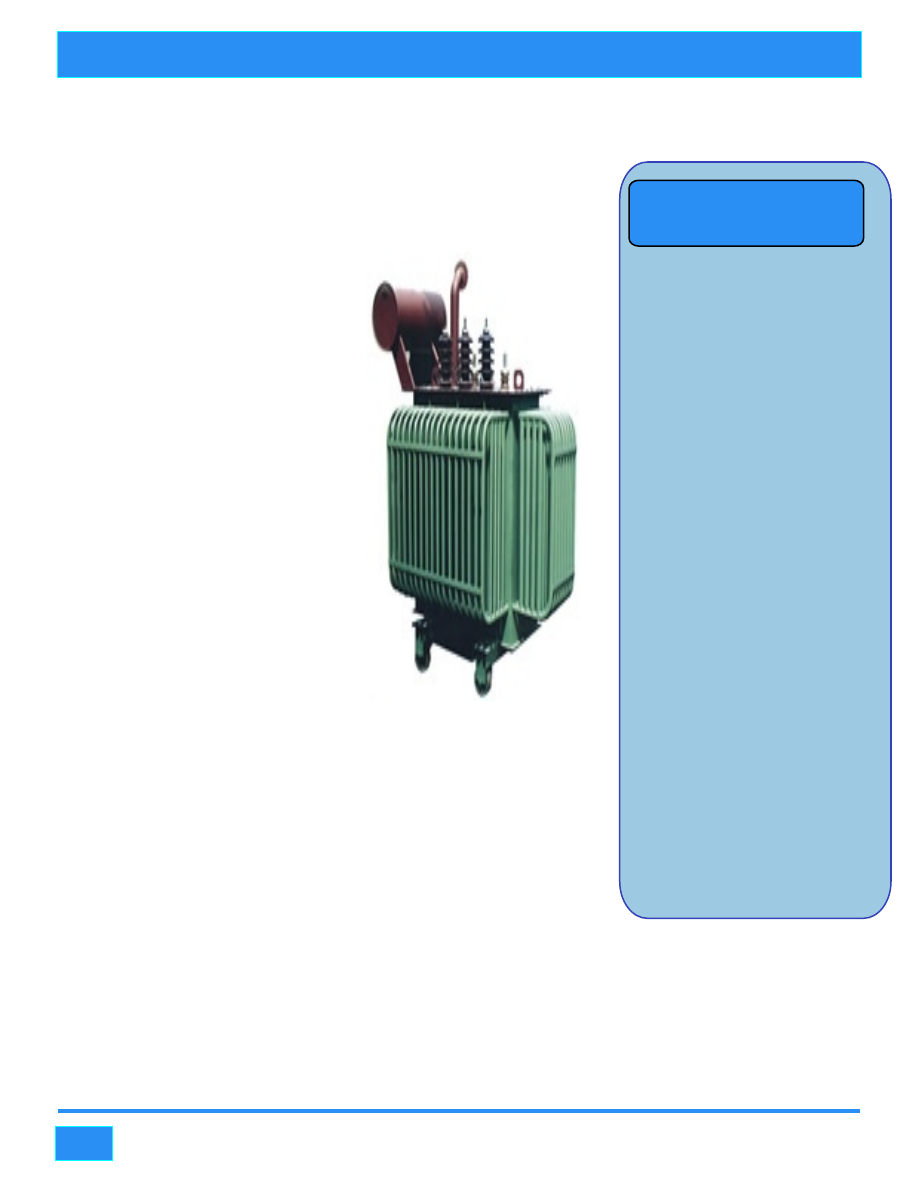
BILAL SWITCHGEAR ENIGINEERING
We are manufacturing following types of Transformers since 2000
for various electricity network configurations such as 3.3KV, 11KV
to suit and meet the customer's
requirements.
1) Power Transformers
2) Distribution Transformers
Conservator Type
Sealed Type
3) Special Transformers
Furnace Transformers
Auto Transformers
Rectifire Transformers
Dry Type Transformers
Our Transformers comply with the
following national & International
standards:-
(1) IEC-76
(2) BSS-171
(3) ANSI
(4) VDE-0532
(5) WAPDA P-10 & P13
(6) KESC-28, During the extensive
experience of serving the industry, we have earned reputation of
maintaining the highest standards of quality and workmanship. Our
clientage all over the country is crystal evidence of our commitment
to excellence.
Factory & Head Office
11KM Raiwand Road
Lahore
Telephone # +92-42-35320048-49
Fax: +92-42-35320050
Email: fans@bilaleng.com
www.bilaleng.com
!
!
!
!
!
!
!
!
!
!
!
!
!
!
!
!
!
Technology Roundup
Please give us your feedback and address queries to tis.pastic@gmail.com
10